

iStart is an intrusive browser hijacker that often sneaks into systems bundled with free software or disguised as a legitimate browser add-on. It enters the browser without user knowledge and alters key browser settings, forcing you to search the web through a fake engine called letsearches.com, which redirects queries to Bing.
Many users also report an unwanted “iStart” search bar appearing on their desktop, re-launching at every restart, and sometimes tied to the Windows process mshta.exe.
This post explains how to completely remove iStart from your computer and browser, as well as how to prevent similar intrusions in the future. Left unchecked, it can compromise your browsing experience, privacy, and even expose your device to additional unwanted software.
Is iStart a Virus?
Not exactly. While iStart behaves maliciously, it is technically a browser hijacker and not an actual virus. It embeds itself into browsers and operating system settings to redirect web traffic and manipulate preferences instead of infecting any of your files. It changes your browser homepage, new-tab page, and default search engine, and locks these settings so you cannot easily switch back.
Its promoted site, letsearches.com, poses as a search engine but, in reality, it just reroutes results to Bing while collecting data such as search queries and potentially personal details. The associated server (IP address 52.44.144.82) and suspicious installation folders like searcherbar are additional technical clues of its presence.
The threat lies in how deeply it integrates into browsers and the operating system, persisting after restarts and resisting removal attempts by ordinary means.
How dangerous is iStart?
So iStart isn’t a system destroyer, yet it’s still a threat. It undermines privacy and security in subtle ways, such as tracking browsing behavior, gathering personal information, and exposing you to fraudulent or malicious sites. Because it redirects traffic through a fake search service, it also conditions users to trust deceptive results.
Just like other hijackers such as Homesearcherplace.com and Babobui.co.in, iStart may reappear after removal or open paths for more aggressive malware. Its persistence, data collection practices, and manipulation of browser control make it more than a nuisance – it’s a genuine privacy risk that demands immediate action.
iStart may expose your browser to redirects, ads, and persistent unwanted components. Install SpyHunter Pro to scan for risks, remove related threats, and enable real-time protection.
 OFFER
OFFER*Source of claim SH can remove it. Trial w/Credit card; image is for illustration; full terms.
iStart Removal Tutorial
Start with low-risk checks, validate results at each step, and escalate only when symptoms persist. Now, time out – focus only on what you can actually observe and confirm. Document each change and keep a steady pace. This disciplined method clears iStart efficiently, reduces guesswork, and helps avoid reintroducing problems while you proceed safely.
Quick Steps to Remove iStart
- 1.1Open your browser’s Settings to start cleaning traces of iStart.
In Chrome, use the ⋮ menu at the top-right; in Firefox, open the ≡ menu.
Open Extensions or Add-ons and review everything. Jot quick notes beside any suspect item so you can track what you remove later. - 1.2Check each extension carefully: confirm the name, icon, permissions, and full description.
Look for copycat names or near-identical logos and choose Remove if something doesn’t line up.
Unsure? Search the exact “extension name” to see user reports or warnings, prioritizing official vendor pages when verifying. - 1.3Go to Privacy and Security and open Site Permissions.
Review which sites can use your microphone, camera, location, or notifications.
Disable access for domains you don’t recognize. Record what you change so legitimate access can be restored if needed. - 1.4Remove any site entries that gained privileges you didn’t intend under Site Permissions.
This cuts off recurring prompts, alerts, and redirect loops.
When you finish, restart the browser to apply changes fully, then recheck to confirm nothing silently reverted.
If these first actions stop the symptoms, you can wrap up. If issues continue, components likely sit outside the browser profile. Move in order so you find and remove the remaining hijack pieces without unnecessary changes.
SUMMARY:
How to Remove the iStart Virus
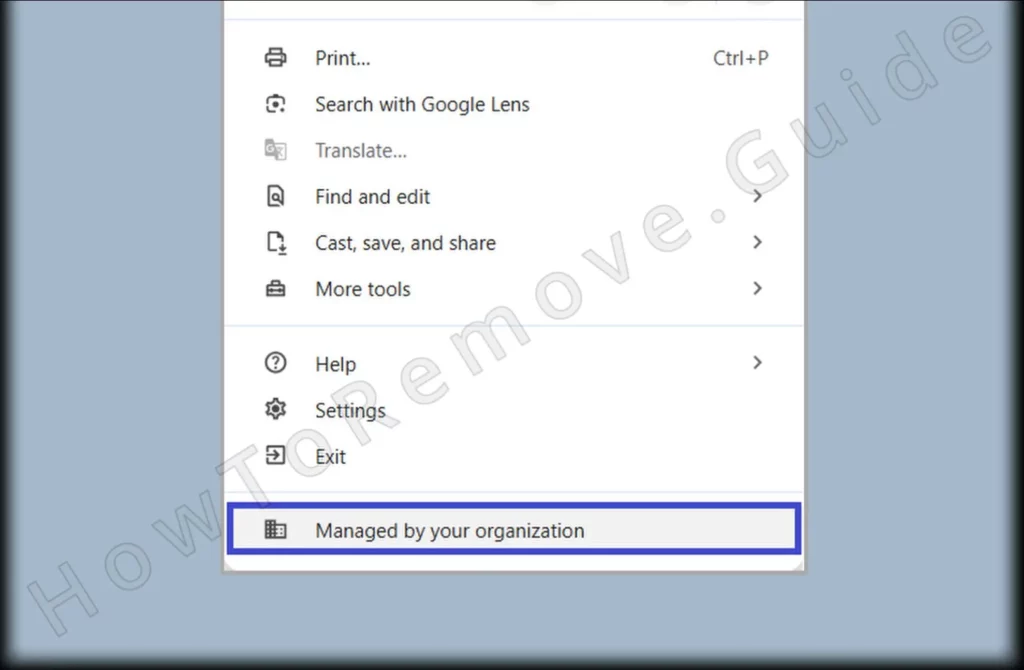
“Managed by your organization” at startup is a giant red flag. Time out – policy settings are enforcing changes and ordinary tools will not override them. Identify and remove policy control so iStart cannot persist. Work carefully, confirm each change, and keep notes to retrace actions if trouble reappears after a reboot, consistently and repeatedly.
1. Identify the iStart Policies
- 1.1
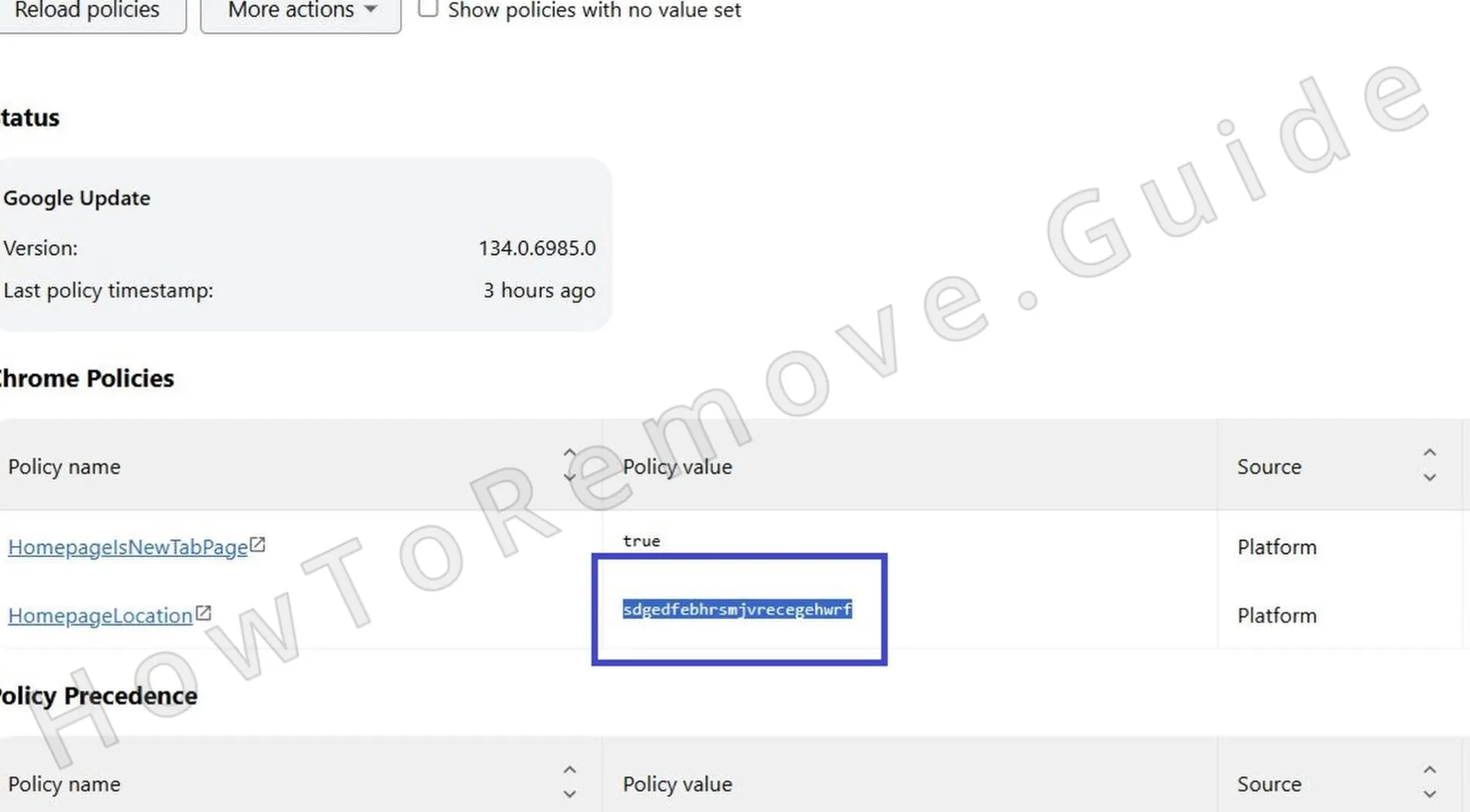 Open the browser policy page to spot entries tied to iStart.
In Chrome: chrome://policy
In Edge: edge://policy
Wait for the list to load, then scan for anything unusual. Use Reload policies if available to refresh or export for comparison. - 1.2Inspect each entry and watch for random strings or odd identifiers.
Write down anything suspicious so you can match files and folders during cleanup.
Capture the exact policy Name and Value fields; these often map directly to storage paths. - 1.3Open your browser’s Extensions page and enable Developer mode with the top-right toggle.
You’ll see extension IDs and install paths that help with manual removal.
Copy each suspicious ID into a text file so you can cross-reference folders without guessing. - 1.4If the Extensions page is blocked or broken, open File Explorer.
This lets you review browser files directly and bypass UI restrictions.
Use View > Show > Hidden items so profile folders in AppData are visible while checking. - 1.5
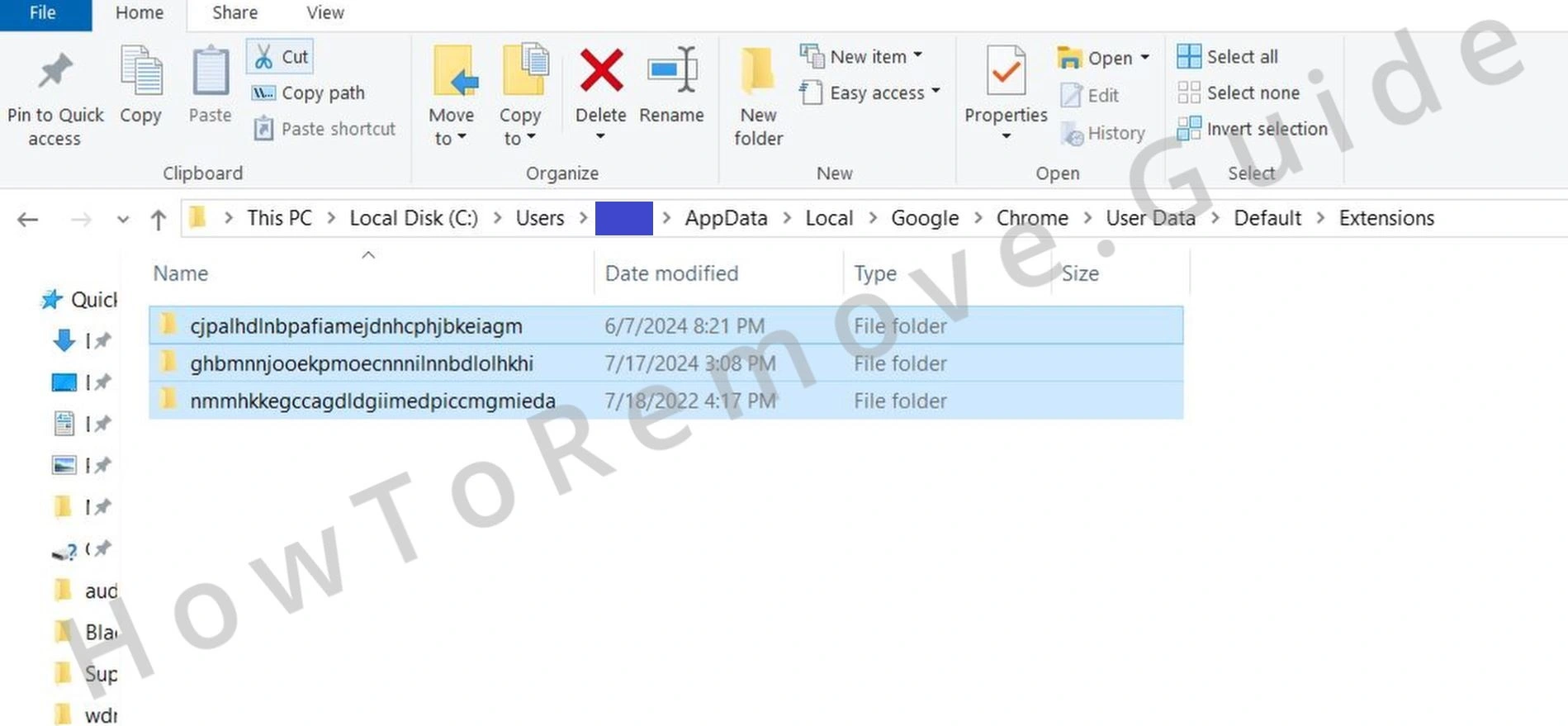 Use File Explorer to open:
C:\Users[Your Username]\AppData\Local\Google\Chrome\User Data\Default\Extensions
Each folder name is a unique extension ID. Compare IDs with your notes to find the unwanted add-on. Avoid deleting legitimate entries. Create a temporary desktop backup before permanent deletion to prevent accidental loss. - 1.6
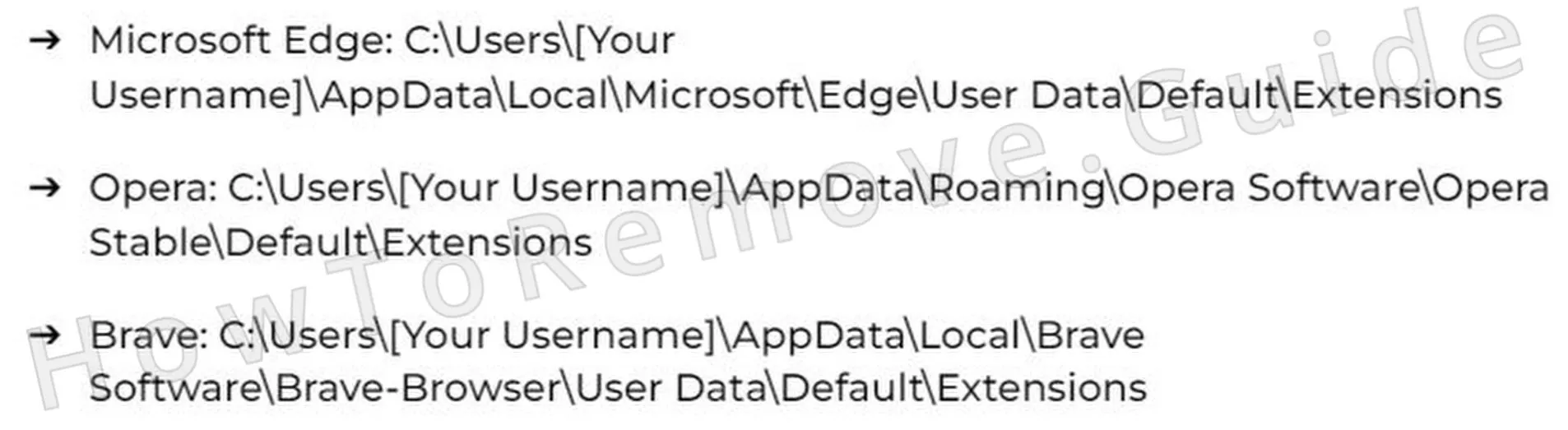 Using another Chromium-based browser such as Brave or Opera? Its extensions use a similar path in AppData.
Confirm the extension ID and location match before deleting a folder tied to the unwanted add-on.
Check the browser’s About page to verify it is fully closed so files unlock for removal. - 1.7After deleting the suspicious folder, return to Extensions with Developer mode enabled.
Confirm the item is gone. If it persists, remove it again and ensure no leftovers can re-enable it.
Click Update in Developer mode to refresh and expose stealth reinstalls or hidden dependencies.
Get Rid of iStart Policies
Policy entries can hide in the Windows Registry. Now, time out – clumsy edits can destabilize Windows. Prefer safer, guided actions that precisely target policy items tied to iStart. Avoid manual edits unless experienced. That preserves stability while removing enforcement layers that survive normal browser resets and keep pushing unwanted configuration reliably, over time, steadily.
2. How to Delete iStart Policies Through the Registry
- 2.1Press Win + R, type regedit, and press Enter to open Registry Editor and remove iStartpolicy remnants.
Before changing anything, open File > Export to create a backup you can restore.
Choose All under Export range and save it in Documents for quick recovery. - 2.2Use Ctrl + F or Edit > Find and search for the policy names or extension IDs you recorded.
Select Find Next and delete exact matches in the relevant areas.
Repeat with F3 until no additional results appear across HKCU and HKLM. - 2.3
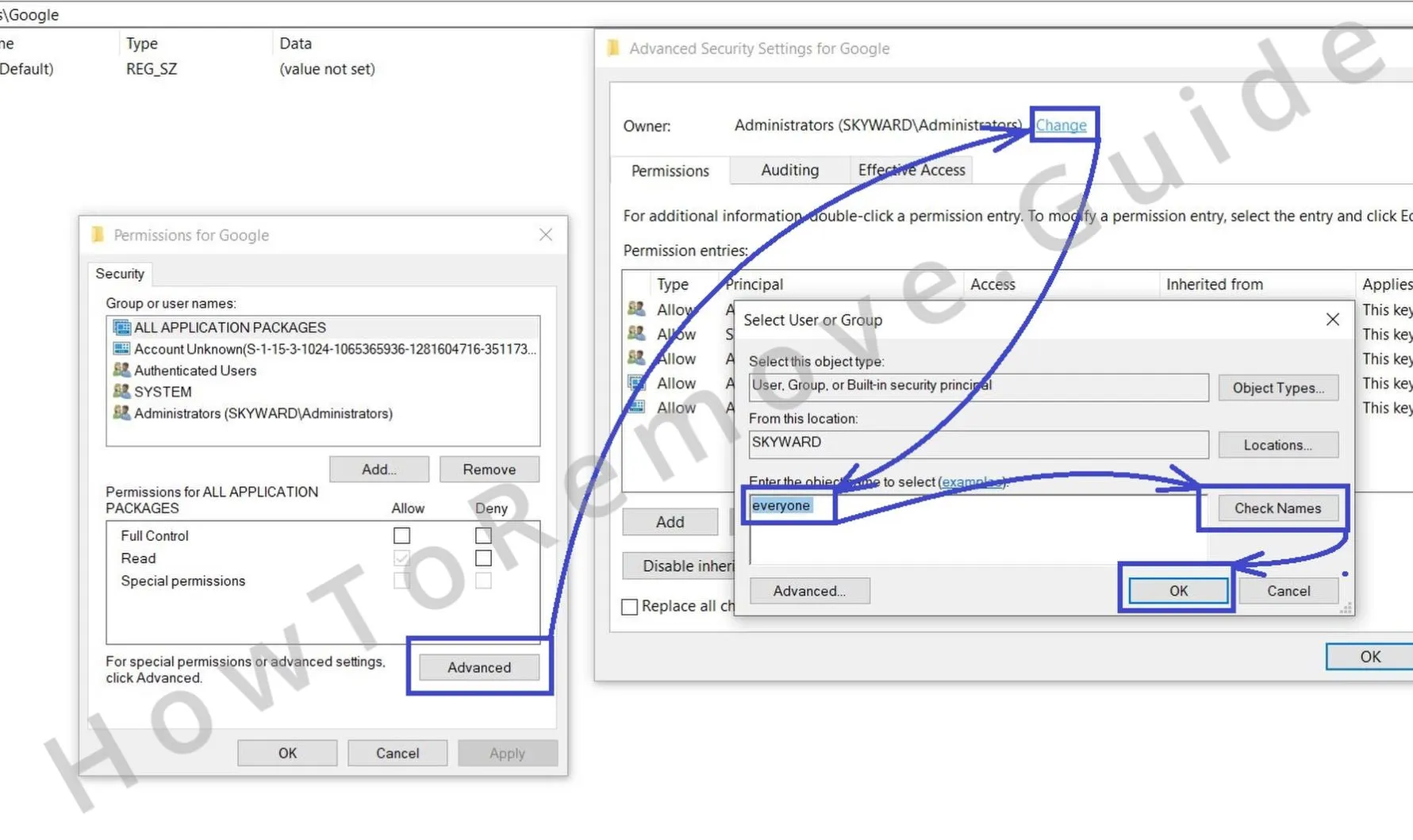 If a key will not delete, right-click it and choose Permissions, then Advanced.
Under Owner, click Change, type Everyone, select Check Names, and confirm with OK.
Grant Full Control to Administrators and Users so the key and subkeys can be removed cleanly. - 2.4
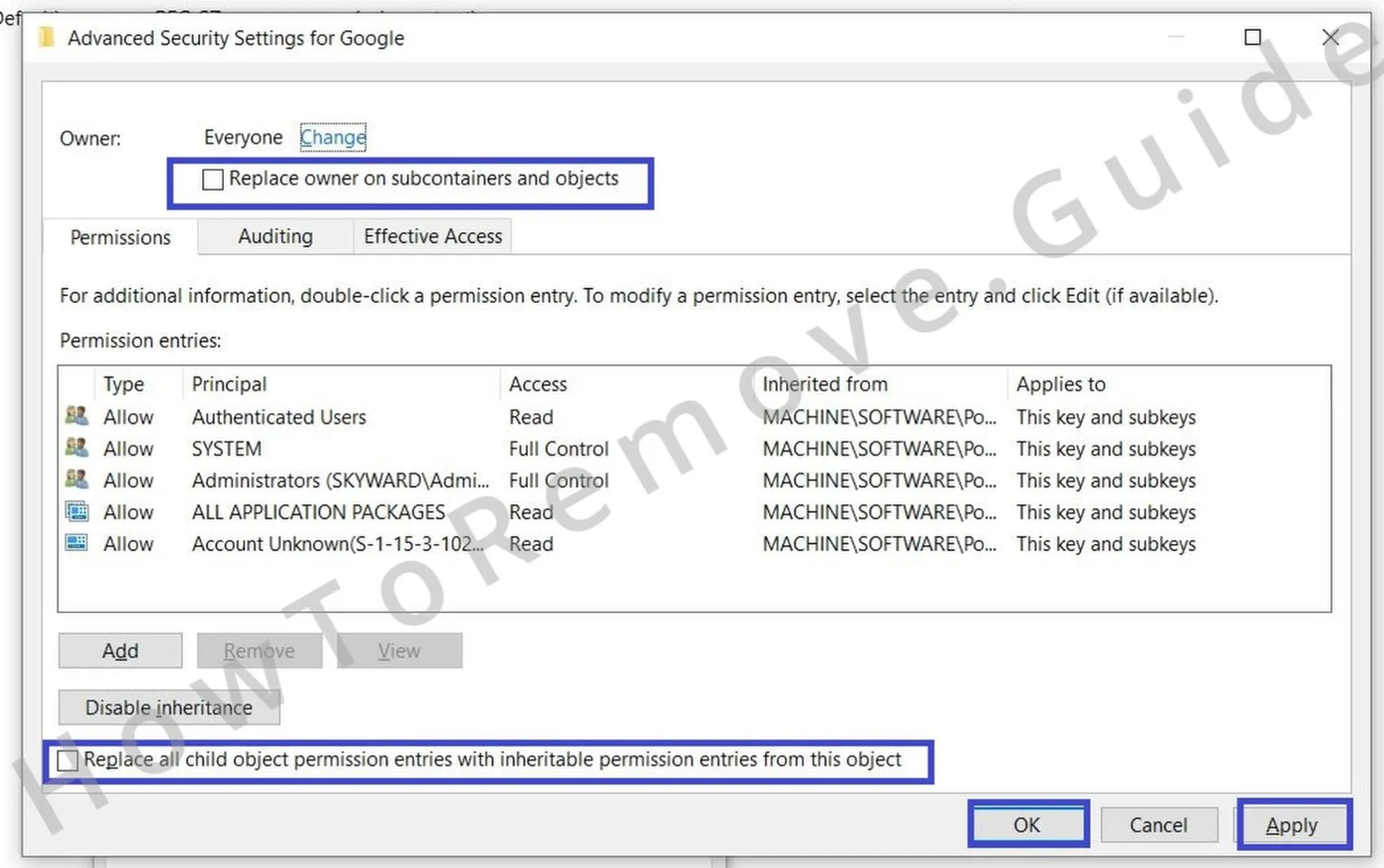 After taking ownership, enable Replace owner on subcontainers and objects and Replace all child object permission entries.
Click Apply, then OK. Reboot and check the browser to confirm the “Managed by your organization” message is gone.
Once verified, return to regedit and repeat the searches to ensure no policy values reappeared.
This grants the rights needed to delete stubborn keys safely and helps stop them from restoring on the next reboot.
Alternative Tools to Delete iStart Policies
Manual edits often miss leftovers that keep applying rules. Now, time out – use targeted utilities and policy consoles instead of broad system changes. When searches still show enforced settings, clear the remnants tied to iStart. That stops the browser from being reconfigured after restarts or sign ins and steadies behavior across sessions consistently, reliably.
3. Additional Methods to Remove iStart Policies
- 3.1
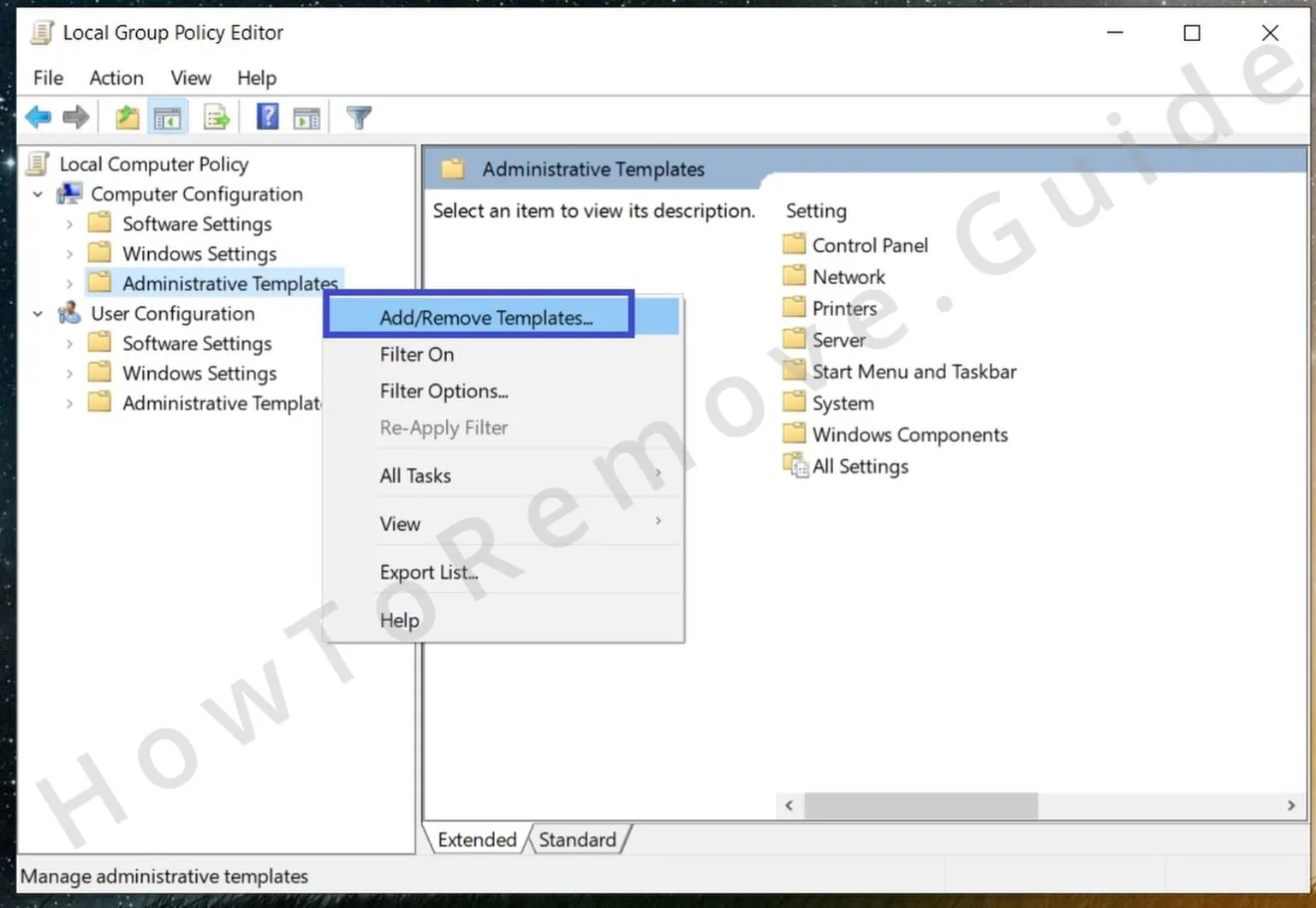 Search for “Edit group policy” in the Start Menu and press Enter.
In the left pane, expand the Computer Configuration folder. - 3.2
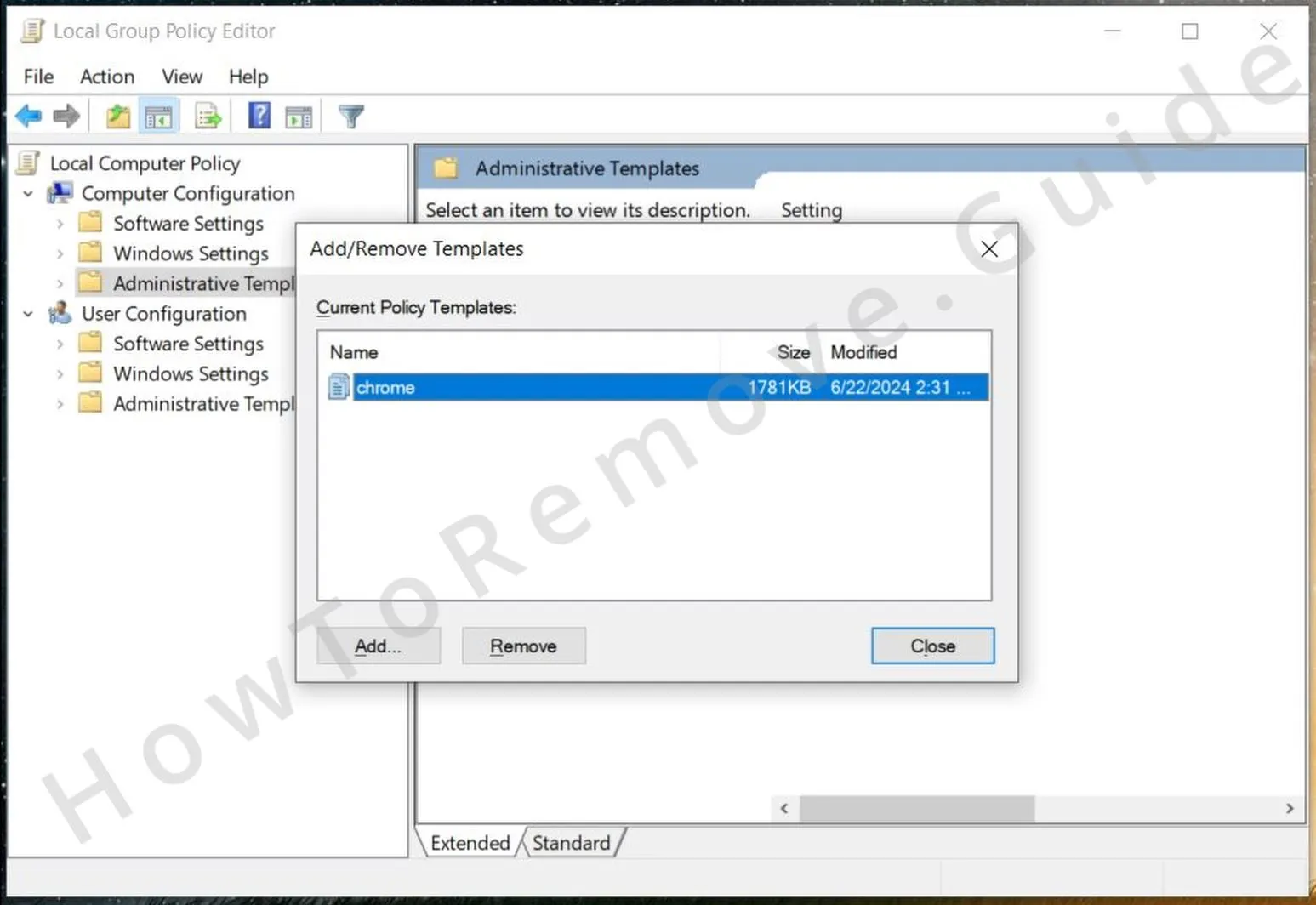 Right-click Administrative Templates and choose Add/Remove Templates. Remove unfamiliar templates.
 - 3.3For Chrome users, you can also try the Chrome Policy Remover utility.
Download it from the link and run it as an administrator so it can enumerate both user and machine scopes. - 3.4If you get a security prompt, just click More info → Run anyway. The tool will start and will automatically lean any remaining rogue policies.
Uninstall iStart From Chrome, Edge, and Other Browsers
Cleanup can look done while remnants persist via sync or cached settings. Time out – verify each change survives restarts and profile sync. Revisit key areas methodically. Confirm that defaults, permissions, and extensions stay stable over time so iStart does not return. Practice persistence checks across sessions and devices for durability and assurance, repeatedly. Diligently.
4. How to Remove iStart From Your Browser
- 4.1Open your browser’s Extensions or Add-ons page and rescan for anything tied to iStart.
If a shady item reappears or a new one looks wrong, click Remove – sync or background scripts can reinstall components.
Open chrome://extensions (or the equivalent) directly to bypass theme pages that may hide entries. - 4.2
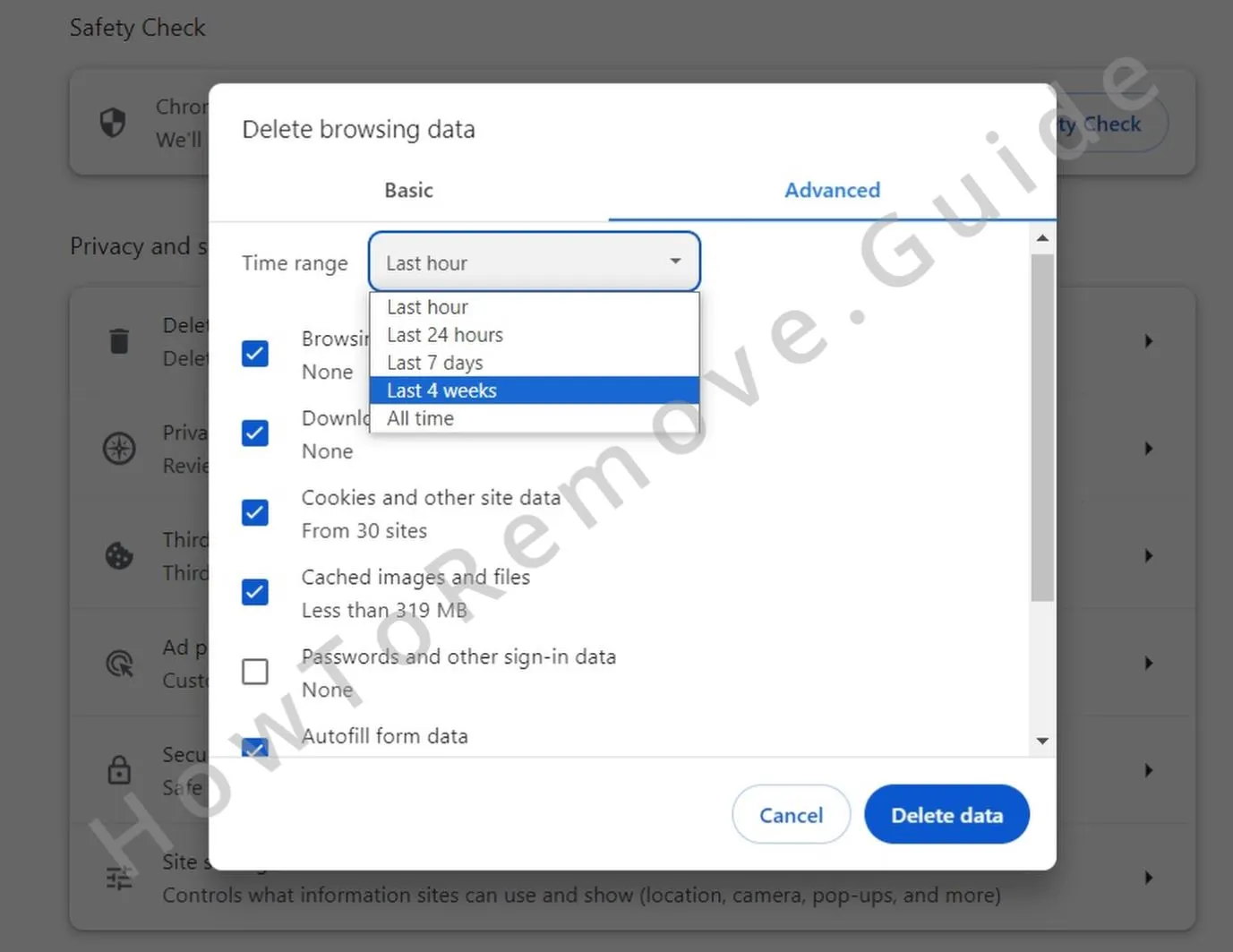 Open Clear browsing data in Settings. Set Time range to All time and select everything except Saved passwords.
Choose Clear data to remove cookies, cache, and fragments used for pop-ups or redirects.
Repeat for every profile; consider enabling Clear data on exit to block quick reinfection. - 4.3
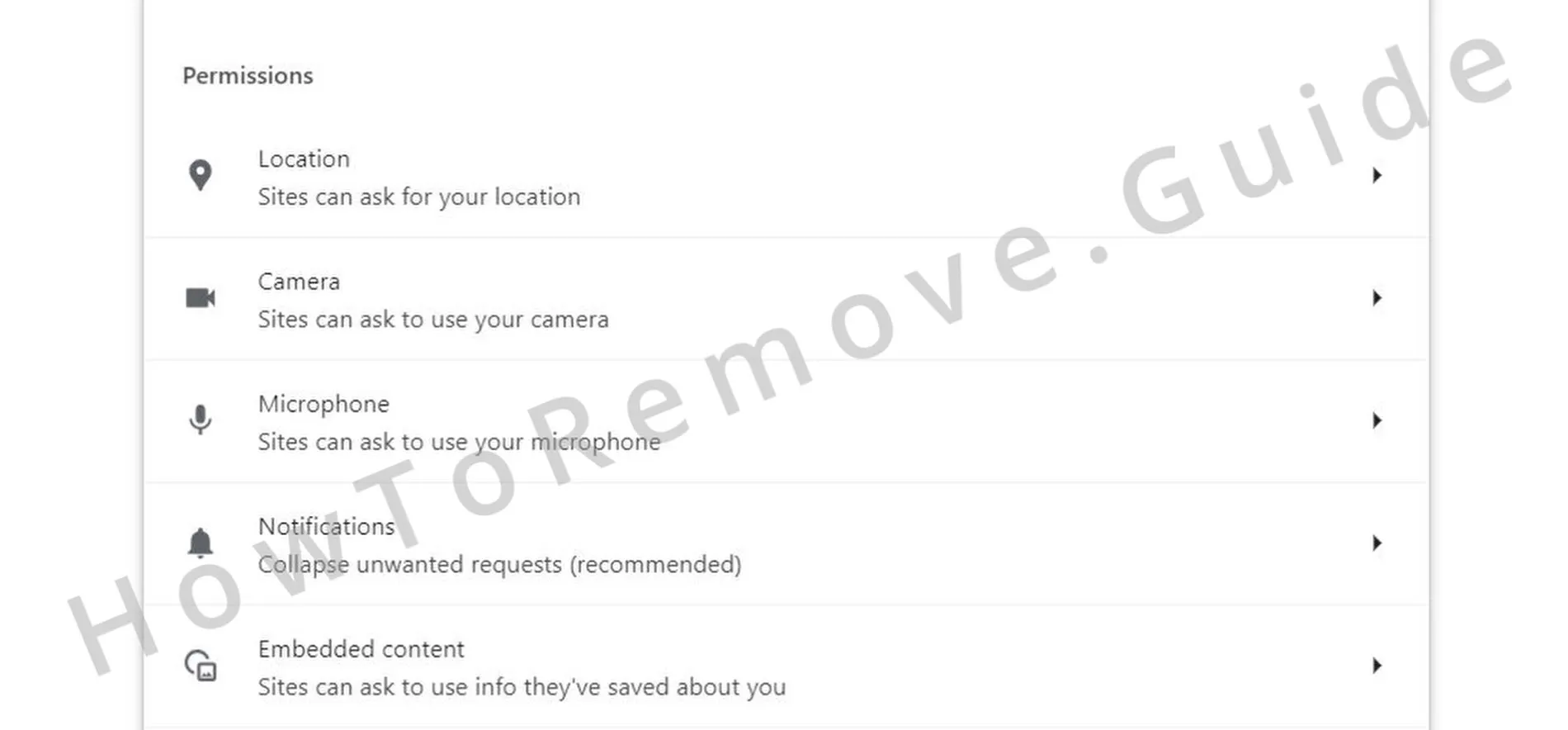 Go to Privacy and Security > Site settings.
Review camera, microphone, and notifications. Delete or Block any site you didn’t approve.
Open View permissions and data stored across sites to bulk-remove problematic origins. - 4.4
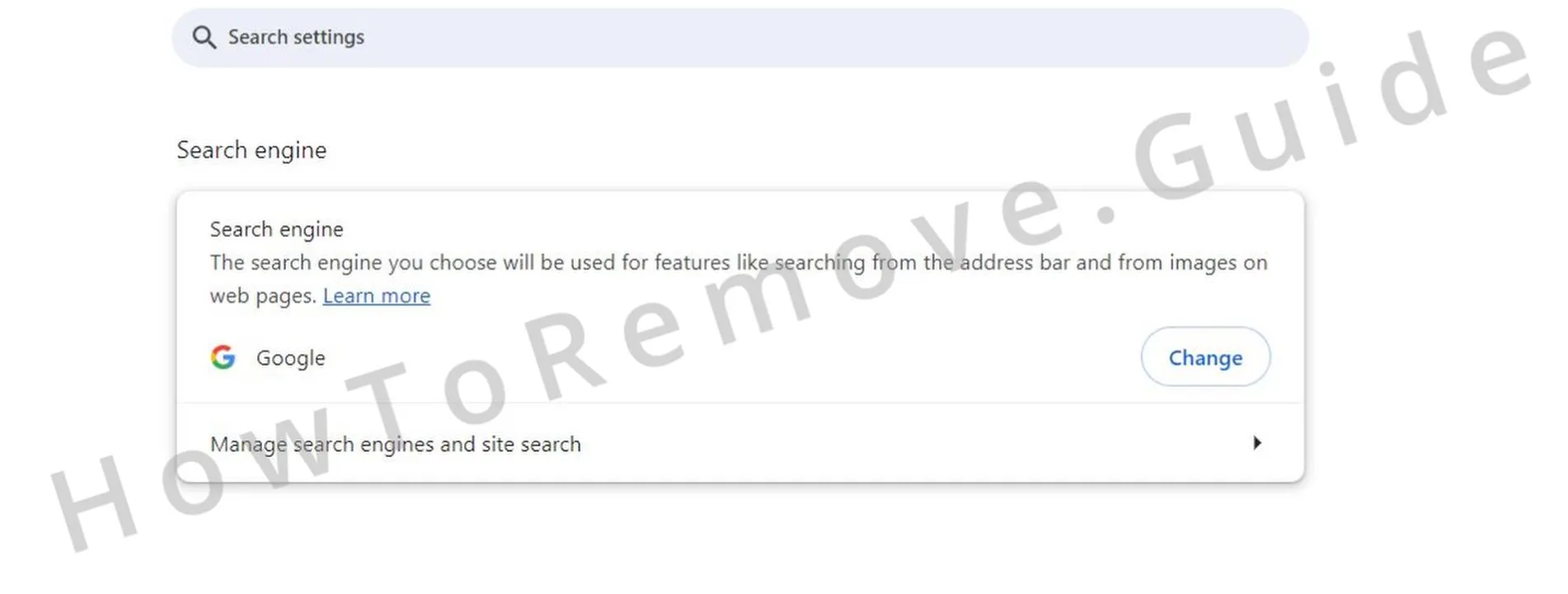 Open Search engine and choose Manage search engines.
Remove unknown entries and keep a default such as Google, Bing, or DuckDuckGo.
Also check On-device search shortcuts or Site search where hijackers often add custom entries. - 4.5Check On startup and Appearance.
Remove unfamiliar URLs set as your homepage or new tab so the hijacker can’t reassert itself via custom pages.
Disable unwanted themes and restore the Default theme to rule out theme-based script injections.
How to Avoid iStart in the Future
Everybody knows not to install random browser extensions, download pirated software, or click on shady pop-up ads promising free upgrades or Flash Player updates. Yet that’s exactly how iStart – and countless hijackers like it – sneak onto computers. If you don’t want to battle another fake search engine like letsearches.com ever again, a few simple but effective precautions will keep your system clean and your browser under your control.
- Disable Automatic Downloads
Go into your browser’s settings and make sure it always asks you where to save each file before downloading. This prevents installers bundled with hijackers like iStart New Tab from silently slipping into your system. That single click of confirmation before saving a file gives you time to spot something suspicious before it lands on your hard drive. - Use Enhanced Security in your Browser
Modern browsers include powerful protective settings, but many users never enable them. In Chrome or other Chromium-based browsers, go to Privacy and Security > Security and activate Enhanced protection and Always use secure connections (HTTPS). These settings can block deceptive installers, malicious ads, and fake update prompts – all common iStart distribution methods. - Install an Ad-Blocker
Hijackers like iStart often spread through rogue advertising networks and fake “update” pop-ups. A reputable ad-blocker shields you from these traps, stopping malicious redirects and blocking sites that try to auto-download bundled installers.
Finally, avoid freeware from unverified sources and always use Custom or Advanced installation options – unchecking anything that looks unfamiliar, because that’s often where iStart hides.

Leave a Reply