

If your system and/or browser have been behaving strangely as of late and you’ve noticed an unfamiliar app or process called NanoPhotonor on the computer, you are dealing with an adware program.
Unlike Trojans, Ransomware, and other high-damage threats, adware tends to be less problematic, yet it shouldn’t be allowed to stay on your computer. This software makes money by spamming you with ads but what those ads redirect to is anyone’s guess. It could be an actual offer but it could just as easily be a scam page or even an automatic malware download. Needless to say, you mustn’t engage with any content that NanoPhotonor puts on your screen.
We tested that SpyHunter successfully removes NanoPhotonor* and we recommend using it. It will block NanoPhotonor from reinstalling itself and it will make sure your device is clean from any malware.
 Try Free For 7 Days*
Buy now15% OFF if you buy straight without trial.
 OFFER
OFFERAdware apps like NanoPhotonor, NebulaFractica, or CelestialQuasaror are notoriously difficult to remove. They infiltrate various parts of the system, create helper files, scheduled tasks, custom settings, and more which allows them to dodge conventional removal methods.
That is why you will likely need specialized guidance to delete this program which is why I suggest you check out the following removal guide, where I’ve detailed the exact way to fully uninstall NanoPhotonor.
NanoPhotonor Removal Tutorial
While malicious software such as the NanoPhotonor App often demands a thorough system investigation to fully eliminate, certain fortunate users might succeed in removing the unwanted program with a few swift and straightforward actions. For this reason, I recommend starting with these simpler measures and progressing to more detailed guidance only if the initial efforts prove inadequate.
Quick Steps to Remove NanoPhotonor
- 1.1Access the Start Menu, input “Apps & Features,” and press Enter to reveal a catalog of all programs installed on your machine. This interface lets you spot and remove dubious software. Confirm you possess administrative privileges to avoid any barriers during the process. Full control guarantees an uninterrupted eradication.
- 1.2Arrange the catalog by the date each program was added to simplify spotting rogue entries. Malicious software often appears among recent installations, making this tactic effective for identifying oddities. Concentrate on items added when problems first emerged. This focus accelerates your hunt for the culprit.
- 1.3Scrutinize the list meticulously. Look for programs you don’t recognize, especially those with peculiar titles or bland icons. Mark anything dubious for closer review. Zero in on entries lacking clear developer information. This diligence ensures no covert dangers slip through.
- 1.4Should you encounter a suspect application, highlight it and click Uninstall. Deceptive naming is a common malware trick, so trust your instincts. Proceed through the on-screen instructions, and if prompted, reboot your system after the process finishes. Restarting halts any residual activity.
- 1.5Navigate to C:\Program Files and C:\Program Files (x86), find the folder tied to the suspect software, and erase any leftover traces manually. Power down and restart your computer, then verify if NanoPhotonor has vanished. If it lingers, don’t panic – more robust measures await. Post-restart, monitor for malware signals to confirm a pristine system.
Finally, reboot your machine, use it briefly, and check for any remnants of the NanoPhotonor pest. If it still haunts you, proceed to the advanced techniques outlined below.
SUMMARY:
Important! Read Before Continuing
NanoPhotonor is tenacious and won’t vanish merely by deleting a handful of files. Certain actions demand technical savvy, and if you’re uneasy with detailed fixes, the task might feel daunting. This is where automated tools like SpyHunter 5 shine – they handle the issue effortlessly, sparing you time and protecting your system.
How to Remove the NanoPhotonor Virus
If the simple steps failed, you’ve entered the heavy-duty phase. Start by revealing concealed system files. Next, ensure you’ve got LockHunter ready – it’s critical for tackling files that resist deletion. NanoPhotonor burrows deep and guards itself cleverly. Skip this prep, and you’ll be stuck in a loop of futility.
1. NanoPhotonor Removal Preparatory Steps
- 1.1
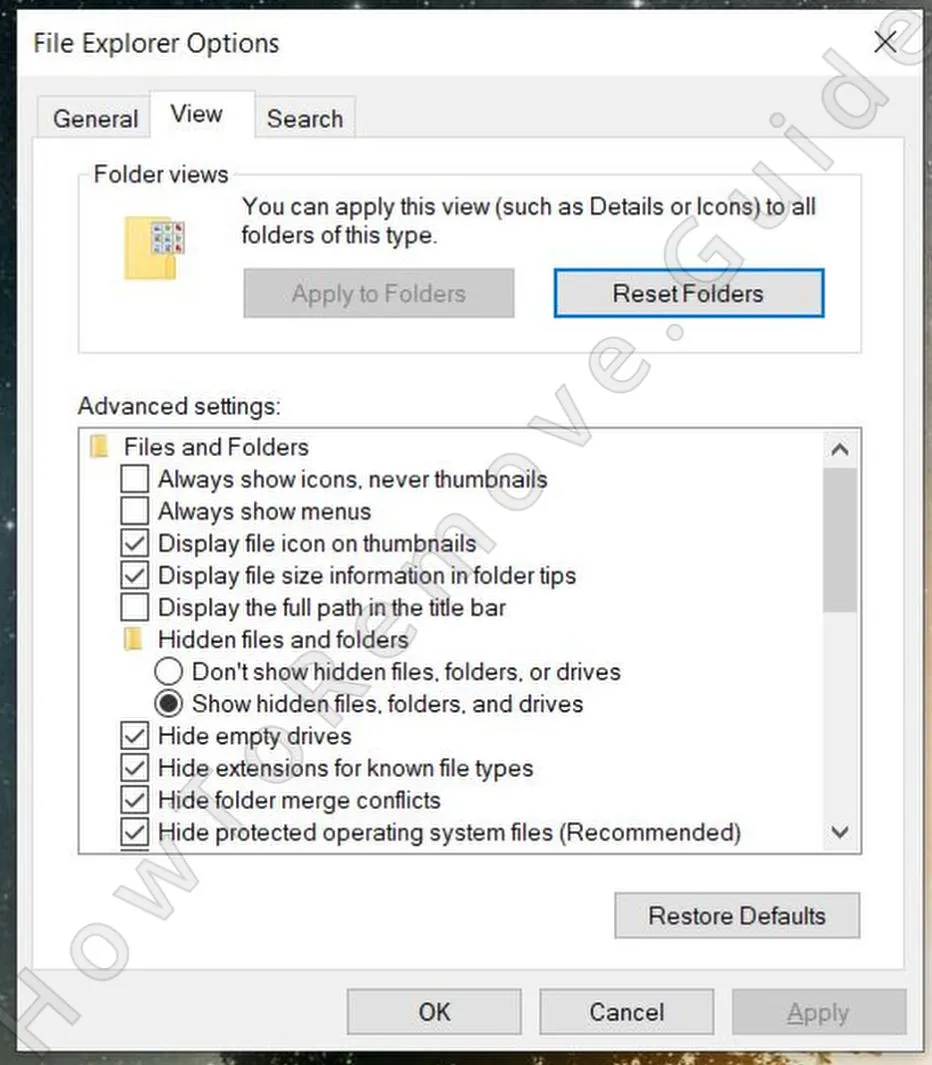 To unmask hidden files, launch File Explorer, select the View tab, and click Options (or Folder Options, depending on your Windows edition). In the ensuing dialog, switch to the View section and tick “Show hidden files, folders, and drives.” Hit Apply, then OK to lock in the adjustment. This exposes all cloaked malware components.
 - 1.2Certain malicious programs secure vital files against removal. Counter this by acquiring LockHunter, a no-cost tool built to obliterate obstinate files. Set it up now, as it’s indispensable for later steps involving locked items. Though some shy away from external utilities, LockHunter is a must here – it swiftly pinpoints and erases barricaded files with ease.
Delete the NanoPhotonor Virus Files
NanoPhotonor doesn’t loiter passively for you to oust it. It nestles into critical system directories, anchoring itself for the long haul. Fail to hunt down and destroy every fragment, and it’ll resurface as if untouched. Be meticulous. Overlook a single piece, and you’re right back where you started
2. How to Delete NanoPhotonor Files
- 2.1Open File Explorer and steer to these paths:
– C:\Users\YourUsername\AppData\Roaming
– C:\ProgramData\Microsoft\Windows\Start Menu\Programs\Startup
– C:\Users\YourUsername\AppData\Roaming\Microsoft\Windows\Start Menu\Programs\StartupInspect the contents closely. If you see files with quirky names, odd icons, or unfamiliar formats, eradicate them. Use File Explorer’s search feature to zip to these spots quickly. This keeps hidden threats from evading you.
- 2.2
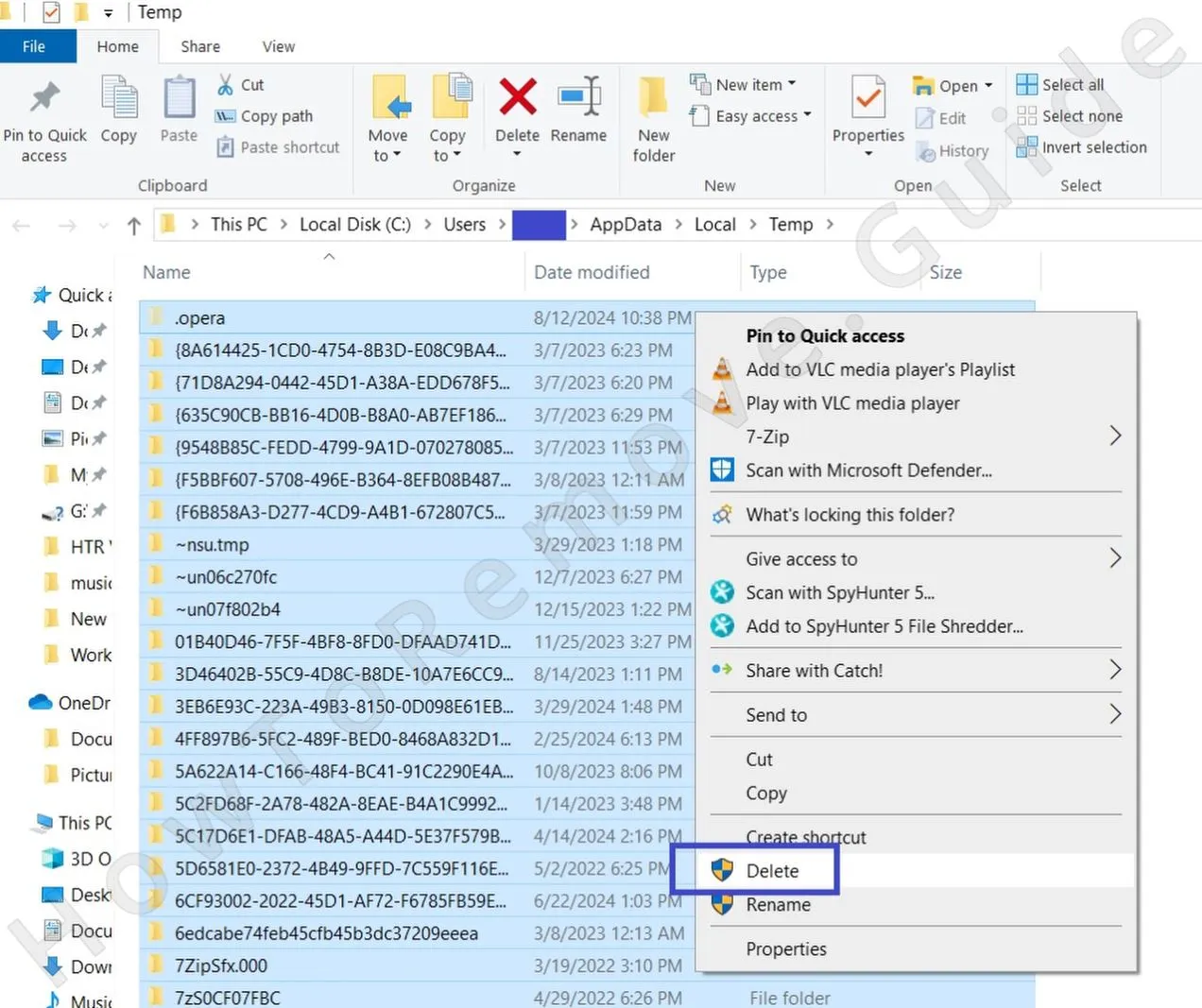 Purge your Temp directory to clear out stray remnants:
– Go to C:\Users\YourUsername\AppData\Local\Temp
– Press Ctrl + A to grab all items
– Tap DeleteWiping this area poses no risk to your system, as it holds only fleeting data. Malware often lurks here, so emptying it squashes potential hazards and might boost performance.
- 2.3Move to C:\Program Files and C:\Program Files (x86). Though most contents here are legitimate, malware can blend in. Spot anything unfamiliar? Look it up online. If it’s flagged as harmful, erase it without delay.
- 2.4For files that defy deletion, right-click them, pick “What’s locking it?” and hit Delete in the pop-up. LockHunter will pinpoint and neutralize the blocking processes. This ensures even the toughest files get axed.
Remove NanoPhotonor Malware Tasks From the Task Scheduler
Here’s a sly move many miss – NanoPhotonor exploits the Task Scheduler to stage its comeback. It plants discreet tasks that silently resurrect it after you think it’s history. No alerts, no hints – just malware doing its thing. Ignore these tasks, and it’ll reemerge before you know it.
3. How to Remove NanoPhotonor Entries From the Task Scheduler
- 3.1
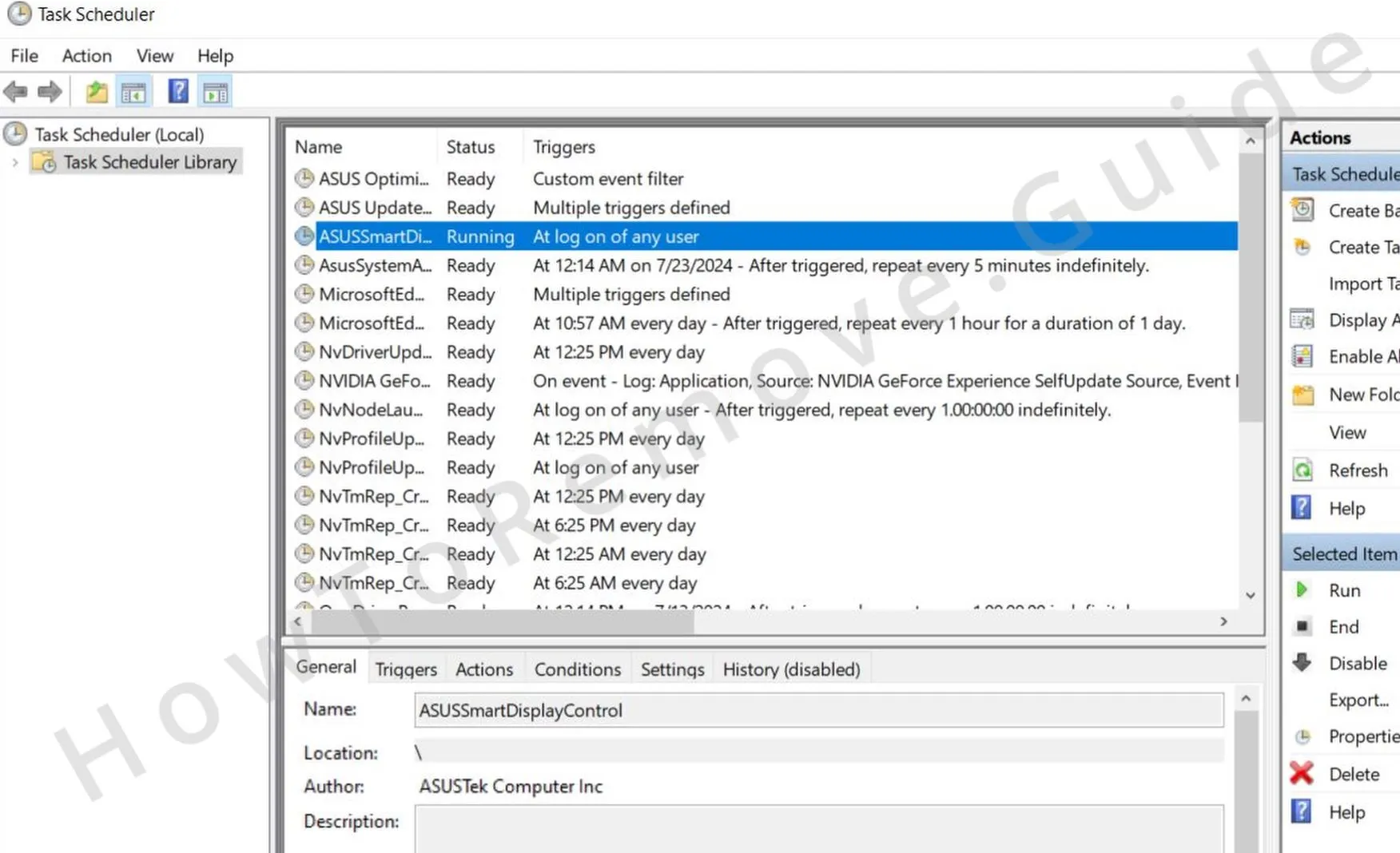 From the Start Menu, type Task Scheduler and hit Enter to open it. Head to the Task Scheduler Library to survey all programmed activities potentially tied to the malware. Rogue apps often set up recurring tasks to reinstall or reactivate themselves post-removal. Scan for strange or newly added tasks, particularly those appearing when the trouble began.
 - 3.2Examine each task with care. Under the Actions tab, study what each one triggers. If you find a task launching a dubious .exe or obscure script, jot down its file path before axing the task. Some malware silently kicks off at boot or runs covert commands. Erasing these tasks is vital to stop automatic reappearance.
- 3.3With the suspect file’s location recorded, go there and obliterate the file entirely. If it’s locked and resists standard deletion, deploy LockHunter to force it out. Wiping both the task and its linked file prevents the malware from staging a return later on.
Get Rid of NanoPhotonor Through the System Registry
This pest doesn’t just toy with files – it embeds itself in the Windows Registry to cling on tight. Leave any trace behind, and it’s staying put. Caution: tinkering with the registry is dicey. A single misstep could cripple your system. Unsure? Use a tool. Confident? Scrub those entries before NanoPhotonor digs in deeper.
4. How to Remove NanoPhotonor Items From the Registry
- 4.1From the Start Menu, enter regedit and launch it as Administrator to take charge of the Windows Registry Editor. Admin rights are essential for altering key system areas. Without them, some malware entries might stay untouchable. This tool is potent, so tread lightly to avoid unintended disruptions.
- 4.2Hit Ctrl + F to summon the search bar, type NanoPhotonor, and press Enter to track down related registry entries. When one appears, wipe it out. Keep searching until no hints of NanoPhotonor remain. Take care – zapping unrelated keys might spark program glitches or system hiccups. Uncertain about an entry? Verify it online before cutting it loose.
- 4.3
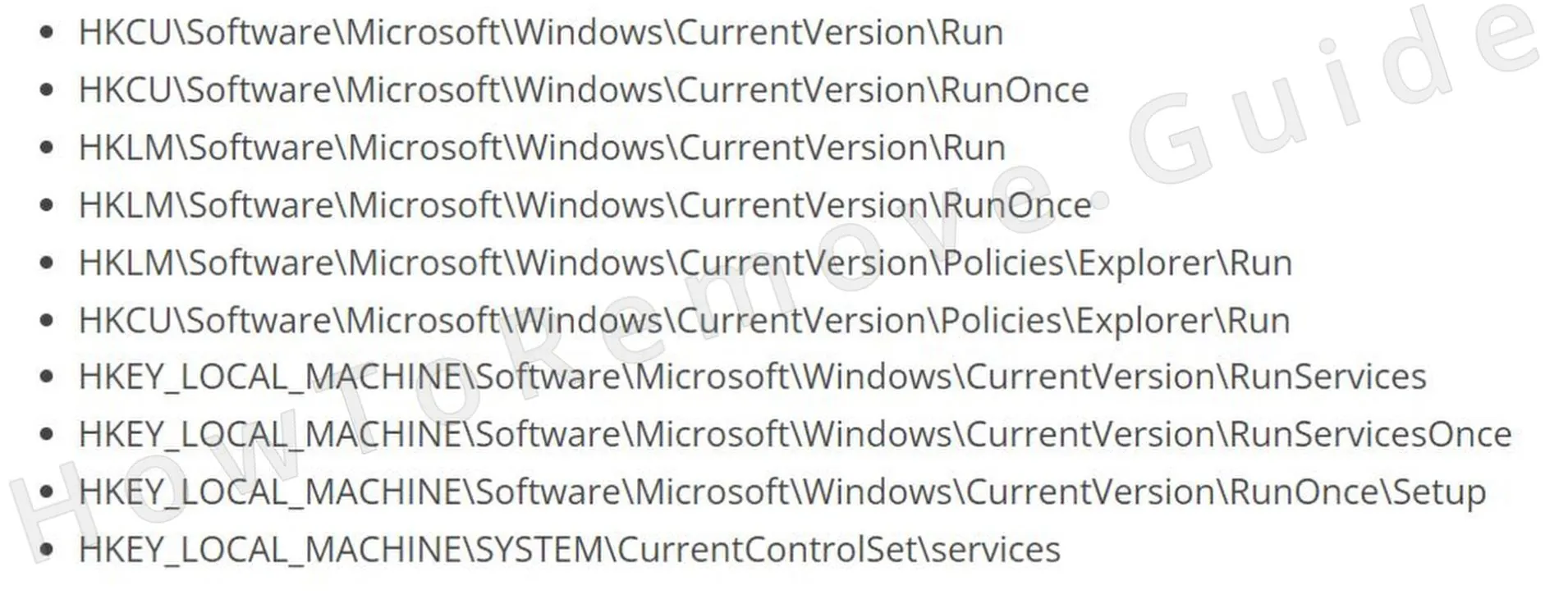 Manually explore these critical registry zones, where malware often burrows:
Check these areas for odd entries, especially any tied to NanoPhotonor. Spot something linked to it? Delete it fast to fully purge the threat. Some keys are subtle, so double-check before acting. - 4.4If a registry section holds values pointing to NanoPhotonor, erase just those values in the right-hand panel. Steer clear of deleting whole sections (left panel), as that could strip away vital system settings. Targeting only malware-specific values cleans the infection without endangering your setup.
Remove NanoPhotonor Browser Policies
Noticed “Managed by your organization” in your browser settings when you’re the only one in charge? That’s NanoPhotonor seizing control. It clamps down on your homepage, search, and options, blocking changes. To break free, you must manually dismantle its imposed rules. Until then, it’s running the show.
5. How to Remove Rogue NanoPhotonor Policies
- 5.1
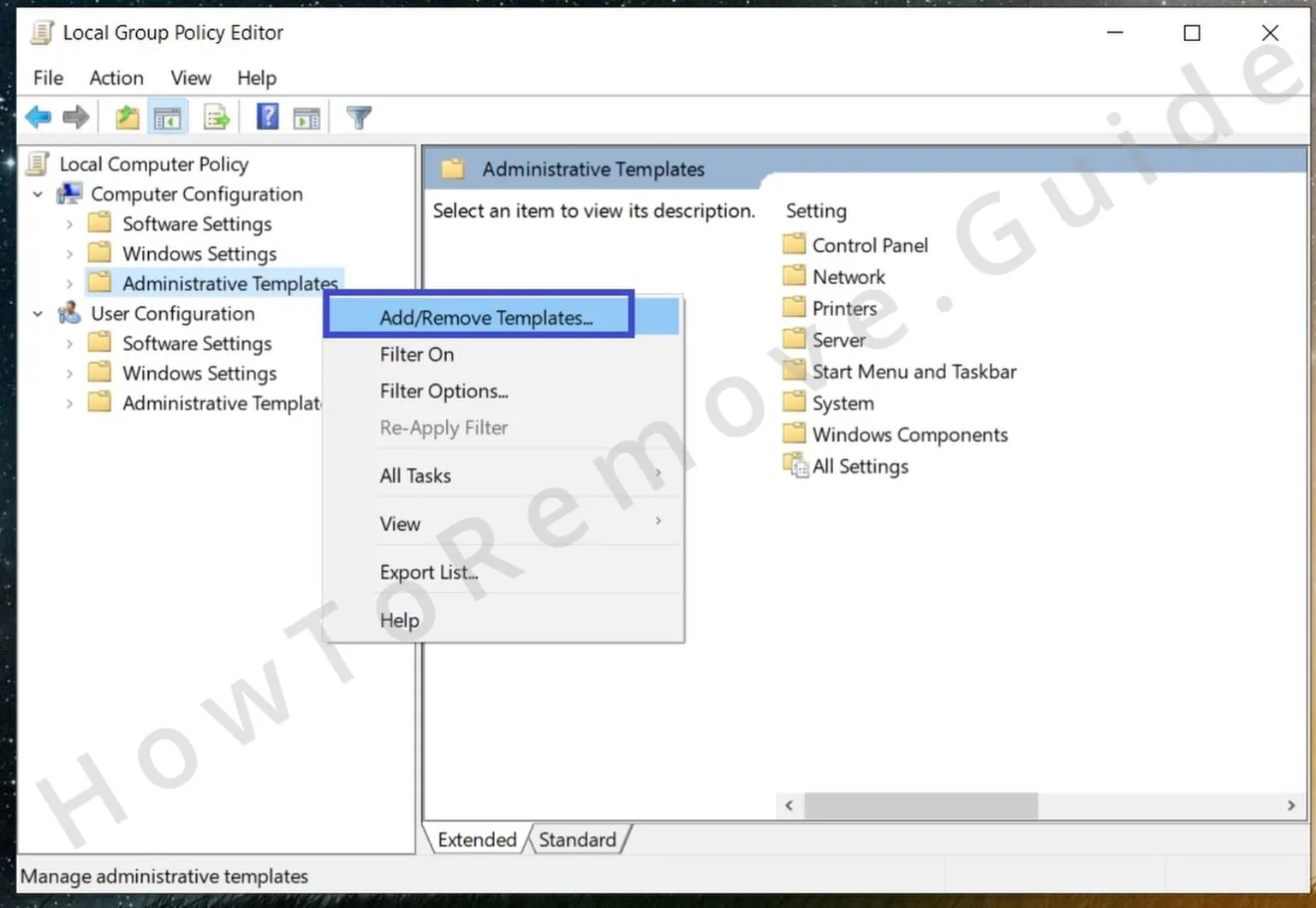 From the Start Menu, type Edit Group Policy and pick the top result to enter the Local Group Policy Editor. Go to:
Computer Configuration > Administrative Templates
Here, you can inspect and tweak widespread policies the malware might have twisted. NanoPhotonor often locks browser controls via policies, thwarting homepage or search edits. Clearing these restores your authority. - 5.2
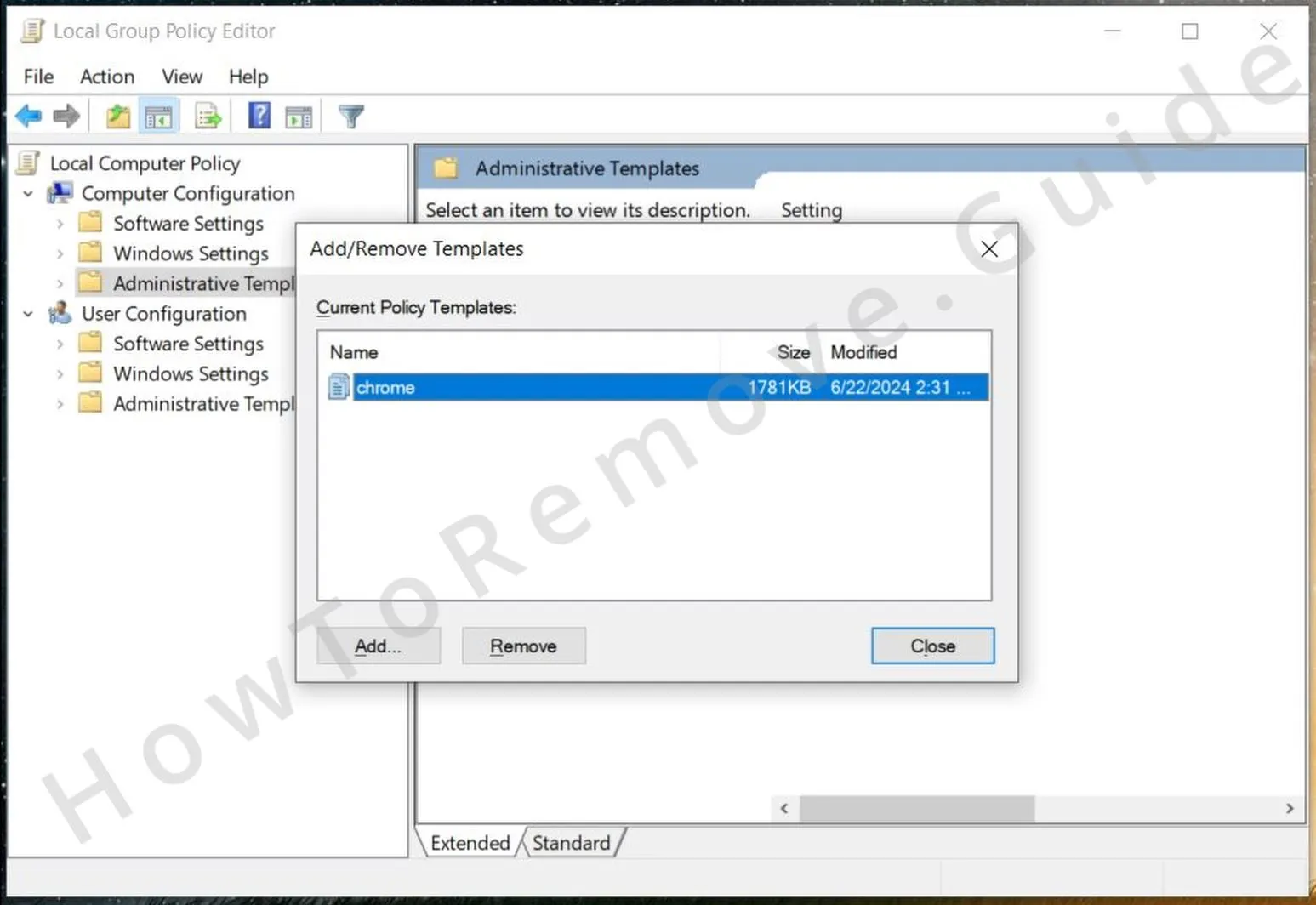 Right-click Administrative Templates, select Add/Remove, and discard any policies that look odd or out of place. Only rules you or your setup intentionally applied should stay. Malware exploits these to freeze browser settings, resisting manual tweaks. Dumping rogue policies frees your browser from its grip.
 - 5.3Chrome users: grab the free Chrome Policy Remover tool. Launch it with admin rights to instantly reset malware-altered policy settings. This utility is crafted to zap rogue policies that block browser adjustments, reverting Chrome to its standard state without lingering limits.
- 5.4If Windows flags a security alert when starting the Chrome Policy Remover, click “More Info” and opt for “Run Anyway.” The tool is secure, and bypassing the warning lets it work properly. This ensures all pesky browser policies from the malware vanish, handing you back full browsing control.
Uninstall NanoPhotonor From Your Browser
Ditching its policies is a solid move, but don’t celebrate yet. The malware has already meddled with your browser’s insides. Skip a thorough reset of every setting, and it’ll still wield influence. Dive in, revoke shady access, and fix the mess. Neglect this, and NanoPhotonor might slink back.
6. How to Remove NanoPhotonor From Your Browser
- 6.1Visit your browser’s Extensions section and sift through all add-ons by hand. Watch for unknown ones, especially those lacking reviews, sporting vague names, or fuzzy details. Nasty extensions often pose as handy helpers but fuel pop-ups, redirects, or hijacks. Remove anything fishy to nix malware ties.
- 6.2
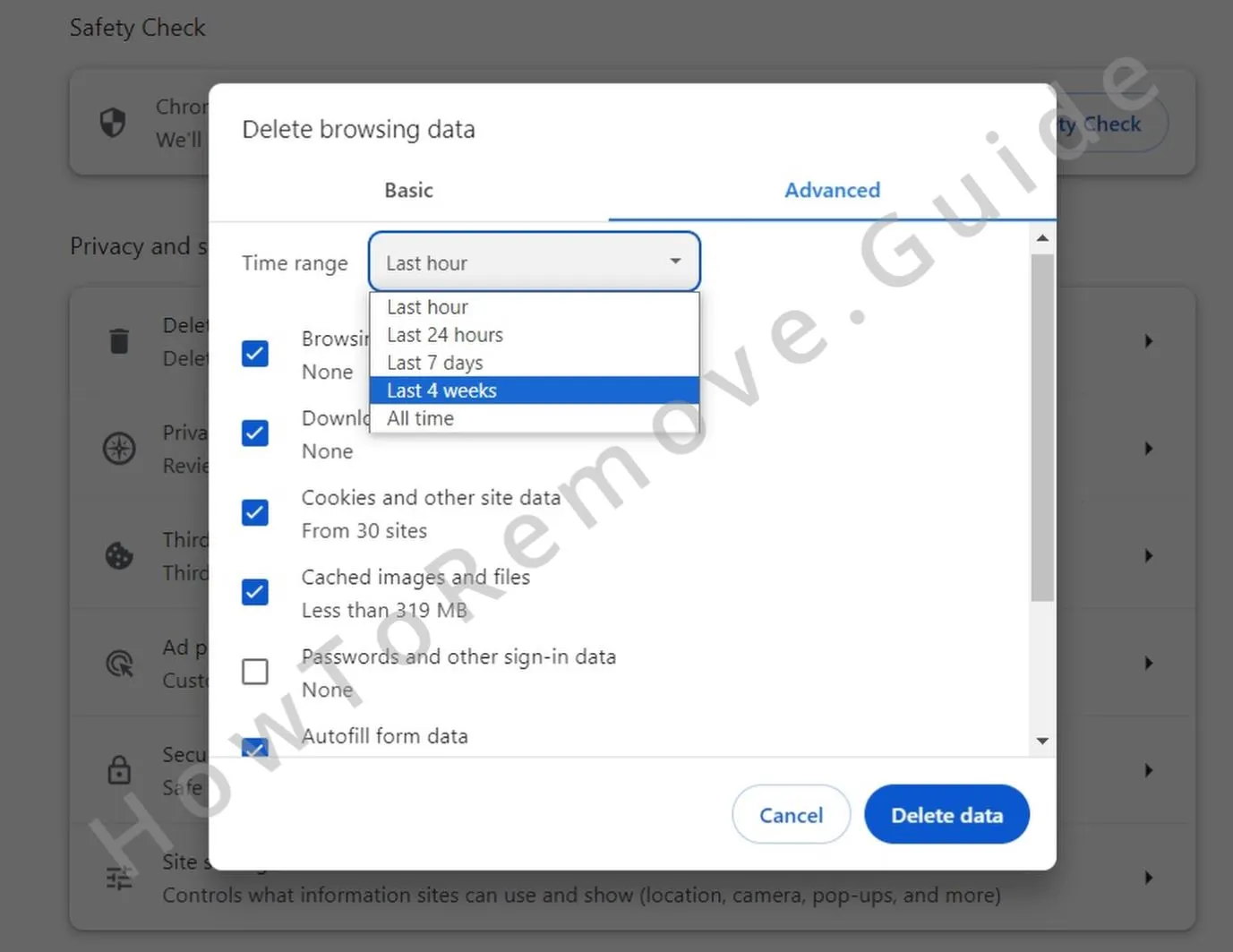 Wipe your browsing history to erase the malware’s fingerprints. Head to Privacy and Security settings, pick All Time, and clear all but your passwords. This trashes cached code and cookies the malware might exploit to monitor you or reinfect. Purging site data blocks harmful scripts from compromised pages.
 - 6.3
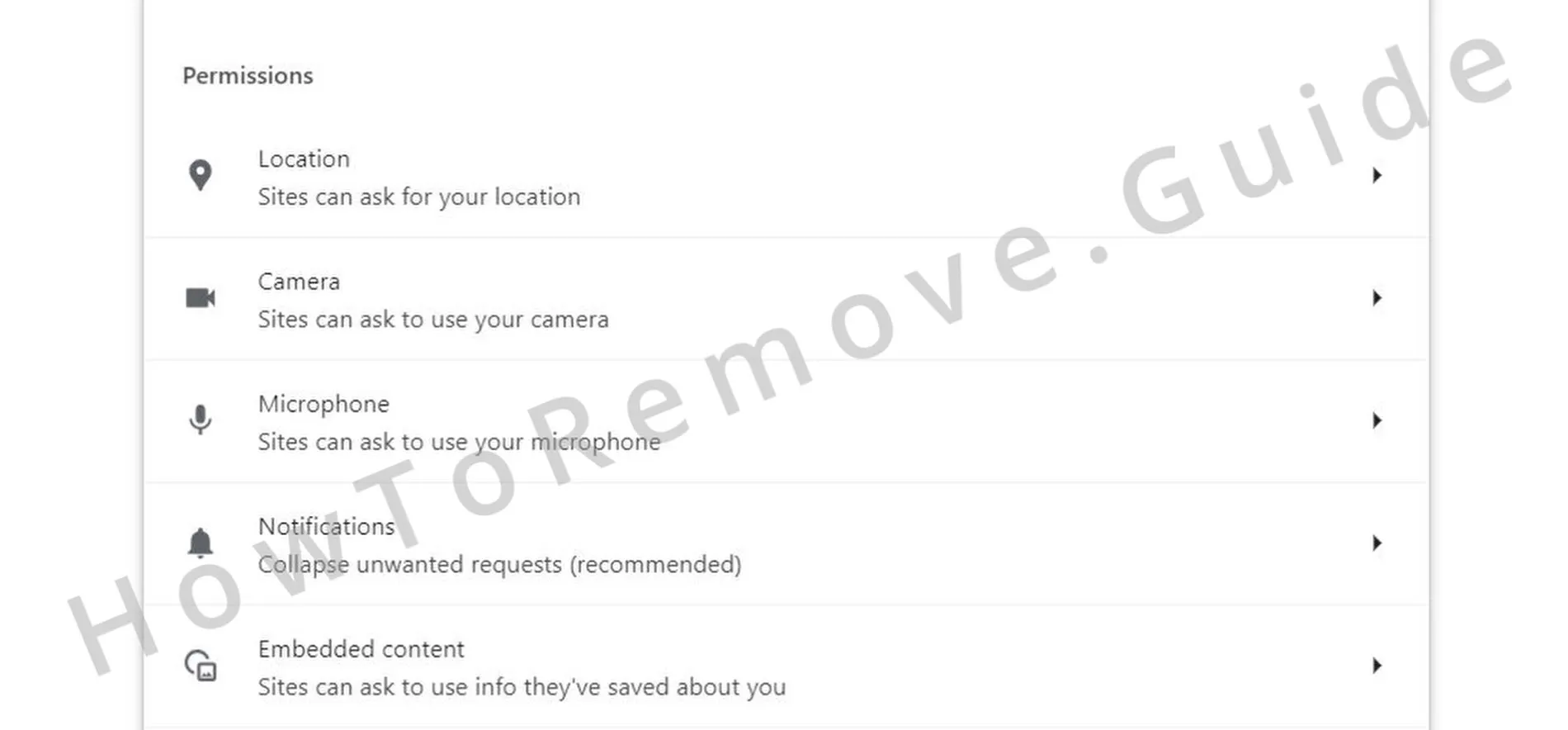 Check Site Settings for permissions the malware might have snatched. Some threats con you into granting over-the-top access – like notifications, mic use, or settings control. Cancel any that seem excessive or odd. Limiting access to trusted sites shields your privacy and browser.
 - 6.4
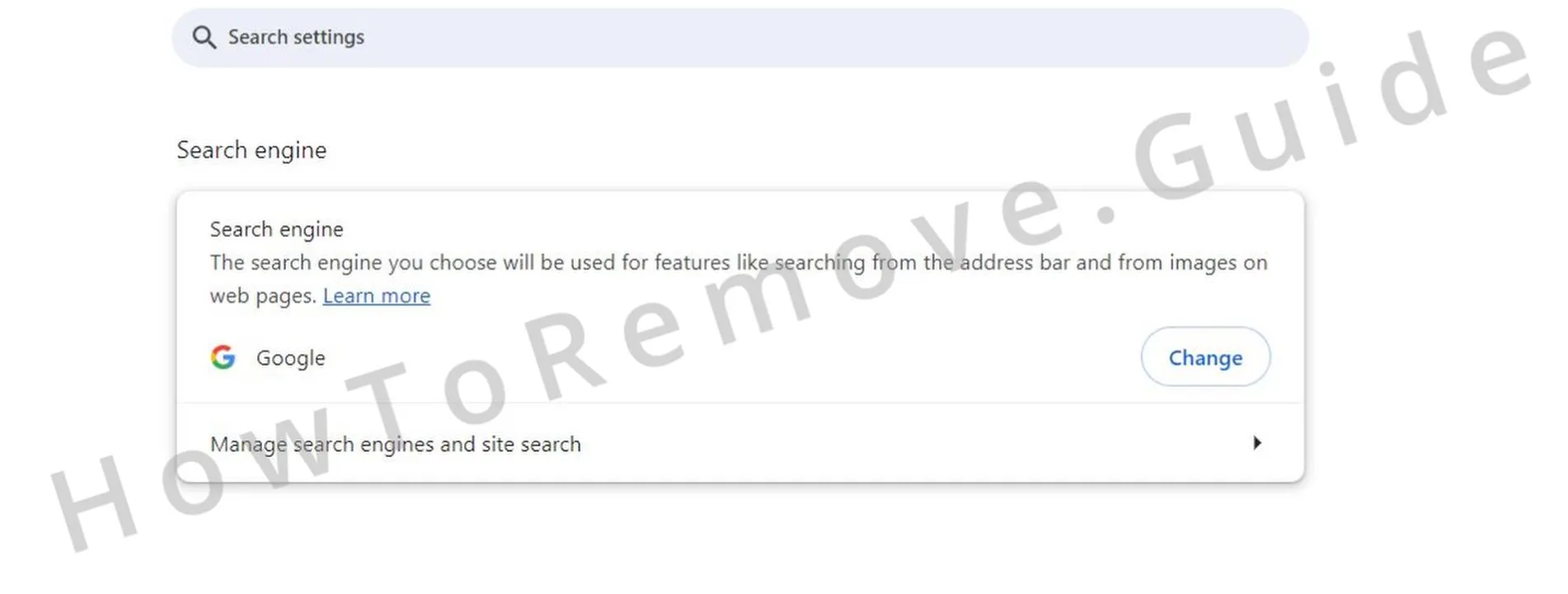 Inspect Search Engine Settings to confirm your default provider hasn’t been swapped. Malware loves switching this to funnel searches through sketchy, ad-laden sites. Spot an unknown engine? Delete it and pick a safe option like Google, Bing, or DuckDuckGo. This stops redirects and secures your searches.
 - 6.5Examine On Startup and Appearance settings to strip out unfamiliar URLs from your homepage or new tab setup. Malware often rigs browsers to open shady, profit-driven sites at launch. See a strange site? Remove it and choose a reliable page. This keeps your browser clean and safe on startup.
That’s the end! If you’ve diligently followed each phase, NanoPhotonor should now be banished from your device. Still, keep an eye out for weird behavior – some malware tries to sneak back via buried files. If issues persist, run a full scan with a trusted security tool to snag any stragglers.
