

Betswamp is a crypto scam that has deceived literally tens of thousands of victims. Note, however, that the scam isn’t constricted to Betswamp’s domain. Rather it encompassed a larger network of copied sties with the same design.
Unlike typical scams that vanish after a few days, this one continues to operate under different names, recycling the same tactics. It pretends to be a trusted platform, complete with convincing graphics and promises of high returns. But when you register and then deposit, the site claims to “verify” your account, which then of course doesn’t happen at all. To make matters worse, I’ve seen update emails to users that claim they’ll be verified within 72 hours. This is incidentally exactly how much one of these domains continue to exist before the scammers scrape it and move on.
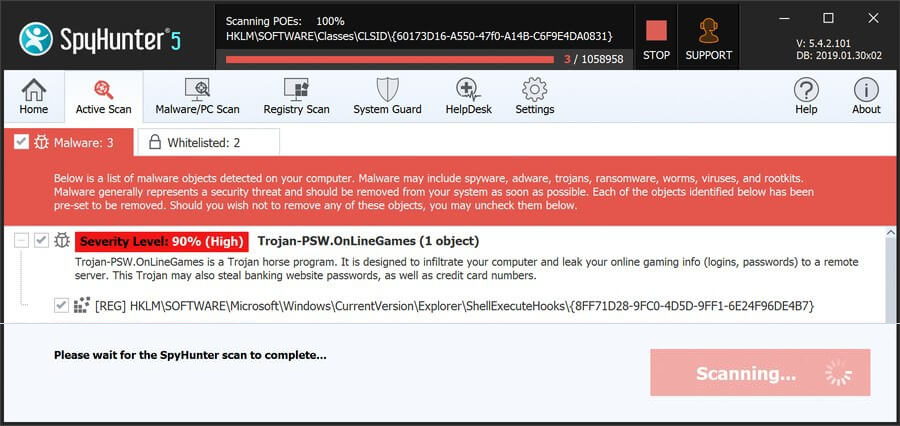
Scams like Betswamp are known to steal personal data and passwords. Install SpyHunter Pro to scan for risks, remove dangerous trackers, and enable real-time protection.
 OFFER
OFFER*Source of claim SH can remove it. Trial w/Credit card; image is for illustration; full terms.
What is the Betswamp Scam?
The Betswamp.com scam is a fraudulent cryptocurrency platform masquerading as a legitimate trading website. It is part of a broader social media scam campaign aimed at stealing Bitcoin through deceptive tactics like fake celebrity endorsements, fabricated crypto balances, and urgent withdrawal prompts. This scam primarily targets crypto enthusiasts who are unfamiliar with red flags.

The Betswamp scam follows a carefully constructed deception funnel designed to lure users into depositing their Bitcoin into a fraudulent platform. The scam starts with deepfake videos of well-known celebrities such as Cristiano Ronaldo, Elon Musk, and others. These videos suggest that the celebrities endorse the platform and encourage viewers to visit the site. The videos promote a giveaway or an investment opportunity, further pushing the narrative of legitimacy. Once users visit the site, they are prompted to create an account and apply a fake promo code, such as “CR7” or “Tiktok11,” which triggers the display of a fabricated Bitcoin balance. Users are led to believe this is real value, and the excitement builds around it.
When users attempt to withdraw the displayed funds, they are confronted with a requirement to deposit a small amount of Bitcoin, typically 0.005 BTC, to “activate” the withdrawal function. This is a classic psychological manipulation technique designed to get users to invest more. Once the deposit is made, the scam platform either gives an error, stops responding, or disappears completely, leaving the victim without their funds. The Bitcoin that was deposited goes directly to the scammers’ wallets, and no withdrawals are processed. The entire platform is designed to create a false sense of legitimacy, making the theft even harder to detect.
What to Do if You’ve Been Scammed by Betswamp?
If you’ve fallen victim to the Betswamp, Tirtex or Ronitrade scam, it is essential to act swiftly and methodically. While the money you’ve lost may be gone for good, focusing on damage control can help minimize further losses and protect your remaining assets. As soon as you realize that you’ve been scammed, securing your wallets and other digital assets should be your top priority.
First, stop any further transactions or deposits. Do not send more cryptocurrency to the scammers or attempt to interact with the fraudulent platform. It’s important to resist the temptation to try to recover your funds quickly, as this can lead to more scams. At this stage, recovery may not be possible, and it is wiser to focus on safeguarding your future investments.
Once your assets are secure, you can explore potential recovery options. However, be cautious when considering recovery services. Many of these are scams themselves, promising to recover lost funds for a fee. Trust only reputable sources if you decide to pursue recovery.
Damage Control Tips
- Immediately revoke token permissions and disconnect your wallet from the scam platform.
- Transfer any remaining crypto to a secure wallet, preferably cold storage, to minimize exposure.
- Contact your bank or financial institution if you linked any payment methods to the platform.
- Report the scam to the relevant authorities, such as local cybercrime units or national regulatory bodies.
- Alert any crypto exchange platforms you use if you sent funds through them, providing transaction hashes for tracking.
- Share your experience with trusted crypto communities to help prevent others from falling victim to the same scam.
What Are the Usual Betswamp Red Flags?
Crypto scams, like the Betswamp scam, have glaring red flags that are often easy to spot with a keen eye and a level-headed approach. These scams are usually low-effort, wide-net operations designed to lure in unsuspecting victims. Being aware of these warning signs and staying emotionally detached from any offers or promotions is key to protecting yourself. A calm, rational approach will help you avoid falling into the trap of scams like Betswamp.
The first major red flag is the unsolicited nature of the offer. Crypto scams, including Betswamp, often involve unsolicited ads or messages promoting free Bitcoin, fake giveaways, or investment opportunities. If you did not actively seek out the offer, be suspicious. A second common red flag is the presence of celebrity endorsements. Scammers frequently use deepfake videos or AI-generated voices of trusted public figures, such as Elon Musk or Cristiano Ronaldo, to convince users that the platform is legitimate.
Another sign to look out for is the promise of instant, guaranteed returns. Platforms like Betswamp might display fake balances to entice you into making deposits. These fabricated numbers are designed to create excitement and a sense of urgency. Furthermore, any site that asks you to deposit money before withdrawing is a major red flag. Scammers use this technique to exploit your trust, tricking you into sending funds with no intention of allowing you to withdraw them.
The absence of regulatory oversight and customer support is another key indicator of fraud. If a platform doesn’t provide any licensing or legal information, or if it lacks a way to contact the company, it’s highly likely to be a scam. Finally, frequent domain changes are common among scams like Betswamp. Once a domain is flagged or reported, scammers quickly abandon it and launch a new clone site, continuing the scam under a different name. This allows them to keep operating and avoid detection.
Tips to Stay Protected From Crypto Scams Like Betswamp
Avoidance of scams like Betswamp is always easier than trying to recover stolen funds. These scams rely on deception and exploiting emotional responses from victims. By recognizing the red flags outlined above, you can significantly reduce the risk of falling victim to a scam. Here are some practical tips to stay safe:
- Always verify the authenticity of any cryptocurrency platform you are considering using. Look for clear licensing and registration details, and check regulatory databases to ensure the platform is legitimate.
- Be cautious of unsolicited offers that promise free Bitcoin, giveaways, or “too-good-to-be-true” returns. These are often signs of a scam.
- Do not trust celebrity endorsements or promotional videos that encourage you to invest or register on a platform. Verify the authenticity of any public figure’s involvement through official channels.
- Always check the domain name and URL of the website before making any transactions. Look for spelling errors or slight variations in the domain name that could indicate a fake website.
- Avoid platforms that require you to make a deposit in order to unlock withdrawals. This is a common scam tactic.
- Use cold storage for long-term cryptocurrency holdings. Hot wallets should only be used for small, short-term transactions.
By applying these protective measures, you can significantly reduce the likelihood of falling for scams like Betswamp. Always exercise caution and stay informed about the latest scam techniques to ensure the security of your crypto investments.
