

You’ve probably seen Fugospin pop up in a TikTok video, or maybe it got name-dropped in a fake Elon Musk post. That’s no accident. Fugospin is one of those scams that thrives on fake hype. They’ve got deepfake promos, bogus celebrity endorsements, and even phony interviews circulating to make it look like everyone’s cashing in.
But the second you fill out the registration form, you will be shown a fake projection balance, promised some “bonus,” and nudged to deposit to unlock it. And the scam works – because people see clout and assume credibility. But everything behind the curtain is empty. No trading engine, no real support, and definitely no famous investors. The scammers then pull the plug, rotate the domain, and relaunch under a new name by next week. They keep several such domains active at the same time.
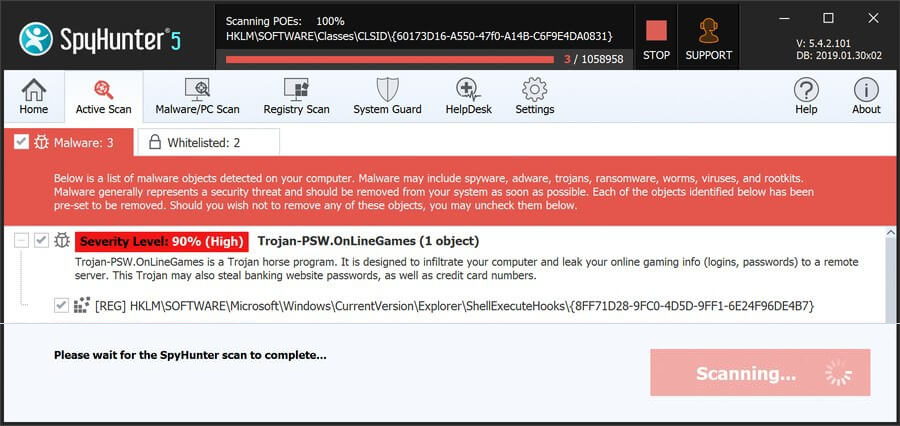
Scams like Fugospin are known to steal personal data and passwords. Install SpyHunter Pro to scan for risks, remove dangerous trackers, and enable real-time protection.
 OFFER
OFFER*Source of claim SH can remove it. Trial w/Credit card; image is for illustration; full terms.
What is the Fugospin Scam?
The “Fugospin” scam is a fraudulent crypto platform that mimics a legitimate trading site but offers no real functionality. It is part of a broad social engineering effort designed to steal Bitcoin from unsuspecting users by creating the illusion of credible trading and guaranteed returns. Fugospin operates without licenses, oversight, or user protections.

The scam begins with the widespread distribution of deepfake promotional videos featuring fake endorsements from well-known celebrities. These impersonations are generated using AI technology and made to appear authentic through high-quality editing. Celebrities falsely shown supporting Fugospin include Cristiano Ronaldo, Elon Musk, Bill Gates, and others. The goal of these videos is to manufacture false legitimacy and build trust quickly.
Once viewers are convinced, they are encouraged to visit the Fugospin site, where they are prompted to register an account. During this process, they are told to input a promotional code such as “CR7” or “Tiktok11.” Upon doing so, users see a fabricated Bitcoin balance – often around 0.31 BTC – displayed on the dashboard. This balance is fake and has no real blockchain backing.
When users try to withdraw the fake balance, they are told they must first deposit a small amount of Bitcoin, typically around 0.005 BTC, to “unlock” their funds. The moment this deposit is made, the scammers receive the Bitcoin directly. The site either ceases to function, displays an error, or vanishes entirely. This elaborate funnel – from deepfake promotion to fake wallet balances to required deposits – is carefully engineered to manipulate emotions and extract funds from the victim.
What to Do if You’ve been scammed by Fugospin?
If you’ve fallen victim to the Fugospin and Lertix scam, your first priority must be securing your digital assets and related accounts. Because funds sent to the scammers are usually irretrievable, focus your energy on preventing further loss rather than chasing recovery. In many cases, pursuing lost funds can expose you to more scams, including fake “recovery services.” Regaining full control over your wallets, accounts, and devices is essential. Explore recovery options later, once you’ve confirmed your digital security is intact and stable.
Immediate Damage Control Tips:
- Revoke smart contract permissions from the wallet used with the scam site. Doing so reduces the risk of future unauthorized transactions.
- Move remaining assets from any potentially compromised wallet to a fresh one using new seed phrases. Never reuse old credentials.
- Change passwords on all related email and exchange accounts. Use unique, strong passwords for each and enable two-factor authentication.
- Scan your device for malware, spyware, or unauthorized browser extensions. The scam may have exposed you to further risks.
- Log and document the entire interaction. Save screenshots, the website URL, the wallet address you sent crypto to, and the transaction hash.
- Report the scam to relevant platforms like YouTube or TikTok (if you encountered it there), and to your country’s cybercrime unit.
- Avoid recovery agents or specialists who contact you afterward. These are often additional scam layers targeting already defrauded users.
Though it may feel urgent to recover your lost funds, understand that chasing refunds can delay the real task: making sure you’re not scammed a second time. Securing your assets now is the best next step.
What Are the Usual Fugospin Red Flags?
Crypto scams like Fugospin almost always include major red flags. Though wide-reaching and low-effort in design, they can be remarkably effective because they prey on emotional decision-making. Keeping a calm, critical mindset is key.
One major red flag is the use of celebrity endorsements, especially through deepfake videos. These are manufactured to appear real but lack any legitimate connection to the figures being presented. They aim to generate rapid trust through recognition.
Another warning sign is being shown a crypto balance without having made any deposit. In real platforms, balances are never created out of thin air. A sudden reward without logic is a trap.
Being asked to send money to unlock your “free” balance is a classic bait tactic. Requiring upfront deposits to trigger access to “winnings” is a common scam approach in the crypto world.
Sites like Fugospin often lack any meaningful legal or company information. There is no real address, no regulatory licensing, and no clear customer service structure – just a generic-looking page.
Finally, the domain name often has no history, and a search reveals that it was registered recently. These scam sites rotate often; if you investigate, you’ll see patterns of new domains hosting the same scam in cycles.
Tips to Stay Protected From Crypto Scams Like Fugospin
Avoidance is easier than recovery when it comes to scams like Fugospin. These crypto frauds are easy to recognize if you know what to look for. Refer to the red flags above, and apply the following prevention tips to achieve a high level of safety.
- Never trust unsolicited offers that promise free cryptocurrency. Genuine projects do not give away funds without reason or effort.
- Avoid promotional codes that grant instant balances. If a platform shows you funds for doing nothing, it is manipulating your trust.
- Double-check URLs and domain names before connecting your wallet or entering credentials. Scams often use misspellings or newly registered domains.
- Use burner wallets for all web-based interactions. These wallets should only contain small amounts of crypto and be replaced regularly.
- Always verify celebrity endorsements through official sources. If a famous figure promotes a crypto project, it will be on their verified accounts.
- Do not connect your main wallet to new or unverified websites, especially during promotions or “giveaways.”
- Revoke smart contract approvals regularly and review permissions for any suspicious activity or lingering access.
- Bookmark official crypto sites and avoid clicking on links from social media posts or ads, no matter how convincing they appear.
- Limit browser extensions and apps related to crypto. Keep your attack surface small and manageable.
- Ask for a second opinion in trusted communities before engaging with new platforms or offers that seem too good to be true.
Staying ahead of scams like Fugospin is mostly a matter of vigilance. Knowledge is protection, and action based on that knowledge is the best defense.
