

Saintspin isn’t unique. Saintspin is one of those fake crypto platforms that looks real at first – clean interface, even a fake “24-hour verification” message to keep you waiting. It’s one of many copy-paste scams that keep popping up under new names. They use the same layout, same tricks, sometimes even the same fake CEO photo. If you’ve already created an account or sent money, chances are it’s gone. These scams are designed to hook you fast and disappear faster. So, if you’re seeing Saintspin pop up – walk away. Immediately. This is my best recommendation, you’re not getting the money back. The important thing now is to make sure your accounts are safe, because they may be spoofed already.
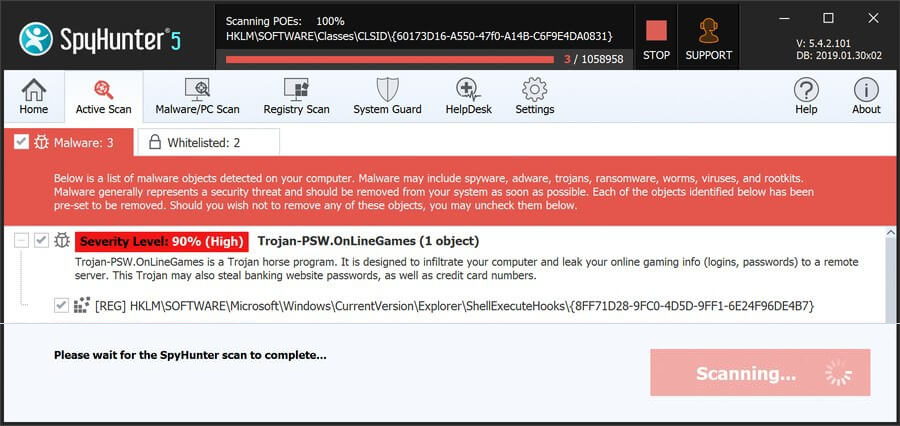
Scams like Saintspin are known to steal personal data and passwords. Install SpyHunter Pro to scan for risks, remove dangerous trackers, and enable real-time protection.
 OFFER
OFFER*Source of claim SH can remove it. Trial w/Credit card; image is for illustration; full terms.
What is the Saintspin Scam?
The Saintspin.com scam is a counterfeit cryptocurrency trading site with no actual trading capability. It is designed solely to defraud users by displaying fake crypto balances and then coercing them into depositing Bitcoin, which is never returned. This scam is not isolated; it’s part of a broader pattern of deceptive, repeating frauds that rely on psychological manipulation and social engineering. The platform frequently rotates domain names and reappears with the same fraudulent infrastructure, making it hard to track or shut down permanently.

The deception chain of Saintspin begins with high-impact social media posts featuring deepfake videos of trusted celebrities like Elon Musk, Cristiano Ronaldo, or Bill Gates. These impersonations falsely promote Saintspin as a revolutionary new trading platform or giveaway. Intrigued viewers are directed to the Saintspin website, where they’re asked to create an account and enter a promo code – examples include “CR7” or “Tiktok11”. The website then displays a fake account balance, typically showing around 0.31 BTC, giving users the impression they’ve received free Bitcoin. However, to “unlock” this balance, users are instructed to deposit a small amount of BTC – usually 0.005 BTC. This deposit is framed as a security measure or activation requirement. Once the deposit is made, the funds go straight to the scammers. The site might issue an error, stop responding, or disappear completely. No real trading takes place, and the fake balance has no backing. As the site gets exposed, the domain is abandoned, and an identical version returns under a new name to target more victims.
What to Do if You’ve been scammed by Saintspin?
If you have fallen for the Saintspin, Bangcas or Fugospin scam, the most important step is to protect your remaining digital assets immediately. Crypto funds already sent to the scammers are likely unrecoverable, and spending energy pursuing refunds could expose you to even more scams. The best approach is to secure your wallets, bank accounts, and any other platforms connected to your crypto activity. Once immediate risks are neutralized, you can document your loss and report the incident to relevant authorities and communities. However, avoid “recovery services” or “crypto refund specialists” that promise to retrieve your funds – they are almost always secondary scams. Prioritize damage control first, then consider exploring recovery options only through official channels or legal advice.
Tips for Digital Damage Control:
- Revoke all smart contract permissions from wallets connected to suspicious sites.
- Move remaining assets to a new wallet, especially if the previous one was used on Saintspin.
- Enable two-factor authentication (2FA) on all crypto-related accounts.
- Notify your crypto exchange if funds were transferred from it; request account flagging.
- Document everything: screenshots, wallet addresses, and transaction IDs.
- Report the scam to your country’s cybercrime division or regulatory agency.
- Inform trusted crypto communities and forums to warn others and share your case.
Taking these steps quickly can contain the impact of the scam and stop further losses. Sharing your experience also helps the community stay informed.
What Are the Usual Saintspin Red Flags?
Crypto scams like Saintspin tend to be mass-produced and widely distributed. Their low-effort templates and high-volume exposure mean they’re easy to spot for those who know the signs. Awareness and emotional discipline are your strongest defenses.
Saintspin often uses celebrity endorsements that appear too good to be true. Deepfake videos with famous figures like Elon Musk or Drake should be a major warning sign, especially when used to promote giveaways or trading platforms.
Messages promoting Saintspin usually promise free crypto, often after using a “promo code.” These offers generate urgency or excitement but have no basis in legitimate crypto practice.
A consistent trait of the Saintspin scam is the display of fake account balances. Users see significant BTC amounts without doing anything, creating false trust. Real platforms never behave this way.
Withdrawals on Saintspin require a “minimum deposit.” Any crypto service that demands payment before withdrawal should be considered suspect or fraudulent from the start.
Another clear red flag is the website’s generic appearance and lack of real legal information. No licensing, no support, and recently registered domains are all signs of a scam clone.
Tips to Stay Protected From Crypto Scams Like Saintspin
Avoiding crypto scams like Saintspin is significantly easier than recovering from them. These scams follow patterns that are detectable with a little vigilance. By knowing the red flags and sticking to best practices, users can stay out of harm’s way:
- Always verify celebrity endorsements through official social media accounts or press releases.
- Be skeptical of any site offering instant crypto balances with promo codes. These are not legitimate.
- Never deposit crypto to unlock or activate a withdrawal. Real platforms don’t have these requirements.
- Use only trusted channels to access crypto sites – bookmark official URLs to avoid fake copies.
- Check domain age and online reputation before engaging with new platforms.
- Monitor wallet permissions and revoke unnecessary approvals regularly.
- Never trust unsolicited DMs, emails, or posts claiming you’ve won crypto or need to act urgently.
- Avoid engaging with “customer support” accounts that initiate contact, especially through social media.
- Don’t install browser extensions or files from unknown or unverified sources.
- Educate yourself consistently; scams evolve, and staying informed is crucial.
By following these tips and staying aware of how scams like Saintspin operate, you significantly reduce your risk of being victimized. Prevention is your strongest tool in the crypto world.
Final Takeaway on Saintspin
The Saintspin scam is not just a one-off incident – it’s a continuously repeating fraud built on deception, impersonation, and emotional manipulation. It mimics a legitimate crypto platform but serves no function other than to steal Bitcoin from unsuspecting users. Once flagged or reported, Saintspin simply shuts down and reappears under a new name, using the same design and playbook. This clone-template scam cycle means that users must learn to recognize the patterns, not just the names. Understanding the tactics used in scams like Saintspin is the best defense. By staying cautious, checking all claims, and acting only on verified information, users can avoid falling prey.
Summary
- Saintspin.com is a fake trading platform that pretends to offer crypto services.
- It uses deepfakes of celebrities to build false trust.
- A promo code gives users a fake BTC balance.
- Users are then asked to deposit real Bitcoin to “unlock” their funds.
- That money is stolen, and the site eventually disappears.
- It reappears later under a new name with the same setup.
- No real trading happens on Saintspin.
- Once compromised, damage control – not fund recovery – should be your priority.
The name Saintspin may change, but its method stays the same. Keep this knowledge in mind whenever you encounter “too good to be true” crypto offers online.
