

Hugospin promises to be a “next-gen” crypto platform. You’ll find fake accounts swear by it – they say it changed their life and turned their $500 into $15K. This is a classic opener for a social media scam. If you go on Hugospin.com, the site looks what I describe to people as modern-slick to mimic the best tech sites.
Here’s the real story: Hugospin is a straight-up scam, just another clone site preying on people chasing crypto gains. The trick is painfully simple – they get you to deposit Bitcoin, show you a dashboard with fake profits, then disappear when you ask to withdraw, because you’ve already given them a deposit for a KYC payment method. I’ve seen this dozens of times. Hugospin doesn’t offer real trading. It will just take whatever it can from you.
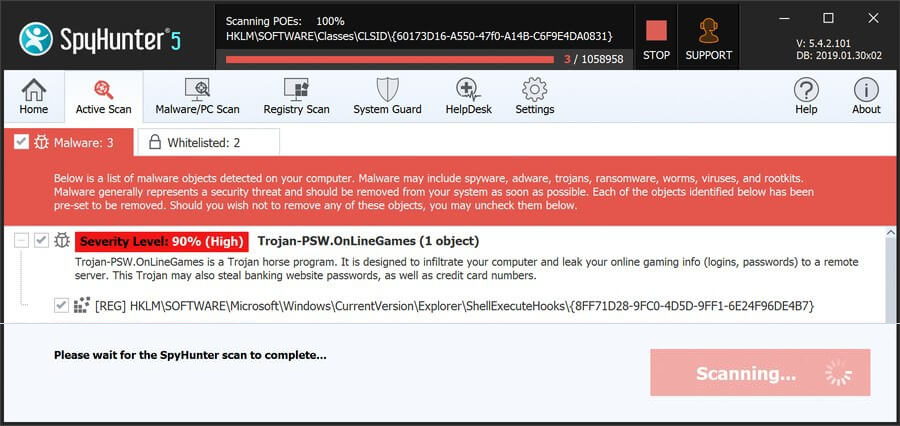
Scams like Hugospin are known to steal personal data and passwords. Install SpyHunter Pro to scan for risks, remove dangerous trackers, and enable real-time protection.
 OFFER
OFFER*Source of claim SH can remove it. Trial w/Credit card; image is for illustration; full terms.
What is the Hugospin Scam?
The Hugospin.com scam is a fraudulent cryptocurrency site designed to look like a legitimate trading platform. It leverages deepfake celebrity endorsements, fake account balances, and promo codes to lure users. Ultimately, it tricks victims into sending Bitcoin under the pretense of activating withdrawals – funds that are never returned.

Deception chain/funnel
The scam begins with viral social media promotions. Videos using AI-generated voices and deepfake visuals feature global celebrities like Elon Musk, Cristiano Ronaldo, and Mark Zuckerberg. These videos are carefully engineered to appear authentic, showcasing endorsements and promises of lucrative giveaways via Hugospin.
Users are encouraged to visit the Hugospin site, which appears professional and legitimate. Upon registering, they are asked to enter a promo code – usually something like “CR7” or “Tiktok11.” After doing so, they are shown a fake balance of around 0.31 BTC in their account. This visual balance is completely fabricated and serves only to build false excitement and trust.
When the user tries to withdraw the fake funds, the site triggers its final trap. Victims are told they must first deposit a “minimum amount” of Bitcoin, typically 0.005 BTC, to activate their withdrawal capability. The message is made urgent and persuasive, playing on common emotional tactics. Once the deposit is sent, the scam is complete: the Bitcoin goes directly to the scammers’ wallets, the site stops responding, or disappears entirely. No real withdrawals ever occur, and the entire process was designed purely for theft.
What to Do if You’ve been scammed by Hugospin?
If you’ve fallen victim to the Hugospin or Gerocas scam, act immediately. Your first priority is securing any connected wallets, bank accounts, or digital assets. Change all associated passwords and enable two-factor authentication. While the lost funds are likely unrecoverable, trying to get them back could waste more time or lead to further loss. Focus instead on digital hygiene and security. Report the scam but stay wary of so-called recovery services – they are often scams themselves. After securing your accounts and documenting everything, consider exploring formal recovery avenues, but only after you’ve locked down your digital life completely and minimized further risk.
Damage control tips:
- Revoke token permissions from any wallets connected to Hugospin or suspicious sites.
- Move remaining crypto assets to a fresh, uncompromised wallet with new seed phrases.
- Update passwords for all crypto platforms, emails, and financial accounts used in proximity to the scam.
- Enable two-factor authentication on all relevant accounts to block unauthorized access.
- Document all interactions with the scam: take screenshots, save emails, and record wallet addresses.
- Report the incident to your country’s cybercrime unit, any crypto exchanges involved, and blockchain monitoring tools to help flag the scam wallets.
- Avoid additional risks: do not communicate with self-proclaimed “recovery specialists” or services offering refunds.
- Inform communities (subreddits, Discords, etc.) to warn others and help prevent additional victims.
What Are the Usual Hugospin Red Flags?
Crypto scams like Hugospin share several obvious red flags. These schemes are usually wide-net, low-effort operations designed to fool the careless or emotionally reactive. Recognizing the warning signs takes attention to detail and calm judgment. Awareness and skepticism can make the difference between safety and serious financial loss.
Red flags
Prominent celebrities promoting new platforms or giveaways should immediately raise alarms. Deepfake technology can easily impersonate trusted public figures. Always verify appearances through official social media or public statements before engaging.
A fake balance shown after registering on a new platform is a psychological trap. If the crypto balance appears instantly without reason, it’s not real – it’s bait designed to build excitement and trust.
If a site requires a “minimum deposit” to activate withdrawals, it’s almost certainly a scam. Legitimate platforms do not ask for money to unlock access to your own funds.
Lack of regulatory details, no licensing info, and a freshly registered domain all point to fraud. Scam sites like Hugospin vanish quickly, so verify legitimacy before interacting or sending funds.
Generic websites with templated interfaces, no support contacts, and copy-paste whitepapers are typical of scams. If a site looks like many others and lacks substance, stay far away.
Tips to Stay Protected From Crypto Scams Like Hugospin
Avoiding scams like Hugospin is significantly easier than recovering stolen funds. These scams are simple to spot once you know the signs. Refer back to the red flags above. Apply the protection tips below consistently, and your risk of falling victim drops dramatically. Staying informed and cautious is your best defense.
Actionable tips
- Never trust unsolicited offers that promise free crypto, airdrops, or instant wealth. These are classic bait tactics used in scams like Hugospin.
- Avoid interacting with links from emails, texts, or direct messages unless you personally verified the source’s legitimacy.
- Bookmark trusted platforms and always access crypto services directly from saved bookmarks, not search results or social media promotions.
- Use burner wallets for new or unknown sites. Keep your main wallets isolated and never connect them to unfamiliar platforms.
- Check all permissions your wallet has granted using blockchain explorers. Revoke anything you don’t recognize or no longer use.
- Scrutinize all domains before entering login details or sending funds. Look for misspellings, irregular characters, and recently registered URLs.
- Limit browser extensions and plugins that may compromise wallet interactions or reveal private data.
- Be skeptical of celebrity involvement. If it seems too good to be true or sudden, it likely is – deepfakes and impersonations are rampant.
- Educate yourself regularly. Follow trusted crypto communities that report on scams and emerging threats.
By embedding these habits into your routine, you strengthen your resistance against scams like Hugospin. Staying proactive and skeptical is not paranoia – it’s smart crypto hygiene.
