

Faleox looks polished, maybe even trustworthy, but there’s a red flag checklist I follow for these types of sites, and Faleox triggered everything it possible could’ve. It’s a freshly made domain, it has a copy-pasted design, and I can confirm 100% that there’s zero real trading behind the scenes.
If you’ve landed on Faleox or seen ads pushing it, stop right now and read this first. This isn’t a legit crypto exchange – it’s a clone scam. You sign up, they show you fake gains, and when you try to withdraw? Suddenly your account needs “verification” or some kind of transfer fee. What’s worse is that once this scam gets flagged, they just relaunch it under a new name with the same design. Classic crypto con in 2025. If you’ve already interacted with Faleox, odds are your money’s gone.
Scams like Faleox are known to steal personal data and passwords. Install SpyHunter Pro to scan for risks, remove dangerous trackers, and enable real-time protection.
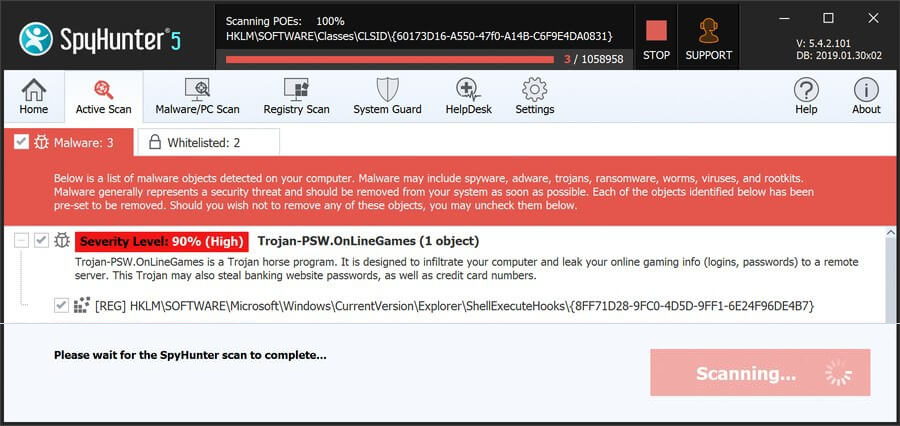
 OFFER
OFFER*Source of claim SH can remove it. Trial w/Credit card; image is for illustration; full terms.
What is the Faleox Scam?
The Faleox.com scam is a deceptive fake trading platform engineered to lure users into handing over their Bitcoin. It is not licensed, regulated, or equipped with any real trading features. It relies on elaborate social engineering and psychological manipulation, not technical sophistication, to carry out theft.

The scam starts with deepfake videos of famous public figures like Elon Musk or Cristiano Ronaldo. These AI-generated visuals are used across platforms like YouTube, Facebook, and TikTok. Viewers are directed to the Faleox site and urged to register using promo codes like “CR7” or “Tiktok11.” After entering a code, users see a fake balance – typically 0.31 BTC – displayed on their dashboard. Excited and misled, they try to withdraw.
The site then prompts them to “activate” their account by depositing a small amount of Bitcoin, usually 0.005 BTC. Believing this will unlock their supposed funds, victims transfer real money. But the dashboard balance is fake, the platform non-functional, and the deposit unrecoverable. Once the money is sent, the platform typically shuts down or freezes, and customer support is nonexistent. This same scheme is redeployed on fresh domains after the original is flagged, using identical scripts and graphics to resume operations under the same Faleox scam model.
What to Do if You’ve Been Scammed by Faleox?
Realizing you’ve fallen victim to the Faleox, Conedex or Noroxbet scam can be devastating, but the first step is to regain control of your digital assets. Time is critical. Focus on securing wallets, email accounts, and any linked exchanges or financial platforms. If scammers gained access to your information or wallet, further losses can still be prevented. While the lost Bitcoin is likely unrecoverable, chasing recovery immediately can cause additional damage. Many so-called “recovery services” are scams themselves, exploiting victims a second time. Your priority must be digital security. Consider pursuing recovery avenues only after you’ve locked down your accounts.
Actionable Steps for Damage Control
- Immediately move any remaining crypto assets out of compromised wallets into new, secure ones with no previous exposure.
- Revoke any token or contract permissions granted during interactions with the Faleox site.
- Enable two-factor authentication (2FA) on all associated crypto, email, and social media accounts.
- Review and refresh your burner wallets. Use fresh wallets for all new transactions and reduce exposure to scam-prone platforms.
- Scan your devices for malware or keyloggers if you clicked any links or downloaded unknown files from the scam site or its promos.
- Report the scam to your country’s cybercrime unit and any relevant crypto exchanges that handled the transactions. Share details like wallet addresses and transaction hashes.
- Inform community groups and forums. Share your story to prevent others from falling for future iterations of Faleox.
What Are the Usual Faleox Red Flags?
Crypto scams like Faleox have glaring red flags, yet many fall victim due to emotional manipulation. Scammers rely on urgency and perceived opportunity. Spotting signs early protects your wallet and peace of mind.
Fake celebrity endorsements using AI-driven deepfakes are a hallmark of Faleox scams. These videos may look convincing but are never released through official or verified channels.
Unsolicited messages or videos that promise “free Bitcoin” or guaranteed profits are major indicators of fraud. Legitimate platforms never require upfront deposits to unlock rewards or withdrawals.
Promo codes granting instant crypto balances are psychological traps. A fake balance builds trust but has no blockchain record – it’s only a visual trick.
Mandatory deposits to “activate” or “verify” accounts are another clear warning sign. Legitimate exchanges don’t hold users’ funds hostage to release fabricated ones.
Poorly designed or overly generic websites, often without legal or company details, round out the warning list. Most Faleox domains are newly registered, and disappear quickly when exposed.
Tips to Stay Protected From Crypto Scams Like Faleox
Avoiding scams is far easier than recovering from one. Faleox and similar operations rely on manipulation, not hacking. Recognizing red flags and applying security habits can make you virtually immune to these attacks.
- Always verify celebrity endorsements through official sources; deepfakes are easy to produce but impossible to validate without cross-checking.
- Bookmark legitimate crypto websites and access them only through those bookmarks to avoid spoofed or cloned pages.
- Use burner wallets for all online crypto interactions. Keep them separate from your main holdings and replenish them only as needed.
- Never enter a promo code or respond to offers promising free crypto or high returns – especially if you must deposit to “unlock” funds.
- Revoke smart contract approvals regularly and especially after visiting unfamiliar platforms or connecting wallets to suspicious sites.
- Avoid clicking on links in social media messages, emails, or comment threads. Scammers often impersonate influencers and public figures with urgency-based messages.
- Use minimal browser extensions and regularly audit them. Browser exploits are a common attack vector.
- If you’re unsure whether something is a scam, ask in verified forums or official communities before taking any action.
Scams like Faleox evolve, but user awareness stays one step ahead. Stay informed, skeptical, and cautious.
