

If you’ve spent any time on Paytube lately, clicking buttons, completing tasks, and watching your balance go up – then tried to withdraw your earnings – chances are you’ve already bumped into a wall. A very fake, very deliberate wall.
It all starts out looking pretty normal. You sign up, do whatever’s required, see money piling up in your account, and at some point, you figure, Hey, I’ve earned this. Let’s cash out.
That’s when the fun begins.
Now, if you’re still thinking Paytube might just be having technical issues or that maybe you’re missing a step – trust me, you’re not. This isn’t a mistake or a glitch. It’s designed to work exactly like this. Let’s break down how the scam works, why it seems legit at first, and what really happens behind the scenes once you try to take your money out.
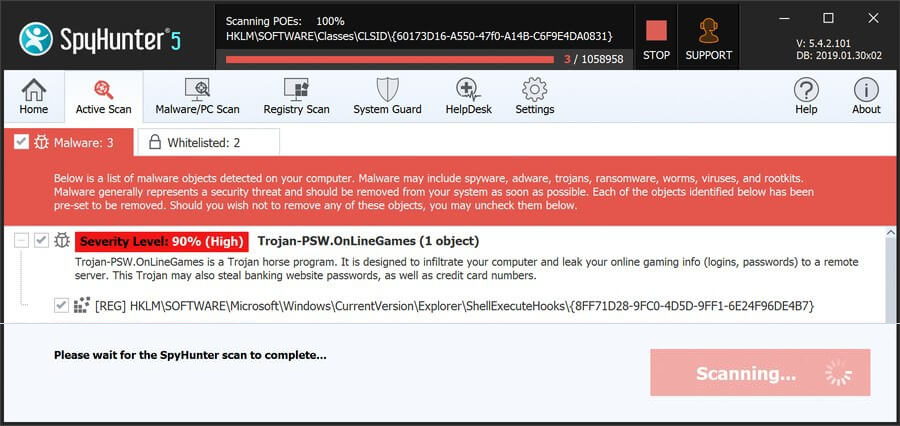
Scams like PayTube are known to steal personal data and passwords. Install SpyHunter Pro to scan for risks, remove dangerous trackers, and enable real-time protection.
 OFFER
OFFER*Source of claim SH can remove it. Trial w/Credit card; image is for illustration; full terms.
What is the Paytube Scam?
So here’s how it usually starts.
You log into Paytube, and everything looks like it’s functioning just fine. You’ve got a visible balance. There’s a “Withdraw” button staring at you. You click it. Great – now you’re told what you need to do next: enter your amount, put in your phone number, hit a confirmation button. Seems pretty standard, right?

But then comes the first curveball: there’s a minimum withdrawal amount. You need at least $30 to even attempt a withdrawal. Okay, fine. You grind your way there.
Then you’re hit with the next requirement: you need to reach Level 4 – maybe even Level 5 – before withdrawals are allowed. Interesting. A little annoying, but not impossible. You figure, Maybe they’re just trying to stop bots or people gaming the system. So you push forward, do what it takes, and finally – finally – you hit the required level.
You go back, type in the amount, maybe $35 just to be safe, hit Request Payment, then click Confirm…
And boom. That’s when the scam flips into high gear.
The Switch: From Earnings to Deposits
Instead of processing your withdrawal, the system hits you with another message. Suddenly, there’s a new requirement. Now, you’re being told to make a deposit. Just a small one. A percentage of what you’re trying to withdraw. Maybe they phrase it like a “security verification” or a “processing fee.” Doesn’t matter. Bottom line: they want you to send them money before you can get your money.
Let me stop you right there.
Don’t do it.
It’s a trap. And it’s not a new one, either. This kind of scam has been around in various forms for a while now. They just dress it up with a new interface, slap on a fake progress bar, and give it some semi-legit sounding requirements like “Level 4 needed to unlock withdrawal.”
But once you send that deposit? That’s it. Game over. Your money’s gone. And you’re not getting the original balance either, because – spoiler alert – that was fake too.
What Real People Share About Their Real Losses From the PayTube Scam
Here’s where it gets even more frustrating.
This isn’t just theory or speculation. People have actually fallen for this. One user said they were trying to withdraw $230. Another one waited seven days with no response, no money – nothing. Just radio silence. No email replies. No confirmations. Nothing but a countdown to disappointment.
And worst of all, these people aren’t careless or naive. Most of them were just trying to make a little side income. They saw a platform that seemed structured, looked halfway legit, and gave it a shot.
One of the most sobering quotes from someone who saw it coming:
“No matter how much they ask you to deposit, don’t do it. If you do deposit money, you’ll fall into their scam trap just for a little bit of money.”
That’s it right there. It’s not about the $10 or $20 they want from you. It’s the fact that they’re setting a baited hook and waiting for just enough of you to bite.
How the PayTube Scam Keep You Hooked
Now, Paytube isn’t stupid. Whoever’s running this knows how to make things feel believable. Here’s how they do it:
1. Levels as a Distraction
They tell you to reach Level 4 or Level 5 before you can withdraw. That gives the whole system a sense of progress. You feel like you’re building toward something. But really, it’s just stalling – stringing you along until you’re invested enough to give them money.
2. A Fake Dashboard
Everything looks clean, modern, and professional. There’s a balance counter that updates. There’s even a withdrawal page. But it’s all just window dressing. These numbers mean nothing. They’re not backed by actual money. They’re just digits on a screen meant to convince you that you’ve earned something.
3. The Deposit Trap
This is the big one. Once you try to take your money out, they flip it. Suddenly, you need to put in money to “release” your funds. And no matter what the amount is – don’t do it. That’s where they get you.
4. Delay Tactics
Some people wait days – 7 days, in one case – with no payout. No responses. It’s all part of the ruse. They make you think it’s still “processing” or that maybe it’s just taking time. It’s not. They’re just hoping you’ll give up or try again.
Spot the Red Flags
So how do you know if you’re dealing with a scam like this? Here’s a quick checklist based entirely on what Paytube pulled:
- Hidden requirements like minimum balance or level advancement that only appear after you try to withdraw.
- A balance that looks real but can’t actually be transferred anywhere.
- Sudden requests for you to deposit money to unlock funds you supposedly already earned.
- Long, unexplained delays once you request a payout.
- The platform completely ghosting you once you start asking questions.
If any of those sound familiar, get out now.
What to Do If You’ve Been Caught by the PayTube Scam
If you’ve already interacted with Paytube and you’re worried, here’s what you can do:
- Stop sending money. This should go without saying, but if they ask for another deposit to “speed things up,” don’t fall for it.
- Monitor your accounts. If you entered any personal or financial info, keep an eye on your bank and credit activity.
- Call your bank. If you made a deposit, especially through a card or transfer, contact your provider immediately. See if a chargeback is possible.
- Update your passwords. If you reused login credentials on other sites, change them now. Just to be safe.
- Report the scam. File reports with cybercrime agencies, and share your experience on forums or social media. The more people speak out, the fewer fall in.
Final Thoughts: Don’t Let a Fake Website Take Your Real Money
Here’s the bottom line.
Scams like PayTube, PayTub, Cuvimox.site and Frixoby.site don’t work because they’re sophisticated. They work because they know just enough people will want to believe. Want to believe the money is real. That the dashboard is legit. That with just a little more effort, they’ll get paid.
But they won’t.
Paytube is fake. The money isn’t real. The withdrawals don’t happen. The only thing real here is the money you risk losing if you keep going.
So let me say it loud and clear: Never pay to get paid. If a platform makes you jump through hoops and asks for money on top of that? Walk away. No legit company does that.
And if you’re reading this and haven’t fallen for it yet – good. Share it. Tell someone. These scams thrive in silence.
Stay sharp out there.
