

If you’re suddenly seeing pop-ups screaming that your device is “infected” and urging you to download security updates, that’s not real malware. It’s Trojanwall.click, a browser hijacker that’s messing with your system and trying to scare you into making a mistake. This thing lives in your browser and it makes money by tricking you to saying yes to bogus apps and shady scam sites. It uses fake alerts that look like real antivirus warnings, but they’re just HTML pop-ups built to create panic. If the pop-ups mention Trojanwall.click or route you to unfamiliar domains like Hulondor.co.in, Hesdiomes assume it’s all part of the con. Whatever you do, don’t interact with the warnings. Trojanwall.click isn’t dangerous by itself, but it wants you to invite in something that is.
We tested that SpyHunter successfully removes Trojanwall.click* and we recommend using it. It will block Trojanwall.click from reinstalling itself and it will make sure your device is clean from any malware.
 Try Free For 7 Days*
Buy now15% OFF if you buy straight without trial.
 OFFER
OFFERTrojanwall.click Removal Tutorial
So here’s what people mess up right away – they try to fix everything at once. And guess what? That’s exactly what Trojanwall.click wants. You rush in, get overwhelmed, and end up making it worse. Don’t do that. Just stop. Breathe. Focus on what’s obviously broken. One thing at a time. Go slow. Seriously – step by step.
Quick Steps to Remove Trojanwall.click
- 1.1Open the browser you use most often and access its Settings menu.
– For Chrome, click the three-dot icon (⋮) in the upper-right corner.
– For Firefox, look for the three-line icon (☰) in the same corner.
From here, navigate to Extensions or Add-ons. Carefully inspect each entry – if you spot something you never installed or don’t recognize, it could be malicious. Rogue add-ons often mimic legitimate ones with slightly altered names. - 1.2Examine every extension closely. Look at the title, icon, permissions, and description. Malicious tools often imitate trusted ones but with subtle differences. If anything seems off, hit Remove.
Need to be sure? Search the extension’s name in quotes online. If it’s harmful, you’ll likely find warnings about it. - 1.3Open the Privacy and Security settings of your browser. Go to Site Permissions – you may need to expand Advanced Settings to find this.
Check which sites have access to your microphone, camera, location, or notifications. Revoke any access you do not recall granting. - 1.4Delete any suspicious sites from these permission lists immediately – this prevents them from sending unwanted alerts or forcing redirects. Close your browser fully and reopen it to save the changes.
These steps are often enough to cut off Trojanwall.click. If it still lingers, you’re likely dealing with a deeper infection – keep following the full removal process below.
SUMMARY:
| Name | Trojanwall.click |
| Type | Browser Hijacker |
| Detection Tool |
Some threats reinstall themselves if you don’t delete their core files. We recommend downloading SpyHunter to remove harmful programs for you. This may save you hours and ensure you don’t harm your system by deleting the wrong files. |
If you have a Mac virus, please use our How to remove Ads on Mac guide.
If you have an iPhone virus, please use our iPhone Virus Removal guide.
How to Remove the Trojanwall.click Virus
You ever open your browser and see “Managed by your organization”? Yeah, red flag. That’s Trojanwall.click. And no, this isn’t some sketchy plugin you can uninstall with a click. This thing goes deep – like admin deep. Your usual tools? Useless. You’ve got to dig into the guts of the system. Anything less just wastes your time.
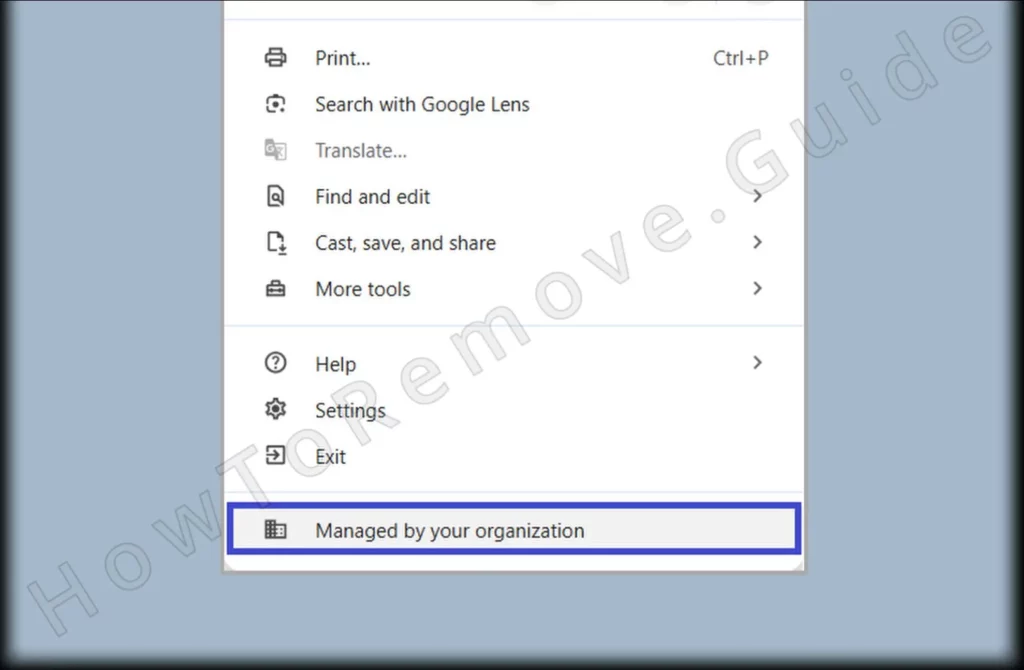
1. Identify the Trojanwall.click Policies
- 1.1
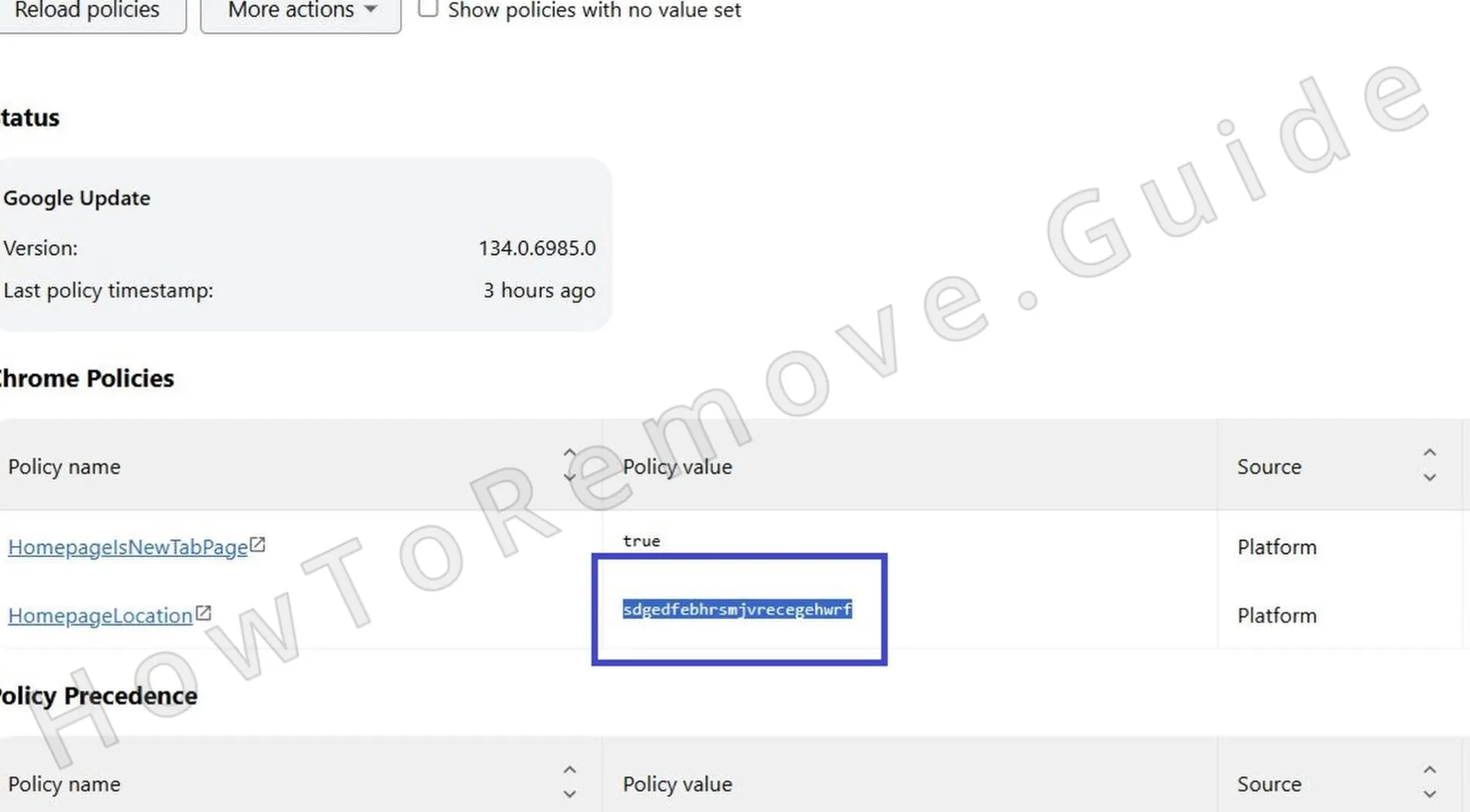 For Chrome, type chrome://policy into the address bar.
For Edge, use edge://policy.
Wait for all policies to load, then review them for anything suspicious or unfamiliar. - 1.2Carefully inspect every policy. Look for odd names or settings that don’t fit your browsing habits. Take screenshots or write down anything suspicious – you’ll need these details for later removal.
- 1.3Open the Extensions page and enable Developer Mode (usually a toggle at the top right). This reveals each extension’s unique ID and installation location – critical info for finding malicious files.
- 1.4If Trojanwall.click prevents you from opening the Extensions page, use File Explorer to get around this block.
-
1.5
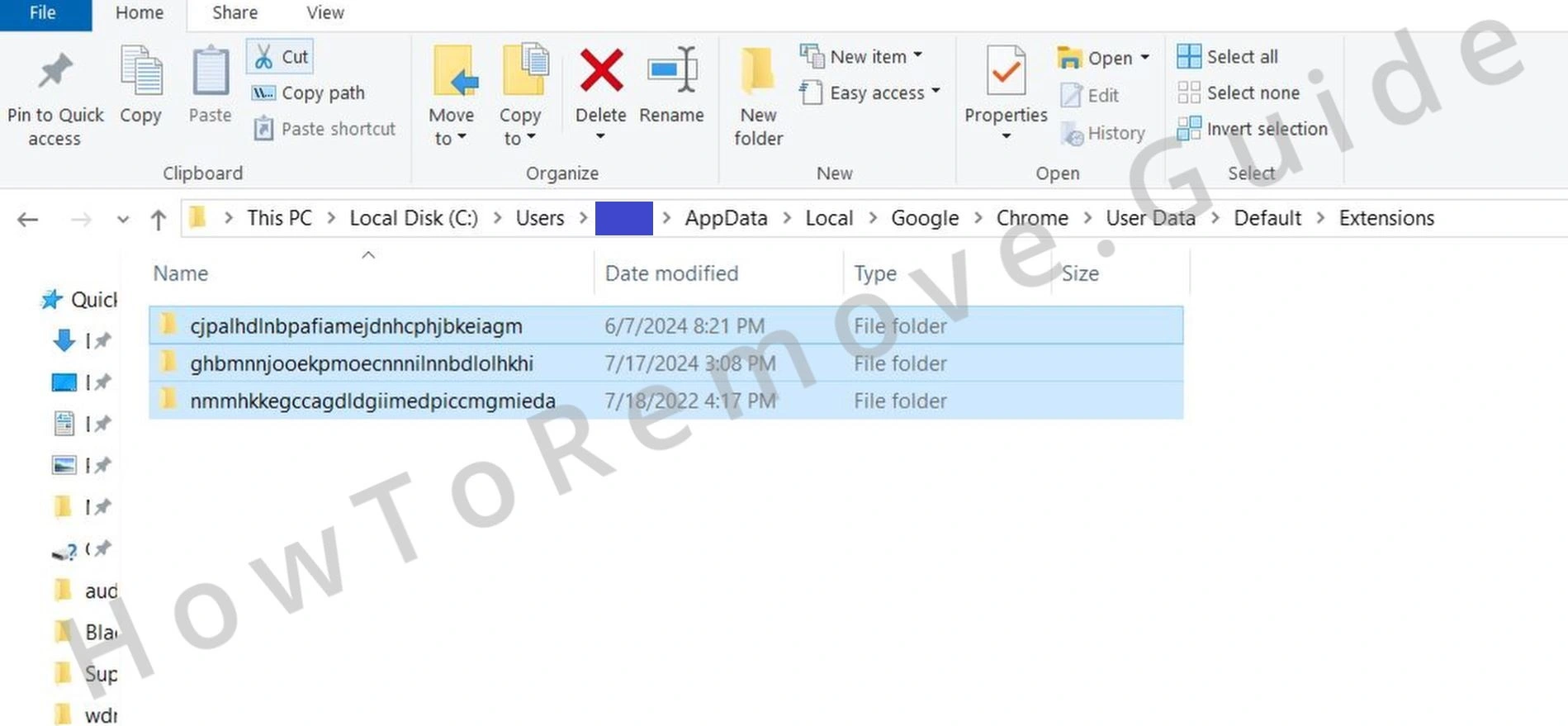 In File Explorer, navigate to:
C:\Users\<Your Username>\AppData\Local\Google\Chrome\User Data\Default\Extensions
Each folder here matches an extension. Compare these with the IDs you noted earlier. If you find the one linked to Trojanwall.click, confirm it’s harmful and delete it. - 1.6
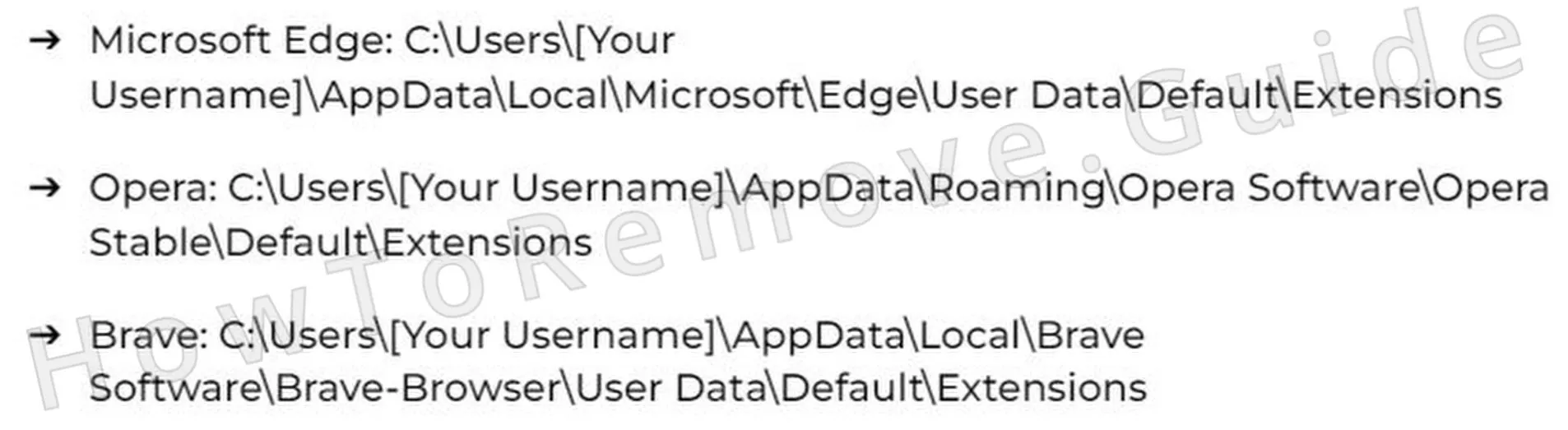 Using Brave, Opera, or another Chromium browser? Repeat the same process in that browser’s AppData directory and delete any suspicious extension folders.
 - 1.7Return to Extensions with Developer Mode enabled to ensure the malicious extension is gone. If it’s still there, search for remaining files or disable sync features that may be restoring it.
Get Rid of Trojanwall.click Policies
Okay, if Trojanwall.click has made it into your Windows Registry – this isn’t just shady, it’s dangerous. One wrong click and your system’s done. Like, actual blue-screen toast. Don’t start poking around unless you know what you’re doing. This is not the time to play tech hero. Use slower, safer tools. Go careful. Fast and broken is still broken.
2. How to Delete Trojanwall.click Policies Through the Registry
- 2.1Press Windows + R, type regedit, and hit Enter to open Registry Editor.
Before editing anything, back up your registry: File → Export, and save a backup copy. - 2.2Press Ctrl + F or go to Edit → Find and search for the extension ID or policy name you noted earlier. Delete any matching entries. Keep searching until no traces remain.
- 2.3
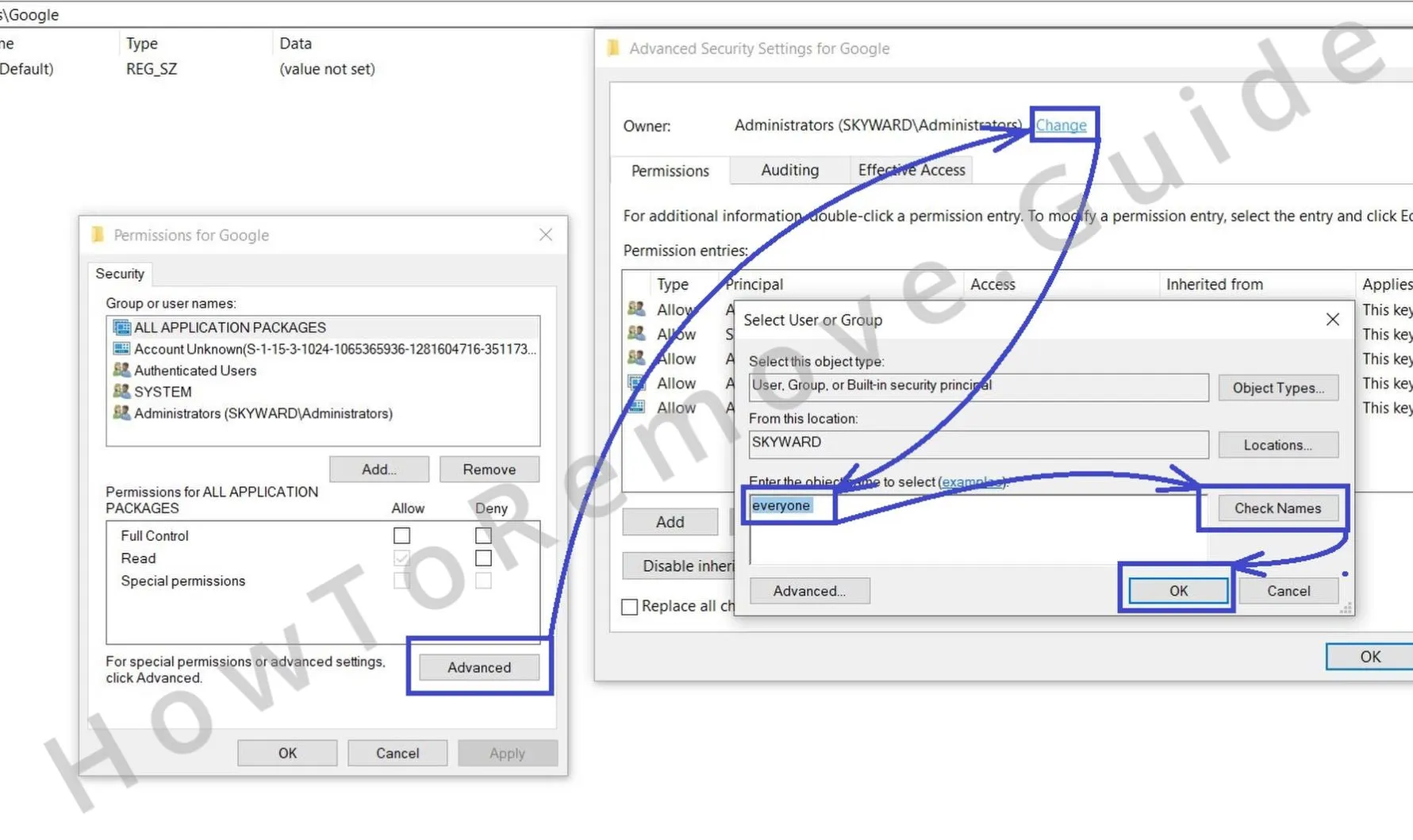 If you cannot delete a registry key, right-click it, choose Permissions, and select Advanced.
Click Change next to Owner, type Everyone, then click Check Names and OK. This gives you control over that key. - 2.4
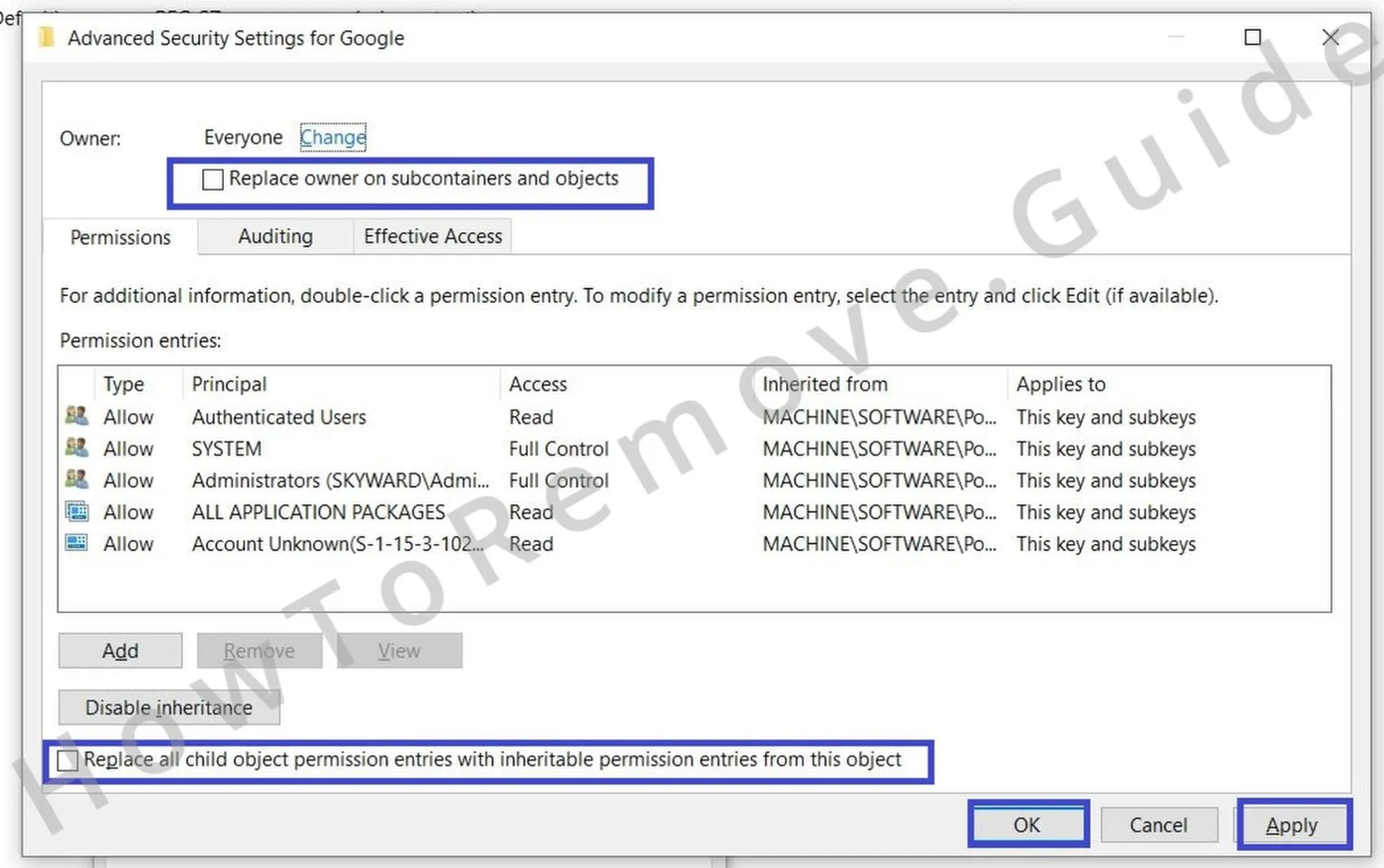 Enable these options:
– Replace owner on subcontainers and objects
– Replace all child permission entries with inheritable permissions from this object
Click Apply and then OK. Delete the problematic key, restart your PC, and check that the “Managed by your organization” warning is gone.
This gives you the access needed to delete the rogue key.
Alternative Tools to Delete Trojanwall.click Policies
You did everything, right? And yet – Trojanwall.click is still hanging around. That’s not some random glitch, that’s the whole design. These scams are built to outlast your patience. That’s the trap. You miss a step, get frustrated, quit… and they win. Don’t give up. Double check, re-check, and finish every step. That’s the only way to beat it.
3. Other Ways to Get Rid of Trojanwall.click Policies
- 3.1
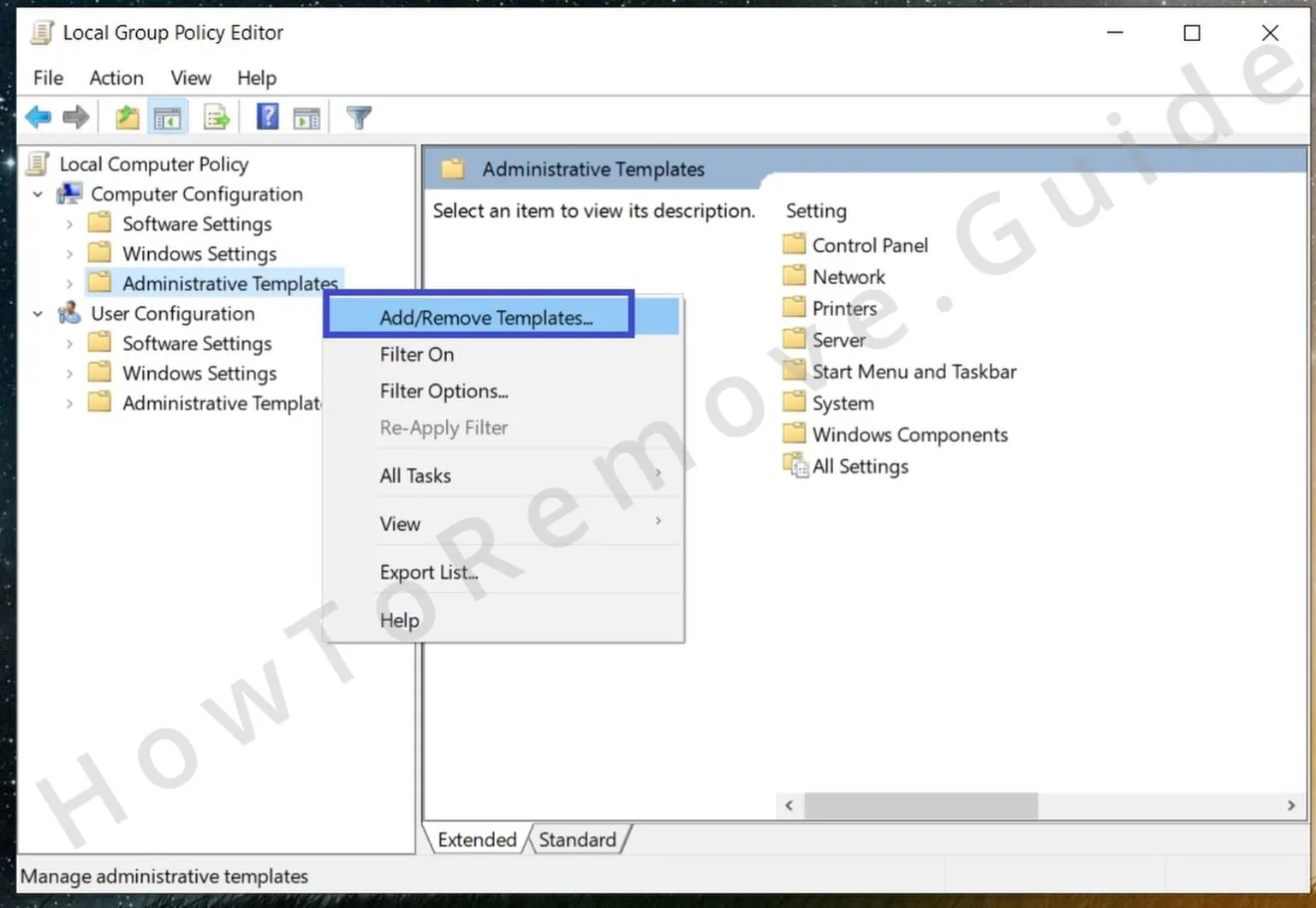 Press Windows + S, type Edit Group Policy, and open it. In the left-hand panel, expand Administrative Templates.
 - 3.2
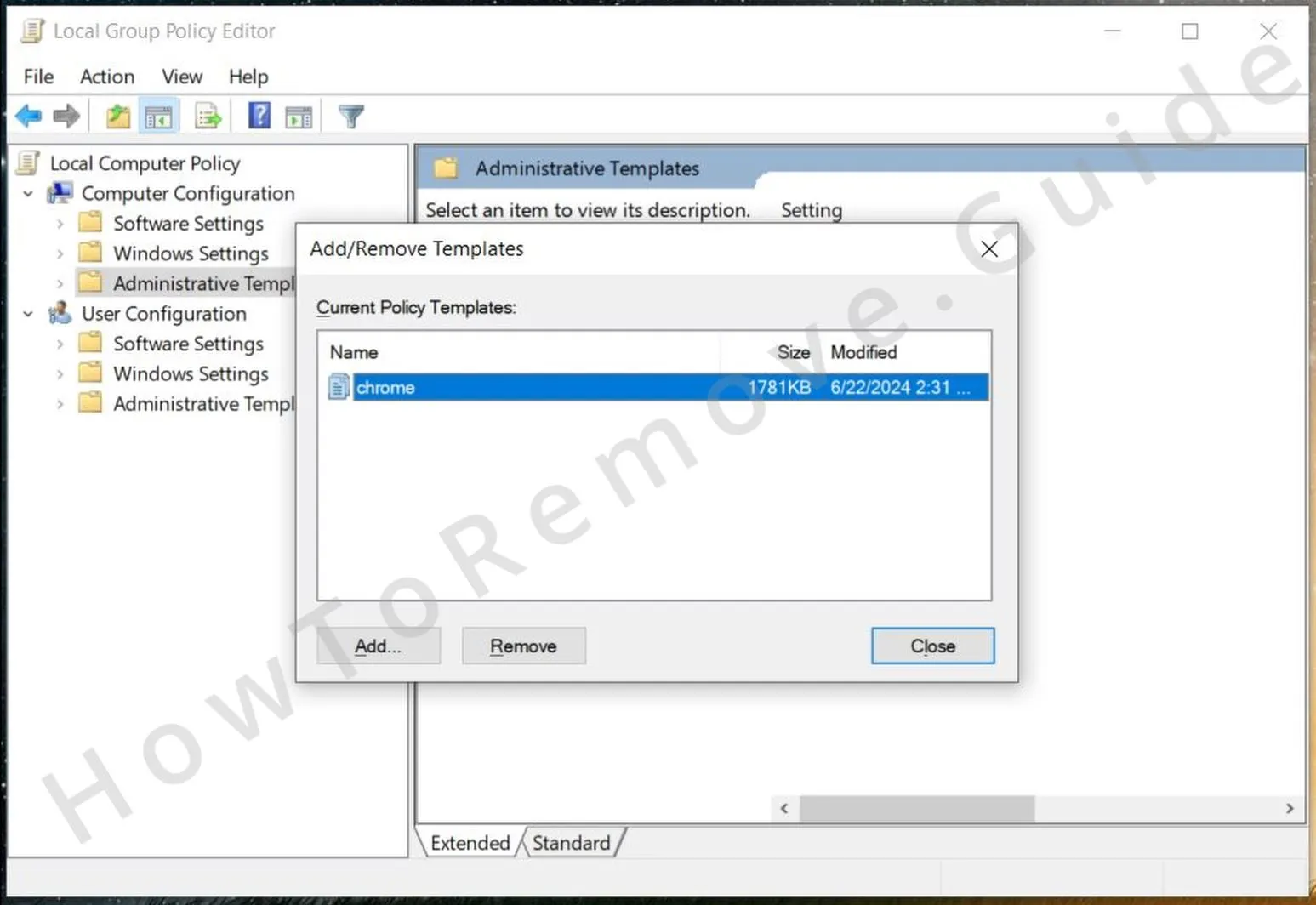 Right-click Administrative Templates, choose Add/Remove Templates, and delete any that you didn’t personally install. Malicious templates might have been added by Trojanwall.click.
 - 3.3For Chrome users, a Chrome Policy Remover tool can help find hidden policies. Download a legitimate one, right-click it, and select Run as administrator.
- 3.4If your antivirus flags it, click More Info → Run Anyway (but only if you trust the source). After cleaning, restart your computer and check both the registry and Group Policy Editor to confirm everything is clear.
Uninstall Trojanwall.click From Chrome, Edge, and Other Browsers
Things look clean? Yeah, that’s when Trojanwall.click comes back. One missed setting, one sketchy permission still active – and boom, it’s back in your browser like it never left. That false sense of security? It’s bait. Don’t fall for it. Go over everything. I mean everything. Because that one unchecked box? That’s all it needs to slip through.
4. How to Remove Trojanwall.click From Your Browser
- 4.1Revisit your Extensions or Add-ons list. If suspicious ones reappear, browser sync might be restoring them. Remove them again.
- 4.2
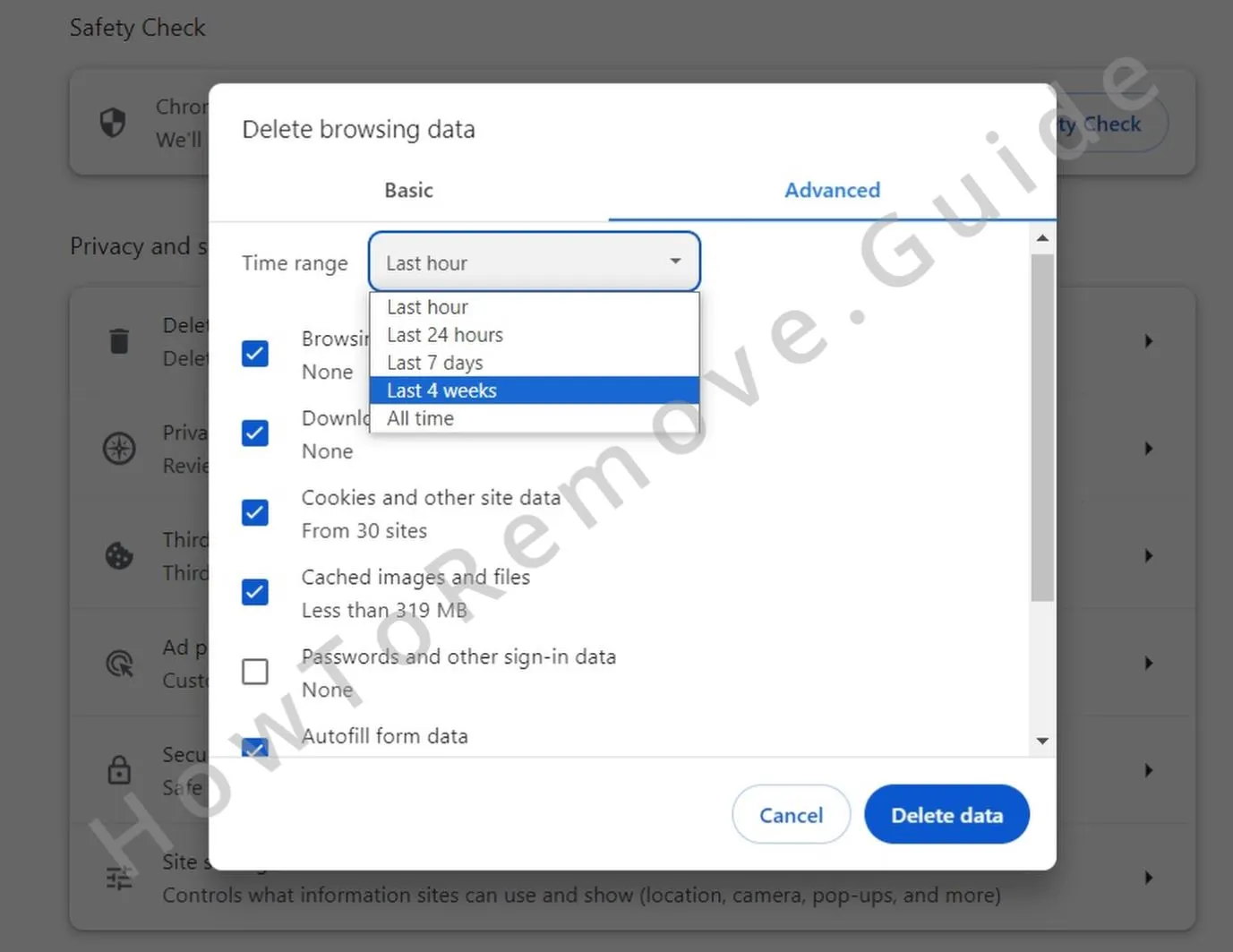 Go to Clear Browsing Data. Choose All Time, deselect Saved Passwords, but clear everything else – especially cookies, cache, and site data, which can reinstate the infection.
 - 4.3
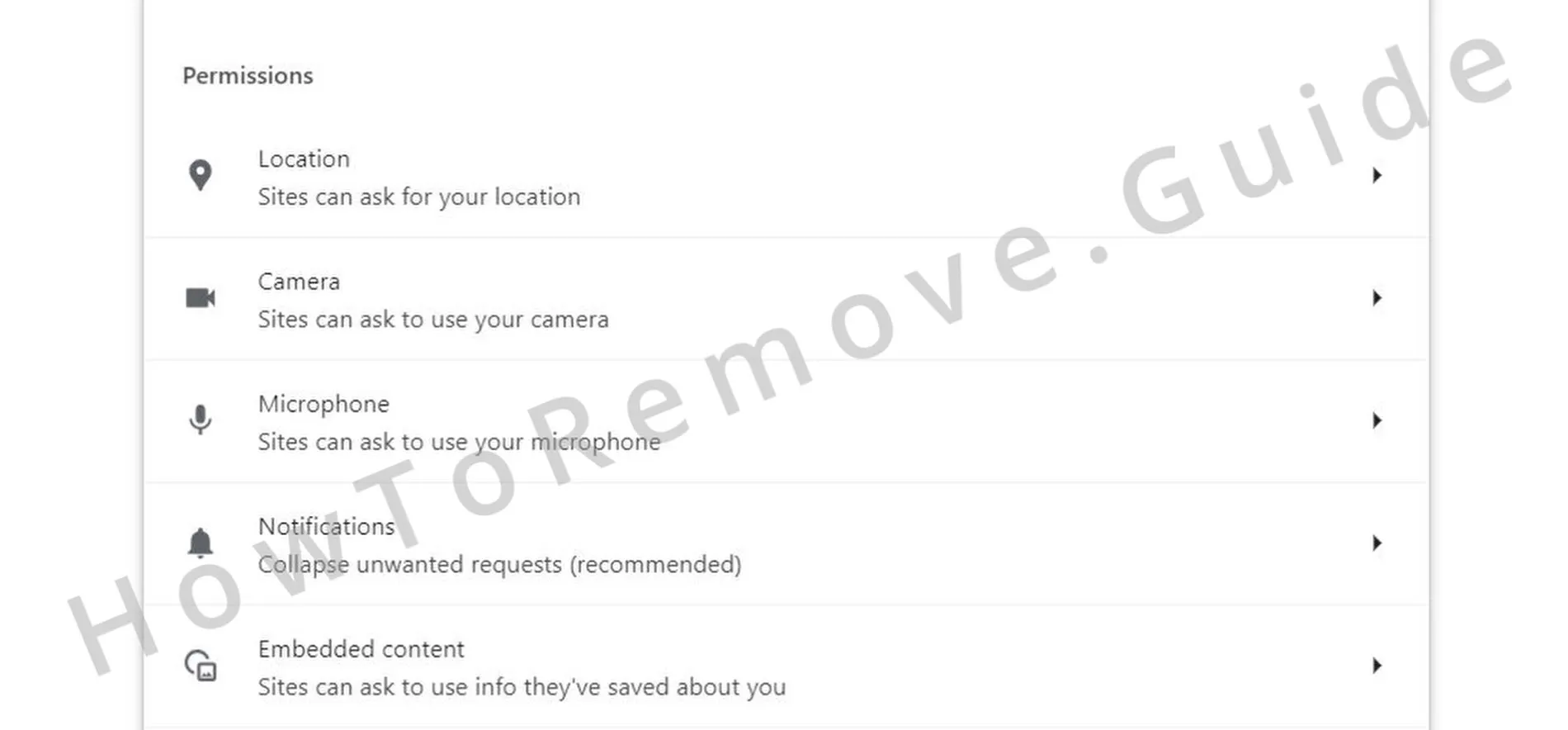 In Privacy and Security → Site Settings, revoke permissions (camera, microphone, notifications) for unknown sites.
 - 4.4
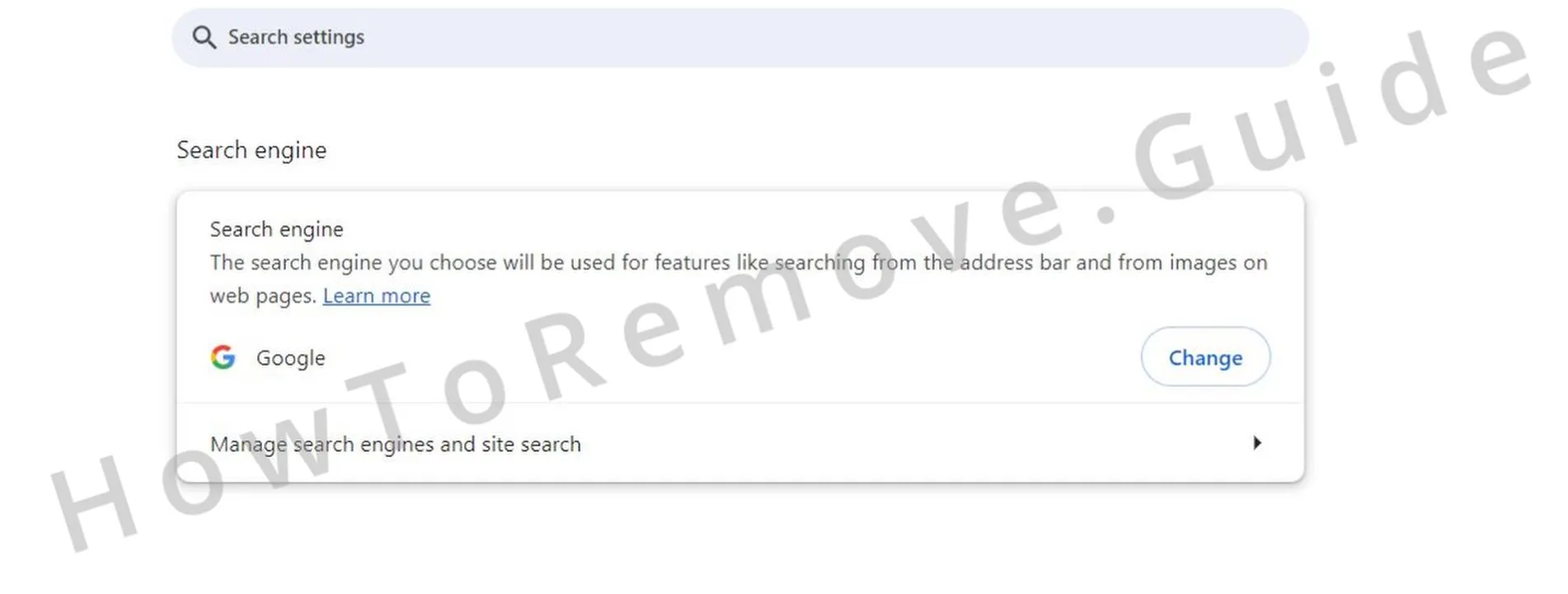 Open Search Engine Settings → Manage Search Engines. Delete anything unrecognized and set a reliable search engine (like Google, Bing, or DuckDuckGo) as the default.
 - 4.5Finally, in On Startup or Appearance settings, remove any startup URLs you didn’t add. Set your homepage to a trusted website to prevent Trojanwall.click from taking over again.
