

If you’ve been getting startled by sudden warnings in the corner or center of your screen that claim to be from Norton, McAfee, or some other antivirus and warn you of “HIGH DANGER” threats found on your device – even though you don’t even have that software installed – don’t panic. What you’re really dealing with is likely a browser hijacker like Homesearcherplace.com.
The trick used by this and other similar annoyances, such as Undegolasislier.com and Solarisbotshield.co.in, is that they bombard you with alarming pop-ups to scare you into clicking links, downloading shady apps, or handing over personal data. The alerts may look polished, but they’re fake, and interacting with them is the actual danger.
Homesearcherplace.com may not be a devastating virus on its own, but it can still serve as a doorway to scams, phishing, and potentially worse malware. The smart response is to avoid clicking anything it throws at you and focus on removal. Follow the steps below or use SpyHunter 5 to kick Homesearcherplace.com out and stop those fake alerts for good.
Homesearcherplace.com may expose your browser to redirects, ads, and persistent unwanted components. Install SpyHunter Pro to scan for risks, remove related threats, and enable real-time protection.
 OFFER
OFFER*Source of claim SH can remove it. Trial w/Credit card; image is for illustration; full terms.
Steps to Remove Homesearcherplace.com Safely
Concentrate on the settings that actually steer your browser: extensions, site permissions, search, and startup pages. Tweaking unrelated options complicates testing and blurs results. Make one change, verify, and jot a brief note so you can revert if needed. The objective is to pinpoint the specific trigger and remove only components that demonstrably relate to Homesearcherplace.com.
Quick fixes to stop Homesearcherplace.com
- 1.1Start in your browser’s own controls since Homesearcherplace.com often rides in as a permissioned add-on. Open Settings. In Chrome use the ⋮ menu; in Firefox use the ☰ menu. Go to Extensions (Chrome) or Add-ons (Firefox) and review what’s installed before removing anything.
- 1.2Look for imitations. For each add-on, check its name, icon, permissions, and description. If details don’t add up, click Remove. Unsure? Search the exact title in quotes and keep only software you explicitly chose to install.
- 1.3Trim risky permissions that drive pop-ups or redirects. Open Privacy and security → Site permissions and review access to microphone, camera, location, and notifications. Remove sites you don’t recall approving; reducing notifications also cuts repeated prompts after restarts.
- 1.4Make changes stick. Purge dubious sites from each permission list, fully exit the browser, and open it again. A clean restart clears cached state that can revert edits. If problems persist, proceed to the policy checks below.
These actions frequently break the loop that keeps unwanted settings alive. If the issue continues, a managed policy is likely enforcing changes despite UI edits. The next section shows how to list active rules, link them to extensions or settings, and remove only entries associated with Homesearcherplace.com.
SUMMARY:
| Name | Homesearcherplace.com |
| Type | Browser Hijacker |
| Detection Tool |
We tested that SpyHunter successfully removes Homesearcherplace.com* and we recommend downloading it. Manual removal may take hours, it can harm your system if you re not careful, and Homesearcherplace.com may reinstall itself at the end if you don't delete its core files. |
Remove the Homesearcherplace.com Browser Hijacker
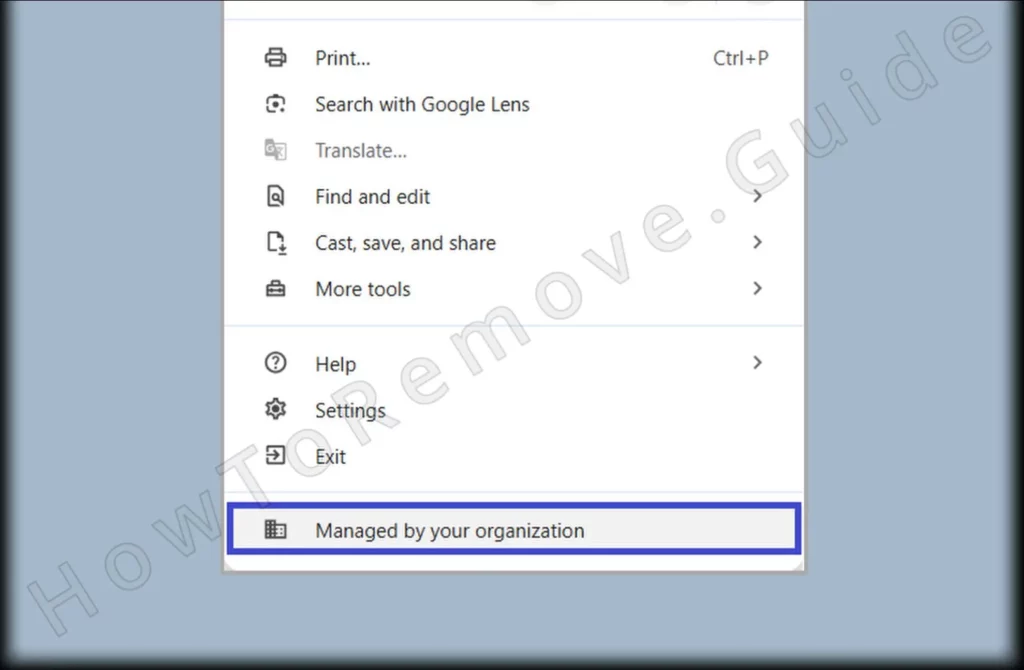
Seeing “Managed by your organization” on a home PC indicates that one or more policies are in effect. The banner isn’t harmful, but unexpected rules can lock extensions, search, and startup pages. Work pragmatically: enumerate policies, map them to installed items, and target only those proven to be tied to Homesearcherplace.com.
The phrase “Managed by your organization” means settings are being read from a policy source. On personal systems, this often traces to a leftover installer or an imported template that changed defaults. Treat it as a lead: read the policy page and flag entries that align with redirects or search changes linked to Homesearcherplace.com.
1. Find Homesearcherplace.com-related Policy Entries
- 1.1
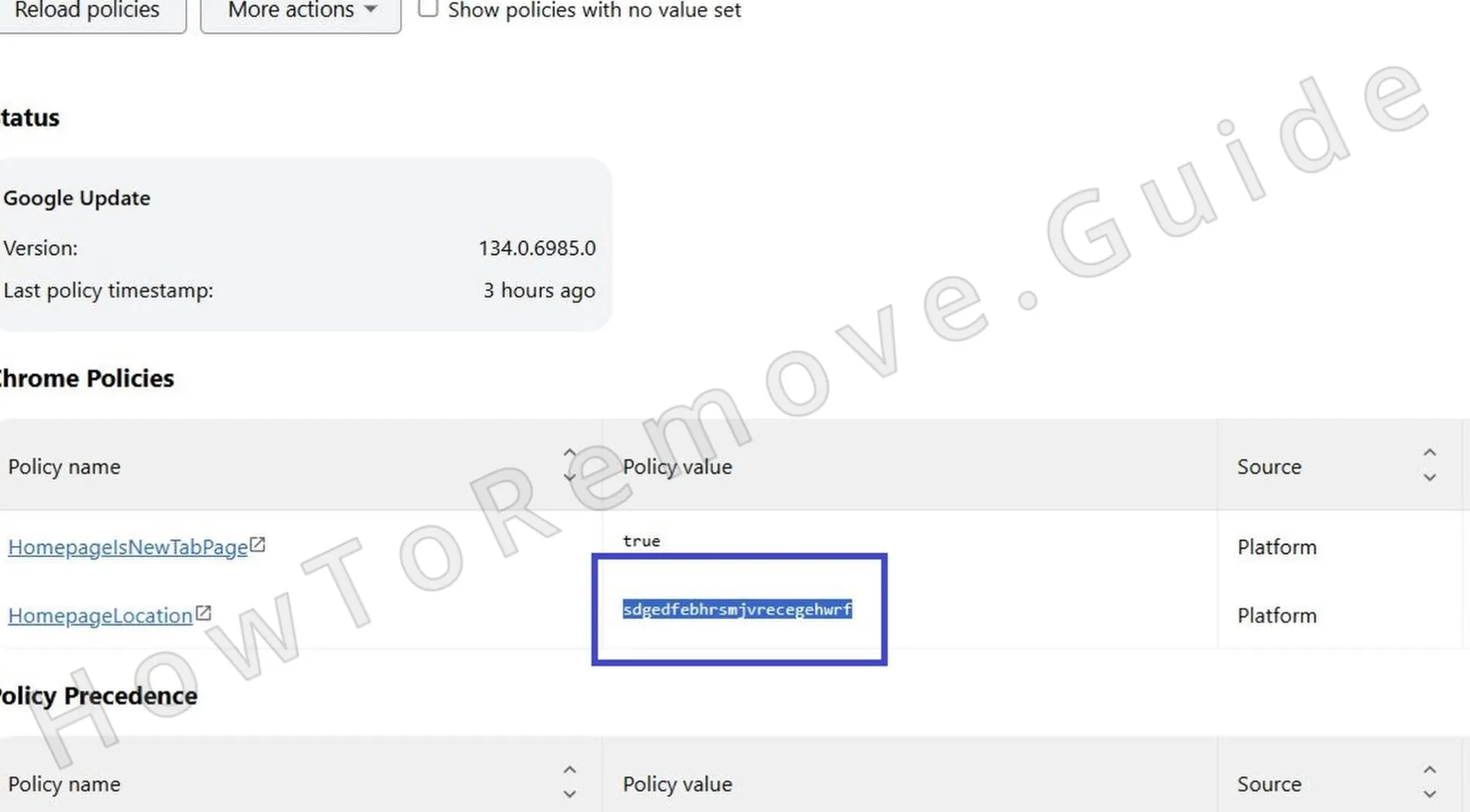 Where are rules set? In Chrome open chrome://policy; in Edge open edge://policy. Wait for the list to populate, then scan for entries you didn’t configure. This inventory shows active policies and which ones could relate to Homesearcherplace.com.
 - 1.2Open suspicious rows and read their values. Record extension references, URLs, and blocked settings. Save a screenshot or a short note per item to speed cleanup and verification after reboot.
- 1.3If a policy mentions an extension, identify it precisely. Open Extensions and enable Developer mode (top right). Copy each extension’s ID and any installation path. Mapping a policy to a specific ID prevents removing a legitimate tool.
- 1.4If the Extensions page won’t load or keeps closing, switch to the filesystem. Use File Explorer to review installed extensions directly, avoiding any compromised UI.
- 1.5
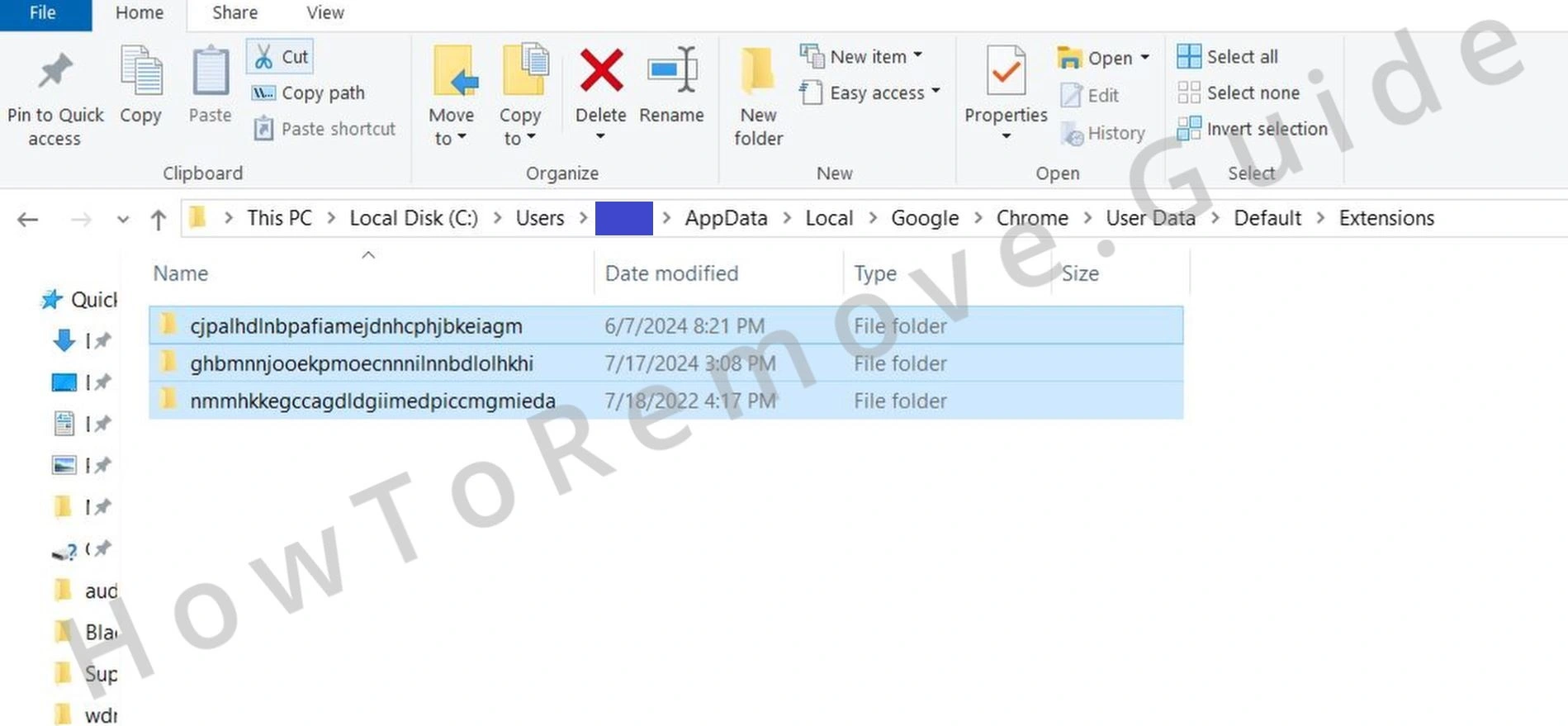 Match IDs to folders. Open C:\Users<Your Username>\AppData\Local\Google\Chrome\User Data\Default\Extensions. Each subfolder name equals an extension ID. Find the suspicious ID, confirm it’s unwanted, close the browser, then delete that folder. Enable Hidden items so AppData is visible.
 - 1.6
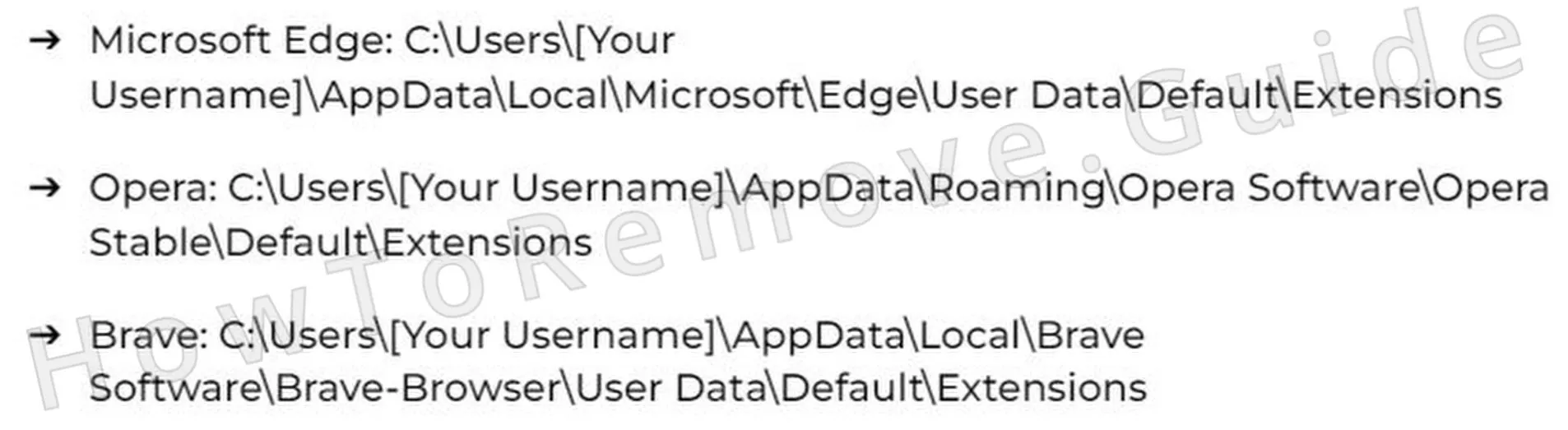 Using Brave, Opera, or another Chromium variant? Also check C:\Users<Your Username>\AppData\Local<Browser>\User Data\Default\Extensions. Remove folders for extensions you never installed or those matching the suspect ID you found.
 - 1.7Return to Extensions with Developer mode enabled and confirm the entry is gone. If it comes back, pause Settings → Sync, close the browser, delete the folder again, and check whether another profile is restoring it from cloud data.
Homesearcherplace.com may expose your browser to redirects, ads, and persistent unwanted components. Install SpyHunter Pro to scan for risks, remove related threats, and enable real-time protection.
*Source of claim SH can remove it. Trial w/Credit card; image is for illustration; full terms.
Remove Homesearcherplace.com Policies in Windows
Registry-based policies can override browser preferences regardless of UI changes. Back up first and only change keys that clearly match what you recorded earlier. Move slowly, validate after each deletion, and avoid broad edits. This approach keeps the system stable while you clear entries tied to Homesearcherplace.com.
2. Delete Homesearcherplace.com Policies in the Registry
- 2.1Work carefully with Homesearcherplace.com. Press Windows + R, type regedit, and press Enter to open Registry Editor. Create a backup via File → Export and save a full registry copy. With a backup in place, perform only targeted removals.
- 2.2Use your notes to find the right keys. Press Ctrl + F or open Edit → Find, then search for the extension ID or policy name you captured. Delete matches tied to browser policies. Continue with Find Next until results end, especially under HKEY_LOCAL_MACHINE\SOFTWARE\Policies\Google\Chrome and HKEY_CURRENT_USER\SOFTWARE\Policies\Google\Chrome.
- 2.3
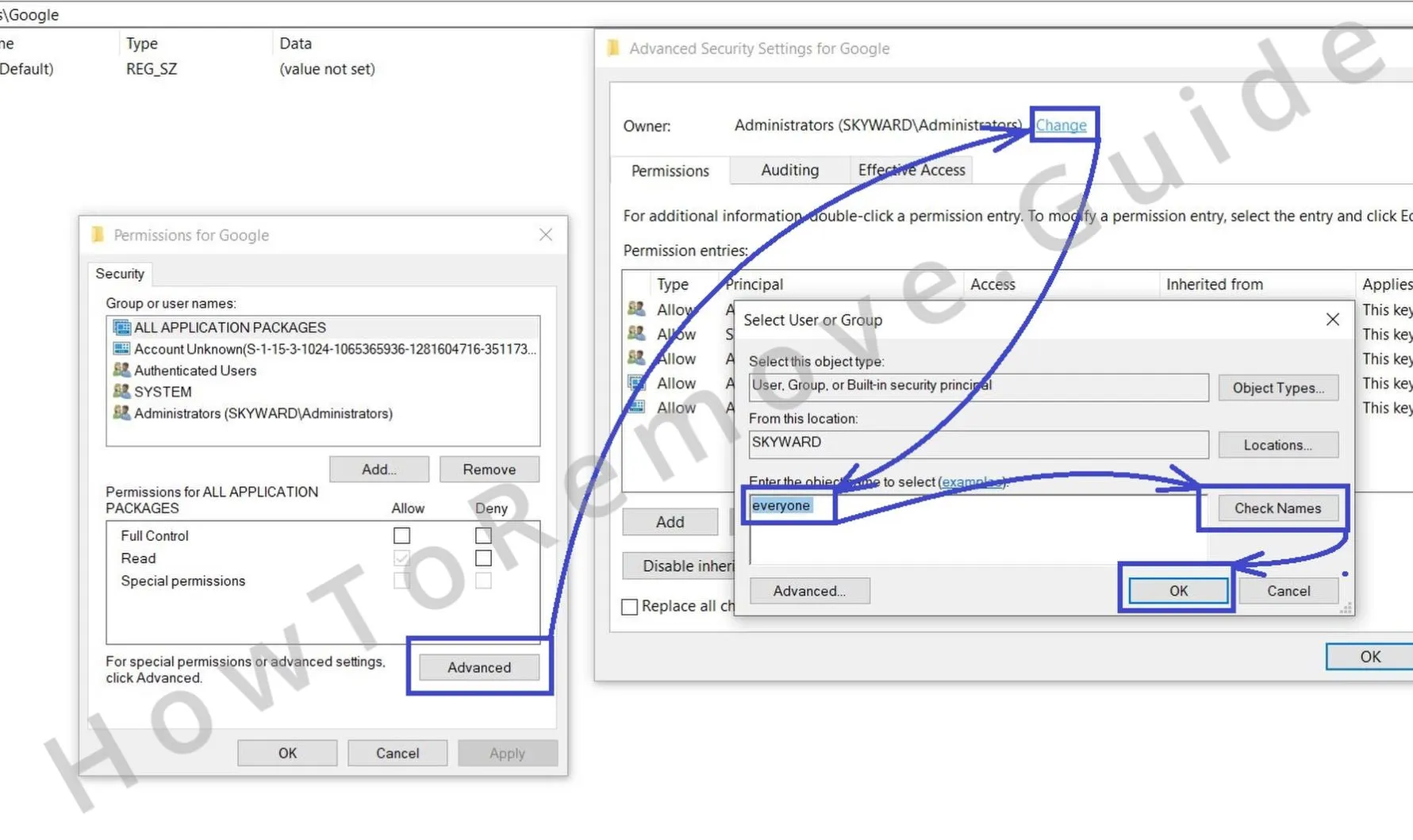 If access is denied, take ownership of the key. Right-click it, choose Permissions, select Advanced, click Change next to Owner, type Everyone, click Check Names, then OK. Ownership lets you edit locked policy keys.
 - 2.4
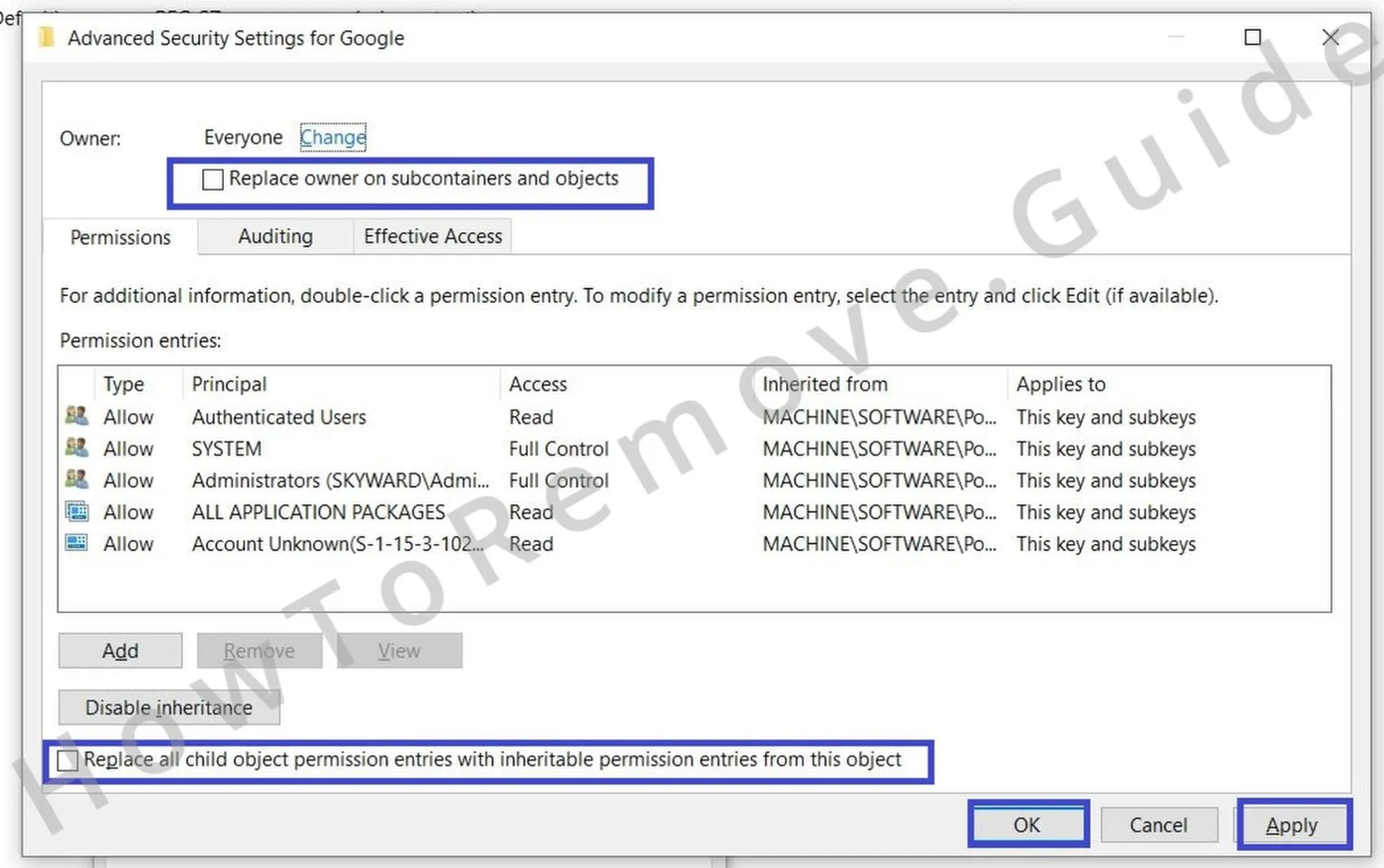 Extend control to subkeys so nothing persists. Enable Replace owner on subcontainers and objects and Replace all child permission entries with inheritable permissions from this object. Apply, confirm, delete the policy key, restart the PC, and reopen the browser to confirm the “Managed by your organization” banner is gone.
Additional Tools to Remove Homesearcherplace.com Policies
Sometimes policies come back because they’re pushed by imported templates or helper utilities rather than a single registry value. If deletions keep reverting, widen the search to Local Group Policy and use purpose-built cleanup tools. Move carefully so you remove the enforcing source connected to Homesearcherplace.com without disturbing unrelated settings.
3. Other Ways to Get Rid of Homesearcherplace.com Policies
- 3.1
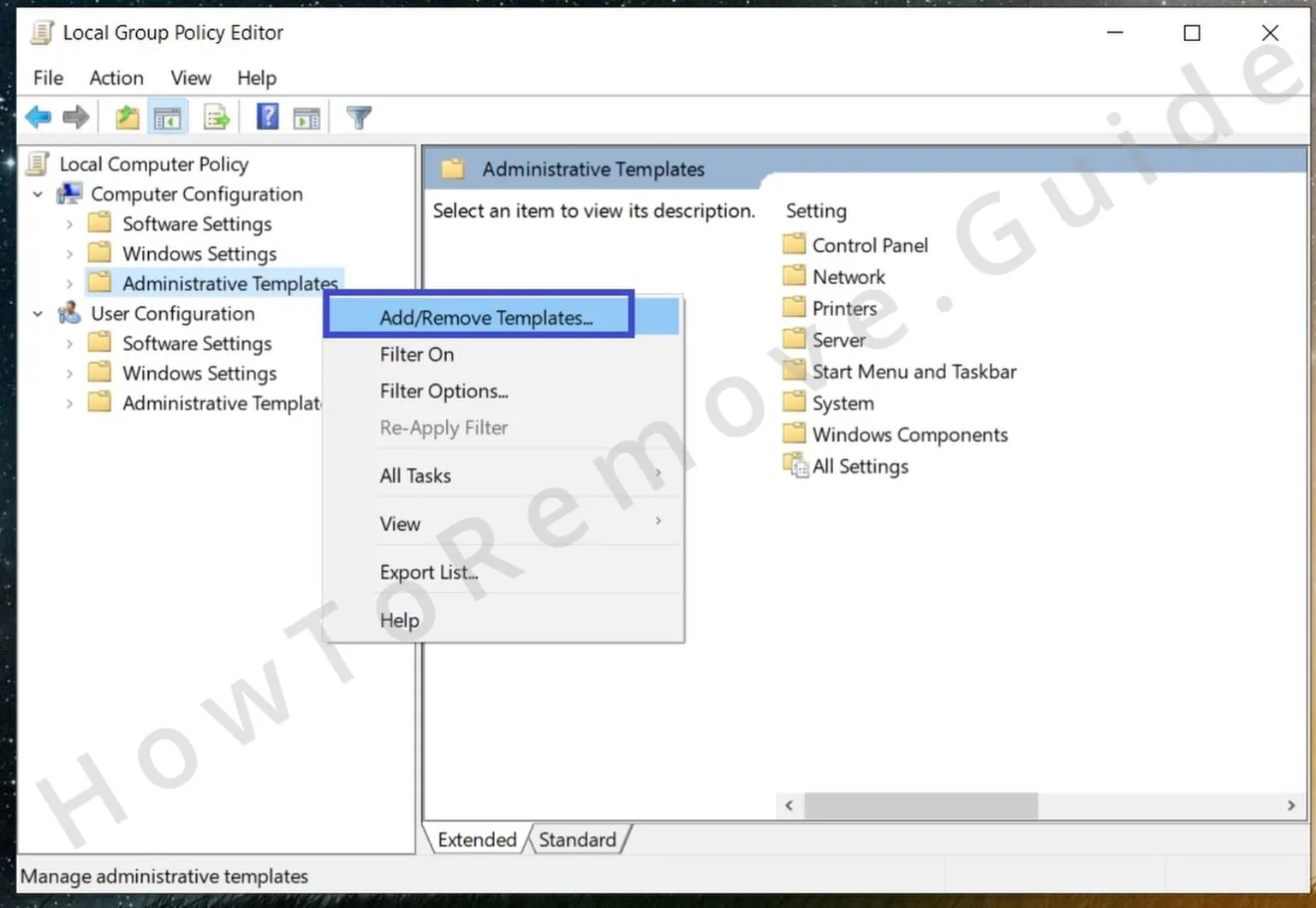 Could Local Group Policy be pushing rules tied to Homesearcherplace.com? Press Windows + S, type Edit Group Policy, and open the Local Group Policy Editor. Expand Administrative Templates in the left pane to review active template sources.
 - 3.2
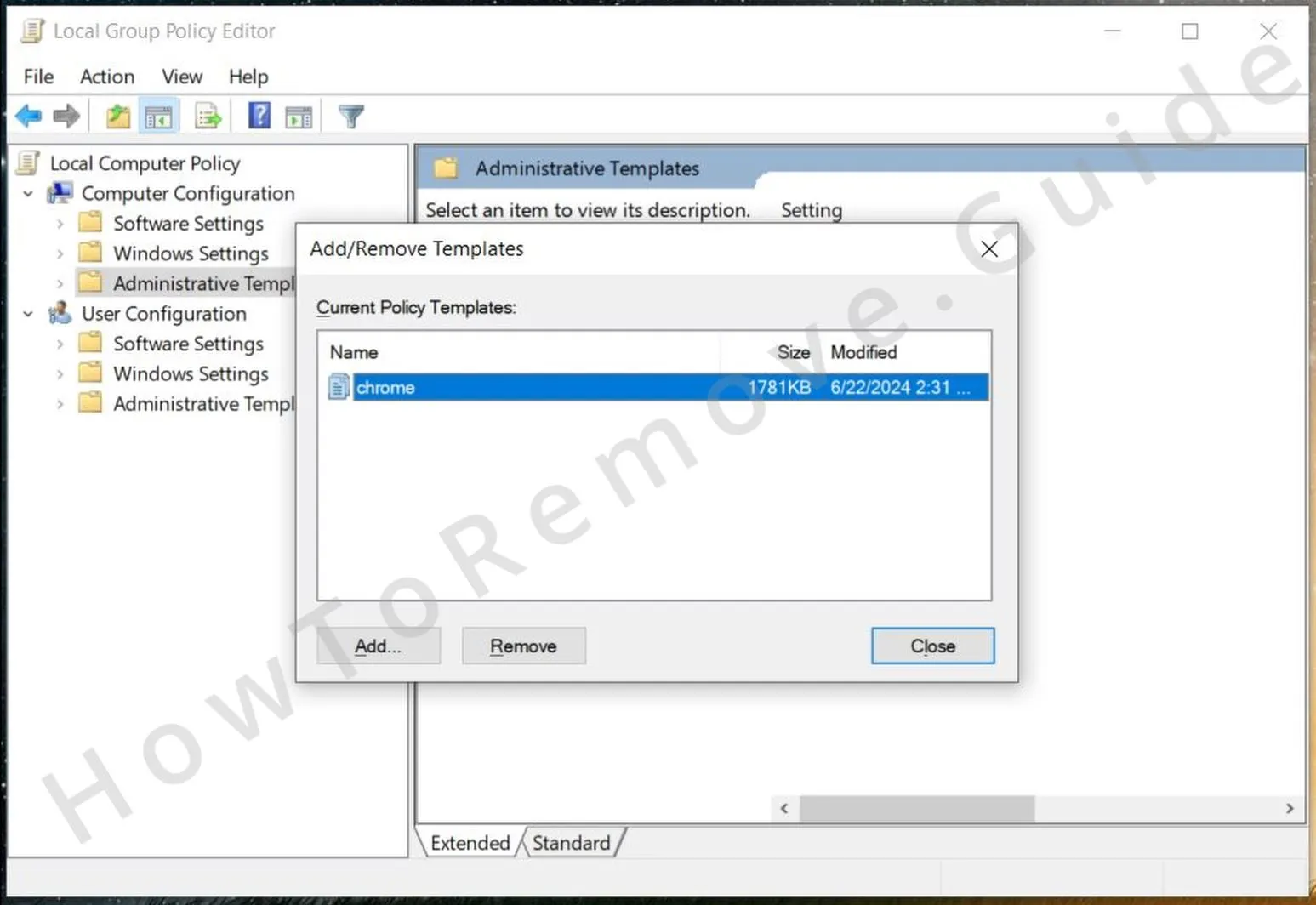 Clean up stale templates. Right-click Administrative Templates, choose Add/Remove Templates, and remove entries you don’t recognize. Unknown templates can reapply Chrome/Edge restrictions after registry cleanup, so pruning them prevents policy rebound.
 - 3.3For Chrome-only setups, a trusted Chrome Policy Remover utility can reset policy keys to defaults. Save it, right-click the file, and choose Run as administrator so it can modify machine-level locations.
- 3.4If SmartScreen warns about the download, use More info → Run anyway only when you trust the source. After running the tool, reboot, then recheck Registry Editor and chrome://policy or edge://policy to ensure nothing repopulates.
Uninstall Homesearcherplace.com From Chrome, Edge, and Other Browsers
With policies cleared, lingering profile data can still cause redirects or altered search. Clean the profile: extensions, stored data, site permissions, search providers, and startup pages. This removes remnants that might revive Homesearcherplace.com.
4. How to Remove Homesearcherplace.com From Your Browser
- 4.1If the same entry returns after syncing, open the Extensions/Add-ons page and remove anything linked to Homesearcherplace.com. Temporarily pause Settings → Sync so cloud data can’t republish it while you finish local cleanup.
- 4.2
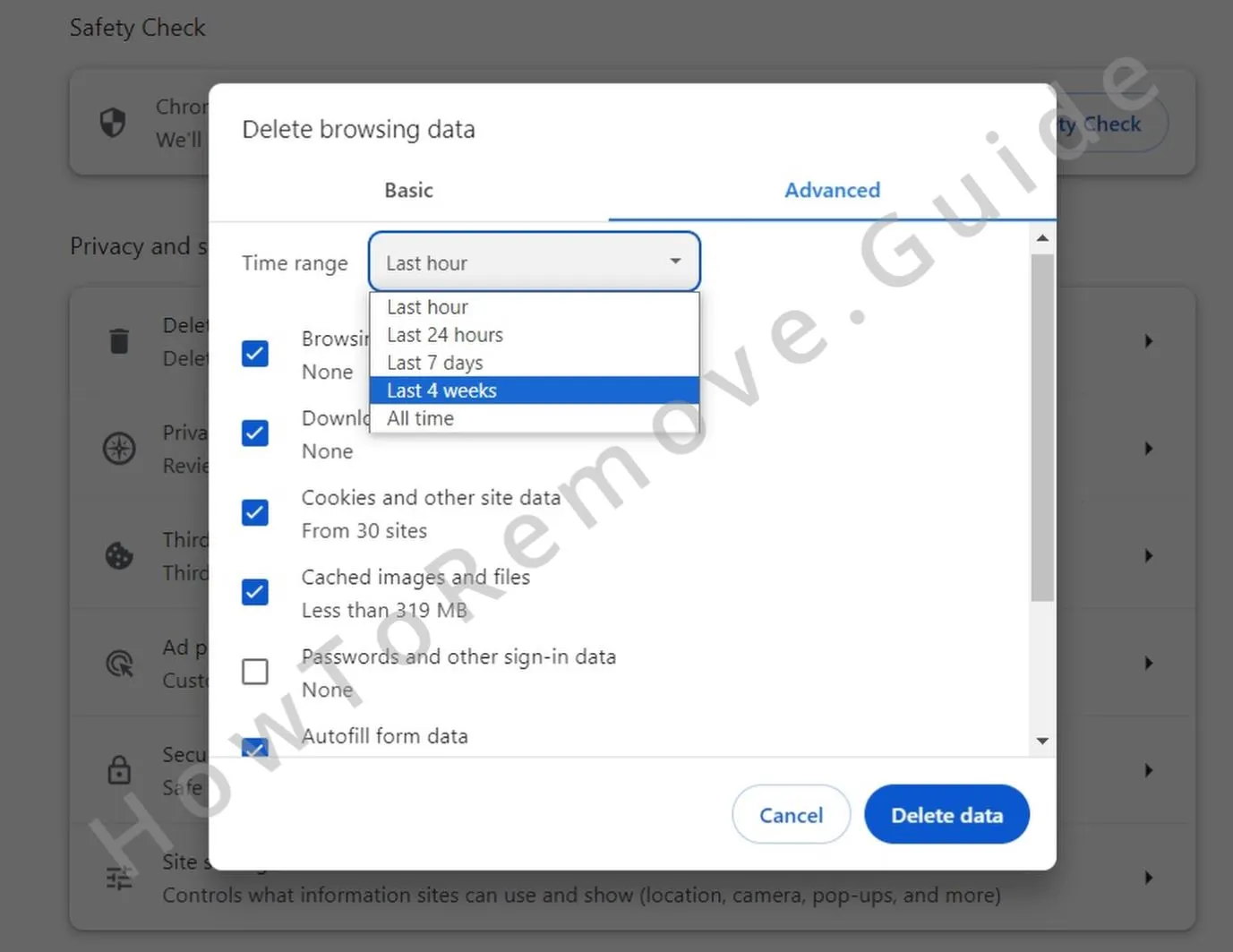 Clear stored data that can preserve redirects. Open Clear browsing data, choose Time range → All time, leave Saved passwords unchecked, and clear the rest, focusing on Cookies, Cached images and files, and Site data.
 - 4.3
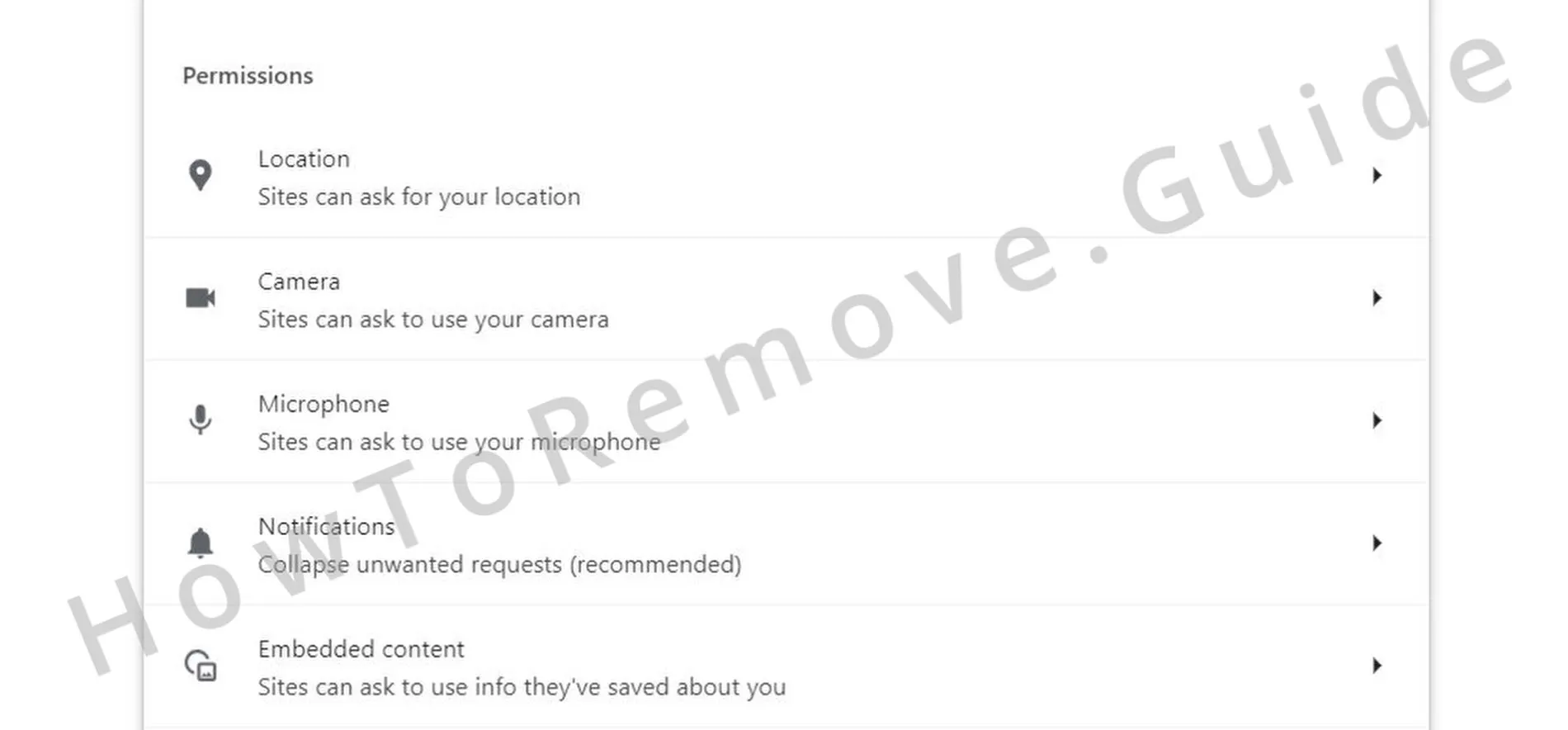 Tighten per-site rules. Under Privacy and security → Site settings, revoke permissions for domains you don’t trust. Revisit Notifications, Pop-ups and redirects, Background sync, and Automatic downloads as these are frequently abused.
 - 4.4
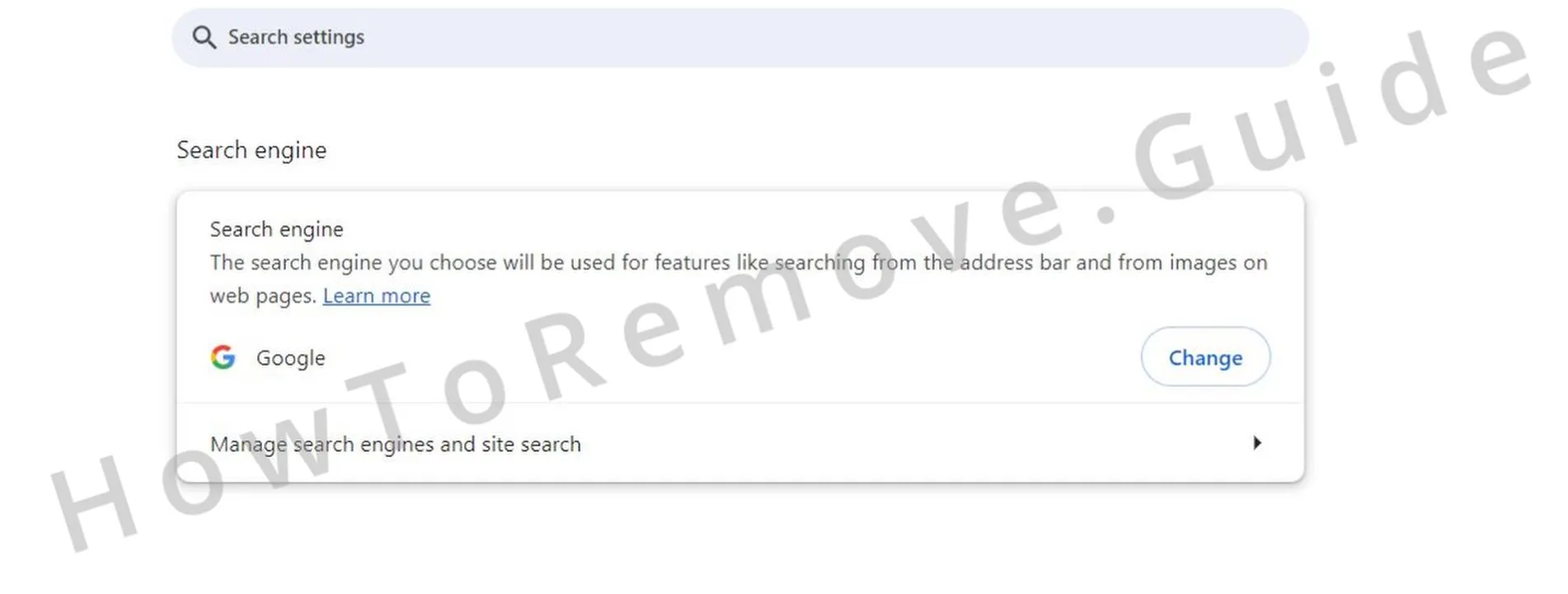 Restore search integrity. Open Search engine settings → Manage search engines. Remove unknown providers and set a reliable option such as Google, Bing, or DuckDuckGo as default. Confirm the address bar uses the same engine.
 - 4.5Fix homepage or startup changes. In On startup or Appearance, remove unfamiliar pages and set a trusted homepage. If the setting keeps reverting, use Restore settings to their original defaults, then reapply preferences and re-enable sync after a clean restart.
If anything comes back, revisit the policy pages, confirm templates are removed, and check for additional browser profiles. A final verification pass now prevents regressions and keeps everyday browsing stable.
