

Platwe should be read less as a crypto exchange than as a payment trap wearing the shape of one. The account area gives the scam somewhere to stage a balance, so the page can look busy enough for doubt to drop a little.
The balance is the bait. A promo code or a quick signup may leave a large number sitting on the screen, and that number does the emotional work before the site asks for real money. When withdrawal suddenly depends on a deposit or a security payment, I do not read that as verification. I read it as the moment the fake exchange stops pretending and tries to get cash out of the victim.
Scams of Platwe.com‘s type are known to steal personal data and passwords. Install SpyHunter Pro to scan for risks, remove any dangerous trackers, and enable real-time protection.

Try Free For 7 Days*
Buy now15% OFF if you buy straight without trial.
 OFFER
OFFERThe cryptocurrency shown in the account was never really available to withdraw. The payment requested at the withdrawal wall goes to the people running the scheme, not into some locked trading account. Testimonials or copied-looking details can make the setup feel less empty, but they do not change the move underneath.
Once complaints start to gather, the operators can move the same template to another domain and begin again. The safest read is to treat sites like Platwe, Lootwox, or Tronking as fake exchanges and cut off any further payment; the next version will usually look familiar once you know where the withdrawal wall sits.
IMPORTANT! READ BEFORE PROCEEDING!
Signatures, approvals, or credentials entered at Platwe indicate a possible wallet compromise, despite a normal dashboard.
Following extension use, scan with SpyHunter 5 before reconnecting wallets or exchanges.
Protect Your System and Privacy Using SpyHunter 5
- 1.1Click here to download and install SpyHunter on your PC.
- 1.2Start SpyHunter 5, click the Buy button and choose between starting your 7-days free trial or directly purchasing the tool.
If you choose to buy SpyHunter 5 now, you can use our discount code, “HTRG15“, for 15% off.
- 1.3
 Once you activate SpyHunter, click Start Scan Now, select the Full Scan option, and let the tool do its job.
 - 1.4
 Once the scan completes (it could take a while, so have patience), you’ll see all undesirables listed as well as any system vulnerabilities that may endanger your privacy.
Click Next to review the detections and then click Next again to delete all rogue items.
Finally, revoke and migrate assets where exposure is possible.
- Move remaining assets to a fresh, clean wallet and revoke any suspicious token approvals linked to the scam touchpoint.
- Change passwords and enable app-based 2FA on email, exchanges, and chat accounts; review active sessions and delete unused API keys.
- Preserve evidence: screenshots, URLs, videos or ads, wallet addresses, TXIDs, and chat logs – keep everything for official reports.
- Notify the sending platform (your exchange or service) with TXIDs and the destination address so they can flag or freeze if possible.
- Report promptly to your national cybercrime unit (e.g., IC3 in the US, Action Fraud in the UK) and to the platform where you saw the promotion.
How We Know Platwe is a Scam
The danger around Platwe extends beyond its withdrawal story. Unclear signing requests, excessive permissions, and a balance that cannot be verified indicate a site seeking control rather than providing transparent service.
Signature without readable purpose
The page asks the wallet to sign data that does not clearly match the stated action. Users are rushed past warnings or told they are harmless formalities.
Unlimited token allowance
A small bonus claim requests authority over a much larger amount. The permission can remain active after the browser tab is closed.
Secret phrase request
Any form asking for recovery words or a private key is attempting to obtain full wallet control. No legitimate platform needs those secrets.
Fake account value
The dashboard displays assets unrelated to the connected address. A blockchain explorer shows that the supposed balance never arrived.
Deposit plus approval
The victim is asked to send crypto and authorize contracts, multiplying the routes of loss. Support describes both as required verification.
No transparent contract identity
Addresses, permissions, and transaction effects are hidden behind vague buttons. Responsible applications publish verifiable contracts and explain what each approval does.

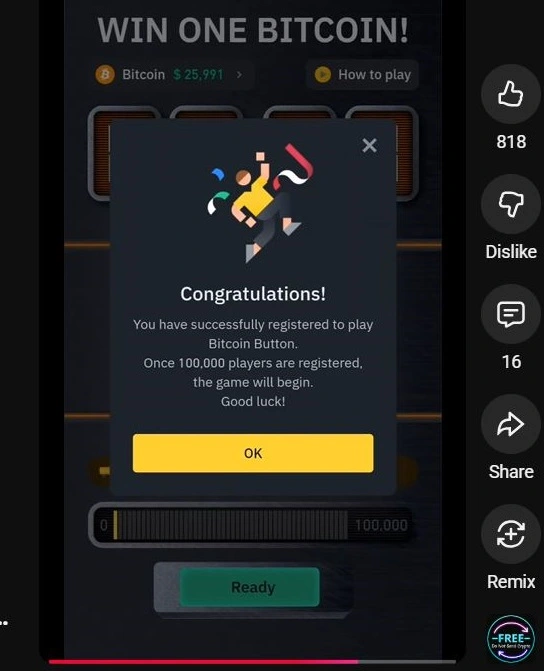
How the Platwe Scam Deception Funnel Works
The interaction sequence is designed to make a technical request feel like a routine step in claiming value. The fake reward supplies the motivation; wallet prompts supply the access.
A user is first shown an opportunity, then an account balance, and finally a series of signing screens. Because each action seems close to completion, warnings are more easily ignored.
Promo hooks and influencer codes
The campaign arrives through an airdrop message, influencer code, direct chat, or promoted page. It promises a limited allocation or unusually large account credit.
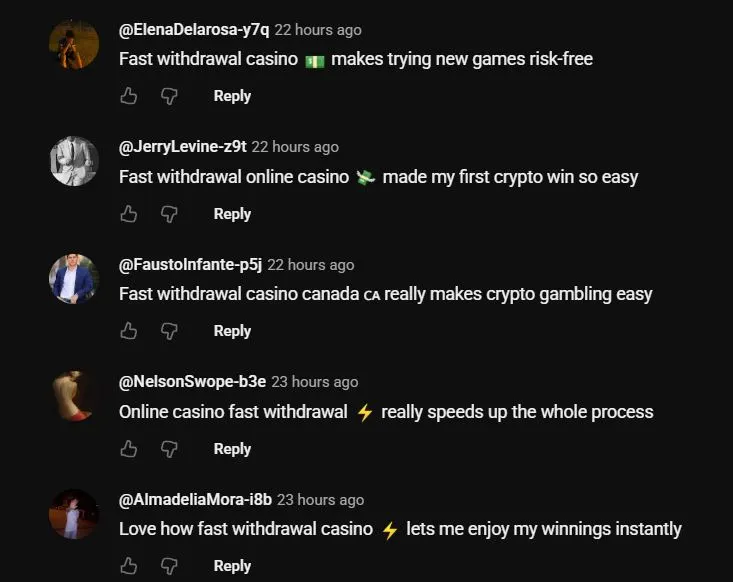
Casino skin and bonus theater
Its portal imitates an exchange, casino, or decentralized application and detects the wallet browser. Security language presents connection as evidence of authenticity.
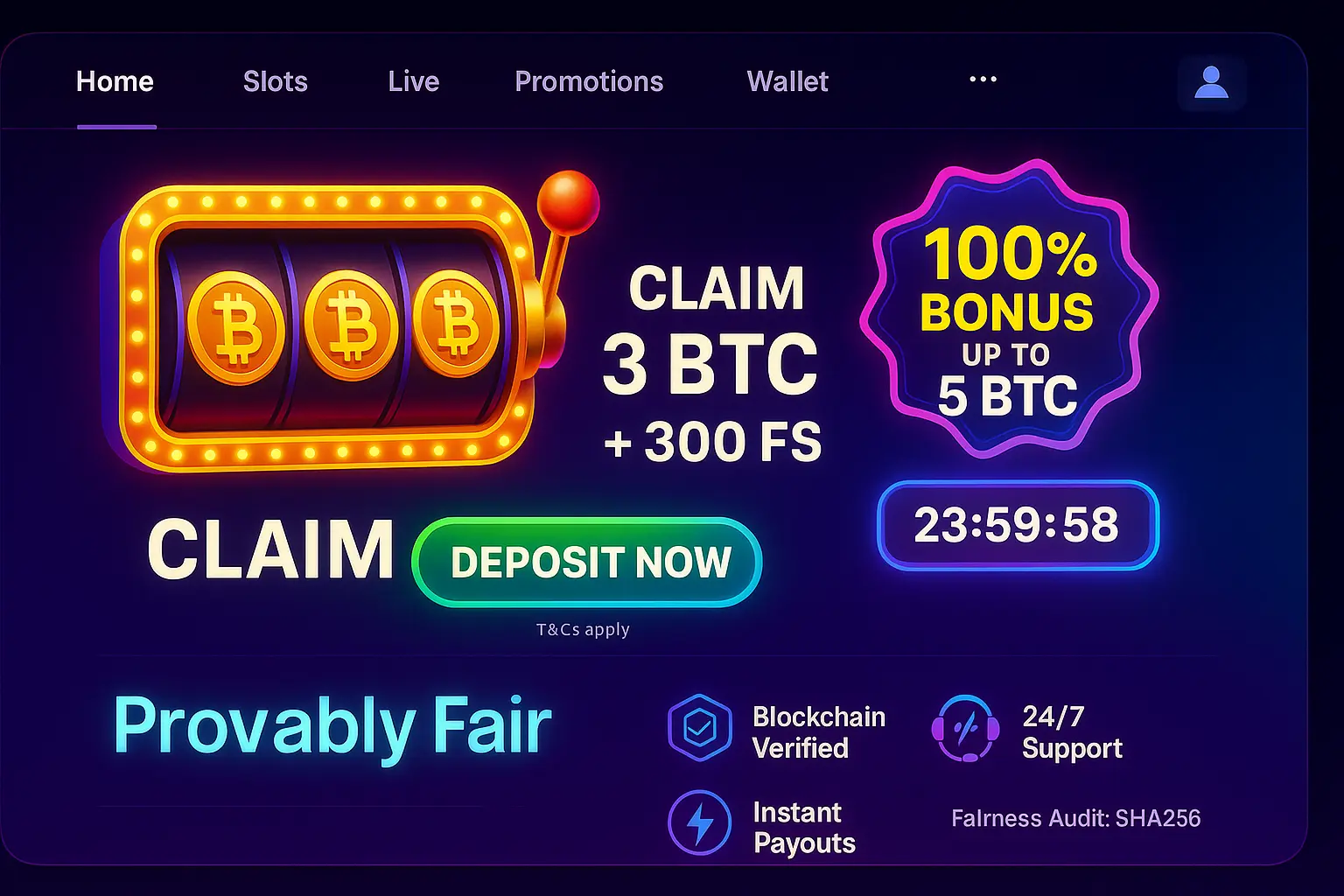
Inflated balances, then the gate
After connection, the site displays a bonus or fabricated trading result. It may ask for a small transaction to establish trust before requesting broader permissions.
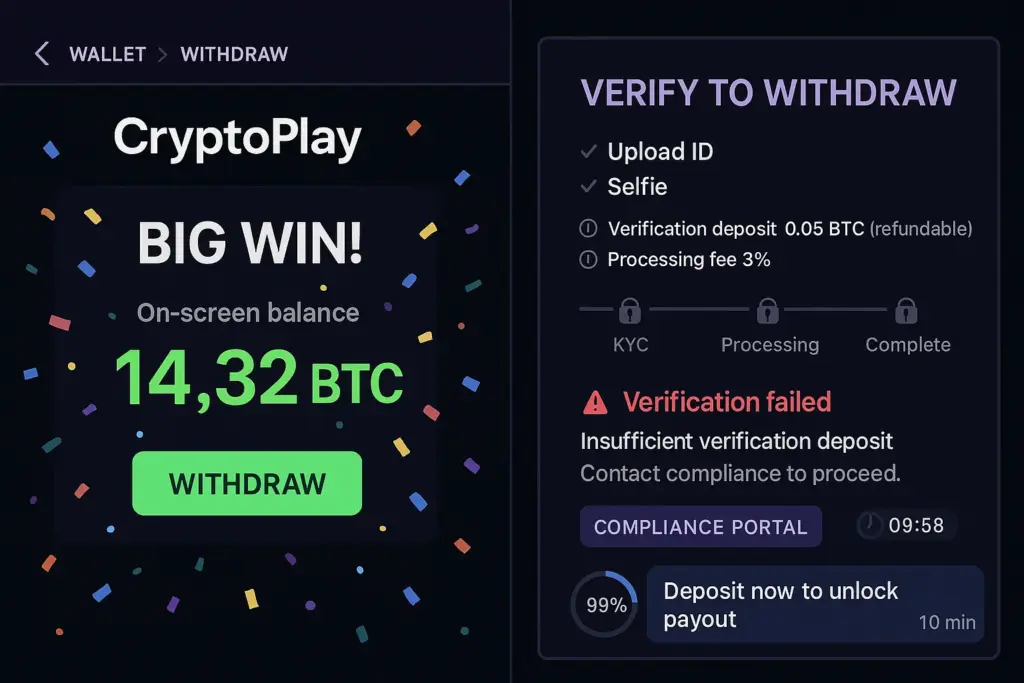
Fee-gates and KYC harvest
Withdrawal or claiming triggers approvals, signatures, gas deposits, verification transfers, or an extension installation. Support pressures the user to confirm every prompt quickly.

Stalling, rebrands, and “recovery” bait
If the wallet is drained or the victim refuses, communication stops. The operators may continue using existing approvals or advertise a fake revocation and recovery service.
Staying safe from crypto scams like Platwe
Wallet safety depends on understanding that a signature is an authorization, not a decorative login step. Treat every prompt as a transaction with consequences that must be readable.
Never pay to withdraw
Do not send crypto to activate a claim or withdrawal. A legitimate application should show the exact network fee in the wallet, not request a separate transfer to support.
Verify endorsements at the source
Confirm endorsements and airdrop announcements through official project channels reached independently. Compromised social accounts can also post malicious links, so verify across multiple sources.
Navigate with your own bookmarks
Use known bookmarks and check the full domain before connecting. Consider a wallet setting or security tool that warns about newly registered and look-alike sites.
Check regulator registers & warnings
Verify the organization and, where applicable, its authorization. For decentralized services, review published contract addresses, audits, and community warnings from reputable sources.
Segregate risk with burner wallets
Connect unfamiliar applications only with a dedicated wallet holding minimal assets. Keep long-term funds and valuable tokens on a separate hardware-controlled address.
Harden accounts with 2FA & hygiene
Secure email, exchange, and wallet-related cloud accounts with unique passwords and strong two-factor authentication. Remove unknown browser extensions and active sessions.
Revoke approvals & migrate
Use reputable permission tools to review allowances on every affected network. Revoke suspicious approvals, and move assets immediately if the seed phrase or private key was exposed.
Protect identity & slow down
Personal data submitted during wallet verification can support future phishing and SIM-swap attempts. Protect carrier accounts, monitor identity activity, and distrust urgent wallet-support calls.
Where to report Platwe-style crypto scams (by country)
Preserve the technical evidence before changing the wallet state: domain, screenshots, connected address, requested contract, signed transaction or message, token approvals, recipient wallets, transaction hashes, browser extension details, and all chats. Then revoke permissions and move assets as appropriate. Contact any centralized exchange used to fund the transfer and provide destination addresses. Report the malicious page, advertisement, extension, and social account to their platforms and to national cybercrime or financial authorities. Be wary of strangers offering automated recovery, approval cancellation, or wallet synchronization; malicious sites often imitate security tools and ask victims to sign another dangerous transaction.
Click here to report the scam in your country
| Country / Agency | URL | Category / Use-case | Phone/Email |
| Australia – Crime Stoppers | https://www.crimestoppers.com.au | Anonymous tips about crime | 1800 333 000 |
| Australia – National Anti-Scam Center (Scamwatch) | https://www.scamwatch.gov.au/report-a-scam | General scams; phishing; texts/emails | |
| Australia – Police Assistance Line (non-emergency) | https://www.police.gov.au | Local police report | 131 444 |
| Australia – ReportCyber (ACSC) | https://www.cyber.gov.au/report | Cybercrime (hacks, fraud, extortion) | |
| Canada – Canadian Anti-Fraud Center (CAFC) | https://www.antifraudcentre-centreantifraude.ca/report-signalez-eng.htm | General scams incl. phone/text/email | |
| France – DGCCRF (SignalConso) | https://signal.conso.gouv.fr | Consumer scams/deceptive practices | |
| France – PHAROS – Internet-Signalement | https://www.internet-signalement.gouv.fr | Online content & cybercrime reports | |
| Germany – Bundeskriminalamt / Local Police | https://www.polizei.de/Polizei/DE/Home/home_node.html | Report online fraud | |
| Germany – Weißer Ring – Victim Support | https://weisser-ring.de | Victim support | 116 006 |
| India – DoT Helpline (Sanchar Saathi) | https://sancharsaathi.gov.in | Fraudulent telecom/SIM related | 155260 |
| India – National Consumer Helpline | https://consumerhelpline.gov.in | Consumer scams | 1800-11-4000 / 1915 |
| India – National Cyber Crime Reporting Portal | https://cybercrime.gov.in | Cybercrime incl. online fraud | 1930 |
| Japan – Consumer Affairs Agency (CAA) | https://www.caa.go.jp/policies/policy/consumer_policy/caution/cybercrime/ | Consumer scams | |
| Japan – National Police Agency – Cybercrime | https://www.npa.go.jp/bureau/cyber/ | Cybercrime reporting | |
| Mexico – Guardia Nacional (National Guard) | https://www.gob.mx/gn | Cybercrime reporting | |
| Mexico – Instituto Federal de Telecomunicaciones (IFT) | https://www.ift.org.mx | Telecom/online services scams | |
| Mexico – PROFECO | https://www.gob.mx/profeco | Consumer fraud & ecommerce | |
| Netherlands – AFM – Report investment fraud | https://www.afm.nl/en/consumenten/themas/beleggen/misleiding-misbruik | Investment/crypto | |
| Netherlands – Fraudehelpdesk | https://www.fraudehelpdesk.nl/melden | General scams (incl. phishing/SMS) | 088-7867372 |
| Netherlands – Politie – Meldpunt Internetoplichting | https://www.politie.nl/themas/internetoplichting.html | Online shopping fraud | |
| New Zealand – CERT NZ | https://www.cert.govt.nz/individuals/report-an-issue/ | Phishing, identity scams | |
| New Zealand – Department of Internal Affairs – Spam | https://www.dia.govt.nz/Spam-Contact-Us | Email/SMS spam | [email protected] |
| New Zealand – IDCARE | https://www.idcare.org | Victim support (identity compromise) | 0800 121 068 |
| New Zealand – Netsafe – Report | https://www.netsafe.org.nz/report/ | Online harms & scams | |
| New Zealand – New Zealand Police (non-emergency) | https://www.police.govt.nz/use-105 | Report fraud/online crime | 105 |
| Nigeria – Economic & Financial Crimes Commission (EFCC) | https://www.efcc.gov.ng | Financial scams incl. crypto/investment | [email protected] |
| Nigeria – Nigeria Police Special Fraud Unit (SFU) | https://www.specialfraudunit.org.ng | Serious fraud | Voice/SMS: 0708 227 6895; WhatsApp: 0812 760 9914 |
| Poland – CERT Polska (CERT.PL) | https://cert.pl/en/report/ | Cyber incidents & phishing | |
| Poland – Dyzurnet.pl | https://dyzurnet.pl | Illegal online content (esp. child protection) | |
| Poland – Polish Police (Policja) | https://www.policja.pl | Report scams to police | |
| Singapore – Anti-Scam Centre / Anti-Scam Helpline | https://www.scamalert.sg | General scams; texts; calls | 1800-722-6688 |
| Singapore – Monetary Authority of Singapore (MAS) | https://www.mas.gov.sg/investor-alert-list | Investment/crypto checks | |
| Singapore – Singapore Police Force | https://www.police.gov.sg/iwitness | Police report (cybercrime) | |
| South Africa – Cybersecurity Hub (CSIRT) | https://www.cybersecurityhub.gov.za | Cyber incidents incl. scams | |
| South Africa – South African Fraud Prevention Service (SAFPS) | https://www.safps.org.za | Identity fraud support | 011-867-2234 |
| South Africa – South African Police Service (SAPS) | https://www.saps.gov.za | Police report (cybercrime unit) | |
| South Korea – Korea Communications Commission (KCC) | https://www.kcc.go.kr | Telecom-related fraud | |
| South Korea – Korea Internet & Security Agency (KISA) | https://www.kisa.or.kr | Phishing, online harms | |
| South Korea – Korean National Police Agency – Cyber Bureau | https://ecrm.cyber.go.kr | Cybercrime reporting | |
| Spain – INCIBE – Oficina de Seguridad del Internauta (OSI) | https://www.osi.es/es/reporte | Cybersecurity & online fraud | |
| Spain – Policía Nacional / Guardia Civil | https://www.policia.es | Report scams to police | |
| Sweden – Crime Victim Authority (Brottsoffermyndigheten) | https://www.brottsoffermyndigheten.se | Victim support & compensation | 090–70 82 00 |
| Sweden – Polisen (Swedish Police) | https://polisen.se | Report fraud/cybercrime | 114 14 (non-emergency); 112 (emergency) |
| Sweden – Swedish Consumer Agency (Konsumentverket) | https://www.konsumentverket.se | Unfair business practices | |
| United Arab Emirates – Abu Dhabi Police – Aman Service | https://www.adpolice.gov.ae | Cybercrime tips/reporting | SMS 2828; 800 2626 |
| United Arab Emirates – Dubai Police – eCrime | https://www.dubaipolice.gov.ae | Cybercrime reporting | 04 606 1600 |
| United Arab Emirates – Ministry of Interior – Cyber Crime Dept. | https://www.moi.gov.ae | Cybercrime incl. online scams | |
| United Arab Emirates – Telecommunications Regulatory Authority (TRA) / TDRA | https://www.tra.gov.ae | Telecom-related scams/phishing | |
| United Kingdom – Action Fraud (NFIB) | https://www.actionfraud.police.uk | General scams & cybercrime (non-emergency) | 0300 123 2040 |
| United Kingdom – Citizens Advice Consumer Service | https://www.citizensadvice.org.uk/consumer/get-more-help/if-you-need-more-help-about-a-consumer-issue/ | Consumer problems & scam guidance | 0808 223 1133 |
| United Kingdom – Financial Conduct Authority (FCA) | https://www.fca.org.uk/consumers/report-scam-us | Investment/crypto & financial services | |
| United Kingdom – National Cyber Security Centre (NCSC) | https://www.ncsc.gov.uk/collection/phishing-scams | Phishing emails & suspicious websites | |
| United Kingdom – Stop Scams UK ‘159’ | https://stopscamsuk.org.uk/159 | Banking APP fraud (direct to your bank) | 159 |
| United States – AARP Fraud Watch Network Helpline | https://www.aarp.org/money/scams-fraud/ | Victim support | 833-372-8311 |
| United States – Better Business Bureau – Scam Tracker | https://www.bbb.org/scamtracker | Business/marketplace scams | |
| United States – FBI Internet Crime Complaint Center (IC3) | https://www.ic3.gov | Internet crime incl. investment/crypto | |
| United States – Federal Trade Commission – ReportFraud | https://reportfraud.ftc.gov | General scams, phishing, texts/emails | 1-877-382-4357 |
| United States – National Center for Disaster Fraud | https://www.justice.gov/disaster-fraud | Disaster-related scams | (866) 720-5721 |
| United States – SEC Tips & Complaints | https://www.sec.gov/tcr | Investment & securities/crypto-asset offerings |
