

Crypto gambling scams like Drakeshark.com rely on psychological tricks and user curiosity rather than aggressive scare tactics typical for most other online scams.
Drakeshark.com, Wasewin.cc, Dasewin.gl, and other similar fraudulent crypto casino platforms are built around that “why not?” moment. They promise you a free starting bonus, you use it to spin a few “risk-free” games, and then your balance begins to climb fast enough to feel real.
Many people will immediately think that this is their lucky day, which further lowers their defenses and makes them less cautious (which is exactly what the scammers want).
Scams of Drakeshark.com‘s type are known to steal personal data and passwords. Install SpyHunter Pro to scan for risks, remove any dangerous trackers, and enable real-time protection.

Try Free For 7 Days*
Buy now15% OFF if you buy straight without trial.
 OFFER
OFFERThe whole idea is to get you to the part where you want to cash out. To claim your winnings, you must first go through an “activation” step, a “verification” requirement, or a “transfer deposit” you must pay. That “small deposit” is what they are after and, in truth, it’s rarely that small. It’s just that, by that point, most users are thinking about the much bigger sum they stand to win if they just make the deposit transfer.
Obviously, no winnings await you on the other side, and any money you send the scammers is gone for good.
But the worst part is the possibility of getting your crypto wallet and/or banking account compromised. That’s why, in case you’ve already interacted with a scam site like Drakeshark.com, you must immediately take precautions to secure your digital assets. More info on that can be found in the next lines.
IMPORTANT! READ BEFORE PROCEEDING!
If you already clicked, deposited, or messaged with Drakeshark.com, stop all further interaction now – especially any request for additional transfers “to release” funds. Focus on containment, not persuasion: lock down access, isolate wallets, and preserve evidence while the pages and chats still exist. Here are five emergency steps we strongly recommend you take right now:
- Harden accounts by rotating passwords for email and exchanges and enabling 2FA everywhere you can.
- Quarantine funds by moving remaining crypto to a fresh wallet with a new seed phrase you control.
- Revoke access by removing wallet connections and canceling approvals you don’t recognize on relevant chains.
- Freeze exposure by stopping any screen-sharing or “support tools” and scanning your device if you installed anything.
- Bundle evidence by saving TxIDs, addresses, URLs, and chat screenshots, then notifying any involved exchange promptly.
How We Know Drakeshark.com is a Scam
What convinces us isn’t the graphics – it’s the predictable behavior at the exit. Legit platforms publish stable withdrawal rules; fraud platforms invent new gates after you’ve already deposited. The tells below match the common fee-to-withdraw pattern seen across many copycat crypto casinos.
Fee traps
After a withdrawal request, a separate “release” transfer suddenly becomes mandatory, and the amount tends to change afterward.
VIP toll
Instead of optional perks, “membership level” is treated like a gate you must pay to pass.
Security bond
To “prove” ownership or solvency, the site may demand a collateral deposit that is never returned.
Impossible terms
Because bonus rules can be written to be unwinnable, payouts get denied using vague rollover language.
Remote “help”
When support pushes installs or remote control, treat it as an escalation risk, not customer service.
Paperwork fog
No accountable operator is clearly identifiable, and policies read like copy-paste scaffolding rather than a real business.
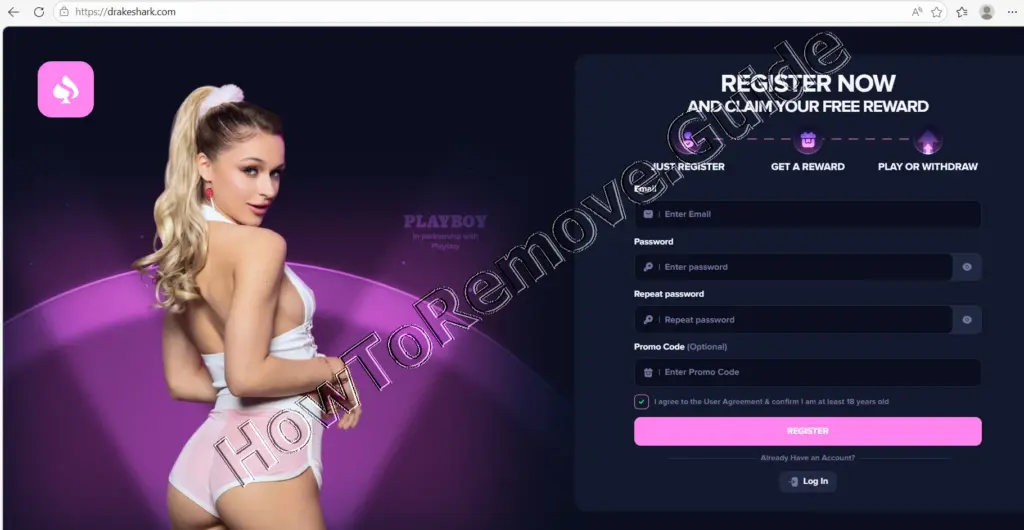

How the Drakeshark.com Scam Deception Funnel Works
Understanding the sequence matters because the pressure is staged: each step increases your commitment before the real demand appears. Once you learn the rhythm, you can predict the next move and avoid making decisions under urgency, embarrassment, or “I’m so close” thinking.
First comes attraction, then trust-building, then a withdrawal barrier, then stalling until you either pay again or stop engaging.
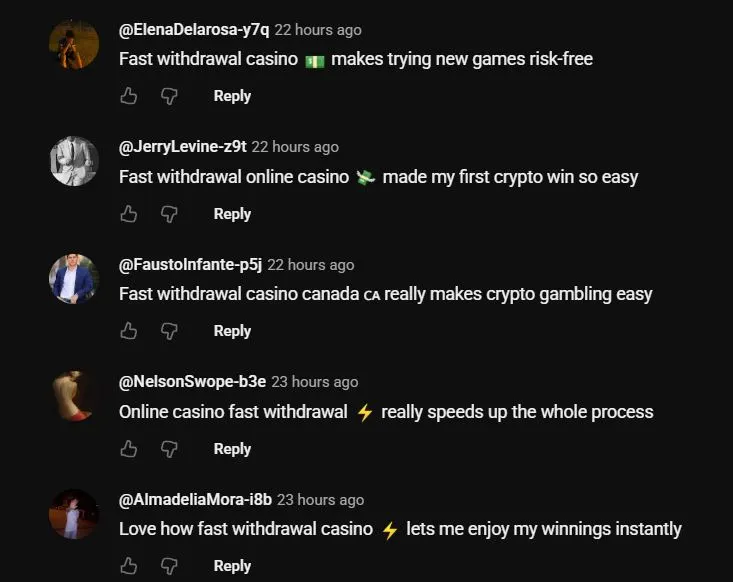
Promo hooks and influencer codes
On social platforms, the hook is framed as “exclusive access,” with codes and comments pushing quick deposits and minimal checking.
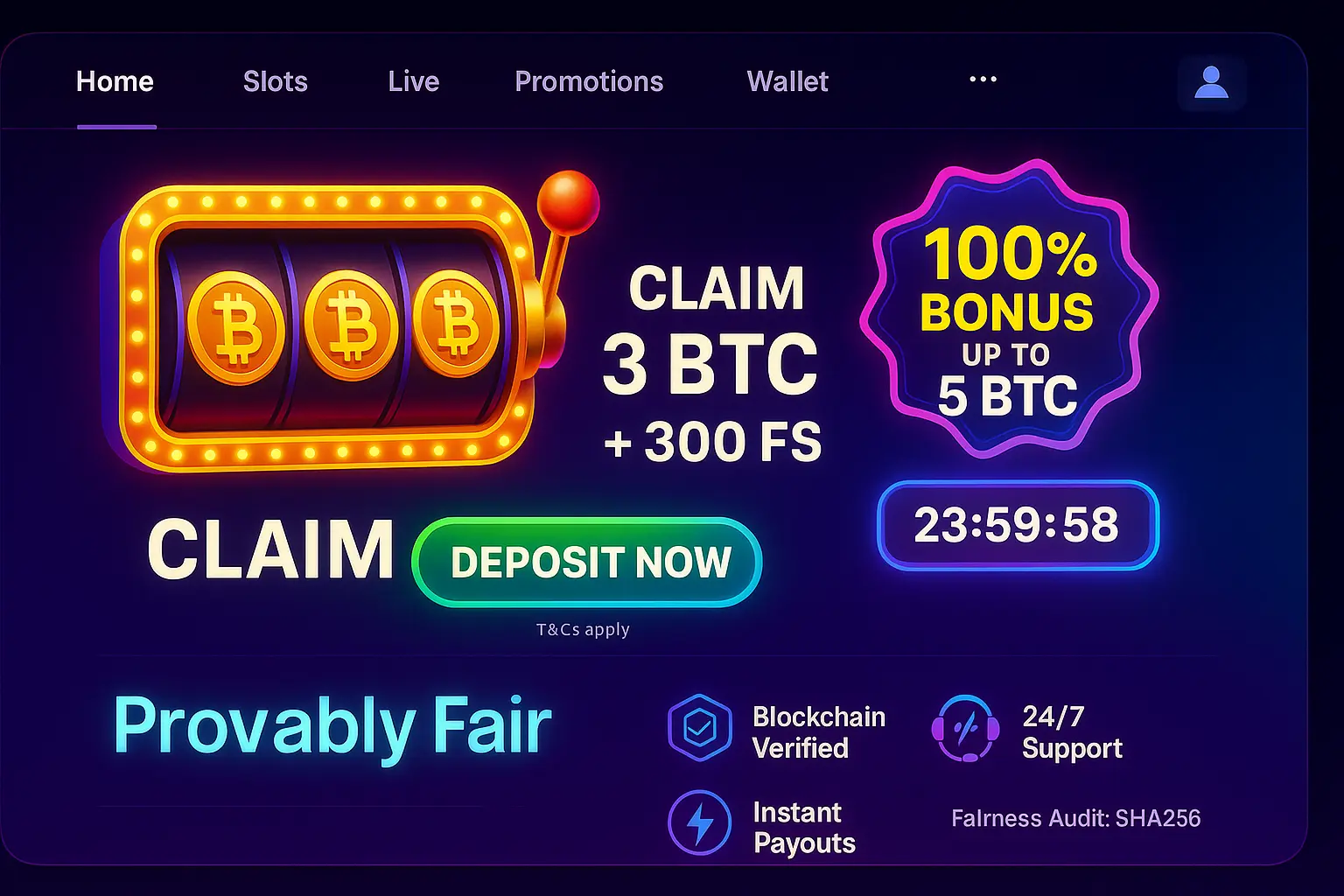
Casino skin and bonus theater
A flashy lobby and bonus counters lower skepticism, while the terms stay broad enough to be rewritten later.
Inflated balances, then the gate
With a bigger displayed balance, the site nudges “one more deposit” for limits, tiers, or bonus completion milestones.
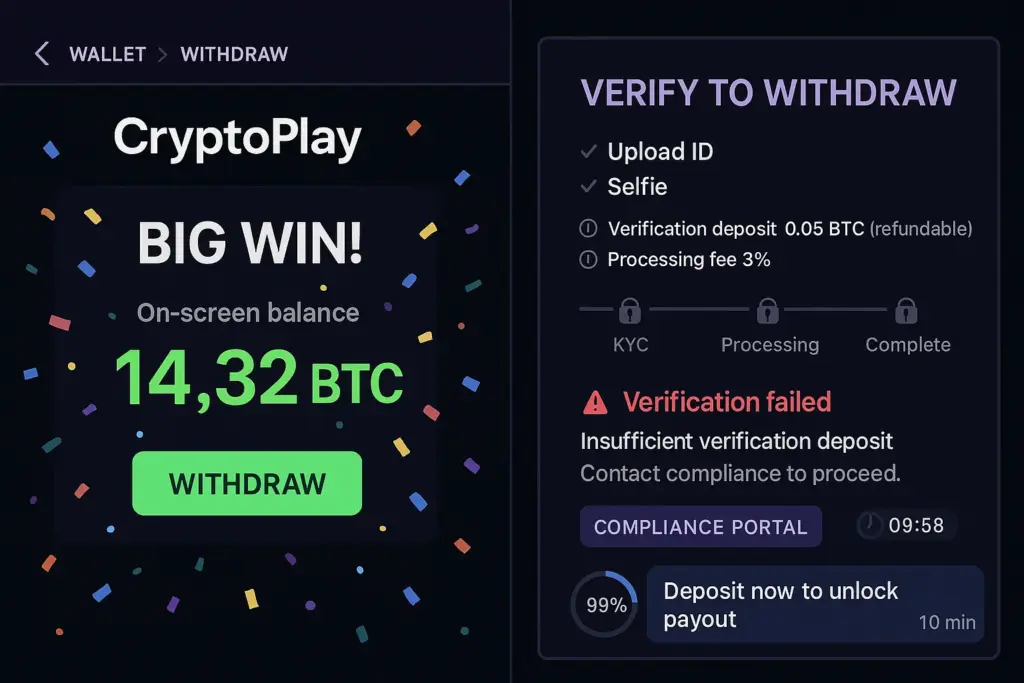
Fee-gates and KYC harvest
Then the withdrawal attempt triggers a payment gate – fees, bonds, or VIP charges – often paired with vague compliance-style explanations.

Stalling, rebrands, and “recovery” bait
Finally, support drifts into “manual review” loops, the site may vanish or redirect, and victims often get targeted by paid “recovery” pitches.
Staying safe from crypto casino scams like Drakeshark.com
Long-term safety comes from repeatable habits, not gut feelings. The goal is to verify operators outside their own website, reduce wallet exposure, and refuse any “pay to unlock” logic at the moment of withdrawal. These checks also help you spot copycat sites that recycle the same scripts and fee demands.
Verify license status in official registers
Look up the operator in the regulator’s own database and confirm the legal entity matches the site you’re using.
Check domain age and history
Compare WHO.IS registration details and archived snapshots to the company claims, and treat mismatches as a warning sign.
Reject withdrawal fees and “unlock” deposits
Refuse any request for an extra transfer as a condition for withdrawal; legitimate services don’t operate that way.
Prefer venues with recourse
Where possible, choose operators with transparent ownership, clear policies, and real dispute pathways instead of pure crypto-only fronts.
Limit wallet exposure
Keep long-term funds separate, read wallet prompts carefully, and never share seed phrases with anyone claiming to “help.”
Validate “provably fair” claims
If a site can’t show a clear, testable verification method, treat “fairness” language as branding rather than proof.
Document and report rapidly
Capture TxIDs, addresses, and screenshots, then report quickly; speed improves the odds of linking your case to others.
Build a deliberate slow-down reflex
Overnight pauses beat adrenaline decisions: step away, verify independently, and return only after the urgency evaporates.
Useful Resources for Scam Reporting and Prevention (By Country)
Reporting is most useful when it’s specific: include transaction hashes, wallet addresses, timestamps, screenshots of demands, and the exact domains you interacted with. The more precise your report, the easier it is for platforms and agencies to correlate multiple complaints that point to the same infrastructure or wallet cluster.
Click here to report the scam in your country
| Country / Agency | URL | Category / Use-case | Phone/Email |
| Australia – Crime Stoppers | https://www.crimestoppers.com.au | Anonymous tips about crime | 1800 333 000 |
| Australia – National Anti-Scam Center (Scamwatch) | https://www.scamwatch.gov.au/report-a-scam | General scams; phishing; texts/emails | |
| Australia – Police Assistance Line (non-emergency) | https://www.police.gov.au | Local police report | 131 444 |
| Australia – ReportCyber (ACSC) | https://www.cyber.gov.au/report | Cybercrime (hacks, fraud, extortion) | |
| Canada – Canadian Anti-Fraud Center (CAFC) | https://www.antifraudcentre-centreantifraude.ca/report-signalez-eng.htm | General scams incl. phone/text/email | |
| France – DGCCRF (SignalConso) | https://signal.conso.gouv.fr | Consumer scams/deceptive practices | |
| France – PHAROS – Internet-Signalement | https://www.internet-signalement.gouv.fr | Online content & cybercrime reports | |
| Germany – Bundeskriminalamt / Local Police | https://www.polizei.de/Polizei/DE/Home/home_node.html | Report online fraud | |
| Germany – Weißer Ring – Victim Support | https://weisser-ring.de | Victim support | 116 006 |
| India – DoT Helpline (Sanchar Saathi) | https://sancharsaathi.gov.in | Fraudulent telecom/SIM related | 155260 |
| India – National Consumer Helpline | https://consumerhelpline.gov.in | Consumer scams | 1800-11-4000 / 1915 |
| India – National Cyber Crime Reporting Portal | https://cybercrime.gov.in | Cybercrime incl. online fraud | 1930 |
| Japan – Consumer Affairs Agency (CAA) | https://www.caa.go.jp/policies/policy/consumer_policy/caution/cybercrime/ | Consumer scams | |
| Japan – National Police Agency – Cybercrime | https://www.npa.go.jp/bureau/cyber/ | Cybercrime reporting | |
| Mexico – Guardia Nacional (National Guard) | https://www.gob.mx/gn | Cybercrime reporting | |
| Mexico – Instituto Federal de Telecomunicaciones (IFT) | https://www.ift.org.mx | Telecom/online services scams | |
| Mexico – PROFECO | https://www.gob.mx/profeco | Consumer fraud & ecommerce | |
| Netherlands – AFM – Report investment fraud | https://www.afm.nl/en/consumenten/themas/beleggen/misleiding-misbruik | Investment/crypto | |
| Netherlands – Fraudehelpdesk | https://www.fraudehelpdesk.nl/melden | General scams (incl. phishing/SMS) | 088-7867372 |
| Netherlands – Politie – Meldpunt Internetoplichting | https://www.politie.nl/themas/internetoplichting.html | Online shopping fraud | |
| New Zealand – CERT NZ | https://www.cert.govt.nz/individuals/report-an-issue/ | Phishing, identity scams | |
| New Zealand – Department of Internal Affairs – Spam | https://www.dia.govt.nz/Spam-Contact-Us | Email/SMS spam | [email protected] |
| New Zealand – IDCARE | https://www.idcare.org | Victim support (identity compromise) | 0800 121 068 |
| New Zealand – Netsafe – Report | https://www.netsafe.org.nz/report/ | Online harms & scams | |
| New Zealand – New Zealand Police (non-emergency) | https://www.police.govt.nz/use-105 | Report fraud/online crime | 105 |
| Nigeria – Economic & Financial Crimes Commission (EFCC) | https://www.efcc.gov.ng | Financial scams incl. crypto/investment | [email protected] |
| Nigeria – Nigeria Police Special Fraud Unit (SFU) | https://www.specialfraudunit.org.ng | Serious fraud | Voice/SMS: 0708 227 6895; WhatsApp: 0812 760 9914 |
| Poland – CERT Polska (CERT.PL) | https://cert.pl/en/report/ | Cyber incidents & phishing | |
| Poland – Dyzurnet.pl | https://dyzurnet.pl | Illegal online content (esp. child protection) | |
| Poland – Polish Police (Policja) | https://www.policja.pl | Report scams to police | |
| Singapore – Anti-Scam Centre / Anti-Scam Helpline | https://www.scamalert.sg | General scams; texts; calls | 1800-722-6688 |
| Singapore – Monetary Authority of Singapore (MAS) | https://www.mas.gov.sg/investor-alert-list | Investment/crypto checks | |
| Singapore – Singapore Police Force | https://www.police.gov.sg/iwitness | Police report (cybercrime) | |
| South Africa – Cybersecurity Hub (CSIRT) | https://www.cybersecurityhub.gov.za | Cyber incidents incl. scams | |
| South Africa – South African Fraud Prevention Service (SAFPS) | https://www.safps.org.za | Identity fraud support | 011-867-2234 |
| South Africa – South African Police Service (SAPS) | https://www.saps.gov.za | Police report (cybercrime unit) | |
| South Korea – Korea Communications Commission (KCC) | https://www.kcc.go.kr | Telecom-related fraud | |
| South Korea – Korea Internet & Security Agency (KISA) | https://www.kisa.or.kr | Phishing, online harms | |
| South Korea – Korean National Police Agency – Cyber Bureau | https://ecrm.cyber.go.kr | Cybercrime reporting | |
| Spain – INCIBE – Oficina de Seguridad del Internauta (OSI) | https://www.osi.es/es/reporte | Cybersecurity & online fraud | |
| Spain – Policía Nacional / Guardia Civil | https://www.policia.es | Report scams to police | |
| Sweden – Crime Victim Authority (Brottsoffermyndigheten) | https://www.brottsoffermyndigheten.se | Victim support & compensation | 090–70 82 00 |
| Sweden – Polisen (Swedish Police) | https://polisen.se | Report fraud/cybercrime | 114 14 (non-emergency); 112 (emergency) |
| Sweden – Swedish Consumer Agency (Konsumentverket) | https://www.konsumentverket.se | Unfair business practices | |
| United Arab Emirates – Abu Dhabi Police – Aman Service | https://www.adpolice.gov.ae | Cybercrime tips/reporting | SMS 2828; 800 2626 |
| United Arab Emirates – Dubai Police – eCrime | https://www.dubaipolice.gov.ae | Cybercrime reporting | 04 606 1600 |
| United Arab Emirates – Ministry of Interior – Cyber Crime Dept. | https://www.moi.gov.ae | Cybercrime incl. online scams | |
| United Arab Emirates – Telecommunications Regulatory Authority (TRA) / TDRA | https://www.tra.gov.ae | Telecom-related scams/phishing | |
| United Kingdom – Action Fraud (NFIB) | https://www.actionfraud.police.uk | General scams & cybercrime (non-emergency) | 0300 123 2040 |
| United Kingdom – Citizens Advice Consumer Service | https://www.citizensadvice.org.uk/consumer/get-more-help/if-you-need-more-help-about-a-consumer-issue/ | Consumer problems & scam guidance | 0808 223 1133 |
| United Kingdom – Financial Conduct Authority (FCA) | https://www.fca.org.uk/consumers/report-scam-us | Investment/crypto & financial services | |
| United Kingdom – National Cyber Security Centre (NCSC) | https://www.ncsc.gov.uk/collection/phishing-scams | Phishing emails & suspicious websites | |
| United Kingdom – Stop Scams UK ‘159’ | https://stopscamsuk.org.uk/159 | Banking APP fraud (direct to your bank) | 159 |
| United States – AARP Fraud Watch Network Helpline | https://www.aarp.org/money/scams-fraud/ | Victim support | 833-372-8311 |
| United States – Better Business Bureau – Scam Tracker | https://www.bbb.org/scamtracker | Business/marketplace scams | |
| United States – FBI Internet Crime Complaint Center (IC3) | https://www.ic3.gov | Internet crime incl. investment/crypto | |
| United States – Federal Trade Commission – ReportFraud | https://reportfraud.ftc.gov | General scams, phishing, texts/emails | 1-877-382-4357 |
| United States – National Center for Disaster Fraud | https://www.justice.gov/disaster-fraud | Disaster-related scams | (866) 720-5721 |
| United States – SEC Tips & Complaints | https://www.sec.gov/tcr | Investment & securities/crypto-asset offerings |
