

Did you recently get a cheerful promise like “Get $100 Free Just for Signing Up” or “Earn unlimited commissions from home” with a link to MoneyChik.com? Don’t rush to register or pay anything. That pitch belongs to a task-app scam that uses flashy counters, tight timelines, and familiar payout names – PayPal, CashApp, Venmo, Zelle – to appear trustworthy. The routine is predictable: you see small “earnings” first, then you’re asked to pay fees to unlock supposedly higher-paying tasks or “lucky orders.”
If your invitation referenced MoneyChik and promised quick cash for watching videos, liking posts, or placing orders, pause before you act. The setup, similar to HunnyLink and HunnyTank, is engineered to make you feel minutes away from a big payout if you move fast. Instead, slow down and examine the concrete markers of how this operation presents itself and how it behaves once you engage.
Understanding the MoneyChik Scam
MoneyChik leans on urgency, outsized rewards, and social proof. It showcases counters such as “300,543 Members,” “$9,764,893 Paid,” and “500,949 Payments Made,” then repeats them elsewhere as “300543+,” “$9,748,953+,” and “500,948+.” Those contradictions are a red flag. The site claims you can start earning in less than a minute, offers $100 free just for signing up, and touts “unlimited commissions” with “assured payments daily.” It lists Facebook, Instagram, SnapChat, TikTok, X, and LinkedIn as the social platforms where members supposedly earn, which helps the story feel mainstream.
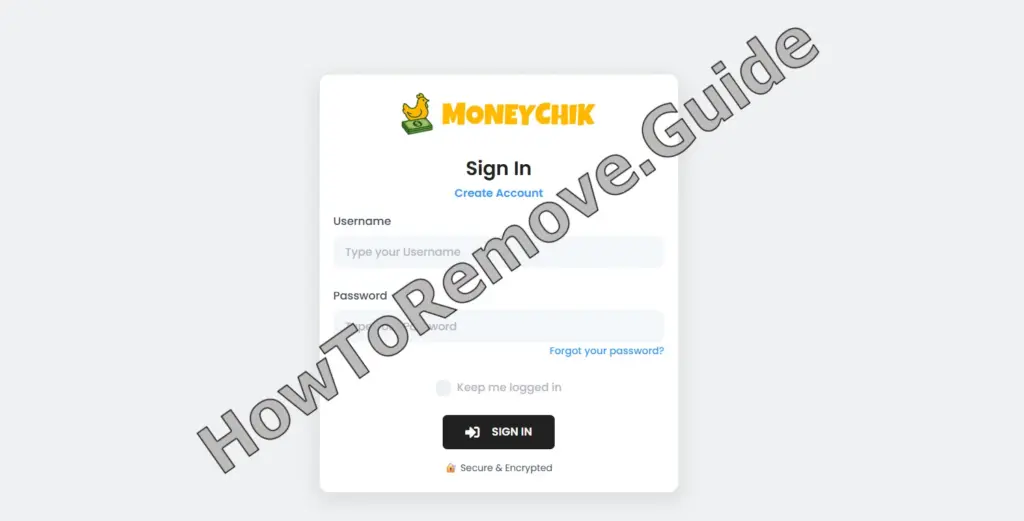
Policy text expands the veneer. MoneyChik says “advertisers pay MoneyChik.com to reach influencers like you,” and users receive dividends based on “influential power.” The legal pages sprinkle brand names – Braintree, Visa Commerce Solutions, Rakuten Card Linked Offer Network, Groupon, and MOGL Loyalty Services – and lean on arbitration language and U.S./California-centric provisions. The presence of those names does not change what users actually experience on the site: a funnel that nudges them toward paying fees to chase rewards that do not materialize.
How the Funnel Actually Works
First comes the bait. Outreach on Facebook, LinkedIn, Instagram, or WhatsApp promises easy work: watch a video, like a post, place an order. Signup is free and fast. Your dashboard may then show small credits, and you may even be allowed a tiny withdrawal. This builds trust. Next comes the pay-to-unlock pivot: to access “more lucrative tasks” or “lucky orders,” you must pay a fee. After that initial payment, further reasons to pay appear – “taxes,” “processing,” or “better rewards.” Every prompt is framed as the final step before a large payout, but withdrawals never arrive. Eventually, contact stops or the account is inaccessible.
Indicators and Red Flags Specific to This Scheme
The promises themselves are giveaways: “$100 free,” “unlimited commissions,” “assured payments daily,” and claims that members earn thousands daily. Recruitment blurbs recycle pressure-laden lines such as “Congratulations! You’ve been selected… earn up to $100 daily,” “Urgent hiring! … get a $50 bonus. Limited slots available!” and “Make money from home easily… hundreds each week! Register through this link.” The contradictory counters amplify doubt; the one-minute earning claim and daily assurances strain credibility; and the guaranteed outcomes are incompatible with legitimate work.
A policy device reinforces the trap. The “Terms & Fraud Policy” catalogs many behaviors labeled “unauthentic stats,” including VPN use, repeated self-clicks, signing up via your own referral, buying traffic, and automation. In effect, the list provides a ready-made pretext to terminate accounts and deny withdrawals. If a user challenges a missing payment, the rules can be cited to void the balance.
Victim Experience in Practice
People typically encounter the promotion on mainstream social networks or in direct messages, including WhatsApp. After a quick signup, they complete a few simple tasks and see small amounts credited to their MoneyChik account. That makes the offering feel real. The turning point is the fee gate: unlocking “lucky orders” or higher-paying tasks requires a payment. After that, additional fees are introduced as necessary steps for “taxes,” “processing,” or “better rewards,” always paired with assurances that a large withdrawal is imminent once “one last step” is completed. The outcome is consistent: promised payouts do not arrive, contact fades, and access to the account may be cut off.
How to Check the Site’s Background Before You Engage
There is a simple, concrete check that helps: look up the site’s WHOIS details. Recently created domains and hidden ownership are significant warning signs, especially when combined with the contradictions and tactics above. If you see anonymous registration, mismatched or suspicious contact details, or policy pages that point to odd domains – such as duplicated forms like MoneyChik – treat that as confirmation to disengage.
Recognizing the MoneyChik Outreach Patterns
The most reusable parts of the script are the opening lines. Watch for: “Congratulations! You’ve been selected to join our exclusive team of remote workers… earn up to $100 daily…,” “Urgent hiring! We need quick-task performers… get a $50 bonus. Limited slots available!,” and “Make money from home easily… hundreds each week! Register through this link….” Each line promises guaranteed outcomes, dangles a bonus, and injects urgency. When those lines lead to task sites like MoneyChik, the pattern is complete.
Cash-Out Claims Used to Manufacture Trust
MoneyChik’s splash pages emphasize “fast, easy and secure payouts” through PayPal, CashApp, Venmo, and Zelle. Those brand names are familiar, which is precisely why they are emphasized: they manufacture trust. That is the psychological hinge of the scheme. If you reach a page asking for money to access “more lucrative tasks” or “lucky orders,” you are at the heart of the scam.
Where Similar Schemes Have Appeared
The same task-app choreography shows up under other names: Ram15.com, TikFunds.com, RamStash.com, Tikreview.com, AldiUK.vercel.app, Weeklybucks.com, and HunnyPay.com. When you see the combination of small initial credits, a pay-to-unlock model, and escalating fee demands, you are looking at the same playbook wearing a new mask.
What to Do If You’ve Already Engaged
The pivotal move is to stop at the first sign of a paywall. The small credits are bait; the “unlock fee” is the trap. Do not send money for “taxes,” “processing,” “better rewards,” or anything described as a final step before release of funds. Use the WHOIS check as a quick back-stop before you act on any future invitation.
A Concise Checklist of Red Flags for MoneyChik
• $100 free at signup, and claims that you can start “in less than a minute.”
• Promises of “unlimited commissions,” “assured payments daily,” and “thousands daily.”
• Conflicting counters for members, total paid, and payments made (300,543 vs. 300543+, $9,764,893 vs. $9,748,953+, 500,949 vs. 500,948+).
• Pay-to-unlock “lucky orders” and higher-paying tasks after small initial credits.
• Follow-on demands framed as “taxes,” “processing,” or “better rewards.”
• Boilerplate legalese with arbitration mandates and U.S./California-centric language.
• Sloppy or duplicated domains and links, such as MoneyChik.com.
• A “Fraud Policy” that makes it easy to ban users and void balances for “unauthentic stats.”
• Recruitment scripts pushing urgency, exclusivity, and sign-up bonuses.
Final Thoughts
Everything about MoneyChik’s presentation – from the inflated counters to the payout logos and the influencer storyline – is engineered to feel like a bustling, global task marketplace. The concrete mechanics tell a different story: confidence-building credits at the start, mandatory fees to access mythical earnings, cascading excuses for more payments, and then silence. If you see the $100 signup bait, the “lucky orders,” or the contradictory numbers, you have already seen enough. Walk away, check WHOIS for the creation date and hidden ownership, and treat the entire pitch as a pay-to-unlock task scam.
