

If your browser keeps dragging you to weird sites or if you are constantly getting hit with strange pop-ups that look like malware warnings from anti-virus software that you don’t even have on your PC, then you’ve likely got Abobus.co.in or a similar hijacker on your system.
Abobus.co.in isn’t a Trojan or ransomware, so it won’t go after your files directly. The issue here is that it can redirect you without your permission, push shady promotions, and plaster your screen with notifications you never asked for (and that could compromise your virtual security).
The content that Abobus.co.in, or other similar hijackers like Searchcalm.com or Reprucally.co.in, promote can link to phishing pages, other types of scams, or even straight-up malware downloads. That’s why interacting with anything Abobus.co.in serves up is an absolute no-go.
Basically, think of hijackers as annoyance factories that double as scam gateways. The only way forward is to completely clean out the rogue component(s), and I’ll show you exactly how to do that in the steps below. And if you want to get rid of this faster and without having to do everything manually, you can also try SpyHunter 5, which willl get rid of Abobus.co.in in a matter of minutes.
We tested that SpyHunter successfully removes Abobus.co.in* and we recommend using it. It will block Abobus.co.in from reinstalling itself and it will make sure your device is clean from any malware.
 Try Free For 7 Days*
Buy now15% OFF if you buy straight without trial.
 OFFER
OFFERAbobus.co.in Removal Tutorial
Start with a narrow scope rather than sweeping changes. Focus on the browser layer and collect small confirmations as you go. Adjust one thing, check the effect, and write down what changed for traceability. Keeping interventions minimal avoids masking symptoms or introducing new variables while you isolate the behavior tied to Abobus.co.in.
Quick Steps to Remove Abobus.co.in
- 1.1Begin from control, not guesses: open your everyday browser’s Settings to check what’s installed alongside Abobus.co.in. In Chrome, click the ⋮ menu at the top right; in Firefox, open the ☰ menu. Then enter Extensions on Chrome or Add-ons on Firefox and look through the entries before removing anything.
- 1.2Question then answer: does an add-on look legitimate? Verify the name, icon, permissions, and description carefully. Imitators often differ by a letter or use vague publishers. Unsure? Search the exact extension name in quotation marks to surface reports. When doubt persists, choose Remove and continue auditing the rest.
- 1.3Cause→effect→action: broad permissions enable nagging prompts and redirects. Go to Privacy and security, open Site permissions (expand Advanced if necessary), and review access to microphone, camera, location, and notifications. Revoke entries you never approved. Tightening notification rules now prevents fresh subscription prompts.
- 1.4Close the loop so changes persist. Delete questionable sites from the permission lists, fully exit the browser, and relaunch it. That restart clears cached permission state and refreshes active processes. If symptoms fade, you likely removed the trigger; if not, proceed to the policy investigation.
These quick measures often cut the problem down immediately. If behavior remains, policies may be enforcing settings beyond normal preferences and require deeper inspection.
SUMMARY:
| Name | Abobus.co.in |
| Type | Browser Hijacker |
| Detection Tool |
Some threats reinstall themselves if you don’t delete their core files. We recommend downloading SpyHunter to remove harmful programs for you. This may save you hours and ensure you don’t harm your system by deleting the wrong files. |
How to Remove the Abobus.co.in Virus
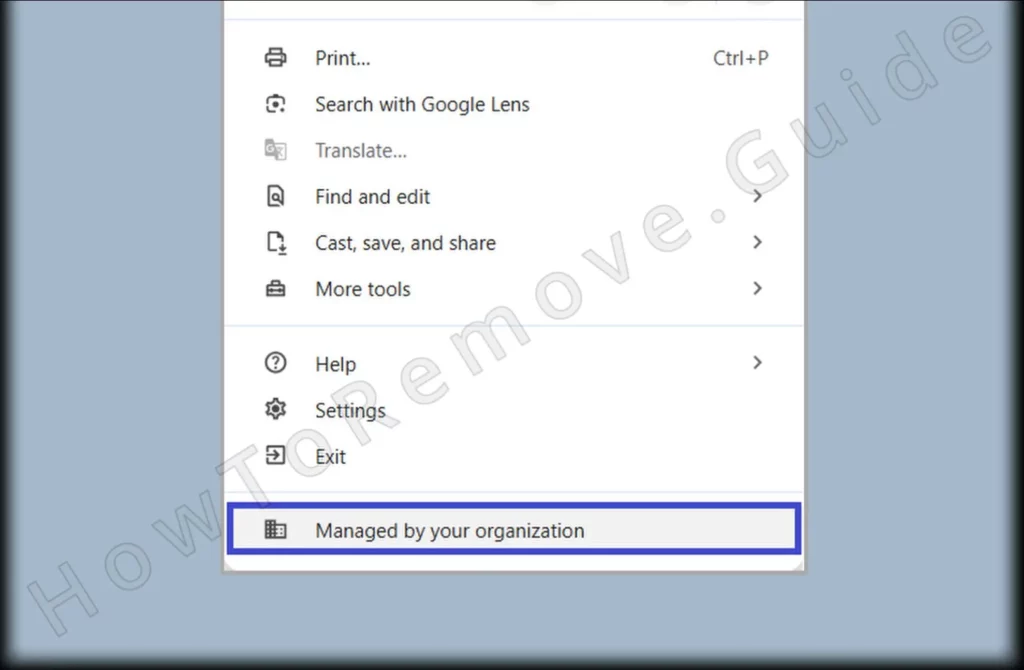
Seeing “Managed by your organization” on a personal machine points to enforced policies rather than a simple preference. Those settings can steer extensions, search, and startup pages systemwide. Standard uninstalls seldom clear them. The reliable path is to list active policies, map them to extension IDs, and then remove only entries connected to Abobus.co.in.
1. Identify the Abobus.co.in Policies
- 1.1
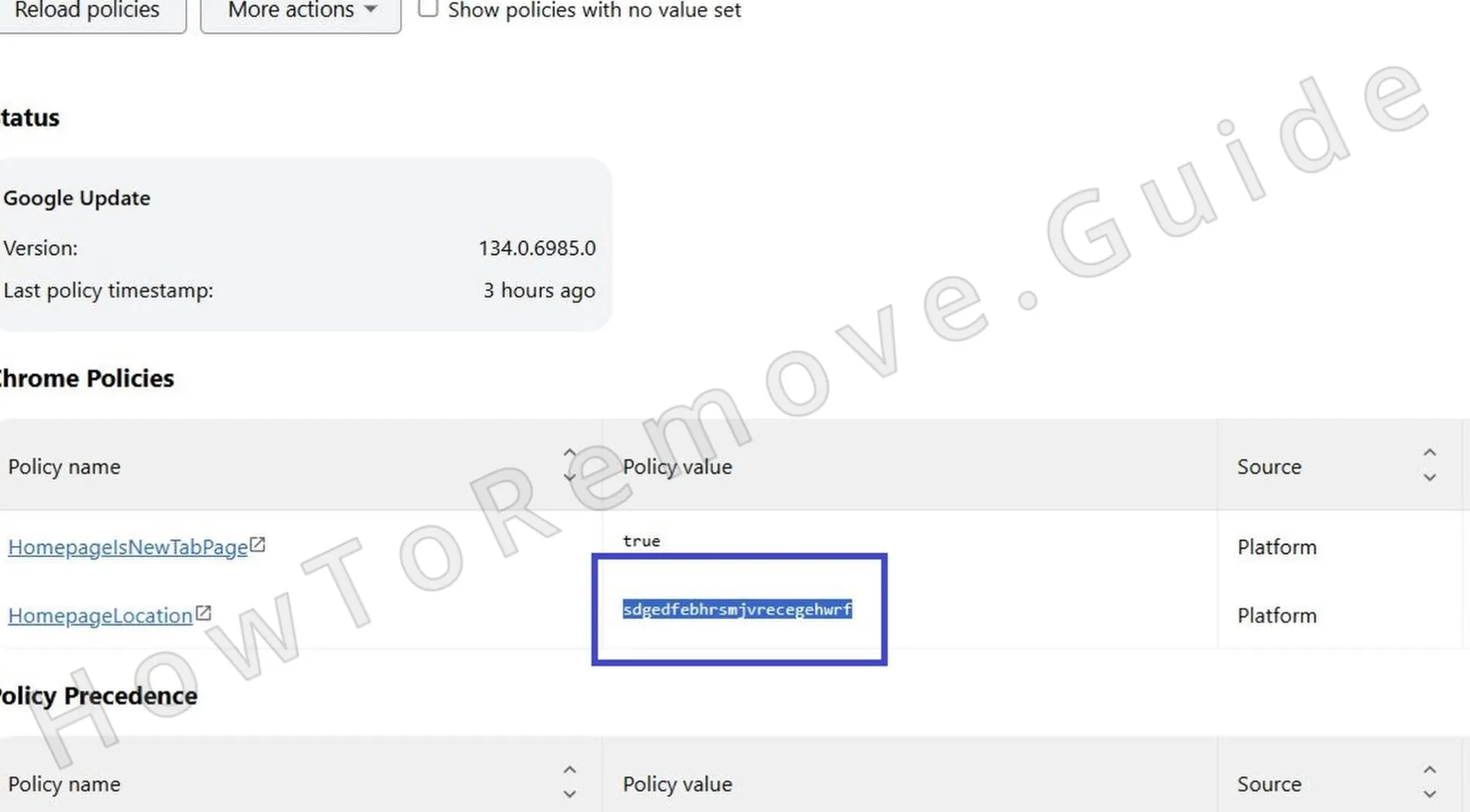 Start where evidence lives: in Chrome, navigate to chrome://policy; in Edge, open edge://policy to view everything configured, including rules introduced by Abobus.co.in. Let the page finish loading, then scan for unfamiliar names, URLs, or blocked settings you did not choose.
 - 1.2Problem→diagnosis→fix. Open suspicious entries to read their values closely. Look for extension IDs, installation sources, or forced URLs. Capture notes or screenshots so you can verify changes later and avoid deleting legitimate enterprise-style settings you actually use.
- 1.3Decision-rule: if a policy references an extension, locate it precisely. On the Extensions page, enable Developer mode (top right). Record each extension’s ID and the shown installation path. Mapping ID-to-policy gives you confidence to remove the right component.
- 1.4When the Extensions page refuses to load or crashes repeatedly, change tactics. Use File Explorer for direct inspection, which bypasses any UI disruption caused by a rogue component and lets you check timestamps and folders.
- 1.5
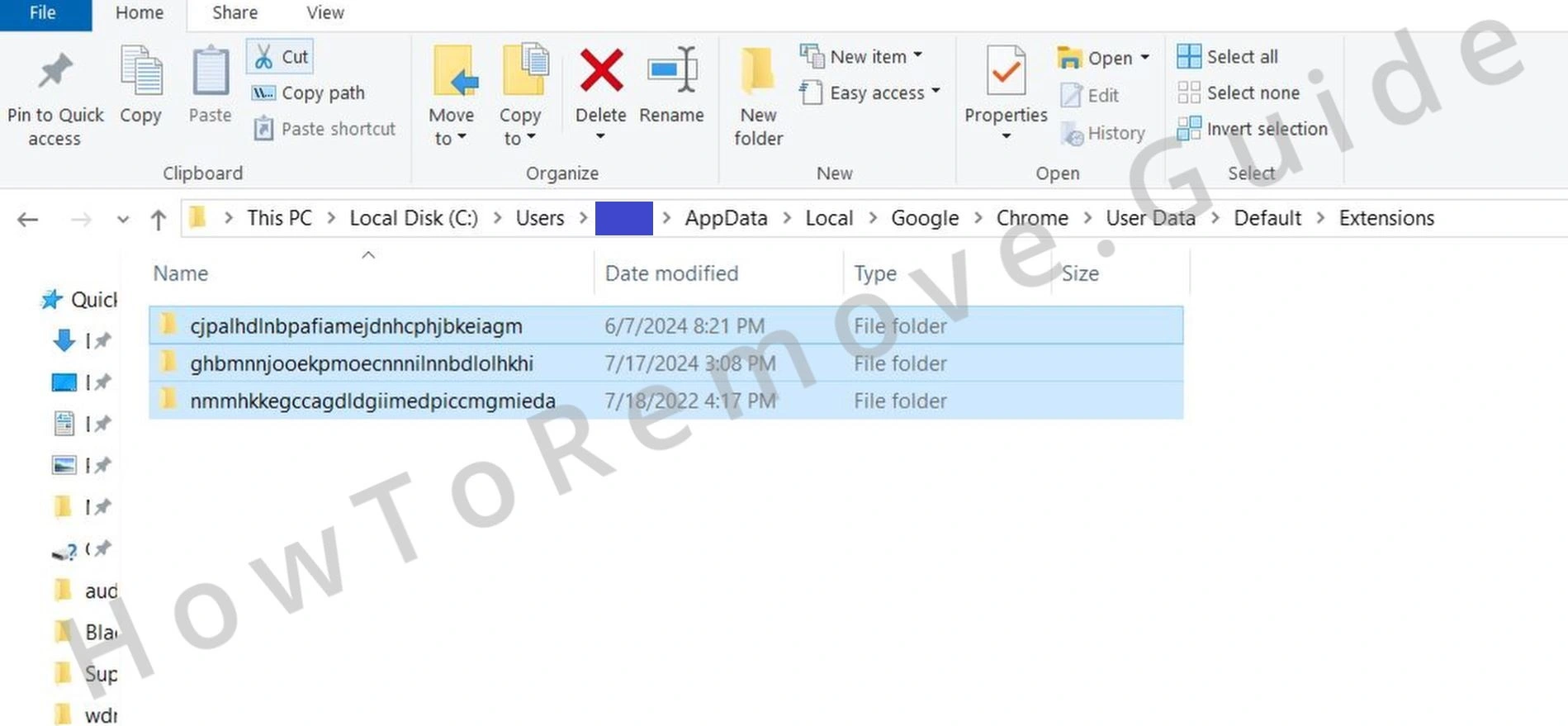 Compare IDs to disk. Open C:\Users<Your Username>\AppData\Local\Google\Chrome\User Data\Default\Extensions. Each subfolder is an extension ID. Match the one you flagged earlier, ensure Chrome is closed, then delete that folder. Turn on View → Hidden items if AppData isn’t visible, and keep a copy in the Recycle Bin until you confirm results.
 - 1.6
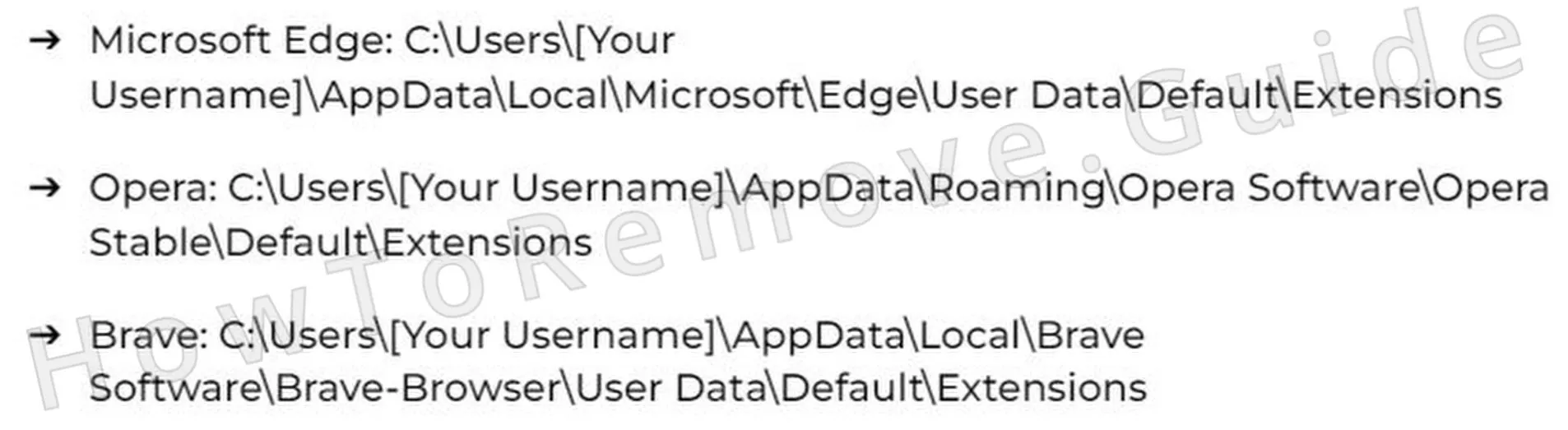 Running Brave, Opera, or another Chromium variant? Repeat in C:\Users<Your Username>\AppData\Local<Browser>\User Data\Default\Extensions. Remove folders linked to suspicious IDs or items you never intentionally installed. Check multiple profiles if you use more than one.
 - 1.7Return to the Extensions page with Developer mode on and confirm the target is gone. If it reappears, pause Settings → Sync temporarily, re-delete the folder, and check whether another local profile or cloud data is restoring it. Only re-enable sync after everything stays clean through a restart.
Get Rid of Abobus.co.in Policies
Registry-enforced policies can override every preference you set in the browser. Editing the Registry directly is precise work and mistakes can be disruptive. Back up first, act on identified keys only, and escalate permissions cleanly if access is denied. Slow changes here prevent collateral damage while removing entries linked to Abobus.co.in.
2. How to Delete Abobus.co.in Policies Through the Registry
- 2.1Safety first, then edits. Press Windows + R, type regedit, press Enter to open Registry Editor, and immediately create a backup via File → Export. With a complete export saved, proceed to targeted removals associated with Abobus.co.in rather than broad, risky changes.
- 2.2Use exact matches so you don’t over-delete. Press Ctrl + F or open Edit → Find, search for the recorded policy name or the extension ID, and remove each relevant match. Keep pressing Find Next until no more results appear. Pay close attention to HKEY_LOCAL_MACHINE\SOFTWARE\Policies\Google\Chrome and HKEY_CURRENT_USER\SOFTWARE\Policies\Google\Chrome.
- 2.3
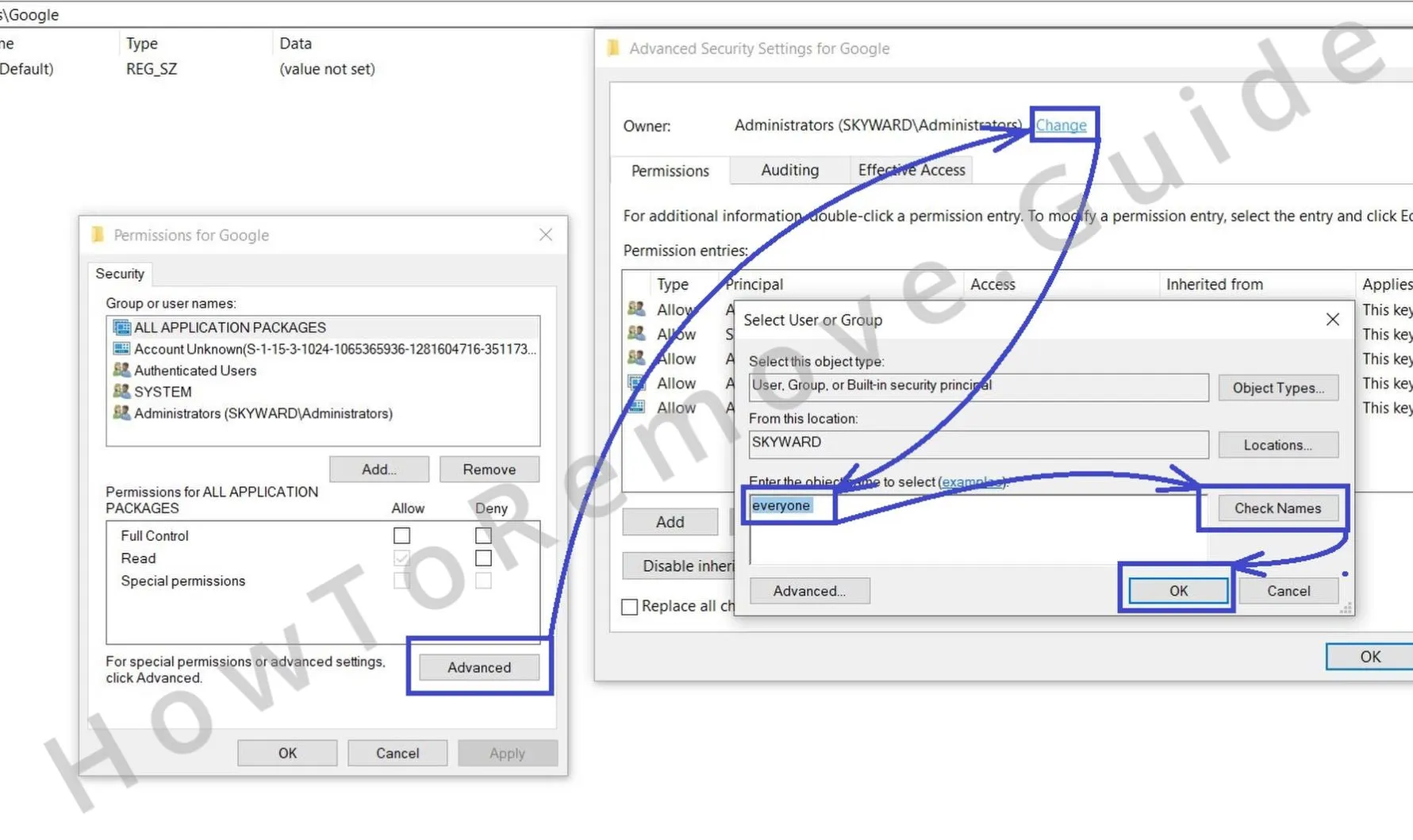 If access is blocked, adjust ownership on that key. Right-click the key, choose Permissions, select Advanced, then click Change next to Owner. Enter Everyone, hit Check Names, and confirm with OK. Taking ownership lets you modify otherwise locked entries.
 - 2.4
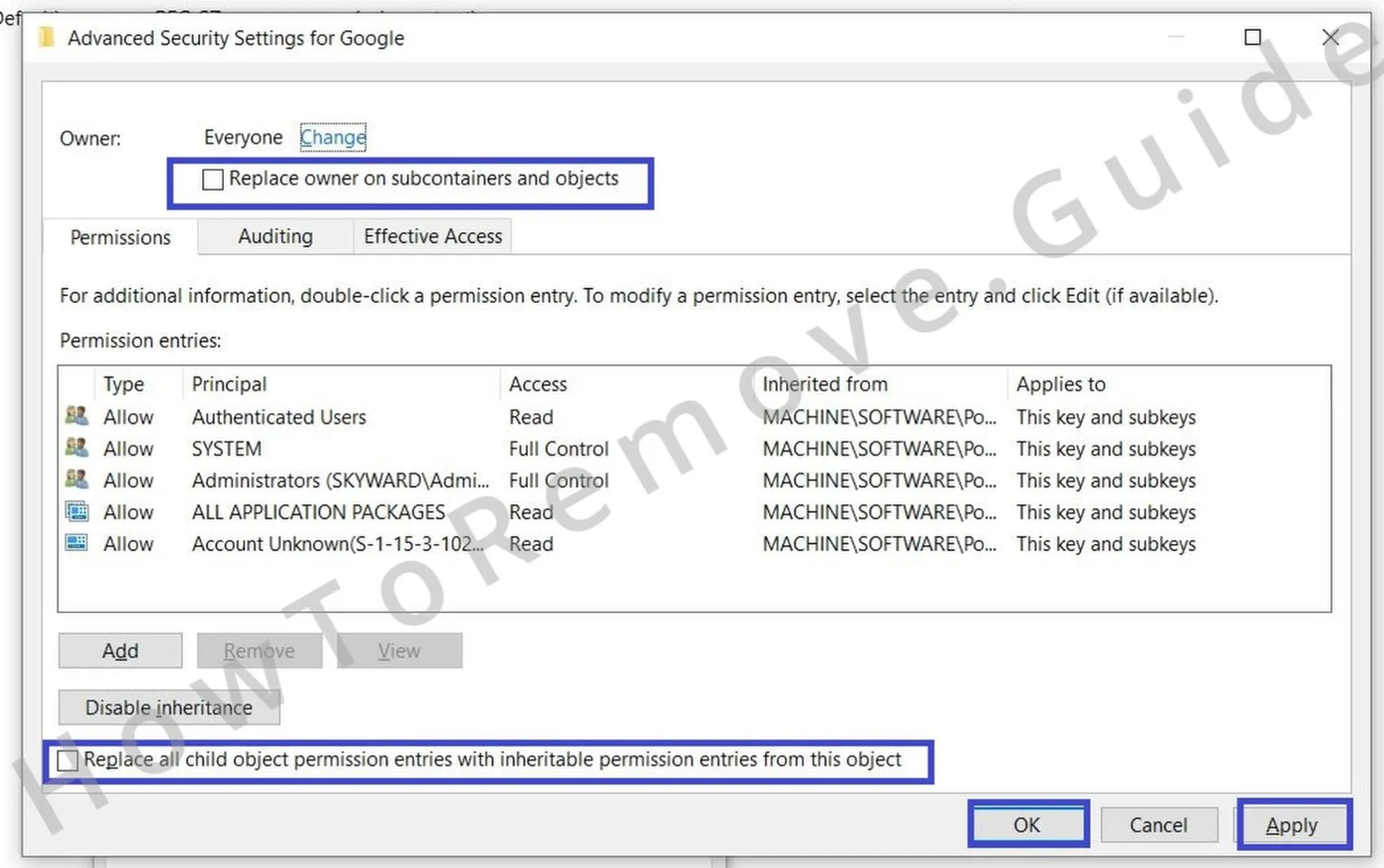 Extend the change to subkeys so nothing persists underneath. In the same dialog, enable Replace owner on subcontainers and objects and Replace all child permission entries with inheritable permissions from this object. Apply and OK, delete the policy key, restart Windows, and reopen the browser to check that the “Managed by your organization” banner is gone.
This gives you the access needed to delete the rogue key.
Alternative Tools to Delete Abobus.co.in Policies
If the policies keep returning, they may be supplied by local templates or a helper utility. Clearing those sources is essential to prevent reapplication after reboot. Take your time, confirm each adjustment, and re-check policy viewers. Thorough verification is what ensures Abobus.co.in does not reassert control later.
3. Other Ways to Get Rid of Abobus.co.in Policies
- 3.1
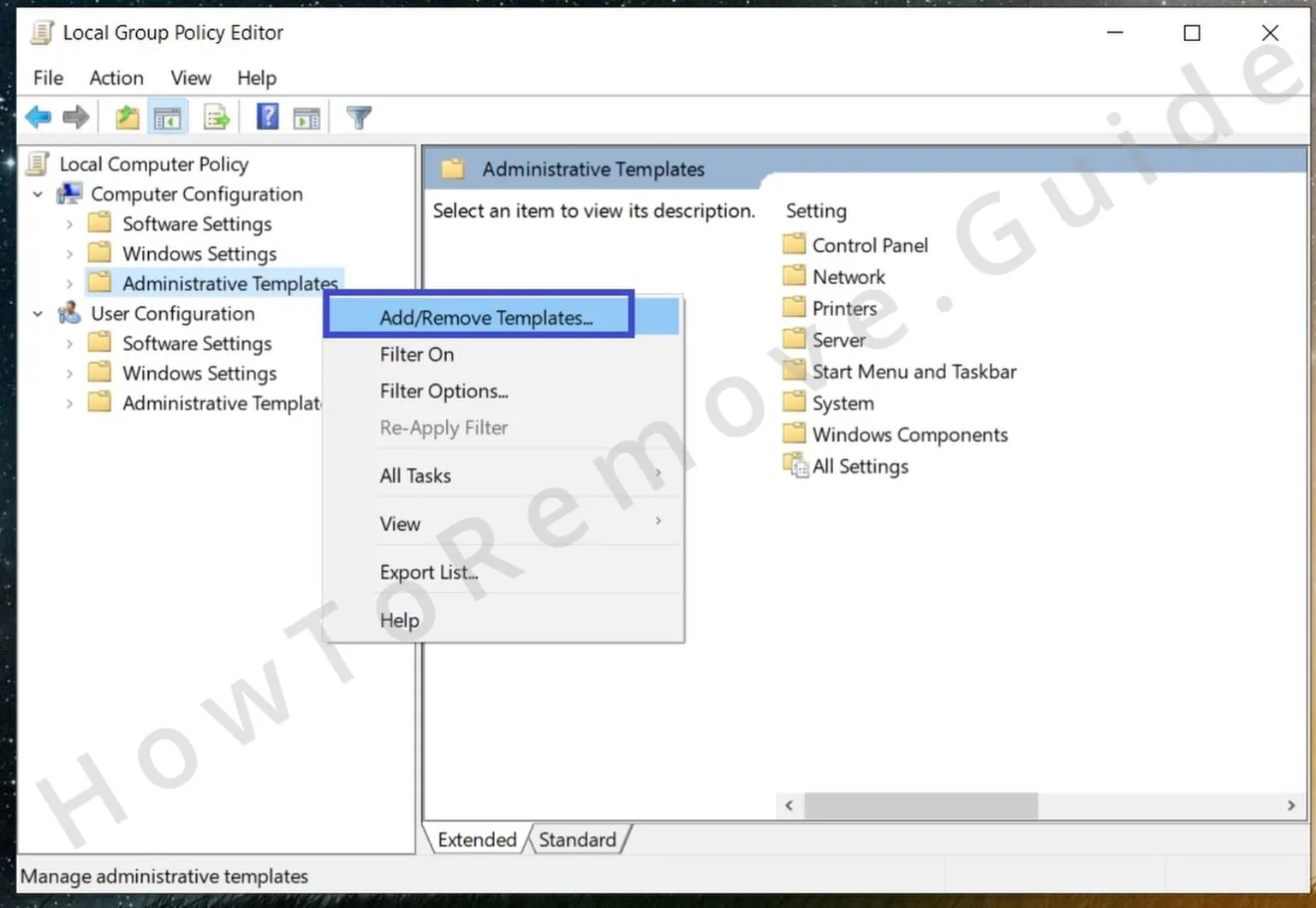 Begin with Windows’ policy console to catch template-based rules linked to Abobus.co.in. Press Windows + S, type Edit Group Policy, and open Local Group Policy Editor. Expand Administrative Templates on the left to see what has been loaded.
 - 3.2
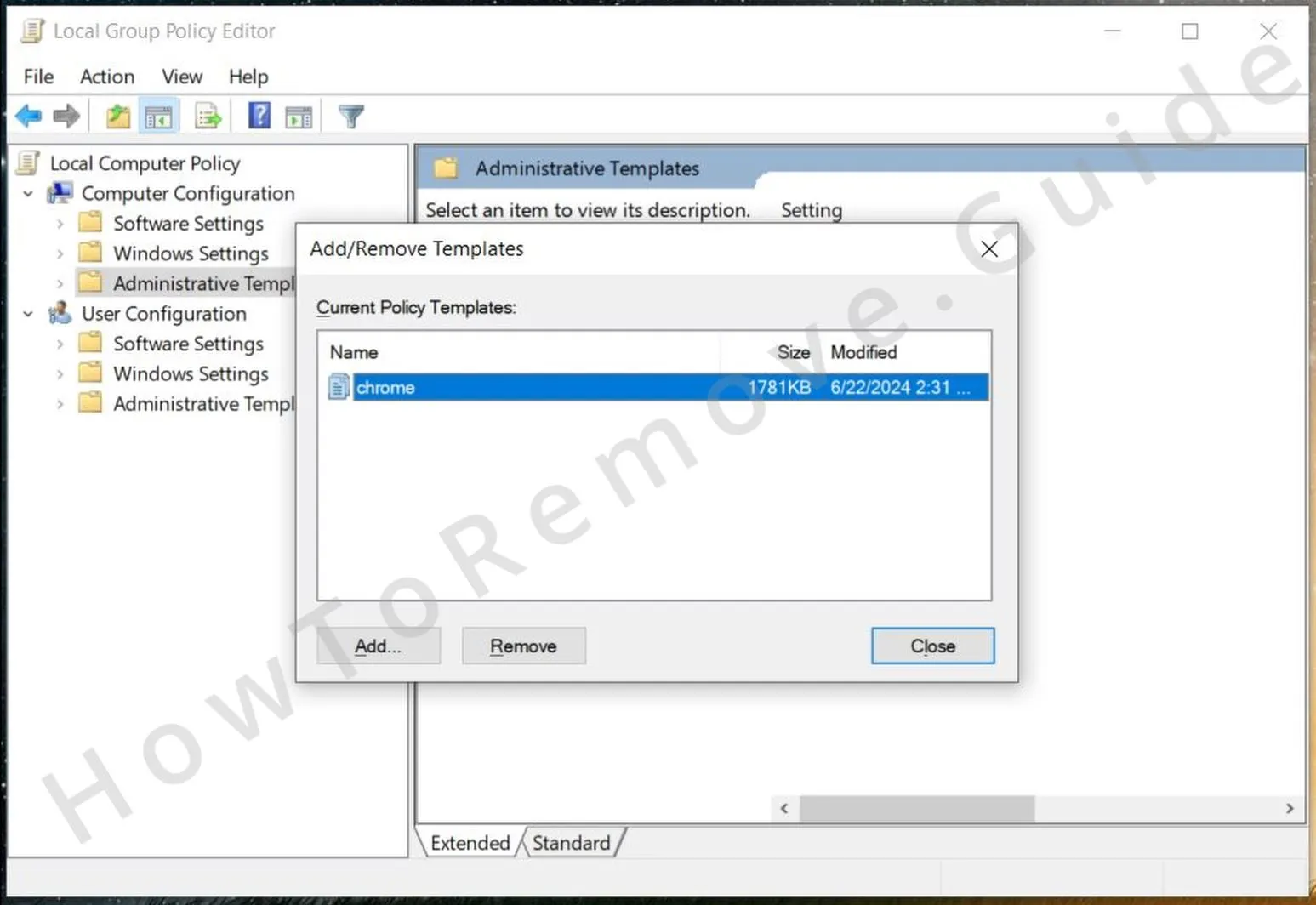 Now remove questionable templates. Right-click Administrative Templates, choose Add/Remove Templates, and delete entries you don’t recognize or never installed. Unknown templates can silently push browser restrictions that reappear even after registry cleanup.
 - 3.3For Chrome environments, a vetted Chrome Policy Remover utility can reset policy keys in one pass. Save it locally, right-click the file, and select Run as administrator so it has rights to clean both HKLM and HKCU policy hives.
- 3.4If SmartScreen warns you, choose More info → Run anyway only when you trust the origin. After running, reboot the computer and review Registry Editor and chrome://policy or edge://policy again to confirm there are no remaining entries.
Uninstall Abobus.co.in From Chrome, Edge, and Other Browsers
Policy cleanup is only part of the story. Profile data, cached scripts, and notification subscriptions can keep symptoms alive even after keys are removed. A methodical sweep of extensions, site data, permissions, search providers, and startup settings prevents old state from reasserting Abobus.co.in’s changes.
4. How to Remove Abobus.co.in From Your Browser
- 4.1Start by verifying the extension list again, because syncing can re-add items connected to Abobus.co.in. Open the Extensions/Add-ons page and remove any reappearing entries. Pause Settings → Sync until the profile stays clean across restarts, then re-enable it later.
- 4.2
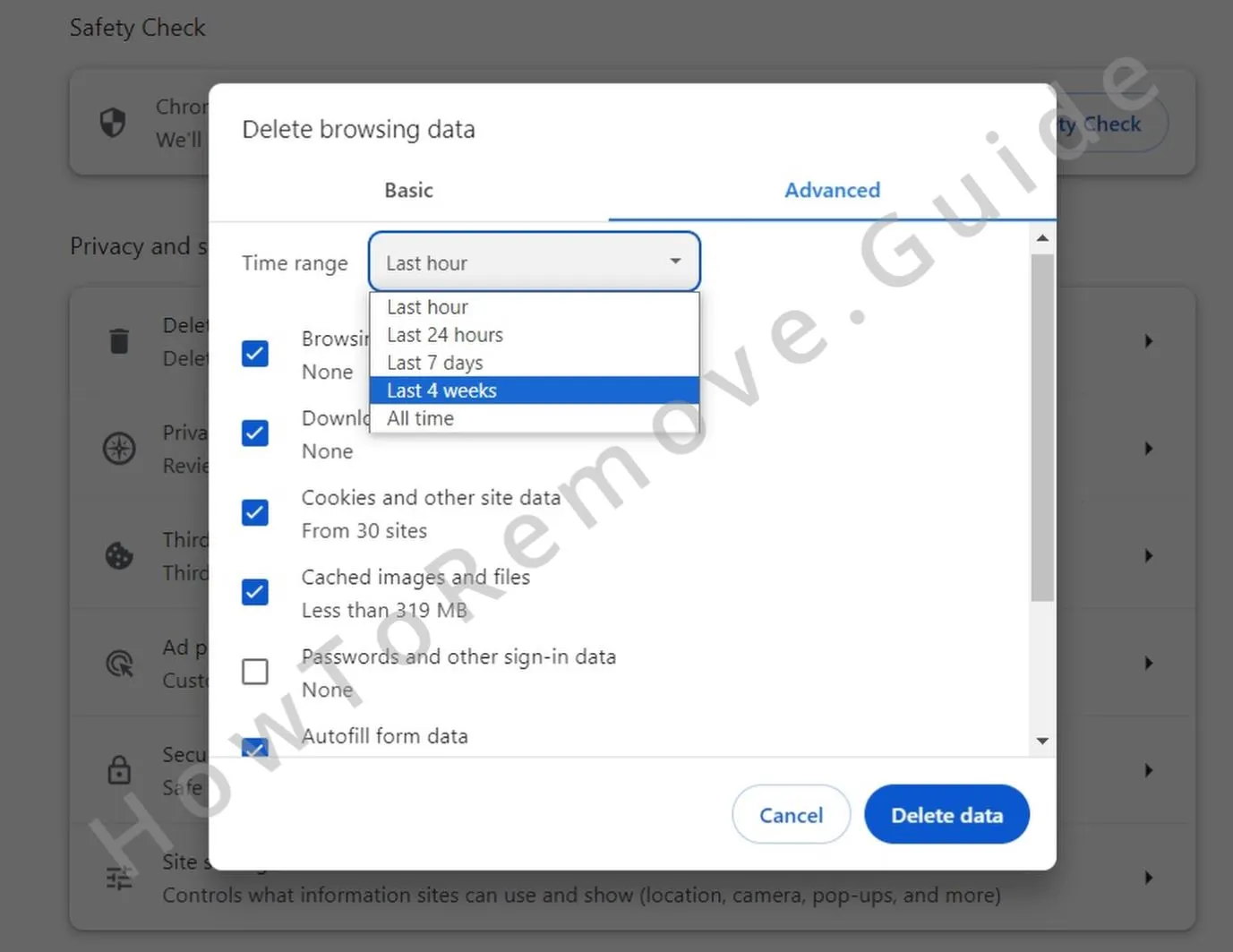 Next, eliminate stored state that can resurrect redirects. Open Clear browsing data, set Time range to All time, leave Saved passwords unchecked, and clear the rest – especially Cookies, Cached images and files, and Site data. This also flushes service workers used for push notifications.
 - 4.3
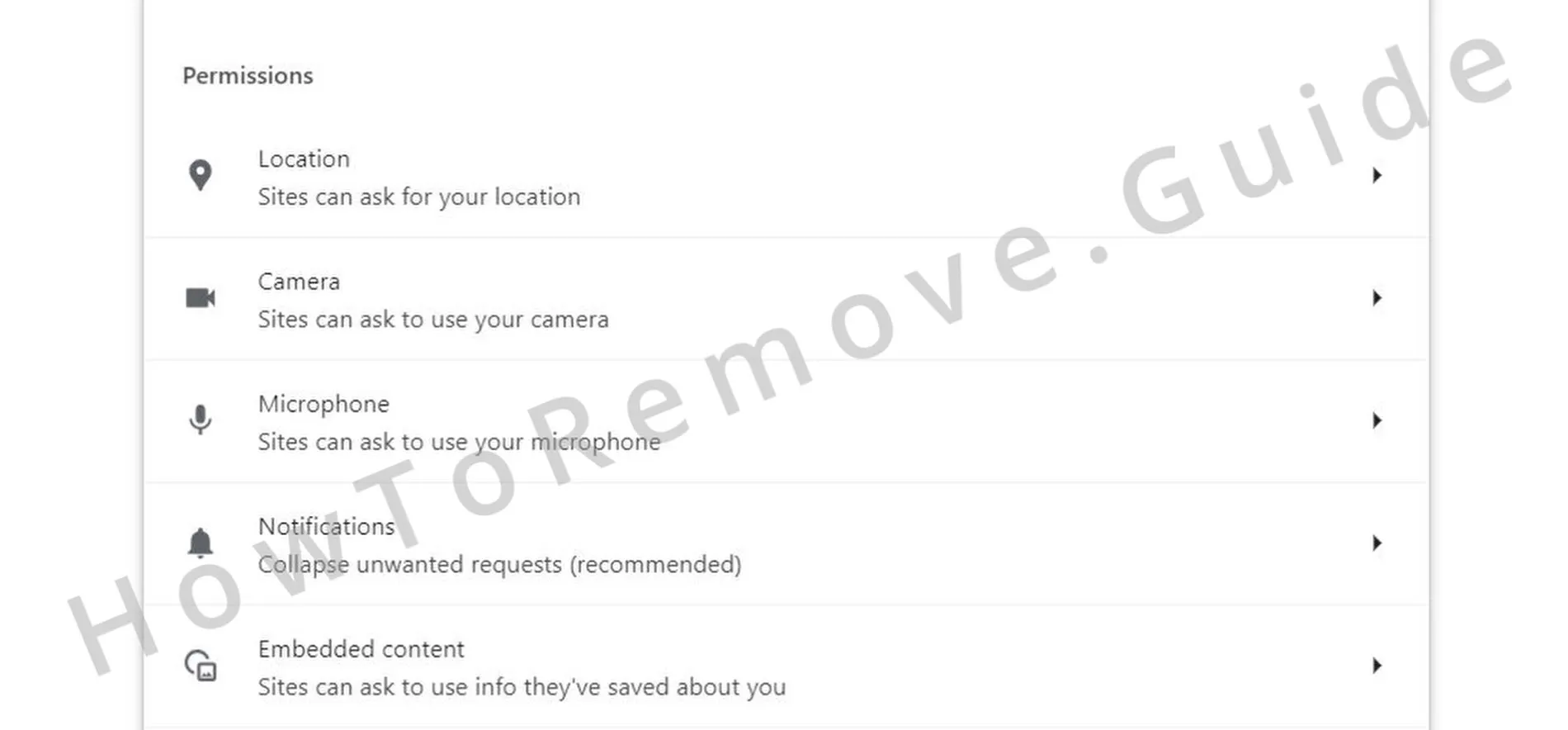 Tighten per-site control. Under Privacy and security → Site settings, revoke permissions for domains you do not recognize. Revisit Notifications, Pop-ups and redirects, Background sync, and Automatic downloads, which are frequent persistence pathways. Set stricter defaults if prompts keep appearing.
 - 4.4
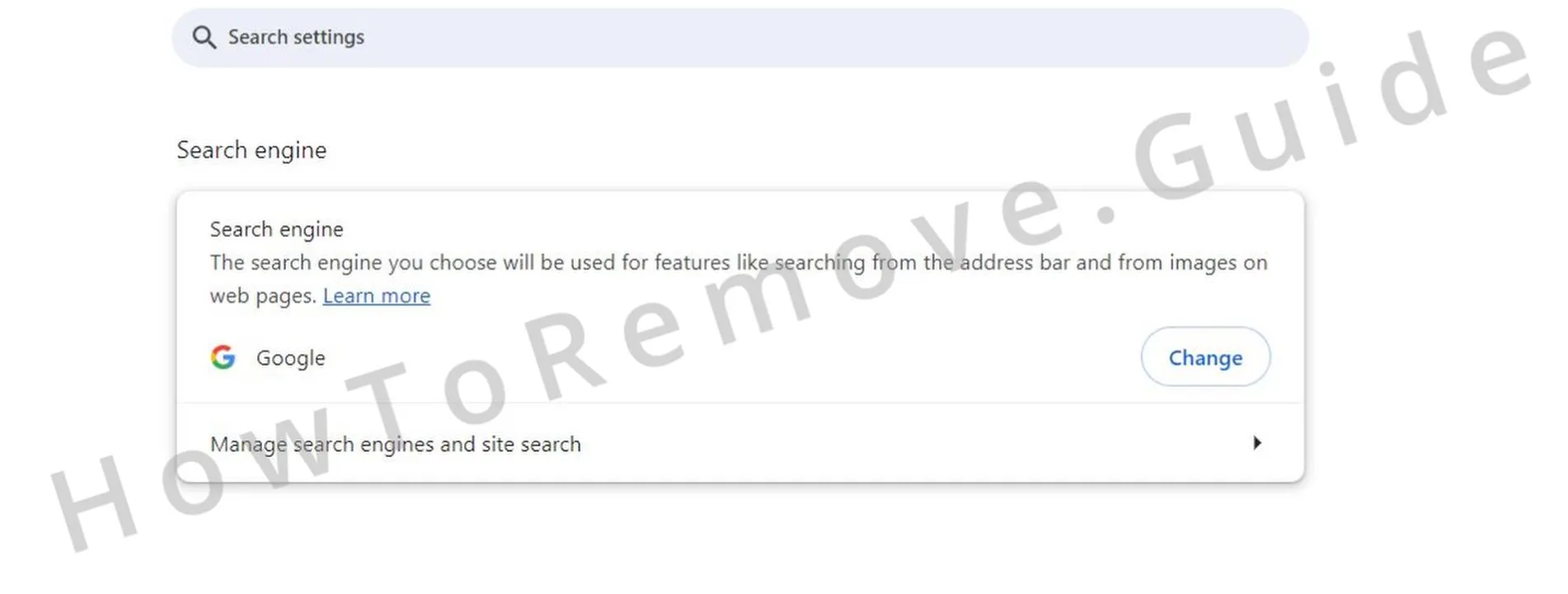 Restore a trusted search. Go to Search engine settings → Manage search engines. Remove providers you didn’t add and set Google, Bing, or DuckDuckGo as default. Verify that the address bar and context searches both use the same provider if your browser separates them.
 - 4.5Finally, stabilize startup behavior. In On startup or Appearance, remove unfamiliar pages and assign a homepage you trust. If unwanted pages return, use the browser’s Restore settings to their original defaults, then reapply preferences and confirm the change survives a reboot before turning sync back on.
If anything reappears, repeat the policy pages review, confirm Group Policy templates are gone, and check for additional local profiles. One extra verification pass now prevents regressions and keeps your browsing environment stable.
