

So here’s what’s been happening: you’ve run your antivirus, maybe even the built-in Windows malware removal tool, and they’re both telling you everything’s clean – no threats found. But your browser? It keeps crashing. You go digging and spot this shady folder: C:\ProgramData\bitsearchdefender_update. Every time you delete it or try to remove the extension, it just comes back. That’s your red flag. This isn’t some harmless bug – Bitsearchdefender is a persistent browser hijacker that knows how to dodge detection. Bitsearchdefender hides in plain sight, reinstalls itself silently, and waits to break your browsing flow – usually just when you thought the problem was gone. And it’s not just Edge. Chrome, Firefox, even Brave users have reported similar chaos. If this sounds like your situation, don’t worry – you’re not going crazy, and you’re definitely not alone. Let’s walk through exactly what’s going on and how to finally get rid of it.
We tested that SpyHunter successfully removes Bitsearchdefender* and we recommend using it. It will block Bitsearchdefender from reinstalling itself and it will make sure your device is clean from any malware.
 Try Free For 7 Days*
Buy now15% OFF if you buy straight without trial.
 OFFER
OFFERBitsearchdefender Removal Tutorial
So here’s the deal – when you’re trying to get rid of something like Bitsearchdefender, people tend to dive in way too fast. That’s exactly what scammers want. You don’t need to go all-in right away. Just breathe, start small, keep it simple. Rushing just messes things up. Calm and steady really does work better.
Quick Steps to Remove Bitsearchdefender
- 1.1Open your web browser and head into the Settings panel.
In Chrome, click the three-dot menu at the upper-right corner.
In Firefox, locate the three-line menu in the same spot.
Find the Extensions or Add-ons section, which may be located in the sidebar or deeper under the settings menu. Examine everything listed. Identify anything that looks unfamiliar, especially tools that imitate legitimate plugins. - 1.2Go over the extensions with careful attention. Analyze the icons, names, permission levels, and detailed descriptions.
Fake or harmful add-ons frequently disguise themselves with names or graphics resembling popular tools. If you notice something questionable, click Remove right away.
If uncertain, search for the full extension name using quotation marks online – you’ll likely find user experiences or reports if it’s a known threat. - 1.3In the settings, go to Privacy and Security, then locate Site Permissions, often found in the advanced section.
This area shows which websites can access features like your camera, mic, location, or notification settings.
Go through each one and disable permissions for sites you don’t clearly remember approving. - 1.4Any entries granting access without your knowledge should be deleted immediately.
This cuts off the site’s ability to affect your browser, send alerts, or trigger forced redirects.
When you’re done, close the browser and restart it to finalize your updates and lock in a safer configuration.
If Bitsearchdefender is gone after these initial steps, great – you may have handled it already. If not, the threat likely runs deeper. Continue to the next stage. Follow through completely for full removal.
SUMMARY:
| Name | Bitsearchdefender |
| Type | Browser Hijacker |
| Detection Tool |
Some threats reinstall themselves if you don’t delete their core files. We recommend downloading SpyHunter to remove harmful programs for you. This may save you hours and ensure you don’t harm your system by deleting the wrong files. |
How to Remove the Bitsearchdefender Virus
You ever see that weird “Managed by your organization” thing in your browser? Yeah – that’s probably Bitsearchdefender under the hood. It’s not just some dumb plugin either. Regular tools won’t cut it now. This thing gets in deep using admin tricks. At that point, you need to hit back harder and clean thoroughly.
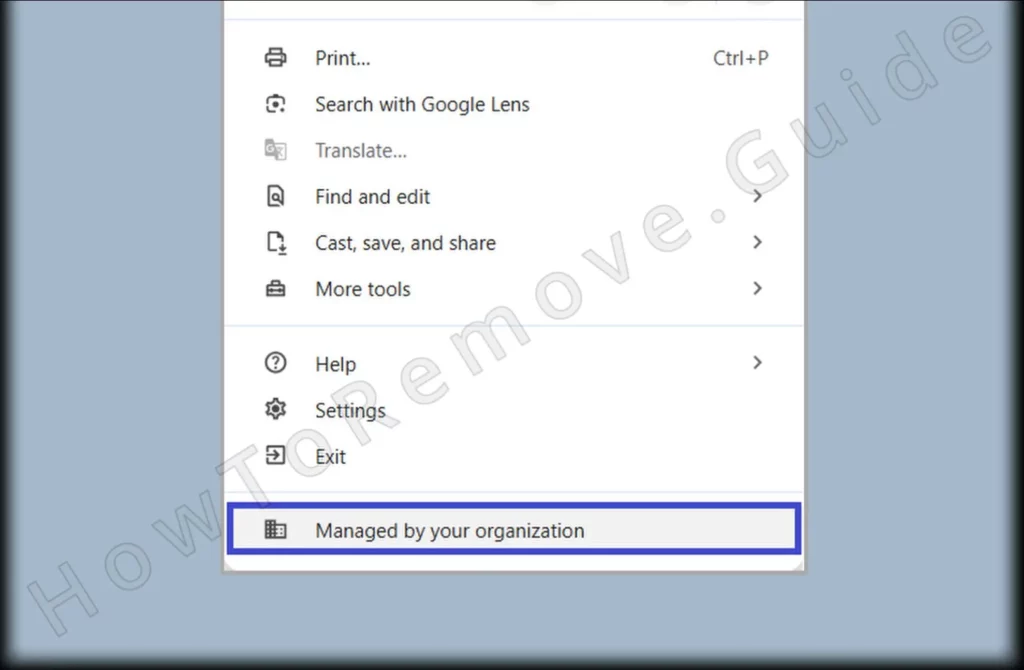
1. Identify the Bitsearchdefender Policies
-
1.1
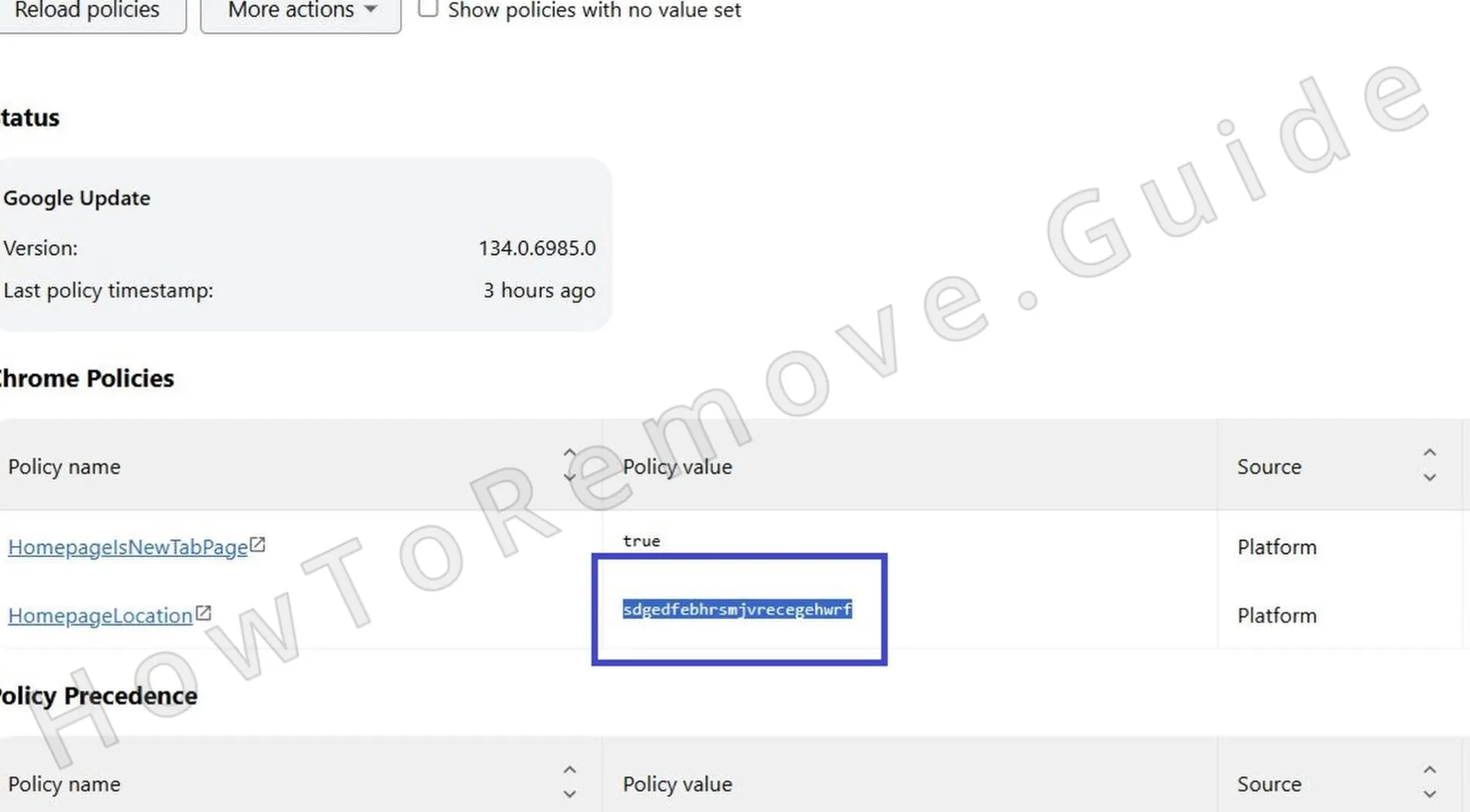 To view browser-level policies, type the corresponding command in your browser’s address bar:
In Chrome:chrome://policy
In Edge:edge://policy
Wait for the list to load fully. Look through each item, especially those that seem technical, unexplained, or unrelated to your use. - 1.2Inspect each policy entry carefully.
Keep an eye out for odd names, coded strings, or meaningless identifiers – Bitsearchdefender often uses vague or random-looking entries to avoid detection.
Take note of anything unusual. You’ll need this reference shortly. - 1.3Next, open the browser’s Extensions menu and switch on Developer Mode (there’s a toggle in the top-right).
This reveals critical details like installation paths and extension IDs, which are necessary for the manual cleanup you’ll perform next. - 1.4If the Extensions screen is disabled or not showing properly (potentially blocked by Bitsearchdefender), use File Explorer to manually navigate through your computer’s directory instead.
-
1.5
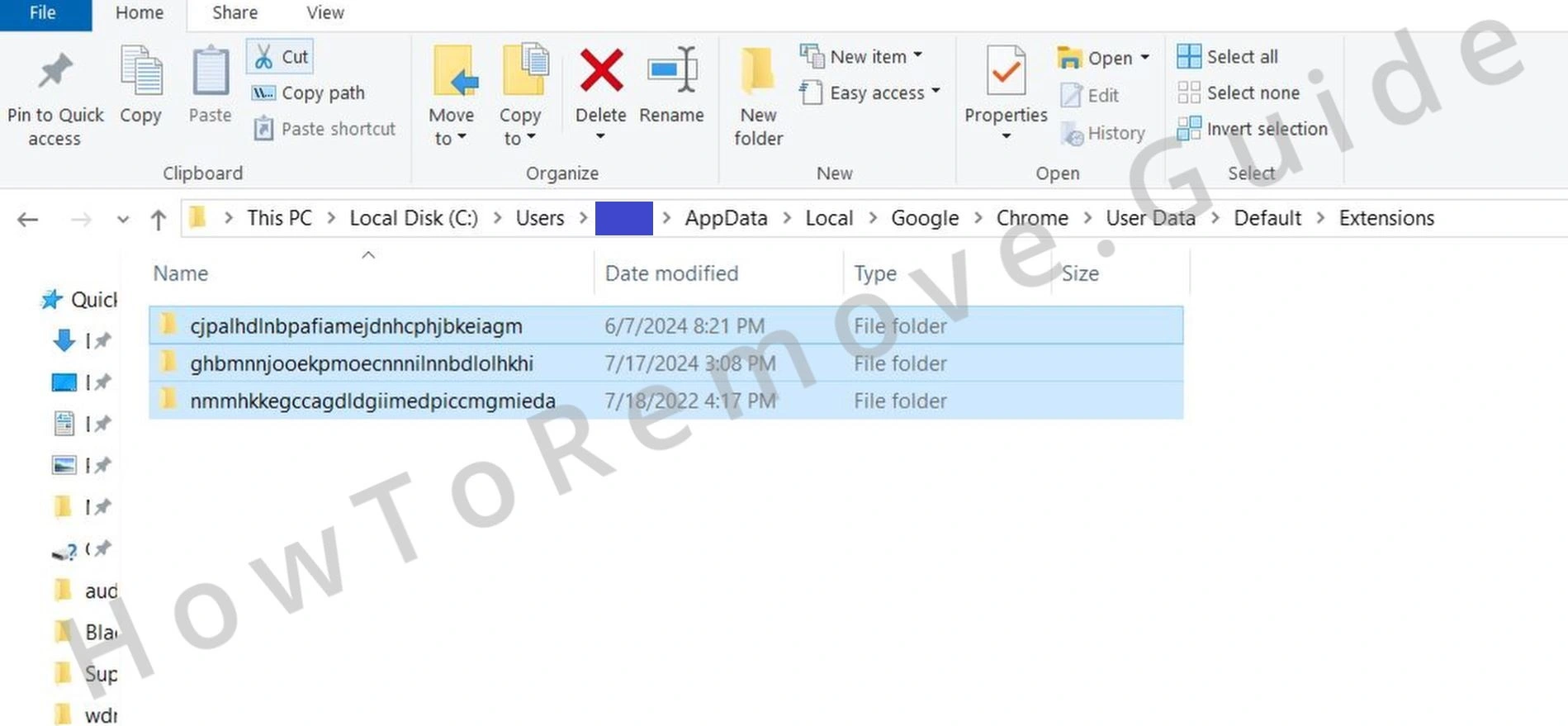 Open File Explorer and go to the following folder:
C:\Users\[Your Username]\AppData\Local\Google\Chrome\User Data\Default\Extensions
Each subfolder represents a different extension and is named using its unique ID. Match these against your earlier notes to identify which folder corresponds to Bitsearchdefender. Be careful not to confuse it with legitimate tools. - 1.6
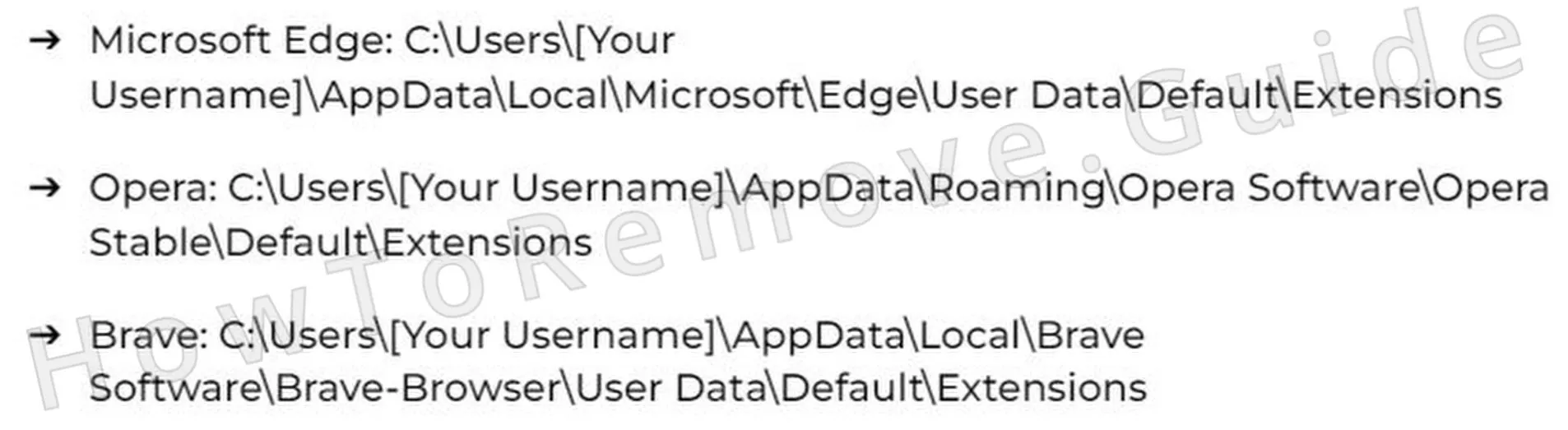 If you’re on another Chromium-based browser such as Brave or Opera, their extensions will be stored in a similar path inside AppData.
Locate the directory, match the extension IDs, and delete any folder that aligns with the ones tied to Bitsearchdefender. - 1.7Once the malicious folder is deleted, return to the Extensions screen with Developer Mode still active.
Ensure the suspicious extension is no longer present. If it shows up again, remove it once more. Make sure there’s nothing left that could allow Bitsearchdefender to return via hidden scripts.
Get Rid of Bitsearchdefender Policies
Now this is where it gets risky – Bitsearchdefender hiding in your Registry is serious business. If you mess with the wrong thing, you could screw up your whole system. Unless you know what you’re doing, don’t even go there. Use a safe tool instead. Honestly, that’s what works. Safer, smarter, and no regrets later.
2. How to Delete Bitsearchdefender Policies Through the Registry
-
2.1Press Windows + R, type
regedit, and press Enter to launch the Registry Editor.
Before making any changes, go to File > Export to create a backup of the registry – a safety precaution in case something goes wrong. - 2.2Press Ctrl + F or use Edit > Find, then enter any policy name or extension ID from your earlier investigation.
Click Find Next and remove every entry that matches. Do this across the major registry folders to completely eliminate traces of Bitsearchdefender. -
2.3
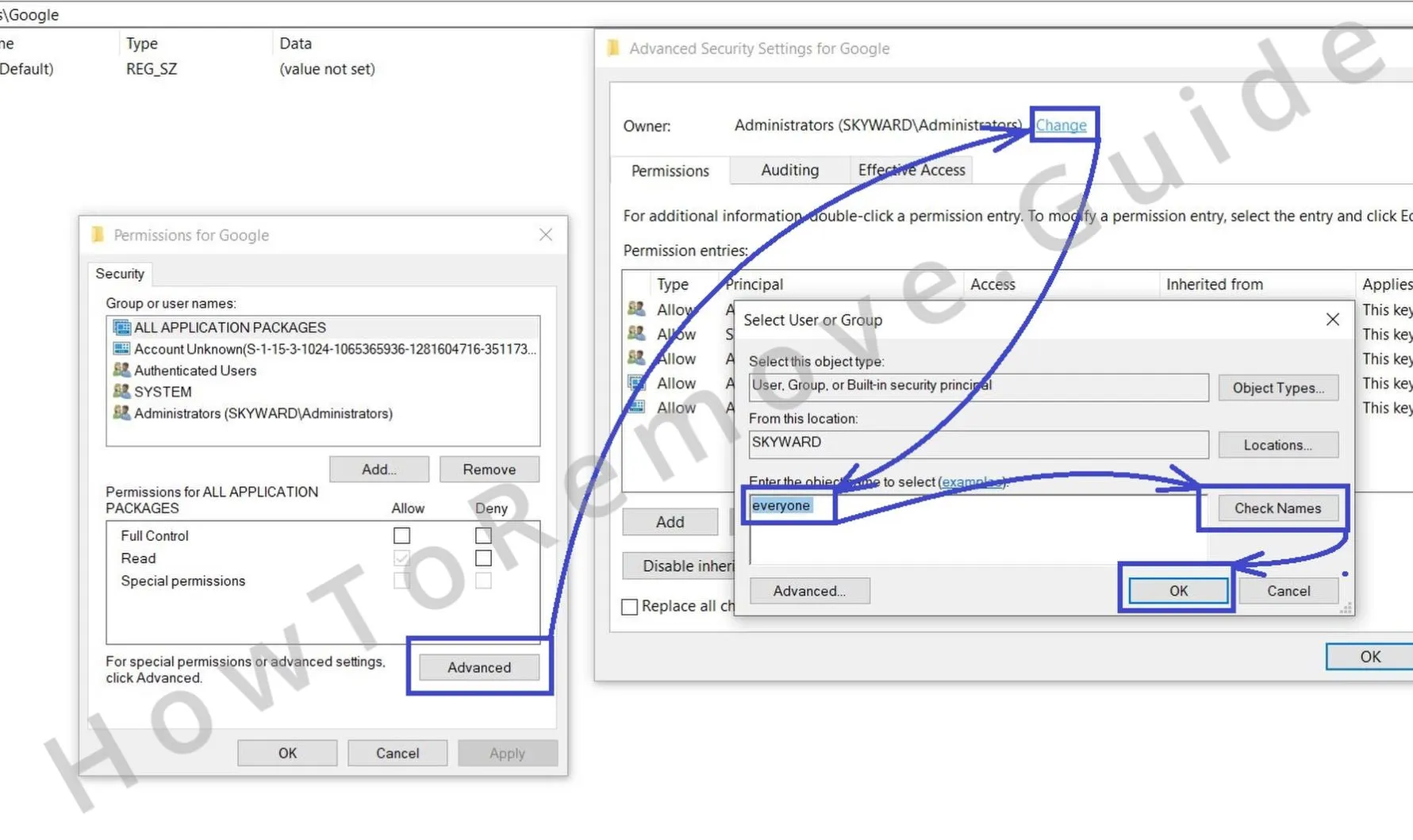 If a registry key won’t delete, right-click it and select Permissions, then hit Advanced.
Under the Owner section, click Change, typeEveryone, click Check Names, and confirm.
You now have permission to delete protected keys. - 2.4
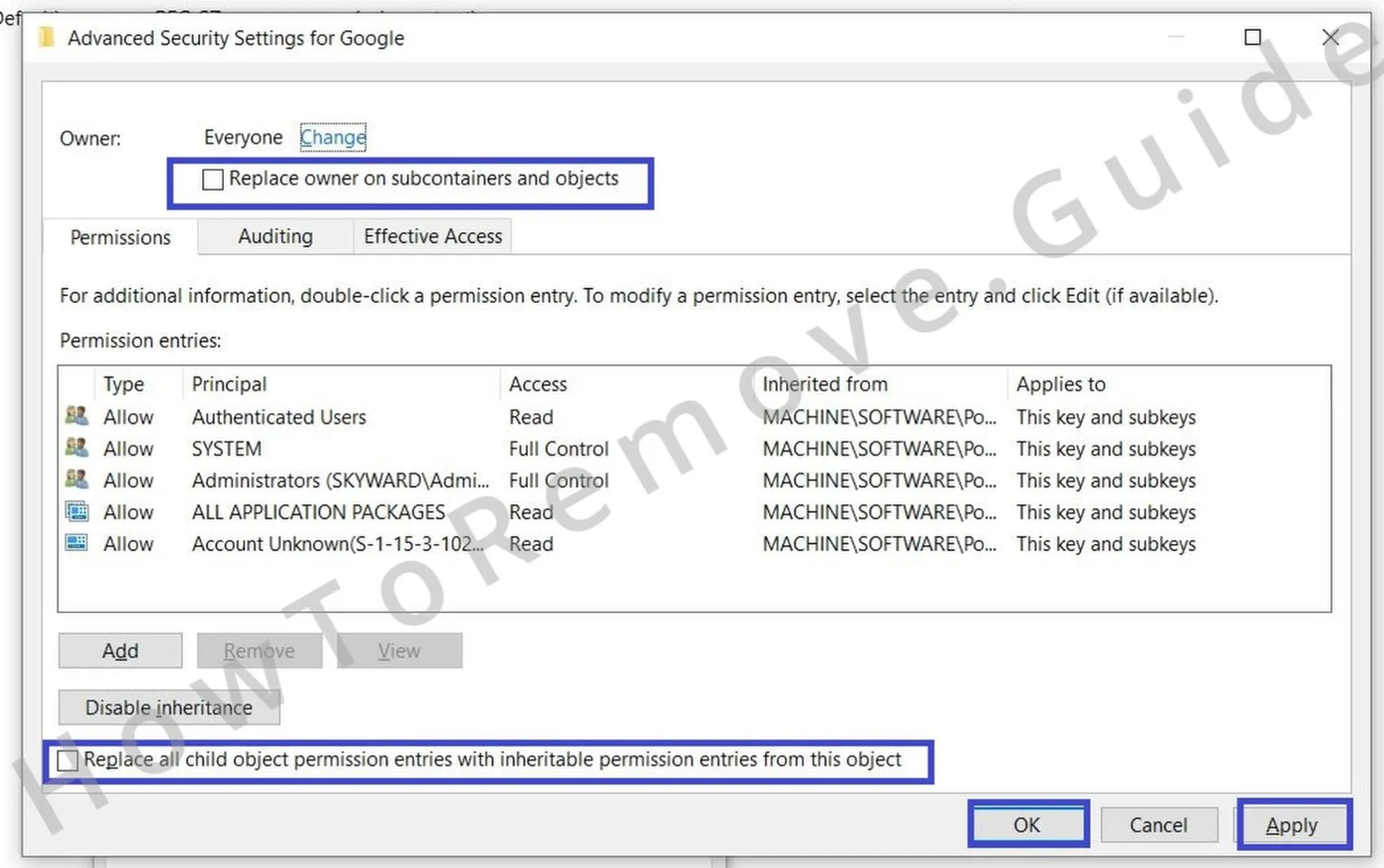 Enable the checkboxes for Replace owner on subcontainers and objects and Replace all child object permission entries.
Click Apply, then OK to confirm your changes. Restart your computer and recheck the browser to confirm the “Managed by your organization” alert has been removed.
This gives you the access needed to delete the rogue key.
Alternative Tools to Delete Bitsearchdefender Policies
Look, sometimes Bitsearchdefender just refuses to go quietly. That’s what it’s built to do. You’ll think you’ve nailed it, but nope – still there. Don’t guess, don’t freak out. You just need to go step by step, double-check everything, and keep moving forward. If you stay sharp and stick with it, you’ll beat it.
3. Other Ways to Get Rid of Bitsearchdefender Policies
- 3.1
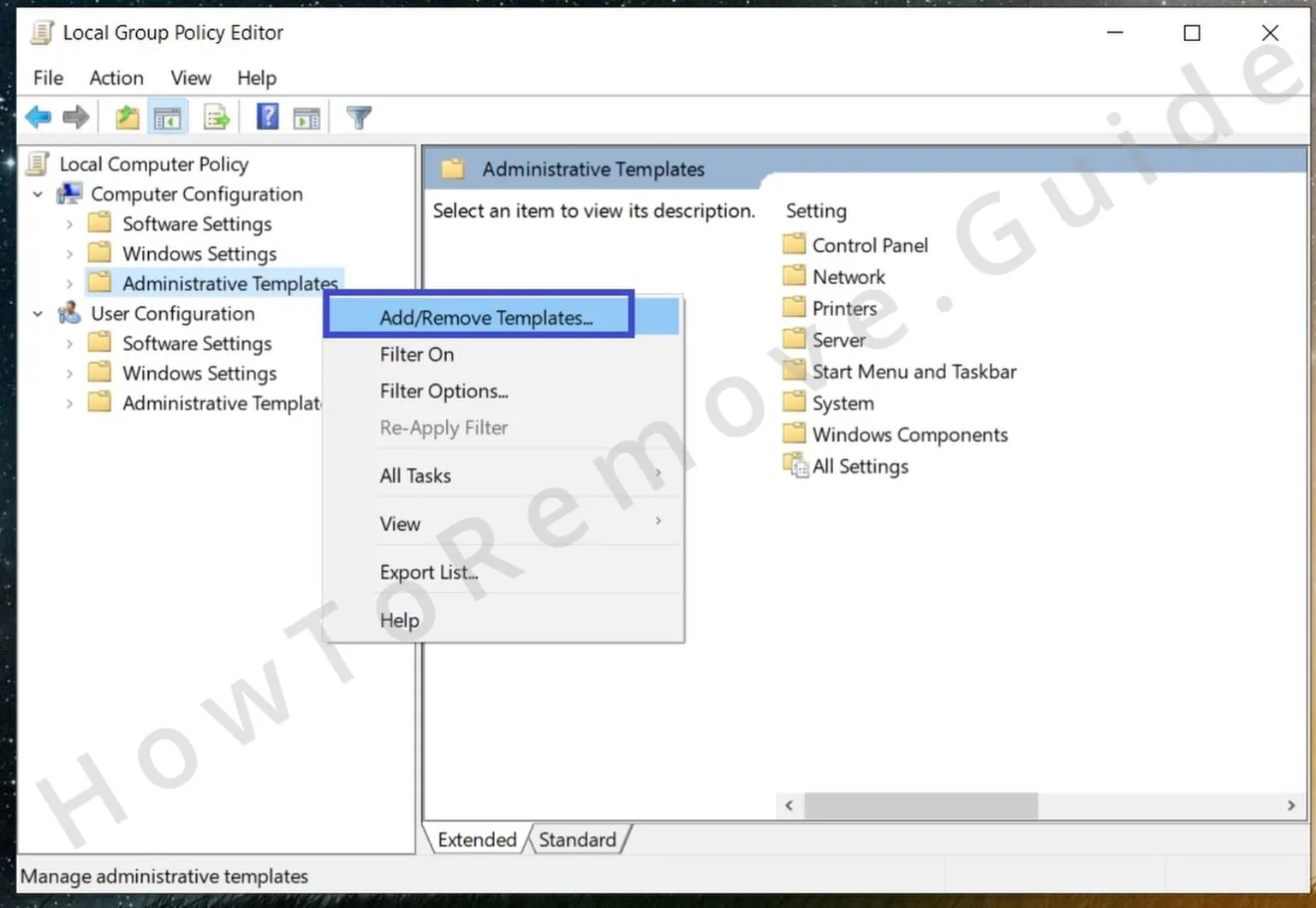 Press Windows + S, search for Edit Group Policy, and launch the Group Policy Editor.
In the left-hand menu, open Administrative Templates – this is often where policy-level changes made by Bitsearchdefender are stored. - 3.2
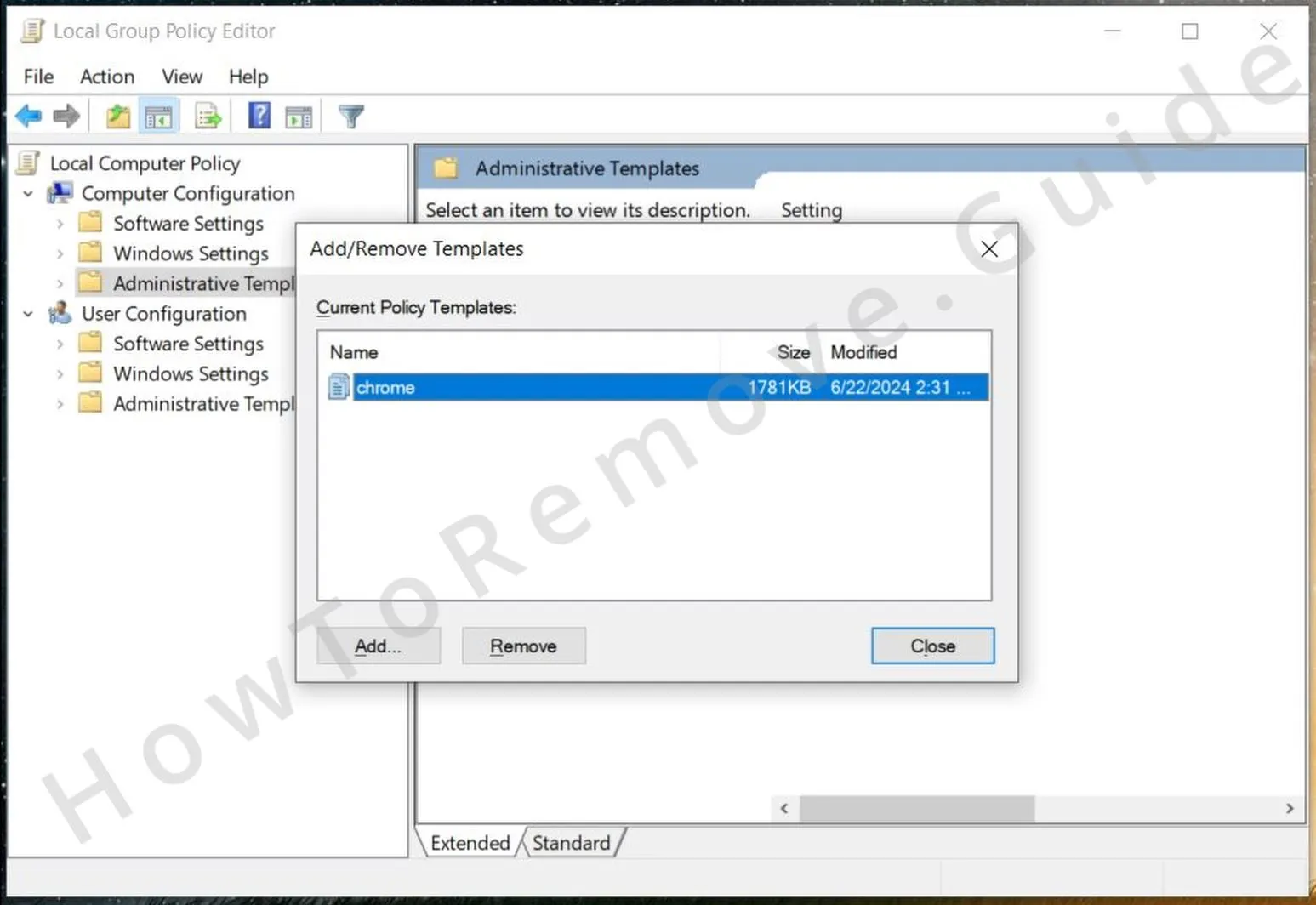 Right-click on Administrative Templates and choose Add/Remove Templates.
Remove any templates you don’t recognize. This may undo restrictions or settings Bitsearchdefender had placed at the system level. - 3.3For Chrome users, you may use the Chrome Policy Remover – a standalone tool that scans and clears hidden policies.
Download it from a safe source, then right-click and choose Run as administrator so the tool has the right level of access. - 3.4If security software warns you about running the tool, click More Info, then Run Anyway – but only if you’re confident about its source.
Once the cleanup completes, reboot the system and check both Group Policy and the Registry Editor to ensure no remnants of Bitsearchdefender remain.
Uninstall Bitsearchdefender From Chrome, Edge, and Other Browsers
Here’s the trap – Bitsearchdefender looks like it’s gone, but it isn’t. That’s how they get you. You relax, stop checking, and bam – it’s back. Seen it a dozen times. One missed setting is all it takes. Go back through every piece. Every tab. Every setting. This is when most people slip. Don’t.
4. How to Remove Bitsearchdefender From Your Browser
- 4.1Go back to your browser’s Extensions or Add-ons list and inspect it thoroughly.
If you see any suspicious entries – or if something you removed has reappeared – remove it again.
Bitsearchdefender can reinstall itself via synchronization settings or background scripts. - 4.2
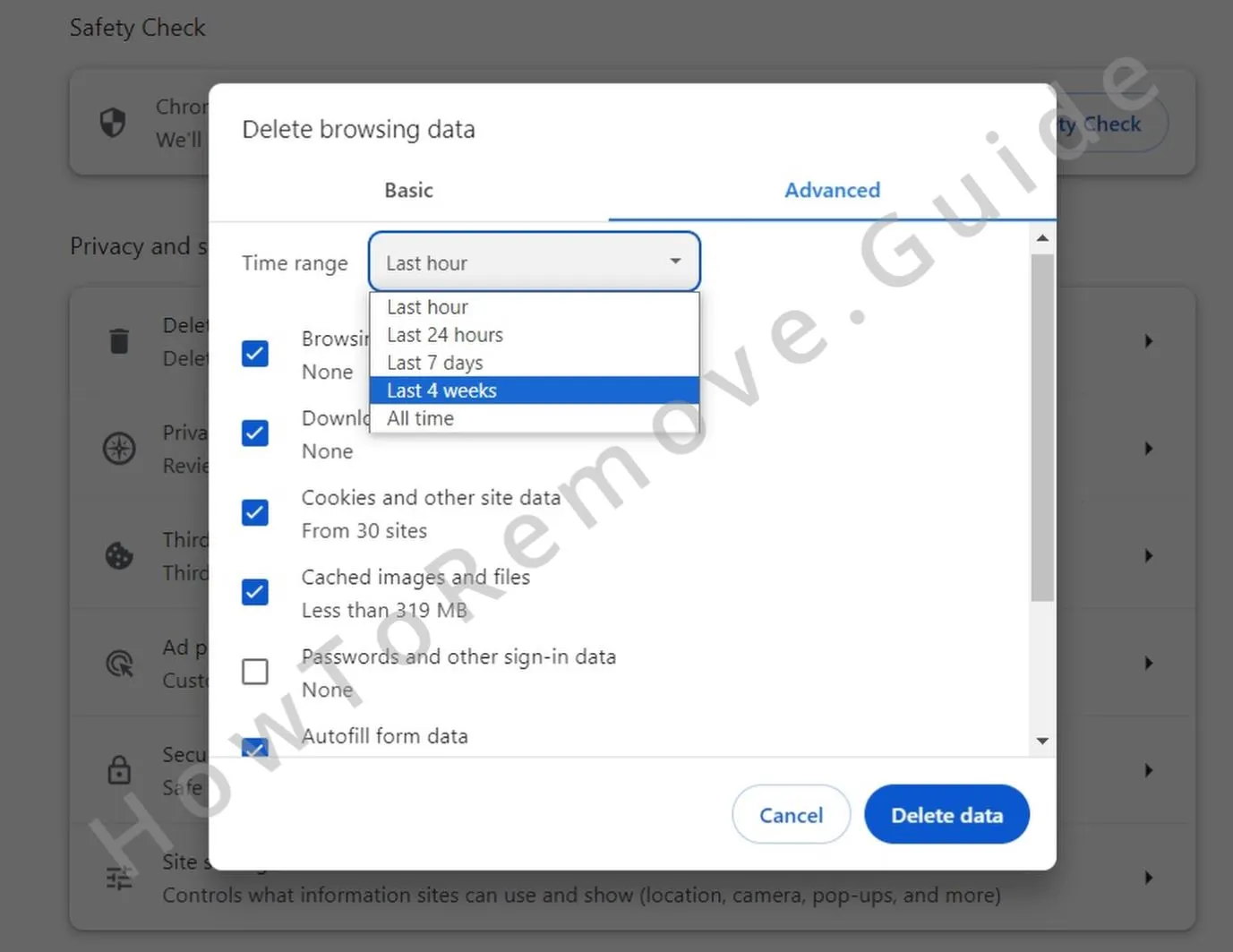 Access Clear Browsing Data through your browser’s settings.
Set the time range to All Time and check every category except Saved Passwords.
Press Clear Data to remove cached files, cookies, and leftover code that Bitsearchdefender might use. - 4.3
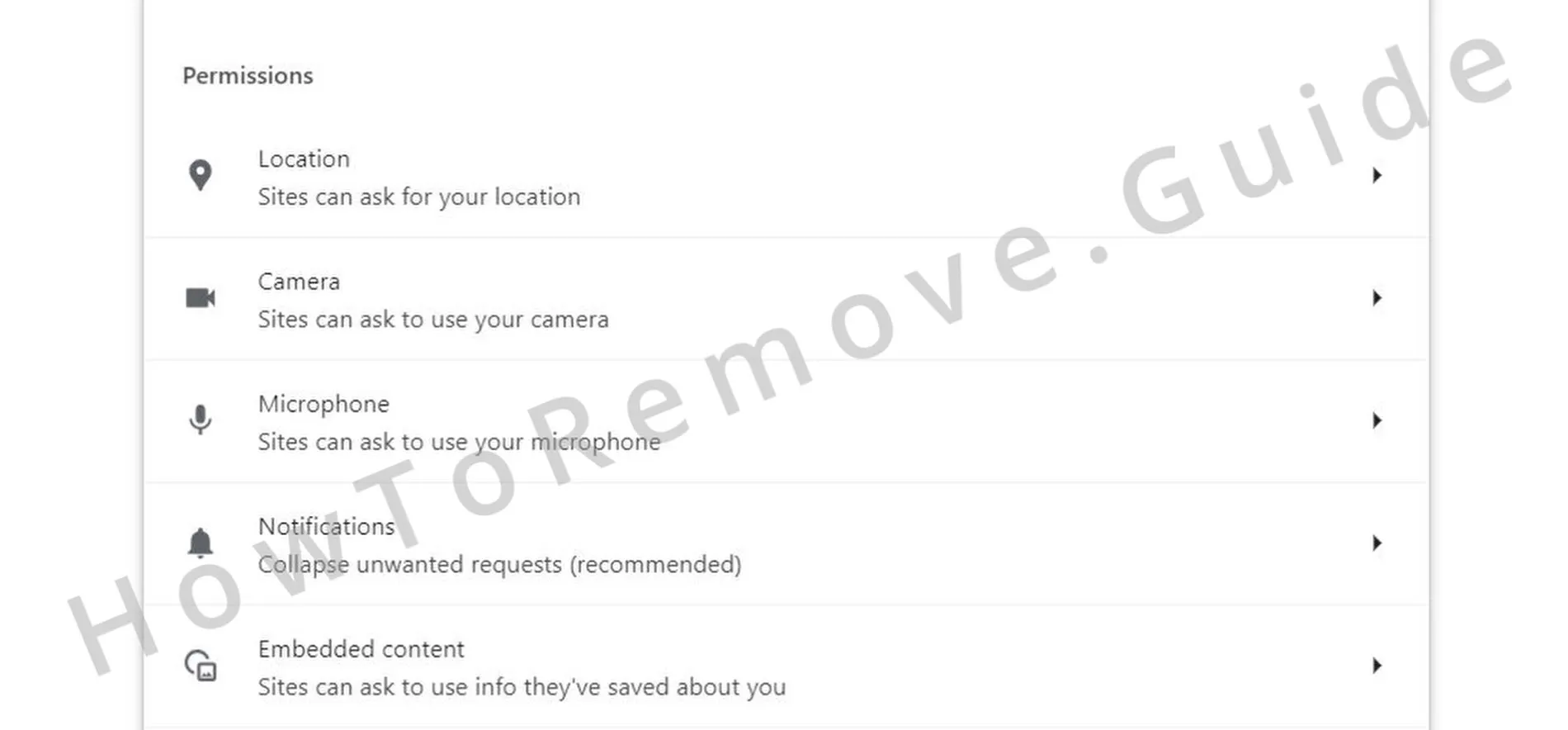 Within Privacy and Security, navigate to Site Settings.
Audit permissions for microphone, camera, and notifications.
Block or delete any sites that don’t look familiar or that you didn’t explicitly authorize. - 4.4
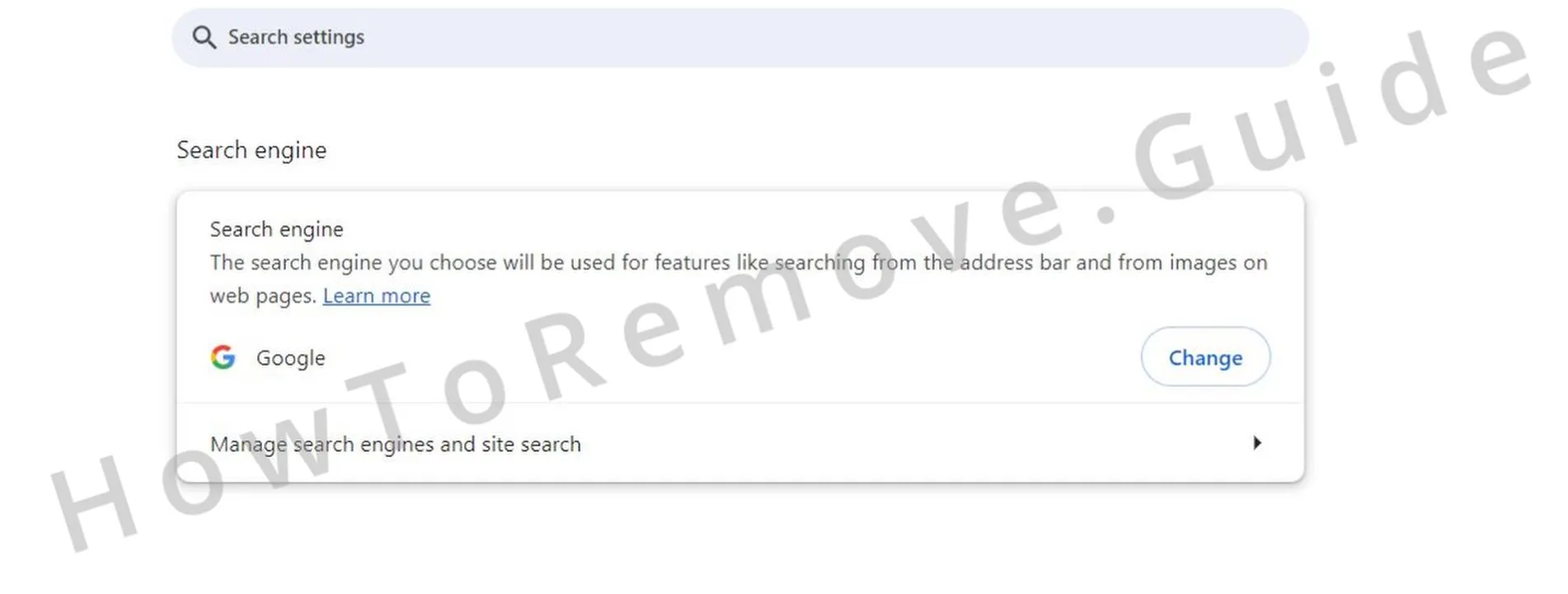 Head into Search Engine Settings, then open Manage Search Engines.
Eliminate unknown or suspicious search providers. Set your default engine to a trusted one such as Google, Bing, or DuckDuckGo. - 4.5Finally, review the On Startup and Appearance settings.
Remove any unexpected URLs that might be set as your homepage or new tab. Replace them with secure, familiar pages to prevent Bitsearchdefender from hijacking the browser again.
