

If your browser started acting up right after installing a free app or clicking a sketchy prompt in your browser, then you may be dealing with a hijacker like Cryptospannet.com.
These annoying and sometimes malicious components piggyback via bundled installers, shady extensions, or deceptive permission prompts that trick you into clicking “Allow.” I’ve seen this trick a hundred times with other hijackers like Trojanguard.ru.com and Adclickad.com: a handy-looking tool or a legit-seeming site asks for a small permission, you grant it, and suddenly your searches redirect, new tabs open to ad farms, and fake security alerts appear on your screen (even with your browser closed!).
That one click hands control to Cryptospannet.com, which changes your homepage, forces a dodgy search engine, and floods you with pop-ups designed to scare or entice. Don’t blame your OS yet – blame the consent you gave.
But most importantly, don’t interact with the hijacker’s content and follow the cleanup steps below to reclaim your browser. I’ll walk you through each step, hand-holding included, quickly. Or if you just want to be done with it in a couple of minutes and a couple of clicks, try the SpyHunter 5 removal tool for a quicker, safer removal.
We tested that SpyHunter successfully removes Cryptospannet.com* and we recommend using it. It will block Cryptospannet.com from reinstalling itself and it will make sure your device is clean from any malware.
 Try Free For 7 Days*
Buy now15% OFF if you buy straight without trial.
 OFFER
OFFERCryptospannet.com Removal Tutorial
Work in a steady sequence and record every action. Start with visible browser checks before deeper remediation to avoid masking the source. This measured approach helps because Cryptospannet.com often alters ordinary controls; rushing through toggles can preserve its choices instead of clearing them.
Immediate Actions to Clear Cryptospannet.com
- 1.1Open your primary browser and go to Settings → Extensions (or Add-ons). Look for items connected to Cryptospannet.com. In Chrome, open the ⋮ menu; in Firefox, use the ☰ menu. Focus on entries you don’t remember adding.
- 1.2When an add-on looks suspicious, review its name, icon, permissions, and description. Imposters often differ by a single character. If unsure, select Remove. Searching the exact name in quotes can reveal reports or vendor notices.
- 1.3Pop-ups and redirects usually depend on site-level privileges. Open Privacy and security → Site permissions (expand Advanced if present). Check microphone, camera, location, notifications, plus clipboard and automatic downloads. Revoke anything you don’t recognize.
- 1.4Still seeing odd behavior? Remove unknown items, fully close the browser, and open it again so configuration files reload cleanly. A restart applies policy changes and clears cached scripts that try to persist after you edit permissions or extensions.
These first checks usually calm the browser. If issues continue, proceed to policy review and system-level cleanup.
SUMMARY:
| Item | Cryptospannet.com |
| Category | Browser Hijacker |
| Detection Tool |
We tested that SpyHunter successfully removes Cryptospannet.com* and we recommend downloading it. Manual removal may take hours, it can harm your system if you re not careful, and Cryptospannet.com may reinstall itself at the end if you don't delete its core files. |
How to Remove the Cryptospannet.com Virus
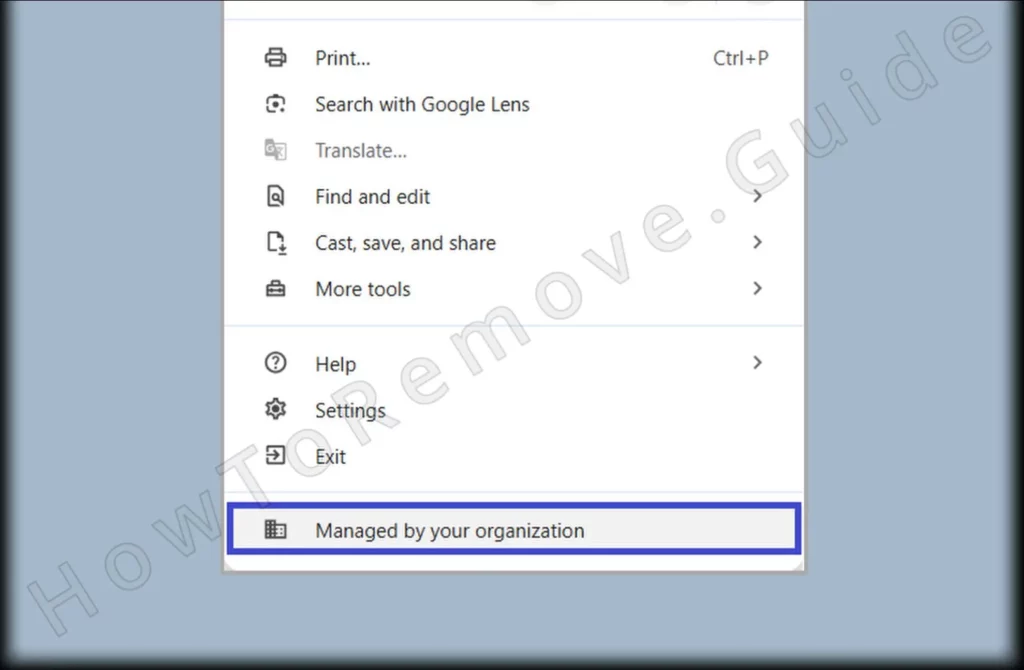
A banner that reads “Managed by your organization” means policies are dictating settings. When it appears, normal switches might not stick because startup rules reapply values. If this began after a recent install or update, Cryptospannet.com is likely using configuration rather than only an extension layer.
That message indicates administrative control is active. To maintain persistence, Cryptospannet.com often creates or edits policy entries that restore the same values after every reboot. The fix is to locate those entries, capture details, and remove their sources methodically so they cannot rebuild themselves.
1. Find the Cryptospannet.com Policies
- 1.1
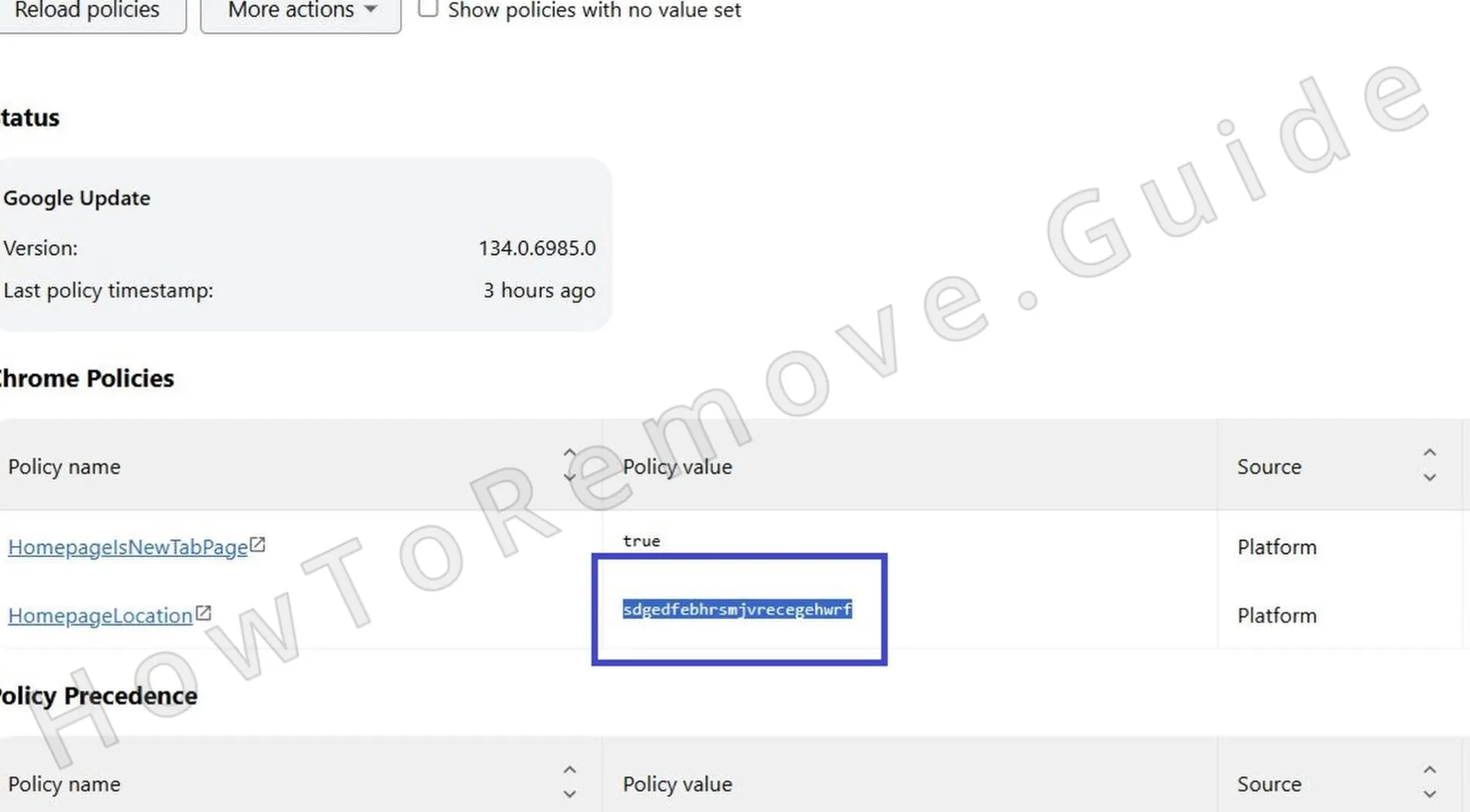 Verify whether policies reference settings you didn’t choose. In Chrome, open chrome://policy; in Edge, open edge://policy. After the list loads, read each name and description, flagging anything that could relate to Cryptospannet.com.
 - 1.2Be cautious with vague names; they can mask control of homepages, search engines, or forced extensions. Open each item to view keys, any URLs, and enforced preferences you never set. Record names and values or take screenshots to guide cleanup.
- 1.3If an extension looks suspect, open Extensions and enable Developer mode. This reveals the extension ID and sometimes the Install location. Note untrusted IDs; on disk, folders usually match these IDs.
- 1.4If the Extensions page is blocked by policy or redirects, treat that as confirmation and work outside the browser UI. Use File Explorer to inspect and handle files directly.
- 1.5
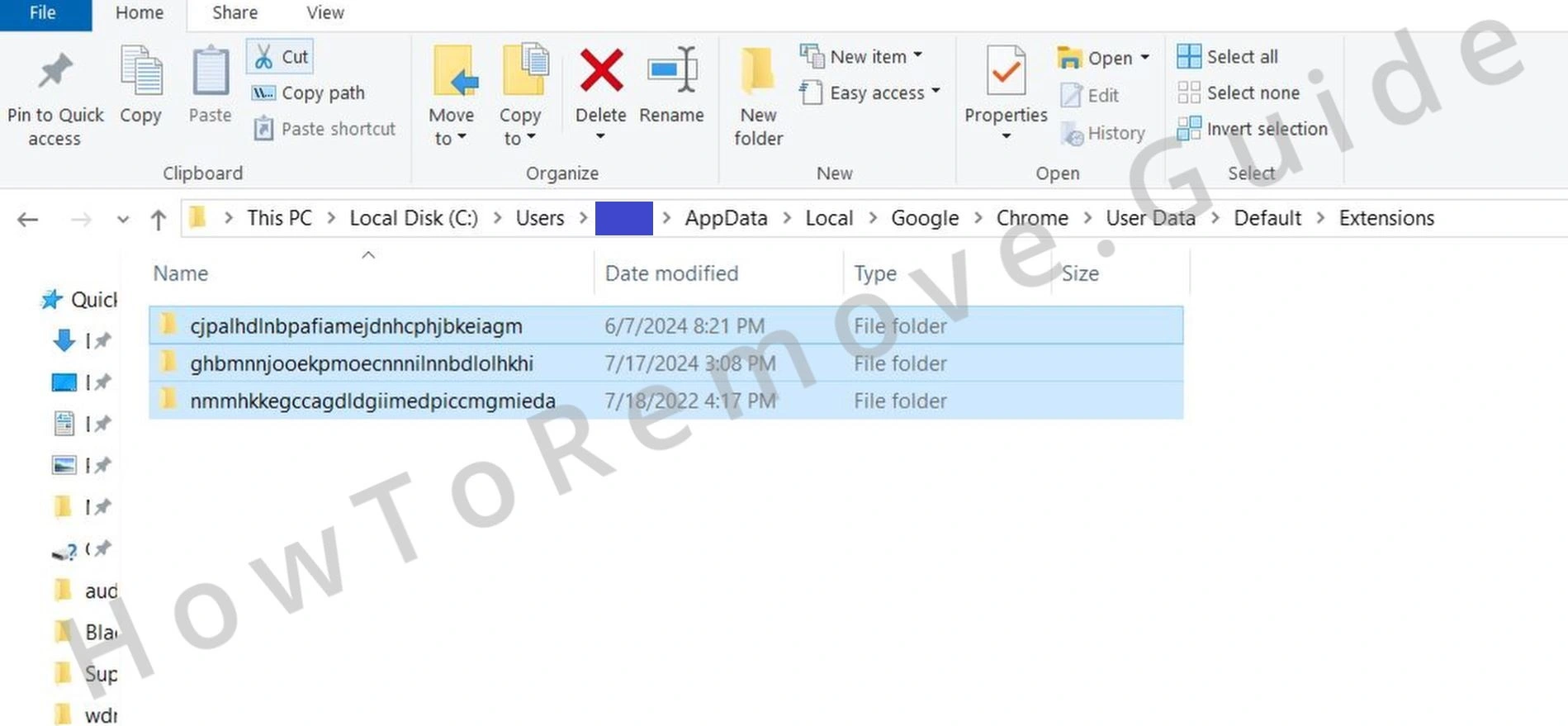 Open File Explorer and go to C:\Users
\AppData\Local\Google\Chrome\User Data\Default\Extensions . Each subfolder name is an extension ID. Compare against your list and delete only the folder that exactly matches the suspicious ID. If unsure, copy it somewhere else first as a backup. - 1.6
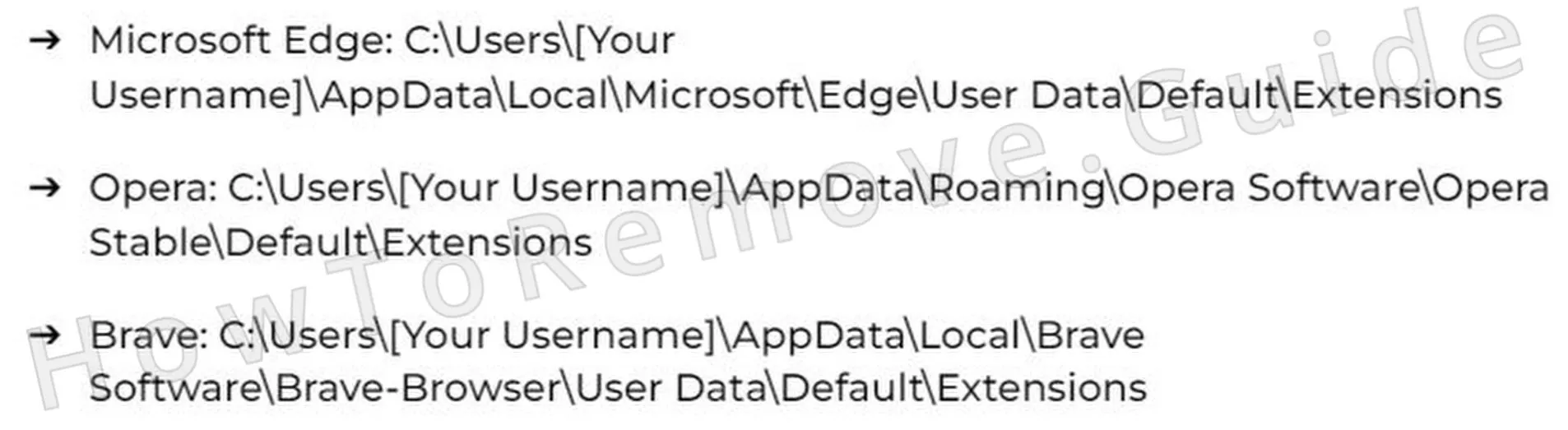 Using other Chromium-based browsers like Brave or Opera? Repeat the check in their AppData extensions folders and remove matching rogue directories there too. Sync or shared installers can quietly re-seed a removed extension.
 - 1.7Return to Extensions with Developer mode still on and confirm the bad entry is gone. If it reappears, temporarily disable account sync to block cloud reinstalls, and look for leftover policy files or scheduled tasks.
Check again after a restart.
We tested that SpyHunter successfully removes Cryptospannet.com* and we recommend using it. It will block Cryptospannet.com from reinstalling itself and it will make sure your device is clean from any malware.
Try Free For 7 Days*
Buy now15% OFF if you buy straight without trial.
Get Rid of Cryptospannet.com Policies
Changes in the Windows Registry require precision. A mistaken deletion can destabilize Windows, so create a backup and verify each action. Move carefully and log what you alter. Cryptospannet.com benefits from haste and missed branches; deliberate work prevents it from returning.
2. Delete Cryptospannet.com Policies via the Registry
- 2.1Before removing entries, open Registry Editor and export a full backup so changes linked to Cryptospannet.com can be reversed. Press Windows + R, type regedit, press Enter, then choose File → Export and save with today’s date.
- 2.2Identify targets: use Ctrl + F or Edit → Find to search for the suspicious extension ID or specific policy name you recorded. Delete each exact match, then press F3 to continue through other hits in all hives.
- 2.3
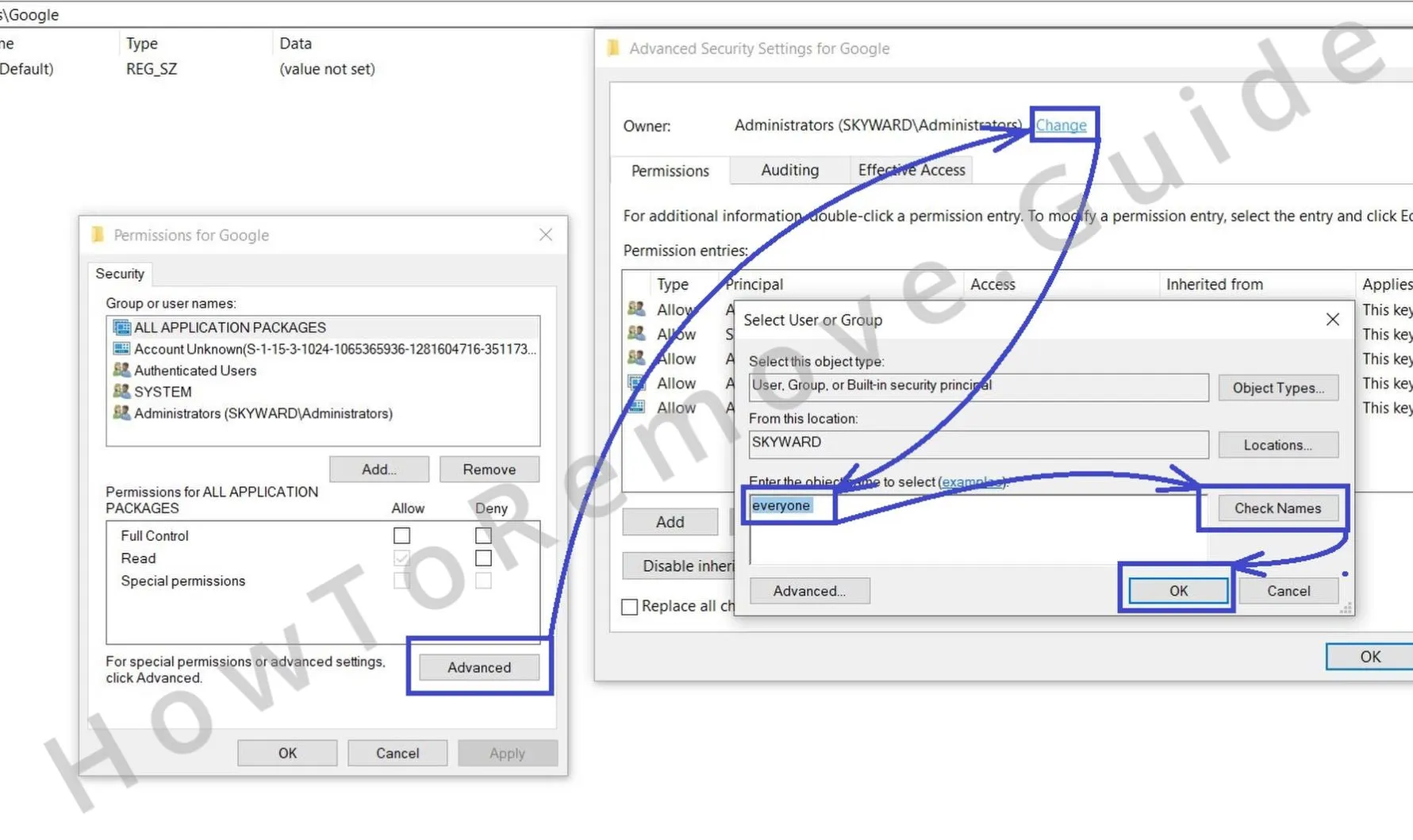 If access is denied while deleting a key, right-click it, choose Permissions, then Advanced. Click Change next to Owner, enter Everyone, select Check Names, and confirm with OK. With ownership set, adjust inherited permissions and remove the protected entries.
 - 2.4
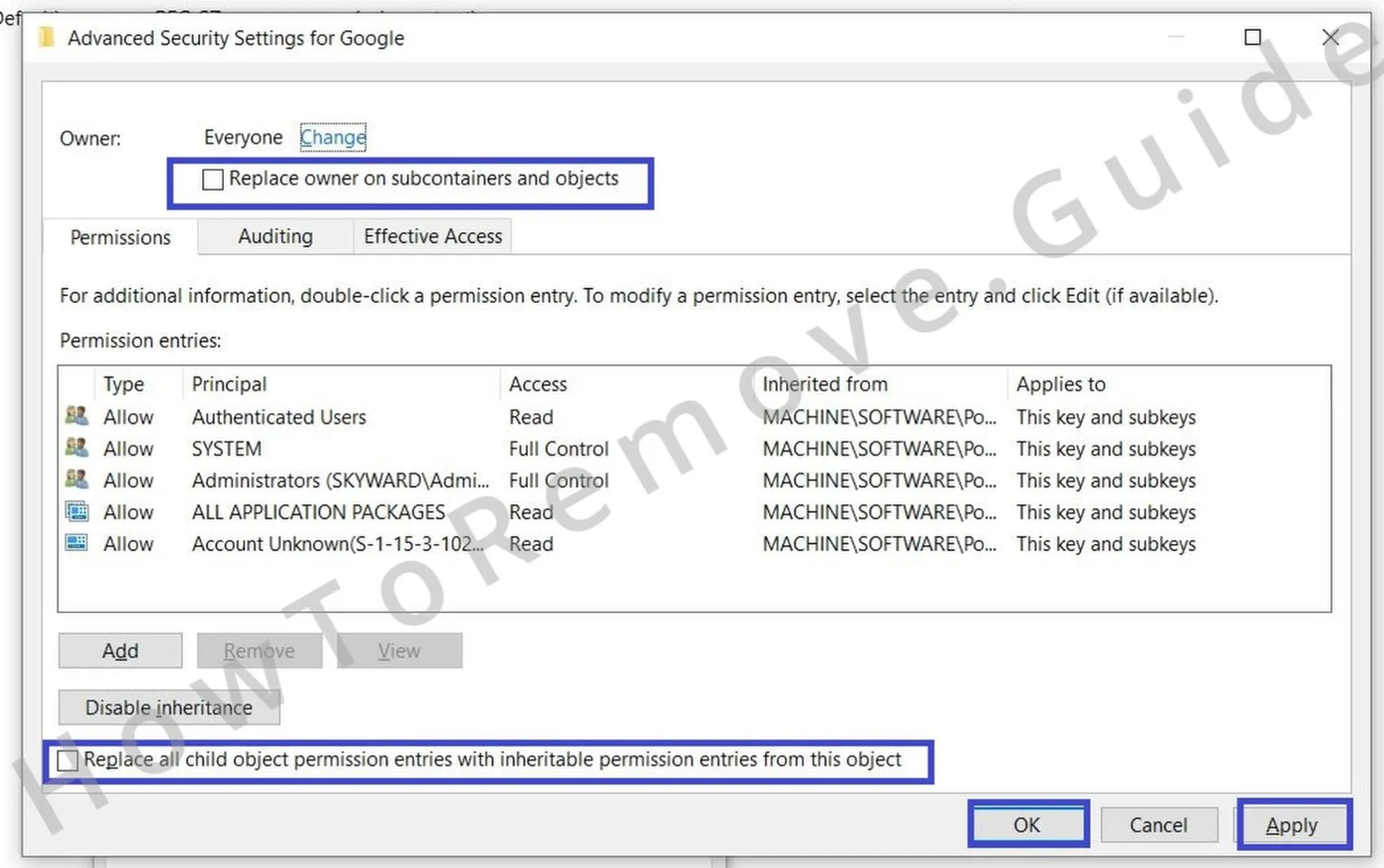 To apply control recursively, enable Replace owner on subcontainers and objects and Replace all child permission entries with inheritable permissions from this object. Apply, click OK, delete the stubborn key, then reboot. After restart, open the browser and confirm the “Managed by your organization” message is gone.
This procedure provides the access you need to delete stubborn keys and complete the policy cleanup.
Alternative Tools to Delete Cryptospannet.com Policies
Policies can reappear if local templates or helper utilities reapply them during startup. That does not always mean something was missed; a different layer may redeploy settings linked to Cryptospannet.com. Inspect every source until the browser no longer reports management and your edits persist across restarts.
3. Other Ways to Clear Cryptospannet.com Policies
- 3.1
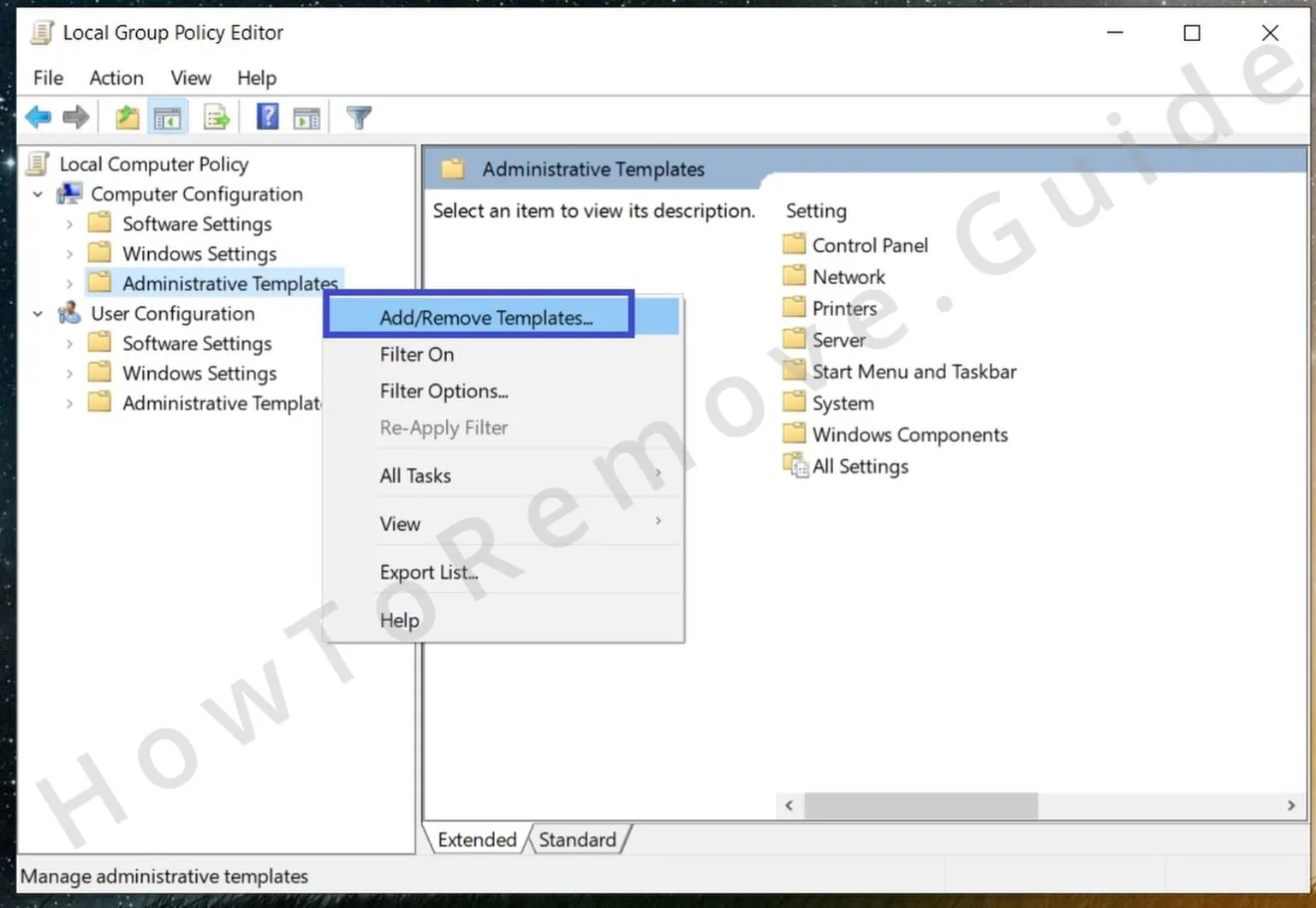 If local administrative templates are in play, check what is enforced for your account with Cryptospannet.com in mind. Press Windows + S, search Edit group policy, press Enter. Expand Administrative Templates and review configured items that affect browser behavior, such as startup pages and extension controls.
 - 3.2
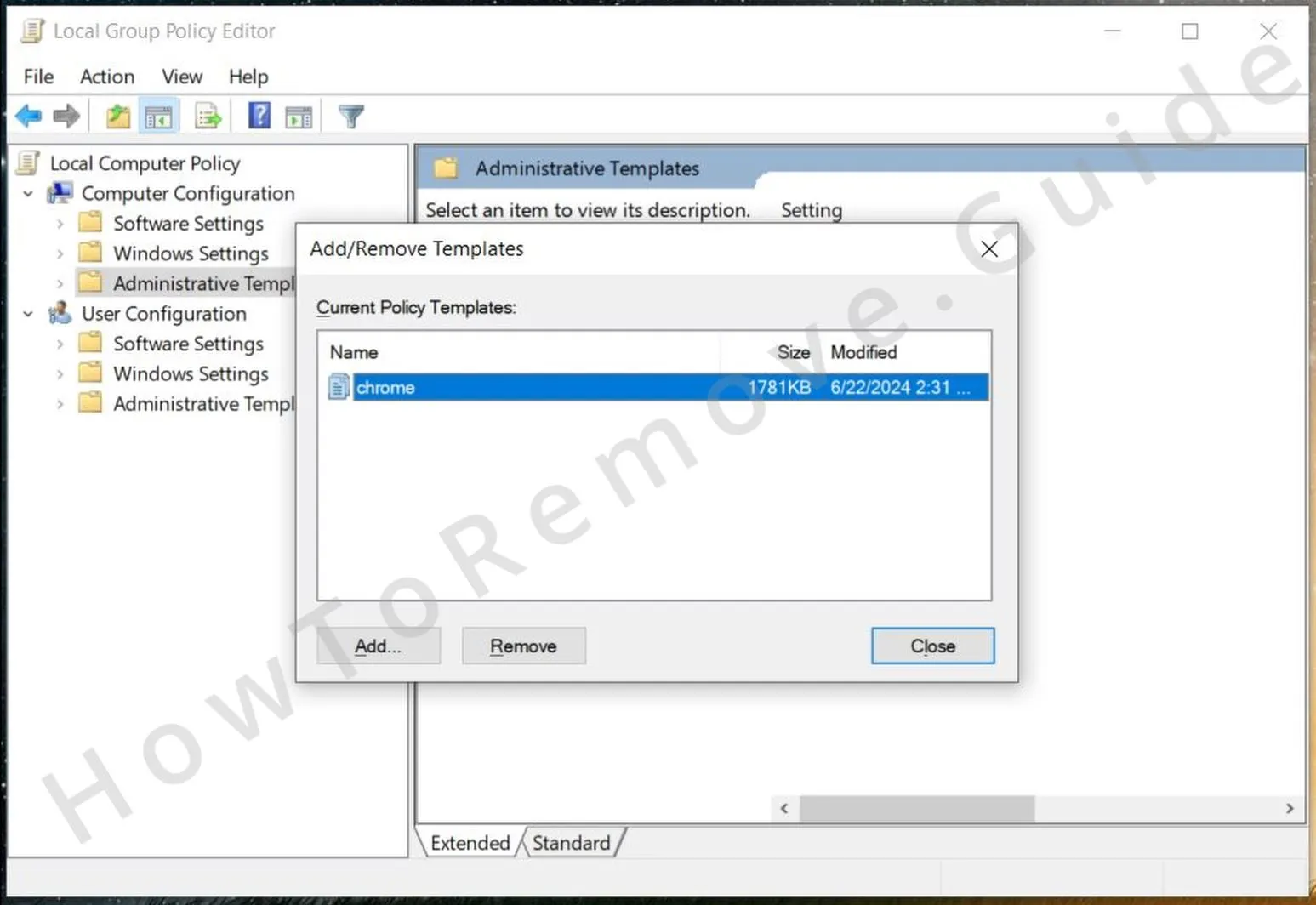 Find templates you didn’t add? Right-click Administrative Templates and choose Add/Remove Templates. Remove anything unfamiliar. Unwanted templates can create policy keys that quietly reconstruct restrictions after you delete them elsewhere.
 - 3.3For Chrome, the Chrome Policy Remover utility can reveal hidden or deprecated entries that standard views skip. Run it as an administrator so it inspects both user and machine scopes; user-only tools miss machine policies.
- 3.4You may see warnings from SmartScreen or your antivirus; select More info → Run anyway only if you trust the source. When finished, restart. Recheck the Registry and Group Policy Editor to confirm entries don’t repopulate and the managed banner is gone.
Uninstall Cryptospannet.com from Chrome, Edge, and Other Browsers
Even after policies are removed, cached data and account sync may silently restore unwanted changes. This final pass ensures your default search, startup pages, and permissions reflect your choices rather than remnants from Cryptospannet.com. Move through each area carefully to avoid re-seeding via sync or site storage.
4. Final Browser Checks to Remove Cryptospannet.com
- 4.1If add-ons come back after restarts, consider whether sync is restoring them alongside traces of Cryptospannet.com. Open Extensions/Add-ons, remove suspect entries, and temporarily disable account sync on every device linked to this profile. Turn it back on only after several clean sessions.
- 4.2
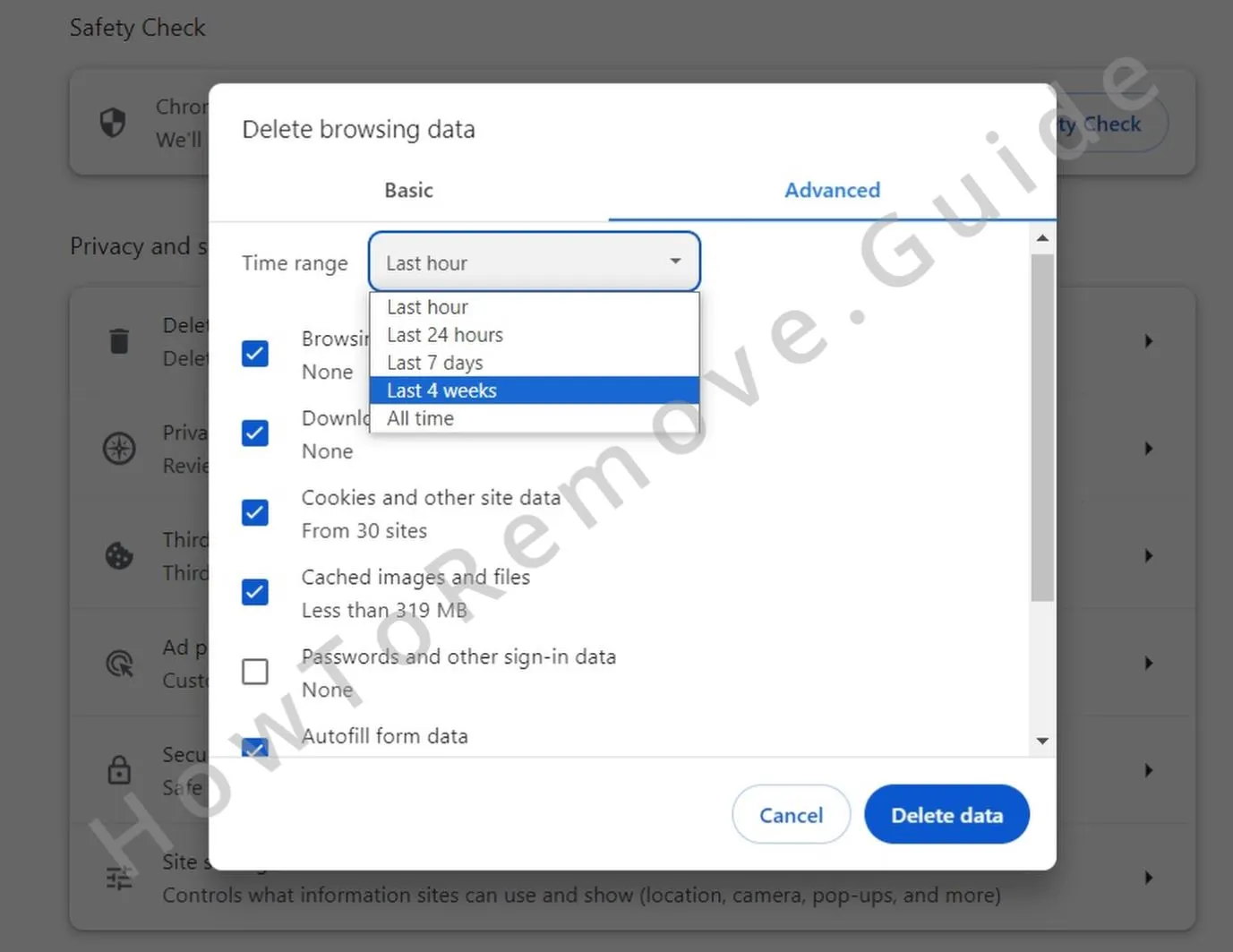 For repeated redirects, clear stored data so cached scripts cannot reload. Open Clear browsing data, choose All time, leave Saved passwords unchecked, and remove cookies, cached images and files, and site data.
 - 4.3
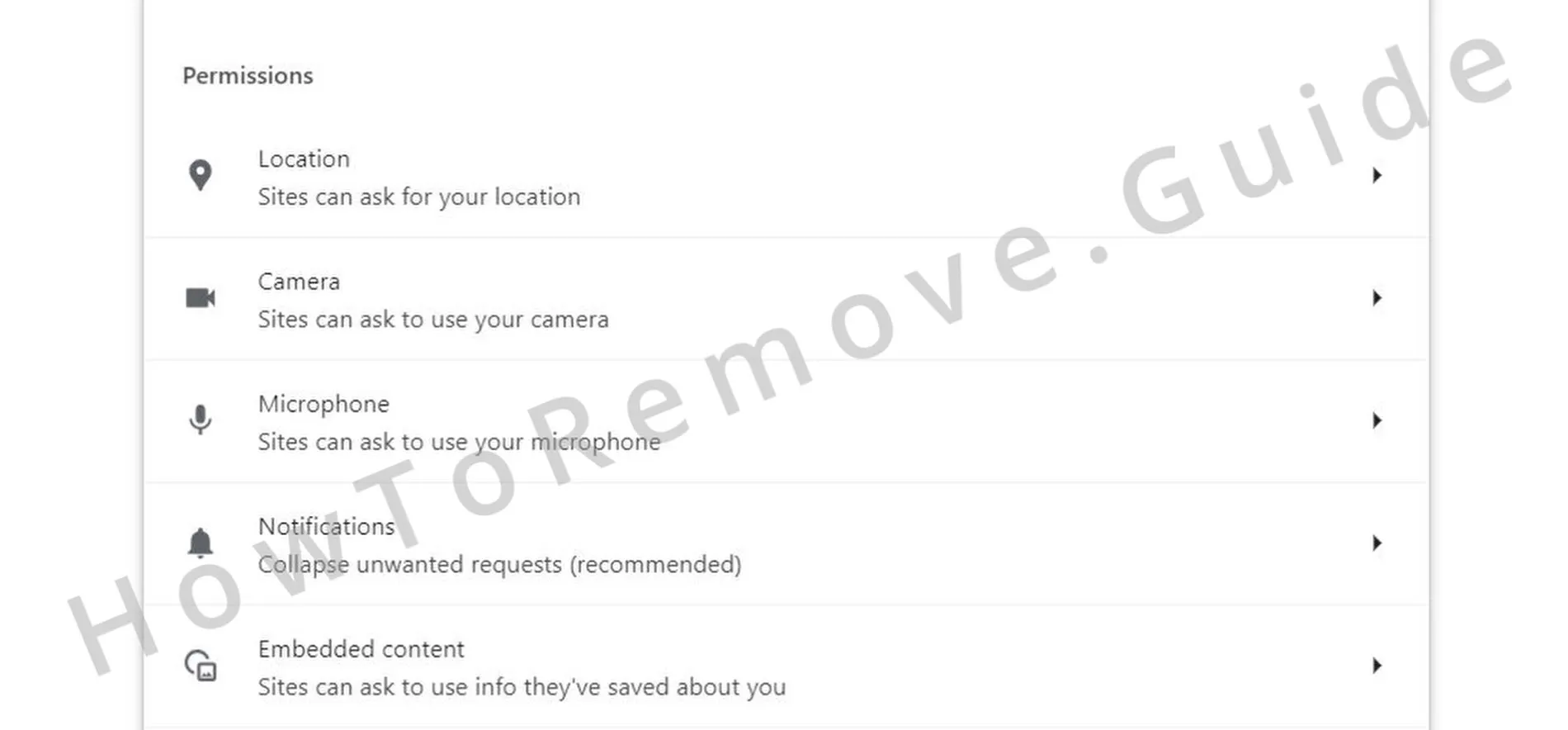 Review current permissions under Privacy and security → Site settings. Remove camera, microphone, and notifications access for unknown sites. Also review Background sync, Pop-ups and redirects, and Automatic downloads.
 - 4.4Open Search engine settings → Manage search engines. Delete unfamiliar entries and set your preferred provider – Google, Bing, or DuckDuckGo – as Default. Ensure no custom engine captures keywords or the New Tab page.
- 4.5Confirm launch behavior. Under On startup or Appearance, remove unwanted Startup pages or Home page entries and select either a trusted site or the New Tab page.
A methodical, step-by-step cleanup removes the immediate interference and also hardens the browser against re-seeding by scheduled tasks, stale sync data, or leftover policy files.
