

After a shady download, some users start seeing Explorer.vg open as an empty browser tab or tiny window that returns hours later, even when quick antivirus scans report “all clear”. That kind of repeating, contentless pop-up often signals a hidden launcher, not a normal website visit.
One common launcher is mshta.exe, a real Windows program that can run “.hta” mini-apps (webpage-like files) with scripting. Attackers like it because it can fetch and execute remote code while blending in with normal system activity.
We tested that SpyHunter successfully removes Explorer.vg* and we recommend using it. It will block Explorer.vg from reinstalling itself and it will make sure your device is clean from any malware.
 Try Free For 7 Days*
Buy now15% OFF if you buy straight without trial.
 OFFER
OFFERClues include mshta spawning at odd times, sudden network chatter, or an mshta file living outside the usual Windows System32 area. These infections, similar to Alpha-centavr.cc and Domain-monitoring.cc, can also persist through scheduled tasks or registry entries that quietly reopen the same address.
Because cleanup may involve multiple locations, follow the removal guide carefully and consider updating important passwords from a trusted device. If that feels too technical, SpyHunter 5 can automate detection and removal of unwanted programs and viruses, then help you confirm the pop-ups stop.
Explorer.vg Removal Instructions
Work through the steps in sequence and jot down what you disable or delete so you can undo mistakes later. This focused sweep trims repeat pop-ups and restores your preferred search provider, startup pages, and permissions without wiping settings you still need for normal browsing. Write down what you disable or delete, and work step-by-step.
Quick Checklist for Removing Explorer.vg
- 1.1Open your browser’s Extensions page and scan for add-ons linked to Explorer.vg or for names you don’t recognize.
- 1.2Uninstall anything you didn’t add intentionally. If an extension looks unfamiliar or behaves oddly, remove it.
- 1.3Then open Privacy and Security settings and review Site Permissions. This controls who can trigger pop-ups or send notifications, and unwanted sites often rely on that access.
- 1.4Remove permissions for any sites you don’t recognize. Once the list is cleaned up, restart your computer and open your browser again.
That short cleanup often stops pop-ups and brings searches back to normal. If redirects continue, settings reappear after you remove them, or the “Managed by your organization” notice won’t go away, it often means Explorer.vg left browser policies behind that survive extension removal. Follow the detailed steps below to clear them.
SUMMARY:
| Threat label | Explorer.vg |
| Type | Browser hijacker |
| Scan tool |
Some threats reinstall themselves if you don’t delete their core files. We recommend downloading SpyHunter to remove harmful programs for you. This may save you hours and ensure you don’t harm your system by deleting the wrong files. |
How to Remove the Explorer.vg Hijacker
When a browser shows “Managed by your organization,” a policy applies settings in the background, so a reset may leave the lock in place. These tasks help you locate and delete entries that allow Explorer.vg to reapply changes after you correct them. Work carefully, verify change, and write down what you touched before restarting Windows.
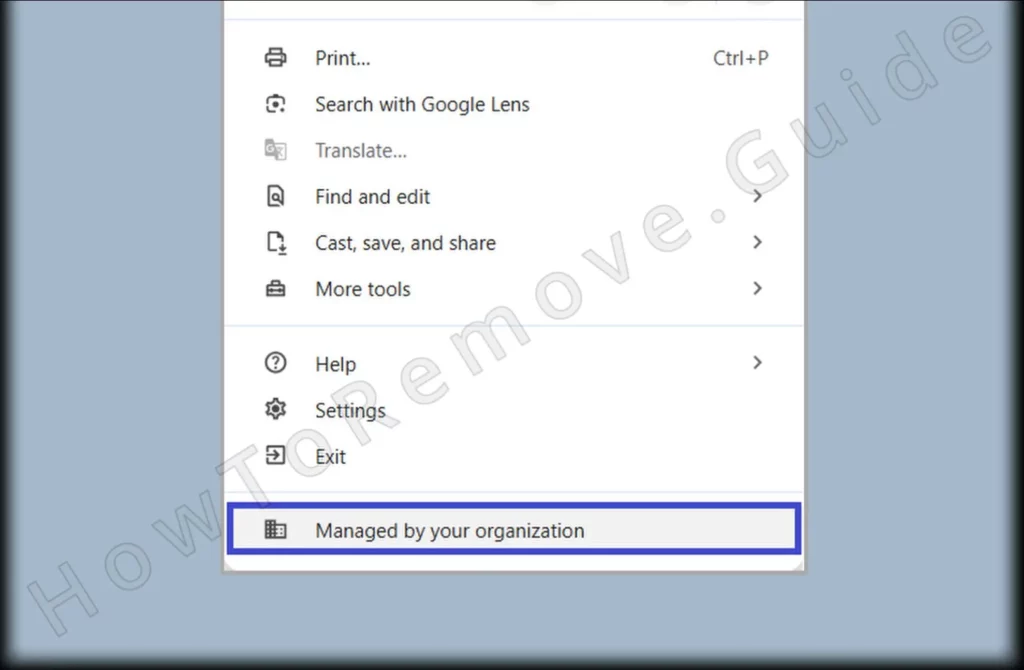
1. Locate Explorer.vg Browser Policies
-
1.1
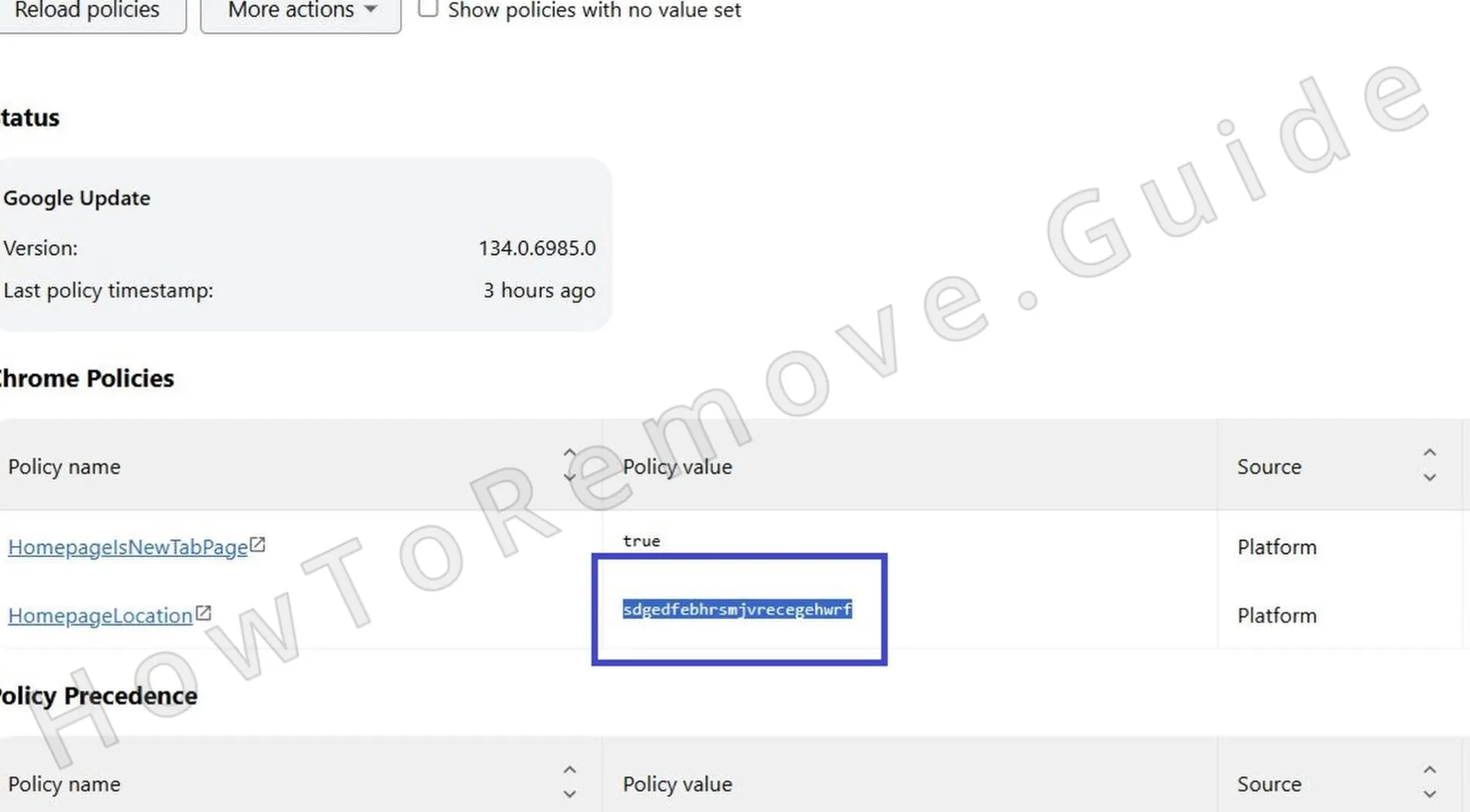 To check whether Explorer.vg set policy rules, type
chrome://policyinto Chrome’s address bar. In other Chromium-based browsers, replace chrome with the browser’s name. - 1.2A list of active policies will load. Values that look like random characters in the Value column should be recorded. Copy them exactly – you will need them in the next steps.
- 1.3Return to the Extensions page to match policies to add-ons. Enable Developer Mode, copy the IDs of unwanted extensions, and save them next to the suspicious policy values.
- 1.4If you can’t access the Extensions page, remove extensions manually. Open File Explorer and go to this directory:
C:\Users[Your Username]\AppData\Local\Google\Chrome\User Data\Default\Extensions - 1.5
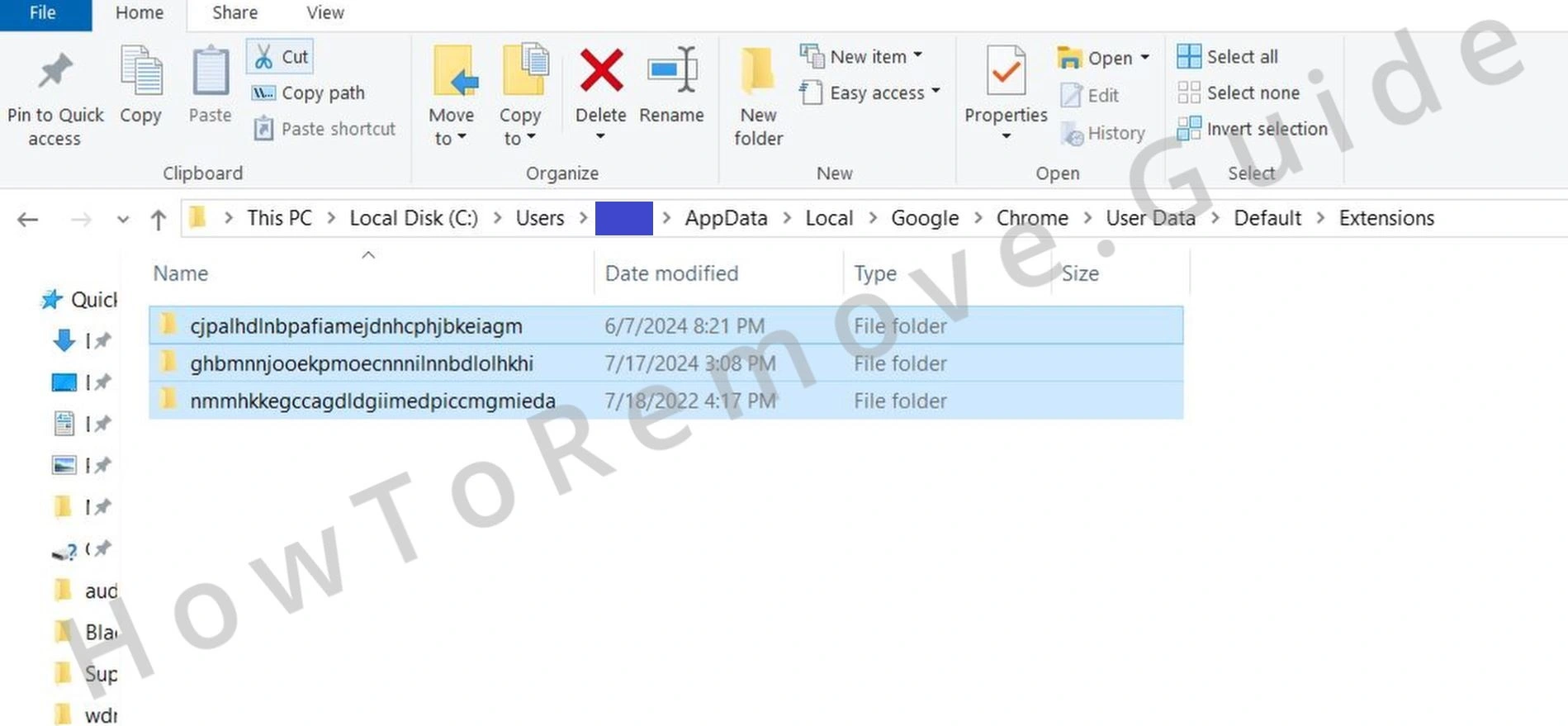 Delete everything inside this folder to wipe installed extensions, including ones that reinstall themselves. This clears leftover components that keep changing settings.
 - 1.6
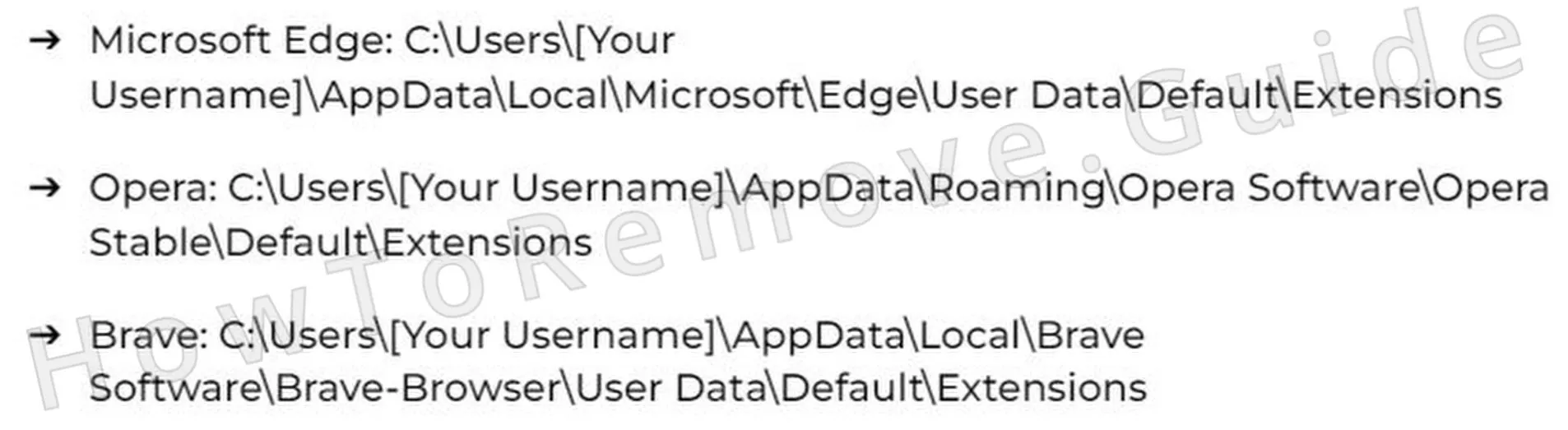 Other browsers store extension folders in similar locations:
 - 1.7Afterward, you can return to the Extensions Manager in your browser.
Remove Explorer.vg Browser Policies
Some browser controls are stored in the Windows Registry, and careless edits can cause real issues for Windows and installed software. Change only entries that clearly connect to the problem, and avoid broad deletions that might affect unrelated programs. This section removes policy hooks that can survive browser resets while keeping the system stable stable.
2. Remove Explorer.vg Policies via the Registry
-
2.1To begin removing Explorer.vg policy entries, open the Registry Editor by typing
regeditinto the Start Menu and pressing Enter. - 2.2In the editor, use the Edit > Find option to search for the values you noted earlier. Delete each match carefully, then run the search again until no results remain. That repetition is important – leftover keys can restore the policy.
- 2.3
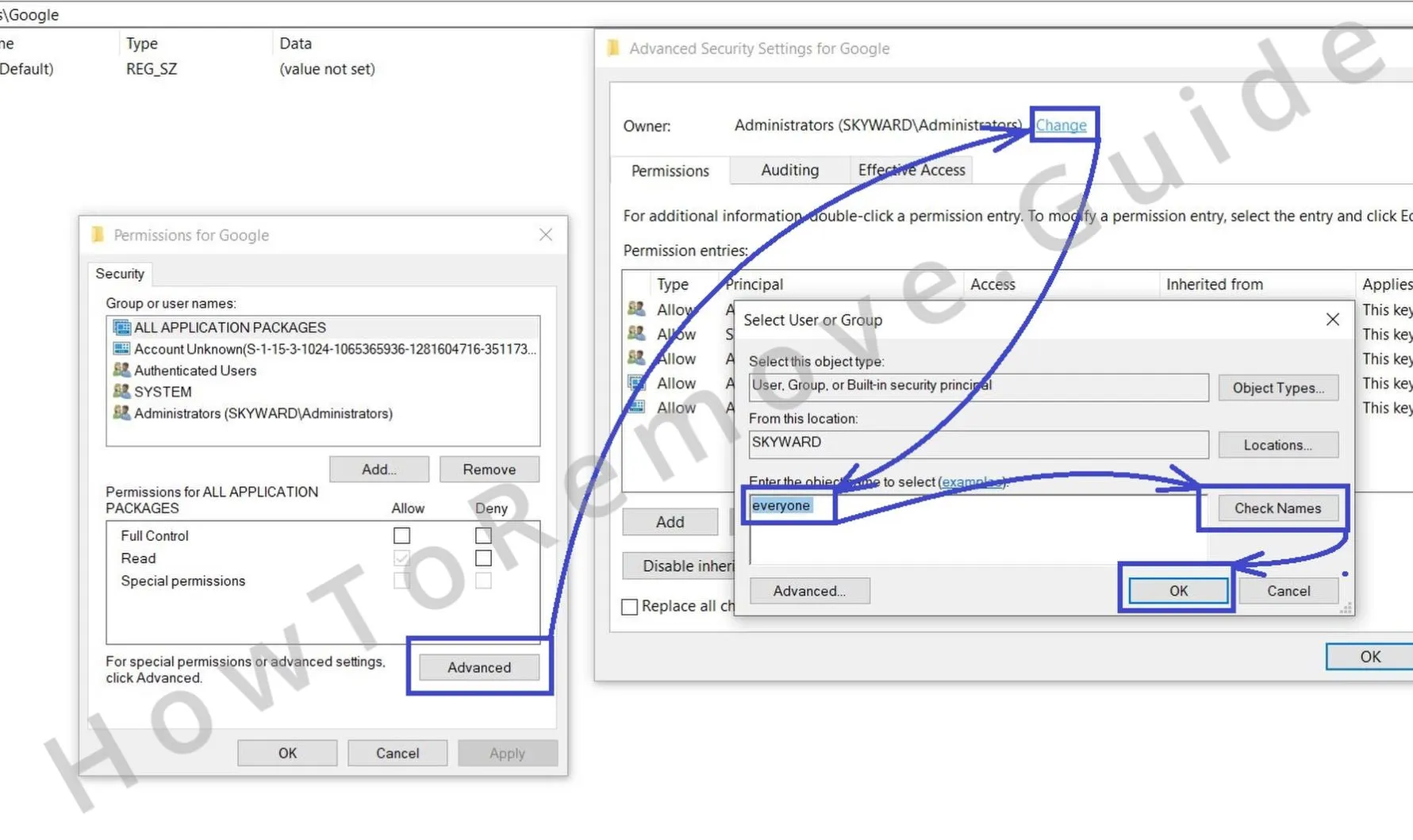 If a key won’t delete, adjust its permissions. Right-click the problematic key, select Permissions > Advanced > Change, and grant access to “everyone.”
 - 2.4
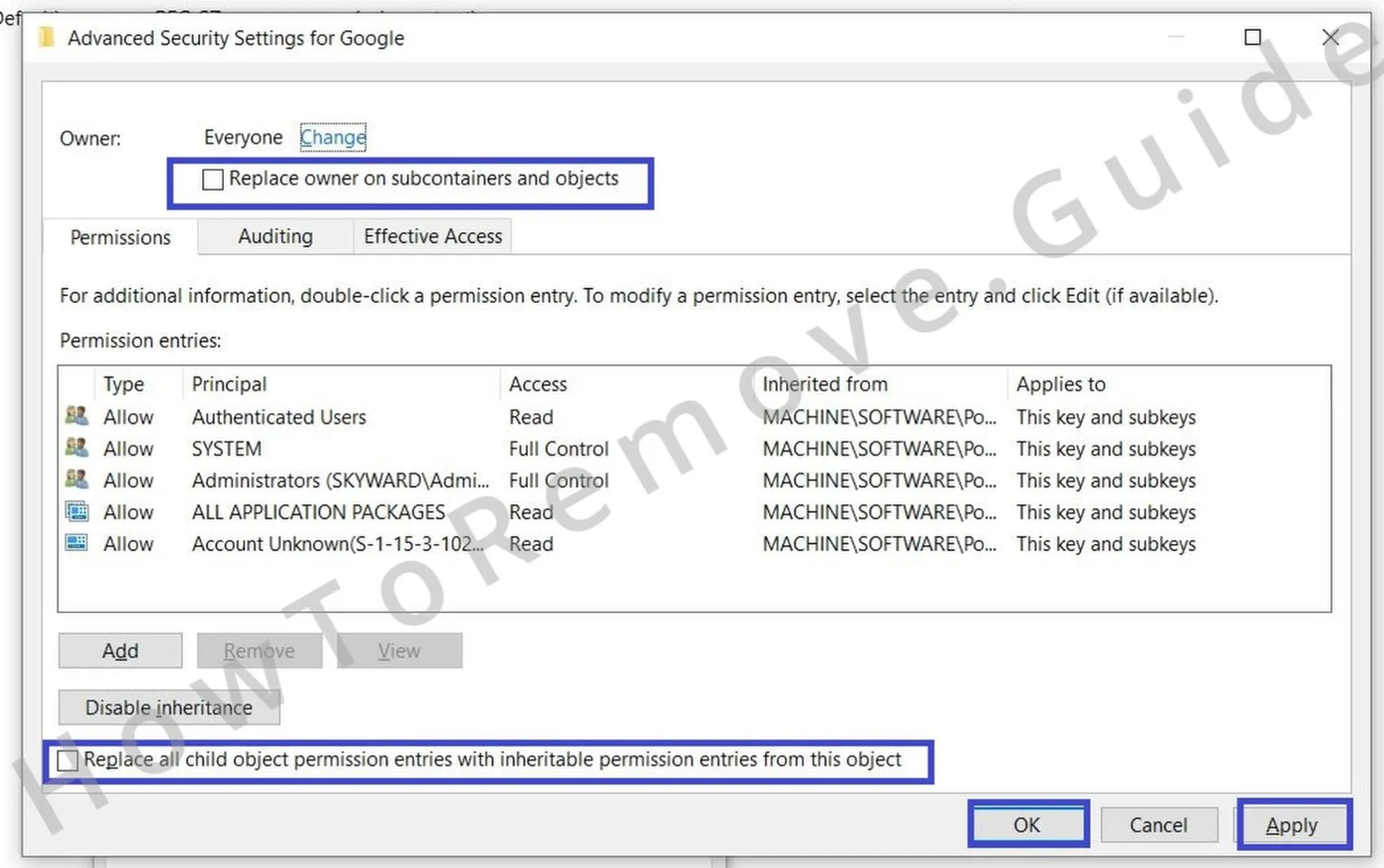 Select both “Replace…” options in the previous window, then click Apply and OK.
Once you take ownership and apply the permission changes, Windows will let you remove the locked key instead of blocking the delete action. If the key returns after a reboot, it usually means Explorer.vg still has another policy location or scheduled entry feeding it, so continue with the additional tools below.
Alternative Tools for Clearing Explorer.vg Policies
3. Extra Options for Removing Explorer.vg Policies
- 3.1
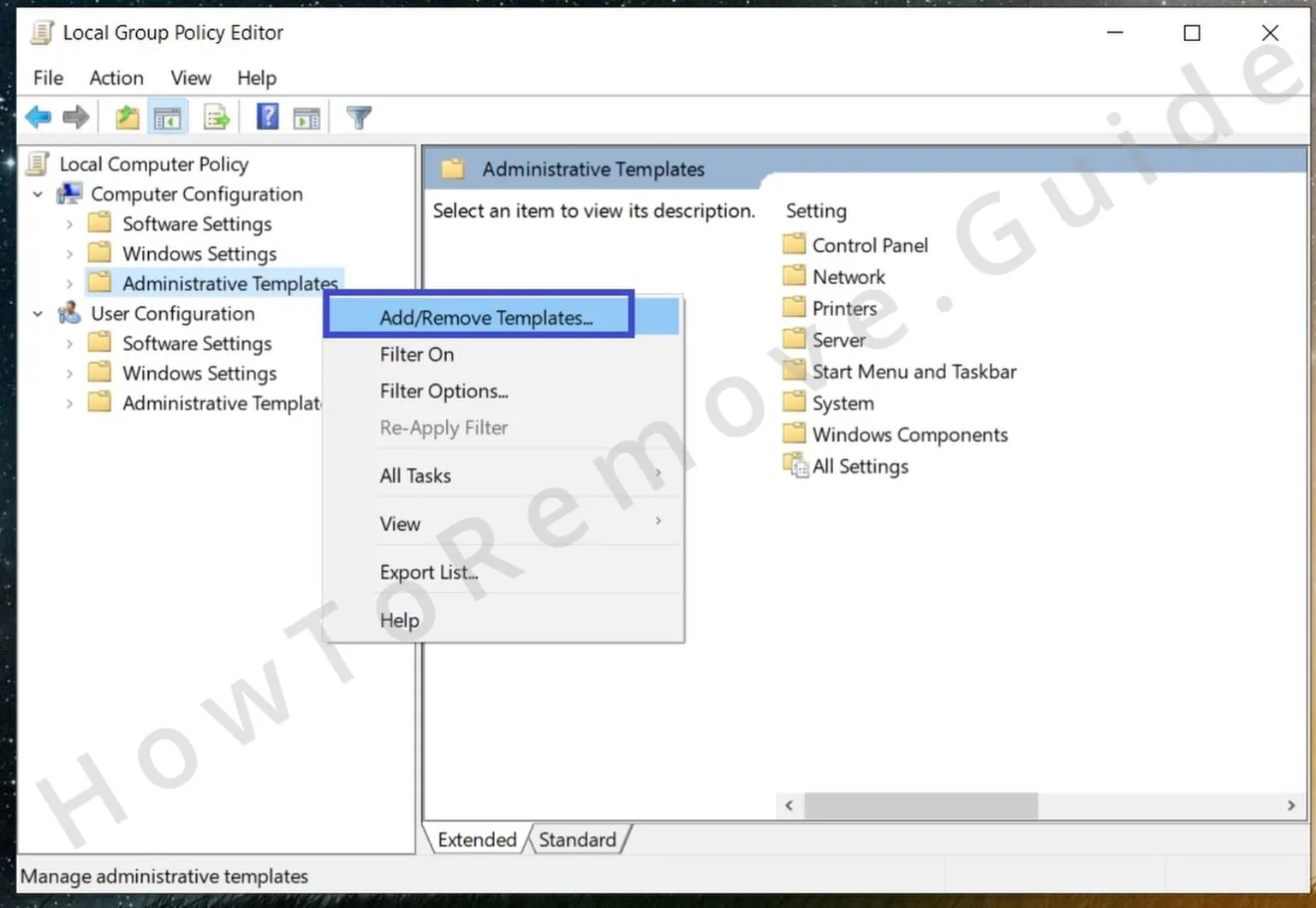 If Explorer.vg policies reappear after cleanup, use the built-in Group Policy Editor to review system policy entries. Search for “edit group policy” in the Start Menu, open it, and navigate to Administrative Templates.
 - 3.2
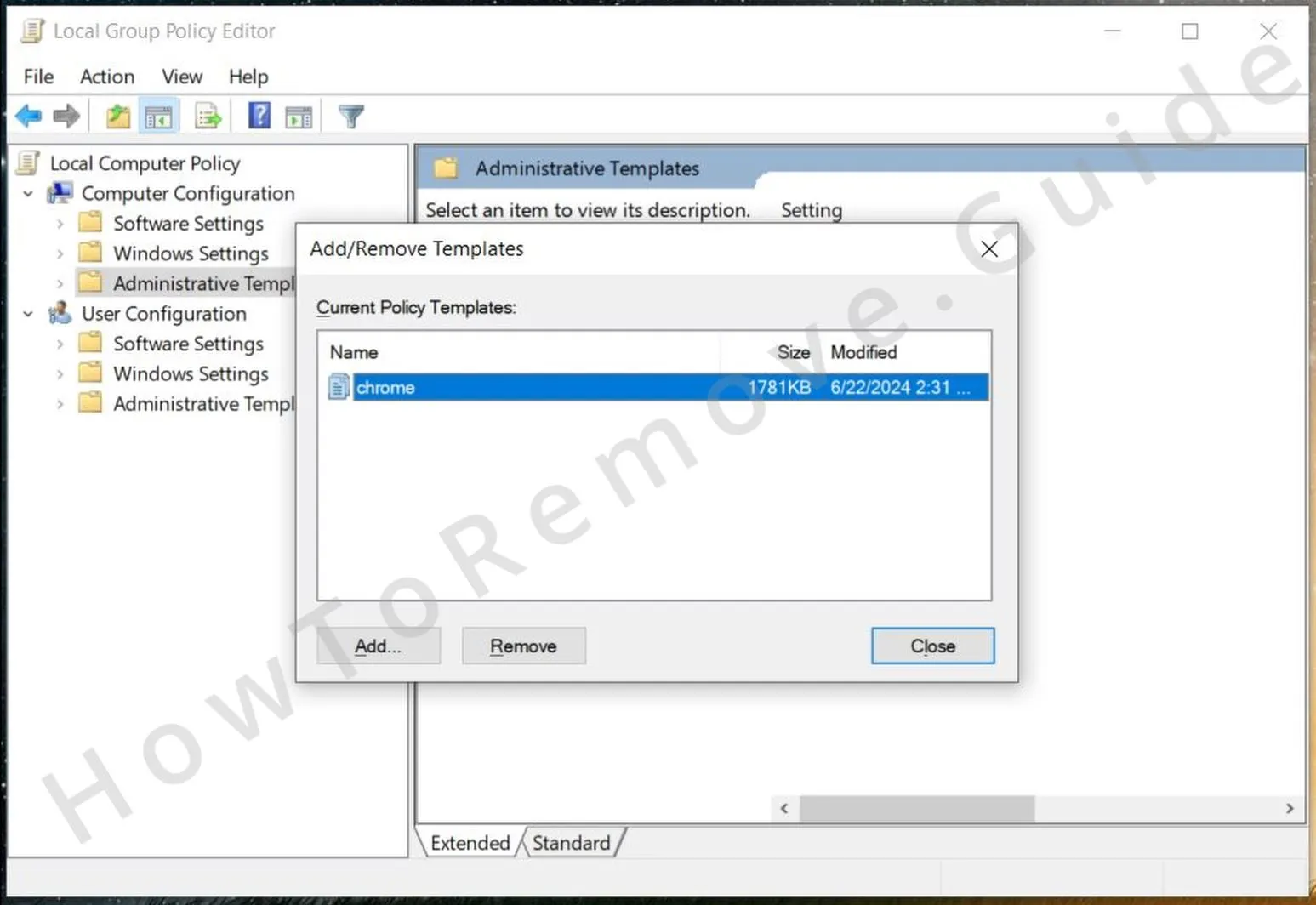 Right-click Administrative Templates and choose Add/Remove Templates. In the next window, remove any entries that shouldn’t be there.
 - 3.3Chrome users can also try the Chrome Policy Remover. Download it from the provided link.
- 3.4When the download completes, run it as an administrator. If Windows shows a warning, click More Info > Run Anyway, then let the tool finish.
Remove Explorer.vg From Chrome, Edge, and Similar Browsers
Browser profiles, sync features, and stored site data can reintroduce changes after you sign in, switch profiles, or restart. To keep problems from resurfacing, confirm your default search provider, startup behavior, and permissions are clean in every profile you actively use. This reduces the chance of the same homepage or redirects returning through cached settings.
4. Remove Explorer.vg From the Browser
- 4.1Start by uninstalling any extensions associated with Explorer.vg from your browser now that you can access the manager.
- 4.2
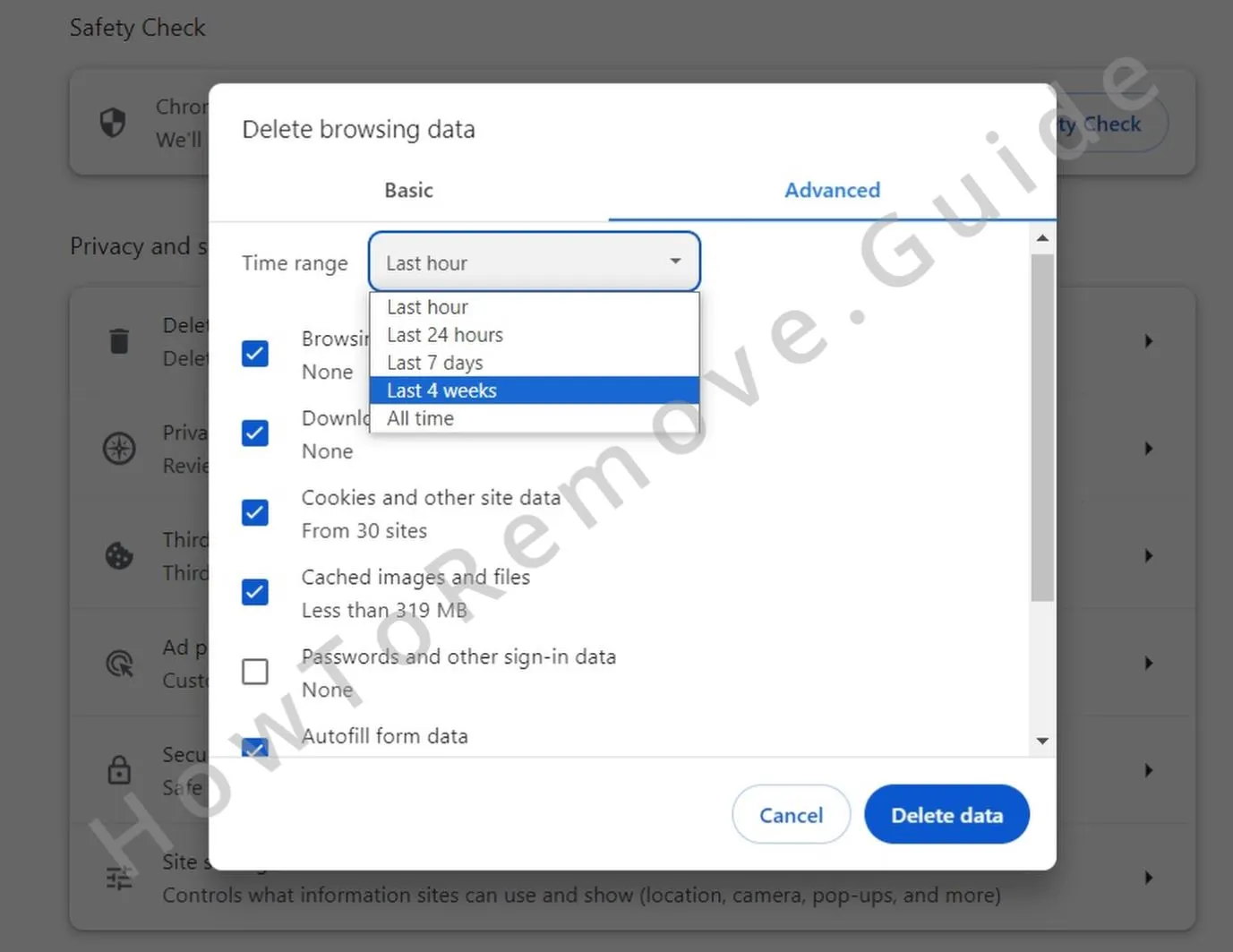 Next, clear your browsing data. Cookies and cached files can preserve redirect behavior. When clearing data, set the time range to “All Time” so older traces are removed as well.
 - 4.3
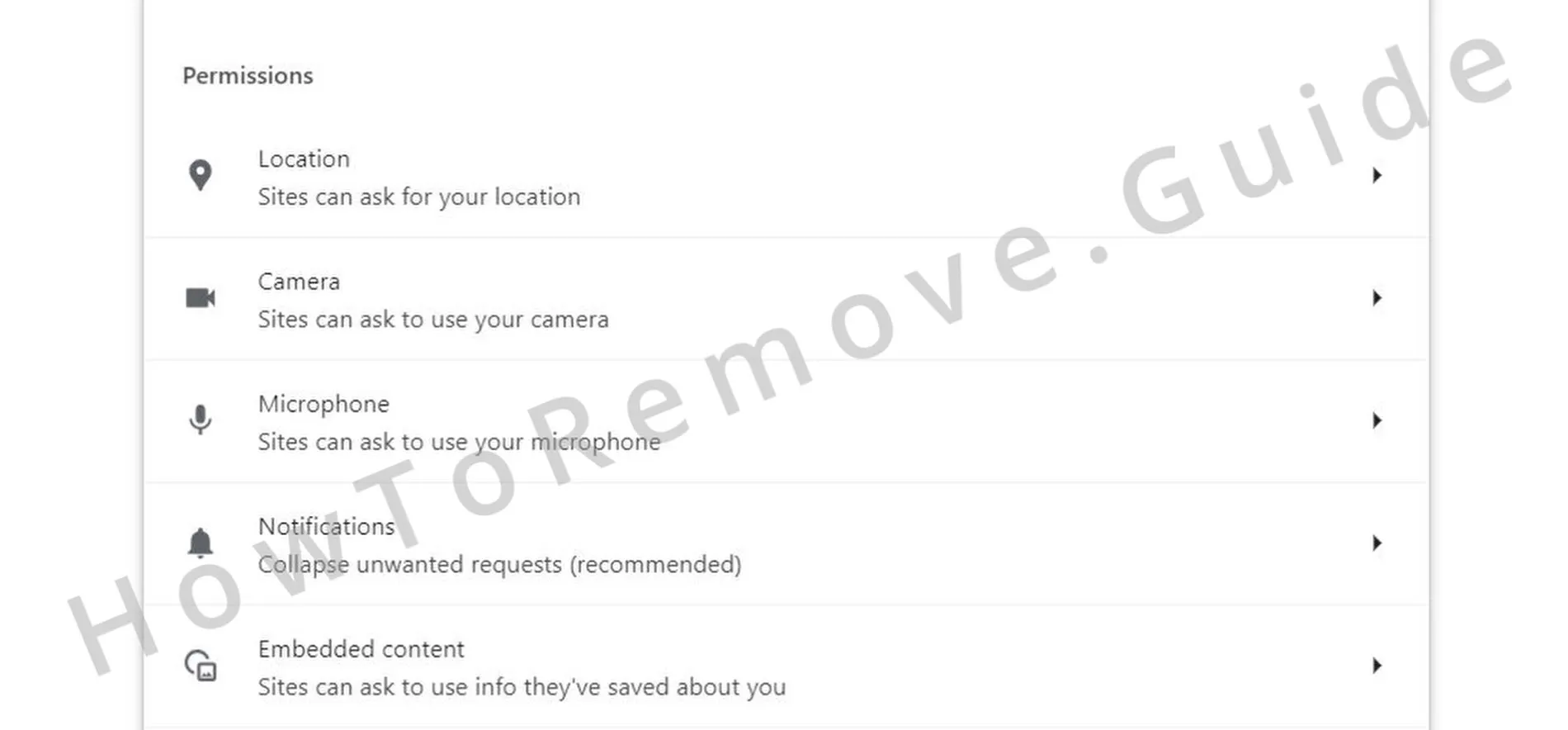 Open Privacy and Security and review Site Permissions. Make sure no unfamiliar sites are allowed to send notifications or perform redirects.
 - 4.4
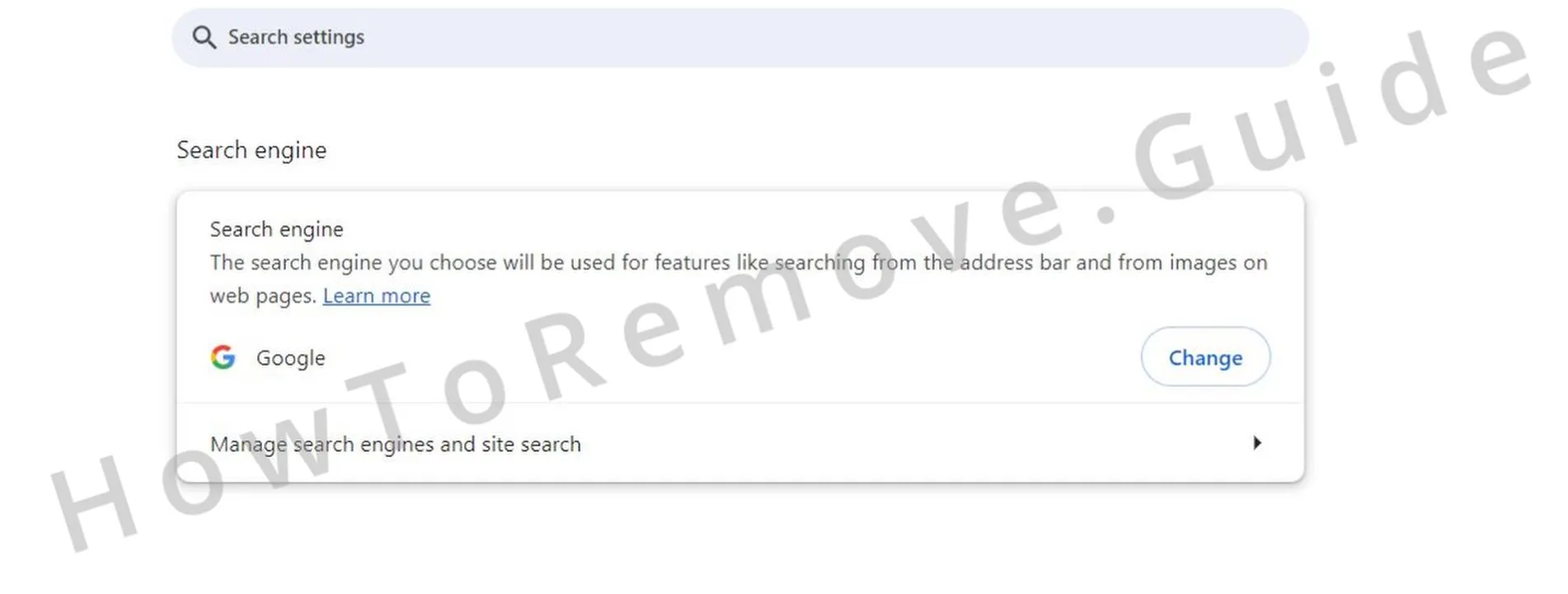 Check your search engine settings. If an unfamiliar provider is set as default, switch back to a known option like Google or Bing.
 - 4.5Finally, review On Startup and Appearance for unfamiliar URLs and remove them. After saving changes, the browser should open normally again.
