

Iadispatcher is associated with a fake search engine that cannot produce results and is promoted by browser-hijacking software. Typical symptoms are forced redirects of searches and new tabs to ext.iadispatcher.com, a brief blank page, and then a hand-off to Yahoo Search; the final destination can vary by location.
Reports concentrate on Chrome, with some users noting only one signed-in Google profile is affected. The software commonly reassigns the default search engine, homepage, and new-tab URL and may resist changes by reverting settings. Similar fake engines (e.g., find-browseronline.com, search-browser.com, maxask.com, Getmegaluck.icu) have been documented.
Data collection is a concern: hijackers often track visited URLs, queries, cookies, and even credentials or financial details, creating privacy and fraud risks. If these symptoms appear, treat them as evidence of a browser hijack rather than a harmless site behavior and begin a careful, methodical cleanup.
We tested that SpyHunter successfully removes Iadispatcher* and we recommend using it. It will block Iadispatcher from reinstalling itself and it will make sure your device is clean from any malware.
 Try Free For 7 Days*
Buy now15% OFF if you buy straight without trial.
 OFFER
OFFERHow to Remove Iadispatcher From Chrome
Troubleshooting is more effective when approached step by step. Start by confirming which settings were changed – default search engine, homepage, and new-tab page – and whether extensions or policies are enforcing them. Browser hijackers frequently undo quick, broad fixes, so isolate one issue at a time and verify each correction holds before moving on.
Quick Steps to Remove Iadispatcher
- 1.1Open your main web browser and access its Settings panel.
– For Chrome, click the three vertical dots (⋮) in the top-right.
– For Firefox, select the menu icon with three lines (☰) in the same area.
Go to Extensions or Add-ons. Go through each entry – unfamiliar or suspicious items might be malicious. Keep in mind, deceptive extensions often mimic legitimate names. - 1.2Scrutinize each extension. Focus on the icon, title, permissions, and any descriptive text. Harmful extensions may only differ slightly in name or appearance from trusted ones. If you spot anything off, choose Remove.
Still unsure? Look up the extension name in quotes online. If it’s dangerous, you’ll likely find forums or warnings confirming it. - 1.3Navigate to the Privacy & Security area of your browser’s settings. Then open Site Permissions (may require expanding Advanced Settings).
Review which sites can access your mic, cam, location, or notifications. Withdraw access from any site you don’t recall authorizing. - 1.4Immediately delete any questionable websites from those permission lists to prevent them from pushing notifications, redirecting you, or modifying browser behavior. Once done, fully close the browser and reopen it to solidify your changes.
These steps often disrupt Iadispatcher early on. If the problem continues, the threat likely lies deeper in the system. Proceed through the detailed instructions below.
SUMMARY:
| Name | Iadispatcher |
| Type | Browser Hijacker |
| Detection Tool |
We tested that SpyHunter successfully removes Iadispatcher* and we recommend downloading it. Manual removal may take hours, it can harm your system if you re not careful, and Iadispatcher may reinstall itself at the end if you don't delete its core files. |
Get Rid of Iadispatcher: Detailed Tutorial
Some users encounter Chrome indicating that settings have a “Managed by your organization” note, and ordinary UI controls will not persist. That aligns with hijacker persistence tactics that block access to removal-related settings or undo user changes. In such cases, address the enforced configuration first; until that is cleared, attempts to swap search engines or homepages usually fail or are immediately rolled back.
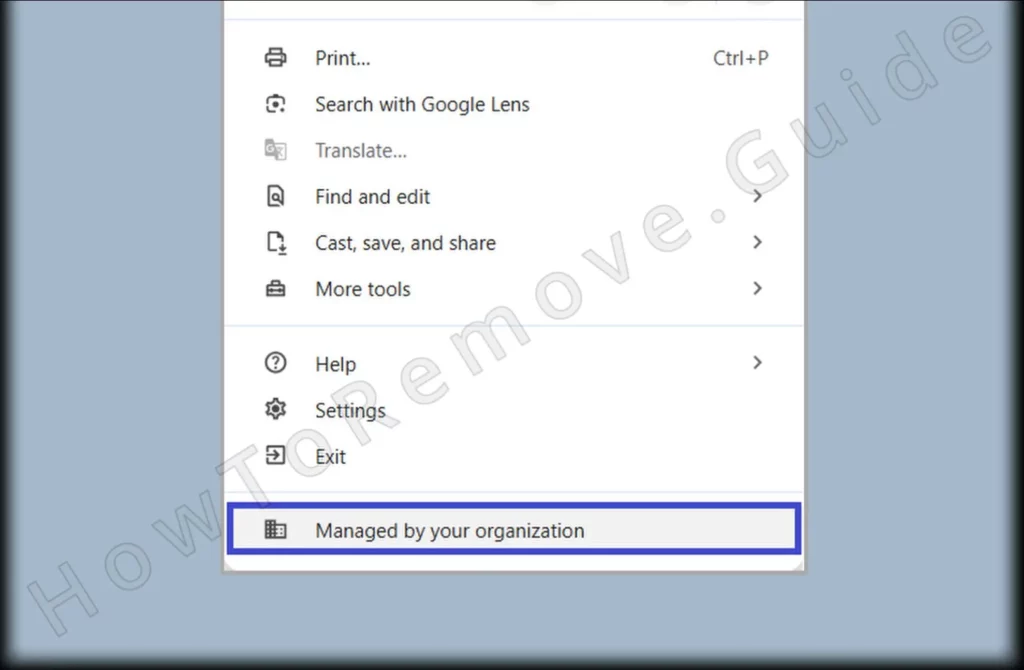
1. Identify the Iadispatcher Policies
- 1.1
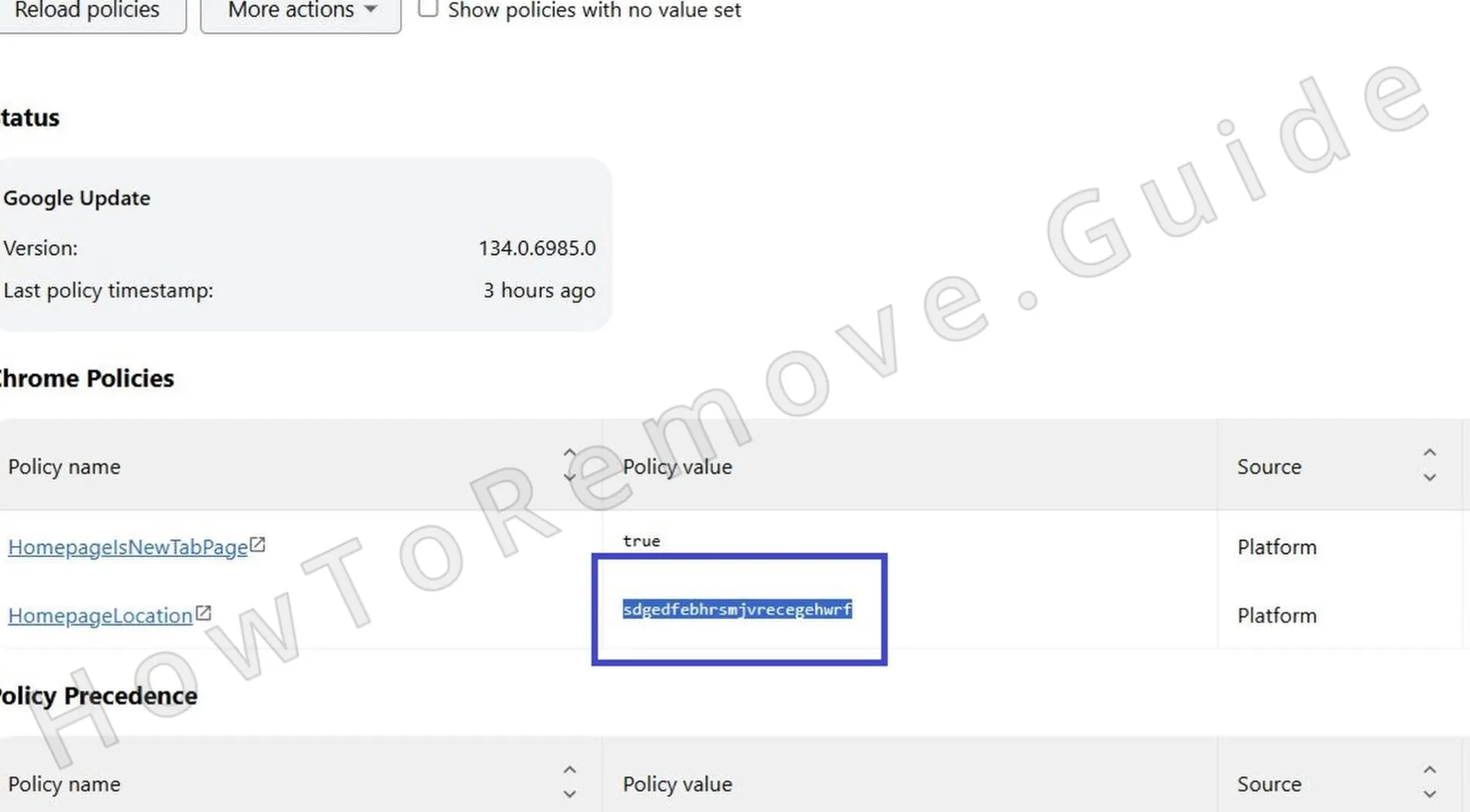 If you’re on Chrome, type chrome://policy in the address bar.
For Edge, go to edge://policy.
Wait for all policies to appear, then inspect each for anything that looks out of place or unfamiliar. - 1.2Open each policy entry and evaluate it. Look for vague names or language that seems irrelevant to your usual browsing habits. Jot down or screenshot anything that seems suspicious – you’ll need this later.
- 1.3Return to the Extensions section and turn on Developer Mode (usually a toggle in the upper-right corner). This will reveal each extension’s unique ID and the file path where it’s installed – crucial info for locating harmful components.
- 1.4If the extension page is inaccessible (a block sometimes caused by Ext.iadispatcher.com), bypass the browser interface entirely by using File Explorer.
- 1.5
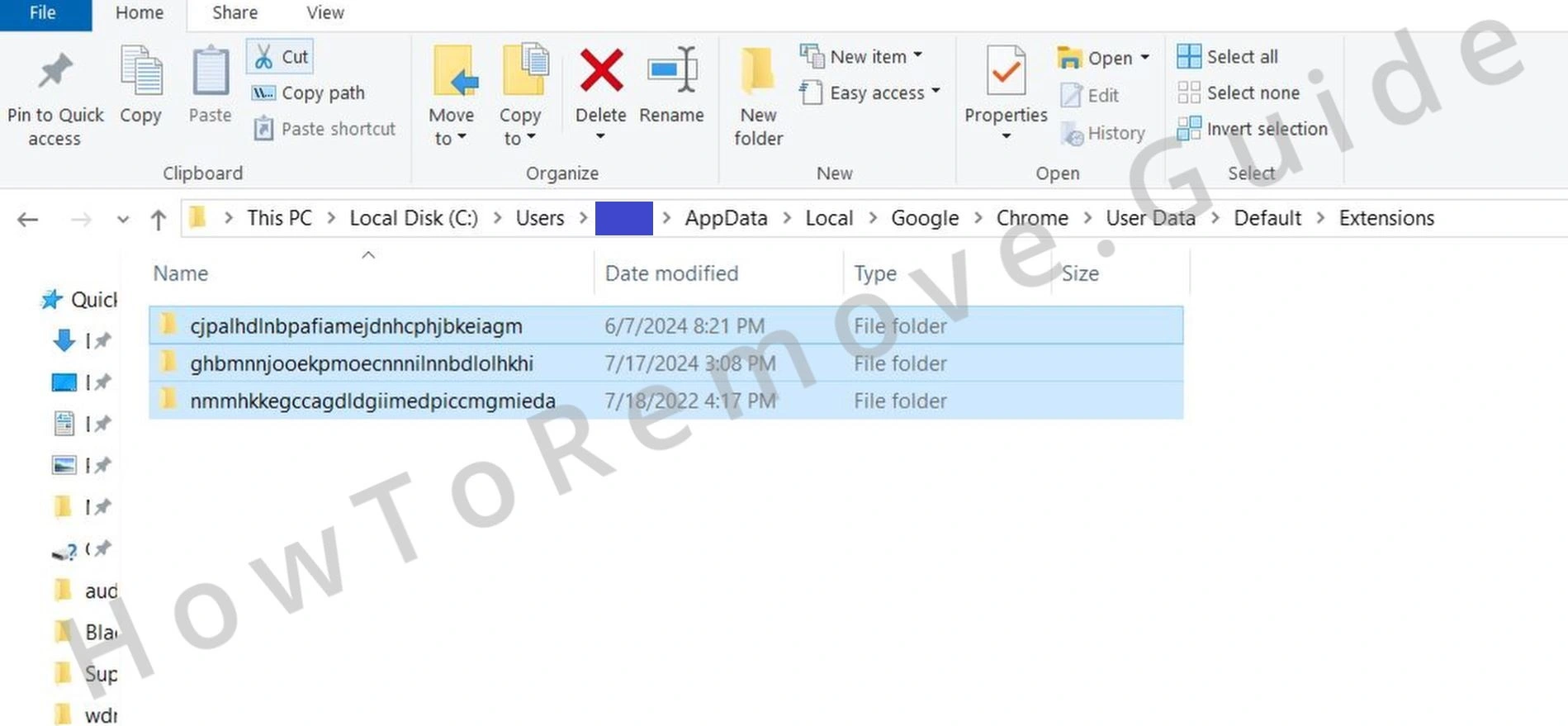 In File Explorer, go to:
C:\Users\<Your Username>\AppData\Local\Google\Chrome\User Data\Default\Extensions
Each folder here corresponds to an installed extension. Cross-reference these folder names with the IDs you previously wrote down. When you identify the directory tied to Iadispatcher, verify it’s harmful, then delete it. - 1.6
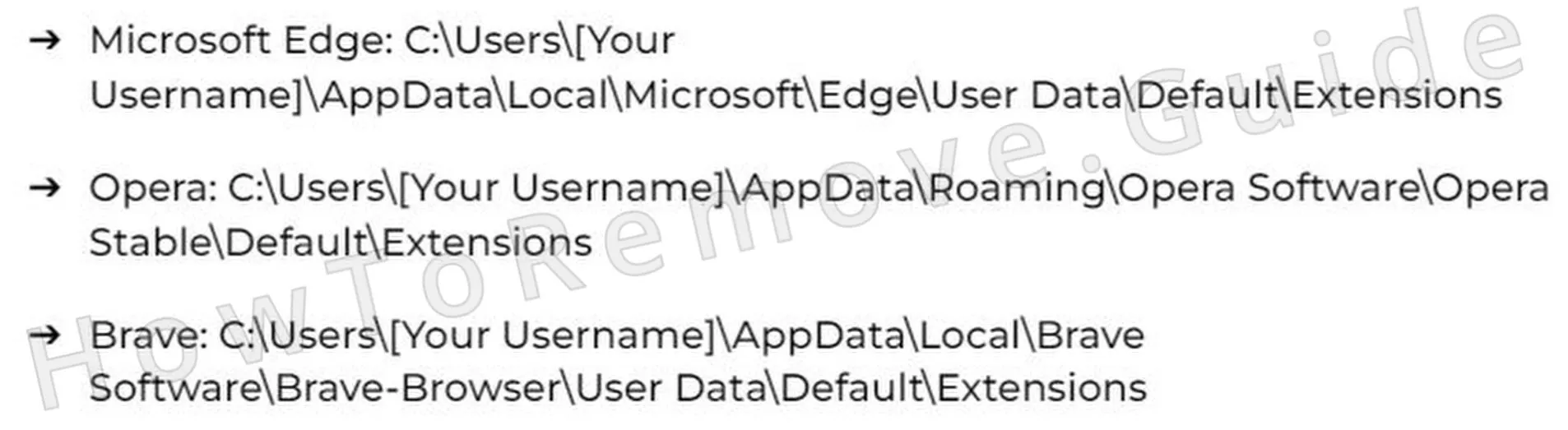 If you’re using another Chromium-based browser like Opera or Brave, repeat the same file-checking process in its corresponding AppData folder and remove any suspicious contents.
 - 1.7Go back to the Extensions tab in Developer Mode and confirm the unwanted extension has disappeared. If it’s still there, it may be reloading through synchronization. Disable sync and search for leftover files.
We tested that SpyHunter successfully removes Iadispatcher* and we recommend using it. It will block Iadispatcher from reinstalling itself and it will make sure your device is clean from any malware.
Try Free For 7 Days*
Buy now15% OFF if you buy straight without trial.
Eliminate Iadispatcher Policies to Free Your Browser
If indicators point to Windows Registry–backed policies or autostart entries, proceed cautiously. Editing the wrong keys can destabilize the system or prevent normal boot. Treat rogue Registry keys as persistence vectors that may restore unwanted Chrome settings after you change them. Prefer careful, reversible checks over speculative registry edits.
2. How to Delete Iadispatcher Policies Through the Registry
- 2.1Press Windows + R, type regedit, and press Enter to open the Registry Editor.
Before making any modifications, back up the current registry by selecting File → Export and saving a copy. - 2.2Use Ctrl + F or go to Edit → Find to search for the suspicious extension ID or policy name from earlier. Delete every key or entry that matches. Keep searching until no more matches are found.
- 2.3
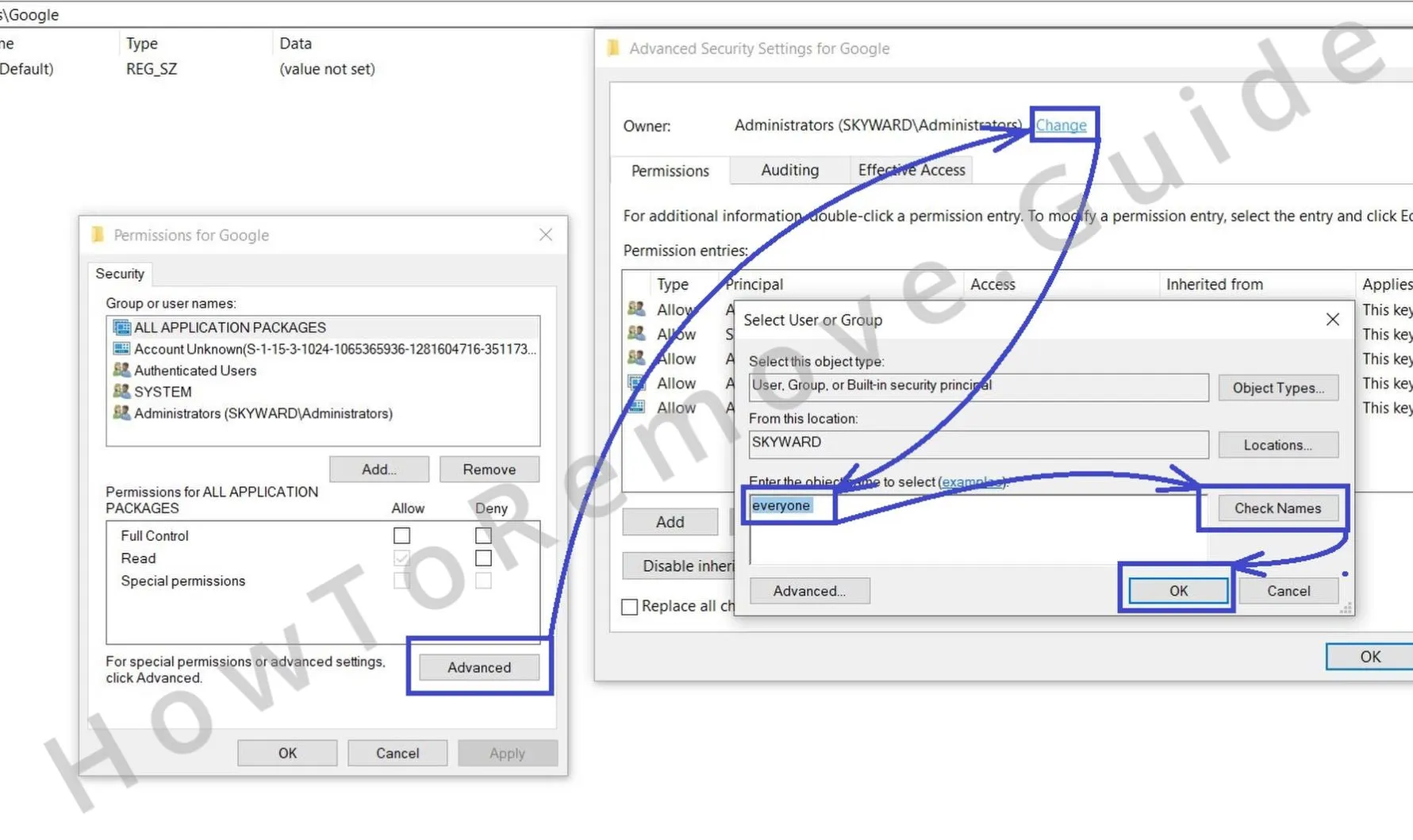 If deletion is denied, right-click the registry key, select Permissions, then click Advanced.
Press Change next to Owner, enter Everyone, and click Check Names, then OK to apply. - 2.4
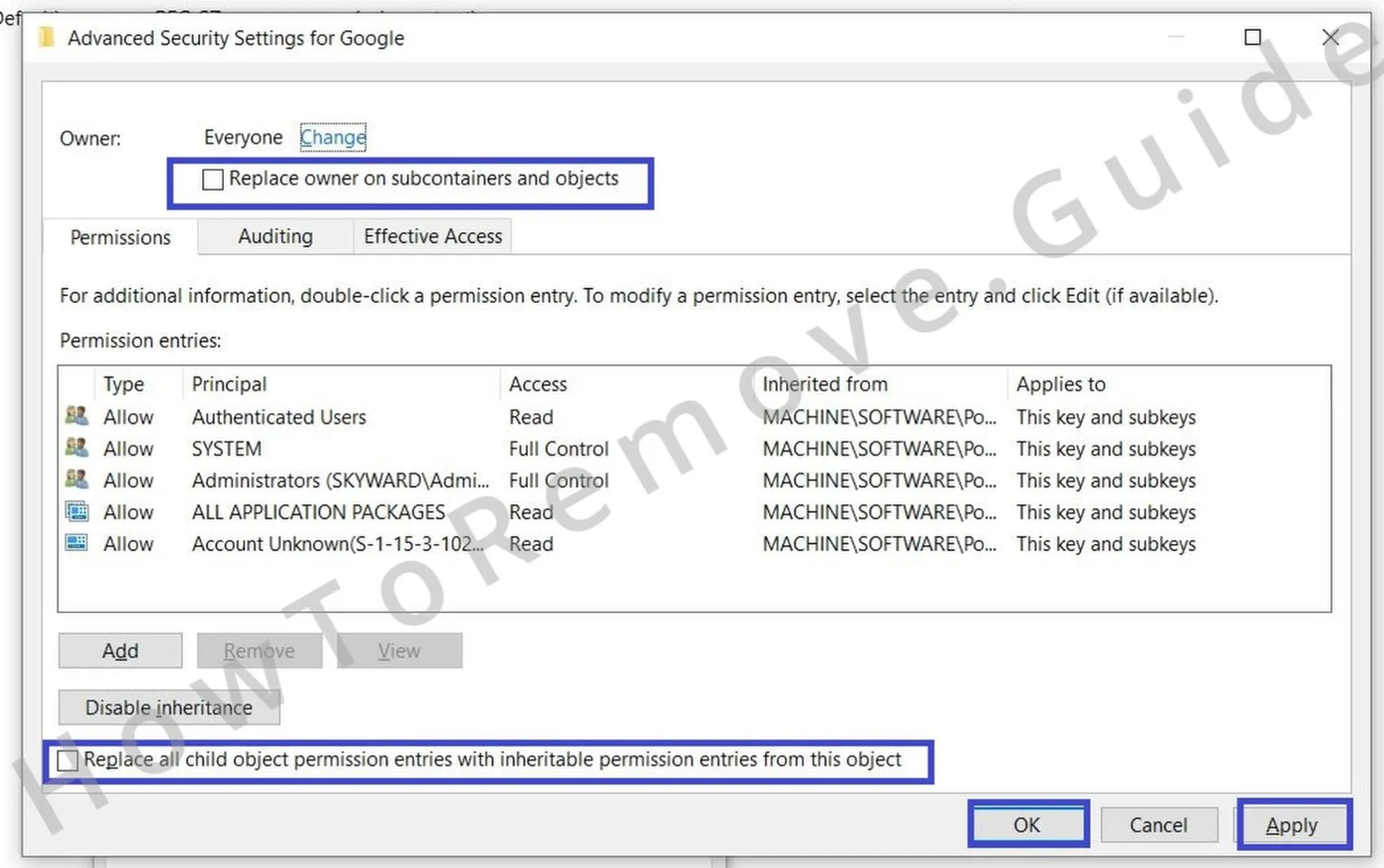 Check both of the following boxes:
– Replace owner on subcontainers and objects
– Replace all child permission entries with inheritable permissions from this object
Hit Apply, then OK. You should now be able to remove the locked registry key. Restart your computer and check if the Managed by your organization message has disappeared.
This gives you the access needed to delete the rogue key.
Other Ways to Delete ext.iadispatcher.com Policies
If cleaning the Registry didn’t release your browser from the influence of Iadispatcher, then there are two other options you can try to get rid of rogue policies. Check them out below and use them to ensure that the hijacker is no longer able to enforce its rogue settings in your browser.
3. Other Ways to Get Rid of Iadispatcher Policies
- 3.1
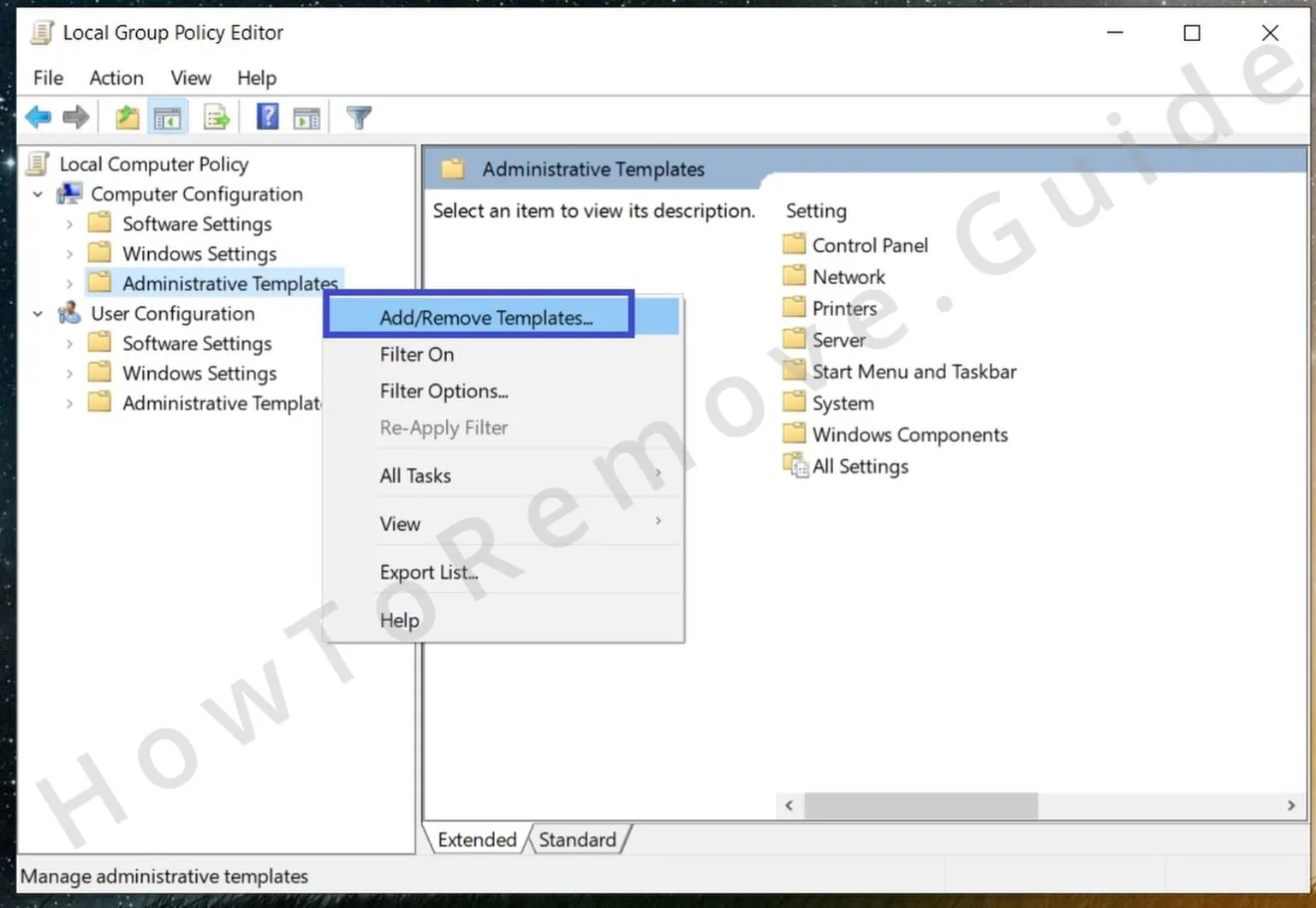 Press Windows + S, type Edit Group Policy, and hit Enter to open the Group Policy Editor. In the left sidebar, go to Administrative Templates.
 - 3.2
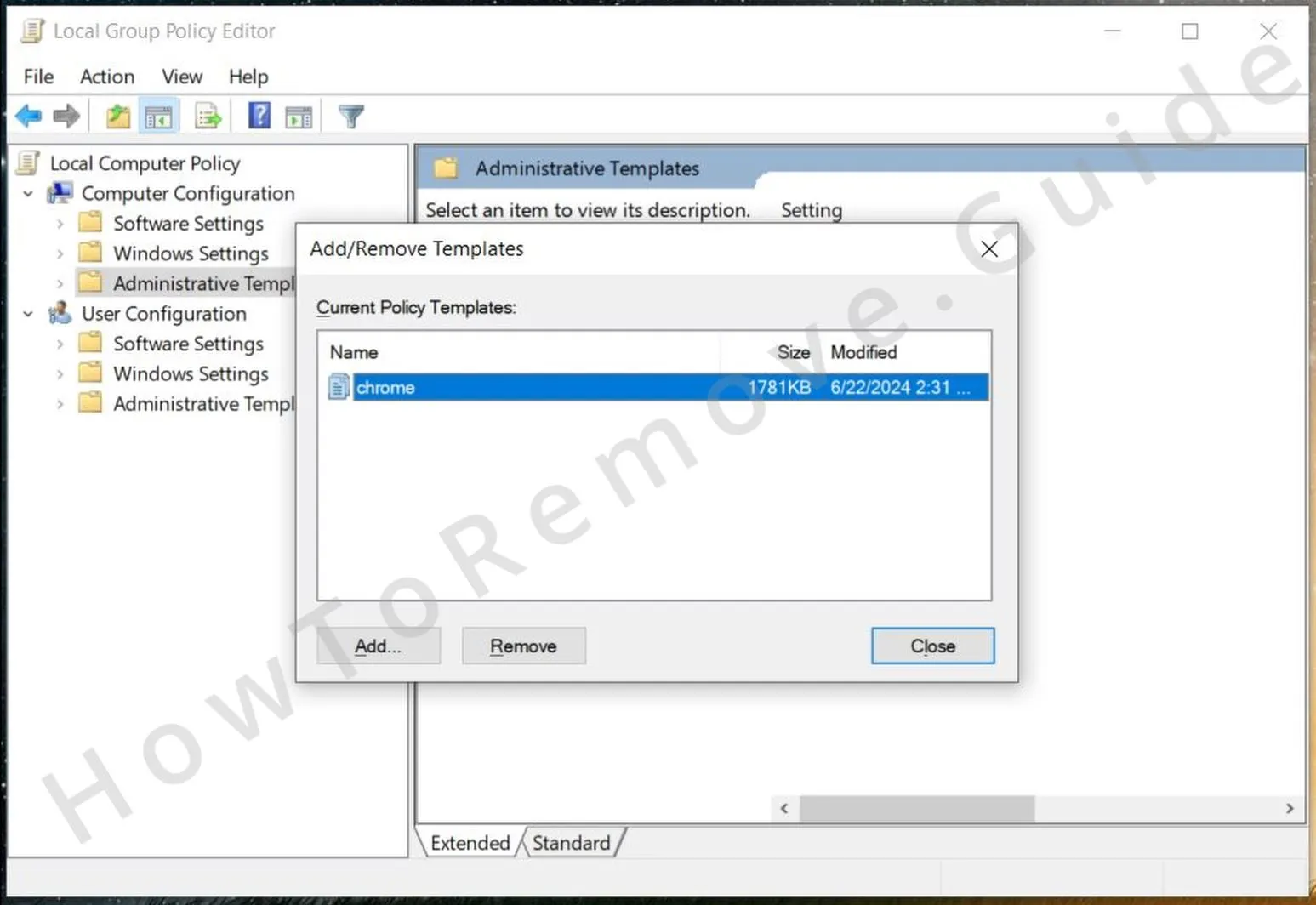 Right-click on Administrative Templates and choose Add/Remove Templates. Get rid of any templates you didn’t install – Iadispatcher may have placed a malicious one.
 - 3.3If you’re running Chrome, a specialized Chrome Policy Remover may help uncover hidden policies. Download a trustworthy one, then right-click and select Run as administrator.
- 3.4If your antivirus blocks it, click More Info → Run Anyway – but only if you’re sure the file is safe. After finishing the process, reboot your system and double-check both the Registry and Group Policy Editor to confirm they’re fully cleared.
Uninstall Iadispatcher From Chrome, Edge, and Other Browsers
Apparent recovery can be misleading. A clean-looking search page may still bounce through ext.iadispatcher for a split second, then redirect to Yahoo, confirming the hijack remains. A single missed setting, a synced preference from another device, or a lingering policy/process can restore the redirect. That is why you ought to check and restore your browser settings to ensure the hijacker is truly gone.
4. How to Remove Iadispatcher From Your Browser
- 4.1Return to the Extensions/Add-ons page. If anything sketchy has reappeared, browser sync might be bringing it back. Remove the extensions again.
- 4.2
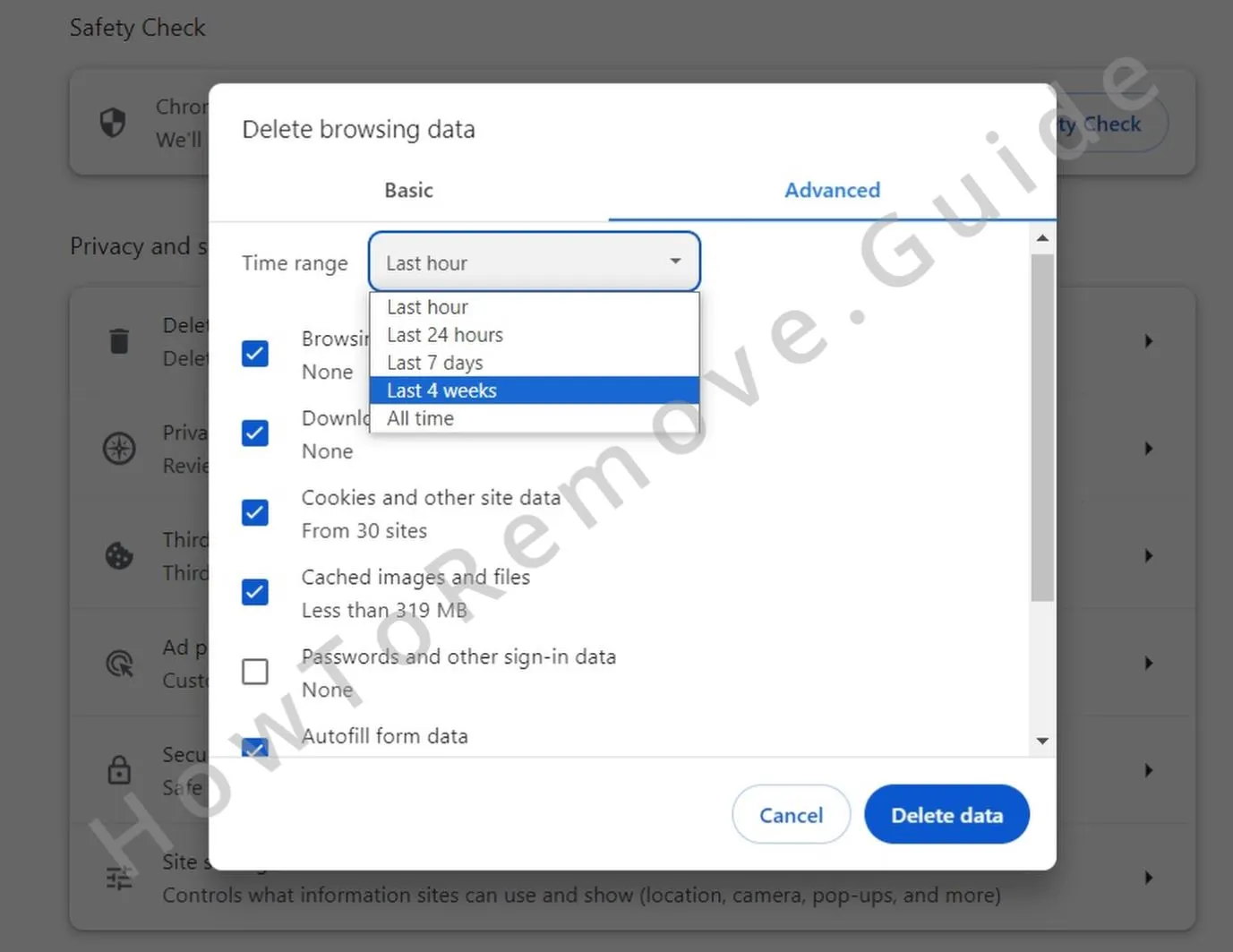 Go to Clear Browsing Data. Set the time range to All Time, uncheck Saved Passwords, and erase everything else. Cached files and cookies can carry traces of the infection.
 - 4.3
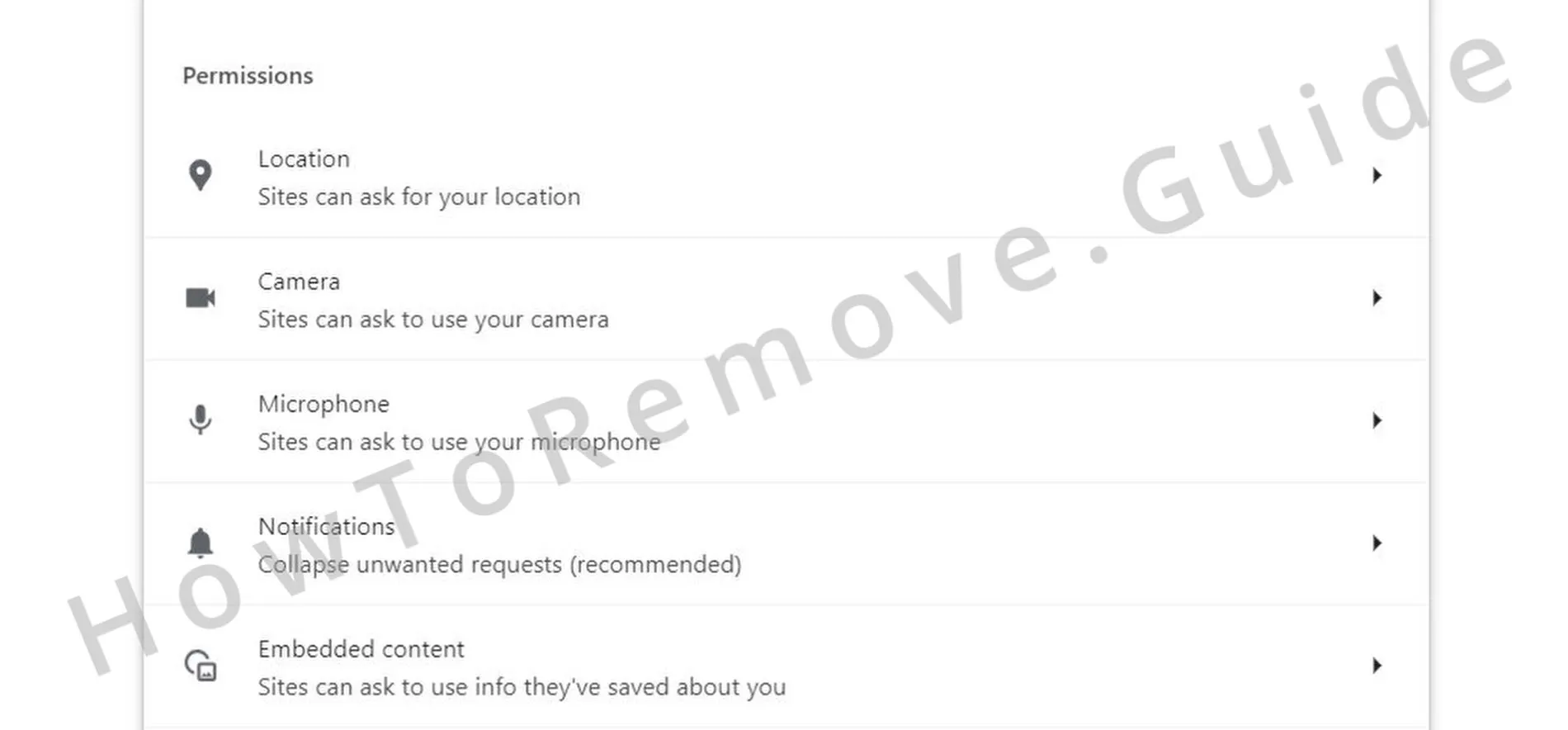 Open Site Settings from Privacy and Security, then take away permissions (notifications, microphone, camera, etc.) from any sites you don’t trust or recognize.
 - 4.4
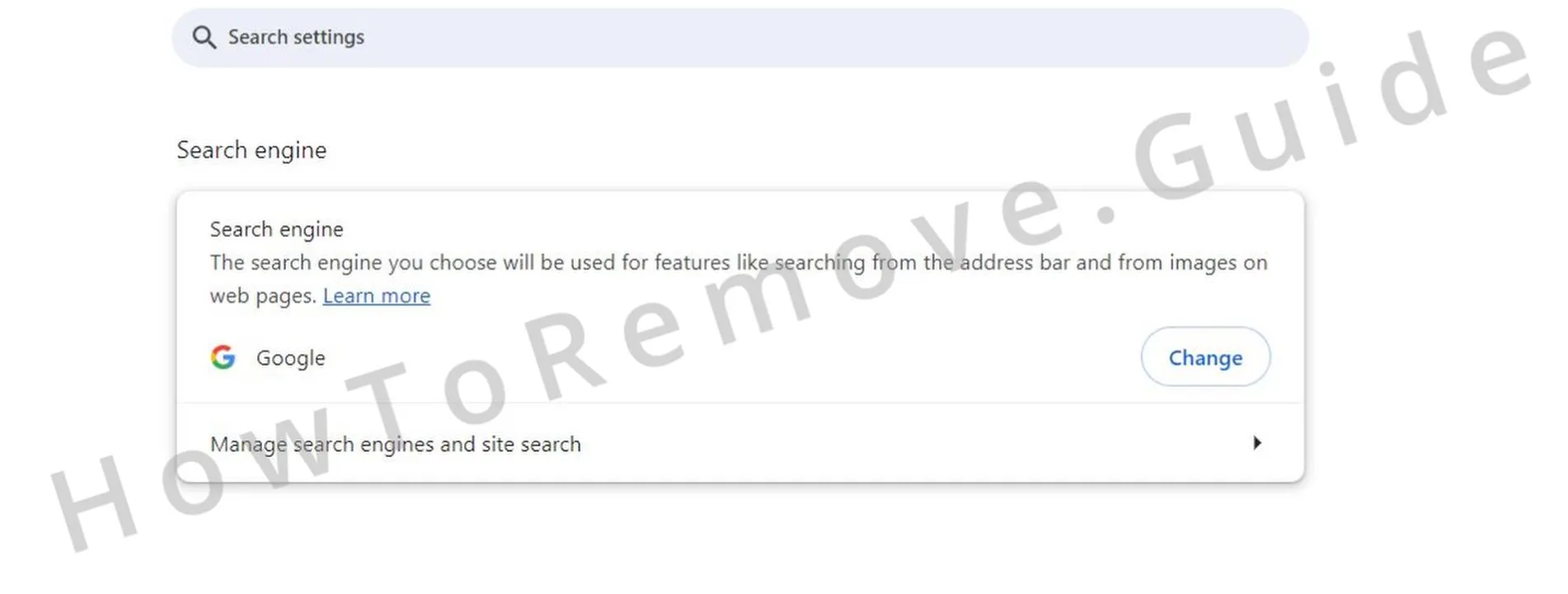 Visit the Search Engine Settings → Manage Search Engines section. Erase anything you didn’t set up and assign your preferred search tool (Google, Bing, or DuckDuckGo) as default.
 - 4.5Lastly, open your Startup or Appearance settings. Remove any startup links that appeared on their own. Set your homepage to a trusted website to block Iadispatcher from hijacking it again.
What Is what is ext.iadispatcher.com?
No. Iadispatcher (iadispatcher.com / ext.iadispatcher.com) is associated with a browser hijacker and a fake search engine, not with a self-replicating computer virus. It does not generate its own search results; instead, activity typically appears as a redirect chain that flashes a blank ext.iadispatcher… page and then hands off to a legitimate engine such as Yahoo. The behavior centers on manipulating browser configuration – reassigning the default search engine, homepage, and new-tab URL – so that searches or new tabs consistently route through the hijacker’s path. Persistence is common: the software can block access to settings or revert user changes, which explains why modifications may not “stick.”
Reports concentrate on Chrome and sometimes on a single signed-in Google profile, with settings sync capable of spreading the behavior across devices that share that account. In some cases the redirect appears specifically when the default engine is google.com, while switching to an alternate Google domain temporarily suppresses the symptom – evidence of targeted rather than universal rules.
While Iadispatcher itself presents as a web endpoint in a redirect chain, software that promotes it is often delivered via bundled installers, intrusive ads, or other deceptive channels. These hijackers commonly track browsing data (visited URLs, queries, cookies) and can collect sensitive information such as credentials or financial details, which creates privacy and fraud risks. Consequently, the correct classification is “browser hijacker/search redirect,” with potential for broader security impact through data collection and further unwanted software, rather than “virus” in the traditional sense.
How to Avoid Iadispatcher: Important Tips
Everyone knows to avoid sketchy sites, pirated downloads, and suspicious links. Those basics matter, but there are additional, often overlooked steps that reduce exposure to hijackers like Iadispatcher:
- Disable automatic downloads by forcing the browser to always ask for a save location before downloading any file.
- Turn on enhanced browser security (e.g., “Enhanced protection”) and enforce secure connections to harden against malicious redirects and drive-by installs.
- Use a reputable ad-blocker to cut hazardous pop-ups and redirect chains and to surface warnings on unsafe pages.
- Prefer official distribution channels; avoid freeware bundles and file-hosting mirrors that commonly package extras.
- During setup, choose Custom/Advanced installation and opt out of additional apps, extensions, or “recommended” features.
- Audit extensions regularly; remove anything unnecessary or unfamiliar, and treat the sudden appearance of new add-ons as a red flag.
- Review whether settings are “managed” in Chrome; unexpected policy enforcement or settings that revert suggest a hijacker’s persistence mechanism.
- Check default search engine, homepage, and new-tab URL on every device that syncs with your Google account; an affected profile can propagate changes across machines.
- Be cautious with browser notifications; rogue sites use “allow notifications” prompts to funnel intrusive content and redirect loops
After any install or major browser change, verify that your search engine and new-tab behavior still match your choices and that changes persist after a restart.
