

If your Chrome, Edge or another browser has been acting oddly and you’ve been frequently landing on scammy pages full of ads, you may think it’s a virus, but it’s more likely something like Isafe-Net – a hijacker known for triggering such browser behavior. But hijackers have become craftier, so you may also notice “malware warnings” from popular AVs pop-up on your screen (usually the bottom-right). It doesn’t actually matter if you’ve got the AV installed, because that’s not a legitimate warning. It’s still just Isafe-Net trying to trick you into clicking the pop-up and probably downloading some actual malware.
Okay, so if Isafe-Net isn’t a virus, it’s not dangerous, right? Not exactly. You see, similar to Searchcalm.com, it won’t steal files or anything like that, but it is a security risk. These hijackers thrive by misleading users and steering them toward sketchy sites that can serve up scams or real malware. That’s where the danger lies – not in the hijacker itself, but in the junk it promotes. Too many people panic and click on the warnings, which is exactly what Isafe-Net wants. If you search your settings and find SearchG virus, this could also be a very serious reason for the appearance of Isafe-Net in your browser. The good news is that you can root it out and get your browser back to normal. I’ll guide you step by step through the removal process, or you can just use SpyHunter 5 and get this over with in the next 10 minutes.
We tested that SpyHunter successfully removes Isafe-Net* and we recommend using it. It will block Isafe-Net from reinstalling itself and it will make sure your device is clean from any malware.
 Try Free For 7 Days*
Buy now15% OFF if you buy straight without trial.
 OFFER
OFFERIsafe-Net Removal Tutorial
Start by narrowing your focus to the browser and the few places that actually matter. Changing unrelated settings can add noise and make troubleshooting harder. Work deliberately, verify after every adjustment, and keep notes so you can reverse course if needed. The goal is to isolate the behavior, identify its trigger, and remove only what clearly relates to Isafe-Net.
Quick Steps to Remove Isafe-Net
- 1.1Why begin in the browser’s controls? Because Isafe-Net often arrives as a permissioned add-on. Open your everyday browser and go to Settings. In Chrome, use the ⋮ button at the top right; in Firefox, open the ☰ menu. Then open Extensions in Chrome or Add-ons in Firefox and review before acting.
- 1.2Problem, then decision: suspicious entries mimic trusted names. Check each add-on’s name, icon, permissions, and description carefully. If something feels off, it probably is, so click Remove. Still unsure? Search the exact name in quotes to surface reports, and only keep items you recognize from your own installs.
- 1.3Cause→effect→action: loose permissions enable pop-ups and redirects. In Privacy and security, open Site permissions. Look at access for microphone, camera, location, and notifications. Remove any domain you do not recall approving. Tightening notifications reduces drive-by prompts that reappear after restarts.
- 1.4Finish the pass properly so changes stick. Delete questionable sites from all permission lists, close the browser completely, and reopen it. That restart clears cached state that might repopulate settings. If the issue lingers, proceed to the deeper policy checks described below.
These quick actions frequently break the feedback loop that keeps unwanted behavior alive. If the hijack persists, it may be enforced through managed policies that override normal preferences and require a deeper cleanup.
SUMMARY:
| Name | Isafe-Net |
| Type | Browser Hijacker |
| Detection Tool |
Some threats reinstall themselves if you don’t delete their core files. We recommend downloading SpyHunter to remove harmful programs for you. This may save you hours and ensure you don’t harm your system by deleting the wrong files. |
How to Remove the Isafe-Net Virus
Seeing “Managed by your organization” in a consumer setup points to policy-enforced settings. That banner is not inherently harmful, but when it appears unexpectedly, it often indicates a third-party policy with extension rules or locked preferences. The practical approach is to enumerate active policies, correlate them to installed extensions, and remove only what maps to Isafe-Net.
“Managed by your organization” indicates a policy is controlling browser settings.
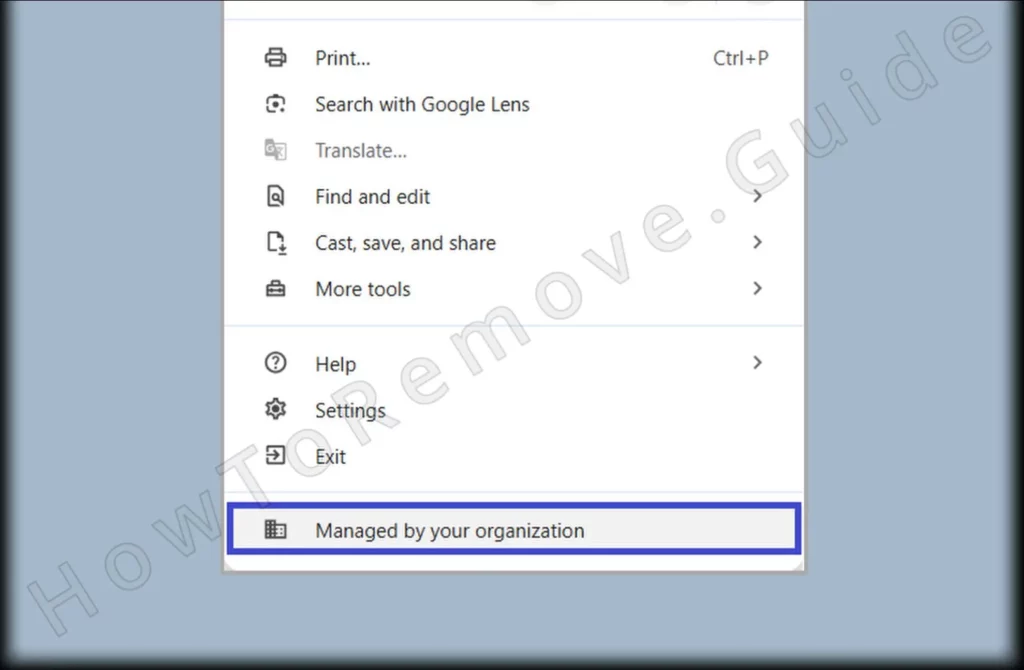
1. Identify the Isafe-Net Policies
- 1.1
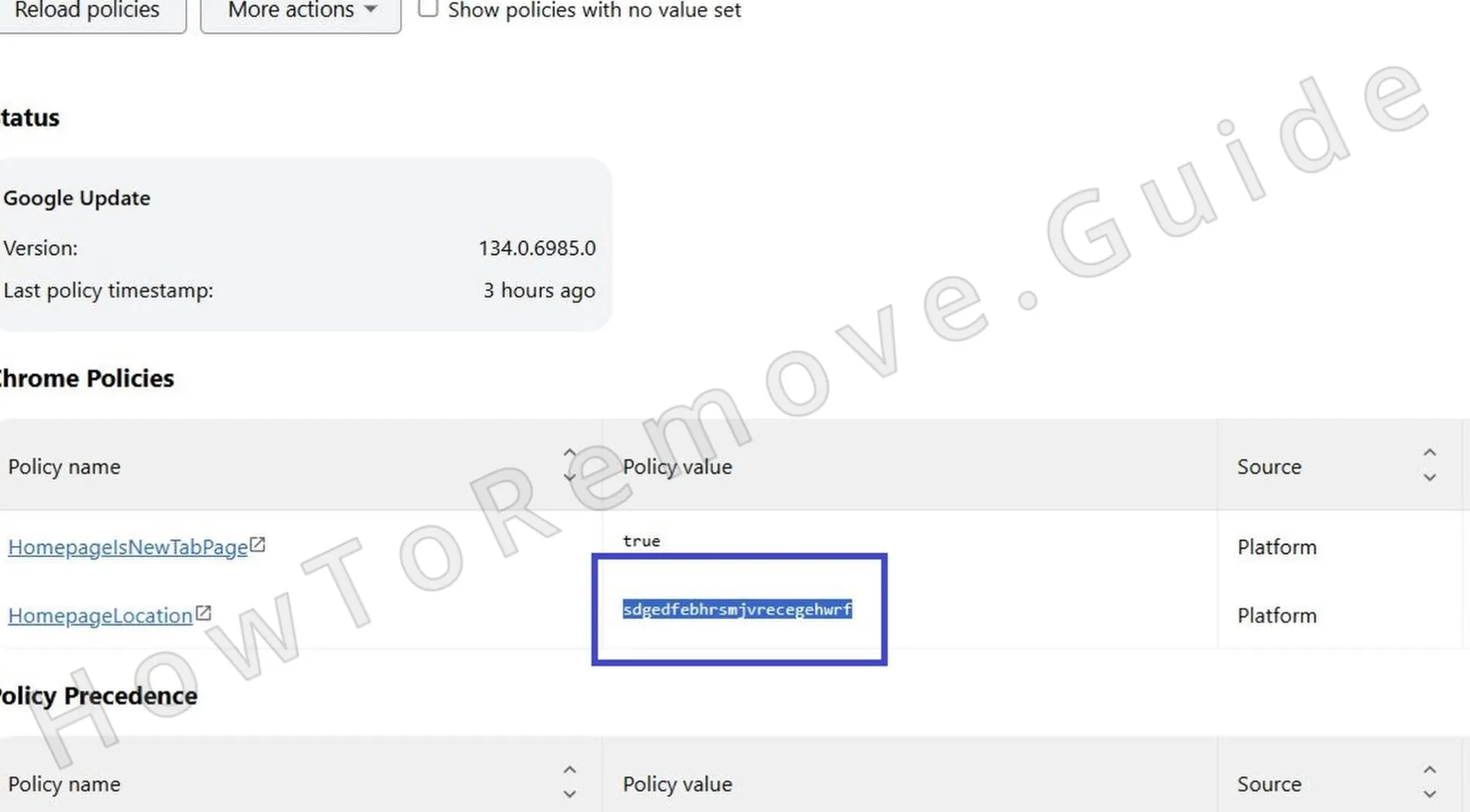 Question, then answer: where do enforced rules live? In Chrome, go to chrome://policy; in Edge, open edge://policy. Let the page load, then scan for items you did not configure. This inventory tells you exactly which policies might be backing Isafe-Net.
 - 1.2Problem→diagnosis→fix. Open suspicious entries and read their values, noting any extension references, URLs, or blocked settings. Capture a quick record with screenshots or a text note. Precise notes speed up cleanup and help you confirm results after a reboot.
- 1.3Decision-rule: if a policy references an extension, find its identity. Open the Extensions page and enable Developer mode (top right). Record each extension ID and any shown installation path. Mapping policy to a specific ID reduces the chance of deleting something legitimate.
- 1.4When the Extensions page is blocked or unstable, switch tactics. Use File Explorer to inspect installed extensions directly, bypassing the browser UI that a hijacker might be influencing.
- 1.5
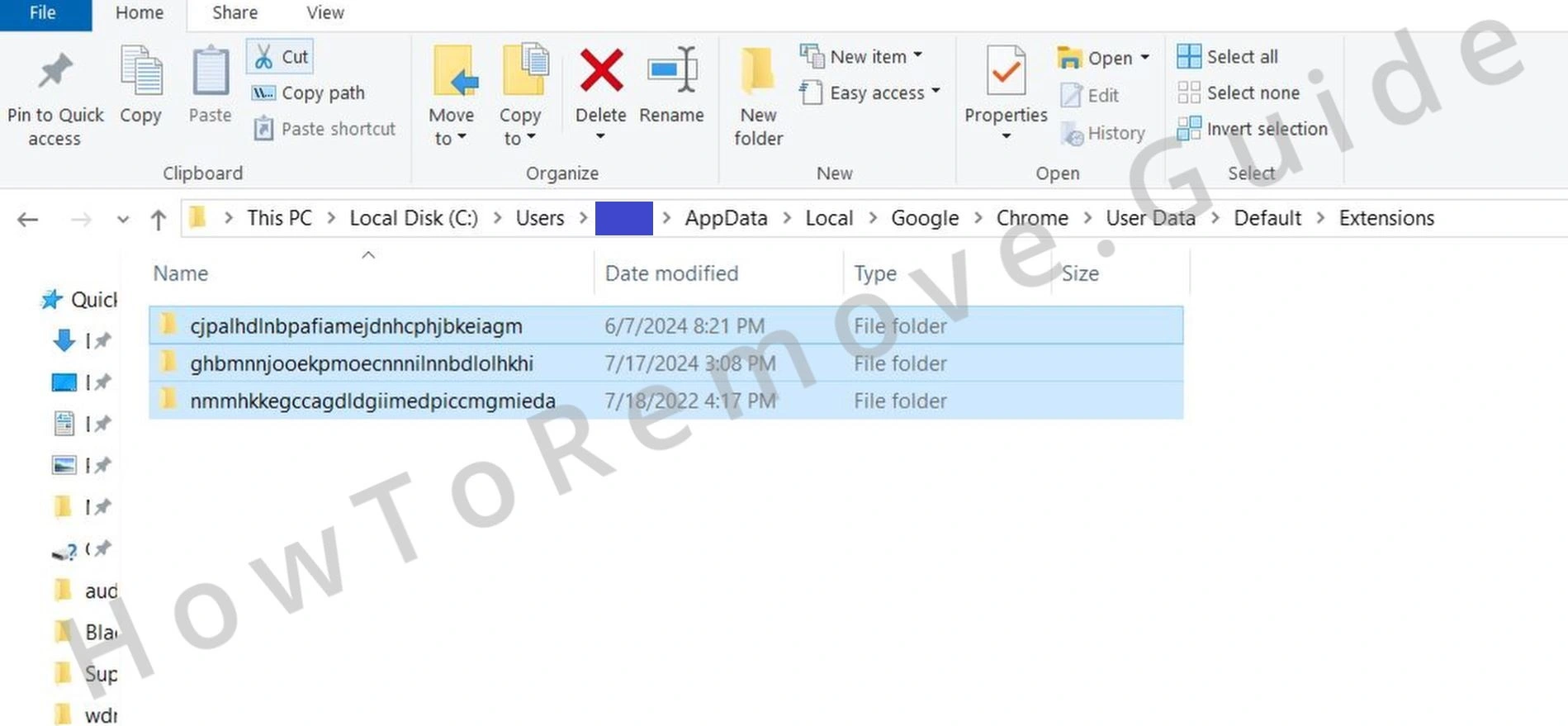 Now compare IDs to folders. Navigate to C:\Users<Your Username>\AppData\Local\Google\Chrome\User Data\Default\Extensions. Every subfolder name equals an extension ID. Match the suspicious ID, confirm it is unwanted, ensure the browser is closed, then delete that folder. Show Hidden items so AppData is visible.
 - 1.6
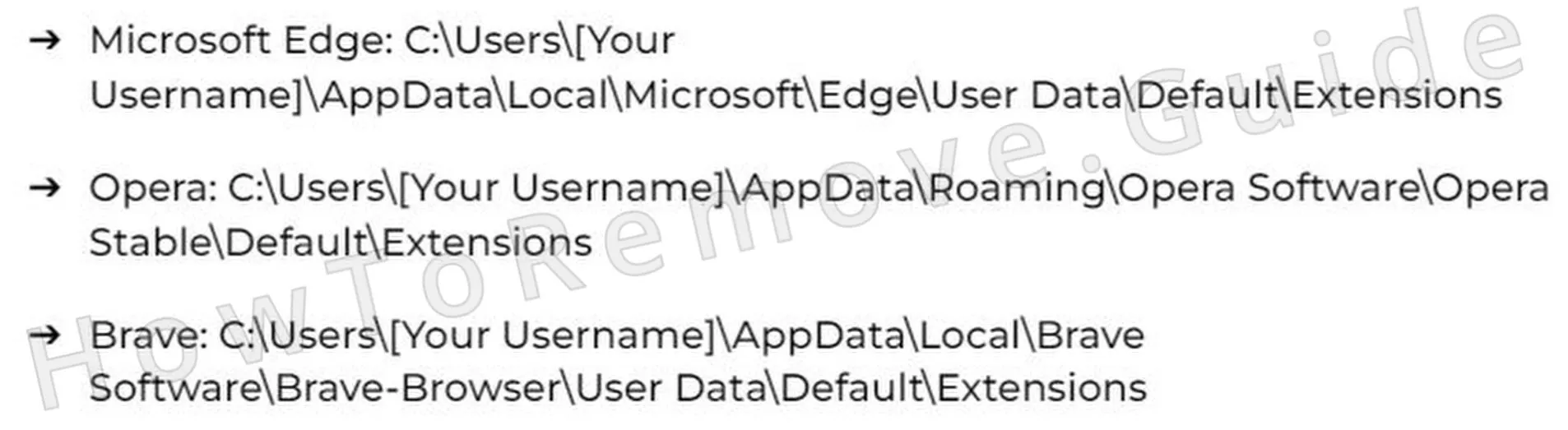 Using Brave, Opera, or another Chromium variant? Repeat the check in C:\Users<Your Username>\AppData\Local<Browser>\User Data\Default\Extensions. Remove folders for extensions you never installed or that correspond to the suspect ID discovered earlier.
 - 1.7Return to Extensions with Developer mode on and verify the entry is gone. If it reappears, temporarily disable Settings → Sync, close the browser, re-delete the folder, and check whether another profile is restoring it from cloud data.
Get Rid of Isafe-Net Policies
Policy keys in the Windows Registry can lock settings regardless of what you do in the browser UI. Editing the Registry is sensitive work, so back up first and change only keys that clearly correspond to the recorded policy names or IDs. Patience here reduces the risk of breaking unrelated components while removing Isafe-Net.
2. How to Delete Isafe-Net Policies Through the Registry
- 2.1Safety before speed applies here with Isafe-Net. Press Windows + R, type regedit, then press Enter to open Registry Editor. Create a backup using File → Export and save a full copy of the registry. With a backup secured, proceed to targeted removals only.
- 2.2Cause→effect→action: known IDs lead you to the right keys. Press Ctrl + F or use Edit → Find, then search for the extension ID or policy name you noted. Delete matching entries tied to browser policies. Continue with Find Next until no further results appear, especially under HKEY_LOCAL_MACHINE\SOFTWARE\Policies\Google\Chrome and HKEY_CURRENT_USER\SOFTWARE\Policies\Google\Chrome.
- 2.3
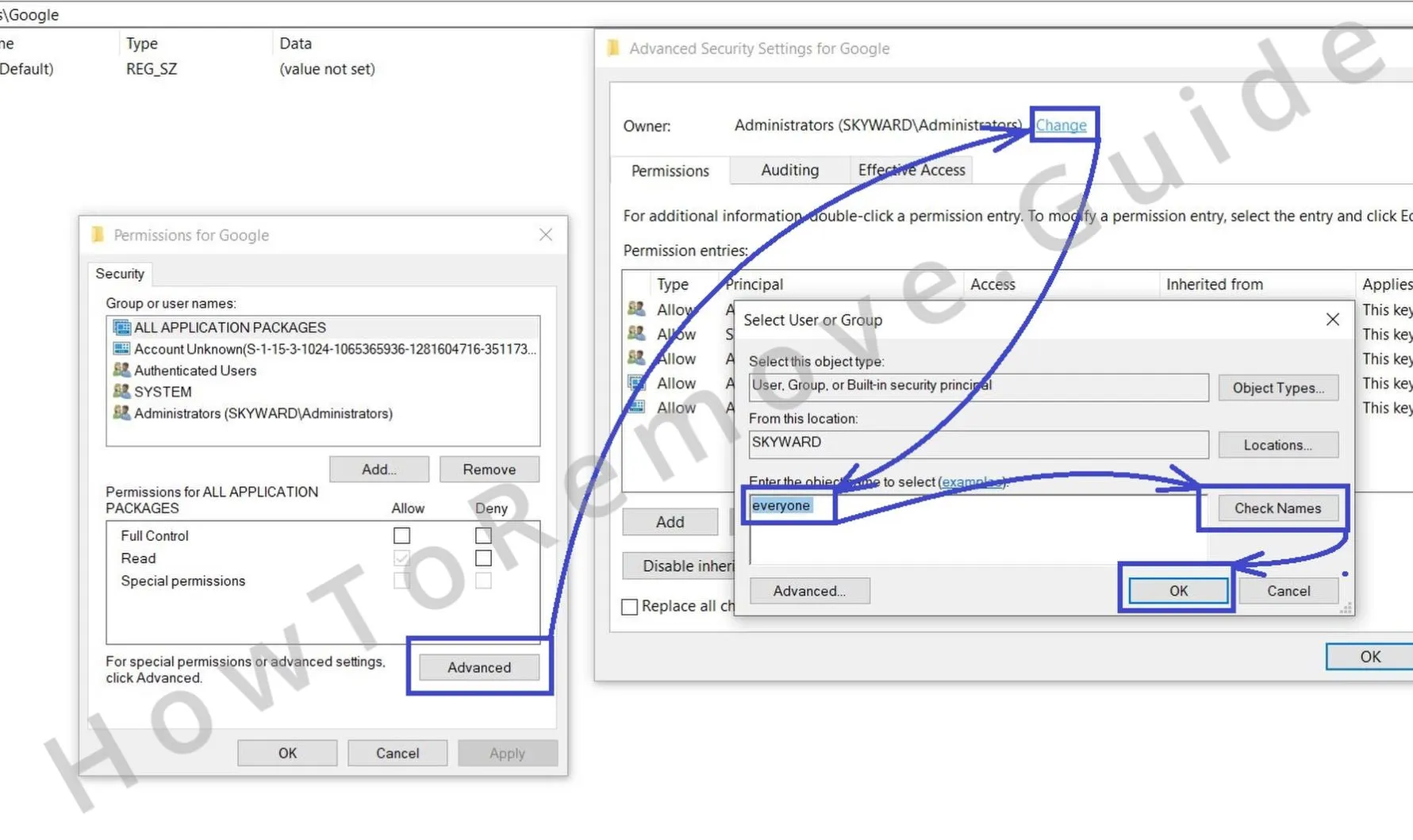 If Windows denies access, elevate your permissions on the specific key. Right-click the key, choose Permissions, select Advanced, click Change next to Owner, type Everyone, hit Check Names, then OK. Taking ownership allows you to modify locked policy keys.
 - 2.4
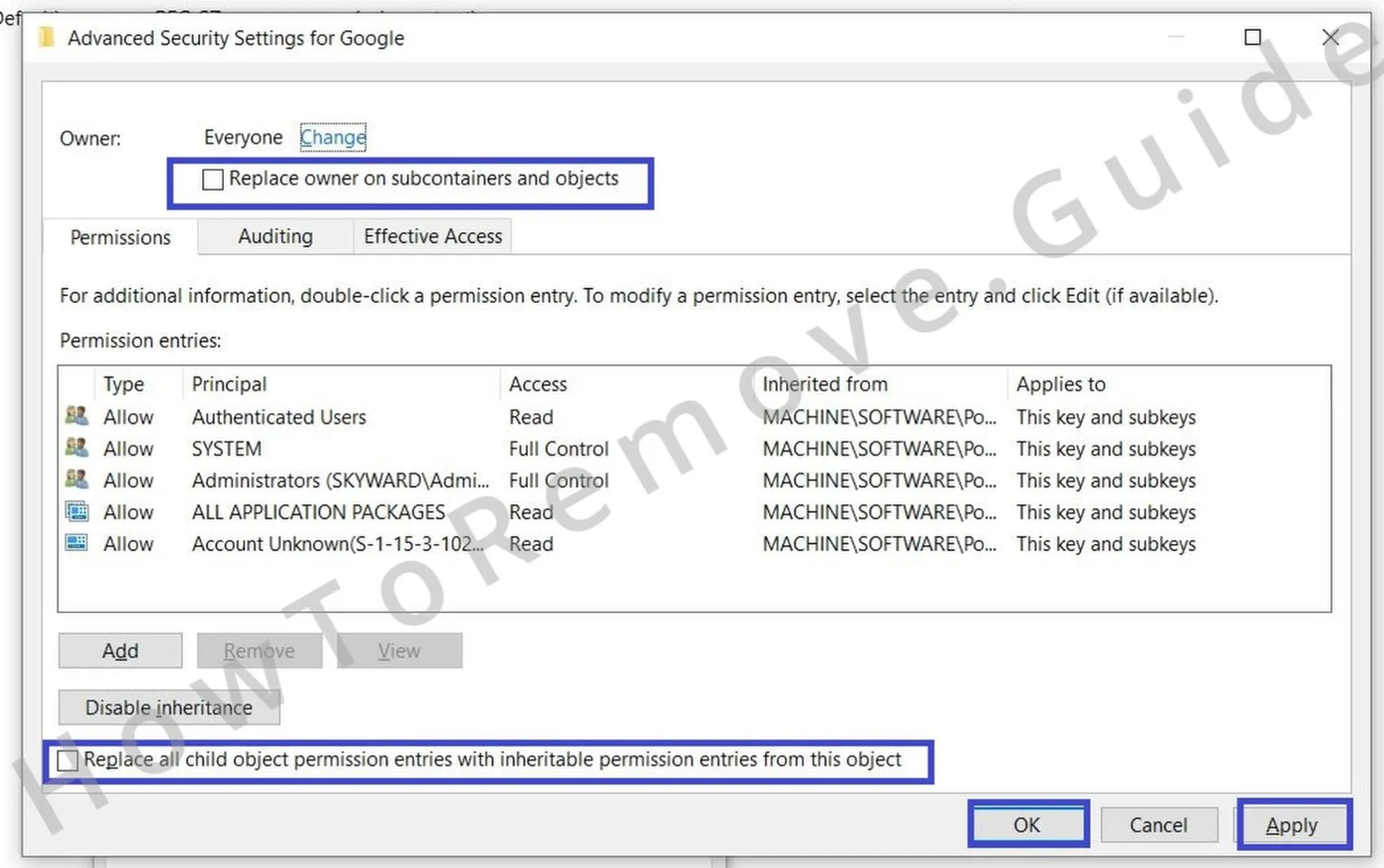 Extend control to subkeys so nothing lingers. Enable Replace owner on subcontainers and objects and Replace all child permission entries with inheritable permissions from this object. Apply, confirm, delete the policy key, restart the computer, and open the browser to confirm the “Managed by your organization” banner is gone.
This gives you the access needed to delete the rogue key.
Alternative Tools to Delete Isafe-Net Policies
Occasionally, policy settings originate from imported templates or helper utilities rather than hand-made keys. When you remove keys but the policies return, widen the search to Local Group Policy templates and use vetted cleanup utilities. Moving carefully ensures you remove the enforcing source and not just its outcomes tied to Isafe-Net.
3. Other Ways to Get Rid of Isafe-Net Policies
- 3.1
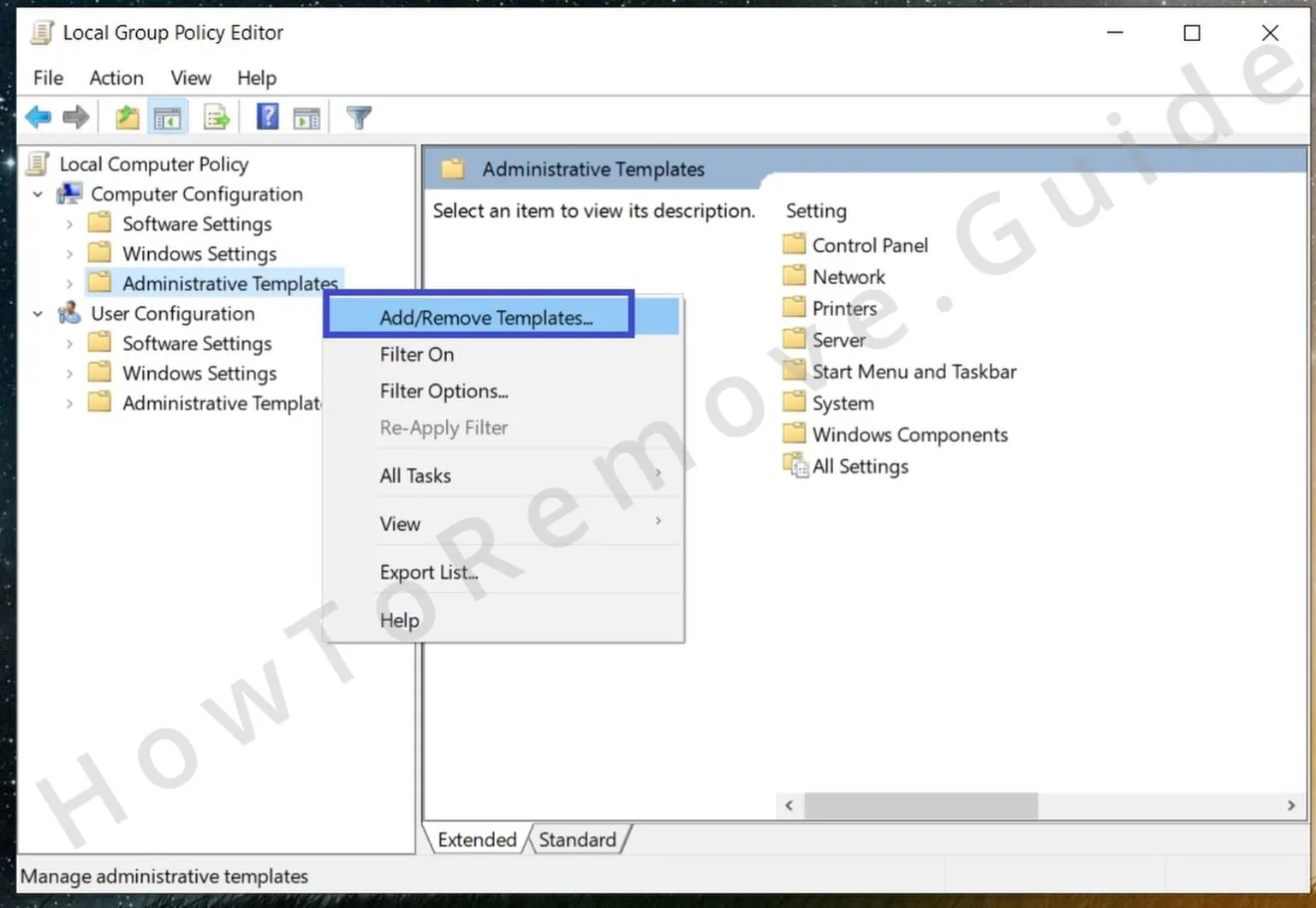 Question, then action: could Local Group Policy be injecting rules for Isafe-Net? Press Windows + S, type Edit Group Policy, and open the Local Group Policy Editor. Expand Administrative Templates in the left pane to view active template sources.
 - 3.2
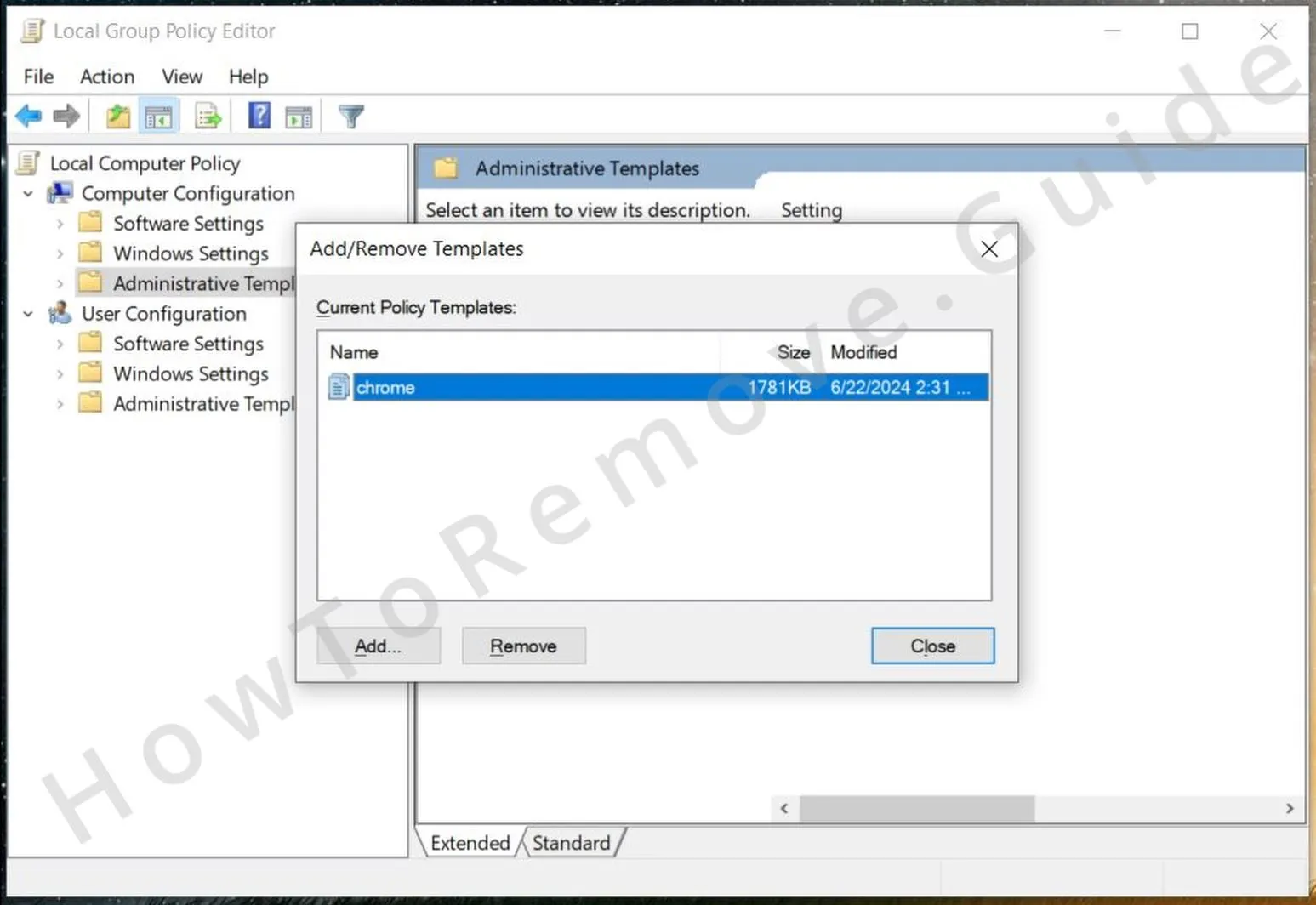 Problem→diagnosis→fix within templates. Right-click Administrative Templates, choose Add/Remove Templates, and remove entries you do not recognize. Unknown templates can reapply Chrome or Edge restrictions even after registry cleanup, so pruning them prevents policy rebound.
 - 3.3Decision-rule for Chrome-only environments: a trusted Chrome Policy Remover utility can reset policy keys to defaults. Save the tool, right-click it, and choose Run as administrator so it can affect machine-level locations.
- 3.4If SmartScreen flags the file, use More info → Run anyway only when the source is trustworthy. After running the tool, reboot, then revisit both Registry Editor and chrome://policy or edge://policy to confirm nothing repopulates.
Uninstall Isafe-Net From Chrome, Edge, and Other Browsers
After policies are cleared, leftover profile data can still cause redirects or altered homepages. Cleaning the profile is straightforward and prevents stale entries from bringing behavior back. Work through extensions, cached data, permissions, search providers, and startup settings to eliminate traces that may be tied to Isafe-Net.
4. How to Remove Isafe-Net From Your Browser
- 4.1Scenario: the entry returns after a sync event. Open the Extensions/Add-ons page and remove any reappearing item linked to Isafe-Net. Temporarily suspend Settings → Sync so cloud-stored data cannot republish it while you finish local cleanup across profile
- 4.2
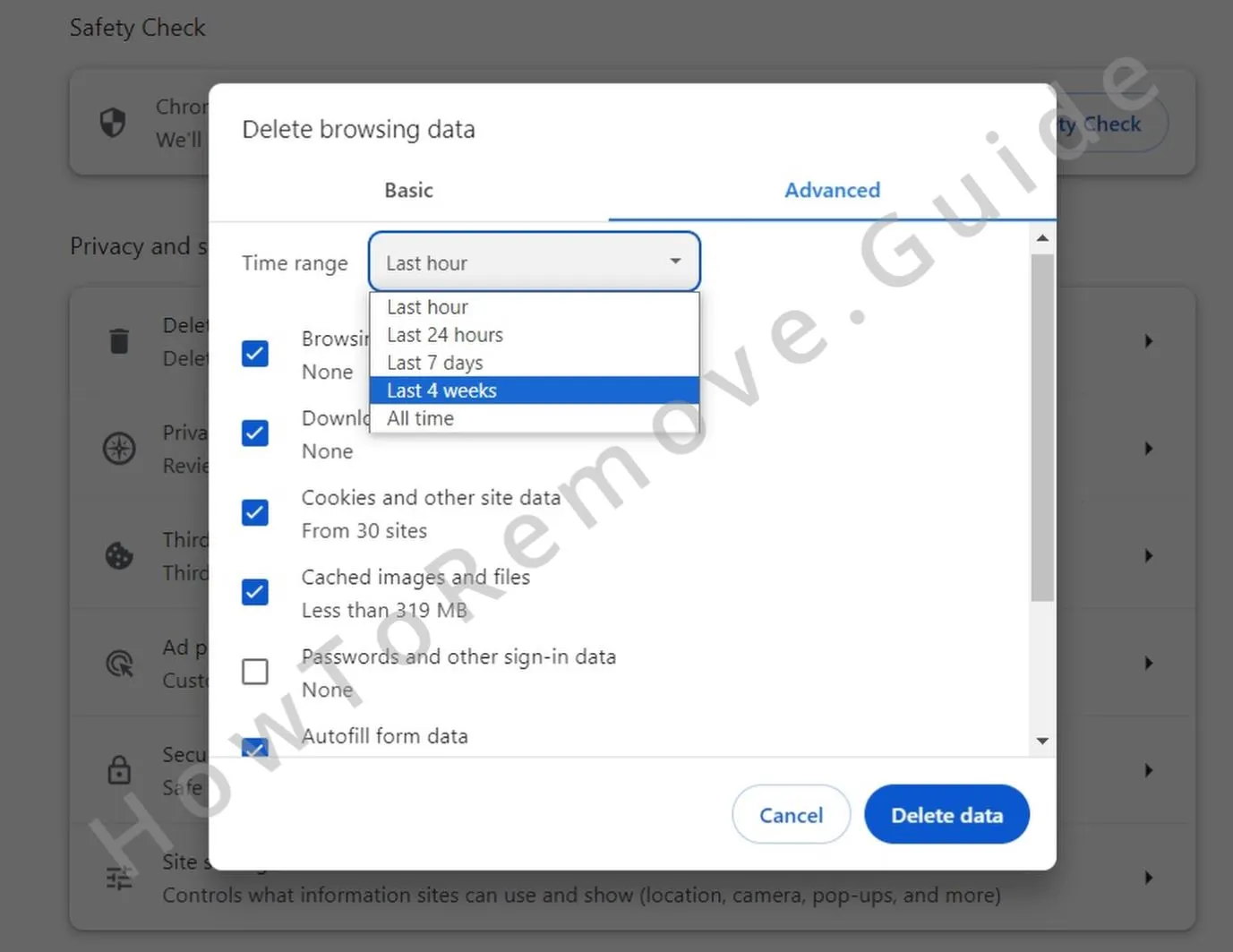 Cause→effect→action for persistence via stored data. Open Clear browsing data, select Time range → All time, leave Saved passwords unchecked, and clear the rest, focusing on Cookies, Cached images and files, and Site data. This flushes service worker caches that can keep redirect logic alive.
 - 4.3
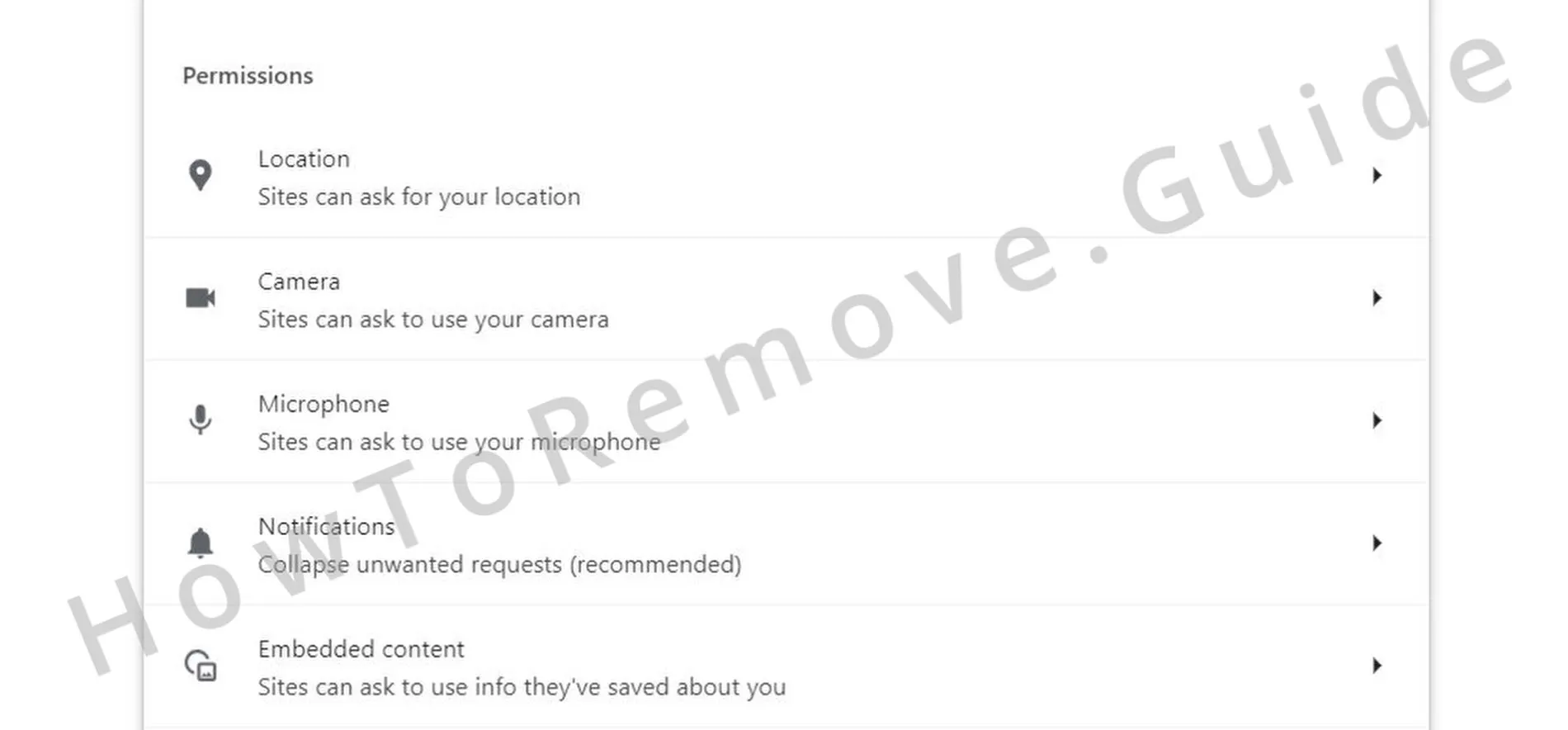 Harden per-site rules. Under Privacy and security → Site settings, revoke permissions for any domain you do not trust. Double-check Notifications, Pop-ups and redirects, Background sync, and Automatic downloads since these categories are frequently abused by unwanted sites.
 - 4.4
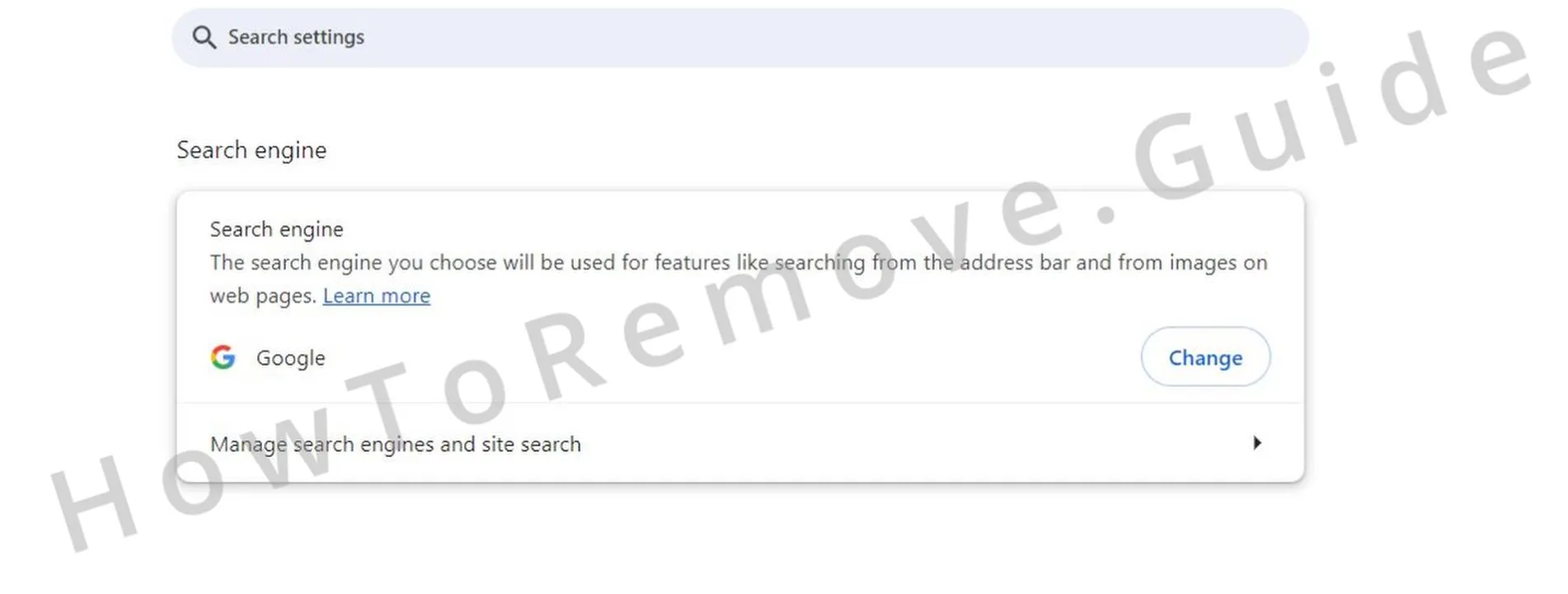 Restore search integrity. Go to Search engine settings → Manage search engines. Remove unknown providers and set a reliable option like Google, Bing, or DuckDuckGo as default. Also confirm that the address bar uses the same engine if your browser separates them.
 - 4.5Finally, neutralize homepage hijacks. In On startup or Appearance, remove unfamiliar pages and set a trusted homepage. If the setting keeps reverting, use the browser’s Restore settings to their original defaults, then reapply your preferences and re-enable sync after another clean restart.
If anything recurring appears, revisit policy pages, confirm templates are gone, and check for additional browser profiles. Completing one more verification pass now saves time later and keeps your system stable for normal browsing.
