

Recently, we read a bunch of user reports on security forums about something called Mightytechy, which got our attention. The reports describe on-screen alerts about malware infection appearing near the center or bottom-right of the display. The banners appear branded as well-known antiviruses even when the software is not installed. In many of these cases, the page origin resolves to Mightytechy or a similar redirect domain, indicating a browser hijack rather than a legitimate alert.
Affected systems often show search redirections (e.g., through bingsearch.io/redirect[…]) and, for specific query terms like “yahoo,” “ai,” or “virus,” the flow can switch to Mightytechy; other redirects such as Yahoo or potterfun.com are also reported. The underlying cause commonly involves a policy-pinned extension marked “installed by enterprise policy” and “Managed by organization,” sometimes using non-store names like stellarxenonius or NanoPhotius. Do not interact with these pop-ups; address the browser hijack and its policy-based persistence instead.
We tested that SpyHunter successfully removes Mightytechy* and we recommend using it. It will block Mightytechy from reinstalling itself and it will make sure your device is clean from any malware.
 Try Free For 7 Days*
Buy now15% OFF if you buy straight without trial.
 OFFER
OFFERHow to Remove the Mightytechy Virus
Removing Mightytechy-related changes often starts with basic checks. Review the browser’s search engine and startup settings, remove unfamiliar extensions – particularly non-store entries or ones that reappear – and disable site notifications you did not approve.
Watch for redirect behavior to Mightytechy.com, bingsearch.io, or potterfun.com after searches. If these simple steps do not hold (for example, the extension returns after restart), proceed to policy-level and system-level remediation. Beginning with the straightforward actions can quickly restore normal behavior if the hijacker has not entrenched itself via browser policies.
Quick Steps to Remove Mightytechy
- 1.1Open your web browser and locate its menu by selecting the designated symbol. For Chrome, tap the trio of vertical dots positioned in the upper-right corner; Firefox users should find the three stacked horizontal bars in that same spot.
Next, proceed to the Extensions (or Add-ons) area, where you can oversee all added extensions and detect any potential risks. - 1.2Carefully review the list of extensions you’ve installed, focusing intently on their titles and details. Should anything appear dubious or unknown, remove it immediately to halt any further complications.
Unsure about a particular extension? Look up its name on the internet to check if others have flagged it as harmful. Since dangerous extensions often get called out by the community, this method confirms that no problematic add-ons linger in your browser. - 1.3Navigate to your browser’s Privacy and Security options and closely examine the Site Permissions area. Websites might seek approval to deliver notifications, use your camera, or monitor your whereabouts – permissions that could be misused. Scrutinizing this section is essential to prevent unwanted access to your device’s capabilities and protect your personal boundaries.
- 1.4Sneaky websites often exploit these allowances to flood you with pop-ups and unwanted page redirects, ruining your online session. If you notice anything odd, like unfamiliar sites with overly broad permissions, cancel their access at once.
Taking this step curbs disruptive actions and shields your browsing from additional disturbances.
Once you’ve finished these actions, reboot your browser to lock in all adjustments. If Mightytechy still lingers, it’s time to dive into deeper methods to completely erase the problem.
SUMMARY:
| Name | Mightytechy |
| Type | Browser Hijacker |
| Detection Tool |
We tested that SpyHunter successfully removes Mightytechy* and we recommend downloading it. Manual removal may take hours, it can harm your system if you re not careful, and Mightytechy may reinstall itself at the end if you don't delete its core files. |
This tutorial calls for fundamental problem-solving abilities and includes several phases. Thoroughly execute each part to tackle Mightytechy effectively. If you are finding the manual removal method too challenging, consider trying the powerful Spy Hunter 5 anti-malware tool that you will find linked on this page.
Detailed Steps to Get Rid of Mightytechy
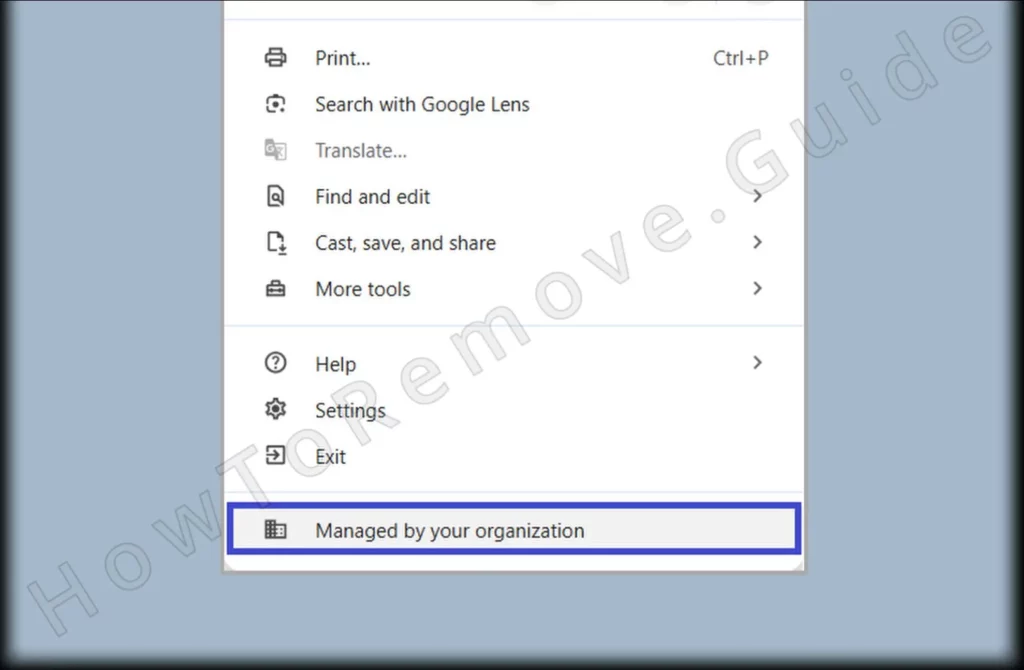
Sites like Mightytechy frequently rely on unauthorized policy rules to persist, which explains why quick resets may fail. Check the browser menu footer: if you see “Managed by your organization”, a policy is controlling settings and may be installing or protecting a hijacking extension.
In reported cases, Chrome shows extensions labeled “installed by enterprise policy,” sometimes with non-store names such as stellarlonica or nebulaspectror. Clearing the policy is necessary before normal extension removal will succeed.
“Managed by your organization” indicates a third-party policy is affecting the browser.
1. Identify the Mightytechy Policies
- 1.1
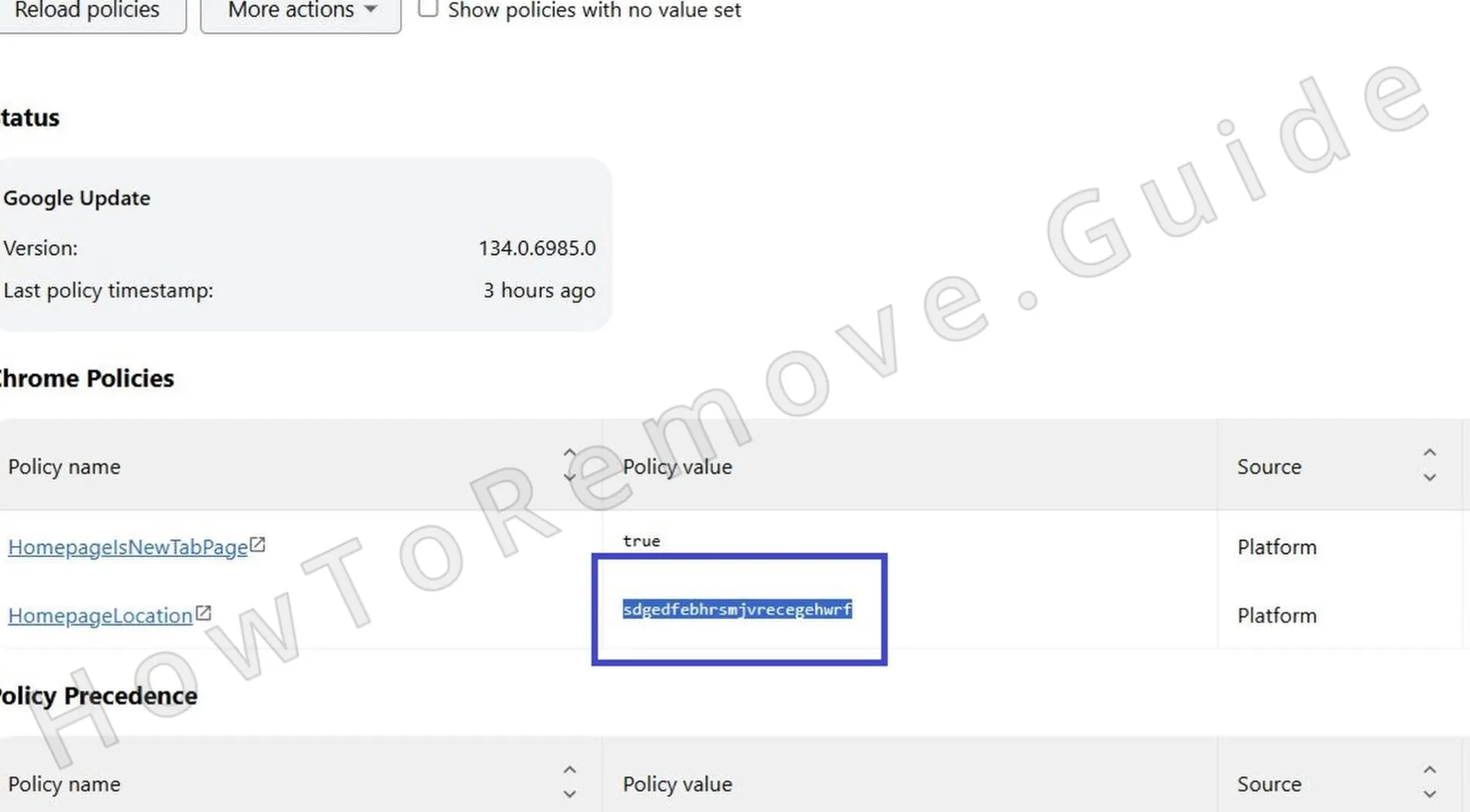 To explore this, type one of these into your browser’s address field, based on your browser:
► Chrome: chrome://policy
► Edge: edge://policy
Executing this reveals every active rule influencing your browser, letting you spot any unwarranted alterations. - 1.2If you see anything questionable – like an odd sequence of characters in the Value section – jot it down for later use. Recording these specifics is vital for tracking down and wiping out harmful rules tied to the issue.
- 1.3While in this area, revisit the Extensions page and activate Developer Mode by flipping its switch, found in the upper-right corner. This exposes extra info about each extension, such as its distinct ID, aiding in recognizing any that seem off.
Note the IDs of any extensions that strike you as strange or unrecognized for further scrutiny. - 1.4If restrictions block your access to the Extensions page, use this backup approach to manually purge extensions. Launch your file explorer and head to this path:
C:\Users[Your Username]\AppData\Local\Google\Chrome\User Data\Default\Extensions - 1.5
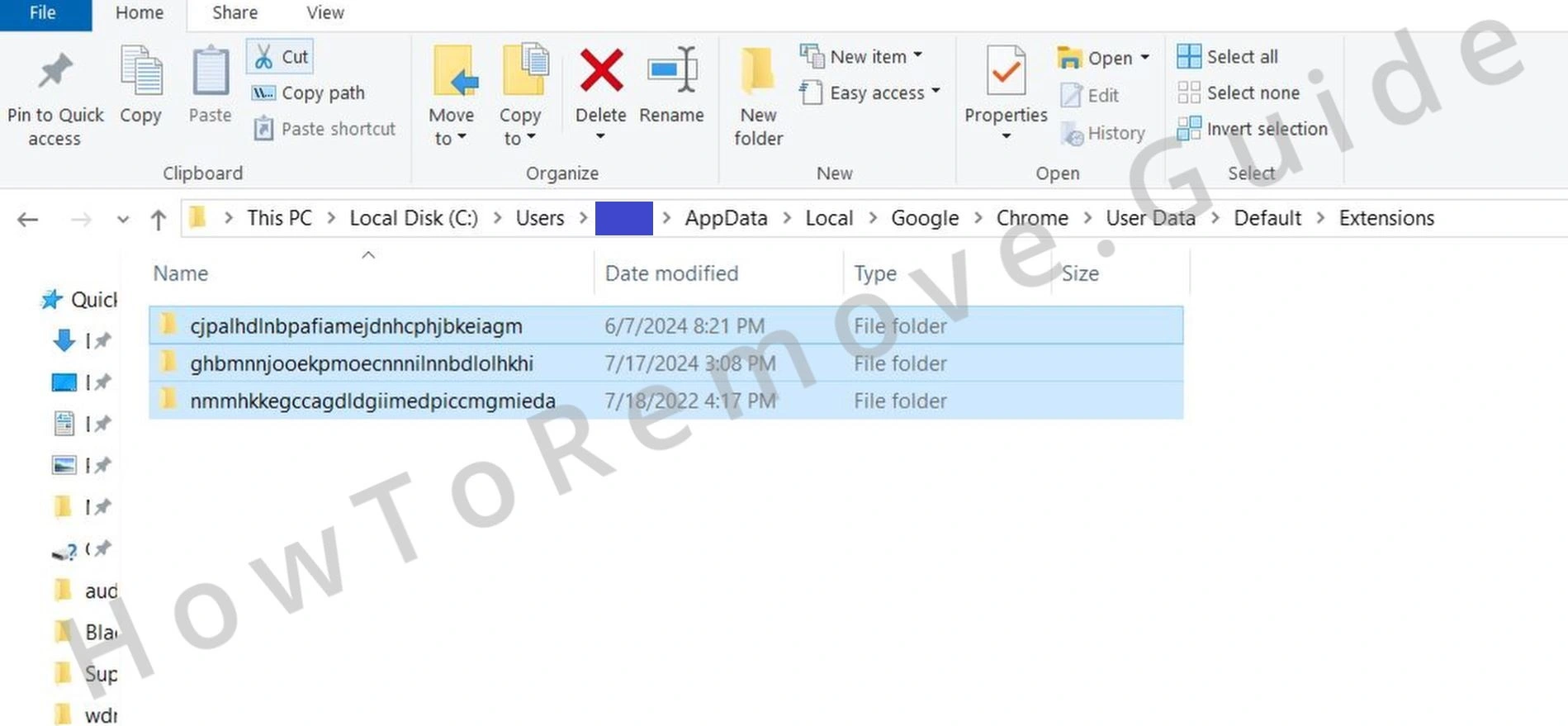 Wipe out all contents of this folder to discard every installed extension, guaranteeing no harmful ones stick around on your system. This move is key to rooting out any concealed or stubborn threats causing trouble.
 - 1.6
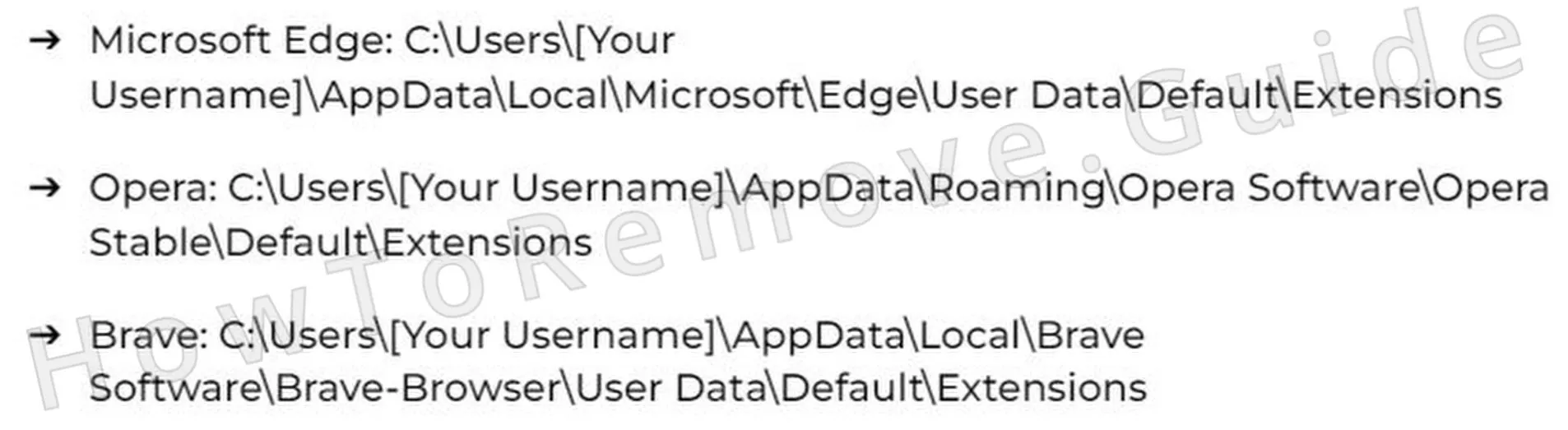 For Edge or other browsers built on Chromium, extension files reside in comparable spots, though the precise location might differ a bit. Each browser stashes extension data in a particular folder, so be sure to find the right one for yours.
 - 1.7After this, go back to the Extensions page and list the IDs of any lingering rogue items. Note down the IDs of extensions you think may be linked to Mightytechy.
Video walkthrough for this step:
We tested that SpyHunter successfully removes Mightytechy* and we recommend using it. It will block Mightytechy from reinstalling itself and it will make sure your device is clean from any malware.
Try Free For 7 Days*
Buy now15% OFF if you buy straight without trial.
Find and Delete Mightytechy Policies
More advanced steps target the policy itself via the Windows Registry. Proceed cautiously. Some users note that generic Registry edits alone did not remove the hijack, while others report that deleting specific policy entries – such as an extension allowlist – disabled the forced extension and stopped the redirects. Because behavior varies, document changes and back up the Registry before modification.
2. How to Delete Mightytechy Policies Through the Registry
- 2.1Tap Win + R, input “regedit”, and press Enter to bring up the Registry Editor, a robust utility for tweaking system configurations. Tread lightly – mistakes here could disrupt your system, so stay attentive.
- 2.2Activate the Find feature (Edit > Find) to hunt for the rule values or extension IDs you recorded earlier within the registry. If a match pops up, erase it on the spot to stop further meddling. Keep searching until no related entries persist, wiping out all remnants of rogue rules.
- 2.3
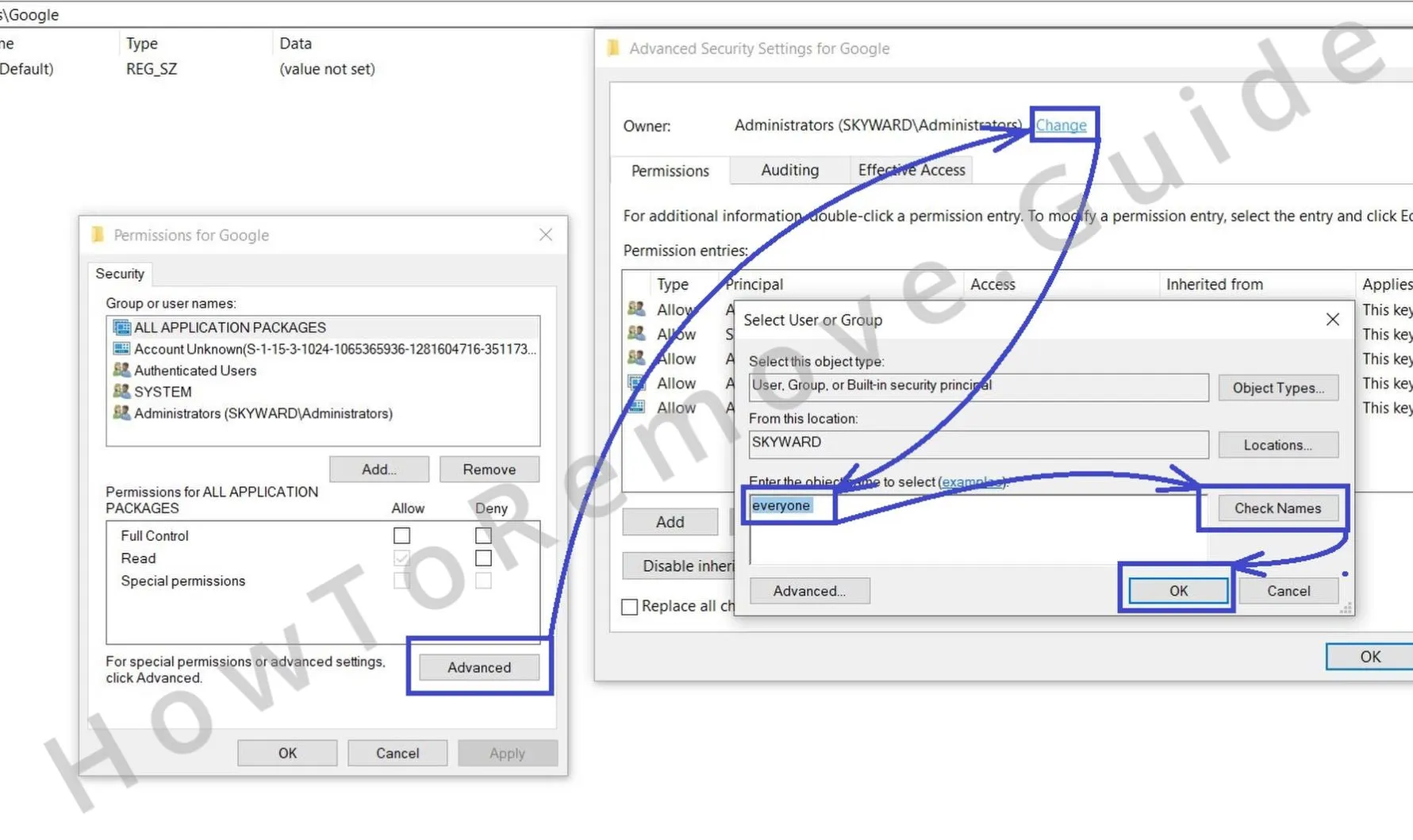 If some registry items resist deletion due to access limits, adjust their permissions with these actions:
► Right-click the item and choose Permissions to tweak its controls.
► Head to Advanced settings, hit Change, and update the permissions.
► Enter “Everyone”, click Check Names, then OK to grant full authority over that entry. - 2.4
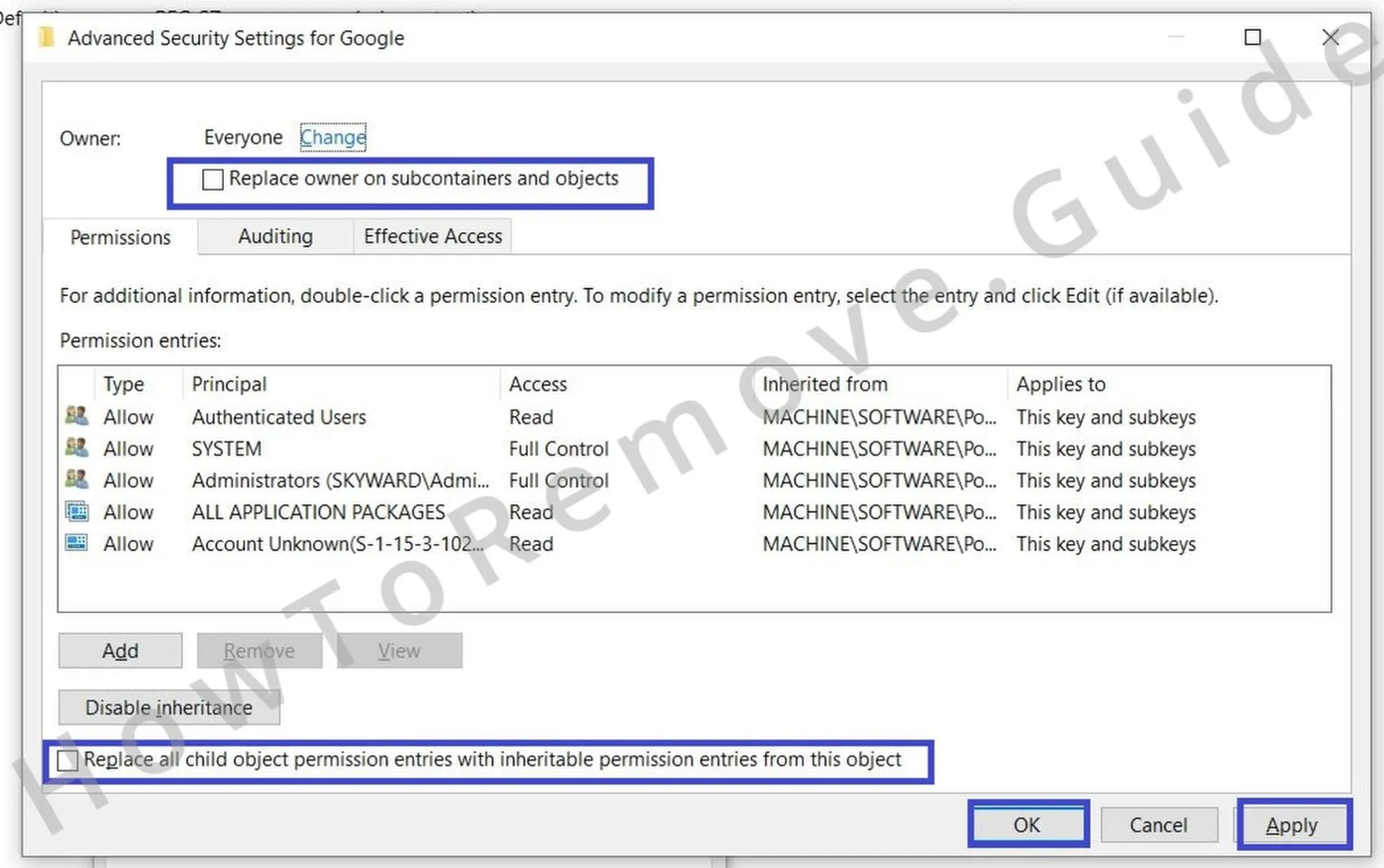 In the prior window, tick the two “Replace…” choices, then hit Apply and OK to save your edits. You should now have the power to delete the stubborn registry entry, clearing out even the toughest remnants from your system.
This unlocks the ability to remove the unwanted key.
This gives you the access needed to delete the rogue key.
Video walkthrough for this step:
Alternative Ways to Eliminate Mightytechy Policies
After policy changes, verify whether “Managed by your organization” is gone. If it persists – or the hijacking extension returns – expect additional persistence. Reports indicate that simply resetting or reinstalling the browser may work only temporarily. Continue with policy cleanup until the banner disappears and the non-store, policy-pinned extensions no longer reappear.
3. Other Ways to Get Rid of Mightytechy Policies
- 3.1
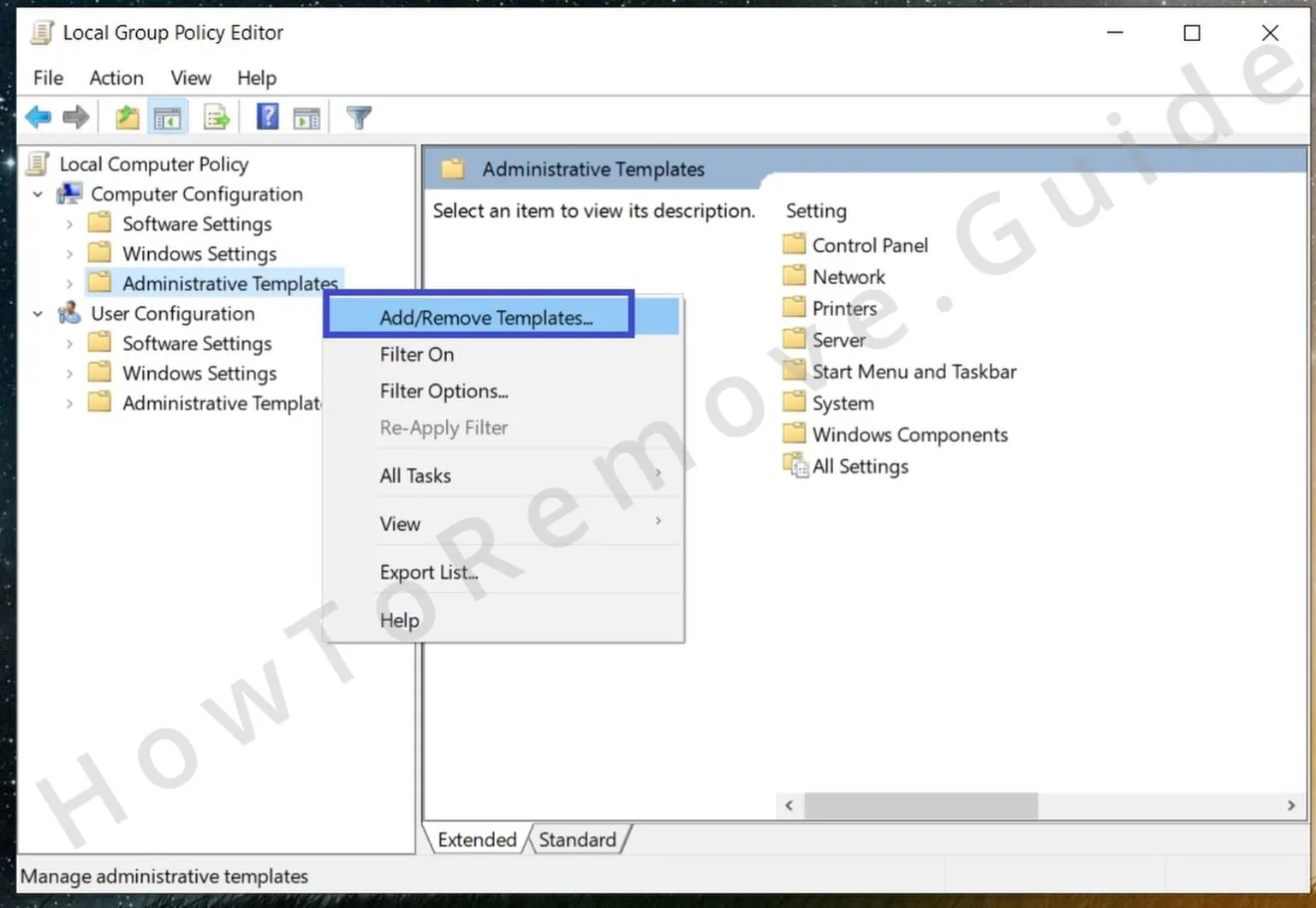 Click the Start menu, type “Edit Group Policy”, and open the Group Policy Editor, a utility for overseeing system-wide rules. Move to Administrative Templates to inspect and adjust policies impacting your setup.
 - 3.2
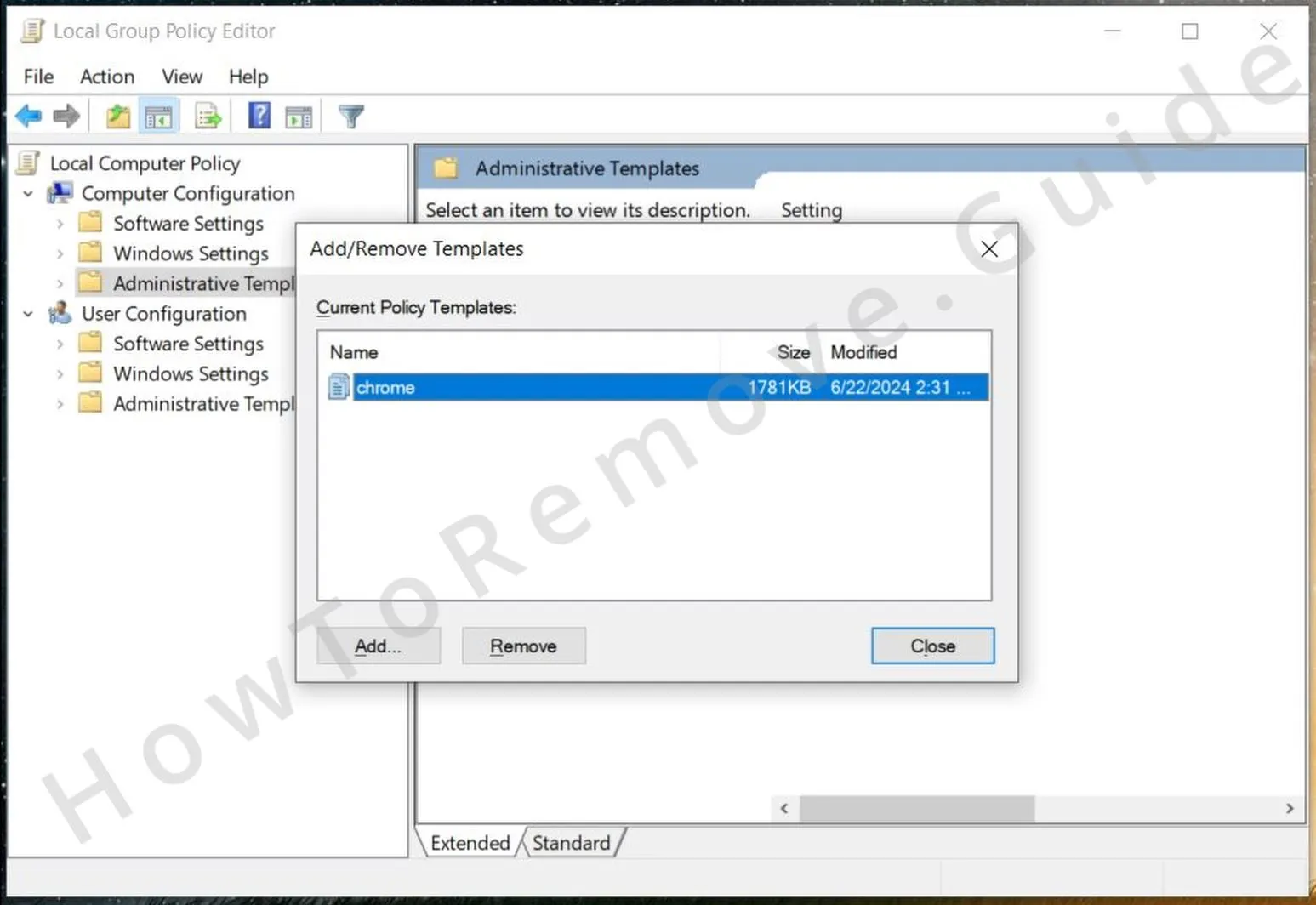 Right-click Administrative Templates, pick the Add/Remove choice, and empty the policy list that appears. Leave nothing behind – every item must be cleared to strip away any hijacker-imposed rules on your system.
 - 3.3For Chrome users, a handy free tool called the Chrome Policy Remover can tackle rogue rules set by hijackers. Here’s how to use it:
► Grab the tool from its source and store it on your device.
► Launch it with admin rights to grant it full access.
► Let it sweep away all Chrome rules automatically, easing the cleanup process. - 3.4If Windows flashes a security alert when you run the tool, don’t fret – it’s secure and tested. Select “More Info” > “Run Anyway” to override the alert and let the tool perform its job uninterrupted.
Video walkthrough for this step:
Manual Group Policy Removal
Automatic Group Policy Removal
Get Rid of Mightytechy in Chrome and Other Browsers
When the rogue rules are removed, you should regain control of the browser. Confirm that no unfamiliar extensions (e.g., stellarxenonius, stellarlonica, nebulaspectror, NanoPhotius) are present; the default search engine is restored; and searches no longer bounce through bingsearch.io or land on Mightytechy.com/potterfun.com.
Recheck for the absence of “Managed by your organization” and monitor for several sessions, since some users observed re-infection after resets. Diligent verification reduces the chance of recurrence.
4. How to Remove Mightytechy From Your Browser
- 4.1Revisit the Extensions page and conduct a final sweep of all listed extensions. Eliminate anything that looks odd or unknown to guarantee no harmful extensions linger in your browser.
- 4.2
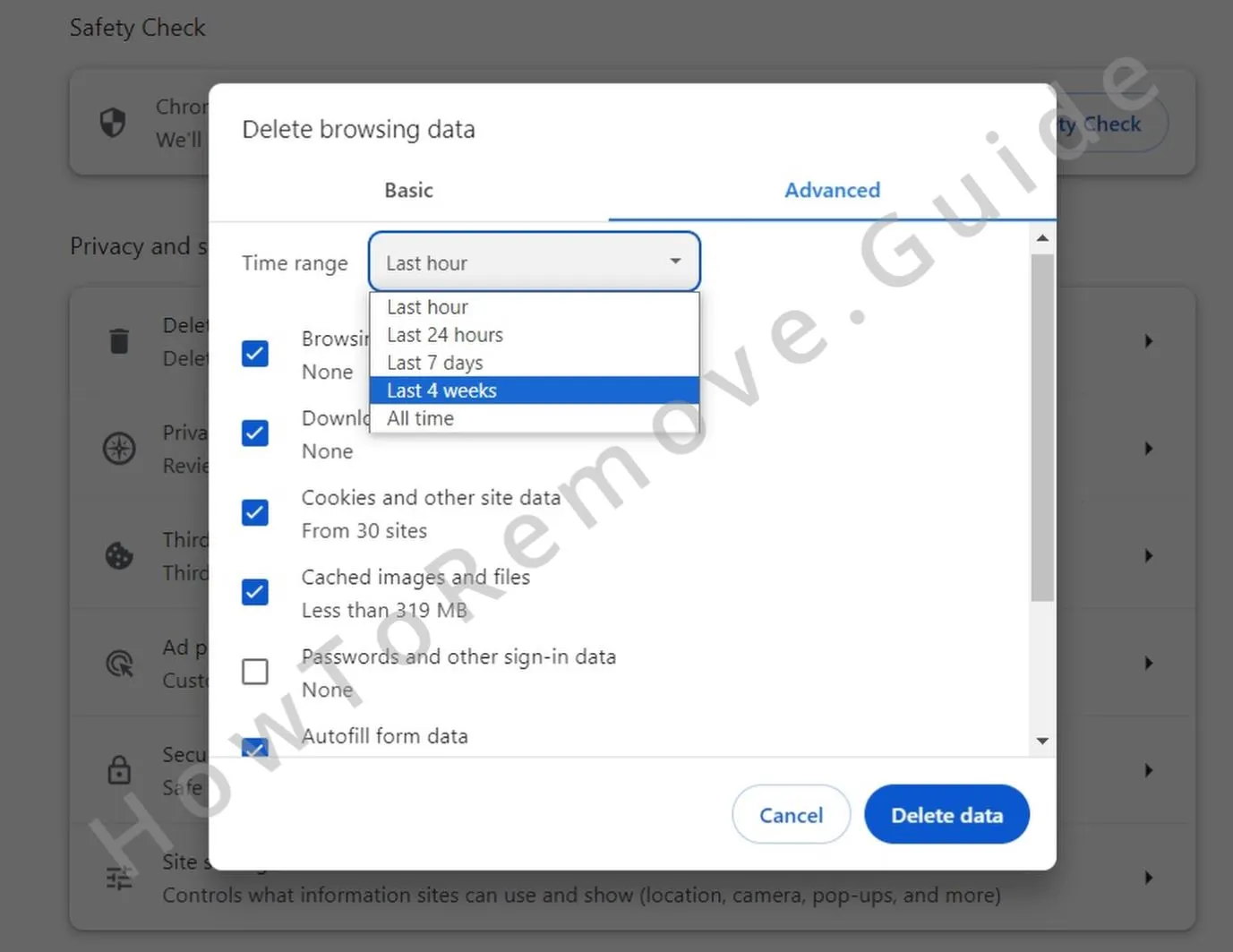 Access Clear Browsing Data, set the range to “All Time”, and wipe out everything except your saved passwords. This clears out stored info – like cached files and cookies – that the hijacker might exploit.
 - 4.3
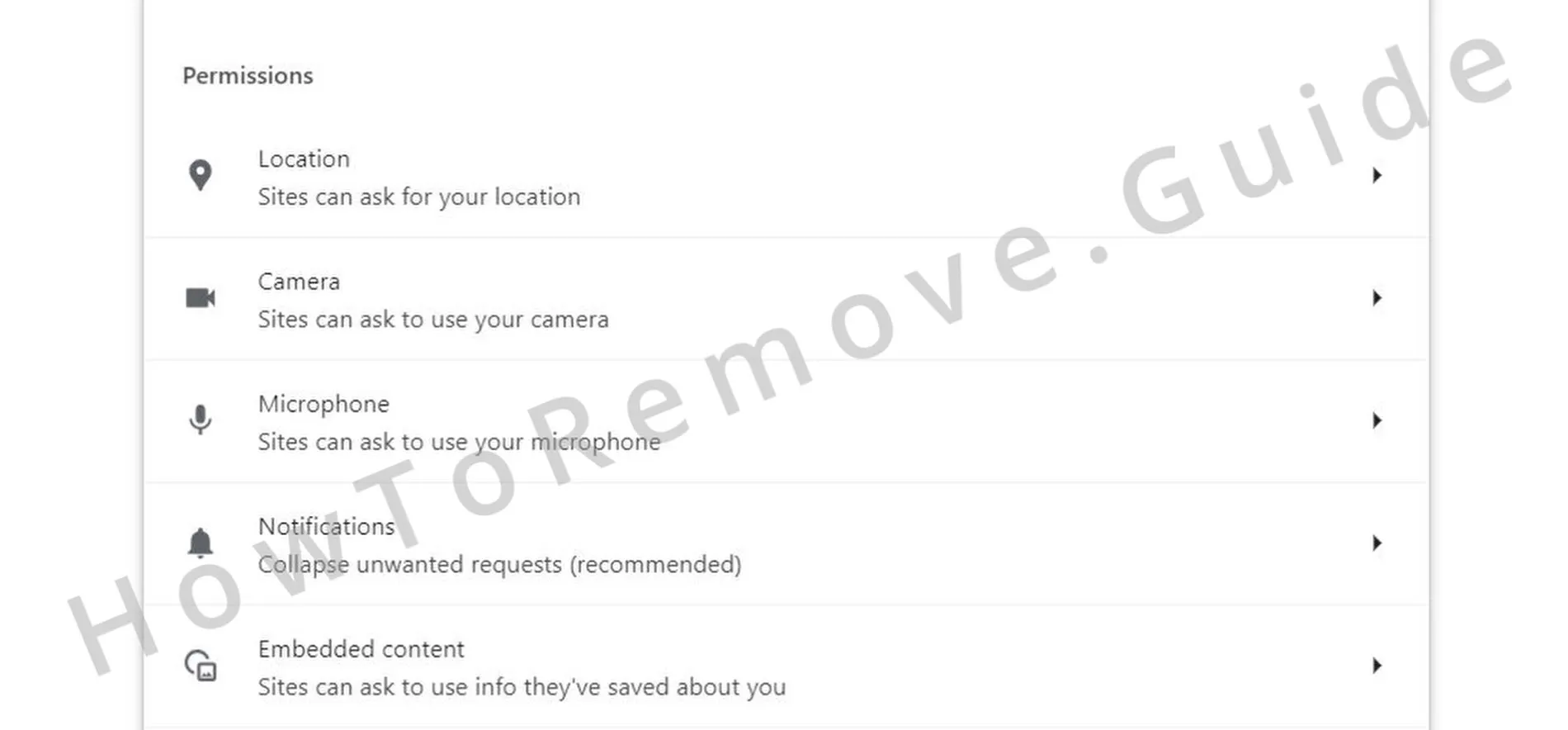 Dive into your Site Settings and reexamine each permission category to confirm no unauthorized sites still hold access to your device’s features. This stops malicious sites from regaining a foothold and keeps your privacy intact.
 - 4.4
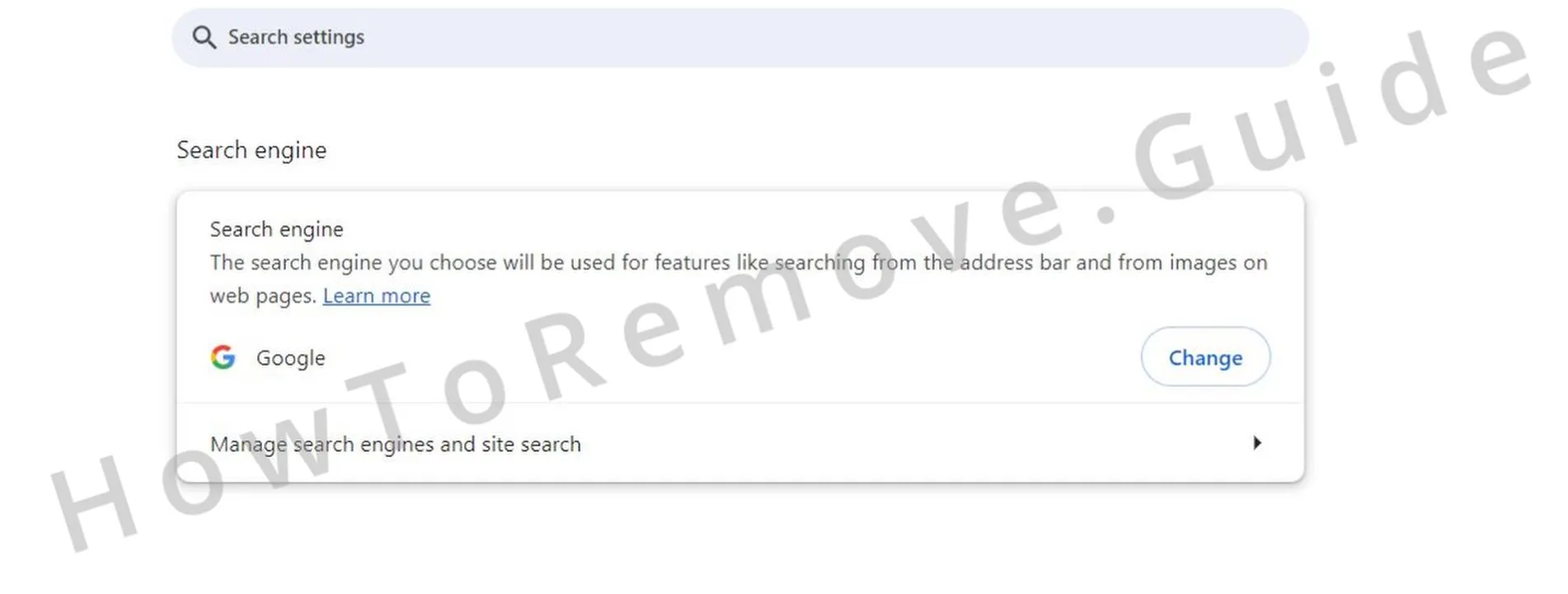 Visit Manage Search Engines and delete any unfamiliar entries the hijacker might have slipped in. Restore your preferred search provider to a reliable choice, ensuring your searches don’t get rerouted to shady sites.
 - 4.5Inspect the On Startup and Appearance sections, since hijackers often tweak these to stay in charge. Clear out any strange homepage URLs or startup pages to revert your browser to its normal state and secure a fresh browsing experience.
By now, your browser should be fully cleansed and operating free of Mightytechy’s influence.
Is Mightytechy a Virus?
Mightytechy is a browser hijacker rather than a traditional self-replicating computer virus. Across user reports, the most consistent symptom is a search takeover with visible redirects in the address bar. Queries may be routed through patterns like “bingsearch.io/redirect[…]” and, when certain keywords are present – specifically “yahoo,” “ai,” or “virus” – the flow can switch to Mightytechy.com. Other destinations reported during the same incidents include Yahoo and potterfun.com.
Affected browsers frequently display “Managed by organization,” and one or more extensions appear as “installed by enterprise policy.” These add-ons are typically non-store items with unusual names – examples include stellarxenonius, stellarlonica, nebulaspectror, and NanoPhotius – and may hold broad permissions capable of monitoring searches and other activity. Attempts to remove them in the usual ways, including resets or full browser reinstalls, often provide only short-lived improvement, indicating policy-based persistence outside the normal profile.
This pattern has been observed on Chrome and Microsoft Edge on Windows and is commonly accompanied by alarming pop-ups that originate from web pages rather than from installed security products. In short, Mightytechy manipulates browser policies and search settings; it does not behave like file-infecting malware that spreads between machines.
Treat it as a policy-anchored browser hijack and focus remediation on removing the forced policies and their associated extensions, then restoring normal search behavior and verifying the “Managed by organization” banner is gone. Some users reported Registry edits alone failed to dislodge the hijack, while removing an “extensionallowlist” policy entry disabled the forced add-on and stopped the redirects in their cases entirely.
Avoid Mightytechy in the Future: Important Advice and Tips
Everyone knows to steer clear of shady sites, pirated downloads, and suspicious links; those basics matter, but there are additional measures that directly address how hijackers like Mightytechy operate.
- Disable automatic downloads. Set your browser to always ask where to save files before downloading. This prevents silent drops that can later enforce unwanted changes.
- Enable enhanced browser security. In Chromium-based browsers, turn on “Enhanced protection” and “Always use secure connections.” Comparable options exist in other browsers and raise the bar against malicious redirects and payloads.
- Use an ad-blocker. Besides reducing interruptions, it can block hazardous pop-ups and warn about unsafe pages, cutting off common redirect paths.
- Audit for management indicators. Regularly check the browser menu/footer for “Managed by your organization.” Treat this as a red flag and investigate any policy entries that could install or protect extensions.
- Avoid non-store or unknown extensions. Review installed add-ons and remove unfamiliar ones, especially those marked “installed by enterprise policy.” Be cautious of odd, non-store names.
- Validate search settings and watch behavior. Periodically confirm your default search engine and observe the address bar for redirects to
bingsearch.io/redirect[…],mightytechy.com, orpotterfun.com. - Revisit notifications. Remove site notifications you did not explicitly approve to reduce drive-by prompts that can enable unwanted behaviors.
- Harden against policy persistence. On Windows, avoid creating extension allowlists or similar policies unless you actually need them; policy controls can silently reinstall hijacking add-ons.
In short, combine stricter browser settings with routine checks for management banners, unknown extensions, and redirect patterns. These steps directly target the persistence methods associated with Mightytechy and reduce the chance of a repeat.
