

If there is something with the name QiaoXP Kravm Utils (a process, app, file, etc.) in your PC, assume that your PC’, you should assume your computer’s security is already at risk. Even if there aren’t obvious symptoms or any actual harm done at the moment, our research suggests that QiaoXP Kravm Utils is linked to a Trojan Horse infection and should therefore be treated as such.
Threats like QiaoXP Kravm Utils are designed to blend in, gain elevated privileges, and quietly hand control to attackers. We’ve seen the same thing with other rogue programs covered on this site, such as Kskaoq Vamir Utils and Traosk Utils Queue.
Malware like this can alter system settings, weaken or outright bypass built-in protections, and run hidden tasks that prepare the machine for further compromise. In many cases, Trojans are used as loaders, meaning they can bring in spyware, ransomware, password stealers, cryptominers, or browser-hijacking components after the initial infection.
We tested that SpyHunter successfully removes QiaoXP Kravm Utils* and we recommend using it. It will block QiaoXP Kravm Utils from reinstalling itself and it will make sure your device is clean from any malware.
 Try Free For 7 Days*
Buy now15% OFF if you buy straight without trial.
 OFFER
OFFERThat makes QiaoXP Kravm Utils more than a nuisance; it can become the starting point of a much larger attack that involves financial loss, privacy breaches, and severe performance issues. Even if it appeared after installing seemingly normal software, you should not trust it.
The safest response is to immediately remove it with the help of the following guide or, better yet, by using SpyHunter 5 – the professional removal tool that you’ll find attached on this page.
QiaoXP Kravm Utils Removal Guide
Begin with the standard Windows uninstall route before moving to manual cleanup. Removing QiaoXP Kravm Utils through Apps & Features is a simple, low-risk check that may remove the main installed entry if it registered correctly. Even when remnants stay behind, this step reduces clutter and makes the later checks easier to confirm.
Remove QiaoXP Kravm Utils through Apps & Features in minutes
- 1.1Begin in the installed apps list if QiaoXP Kravm Utils appears there. Open the Start Menu, select Settings, and go to the section that manages installed apps and default features.
- 1.2In Settings, open Apps. Use the search box or the filters for name, size, or install date to narrow unfamiliar entries faster.
- 1.3Set the sorting option to Installation date so the newest additions appear first. This makes recent items easier to review around the time the issue started.
- 1.4Select any questionable entry, click Uninstall, and follow the prompts. Do not skip any removal screens that mention add-ons or companion components.
- 1.5Then open C:\Users\YourUsername\AppData\Local\Programs. Check for leftover folders or executables connected to the removed app and note any unusual names.
- 1.6If a leftover folder is clearly related, delete it. Restart Windows afterward to clear file locks and confirm that nothing returns after the next boot.
After the restart, confirm that the entry is gone and that Windows behaves normally again. If you still see leftovers or unusual behavior, continue with the deeper checks below to remove hidden components and block the most common restart points.
SUMMARY:
How to Fully Get Rid of QiaoXP Kravm Utils
If a suspicious process is still active, identify its footprint before deleting files at random. When QiaoXP Kravm Utils is running, you can trace file locations, parent processes, and likely triggers, which makes persistence easier to remove. That context cuts down guesswork and helps confirm that each related component has been addressed.
1. Prepare for the QiaoXP Kravm Utils removal
- 1.1
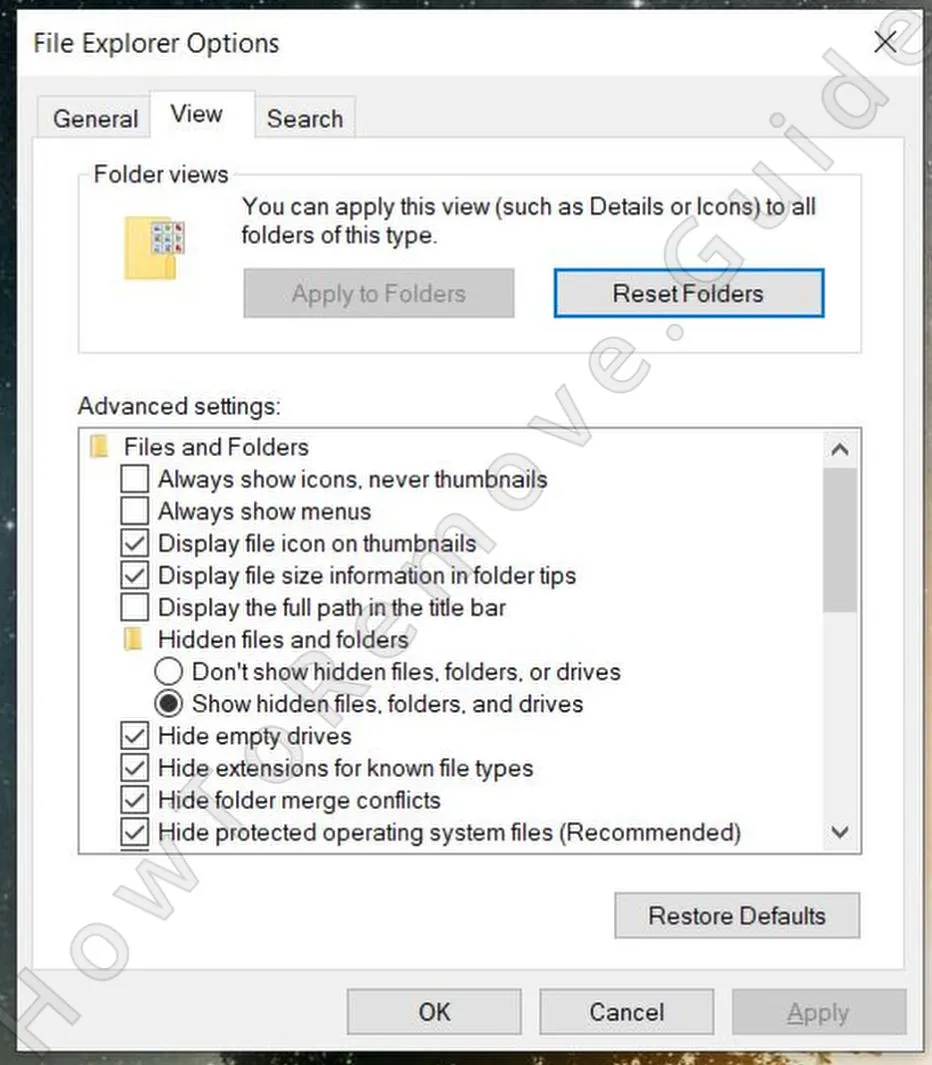 Show hidden items first so you can spot files left behind by QiaoXP Kravm Utils. Search for Folder Options from the Start Menu, open it, switch to the View tab, and enable Show hidden files, folders, and drives. Hidden locations are common storage points.
 - 1.2Locked files can interrupt cleanup, so install LockHunter to remove items Windows reports as in use. It adds a right-click option, shows what is holding a file, and can delete stubborn executables or DLLs after unlocking them.
If you prefer to avoid third-party utilities, most of the same actions can still be done manually. When Windows says a file is “in use,” a lock-release tool mainly helps you remove it without repeated restarts or trial-and-error deletion attempts.
LockHunter is free and usually installs in just a couple of minutes. After setup, you can open it from the right-click menu on any file or folder that refuses to be deleted.
Remove QiaoXP Kravm Utils Processes From the Task Manager
Stopping one executable is rarely enough because helper components can add startup entries, scheduled tasks, or small launchers that restore the infection. The steps below help you find the running binary used by QiaoXP Kravm Utils, remove the files it starts from, and then stop the process so it cannot relaunch immediately while you continue the cleanup.
2. Stop suspicious QiaoXP Kravm Utils processes and delete their files
- 2.1Use process details to see what QiaoXP Kravm Utils is doing. Press Ctrl + Shift + Esc to open Task Manager and inspect running apps, background processes, and resource spikes.
- 2.2If the simplified window appears, click More details. The expanded view shows publishers, command names, and startup impact, which helps you judge what belongs there.
- 2.3
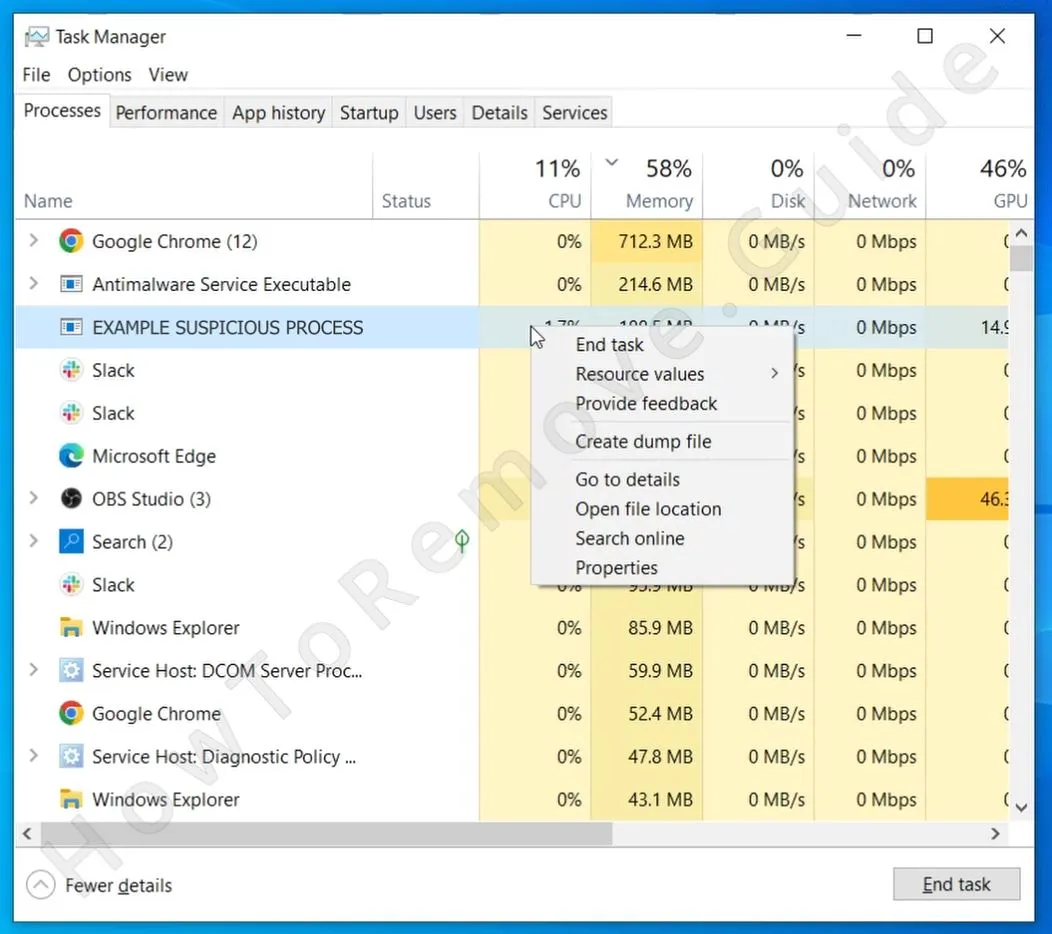 Sort by CPU or Memory and watch for unfamiliar names or constant high usage. Malicious processes often hide behind generic labels or random-looking strings.
 - 2.4Right-click anything suspicious and choose Open file location. The folder path and file names usually make it easier to tell whether it belongs to software you installed.
- 2.5Try to delete the containing folder. If Windows blocks the action, open LockHunter, select What’s locking this file?, release the lock, and delete the file and its folder from within the tool.
- 2.6Return to Task Manager and use End task on the same process. Stopping it after the file is removed helps prevent immediate relaunches and keeps the next checks more stable.
We tested that SpyHunter successfully removes QiaoXP Kravm Utils* and we recommend using it. It will block QiaoXP Kravm Utils from reinstalling itself and it will make sure your device is clean from any malware.
Try Free For 7 Days*
Buy now15% OFF if you buy straight without trial.
Delete Remaining QiaoXP Kravm Utils Files
Many threats survive by placing small launchers in startup folders and scattering helper files across program and user directories. Clearing those locations removes the parts that can rebuild the infection after sign-in. In this section, you will trace and delete leftovers linked to QiaoXP Kravm Utils without interfering with normal Windows components.
3. Clean startup and program folders used for relaunching QiaoXP Kravm Utils
- 3.1Start with relaunch paths often used by QiaoXP Kravm Utils: C:\ProgramData\Microsoft\Windows\Start Menu\Programs\Startup and C:\Users\YourUsername\AppData\Roaming\Microsoft\Windows\Start Menu\Programs\Startup. Delete unknown shortcuts or executables.
- 3.2In both Startup folders, keep desktop.ini and remove other suspicious items. If deletion is blocked, use LockHunter to unlock and delete them safely.
- 3.3Then check the main program locations – C:\Program Files and C:\Program Files (x86). Remove newly created, empty, or oddly named folders that do not match software you installed.
- 3.4Review these user-level paths too: C:\Users\YourUsername\AppData\Local\, C:\Users\YourUsername\AppData\Local\Programs, and C:\Users\YourUsername\AppData\Roaming\Microsoft\Windows\Start Menu\Programs. These folders often contain launchers, updater stubs, or scripts.
- 3.5
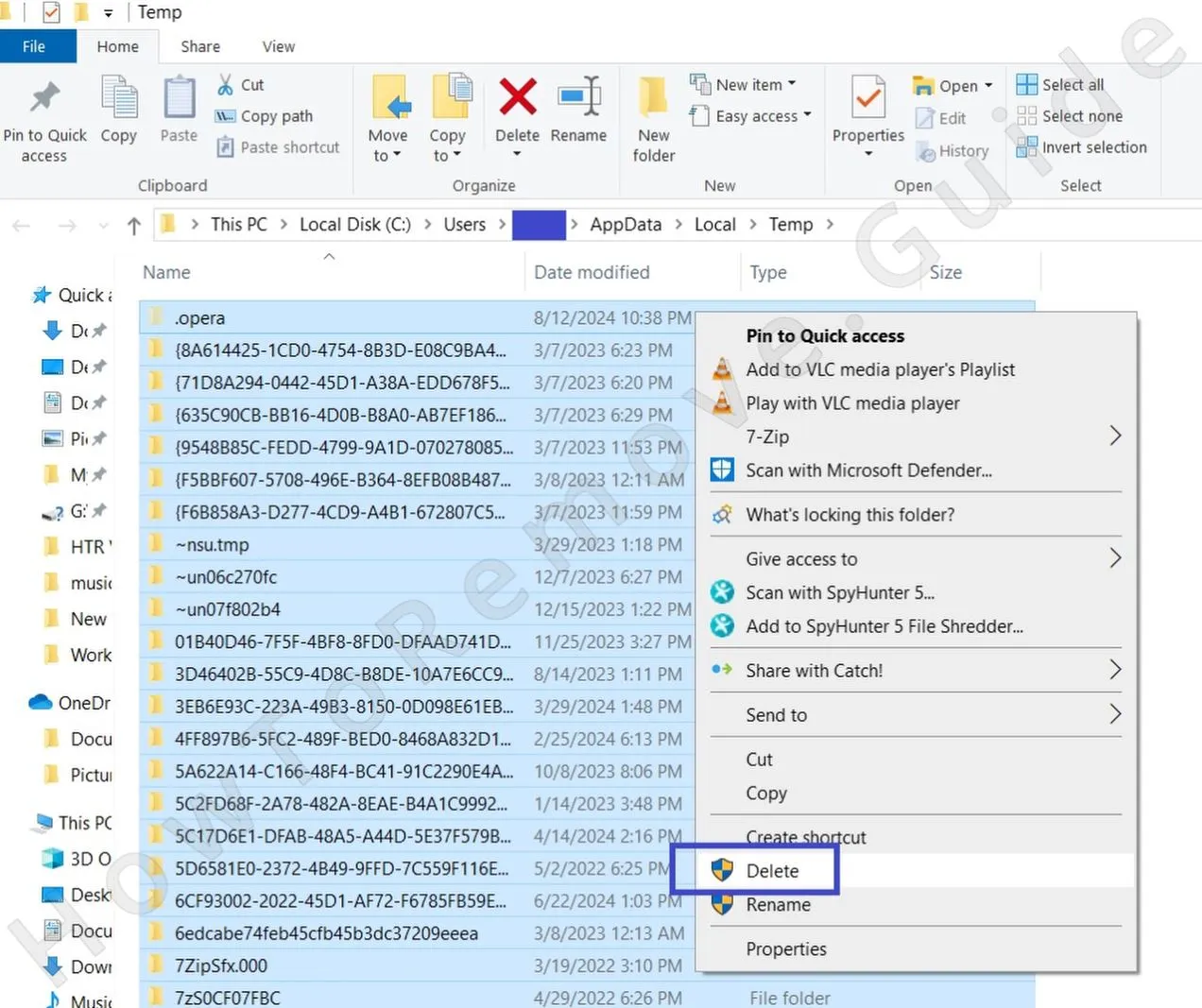 Clear temporary files: open C:\Users\YourUsername\AppData\Local\Temp, press Ctrl + A to select everything, delete the contents, and empty the Recycle Bin.
Remove Suspicious QiaoXP Kravm Utils Scheduled Tasks
Scheduled tasks are a common persistence method because they can run on a timer, at logon, or after system events without showing a visible window. Checking what each task launches reveals the file path and arguments, and it helps you remove the exact trigger that keeps bringing QiaoXP Kravm Utils back.
4. Disable scheduled tasks that relaunch QiaoXP Kravm Utils
- 4.1
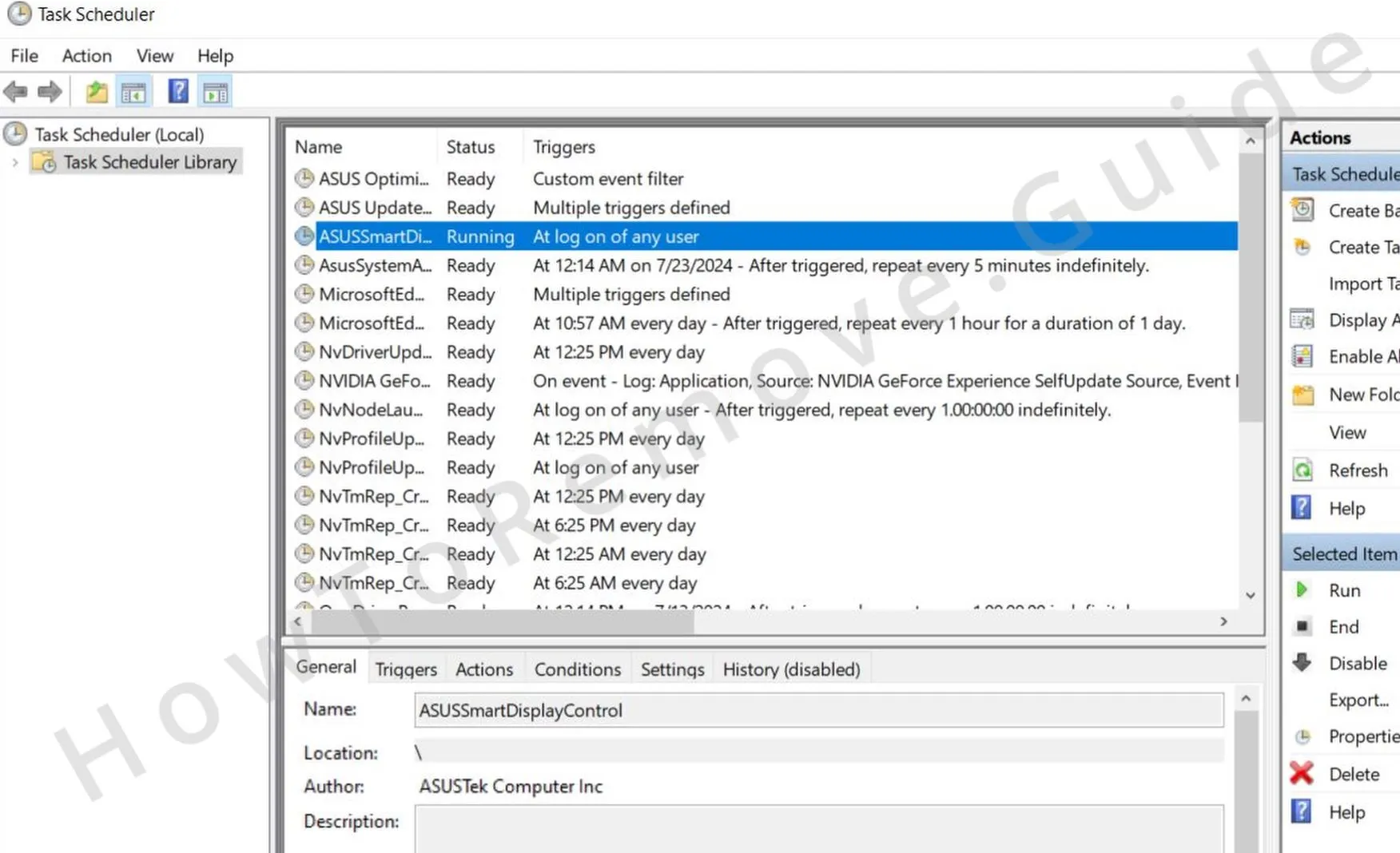 Open Task Scheduler to find triggers that may relaunch QiaoXP Kravm Utils. Search for it from the Start Menu, launch it, and expand the Task Scheduler Library to review tasks for your account and system folders.
 - 4.2Double-click a task to open Properties. Check Actions to see the command or file it runs and any parameters supplied.
- 4.3Focus on tasks that point to user directories such as AppData or Roaming, especially when the names are unfamiliar. Legitimate vendor tasks usually point to program folders.
- 4.4If a task looks illegitimate, copy the full path shown in Actions, then delete the task in Task Scheduler to stop it from running automatically.
- 4.5Go to the copied path and delete the referenced executable or script. Removing only the task can leave the payload behind as another restart point.
- 4.6Repeat the same review for every folder under the Task Scheduler Library, including subfolders created by installers. Persistence often hides behind generic task names.
Remove QiaoXP Kravm Utils Persistence Entries in the Windows Registry
Even after visible cleanup, Registry values may still reference missing executables, enforce policies, or add autostart entries that rebuild components. Work carefully and remove only entries you confirm are unwanted so legitimate services stay intact. The goal here is to delete the remaining startup hooks linked to QiaoXP Kravm Utils without damaging normal Windows keys.
5. Remove QiaoXP Kravm Utils traces with Registry Editor
- 5.1Open Registry Editor to review autostart data that may keep QiaoXP Kravm Utils active: press Win + R, type regedit, and press Enter.
- 5.2Press Ctrl + F and search for the exact name you found and removed earlier. This often reveals orphaned keys such as services or shell extensions.
- 5.3When a match appears, select the key in the left pane and delete it. Continue with F3 until no more entries are found across all hives.
- 5.4Repeat the same search-and-delete cycle for any other suspicious app names you identified earlier. Removing those traces helps block helper components from restoring deleted files.
- 5.5Run one final search for the same name to confirm nothing remains. A leftover value that points to an old path can sometimes recreate files at startup.
- 5.6Also inspect these common autostart and policy locations:
HKEY_CURRENT_USER\Software\Microsoft\Windows\CurrentVersion\Run
HKEY_CURRENT_USER\Software\Microsoft\Windows\CurrentVersion\RunOnce
HKEY_CURRENT_USER\Software\Microsoft\Windows\CurrentVersion\Policies\Explorer\Run
HKEY_LOCAL_MACHINE\Software\Microsoft\Windows\CurrentVersion\Run
HKEY_LOCAL_MACHINE\Software\Microsoft\Windows\CurrentVersion\RunOnce
HKEY_LOCAL_MACHINE\Software\Microsoft\Windows\CurrentVersion\Policies\Explorer\Run
HKEY_LOCAL_MACHINE\Software\Microsoft\Windows\CurrentVersion\RunServices
HKEY_LOCAL_MACHINE\Software\Microsoft\Windows\CurrentVersion\RunServicesOnce
HKEY_LOCAL_MACHINE\Software\Microsoft\Windows\CurrentVersion\RunOnce\Setup
HKEY_LOCAL_MACHINE\SYSTEM\CurrentControlSet\Services - 5.7In each path, review the right pane for values that point to unknown executables or suspicious directories. Delete only the specific value so valid components are not affected.
Restart Windows to confirm that the system boots normally, then check that no relaunches, pop-ups, or unexplained resource spikes return. Verify that browsers and core apps work as expected. If problems continue, run an offline scanner to look for hidden drivers, repair altered settings, and make sure no tasks or startup entries can bring the threat back.
