

If you’ve noticed something called PUA:Win32/RDPWrap in your system (an app, a file, a process), you should know that this is adware. In other words, it’s a program that makes money by spamming the user with various ads, many of which might be unsafe or misleading. Since you are already here, you must have noticed just how intrusive adware apps like this one can be.
But the even bigger problem with them is that the content they spam might be linked to scams and malware downloads so you should absolutely not click on anything RDPWrap shows you. And if you’ve already done that, it’s best to scan your system with a reliable security tool like the one below.
We tested that SpyHunter successfully removes RDPWrap* and we recommend using it. It will block RDPWrap from reinstalling itself and it will make sure your device is clean from any malware.
 Try Free For 7 Days*
Buy now15% OFF if you buy straight without trial.
 OFFER
OFFERAs for PUA:Win32/RDPWrap itself, you must get rid of it but the process to do that can be challenging if you lack experience. We’ve seen many similar adware apps like this one before – Tao Raiqsuv Utils, Klio Verfair Tools, etc. – and all of them tend to invade the system on multiple levels. The good news is the guide below details exactly what to do to clean up everything to fully get rid of this malware.
RDPWrap Removal Tutorial
RDPWrap is a malicious program, and removing it can either be a breeze or a total headache. For some, it’s gone in a flash without hassle. For others, it’s a relentless battle that drags on. The trick is to begin with the basics. If the app stubbornly clings to your system, prepare for a more thorough and forceful approach.
Quick Steps to Remove RDPWrap
- 1.1Access the Start Menu, input “Apps & Features,” and press Enter to bring up a catalog of all programs installed on your device. This view lets you spot and remove dubious software. Make sure you’re logged in with admin privileges—without them, you might hit roadblocks during the process. Full access guarantees an uninterrupted cleanup.
- 1.2Rearrange the program list by the date they were added to quickly uncover anything shady. Malware often sneaks in recently, so sorting this way highlights oddities tied to when trouble started. Zero in on entries from the period you first noticed problems. This tactic sharpens your focus and speeds up the hunt.
- 1.3Scrutinize the list with care. Look for apps you don’t recognize, especially those with odd titles or plain-looking icons. Mark anything questionable for closer review. Keep an eye out for entries lacking clear developer info. This diligence ensures no sneaky threats slip by undetected.
- 1.4When you spot a suspect program, click it and hit the Uninstall option. Malware can hide behind deceptive labels, so trust your instincts. Follow the on-screen directions, and if prompted, reboot your machine after the process finishes. Restarting clears out any lingering remnants.
- 1.5Navigate to C:\Program Files and C:\Program Files (x86), find the folder tied to the app, and erase any leftover files by hand. Power down and restart your computer, then verify if RDPWrap is truly gone. If it’s still lurking, don’t panic – more steps await. After the reboot, monitor for any malware signs to confirm the system’s purity.
Finally, give your PC a fresh start, use it for a bit, and check for any remaining hints of RDPWrap. If the pest keeps popping up, dive into the advanced methods outlined below.
SUMMARY:
Important! Read Before Continuing
RDPWrap is a tenacious foe – it won’t vanish just by deleting a couple of files. Some of these steps demand tech know-how, and if you’re uneasy about digging in, it might feel daunting.
How to Remove the RDPWrap Virus
So, the easy route didn’t cut it? Time to step up. First, reveal hidden system files. Next, ensure you’ve got LockHunter handy – without it, locked files might block your efforts. RDPWrap is crafty, burrowing deep and shielding itself. Skip the prep, and you’ll just waste time chasing your tail.
1. RDPWrap Removal Preparatory Steps
- 1.1
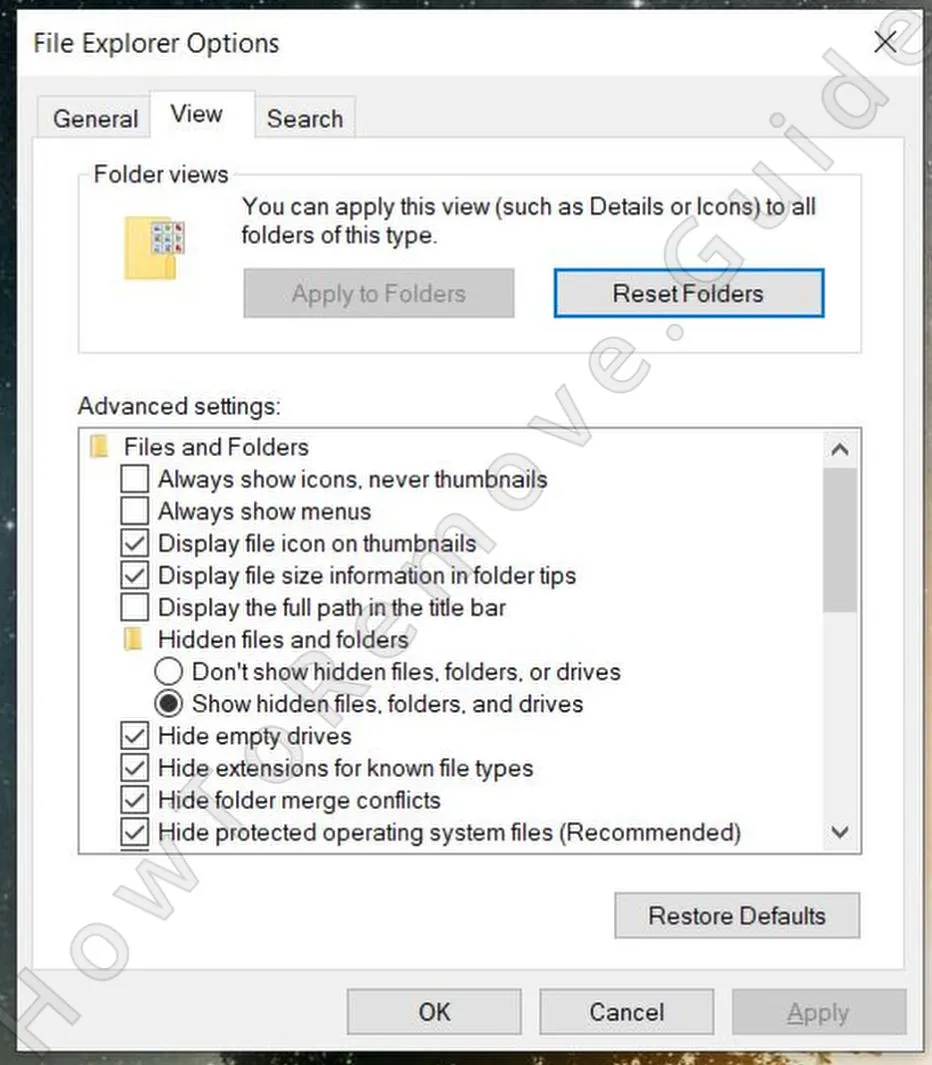 To uncover concealed files, launch File Explorer, head to the View tab, and click Options (or Folder Options, depending on your Windows version). In the pop-up, switch to the View section, tick the box for “Show hidden files, folders, and drives,” then hit Apply and OK. This makes all sneaky malware files visible.
 - 1.2Certain malware locks vital files to dodge deletion. Grab LockHunter, a no-cost tool built to blast through obstinate files, and set it up now – it’ll come in clutch later for tackling files that won’t budge. Though some shy away from extra software, this one’s a must here. It’s a simple, powerful fix for spotting and wiping locked items effortlessly.
I know that some users prefer not to install any third-party apps when troubleshooting, but in this case, LockHunter is non-negotiable. Besides, as I mentioned, it’s totally free.
Video walkthrough for this step:
Delete the RDPWrap Virus Files
RDPWrap doesn’t just sit around waiting to be zapped – it tucks itself into critical system spots to stick around. If you don’t hunt down and destroy every bit of it, it’ll bounce back like nothing happened. Be meticulous. Leave even one piece behind, and you’re right back where you started.
2. How to Delete RDPWrap Files
- 2.1Open File Explorer and steer to these paths:
– C:\Users\YourUsername\AppData\Roaming
– C:\ProgramData\Microsoft\Windows\Start Menu\Programs\Startup
– C:\Users\YourUsername\AppData\Roaming\Microsoft\Windows\Start Menu\Programs\StartupInspect the contents closely. If you see files with weird names, strange icons, or formats that look off, trash them. Use the File Explorer search to zip to these spots fast. This keeps hidden malware from slipping through.
- 2.2
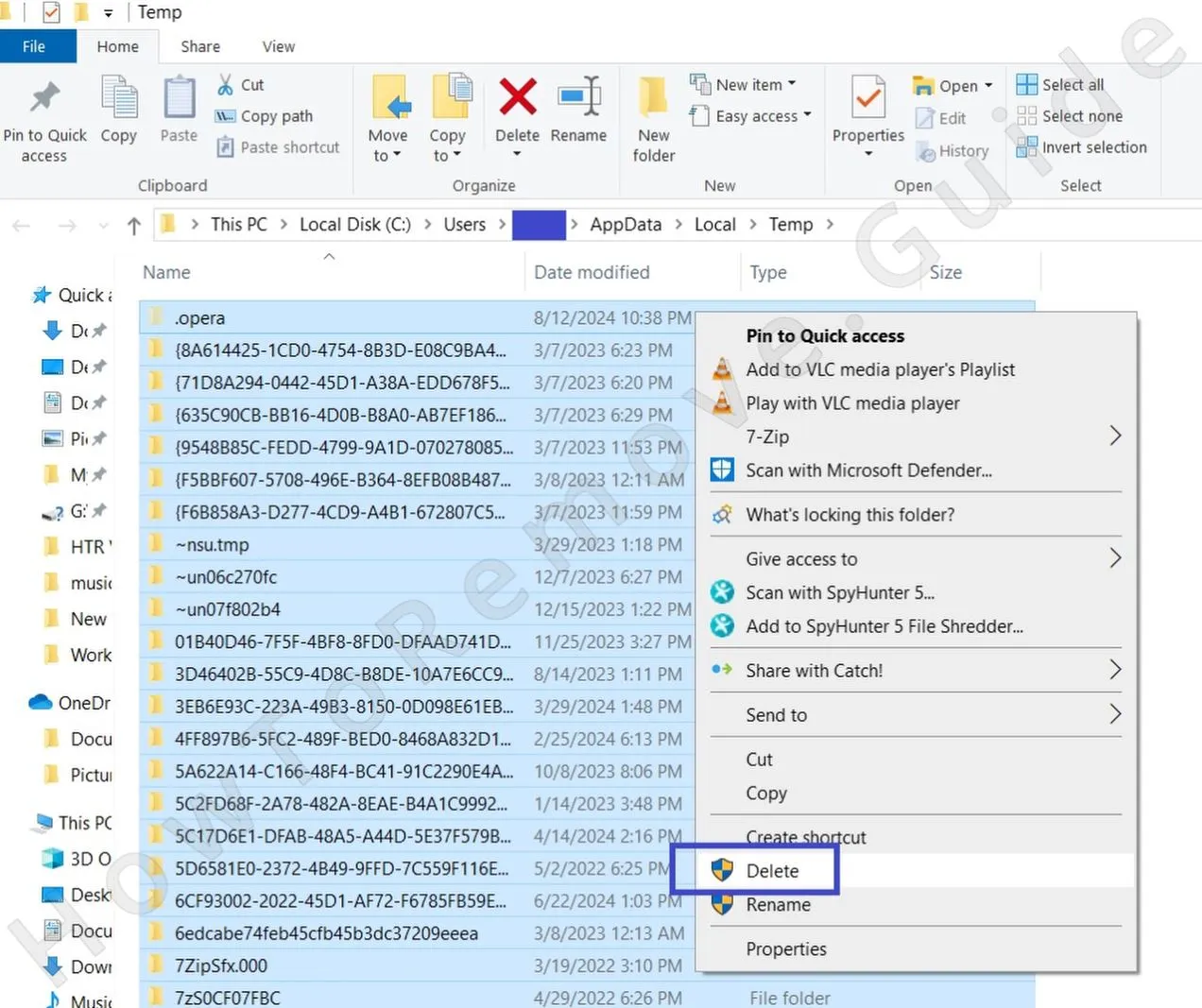 Purge your Temp folder to ditch stray files:
– Go to C:\Users\YourUsername\AppData\Local\Temp
– Tap Ctrl + A to grab it all
– Press DeleteWiping this won’t hurt your setup – it’s just temporary junk. Malware loves hiding here, so clearing it squashes threats and might even boost your PC’s speed.
- 2.3Move on to C:\Program Files and C:\Program Files (x86). Most stuff here is legit, but malware can blend in. Spot anything unfamiliar? Look it up online. If it’s confirmed as harmful, ditch it right away.
- 2.4If a file won’t delete, right-click it, pick “What’s locking it?” and hit Delete in the pop-up. LockHunter will pinpoint and stop whatever’s holding it, ensuring even the toughest files get wiped out.
How to Delete Persistent Files with Lock Hunter
Remove RDPWrap Malware Tasks From the Task Scheduler
Here’s a sly move most miss – RDPWrap exploits the Task Scheduler, setting quiet jobs that resurrect it even after you think it’s toast. No alerts, no clues – just the malware doing its thing. Skip checking these tasks, and it’ll creep back in no time.
3. How to Remove RDPWrap Entries From the Task Scheduler
- 3.1
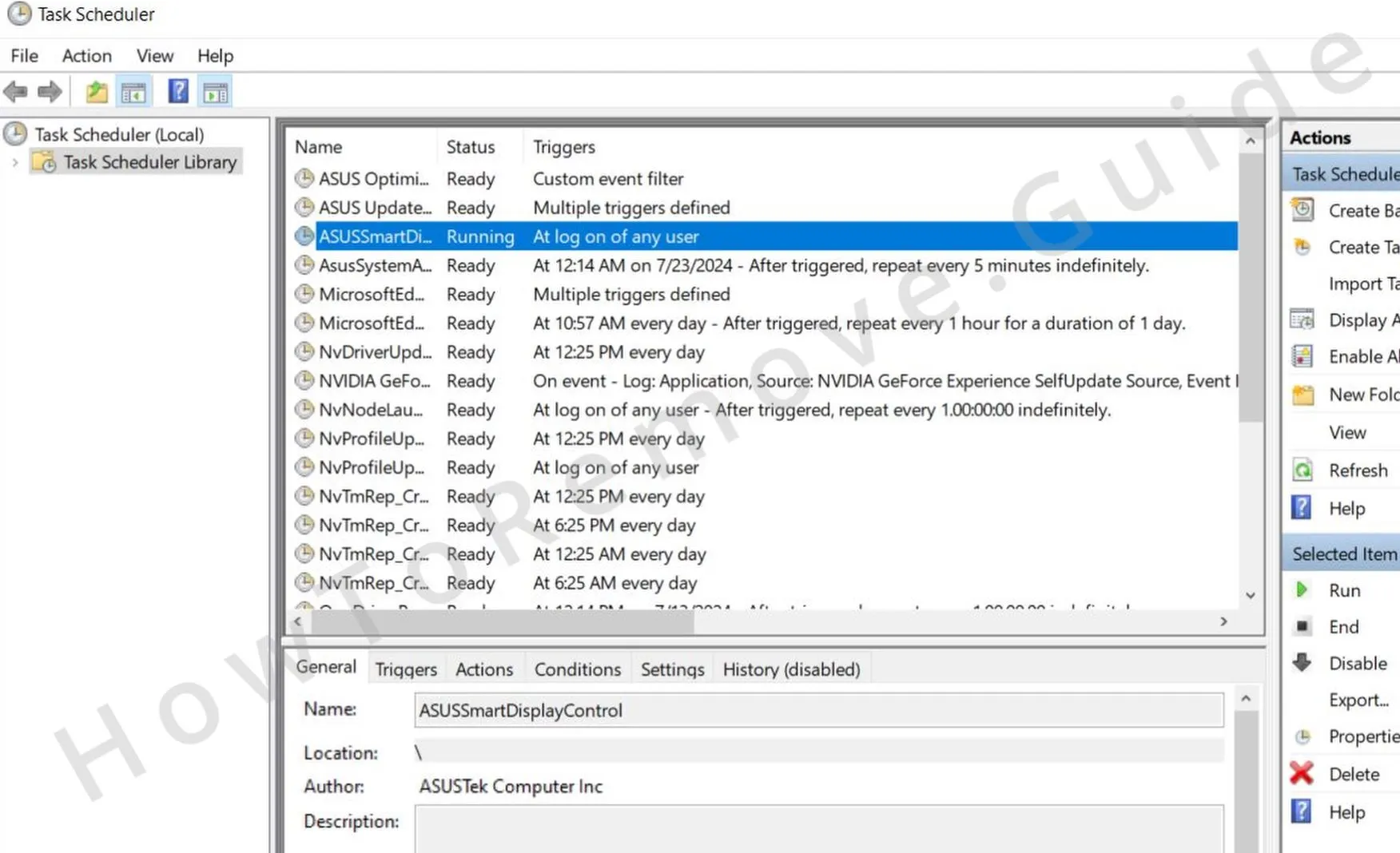 From the Start Menu, type Task Scheduler, hit Enter, and open the tool. Head to the Task Scheduler Library to scan for tasks tied to the malware. Many nasty programs set up auto-runs that kick in at set times, reinstalling or reactivating post-removal. Hunt for odd or new tasks, especially ones added when the trouble began.
 - 3.2Examine each task closely. In the Actions tab, check what it’s up to. See a sketchy .exe or mystery script? Jot down its location, then axe the task. Some malware restarts at boot or runs secret commands. Nixing these tasks stops it from sneaking back.
- 3.3With the file path noted, go there and erase it fully. If it’s locked and won’t budge, use LockHunter to force it out. Wiping both the task and its file kills any chance of it coming back later.
Video walkthrough for this step:
We tested that SpyHunter successfully removes RDPWrap* and we recommend using it. It will block RDPWrap from reinstalling itself and it will make sure your device is clean from any malware.
Try Free For 7 Days*
Buy now15% OFF if you buy straight without trial.
Get Rid of RDPWrap Through the System Registry
This adware doesn’t just mess with files – it digs into the Windows Registry to lock in tight. Miss a single trace, and it’s staying put. But beware: the registry’s delicate. One slip, and your system could tank. Unsure? Use a tool. Confident? Scrub those entries before it digs in deeper.
4. How to Remove RDPWrap Items From the Registry
- 4.1Launch the Start Menu, type regedit, and open the top result with admin rights to take charge of the Registry Editor. You need full control to tweak core settings – without it, some malware bits might resist removal. This tool’s potent, so step lightly to avoid breaking anything big.
- 4.2Hit Ctrl + F, type RDPWrap, and press Enter to track down related registry keys. When one pops up, delete it. Keep hunting ‘til no sign of it remains. Watch out – zapping the wrong key might glitch your apps or system. Not sure? Check it out before you cut it loose.
- 4.3
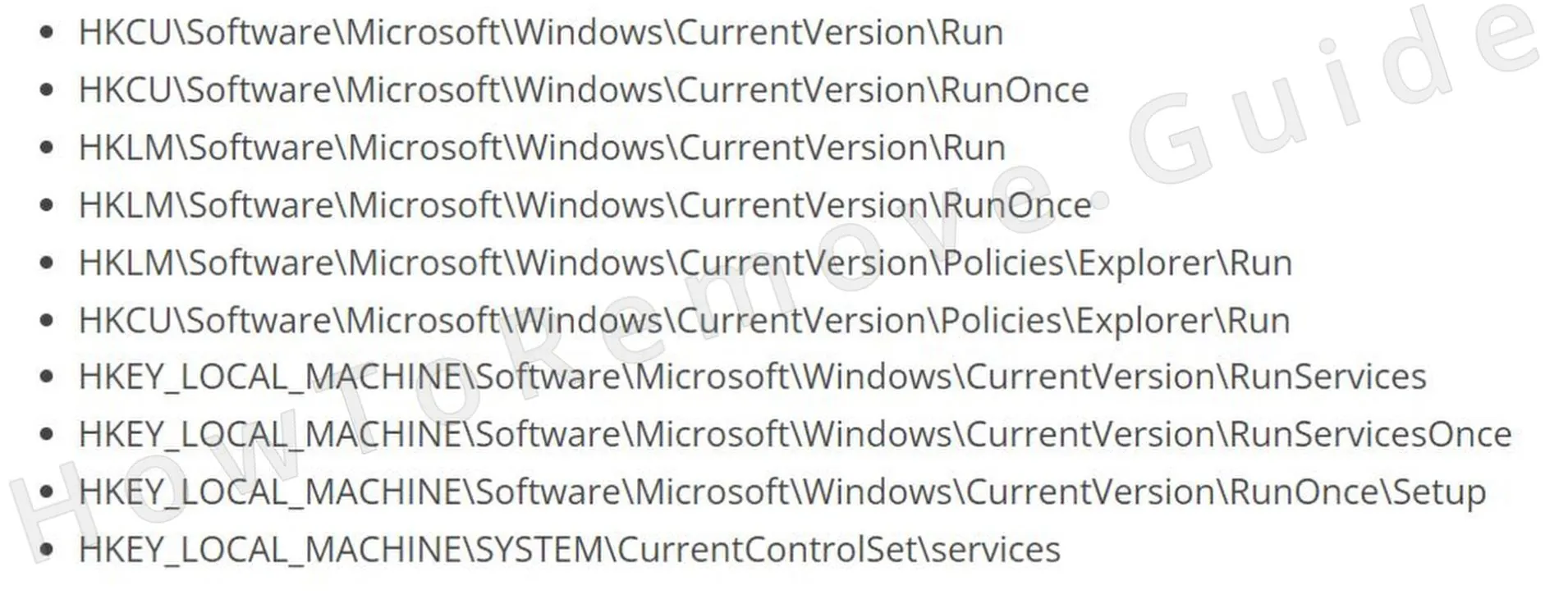 Manually browse these key registry spots where malware loves to hide. Look for anything fishy, especially RDPWrap mentions. Spot it? Delete it fast to wipe it out for good. Some keys are subtle, so double-check before you zap.
 - 4.4If a registry folder holds RDPWrap values, erase just those in the right panel. Don’t trash whole folders on the left – that could tank vital settings. Targeting only malware bits keeps your system safe while clearing the infection.
Video walkthrough for this step:
Remove RDPWrap Browser Policies
Seeing “Managed by your organization” in your browser when you’re the boss? That’s RDPWrap taking over. It clamps down on your homepage, search, and settings, locking you out. To break free, you’ve got to ditch those forced policies manually. Until then, it’s running the show.
5. How to Remove Rogue RDPWrap Policies
- 5.1
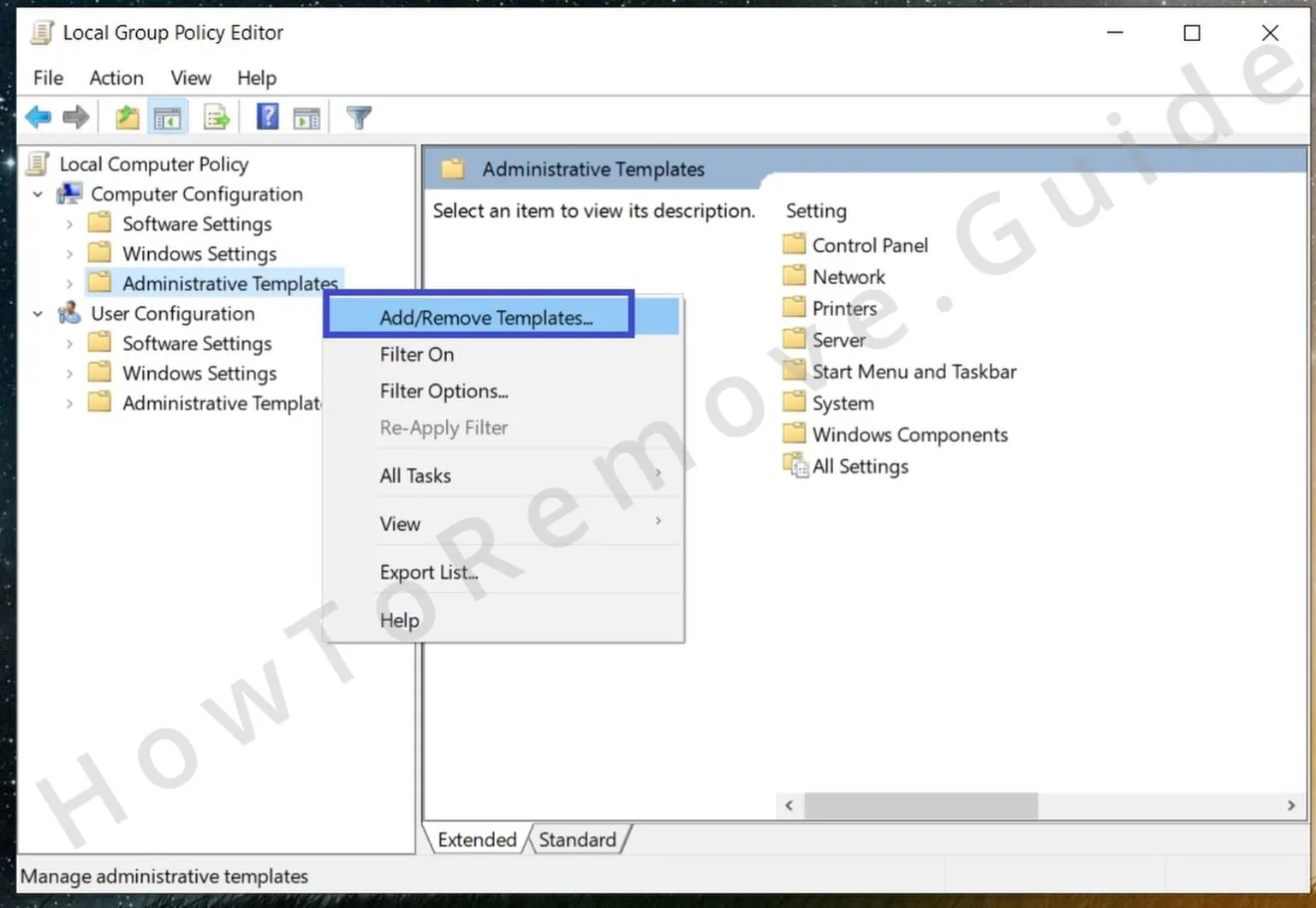 From the Start Menu, search Edit Group Policy and open it to reach the Local Group Policy Editor. Go to:
Computer Configuration > Administrative Templates
Here, you can peek at and tweak system policies the malware might’ve messed with. It often rigs browser controls to block changes. Clearing these gives you back the reins.
- 5.2
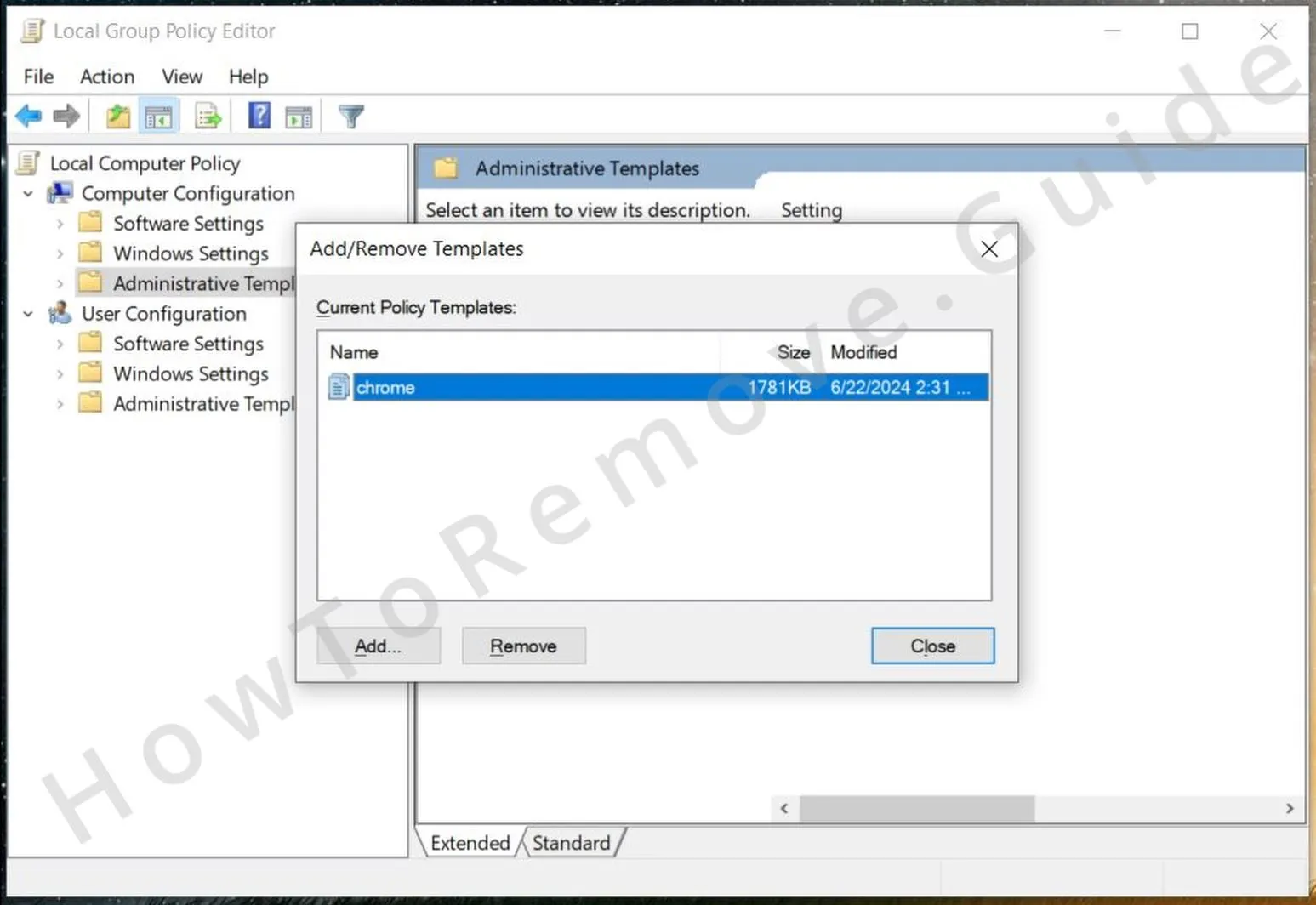 Right-click Administrative Templates, hit Add/Remove, and ditch any odd or unknown policies. Only stuff you or your crew set should stay. Malware uses these to freeze browser options. Purging them stops it from keeping a grip.
 - 5.3Chrome fans, grab the free Chrome Policy Remover tool. Run it with admin rights to reset all malware-tweaked policies. It’s built to kill off rogue rules that block browser tweaks, restoring Chrome to normal with no leftover limits.
- 5.4If Windows flags a security alert on the Chrome tool, click “More Info” then “Run Anyway.” It’s safe – skipping the warning lets it work. This ensures all clingy browser policies get scrubbed, handing you full control again.
Video walkthrough for this step:
Manual Group Policy Removal
Automatic Group Policy Removal
Uninstall RDPWrap From Your Browser
Dumping its policies is a win, but don’t celebrate yet. The malware’s already fiddled with your browser behind the curtain. Skip resetting every setting manually, and it’ll still have sway. Dig through, nix shady permissions, and fix the mess. Ignore this, and it’ll slink back in.
6. How to Remove RDPWrap From Your Browser
- 6.1Head to your browser’s Extensions page and sift through what’s installed. Watch for unknown add-ons – ones with no reviews, bland names, or fuzzy details. Bad extensions might spark pop-ups, redirects, or hijacks. Trash anything dodgy to kill malware ties.
- 6.2
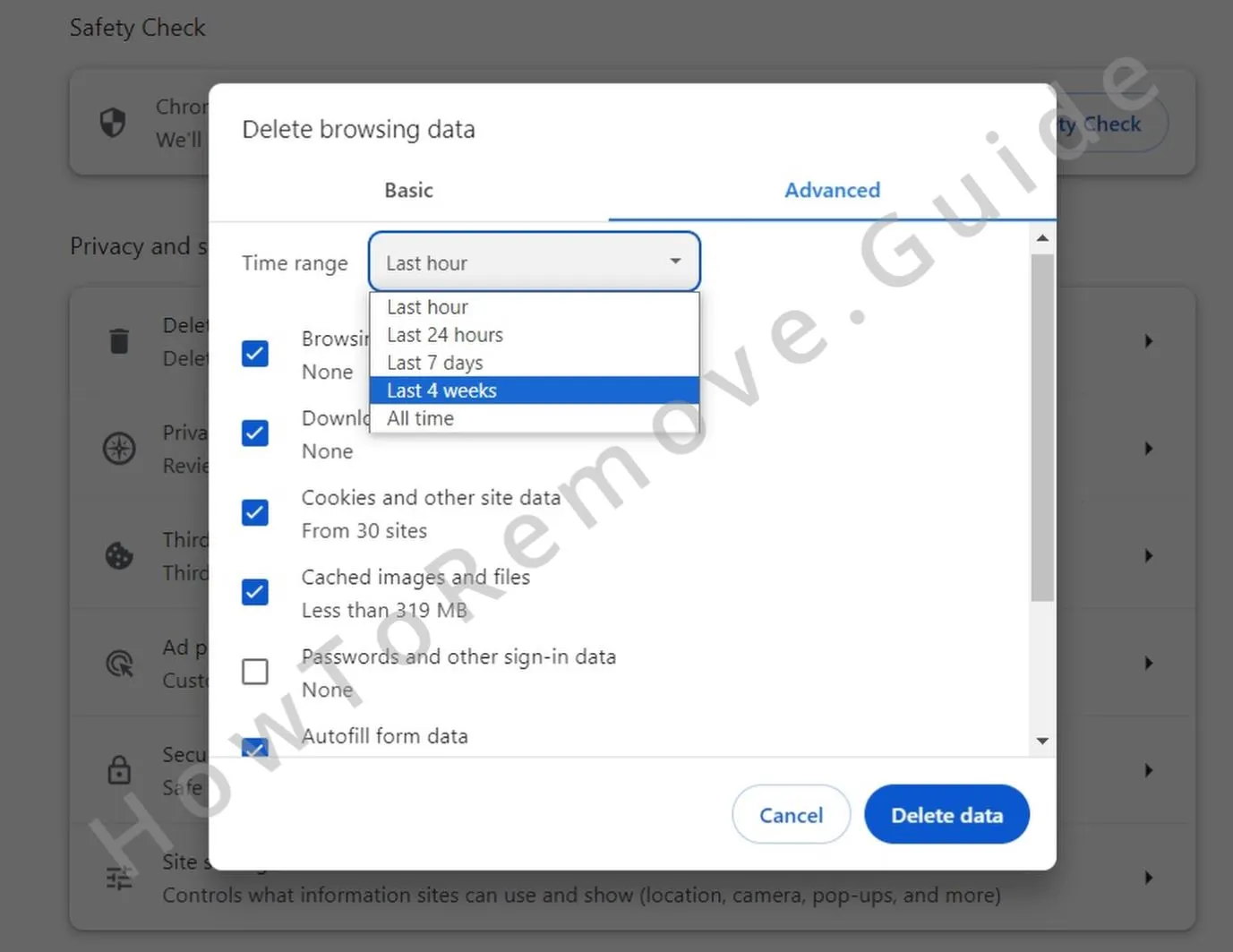 Wipe your browsing data to erase malware tracks. Hit Privacy and Security settings, pick All Time, and clear all but passwords. This dumps cached scripts and cookies the malware might use to spy or reinfect. It also stops old bad code from firing up.
 - 6.3
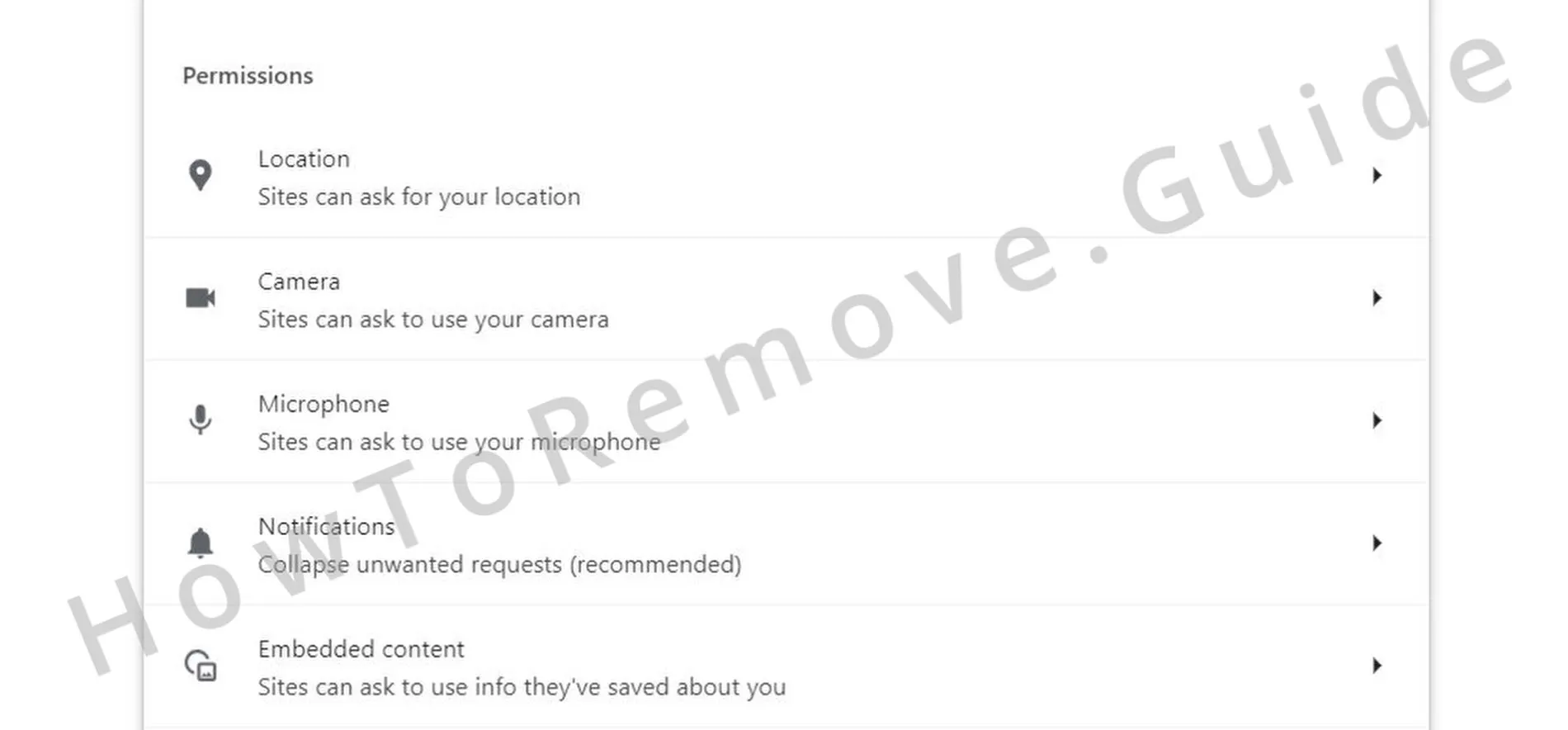 Check Site Settings for permissions the malware might’ve grabbed. Some trick you into giving too much – like notifications or mic access. Revoke anything weird or unneeded. Keeping only legit sites in play guards your privacy and security.
 - 6.4
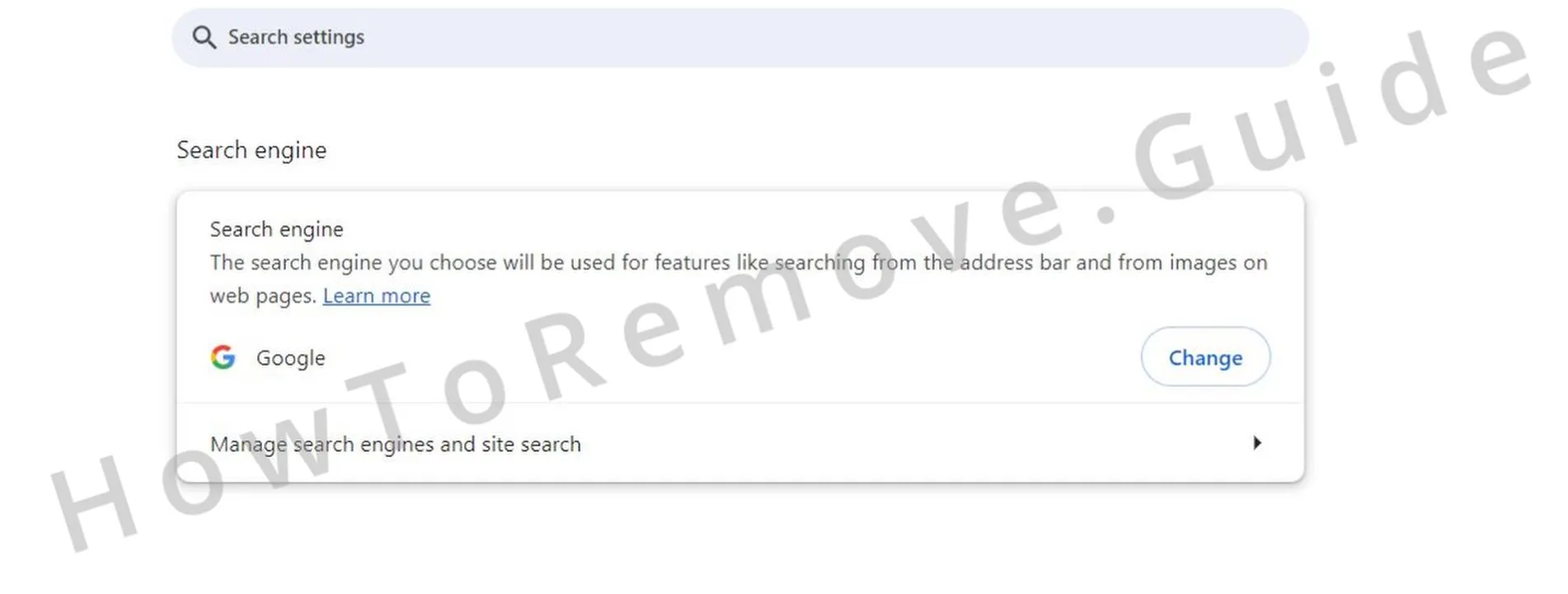 Peek at Search Engine Settings to see if your default’s been swapped. Malware loves pushing sketchy, ad-packed search sites. Spot a stranger? Cut it out and pick a safe one like Google, Bing, or DuckDuckGo. This keeps your searches clean and safe.
 - 6.5Scope out On Startup and Appearance settings for rogue URLs in your homepage or new tabs. Malware often sets these to load junk sites for cash. See something odd? Erase it and pick a trusted site. This keeps your browser starting fresh and secure.
Video walkthrough for this step:
Chrome
Microsoft Edge
Mozilla Firefox
That’s the end! If you nailed every step, RDPWrap should be history. Still, keep an eye on your rig for weird vibes – some malware sneaks back via hidden scraps. Spot trouble? Run a deep scan with a solid tool to nab any stragglers.
