

For years, Save image as Type seemed like a harmless convenience, letting people save web images as JPG or PNG instead of WebP. That usefulness helped it reach more than a million users before Chrome disabled it as malware in March 2026.
Available analysis shows the extension contacting a remote server, pulling a list of at least 578 merchant sites, and quietly opening invisible pages in the background to swap in its own affiliate links and siphon off commissions.
So the threat looked closer to affiliate fraud and covert browser manipulation than the kind of attack people usually imagine when they hear “malware.” That does not make it harmless: silently tampering with browsing sessions across hundreds of shopping pages is still a serious security and privacy breach.
We tested that SpyHunter successfully removes Save Image as Type* and we recommend using it. It will block Save Image as Type from reinstalling itself and it will make sure your device is clean from any malware.
 Try Free For 7 Days*
Buy now15% OFF if you buy straight without trial.
 OFFER
OFFERAnyone affected, similar to “Norton Safe Search Enhanced”, should remove the add-on and check the browser for leftover changes. If the manual removal guide feels too technical, SpyHunter 5 can help detect and remove unwanted programs or malware-related remnants.
“Save Image as Type” Removal Guide
Begin with the basic checks because they often solve adware cases quickly. Since these threats are frequently installed as ordinary programs, Windows may let you remove “Save Image as Type” through its normal uninstall tools before you move on to deeper cleanup and browser repair.
Fast ways to remove Save Image as Type
- 1.1Open the Start Menu, type “Apps & Features”, and inspect the installed apps list. If you see “Save Image as Type” there, uninstall it.
- 1.2Sort the list by Installation date so the newest entries appear first – that often helps you spot when the adware was added.
- 1.3Look closely at entries with strange names, no publisher, or unusual icons because bundled installers commonly drop programs that look like this.
- 1.4Select the suspicious program, click Uninstall, and decline any additional offers shown by its removal wizard.
- 1.5When that is done, open the app’s installation folder and delete leftover files, since adware often leaves behind helper components.
After the uninstall attempt finishes, restart the computer and watch for more pop-ups or redirects. If the activity continues, move on to the detailed cleanup below.
OVERVIEW:
| Threat | Save Image as Type |
| Category | Adware |
| Detection Tool |
Some threats reinstall themselves if you don’t delete their core files. We recommend downloading SpyHunter to remove harmful programs for you. This may save you hours and ensure you don’t harm your system by deleting the wrong files. |
If you are on Windows, continue with the steps below.
If you are on Mac, use our remove ads on Mac guide.
If you are on Android, use our Android malware removal guide.
If you are on iPhone, use our iPhone virus removal guide
How to Delete the “Save Image as Type” Virus
Some leftovers hide in user and system folders, so the search becomes harder if hidden items stay concealed. Turn on visibility first and prepare the needed tools so you can locate, stop, and remove “Save Image as Type” more completely without leaving files that restore settings or relaunch processes.
1. Set up for Save Image as Type removal
- 1.1
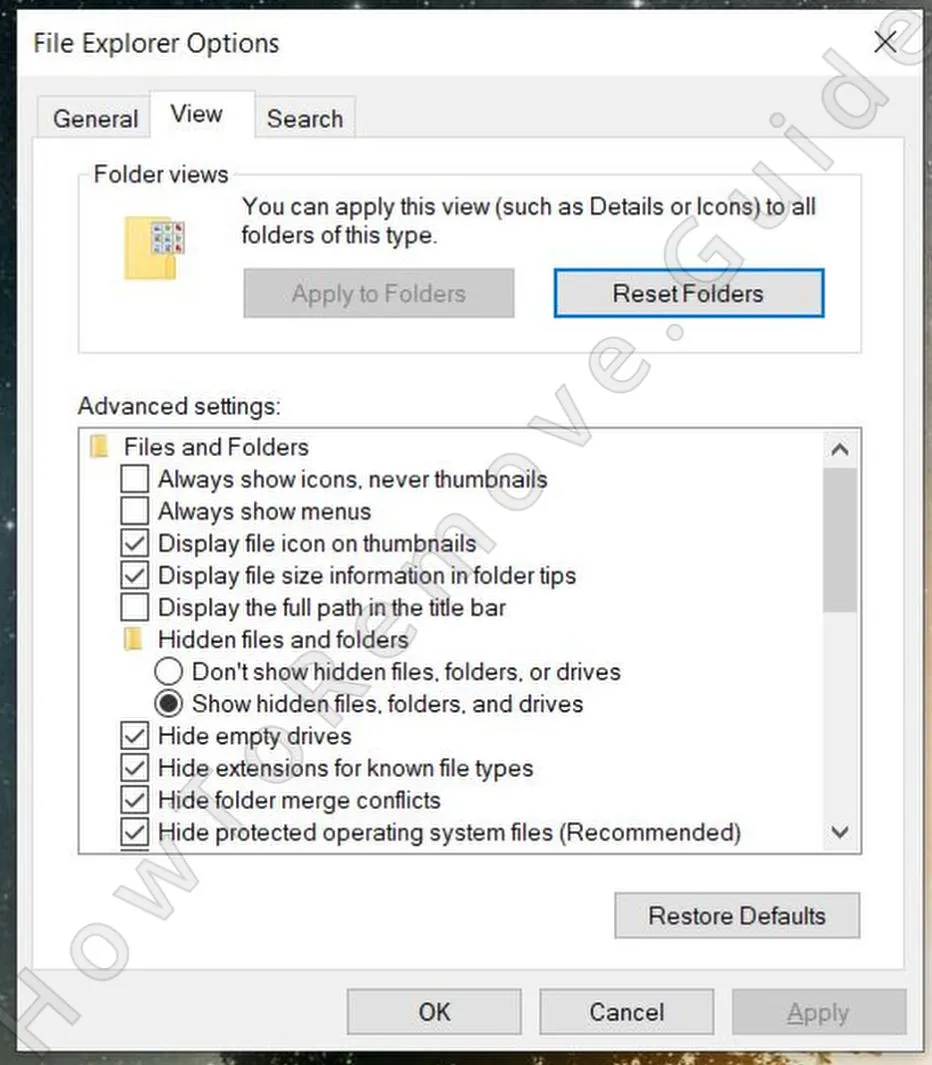 Open the Start Menu, search for “Folder Options”, and open the “View” tab. Turn on “Show hidden files, folders, and drives” so you can see folders where “Save Image as Type” may have left files.
 - 1.2Download LockHunter to delete files held open by active processes. When Windows reports that a file is “in use,” schedule it for deletion after restart.
Delete “Save Image as Type” Files
With the prep work finished, start checking for leftovers. The folders below are common persistence locations for adware, so inspect each one and remove suspicious items before “Save Image as Type” can relaunch itself or start again with Windows.
2. Delete Save Image as Type files and temp data
- 2.1Check the locations below and look for folders named “Save Image as Type” or other unfamiliar entries:
→ C:\Users\YourUsername\AppData\Roaming
→ C:\ProgramData\Microsoft\Windows\Start Menu\Programs\Startup
→ C:\Users\YourUsername\AppData\Roaming\Microsoft\Windows\Start Menu\Programs\Startup - 2.2
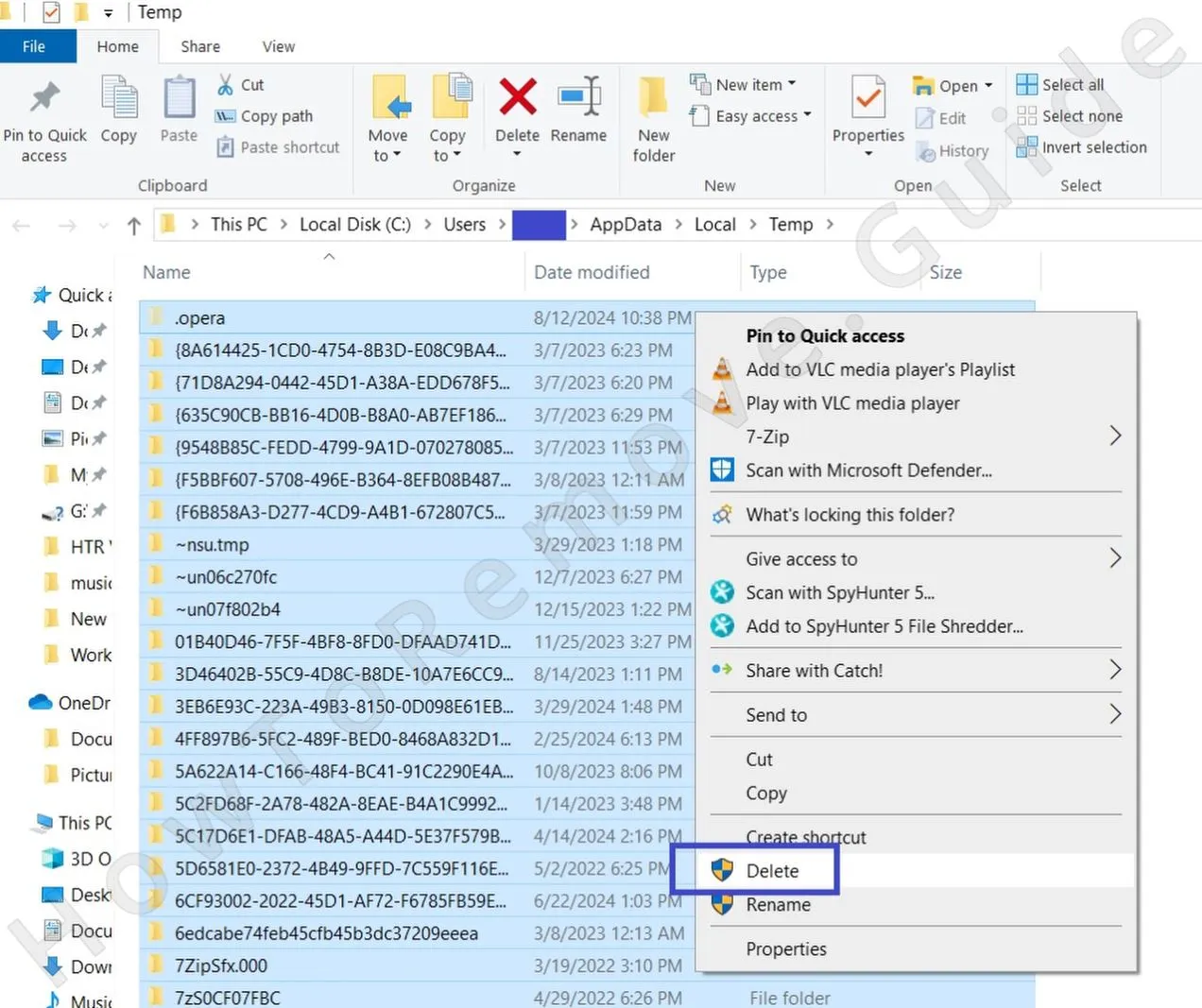 Next, clear the Temp folder. Go to:
→ C:\Users\YourUsername\AppData\Local\Temp
Select everything (Ctrl + A) and delete it. These files are temporary, and removing them often gets rid of hidden droppers.
- 2.3Last, inspect both Program Files folders:
→ C:\Program Files
→ C:\Program Files (x86)
Review unfamiliar directories. If your checks show they are malicious, delete the folder.
Remove “Save Image as Type” Registry Entries
Registry data can remain behind even after files are deleted and may relaunch components at startup. Removing values connected to “Save Image as Type” reduces the chance that helper items, services, or policy settings will return when Windows loads again.
Be careful. Deleting unrelated values can affect normal Windows behavior. If you would rather automate this part, use SpyHunter to detect and remove Registry objects associated with “Save Image as Type”.
4. Delete Save Image as Type Registry entries
- 4.1To remove “Save Image as Type” manually, open the Registry Editor by searching for “regedit” in the Start Menu and run it as administrator.
- 4.2Press Ctrl + F, search for the program name, and if the result leads to a malicious value, right-click it and delete it.
- 4.3
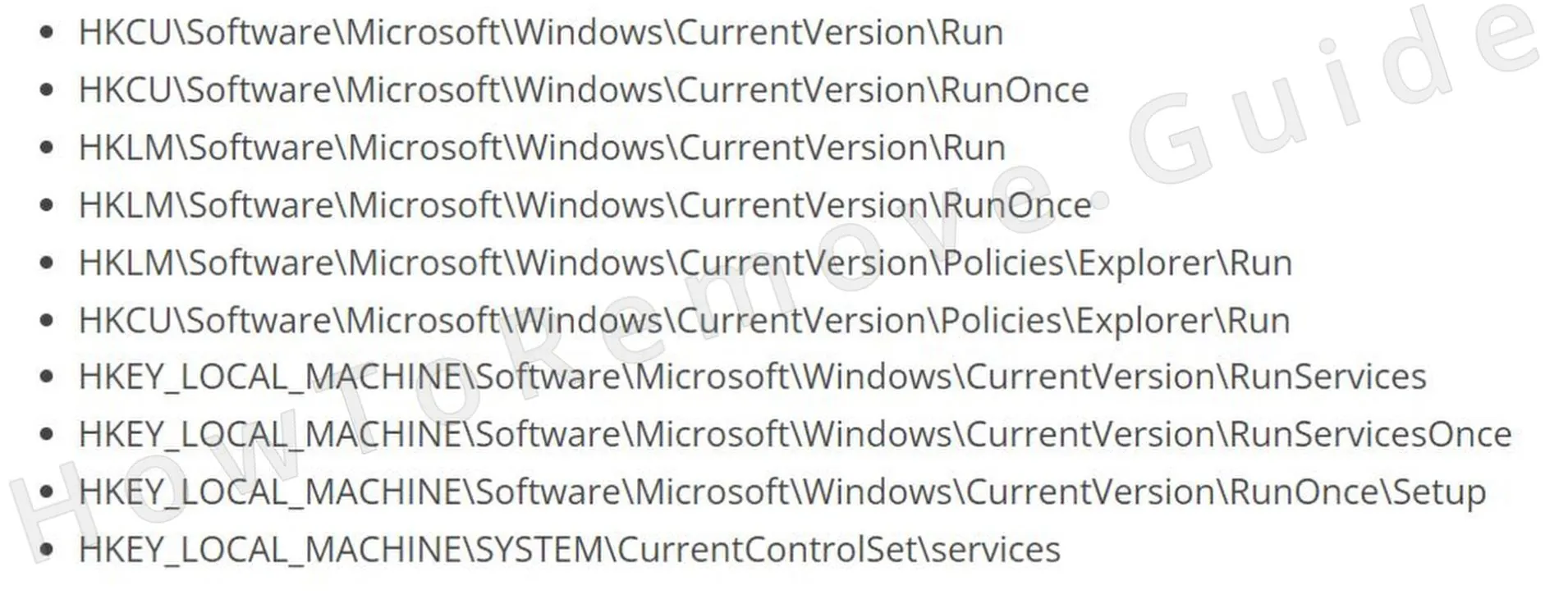 Also review these locations:
 - 4.4Open each key in the left panel and inspect the values on the right. Delete items linked to the program, but do not remove the keys themselves.
Remove “Save Image as Type” Browser Policies
If you see the message Managed by your organization, policy objects are active in the browser. “Save Image as Type” may use them to lock settings and block changes. Removing those policies gives you control again so extensions, search engines, and startup pages can be reset properly.
5. Delete unwanted Save image as Type browser policies
- 5.1
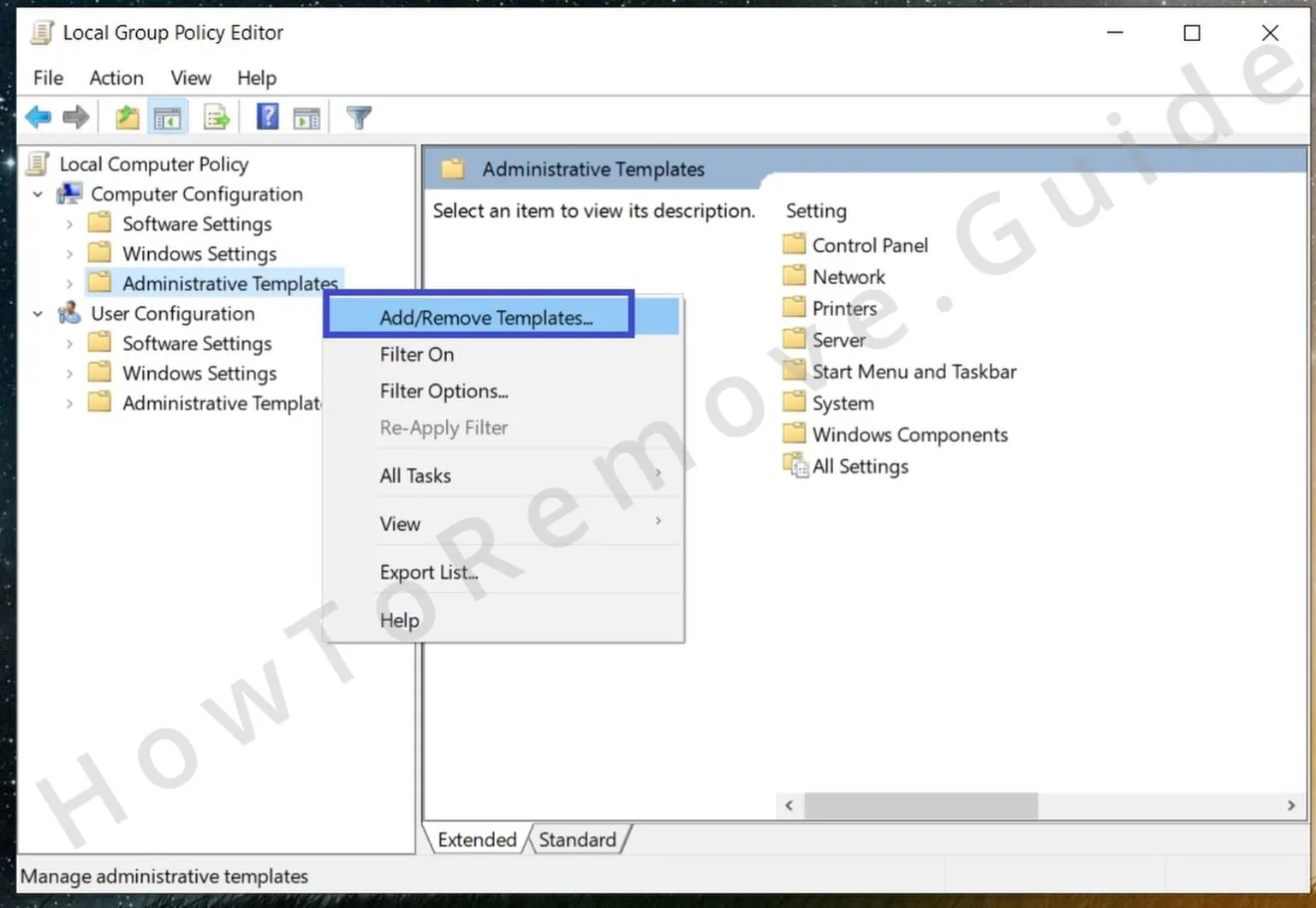 To remove policies set by “Save Image as Type”, open the Group Policy Editor (search “Edit Group Policy”) and go to Computer Configuration > Administrative Templates.
 - 5.2
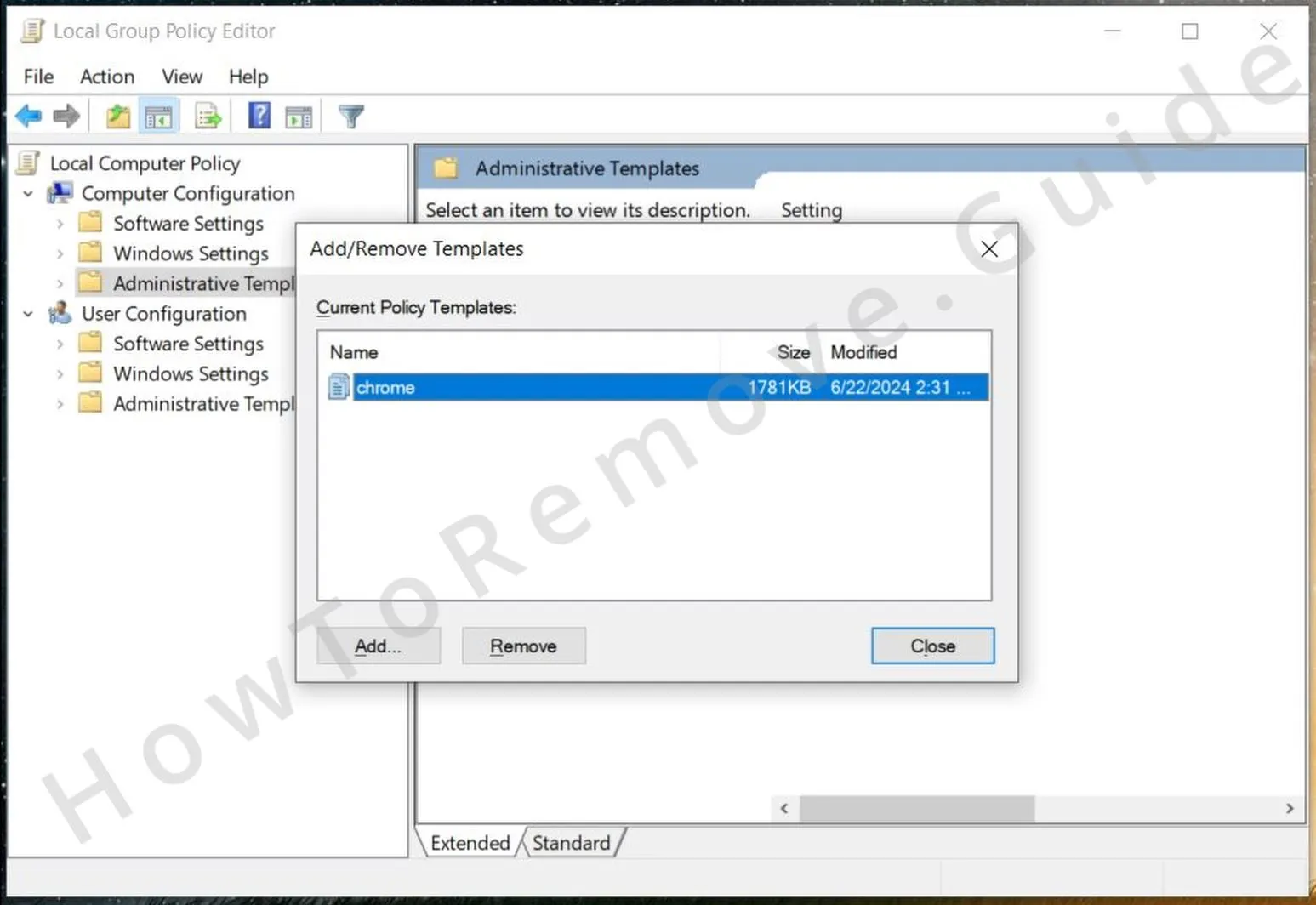 Right-click, choose “Add/Remove”, and remove every listed template to clear the applied policies.
 - 5.3If you use Chrome, run Chrome Policy Remover to reset Chrome policies automatically with administrator rights.
- 5.4If Windows displays a warning, click “More Info” > “Remove Anyway” to proceed.
Remove “Save Image as Type” From the Browser
Once the policies are gone, inspect the browser itself. Extensions and changed settings can remain after the system cleanup, so use the steps below to remove unknown add-ons and restore defaults so changes tied to “Save Image as Type” do not stay in place.
5. Clear Save Image as Type from the browser
- 5.1Open your browser’s extensions page and remove add-ons you do not recognize, especially any that mention “Save Image as Type”.
- 5.2
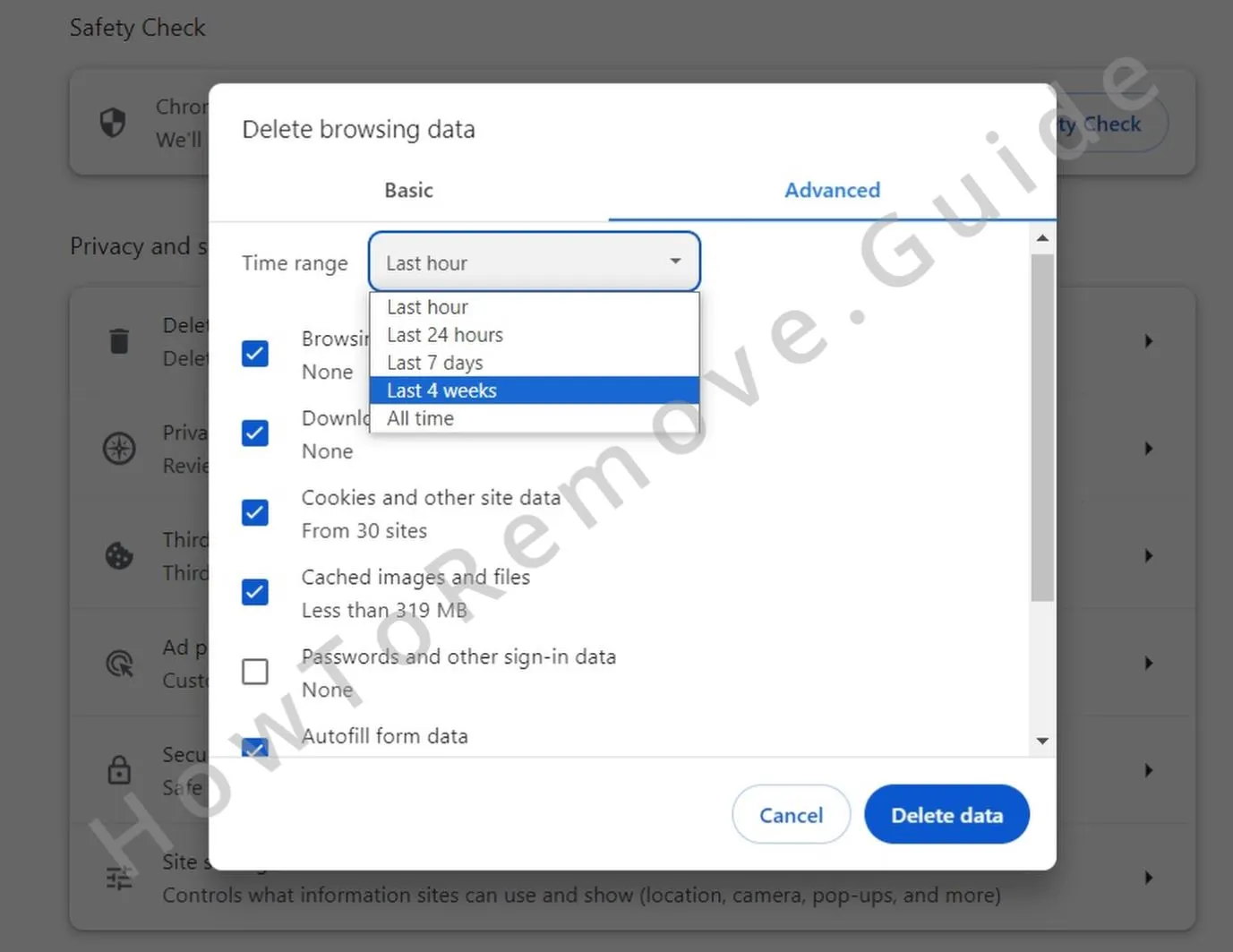 Open Privacy and Security, choose All Time, and clear stored data except passwords.
 - 5.3
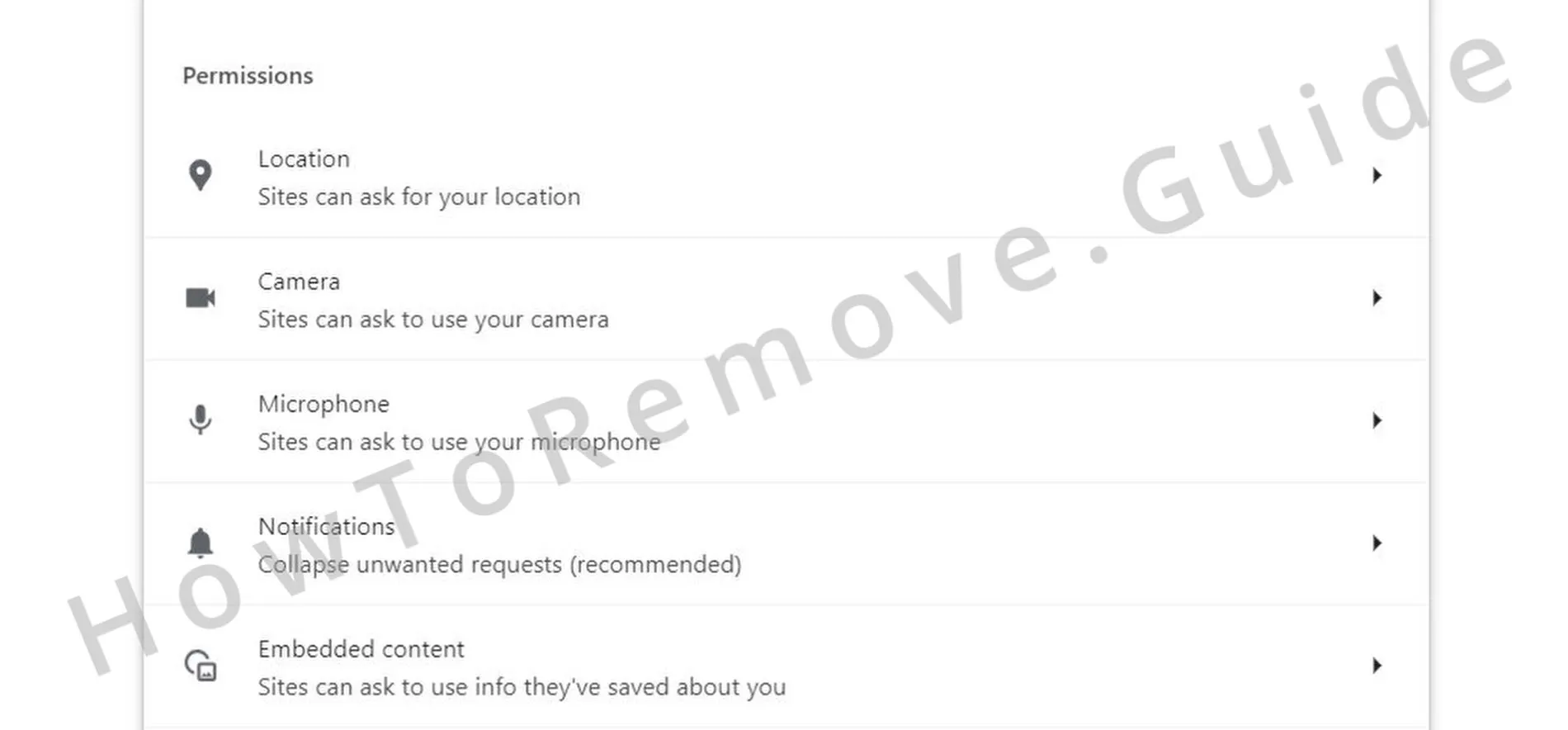 Open Site Settings and revoke permissions from websites that should not have them.
 - 5.4
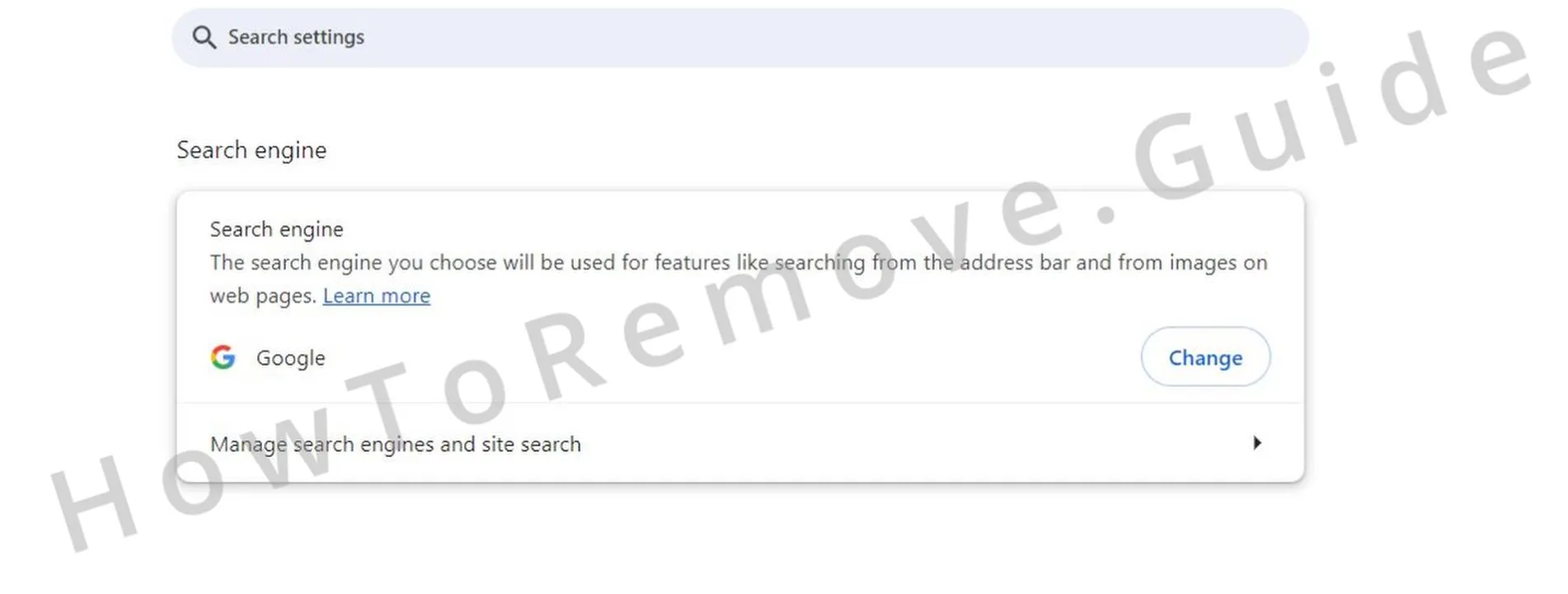 Check your default search engine. In Manage Search Engines, delete unfamiliar entries.
 - 5.5Review On Startup and Appearance for unwanted URLs and remove them.
