

Say hello to Search Home Search Tab if your browser’s homepage has mysteriously changed and your default search engine suddenly redirects you to the namesake of this guide. It’s a textbook browser hijacker. It doesn’t ask for permission in any obvious way. It might slip in through a bundled installer or quietly get added after you click “Allow” on a notification prompt you barely looked at.
But once Search Home Search Tab’s in, it’s on and it takes over your browser. Even settings like notifications and permissions will be grayed out as “managed by your organization” now. Don’t ignore these signs – hijackers like Search.homesearch.tab don’t just annoy, they are outright dangerous because they can infect you with more malware. If you’re already seeing signs of Search Home Search Tab on your system, stay on this page and follow the removal guide below before it buries itself even deeper.
We tested that SpyHunter successfully removes Search Home Search Tab* and we recommend using it. It will block Search Home Search Tab from reinstalling itself and it will make sure your device is clean from any malware.
 Try Free For 7 Days*
Buy now15% OFF if you buy straight without trial.
 OFFER
OFFERSearch Home Search Tab Removal Tutorial
So here’s the deal – when it comes to stuff like Search Home Search Tab, don’t overthink it. Start with the easy stuff first. That’s what these scammers like Searcherbright.com and Weather Zero don’t want you to do. They want you jumping straight into complicated junk. Keep it basic, stay calm, and always begin at the simplest point.
Quick Steps to Remove Search Home Search Tab
- 1.1Open your preferred web browser and go to the Settings section.
In Chrome, click the three vertical dots in the top-right corner. In Firefox, click the three horizontal lines in the same place.
Find the Extensions or Add-ons menu – usually listed in a sidebar or located under broader Settings. Review everything there for any items that weren’t installed by you, especially ones that seem official but might actually be harmful. - 1.2Inspect each extension carefully. Look closely at the name, icon, permissions, and the description.
Malicious items often mimic well-known tools with minor tweaks to the icon or name. If something looks strange, click Remove without hesitation.
Still unsure? Put the extension name in quotes and search it online. Reports or forums often flag known threats. - 1.3Navigate to your browser’s Privacy and Security settings. Find and open the Site Permissions section – typically under advanced options.
You’ll see a list of sites allowed to access things like your microphone, camera, location, or notifications.
Scroll through and disable access for anything you don’t recall approving. - 1.4If permissions have been granted to websites you don’t recognize, delete them from the Permissions list immediately.
This action stops those domains from hijacking your settings, bombarding you with alerts, or redirecting your browser.
When you’re finished, completely close your browser and open it again to apply the changes.
Sometimes, these easy steps are enough to eliminate Search Home Search Tab. If it’s still active afterward, it’s just more deeply embedded. That means you’ll have to dig in further. Follow every remaining step with precision. You’re not done until Search.homesearch.tab is truly gone – not just hidden.
SUMMARY:
| Name | Search Home Search Tab |
| Type | Browser Hijacker |
| Detection Tool |
We tested that SpyHunter successfully removes Search Home Search Tab* and we recommend downloading it. Manual removal may take hours, it can harm your system if you re not careful, and Search Home Search Tab may reinstall itself at the end if you don't delete its core files. |
How to Remove the Search Home Search Tab Virus
You ever see that sketchy “Managed by your organization” thing in your browser? Yeah, that’s Search Home Search Tab pulling admin-level nonsense. Regular tools won’t touch it. It’s not some light cleanup – you’ll need heavier methods to deal with it. Treat this seriously, because the second you ignore it, that’s when it locks in deeper.
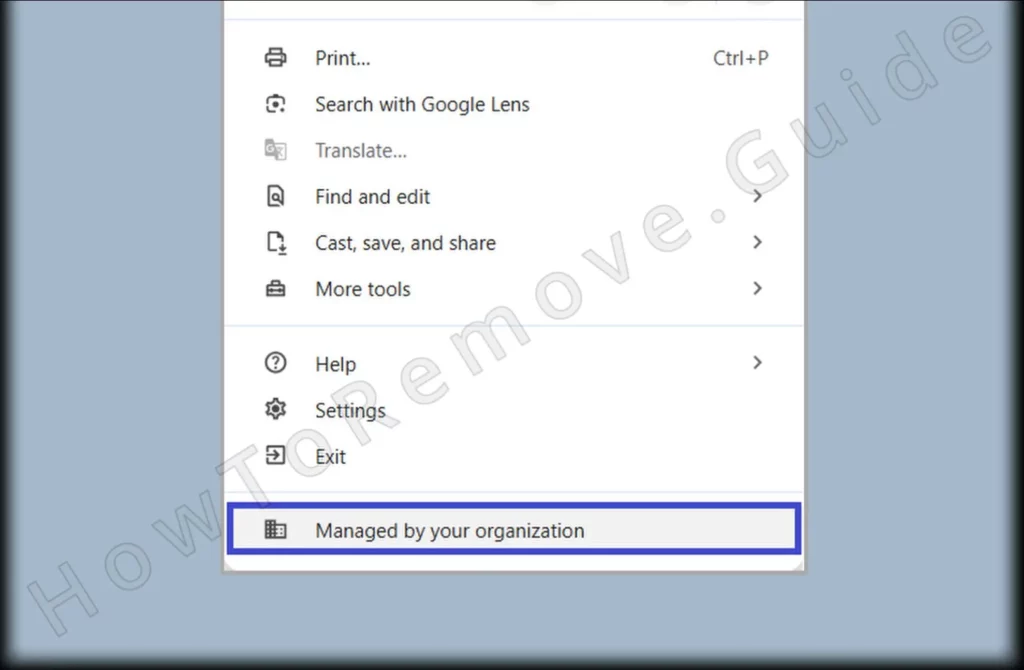
1. Identify the Search Home Search Tab Policies
- 1.1
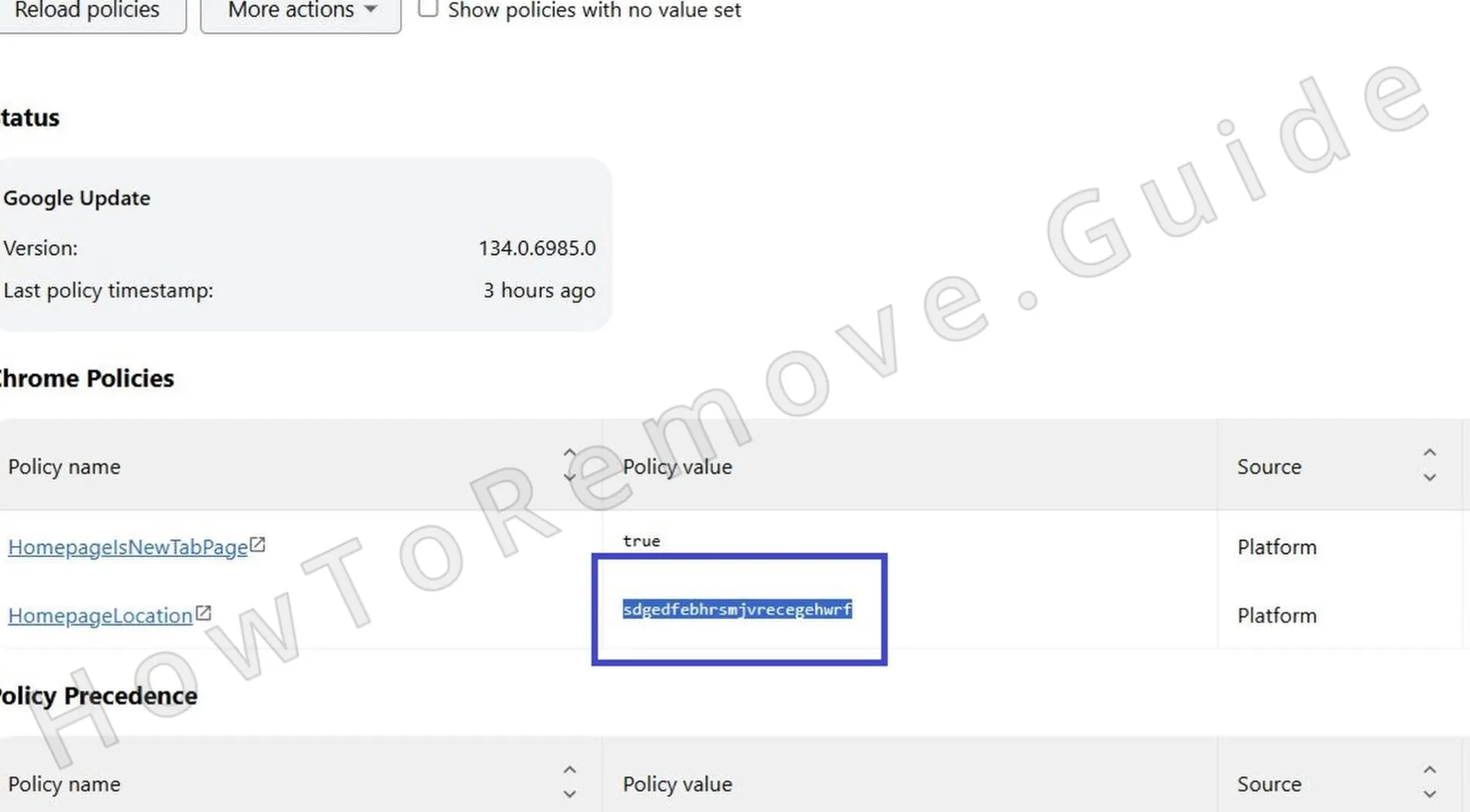 Launch your browser and enter the appropriate command in the address bar:
In Chrome, type chrome://policy
In Edge, type edge://policy
Let the policy list load. Go through each entry carefully and flag anything unusual, confusing, or unrelated to your browser activity or tools. - 1.2Analyze each policy detail. Be on alert for entries with random strings, vague titles, or cryptic formats.
Search Home Search Tab often hides under obscure names to avoid attention. Screenshot or write down anything that looks suspicious – you’ll need this info later. - 1.3Go to the Extensions page in your browser and activate Developer Mode using the toggle at the top right.
This will display technical info like extension IDs and file paths – essential for identifying which folders to delete when you dig into system files manually. - 1.4If the Extensions screen isn’t working – possibly due to interference by Search Home Search Tab – switch to File Explorer instead.
This allows you to directly access browser files, bypassing any user interface blocks the hijacker has put in place. - 1.5
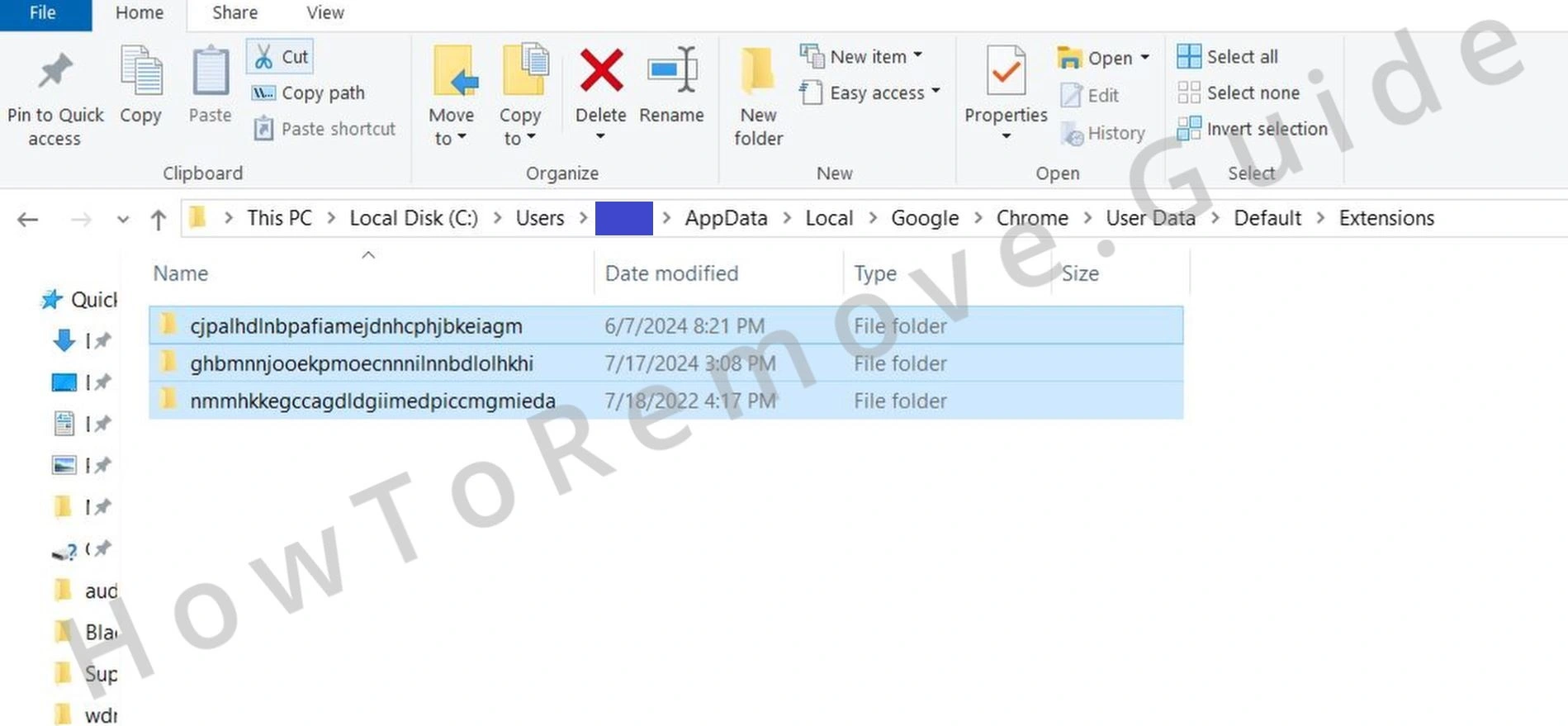 In File Explorer, go to:
C:\Users[Your Username]\AppData\Local\Google\Chrome\User Data\Default\Extensions
Each extension will be in a folder with a unique ID. Match those to the ones you wrote down earlier and locate the folder connected to Search Home Search Tab. Be sure it’s not a trusted extension before deleting it. - 1.6
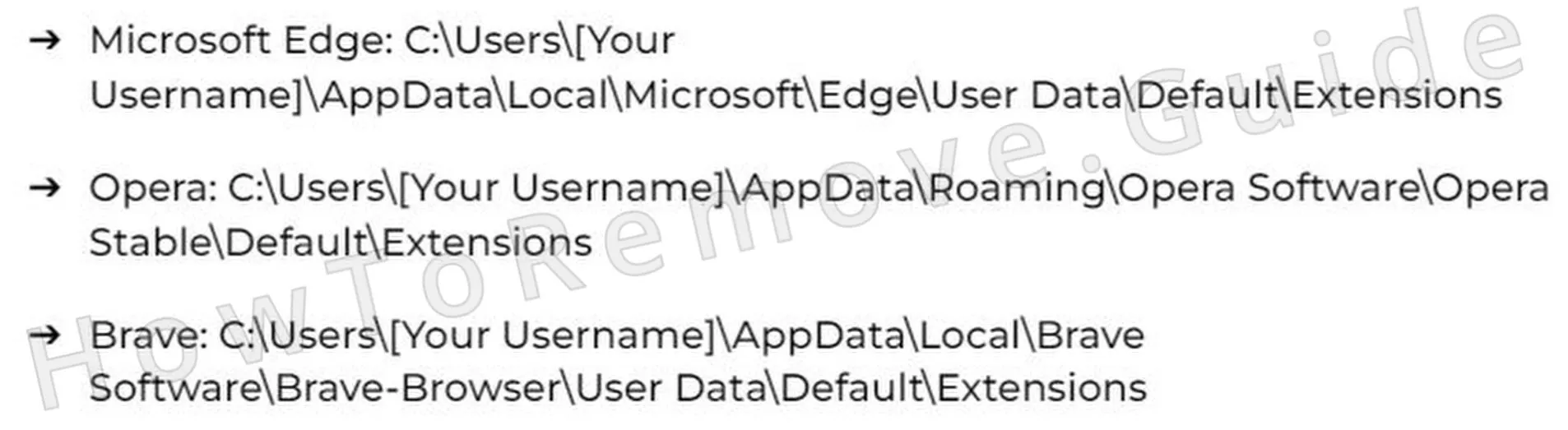 Using a Chromium-based browser other than Chrome? The directory structure is usually the same.
Go to your browser’s AppData location or user profile folder. Check all unfamiliar folders and confirm IDs before deleting the one linked to Search Home Search Tab. - 1.7After deleting the malicious folder, go back to the Extensions page with Developer Mode still on.
Check that the unwanted add-on is no longer listed. If it’s still there, remove it manually. Make sure no residual files or settings remain that could allow Search Home Search Tab to reinstall using sync or hidden triggers.
We tested that SpyHunter successfully removes Search Home Search Tab* and we recommend using it. It will block Search Home Search Tab from reinstalling itself and it will make sure your device is clean from any malware.
Try Free For 7 Days*
Buy now15% OFF if you buy straight without trial.
Get Rid of Search Home Search Tab Policies
Once Search Home Search Tab touches your registry, yeah – now you’re in real danger. This is not click-random-buttons time. One bad move can break stuff permanently. Unless you know what you’re doing, don’t mess with it. Tools like SpyHunter 5 are built for exactly this kind of situation. Just use one and keep your system safe.
2. How to Delete Search Home Search Tab Policies Through the Registry
- 2.1Press Win + R, type regedit, and hit Enter to launch the Registry Editor.
Immediately go to File > Export to save a full backup. This will allow you to undo any changes if something breaks. - 2.2Use Ctrl + F or click Edit > Find, then enter the suspicious extension ID or policy name you noted earlier.
Click Find Next, examine each hit, and delete any entry tied to Search Home Search Tab. Repeat this step through all registry hives to ensure no duplicates are left. - 2.3
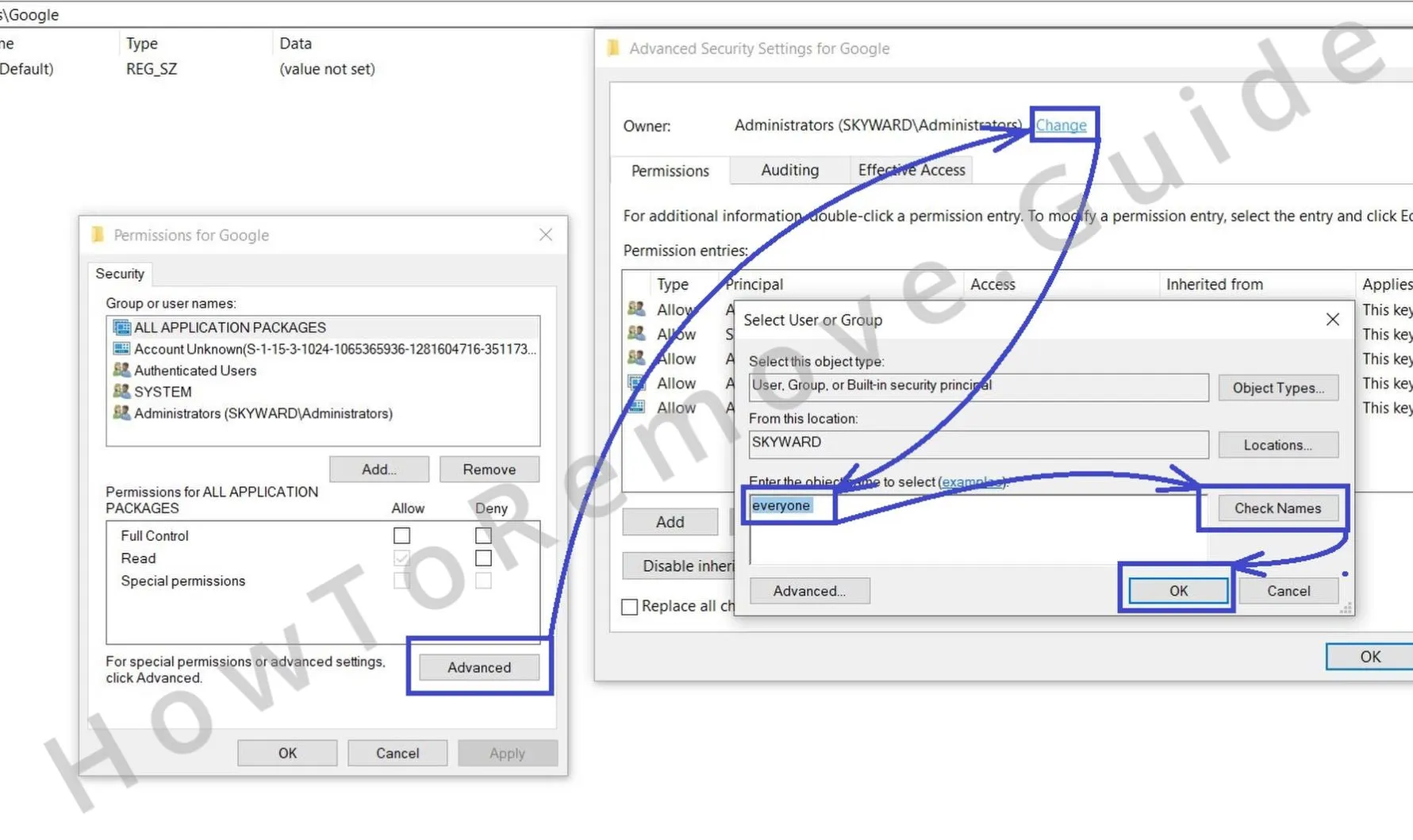 If a registry key won’t delete, right-click it, select Permissions, then go to Advanced.
Click Change next to the Owner field, enter Everyone, then press Check Names and OK. You now have full control over the key. - 2.4
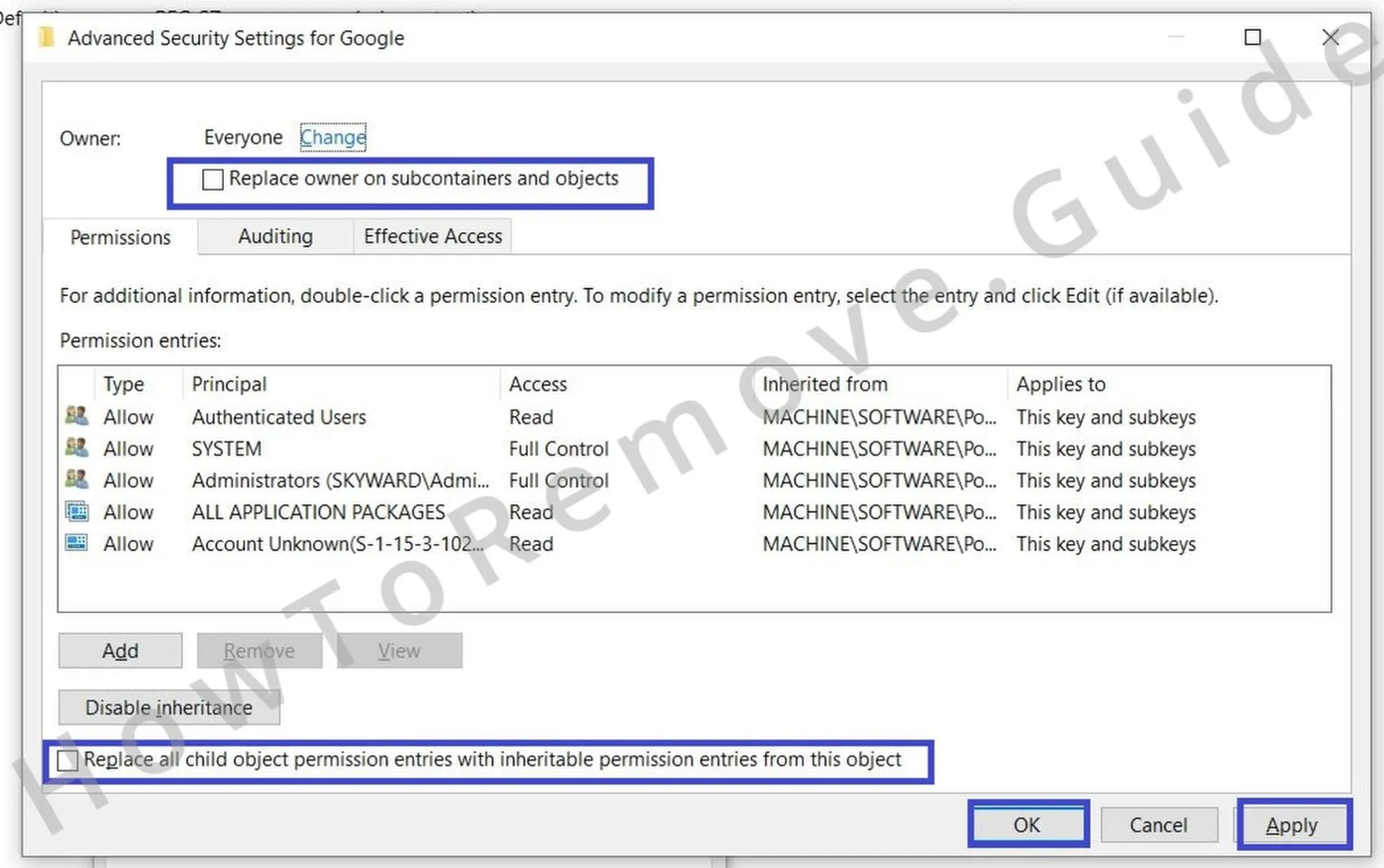 With ownership set, check these two boxes:
Replace owner on subcontainers and objects
Replace all child object permission entries with inheritable permission entries from this object
Click Apply, then OK.
Once you remove the key, restart your system and check if the Managed by your organization notice has disappeared from your browser.
This gives you the access needed to delete the rogue key.
Alternative Tools to Delete Search Home Search Tab Policies
You’ve done everything and it’s still there? That’s how Search Home Search Tab works. These things don’t go easy. Don’t freak. Just keep at it – slowly, carefully, step-by-step. That’s the only way. Don’t guess. Don’t skip. Be patient. The moment you stop early, it wins. So keep going till there’s literally nothing left of it.
3. Other Ways to Get Rid of Search Home Search Tab Policies
- 3.1
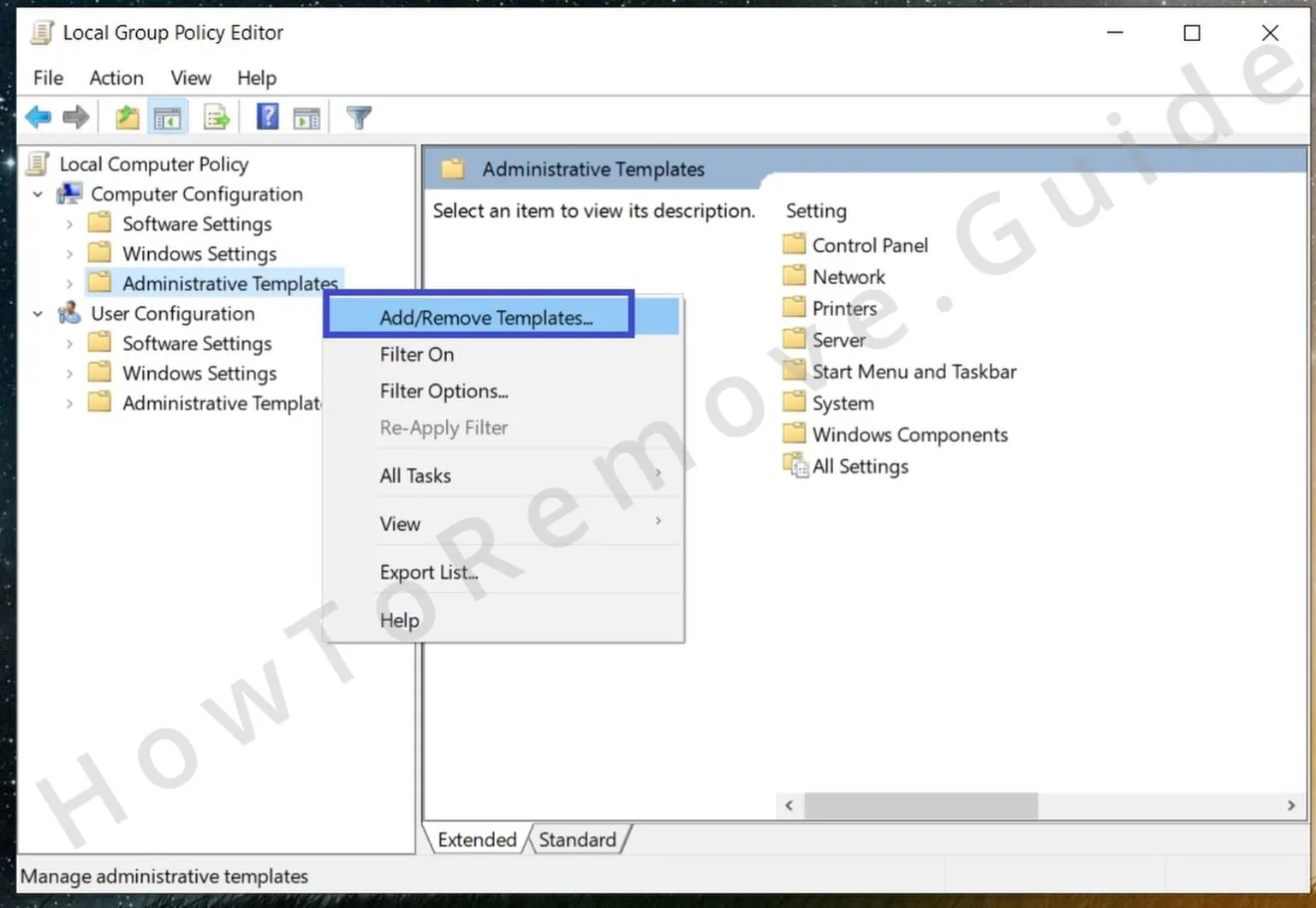 Open the Group Policy Editor by pressing Win + S, typing Edit Group Policy, and hitting Enter.
Navigate to Administrative Templates in the left pane. This section controls various policy rules, some of which may have been manipulated by Search Home Search Tab. - 3.2
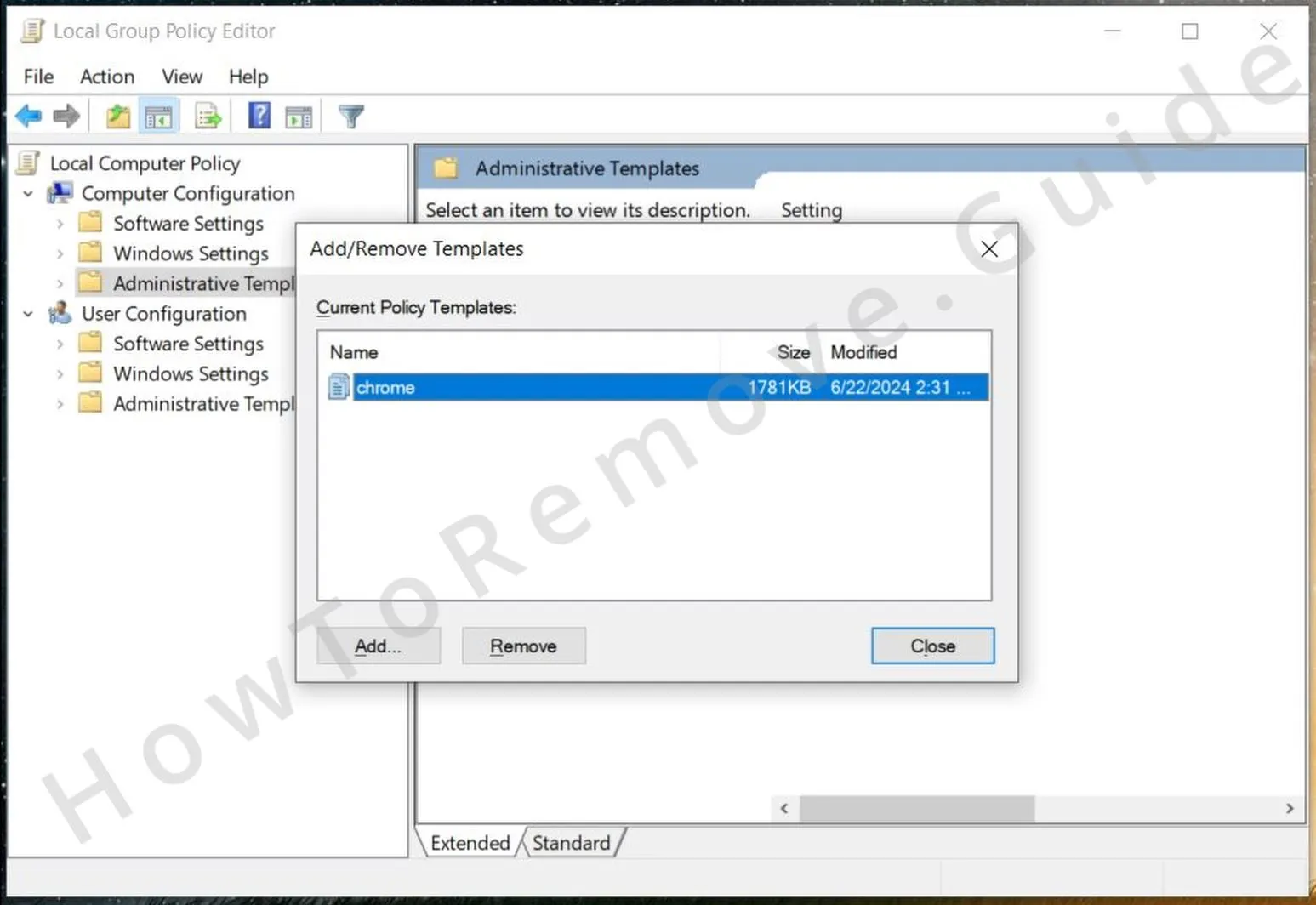 Right-click on Administrative Templates and choose Add/Remove Templates.
Take out any template files unless you know you added them. Removing them may revert changes Search Home Search Tab made to system behavior or browser policy enforcement. - 3.3If you use Chrome, consider using a dedicated Chrome Policy Remover utility to detect hidden rules.
Only download it from a verified source. Once installed, right-click and select Run as administrator so the tool can scan deeply and clean up any remaining traces. - 3.4If your antivirus or Windows Defender tries to block the cleanup tool, click More Info then Run Anyway – only if you trust the file.
Once the scan is complete, restart your PC and check your Group Policy and Registry to confirm Search Home Search Tab is completely gone.
Uninstall Search Home Search Tab From Chrome, Edge, and Other Browsers
You think you’ve gotten rid of Search Home Search Tab? Nope – not yet. This is where people mess up. You get lazy, you forget one thing, and bam – it’s back. These guys love that. Go through your settings again. Twice. Triple-check. All it takes is one leftover thing and suddenly you’re right back at zero.
4. How to Remove Search Home Search Tab From Your Browser
- 4.1Revisit your browser’s Extensions or Add-ons section.
If anything suspicious has returned or a new shady extension appears, remove it immediately. Search Home Search Tab may use browser syncing or automation to reinstall itself. - 4.2
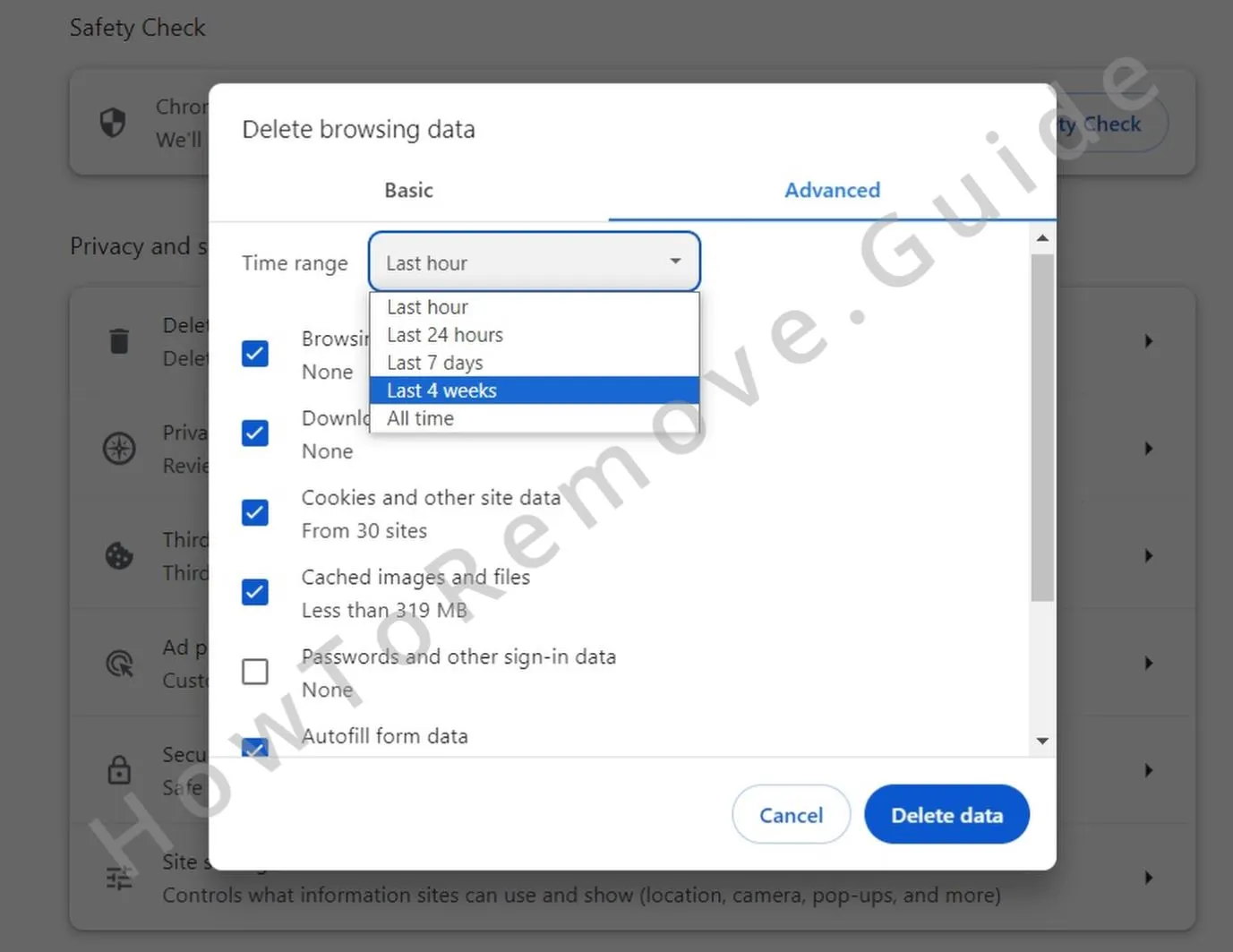 Open your Clear Browsing Data settings. Set the time range to All Time, and select all data types except Saved Passwords.
Click Clear Data to wipe cookies, cache, and scripts that might still trigger Search Home Search Tab behaviors. - 4.3
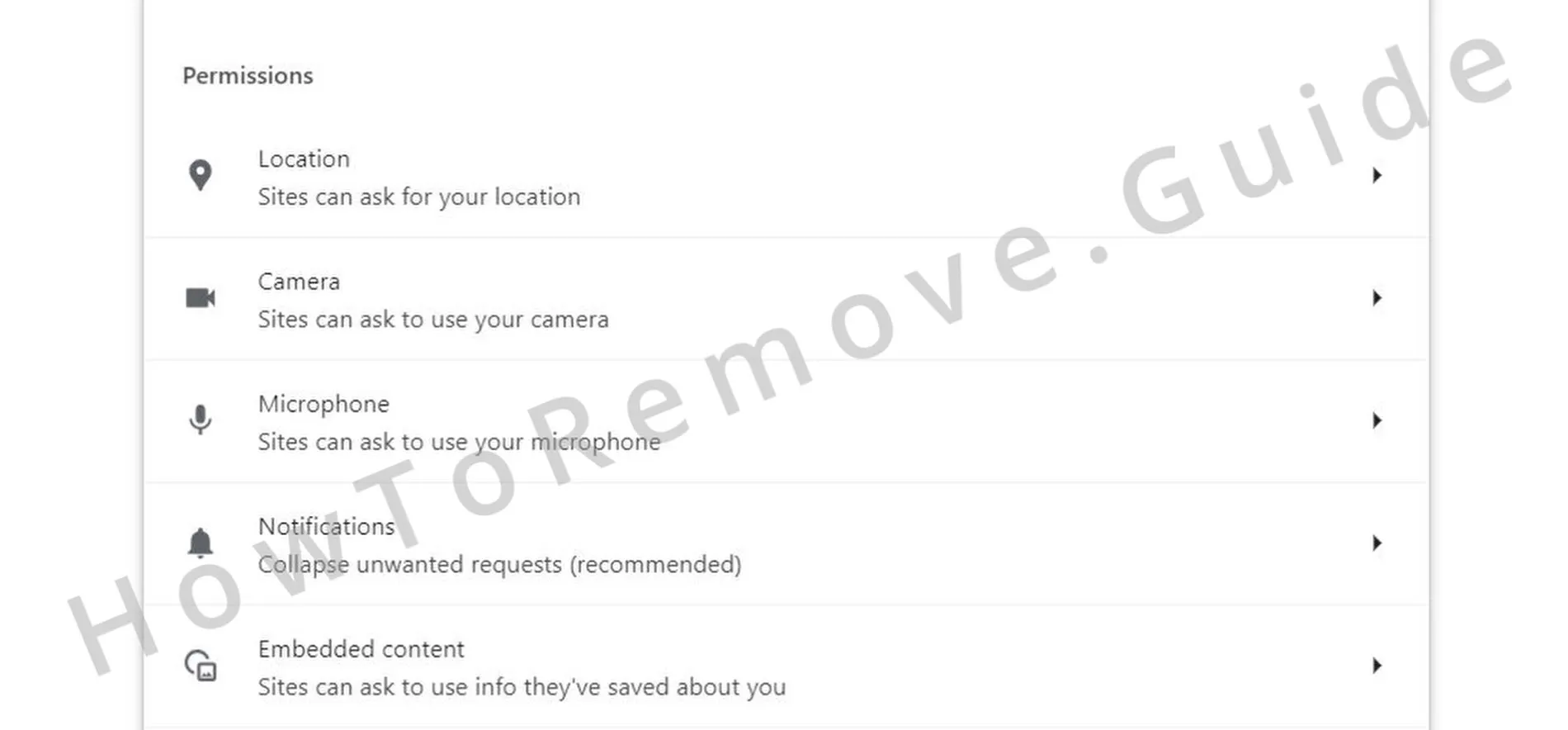 Navigate to Privacy and Security, then open Site Settings.
Review the permissions listed for access to your microphone, camera, or notifications. Delete or block access for anything that looks unfamiliar. - 4.4
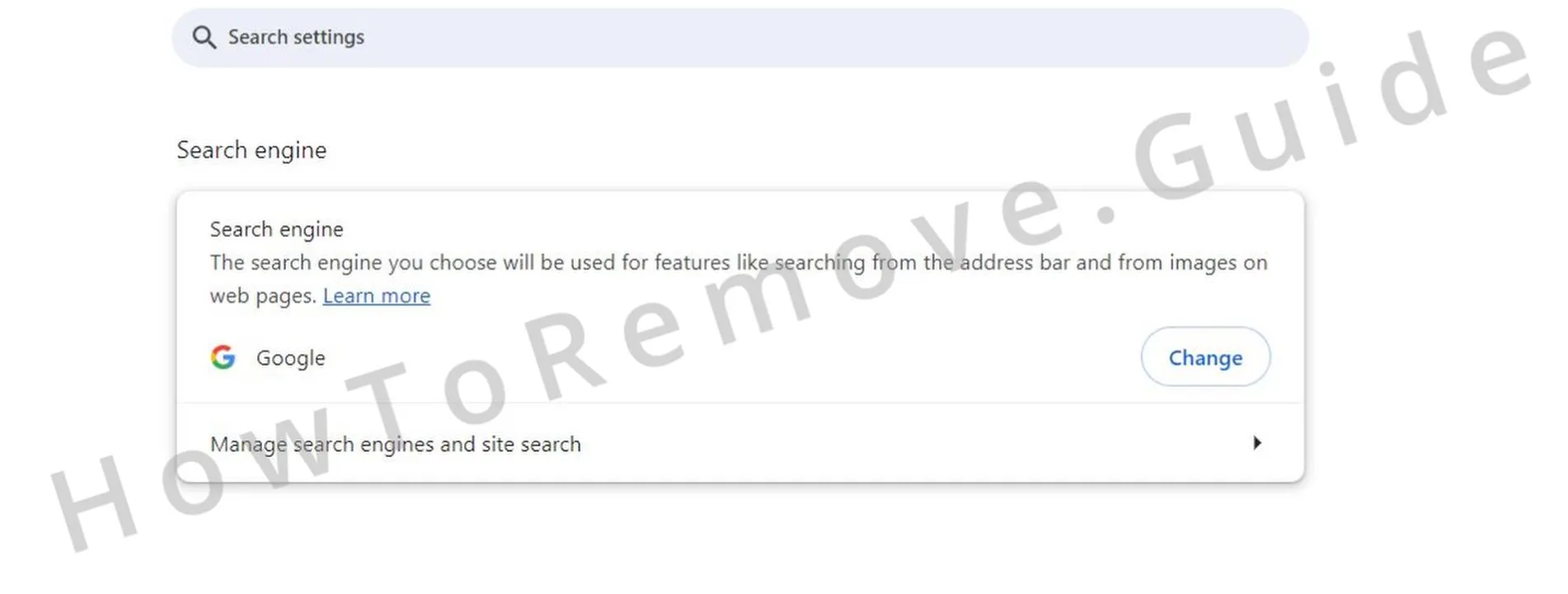 Open your Search Engine Settings and go into Manage Search Engines.
Remove anything you didn’t install. Make sure your default engine is something reputable like Google, Bing, or DuckDuckGo. - 4.5Lastly, go to your browser’s On Startup and Appearance settings.
Look for any homepage or startup entries you didn’t create. Replace them with a site you trust so Search Home Search Tab can’t redirect you again.
