

Spyrix is a keylogger software developed by Spyrix Inc., marketed as a tool for parents and employers to monitor digital activity. Available at www.spyrix.com, it offers features like keystroke logging, application and user activity tracking, screenshot capture, and remote installation.
While promoted as legitimate monitoring software, Spyrix can be misused as malware when installed without the user’s consent. It can record conversations, log usernames and passwords, and gather data from messaging platforms, search engines, and even cloud storage services. Logs are stored in hidden files and may be transmitted via FTP, HTTP, or an online admin panel.
Cybercriminals can exploit Spyrix to steal sensitive information such as credit card numbers and social security data, often using it for doxing and extortion.A free version is available, which may further encourage misuse by low-level attackers.
We tested that SpyHunter successfully removes Spyrix* and we recommend using it. It will block Spyrix from reinstalling itself and it will make sure your device is clean from any malware.
 Try Free For 7 Days*
Buy now15% OFF if you buy straight without trial.
 OFFER
OFFERThe removal of apps like Spyrix, Bionom Query Utils, Tarao Cuviaq Utils, and others of this type is often a challenging task. That’s why I recommend either using a professional anti-malware tool, such as SpyHunter 5 (linked on this page) or following the detailed removal guide I’ve prepared for you below.
Spyrix Removal Tutorial
Spyrix is a malicious program, and eliminating it can either be a breeze or a total ordeal. For some, it’s gone in a flash without fuss. For others, it’s a relentless battle of irritation. The trick is to begin with the basics. If the app stubbornly lingers, prepare for a thorough, heavy-duty purge.
Quick Steps to Remove Spyrix
- 1.1Access the Start Menu, input “Apps & Features” into the search bar, and press Enter to bring up a catalog of all programs installed on your system. This lets you spot and remove dubious software. Make sure you’re logged in with admin privileges to avoid any barriers during the process. Full access guarantees an uninterrupted deletion experience.
- 1.2Arrange the program list by the date they were added to quickly uncover unwanted entries. Since malware often sneaks in recently, this approach helps you zero in on anything odd. Target software that appeared when problems first started. This sharpens your focus and accelerates the hunt.
- 1.3Scrutinize the list thoroughly. Look for any programs you don’t recognize, especially those with bizarre titles or plain icons. Mark anything fishy for closer review. Be extra cautious with entries lacking clear developer info. This keeps sneaky dangers from slipping by undetected.
- 1.4When you spot a questionable app, click it and hit the Uninstall option. Malicious software can hide behind deceptive labels, so trust your instincts. Complete the on-screen instructions, and if prompted, reboot your machine after removal. Restarting clears out any leftover activity tied to the program.
- 1.5Navigate to C:\Program Files and C:\Program Files (x86), find the folder tied to the app, and erase any files still lurking there. Reboot your computer, then verify if Spyrix is truly gone. If it’s still around, don’t panic – more steps await to wipe it out. After restarting, keep an eye out for malware signs to confirm the system is clean.
Finally, power cycle your machine, use it briefly, and check for any remnants of the Spyrix pest. If it keeps troubling you, proceed to the tougher measures outlined below.
SUMMARY:
Important! Read Before Continuing
Spyrix is tenacious and won’t vanish just by deleting a couple of files. Some actions demand technical know-how, and if you’re uneasy with complex fixes, it might feel daunting. That’s where advanced tools like SpyHunter 5 come in – they handle the issue effortlessly, sparing you time and keeping your system secure.
How to Remove the Spyrix Virus
So, the easy method flopped? Time for the big leagues. Start by revealing hidden system files. Then, ensure you’ve got LockHunter ready – without it, stubborn locked files might stay put. Spyrix is crafty, burrowing into your system and shielding itself. Skip the proper prep, and you’ll just be wasting effort with no progress.
1. Spyrix Removal Preparatory Steps
- 1.1
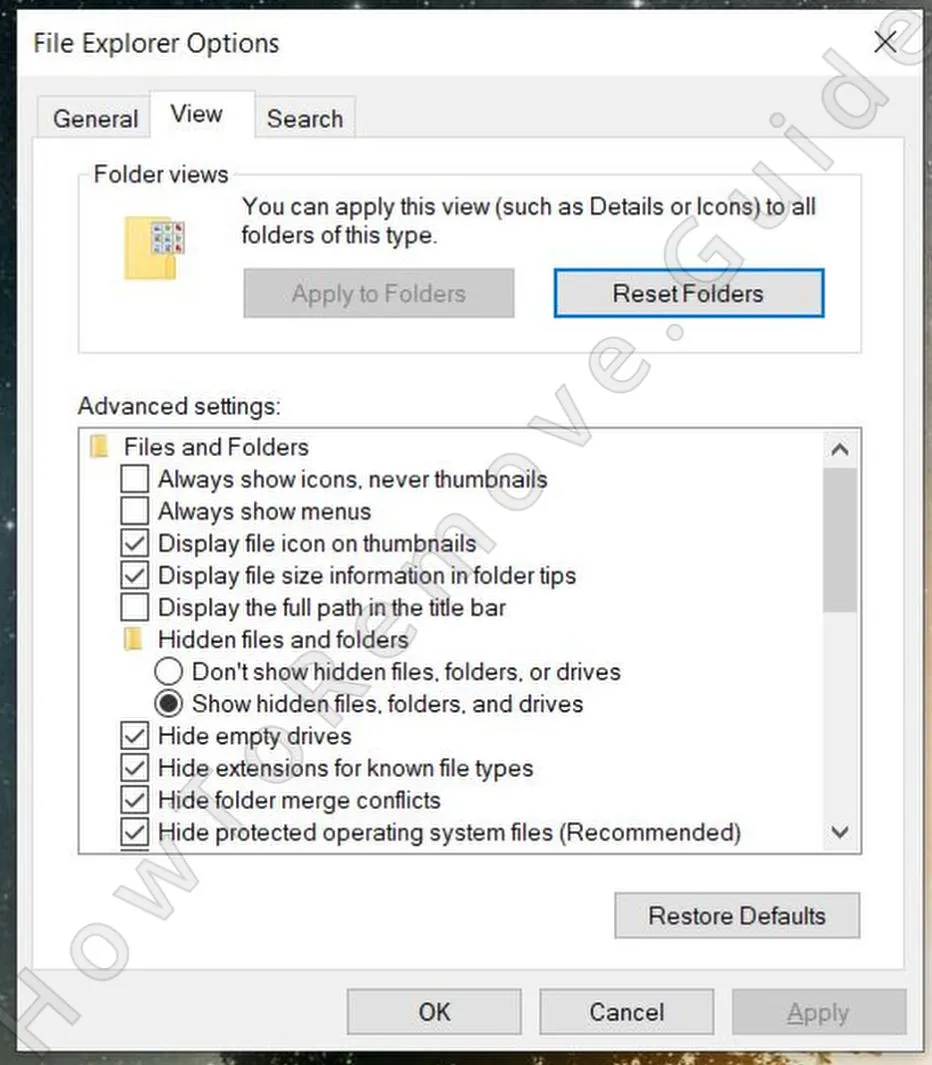 To uncover concealed files, launch File Explorer, head to the View tab, and click Options (or Folder Options, depending on your Windows version). In the pop-up, switch to the View section, tick “Show hidden files, folders, and drives,” then hit Apply and OK to save the tweak. This makes all sneaky malware files visible.
 - 1.2Certain malware locks vital files to block removal. To tackle this, grab LockHunter, a no-cost tool built to forcefully ditch obstinate files. Set it up now since you’ll rely on it later for files that resist deletion. Though some shy away from extra software, LockHunter is a must here – it’s a free, handy way to spot and erase locked items effortlessly.
I know that some users prefer not to install any third-party apps when troubleshooting, but in this case, LockHunter is non-negotiable. Besides, as I mentioned, it’s totally free.
Delete the Spyrix Virus Files
Spyrix doesn’t just sit idly by, begging to be erased. It tucks itself into critical system areas, determined to stick around. Fail to hunt down and destroy every shred of it, and it’ll bounce back like nothing happened. Be meticulous. Overlook even one piece, and you’re starting over.
2. How to Delete Spyrix Files
- 2.1Open File Explorer and explore these paths:
– C:\Users\YourUsername\AppData\Roaming
– C:\ProgramData\Microsoft\Windows\Start Menu\Programs\Startup
– C:\Users\YourUsername\AppData\Roaming\Microsoft\Windows\Start Menu\Programs\StartupInspect the contents closely. If you see files with quirky names, odd icons, or formats that look off, trash them. Use File Explorer’s search to jump to these spots fast. This ensures no malware hides unnoticed.
- 2.2
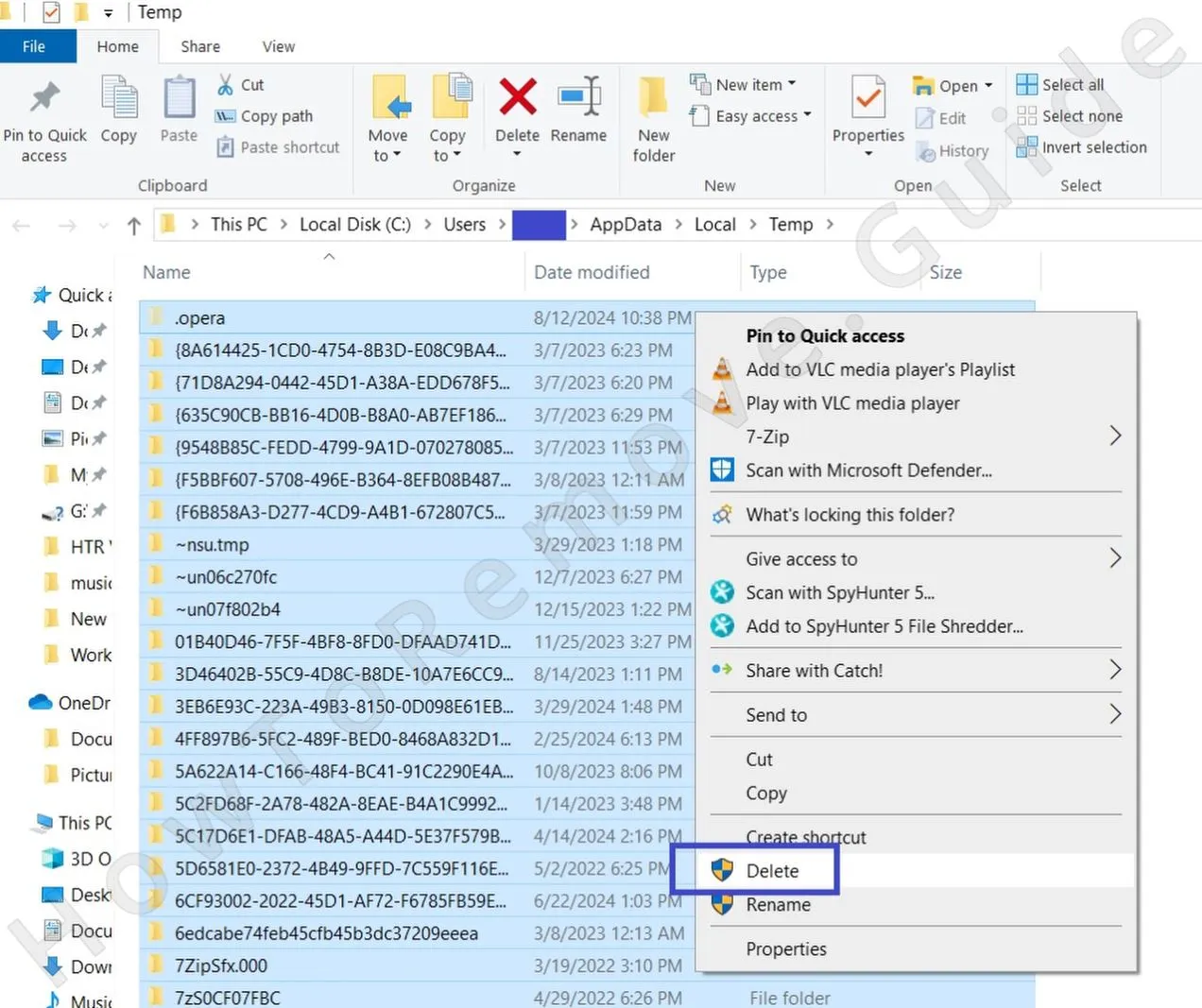 Purge your Temp folder to ditch lingering scraps:
– Go to C:\Users\YourUsername\AppData\Local\Temp
– Tap Ctrl + A to grab it all
– Press DeleteWiping this won’t hurt your system – it’s just temporary stuff. Malware loves this spot, so clearing it squashes threats and might even boost performance.
- 2.3Move to C:\Program Files and C:\Program Files (x86). Most items here are legit, but malware can blend in. If something unfamiliar pops up, look it up online. Once you confirm it’s bad news, erase it right away.
- 2.4If a file won’t budge, right-click it, pick “What’s locking it?” and hit Delete in the pop-up. LockHunter will pinpoint and stop whatever’s holding it, ensuring even the toughest files get axed.
Remove Spyrix Malware Tasks From the Task Scheduler
Here’s a sly move many miss – Spyrix exploits the Task Scheduler. It plants quiet tasks that resurrect it, even after you think it’s toast. No alerts, no hints – just malware doing its thing. Ignore these tasks, and Spyrix will sneak back in no time.
2. How to Remove Spyrix Entries From the Task Scheduler
- 2.1
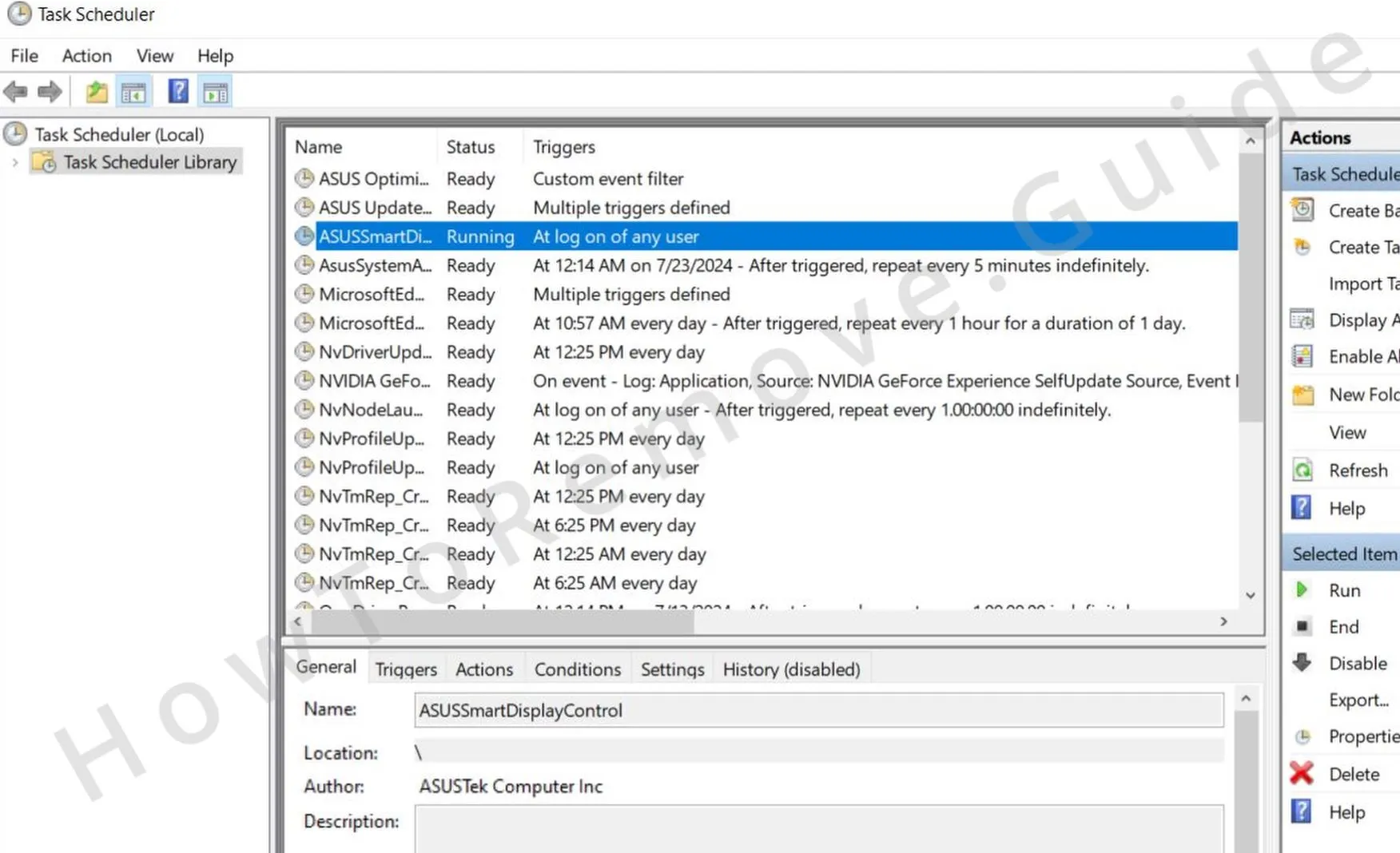 From the Start Menu, type Task Scheduler, hit Enter, and open it. Head to the Task Scheduler Library to scan all tasks possibly tied to the malware. Sneaky programs often set up automatic jobs that trigger at set times, reinstalling or reactivating themselves post-removal. Watch for odd or new tasks, especially ones added when the trouble began.
 - 2.2Examine each task closely. In the Actions tab, check what it’s set to do. If it’s tied to a shady .exe or unknown script, jot down its file path before zapping the task. Some malware relaunches at boot or runs hidden commands. Deleting these tasks is vital to stop automatic comebacks.
- 2.3With the file location noted, head there and wipe it out entirely. If it’s locked and won’t delete normally, use LockHunter to force it gone. Nixing both the task and its file ensures the malware can’t spring back later.
We tested that SpyHunter successfully removes Spyrix* and we recommend using it. It will block Spyrix from reinstalling itself and it will make sure your device is clean from any malware.
Try Free For 7 Days*
Buy now15% OFF if you buy straight without trial.
Get Rid of Spyrix Through the System Registry
This adware doesn’t stop at files – it digs into the Windows Registry to anchor itself. Leave any trace behind, and it’s staying put. But beware: registry tinkering is dicey. One slip could tank your system. Not sure? Use a tool. Confident? Clear those entries before Spyrix digs in deeper.
4. How to Remove Spyrix Items From the Registry
- 4.1Launch the Start Menu, type regedit, and open the top result with Administrator rights to fully command the Windows Registry Editor. You need admin access to tweak key settings. Without it, some malware entries might be untouchable. This tool is potent, so tread lightly to avoid accidental chaos.
- 4.2Hit Ctrl + F, enter Spyrix in the search, and press Enter to find related registry keys. When one shows up, erase it. Keep searching until no signs remain. Be careful – zapping unrelated keys might break programs or the system. Unsure about an entry? Check it out before you nix it for good.
- 4.3
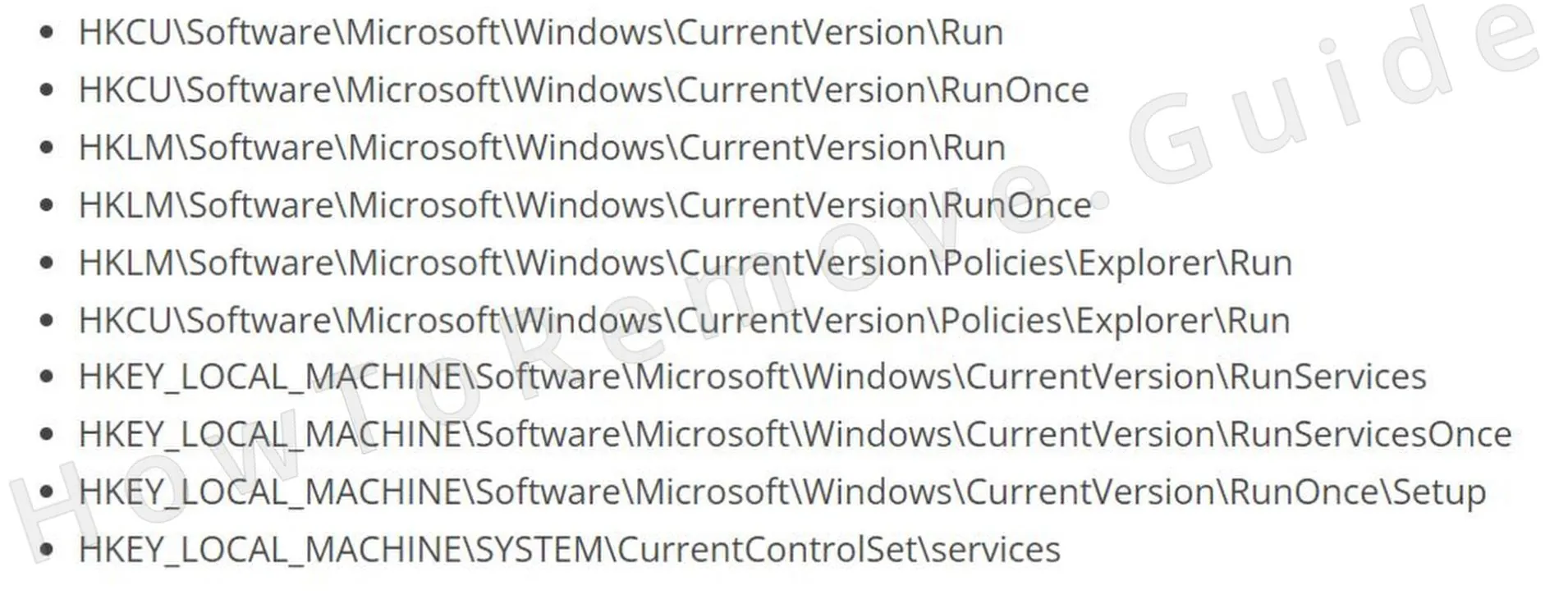 Manually browse these critical registry spots, where malware often nests:
Inspect them for anything sketchy, especially Spyrix mentions. If you spot a match, delete it fast to wipe it out completely. Some keys are subtle, so verify each before acting. - 4.4If a registry folder holds Spyrix-related values, remove just those values from the right side of the Editor. Don’t trash whole folders on the left – that could kill essential settings. Targeting only the bad values clears the infection safely.
Remove Spyrix Browser Policies
Noticed “Managed by your organization” in your browser when you’re the only boss? That’s Spyrix seizing control. It locks your homepage, search, and settings tight. To break free, you’ve got to ditch those enforced policies manually. Until then, Spyrix rules the roost.
5. How to Remove Rogue Spyrix Policies
- 5.1
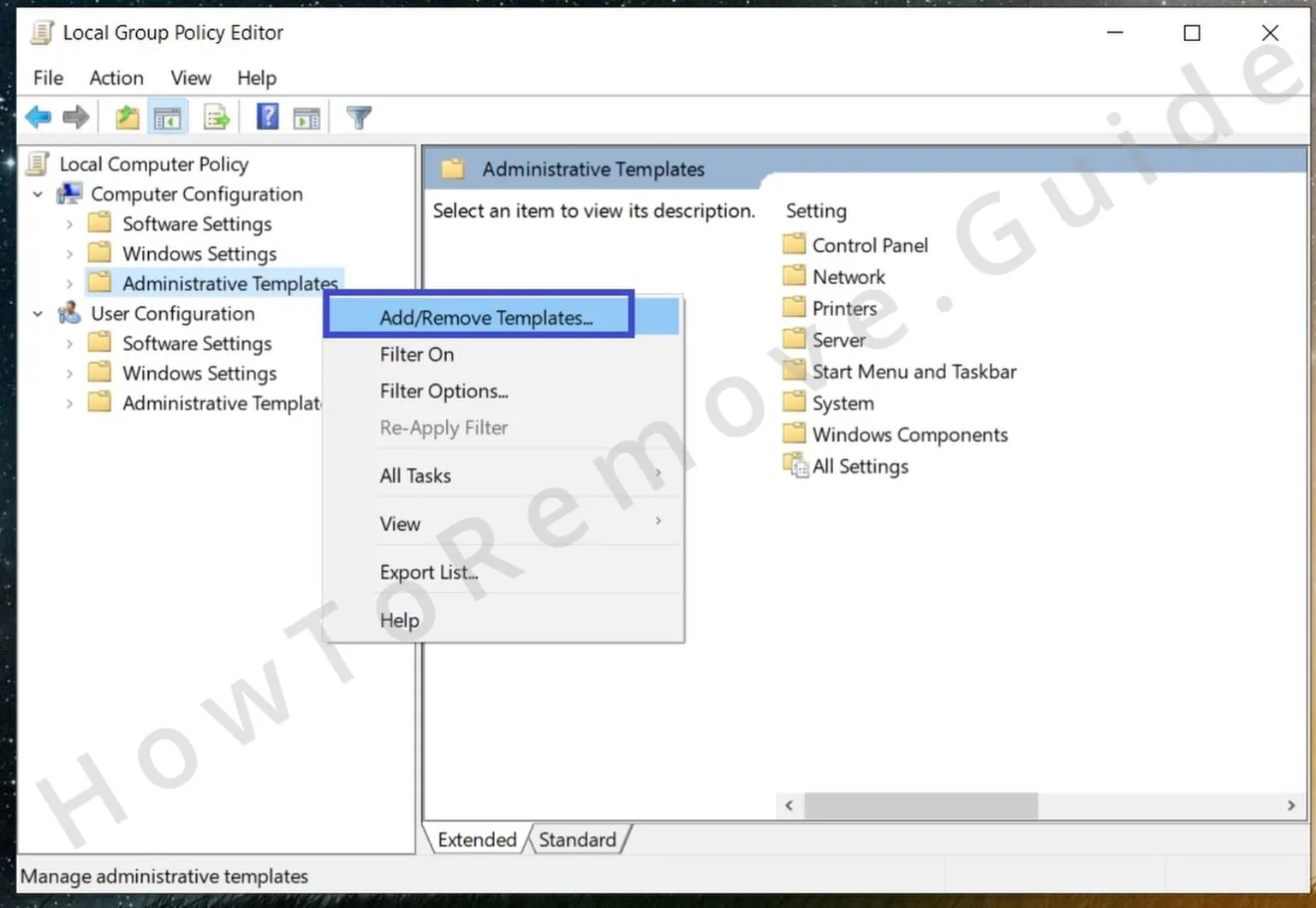 From the Start Menu, search Edit Group Policy and open it. Go to:
Computer Configuration > Administrative Templates
Here, you can check and adjust system policies the malware might’ve tweaked. Spyrix often sets rules to block homepage or search changes. Clearing them hands control back to you.
- 5.2
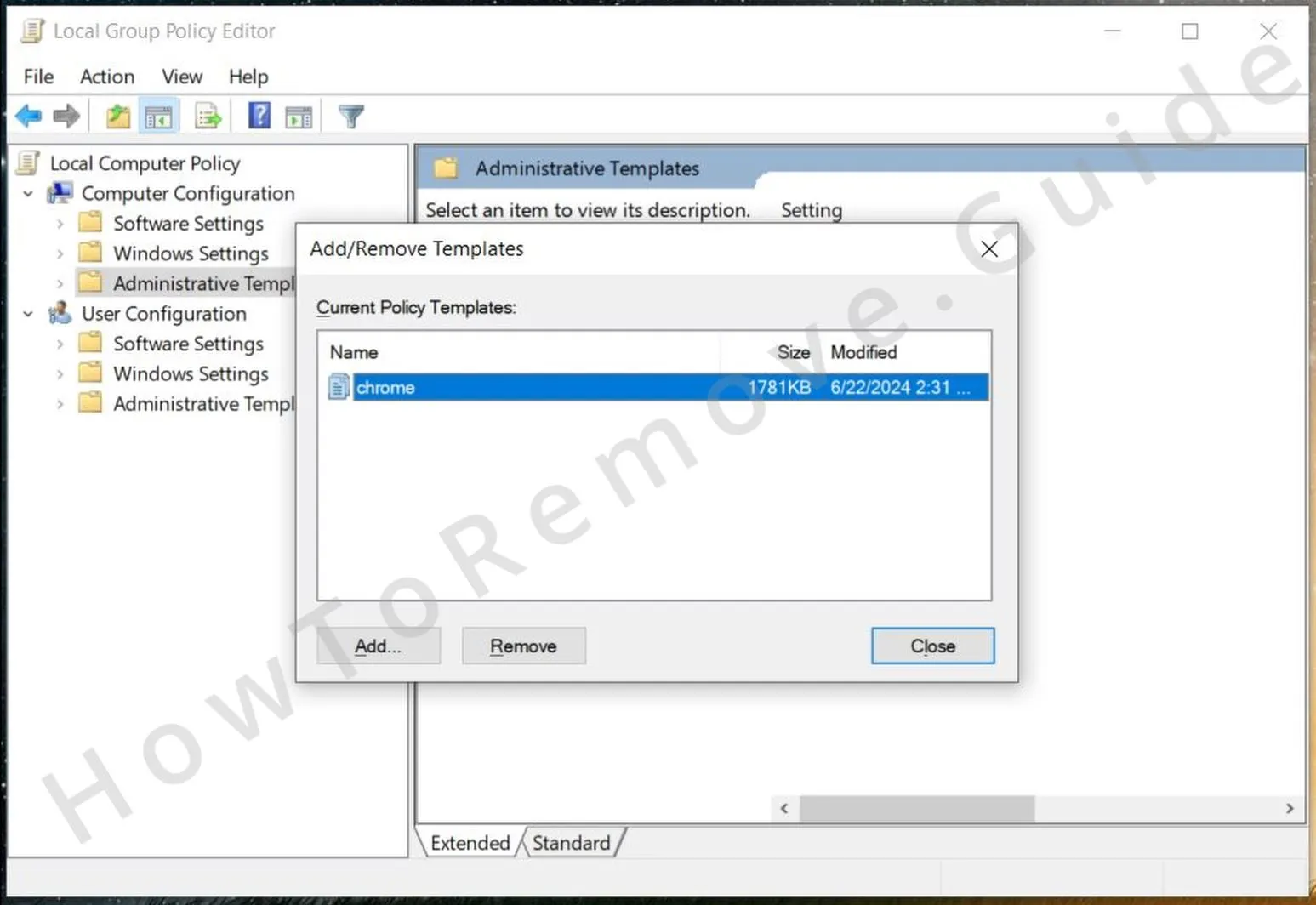 Right-click Administrative Templates, select Add/Remove, and ditch any policies that look odd or out of place. Only keep ones you or your group meant to set. Malware uses these to freeze browser options, resisting manual fixes. Scrapping extras stops its grip.
 - 5.3Chrome users, grab the free Chrome Policy Remover tool. Launch it with admin rights to reset all malware-tweaked policy settings automatically. It’s built to kill rogue policies that block browser changes, restoring Chrome’s normal setup without lingering limits.
- 5.4If Windows flags a security alert when starting the Chrome tool, click “More Info” and “Run Anyway.” It’s safe, and skipping the warning lets it work properly. This ensures all pesky browser policies from the malware vanish, giving you full browsing freedom.
Uninstall Spyrix From Your Browser
Dumping its policies is a solid move, but don’t celebrate yet. Spyrix already meddled with your browser’s guts. Skip a manual reset of every setting, and it’ll still have sway. Dig into each option, revoke shady access, and fix the mess. Miss this, and Spyrix might slink back.
7. How to Remove Spyrix From Your Browser
- 7.1Head to your browser’s Extensions section and comb through every add-on installed. Watch for unfamiliar ones, especially those lacking reviews, with vague names, or unclear purposes. Rogue extensions can pose as helpful but fuel pop-ups, redirects, or hijacks. Trash anything dubious to cut malware ties.
- 7.2
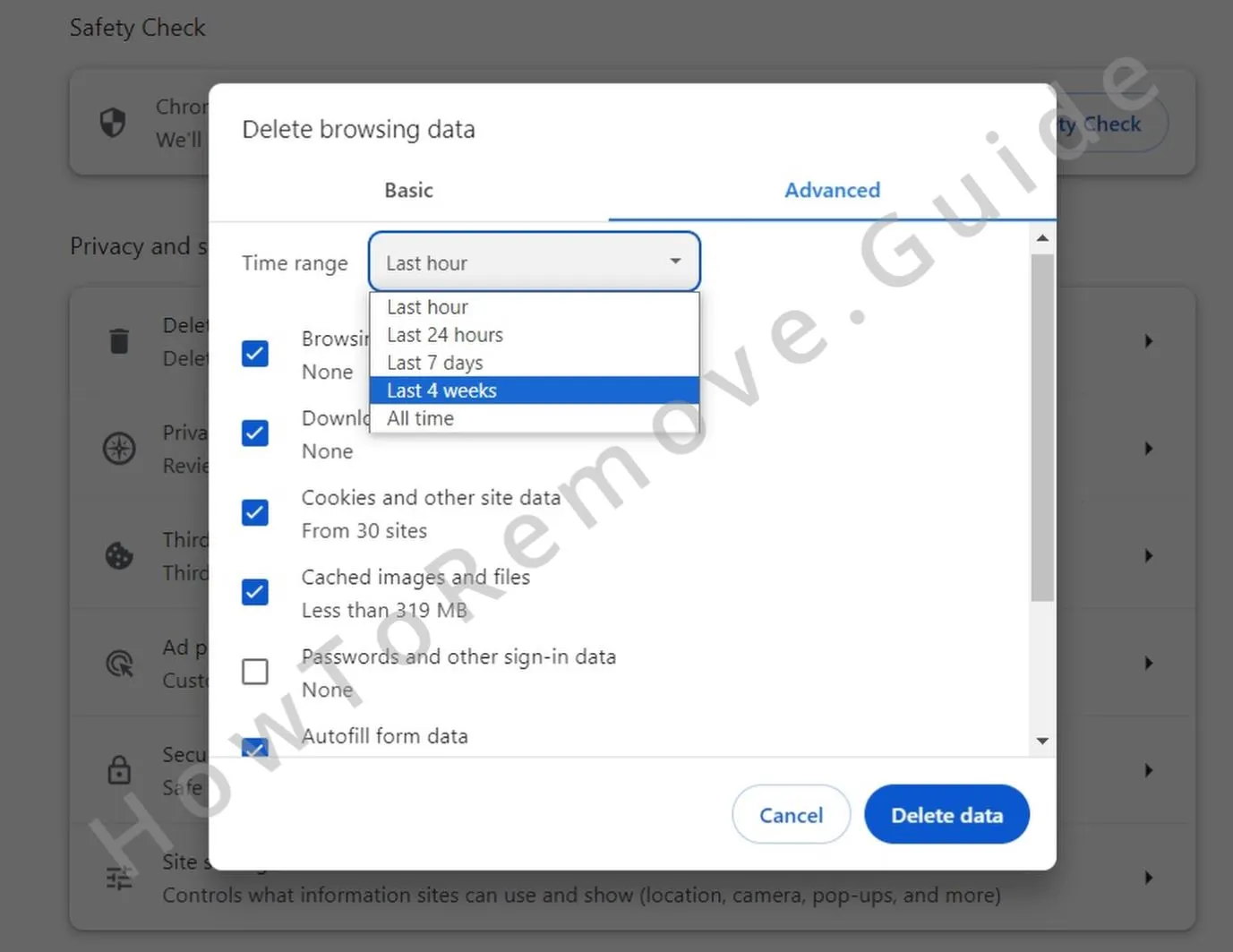 Wipe your browsing data to erase the malware’s footprints. In Privacy and Security settings, pick All Time and clear everything but passwords. This kills cached scripts and cookies the malware might exploit to track you or reinfect. Dumping site data stops bad code from running on old pages.
 - 7.3
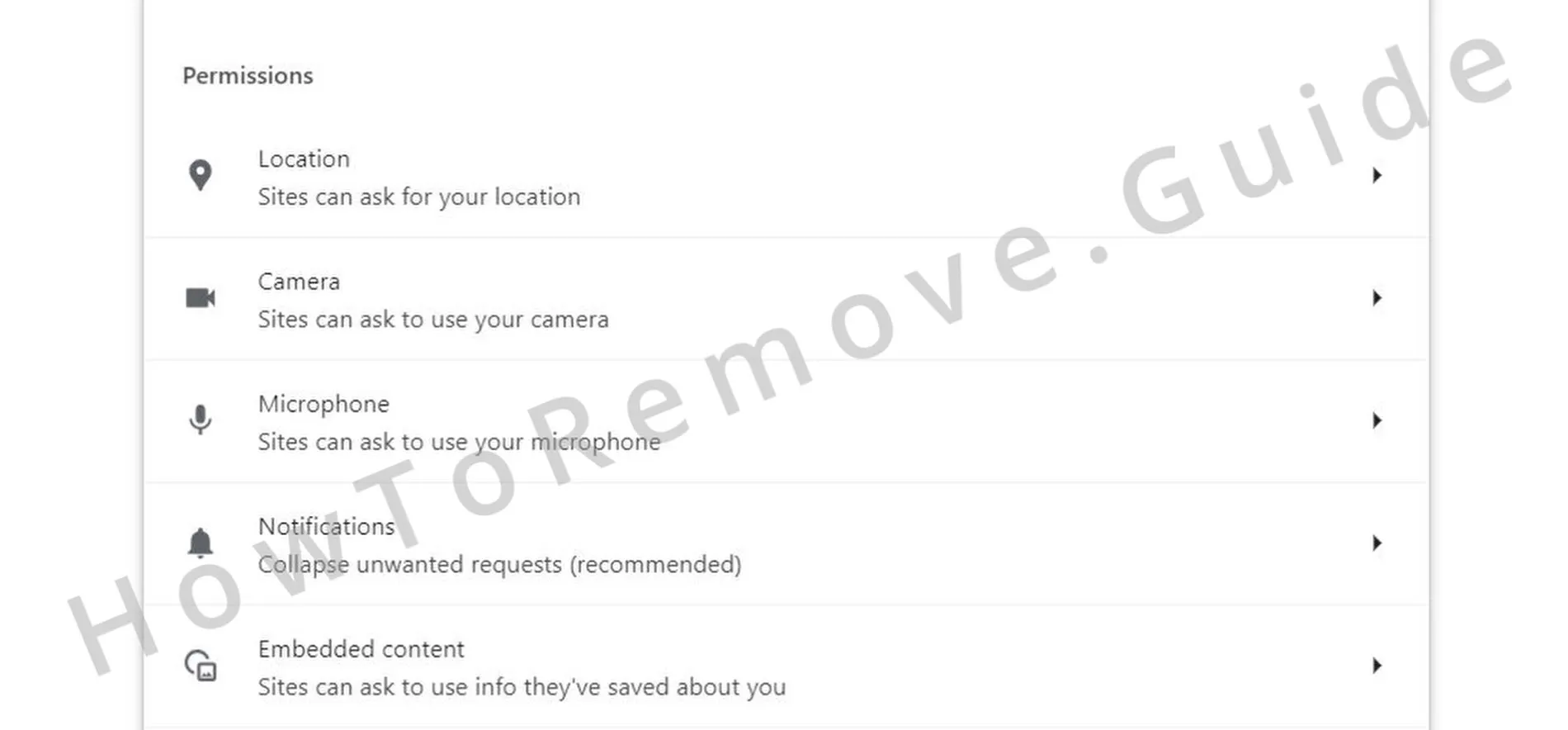 Check Site Settings for permissions the malware sneakily grabbed. Some threats con you into granting stuff like notifications, mic access, or settings control. Cancel anything odd or unneeded. Limiting access to trusted sites guards your privacy and browser.
 - 7.4
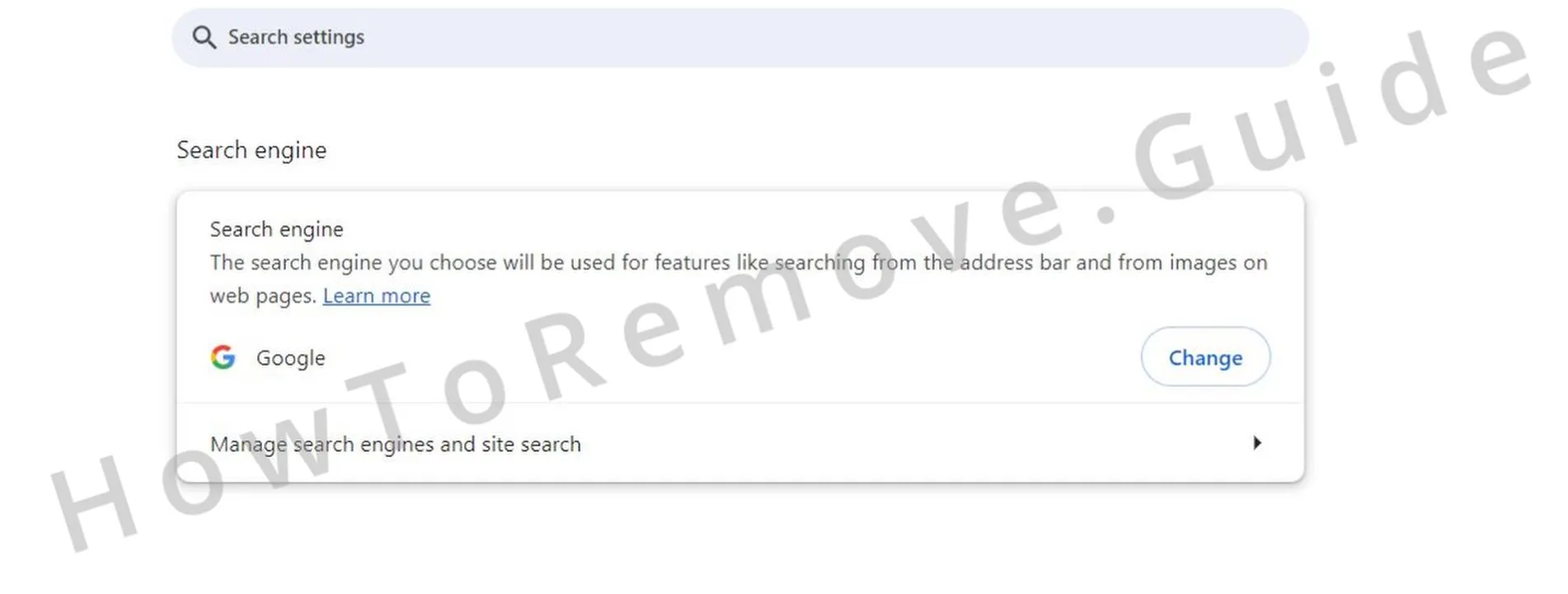 Inspect Search Engine Settings to confirm your default hasn’t been swapped. Malware loves pushing searches to sketchy, ad-laden sites. Spot an unknown engine? Delete it and pick a safe one like Google, Bing, or DuckDuckGo. This keeps searches legit and redirect-free.
 - 7.5Look at On Startup and Appearance settings to strip out strange URLs from your homepage or new tabs. Malware often sets browsers to open shady, profit-driven pages at launch. If something unfamiliar is there, remove it and choose a trusted site. This keeps your browser clean on every start.
That’s it! If you nailed every step, Spyrix should be history on your system. Still, keep tabs on your device for weird activity – some malware sneaks back via hidden bits. Spot any lingering trouble? Run a full scan with a solid security tool to nab anything left behind.
