

If you were on some sketchy site that told you to “verify you’re human” by pressing Win + R, pasting in this weird Msiexec command, and hitting Enter, and if you’ve recently installed a cracked version of some utility app and now your system’s acting strange with Defender notifications about Taosi Queoa, well – it’s a Trojan Horse, plain and simple. It was disguised as part of something useful or fun. I’ve seen this kind of trick before: you install what looks like a cool mod or plugin, and buried in the installer is Taosi Queoa, and its creator is “Travoe Lokxaqi Tm“, which then gets admin-level access to your machine. From there, it runs hidden processes, steals data and hogs resources. And it won’t just sit quietly either – it spreads itself across system directories, creates fake tasks, and makes sure it comes back after each reboot, basically installing itself every time you start your PC. You might not even realize anything’s wrong for a while. So if Taosi Queoa is in your system, don’t wait. Start cleaning.
We tested that SpyHunter successfully removes Taosi Queoa* and we recommend using it. It will block Taosi Queoa from reinstalling itself and it will make sure your device is clean from any malware.
 Try Free For 7 Days*
Buy now15% OFF if you buy straight without trial.
 OFFER
OFFERTaosi Queoa Removal Guide
So you’re scrolling through your system and something just feels off – there’s a program that looks legit, sure, but something about it doesn’t sit right. That’s classic Taosi Queoa and Traosk Utils Queue behavior. It counts on you ignoring it so it can keep hanging around. Now look, basic cleanup steps might do the trick, but if it digs in deeper, you’ll need to step it up to get rid of it for good.
Quick Steps to Remove Taosi Queoa
- 1.1Start by opening This PC and navigating to your Downloads folder to search for any files that appear out of place. Examine the directory closely for unknown installers or oddly named files you don’t remember downloading. If anything seems suspicious, delete it immediately to lower the risk of malware activation.
- 1.2Go to your system Settings, select Apps, and carefully review all installed programs listed there. Use the Sort by install date filter to reveal recent additions — this can quickly expose intruders. If Taosi Queoa is listed, click Uninstall, then follow every prompt precisely to ensure complete removal from the system.
- 1.3While browsing the Apps list, take note of other software installed around the same period or labeled with obscure names. These may be associated with Taosi Queoa or act as decoys. Remove them if they seem unfamiliar or suspicious, as doing so helps eliminate hidden malware dependencies.
- 1.4Search for the malware’s main folder, typically located in C:\UserNames\UserName\AppData\Local\Programs, though it might reside elsewhere based on how Taosi Queoa embedded itself. Use File Explorer’s search tools to thoroughly scan all drives, since some malware changes paths to avoid being discovered easily.
- 1.5If you locate the malware’s directory, delete the entire folder and everything inside it without exception. Leftover components can relaunch the infection later. Make sure the recycle bin is also emptied to prevent Taosi Queoa from restoring itself after a system reboot or user error.
If Taosi Queoa doesn’t reappear after these actions, your initial cleanup was successful. However, if signs of the malware persist, continue with the deeper, more technical steps described in the sections that follow.
Now restart your PC to see if the rogue app is gone from it. In many cases, it will still be there, but this is perfectly normal. It just means you’ll have to resort to the more advanced steps we’ve prepared next.
SUMMARY:
How to Fully Get Rid of Taosi Queoa
Here’s the thing – Taosi Queoa doesn’t go quietly. It plants pieces of itself all over your system, making sure that a single removal attempt just doesn’t work. It’s frustrating. You’ll need to be patient and methodical. A few solid tools and a well-thought-out plan go a long way here if you actually want Taosi Queoa gone completely.
1. Preparing for the Taosi Queoa Removal
- 1.1
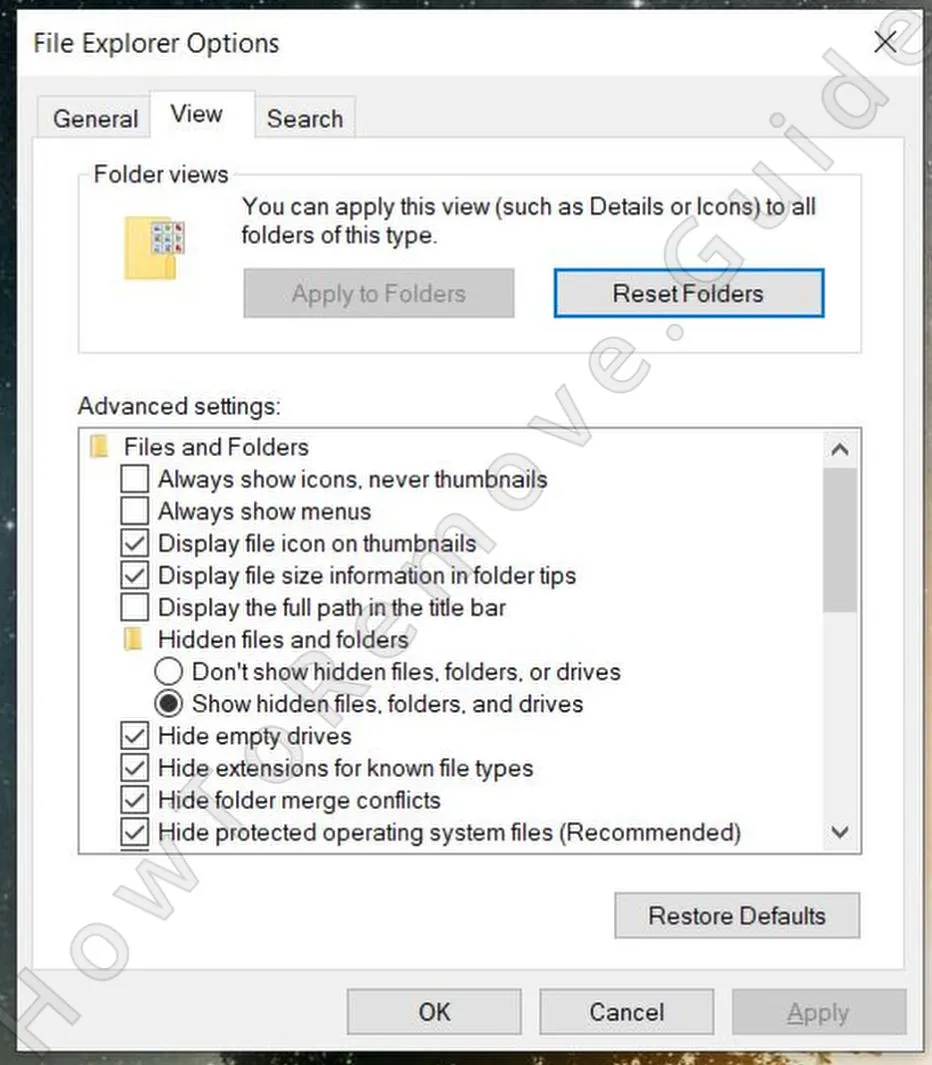 Malware often buries its key files in places that are hidden by default. To reveal these, open your Folder Options via system settings and activate the Show hidden files, folders, and drives setting. This allows you to view directories where Taosi Queoa may have placed critical components that would otherwise remain invisible.
 - 1.2Download and install LockHunter, a free and lightweight utility designed to remove locked files that refuse standard deletion. If you’ve encountered “file in use” errors, this tool is essential – Taosi Queoa uses this tactic to protect itself. LockHunter bypasses those roadblocks and lets you erase malware-protected files permanently.
Although this guide minimizes third-party software use, LockHunter is often necessary when malware resists removal. It installs quickly, is free from ads and registration, and gives you the ability to unlock and delete files that otherwise cannot be touched through Windows alone.
We understand if you don’t want to use third-party software and we generally try to keep our guides entirely “hands-on”. However, in this case, you may need this app to eliminate some malware files which is an essential part of the removal process.
But don’t worry, LockHunter won’t ask for money, doesn’t have ads, and doesn’t even require a registration. You can download and install it in about two minutes.
Remove Taosi Queoa Processes From the Task Manager
So even while you’re deleting files and thinking you’re making progress, Taosi Queoa might still be running behind the scenes, throwing up error messages that stop you cold. And yeah, that’s not random. It’s designed to throw you off. What you have to do is head into your system tools, find whatever sketchy processes are running, and kill them right at the source. That’s how you make real progress.
2. How to Delete Taosi Queoa Processes in the Task Manager
- 2.1Press Ctrl + Shift + Esc to instantly launch Task Manager without navigating through menus. Once it opens, click on the Processes tab to view everything currently running on your computer. This section displays active programs and background tasks that could include components of Taosi Queoa.
- 2.2If Task Manager appears in its simplified mode, click More details at the bottom to expand it. This will reveal a comprehensive list of background services and running applications. You’ll need the full view to accurately detect any malicious processes trying to disguise themselves as legitimate programs.
- 2.3
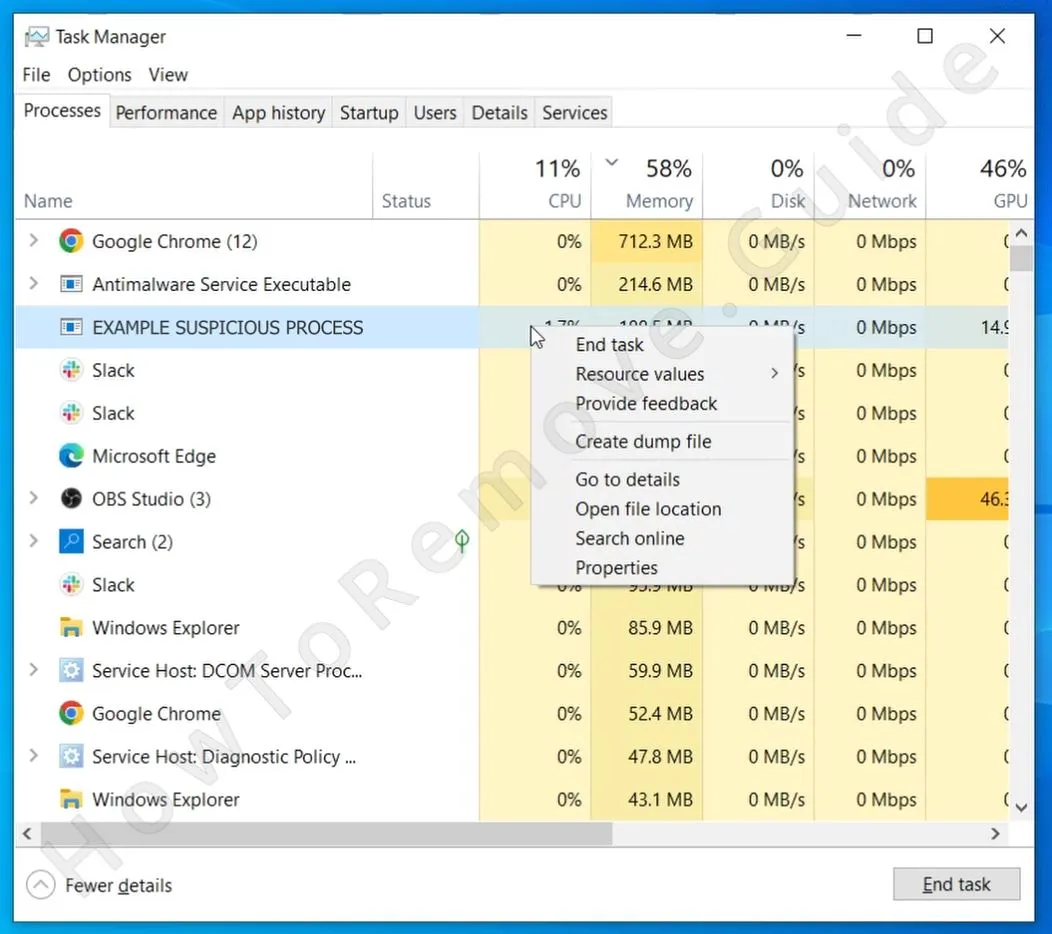 Carefully review the list of running tasks and check for any that are consuming unusual amounts of memory or CPU resources. Malware like Taosi Queoa often uses deceptive process names, so be alert for anything like Taosi Queoa.exe or any unrecognizable entries that look generic or suspicious.
 - 2.4Once you spot a questionable process, right-click on it and select Open file location. This will take you directly to the folder storing that file. Leave the folder open, return to Task Manager, and click End Task on the same process to stop it from running immediately.
- 2.5After ending the process, switch back to the open folder and attempt to delete the file and its related contents. If Windows prevents you from doing so, right-click the folder and use LockHunter‘s What’s locking this folder? feature, then select Delete It! to force its removal completely.
- 2.6Once all files are deleted, reopen Task Manager, locate the same process (if it reappears), and choose End Task again. Make a note of its name and path for future reference in the cleanup process, especially for cross-checking during registry or startup file removal.
We tested that SpyHunter successfully removes Taosi Queoa* and we recommend using it. It will block Taosi Queoa from reinstalling itself and it will make sure your device is clean from any malware.
Try Free For 7 Days*
Buy now15% OFF if you buy straight without trial.
Delete Taosi Queoa Virus Files
Okay, you shut it down – nice. But don’t get too comfortable yet. Taosi Queoa likes to leave behind little scraps, and if you miss those, it can bounce right back like nothing ever happened. That’s the trap. You think it’s gone, but it’s just waiting. If you want it done right, go through everything, and make sure not a single piece is left.
3. How to Get Rid of Taosi Queoa Files
- 3.1Start by checking the system’s Startup folders, where programs launch automatically when Windows boots. Explore both of the following directories:
C:\ProgramData\Microsoft\Windows\Start Menu\Programs\Startup
and
C:\Users\YourUsername\AppData\Roaming\Microsoft\Windows\Start Menu\Programs\Startup
Look for anything recently added or unfamiliar, as Taosi Queoa may have dropped launch commands there. - 3.2Inside those folders, search for any shortcuts or executables you don’t recognize or remember installing. If something stands out as unrelated to trusted software, go ahead and delete it. Leave only desktop.ini in place — it’s a default system file required by Windows to maintain folder behavior.
- 3.3Next, browse to your main program installation directories:
C:\Program Files and C:\Program Files (x86).
These folders host both legitimate applications and malware hiding under vague or deceptive names. Examine the contents carefully and remove anything that seems unrelated to programs you knowingly installed. - 3.4Now dig deeper into more obscure storage locations:
C:\Users%user%\AppData\Local,
C:\Users%user%\AppData\Local\Programs,
and
C:\Users%user%\AppData\Roaming\Microsoft\Windows\Start Menu\Programs
Files related to Taosi Queoa are often hidden here, using names and timestamps to blend in. Delete any items that match the infection period or feel out of place. - 3.5
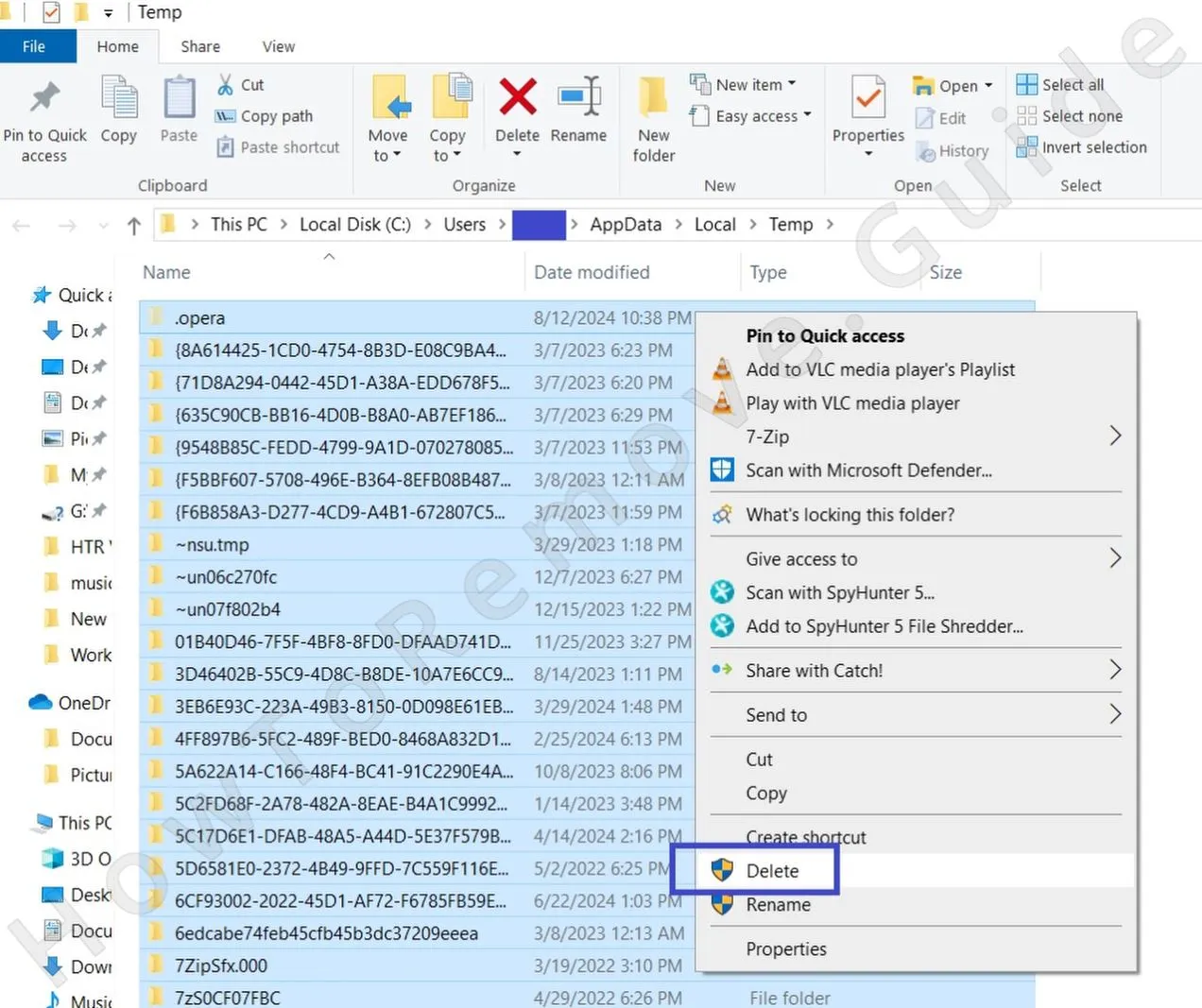 Finally, open your system’s temporary files directory. Type %TEMP% into the Windows search bar, then press Enter to access it. Use Ctrl + A to highlight everything, then press Delete to remove all files at once. Temporary folders are common hiding spots for malware leftovers, so clearing them is critical.
Get Rid of Taosi Queoa Scheduled Tasks
Here’s one a lot of people miss – Task Scheduler. Taosi Queoa can sneak in there and set itself up to launch every time you restart. Super sneaky. So go to the Start Menu, open Task Scheduler, and comb through it carefully. If you see a task tied to something shady, delete it. Then track down whatever file it was launching and wipe that too. That’s how you break its loop.
4. Eliminate Taosi Queoa Scheduled Tasks
- 4.1
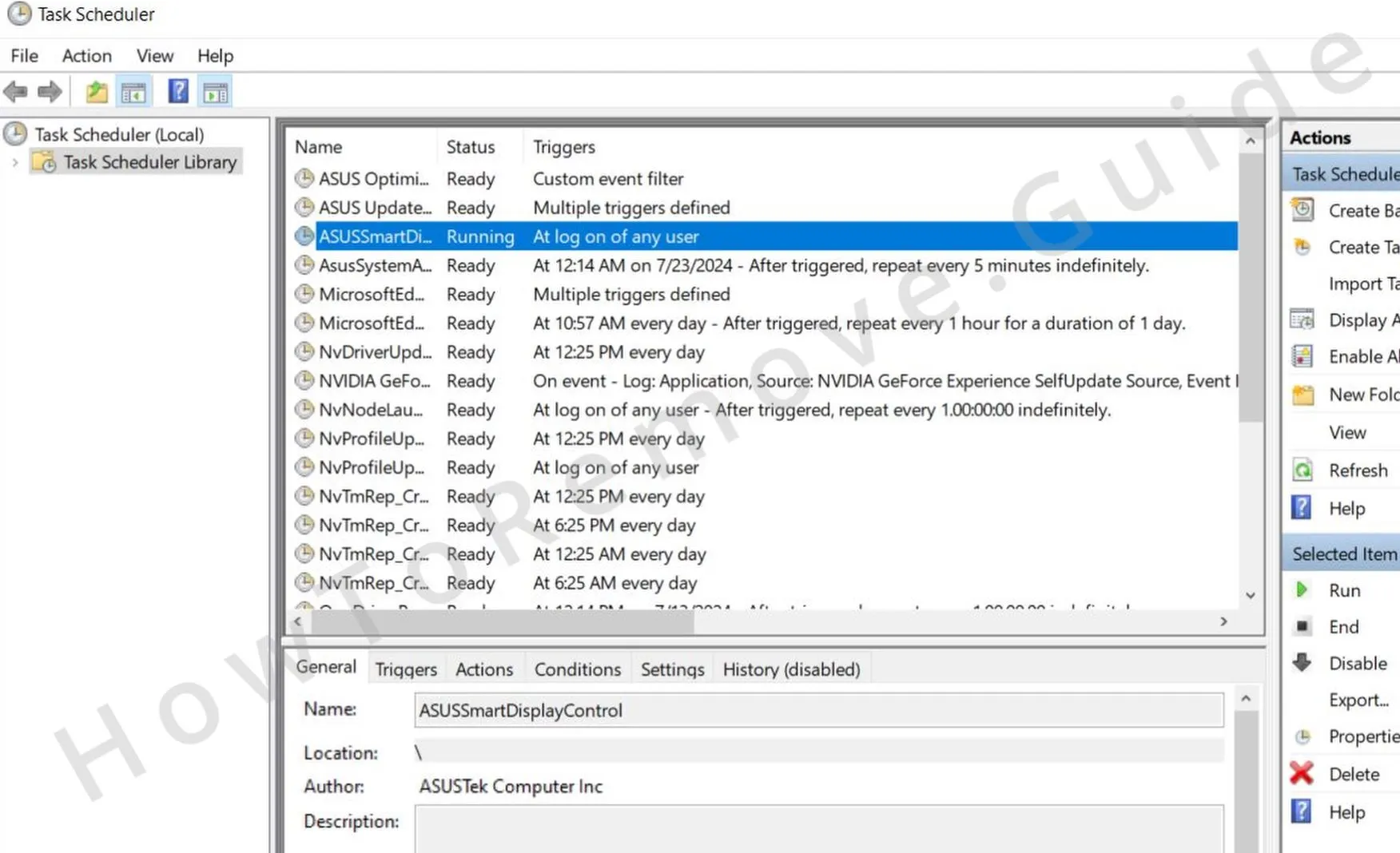 Search for Task Scheduler from the Start Menu and open the app. In the left sidebar, click on the Task Scheduler Library to view all scheduled tasks. Scan through each one carefully and delete any that reference strange file paths or were created around the infection date.
 - 4.2Double-click on any tasks that seem unusual or unfamiliar to open their properties. Navigate to the Actions tab to see what each task is programmed to execute. Pay attention to scripts or executables located in AppData, Temp, or Roaming folders — common hideouts for malware payloads.
- 4.3If a task seems related to Taosi Queoa, record the exact file path listed under its action settings. Then, right-click the task and select Delete to remove it from the schedule. This action ensures that the task won’t relaunch the malware during system startup or idle periods.
- 4.4Open File Explorer, paste the recorded path into the address bar, and press Enter. Locate the file linked to the deleted task and remove it from the system completely. Task Scheduler usually holds a small number of entries, so reviewing each one thoroughly should not take very long.
Uninstall the Taosi Queoa Malware App Through the Windows Registry
Last stop – the Registry. This part? It’s risky. Taosi Queoa might still be hiding in there, but messing with the wrong thing can really mess up your system. So yeah, open it up, but only delete stuff you’re 100% sure is part of the malware. Don’t guess. If you pull the wrong string, you could create bigger problems than the one you’re trying to solve.
5. Remove Taosi Queoa Through the Registry
- 5.1Open the Start Menu, type regedit, and press Enter to launch the Registry Editor. This advanced utility allows you to modify Windows’ core configuration settings and search for entries that malware like Taosi Queoa often leaves behind.
- 5.2Click Edit > Find, then type Taosi Queoa (or any aliases you identified in Task Manager) into the search box. Begin scanning the registry for related values. This is a critical step because Taosi Queoa may have embedded keys to auto-launch itself during system startup.
- 5.3After you initiate the search, press Find Next and wait for results. When an entry appears, click on the key folder in the left pane to select it. Carefully delete the entire key if it references Taosi Queoa. Then continue pressing F3 or using Find Next to check for additional hidden entries.
- 5.4Repeat the search using names of suspicious programs or processes you encountered earlier, even if they were already deleted. Malware often creates redundant keys under different labels to survive partial cleanups and ensure persistence over multiple system reboots.
- 5.5Manually check these high-risk registry paths, as they’re common places for malware to insert itself:
HKCU\Software\Microsoft\Windows\CurrentVersion\Run
HKCU\Software\Microsoft\Windows\CurrentVersion\RunOnce
HKLM\Software\Microsoft\Windows\CurrentVersion\Run
HKLM\Software\Microsoft\Windows\CurrentVersion\RunOnce
HKLM\Software\Microsoft\Windows\CurrentVersion\Policies\Explorer\Run
HKCU\Software\Microsoft\Windows\CurrentVersion\Policies\Explorer\Run
HKEY_LOCAL_MACHINE\Software\Microsoft\Windows\CurrentVersion\RunServices
HKEY_LOCAL_MACHINE\Software\Microsoft\Windows\CurrentVersion\RunServicesOnce
HKEY_LOCAL_MACHINE\Software\Microsoft\Windows\CurrentVersion\RunOnce\Setup
HKEY_LOCAL_MACHINE\SYSTEM\CurrentControlSet\services - 5.6In each of those directories, examine the panel on the right for keys pointing to Taosi Queoa files or folders matching the infection date. Delete only the individual entries tied to malware. Avoid removing the base folders themselves, as they support essential Windows operations and must remain intact.
If you’ve completed every step above, your system should now be fully free from Taosi Queoa. For added protection, consider scanning with a trusted antivirus solution and keeping Windows updated regularly to close any security gaps that Taosi Queoa or similar threats may exploit again.
