

Here’s the thing about Trojan/Donut.E-it’s not just a standalone nuisance, it’s a gateway Trojan. What that means is once Trojan/Donut.E finds its way into your system, it doesn’t stop at running shady processes or stealing data. It opens the door for a whole swarm of nastier threats. Infections like Trojan/Donut.E often act as delivery systems for ransomware or credential stealers. In practice, that could mean drained cryptocurrency wallets and stolen passwords (not to mention your files being encrypted by ransomware). And don’t expect Trojan/Donut.E to be easy to spot-it usually comes bundled with otherwise harmless-looking apps, then buries itself deep into your system. By the time you notice something’s off, it may already have pulled other malware inside. That’s why Trojan/Donut.E, similar to TamperedChef needs to be eradicated without delay.
We tested that SpyHunter successfully removes Trojan/Donut.E* and we recommend using it. It will block Trojan/Donut.E from reinstalling itself and it will make sure your device is clean from any malware.
 Try Free For 7 Days*
Buy now15% OFF if you buy straight without trial.
 OFFER
OFFERTrojan/Donut.E Removal Walkthrough That Actually Works
So here’s the thing – Trojan/Donut.E doesn’t just sneak in quietly, it actually pretends to be a normal program. You’ll even see it sitting there in your installed apps list like it belongs. That’s a huge red flag. You might catch it early and remove it with simple methods, but if not, deeper cleanup is needed.
Quick Steps to Remove Trojan/Donut.e
- 1.1Navigate to This PC > Downloads using File Explorer. Inspect every file in that folder carefully. Watch for strange names, file types you don’t normally download, or icons that don’t match the file’s supposed purpose. Malware frequently hides behind misleading labels. If something seems suspicious or unfamiliar, delete it immediately so it can’t run or interfere with your system.
- 1.2Check if Trojan/Donut.E has disguised itself as a visible program. Open Settings > Apps, then adjust the filter to sort by most recently installed. This makes spotting recent infiltrations easier. Look through the list carefully and flag anything you don’t remember installing.
- 1.3Search the apps list for anything carrying the Trojan/Donut.E name or something that looks close to it. If you find such an entry, select it, click Uninstall, and follow all on-screen directions. Make sure the removal completes fully—unfinished uninstalls often leave fragments that can bring the malware back.
- 1.4While you’re still in Apps & Features, stay alert for unusual entries that you didn’t authorize or that appear odd. They may be related to Trojan/Donut.E or bundled with it. Remove anything that feels unsafe by selecting it and choosing Uninstall.
-
1.5If you suspect Trojan/Donut.E is lurking in a certain folder like
C:\UserNames\UserName\AppData\Local\Programs\, open File Explorer and navigate directly there. Go through the folder carefully, and if you find files tied to the infection, delete them. Once cleared, restart your computer so any active remnants are flushed from memory. - 1.6If you uncover a folder dedicated to Trojan/Donut.E, remove the entire directory along with anything inside it. Restart your PC afterward to confirm whether the program has been eliminated. If it still persists, don’t worry-that’s normal. You’ll just need to move on to the advanced cleanup process.
Now restart your PC to see if the rogue app is gone from it. In many cases, it will still be there, but this is perfectly normal. It just means you’ll have to resort to the more advanced steps we’ve prepared next.
SUMMARY:
Ensure Trojan/Donut.E is Gone Without Leftovers
Now Trojan/Donut.E isn’t built to leave without a fight – it’s designed to hang on. Think locked files, hidden folders, the works. If you go in unprepared, you’ll almost definitely fail. The only way to make progress is to set up the right tools first. Otherwise, you’re basically playing whack-a-mole with invisible pieces.
1. Preparing for the Trojan/Donut.e Removal
- 1.1
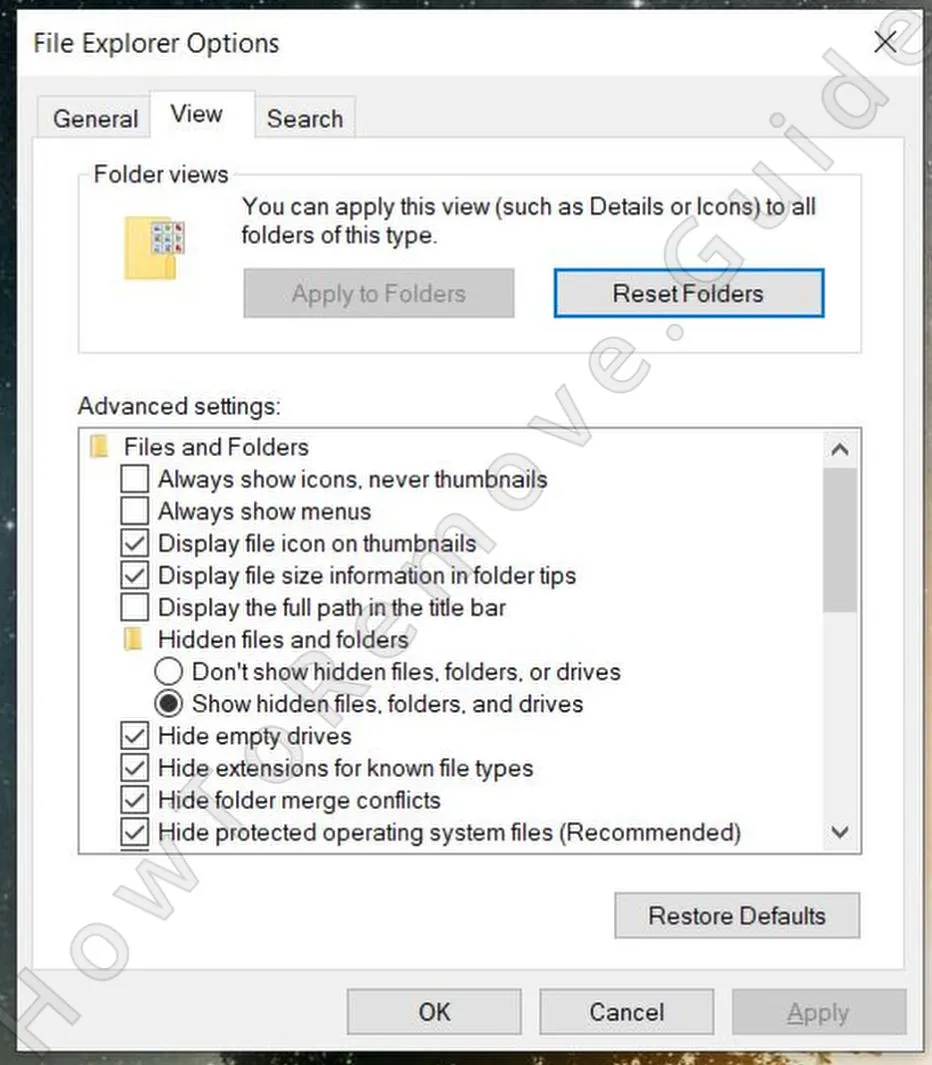 Reveal hidden items so you can see everything Trojan/Donut.E has tucked away. Open Folder Options, go to the View tab, and enable Show hidden files and folders. This lets you uncover files and directories that the malware may have concealed.
 - 1.2Download and install LockHunter, a free program built to remove files that claim they’re “in use.” Trojan/Donut.E often locks its own files, preventing deletion through normal means. Keep LockHunter ready-you’ll probably need it.
We understand if you don’t want to use third-party software and we generally try to keep our guides entirely “hands-on”. However, in this case, you may need this app to eliminate some malware files which is an essential part of the removal process.
But don’t worry, LockHunter won’t ask for money, doesn’t have ads, and doesn’t even require a registration. You can download and install it in about two minutes.
Stop Trojan/Donut.E Executables Running in the Background
Right now Trojan/Donut.E is probably running in the background like it owns your system – eating resources and blocking your every move. Here’s the trick: you can’t delete it until you kill the processes first. That’s where LockHunter comes in. If you try to skip this step, you’ll just waste time fighting a ghost.
2. How to Delete Trojan/Donut.e Processes in the Task Manager
- 2.1Press Ctrl + Shift + Esc to open Task Manager. Make sure you’re on the Processes tab so you can see everything currently running on your machine.
- 2.2If Task Manager shows the simplified view, expand it by clicking More Details. Sort the list by CPU or Memory usage. Malware often uses more resources than legitimate apps, making it easier to spot.
- 2.3
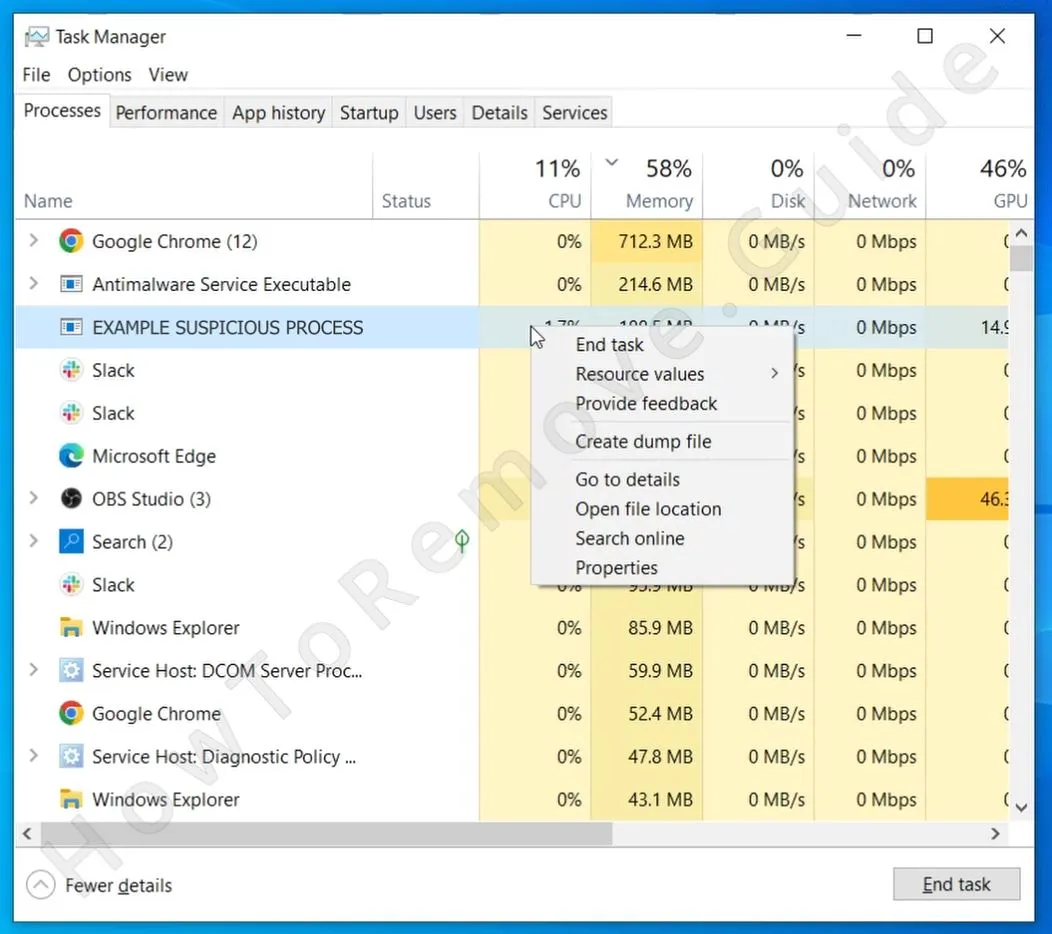 Scrutinize the process list for names that seem odd, overly complicated, or unknown. This could include Trojan/Donut.E itself or disguised versions of it. Any unusual name deserves closer attention.
Note: Don’t expect to find a rogue process named “Trojan/Donut.E“. Most forms of malware will hide their processes under innocent-looking names.
- 2.4Once you identify a suspicious process, note down its exact name. Right-click it and select Open File Location. This takes you to the folder where the executable lives, giving you direct access for removal.
- 2.5Go back to Task Manager, right-click the same process, and choose End Task to stop it. Only then return to the file’s location and delete its contents. Removing an active file usually fails, so always terminate it first.
- 2.6If a file refuses to be deleted because it’s “in use,” right-click it and choose What’s locking this file? from the LockHunter menu. Then delete it through LockHunter’s interface. That bypasses the malware’s defenses and ensures it’s gone.
Delete Trojan/Donut.E files And Clean Temp Directories
The thing about Trojan/Donut.E is it never sticks to one place. Nope – it spreads itself out all over your system. That makes it so much harder to fully remove. If you don’t check multiple folders and delete every suspicious file, it survives. Miss even one piece and the infection just keeps crawling back.
3. How to Get Rid of Trojan/Donut.e Files
- 3.1Check your startup folders. Malware often places itself there to launch every time Windows boots. Inspect these two directories:
C:\ProgramData\Microsoft\Windows\Start Menu\Programs\Startup
C:\Users\YourUsername\AppData\Roaming\Microsoft\Windows\Start Menu\Programs\Startup
Delete anything tied to Trojan/Donut.E or that looks suspicious. Keep desktop.ini, as it’s a harmless system file. - 3.2Browse through both C:\Program Files and C:\Program Files (x86). Look for entries linked to Trojan/Donut.E Malware sometimes tries to blend in by sitting among legitimate programs. Remove anything untrustworthy or unexpected.
- 3.3Next, dive into your AppData directories:
C:\Users%user%\AppData\Local
C:\Users%user%\AppData\Local\Programs
Search for strange or unfamiliar folders. Delete anything that seems related to Trojan/Donut.E to prevent it from reinstalling itself. - 3.4Open Run with Windows + R, type %TEMP%, and hit Enter. This opens the temporary files folder. Delete every file inside-it’s safe. Compare file dates to when Trojan/Donut.E first appeared if you need confirmation.
- 3.5
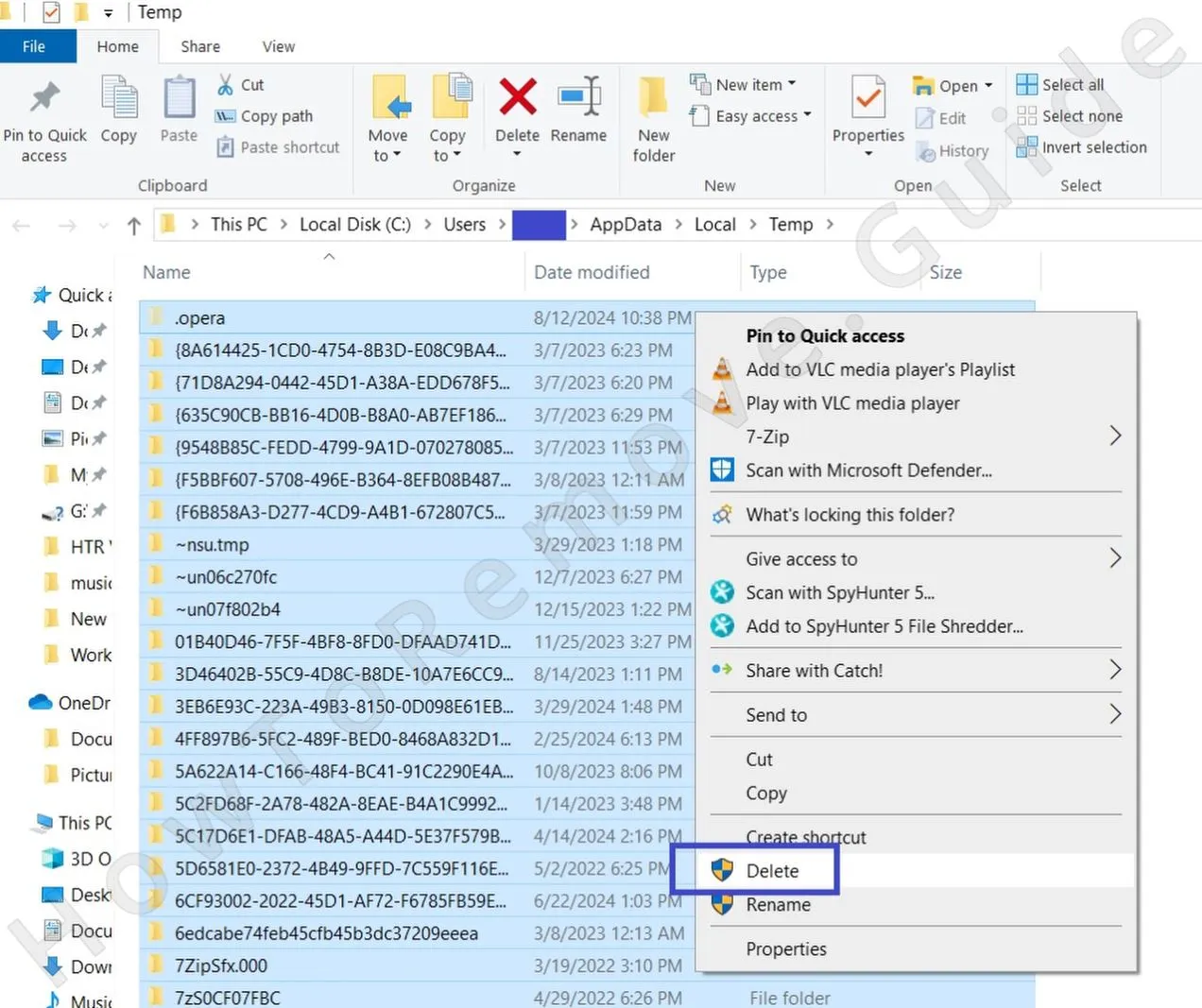 Don’t forget C:\Users\YourUsername\AppData\Local\Temp. This folder only holds temporary files, all of which can be safely deleted. Select all with Ctrl + A, then hit Delete.
Clear Scheduled Tasks created by Trojan/Donut.E
Now here’s one of Trojan/Donut.E’s favorite moves – Task Scheduler. Even if you think you got rid of it, it can sneak right back after a reboot. That’s why you’ve got to open Task Scheduler, check every entry, and delete the shady ones. If you don’t, the malware just pops back up like nothing happened.
4. Eliminate Trojan/Donut.e Scheduled Tasks
- 4.1
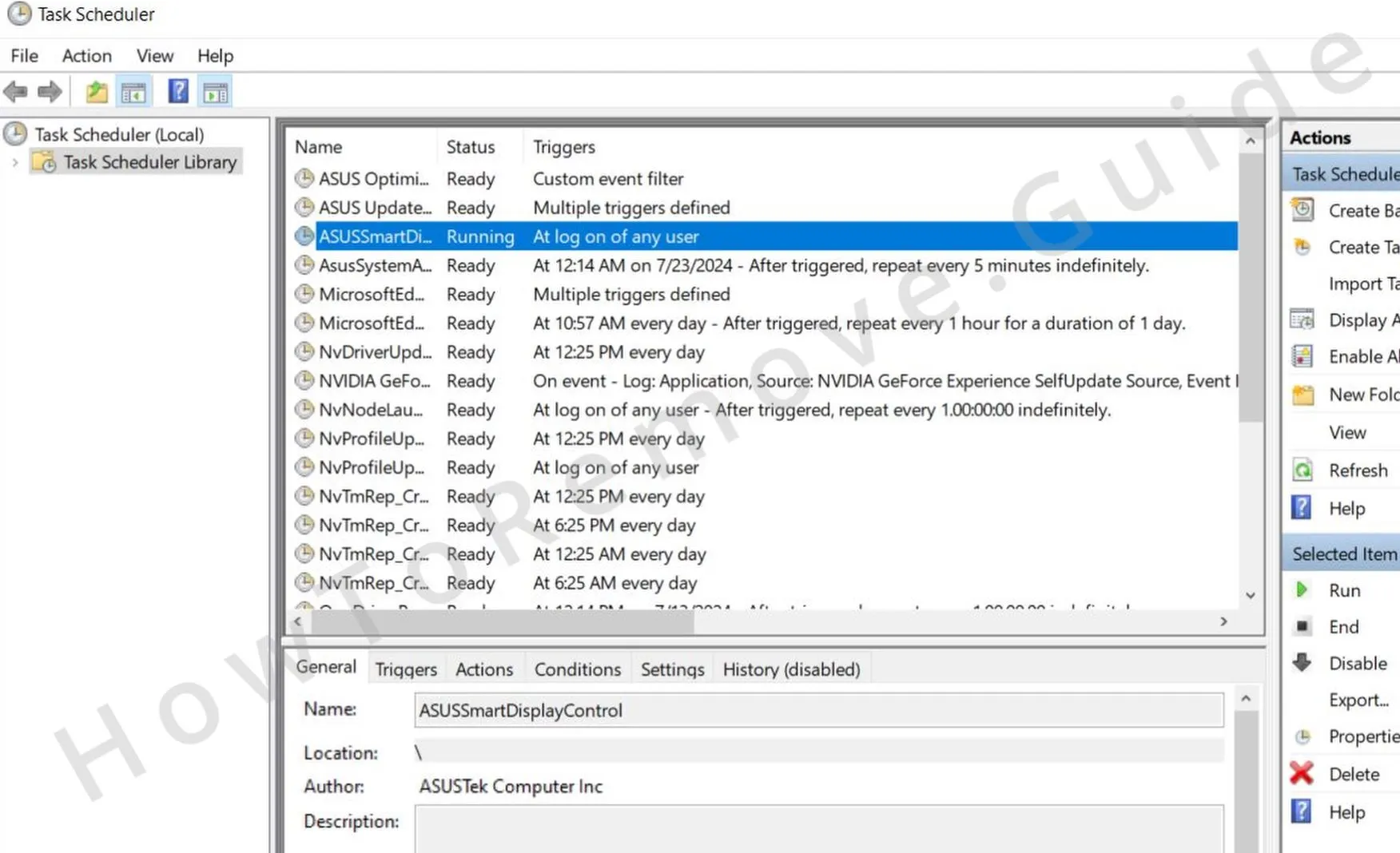 Launch Task Scheduler from the Start Menu. In the Task Scheduler Library, review each entry. Look for anything strange, unknown, or out of place.
 - 4.2Click suspicious tasks and check the Actions tab. If you see scripts or executables you didn’t create, they may belong to Trojan/Donut.E.
- 4.3For each shady task, open Properties, copy down the file path, and then delete the task itself. This prevents automatic execution.
- 4.4Use File Explorer to visit the path you recorded. Delete the linked executable or script so it can’t run again.
Uninstall Trojan/Donut.E via Windows Registry Entries
This last part is tricky – Trojan/Donut.E can hide traces in the Windows Registry. Messing with the registry is risky because one wrong delete can mess up your system. If you’re not confident, use a tool. If you are, take it slow and careful. That’s the only way to scrub out its last remnants.
5. Remove Trojan/Donut.e Through the Registry
- 5.1Search for Registry Editor in the Start Menu or type regedit. Right-click and choose Run as Administrator so you have full access.
- 5.2Go to Edit > Find, type Trojan/Donut.E, and search. If nothing shows, repeat using other names you encountered earlier. Malware often hides behind multiple aliases.
- 5.3When you find a matching entry, right-click it and select Delete. Use Find Next to repeat until all traces are gone.
- 5.4Cross-check suspicious registry entries against the questionable apps you removed and the processes you noted in Task Manager. Delete anything linked to them.
- 5.5Manually check these common registry paths for entries pointing to unknown executables:
HKCU\Software\Microsoft\Windows\CurrentVersion\Run
HKCU\Software\Microsoft\Windows\CurrentVersion\RunOnce
HKLM\Software\Microsoft\Windows\CurrentVersion\Run
HKLM\Software\Microsoft\Windows\CurrentVersion\RunOnce
HKLM\Software\Microsoft\Windows\CurrentVersion\Policies\Explorer\Run
HKCU\Software\Microsoft\Windows\CurrentVersion\Policies\Explorer\Run
HKEY_LOCAL_MACHINE\Software\Microsoft\Windows\CurrentVersion\RunServices
HKEY_LOCAL_MACHINE\Software\Microsoft\Windows\CurrentVersion\RunServicesOnce
HKEY_LOCAL_MACHINE\Software\Microsoft\Windows\CurrentVersion\RunOnce\Setup
HKEY_LOCAL_MACHINE\SYSTEM\CurrentControlSet\services
Inspect them all carefully for links to Trojan/Donut.E. - 5.6Inside each of those keys, look at the right-side values. If anything references unknown executables or scripts and you confirm it’s connected to Trojan/Donut.E, delete the value-but leave the folder itself intact. Removing only the malicious values avoids breaking normal Windows behavior.
