

I recently noticed that users across different browsers, including Brave and Chrome, have reported the same recurring issue linked to something called WebGuard browser hijacker. I did some research on it and it turns out it’s yet another browser hijacker, similar to Smartwebexplorer and Barbor.co.in. Some users suggest it appears after a browser update but the exact circumstances under which it enters the browser are not yet defined.
Popular AVs like Norton and McAfee fail to detect it which leads me to suspect that a rogue browser extension might be the culprit. Therefore, a thorough browser extensions cleanup is one of the requirements to get rid of this hijacker. However, other steps are also needed, which I will address in a bit.
We tested that SpyHunter successfully removes WebGuard* and we recommend using it. It will block WebGuard from reinstalling itself and it will make sure your device is clean from any malware.
 Try Free For 7 Days*
Buy now15% OFF if you buy straight without trial.
 OFFER
OFFERA troubling discovery is that the WebGuard-related page links to an obscure Chrome extension, which, upon inspection, appears highly obfuscated, bloated with JavaScript files, and with no user ratings – just more and more red flags.
The hijacker’s presence also causes sudden pop-ups to appear on the screen which might link to scam pages or expose you to automatic malware downloads. In other words, it’s best to get rid of WebGuard, and I’ll show you exactly how to do it in the next guide.
WebGuard Removal Tutorial
Purging WebGuard from your system doesn’t always require complex tactics. Start with easy, uncomplicated measures that are sensible to try first. If these don’t yield results, move on to more advanced strategies. Choosing simple methods at the outset can save effort and precious time. Embrace this approach to avoid irritation and make the task of banishing WebGuard from your device smoother.
Quick Steps to Remove WebGuard
- 1.1Launch your web browser and access its settings by clicking the appropriate icon. In Chrome, select the three vertical dots tucked in the top-right corner; for Firefox, locate the three horizontal lines stacked in that same area.
Then, head to the Extensions (or Add-ons) section, where you can manage all installed add-ons and spot any lurking dangers. - 1.2Examine the roster of extensions you’ve added, paying close attention to their names and descriptions. If something seems suspicious or unfamiliar, delete it right away to prevent any worsening issues.
Doubtful about an add-on? Search its name online to see if others have labeled it as risky. Harmful extensions often get exposed by users, so this step ensures no troublesome ones remain in your browser. - 1.3Go to your browser’s Privacy and Security settings and inspect the Site Permissions closely. Some sites may request clearance to send alerts, access your camera, or track your location—privileges that could be exploited. Reviewing this part carefully is crucial to block unauthorized use of your device’s features and safeguard your privacy.
- 1.4Crafty sites can misuse these permissions to bombard you with pop-ups or redirect you to unwanted pages, disrupting your online experience. If you spot anything unusual, such as unknown sites with excessive privileges, revoke their access immediately.
After completing these tasks, restart your browser to secure all changes. If WebGuard persists, it’s time to explore more thorough techniques to wipe it out completely.
SUMMARY:
| Name | WebGuard |
| Type | Browser Hijacker |
| Detection Tool |
Some threats reinstall themselves if you don’t delete their core files. We recommend downloading SpyHunter to remove harmful programs for you. This may save you hours and ensure you don’t harm your system by deleting the wrong files. |
This guide demands basic troubleshooting skills and unfolds in multiple stages. Carry out each segment diligently to address WebGuard successfully. If manual removal feels overwhelming, you might find relief with a robust anti-malware solution, such as SpyHunter 5 – a powerful removal tool available on this page.
How to Remove the WebGuard Virus
Websites like WebGuard that seize control of browsers often embed unauthorized third-party directives, which could explain why the initial quick fixes didn’t work for you.
To swiftly check for such a directive, open your browser’s menu and look toward the bottom. Seeing a phrase like “Managed by your organization” hints that WebGuard has enforced a restriction on your browser, one you’ll need to dismantle.
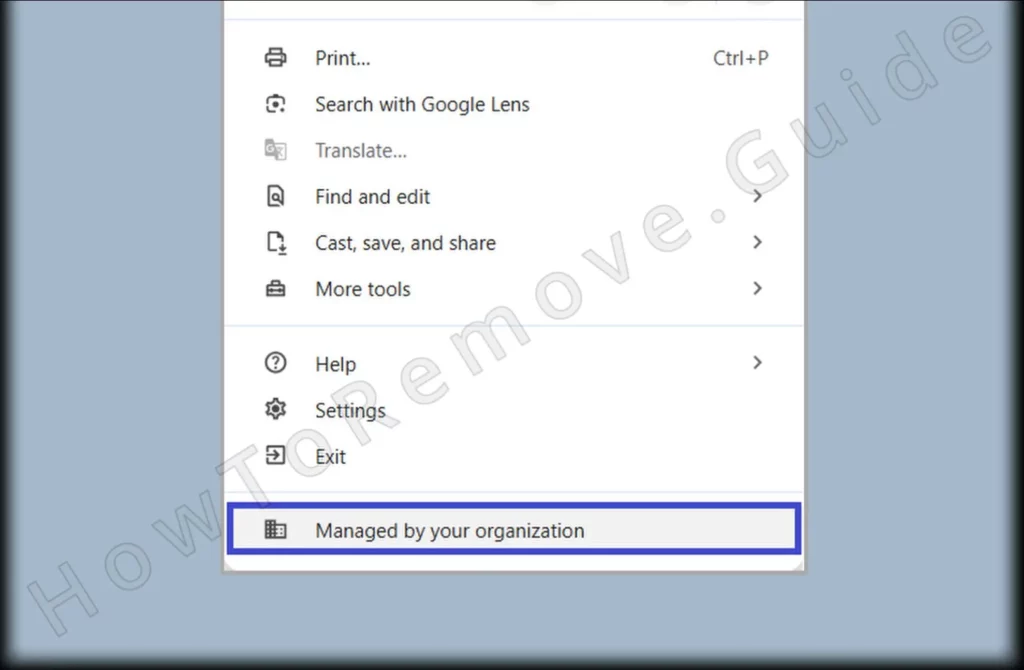
1. Identify the WebGuard Policies
- 1.1
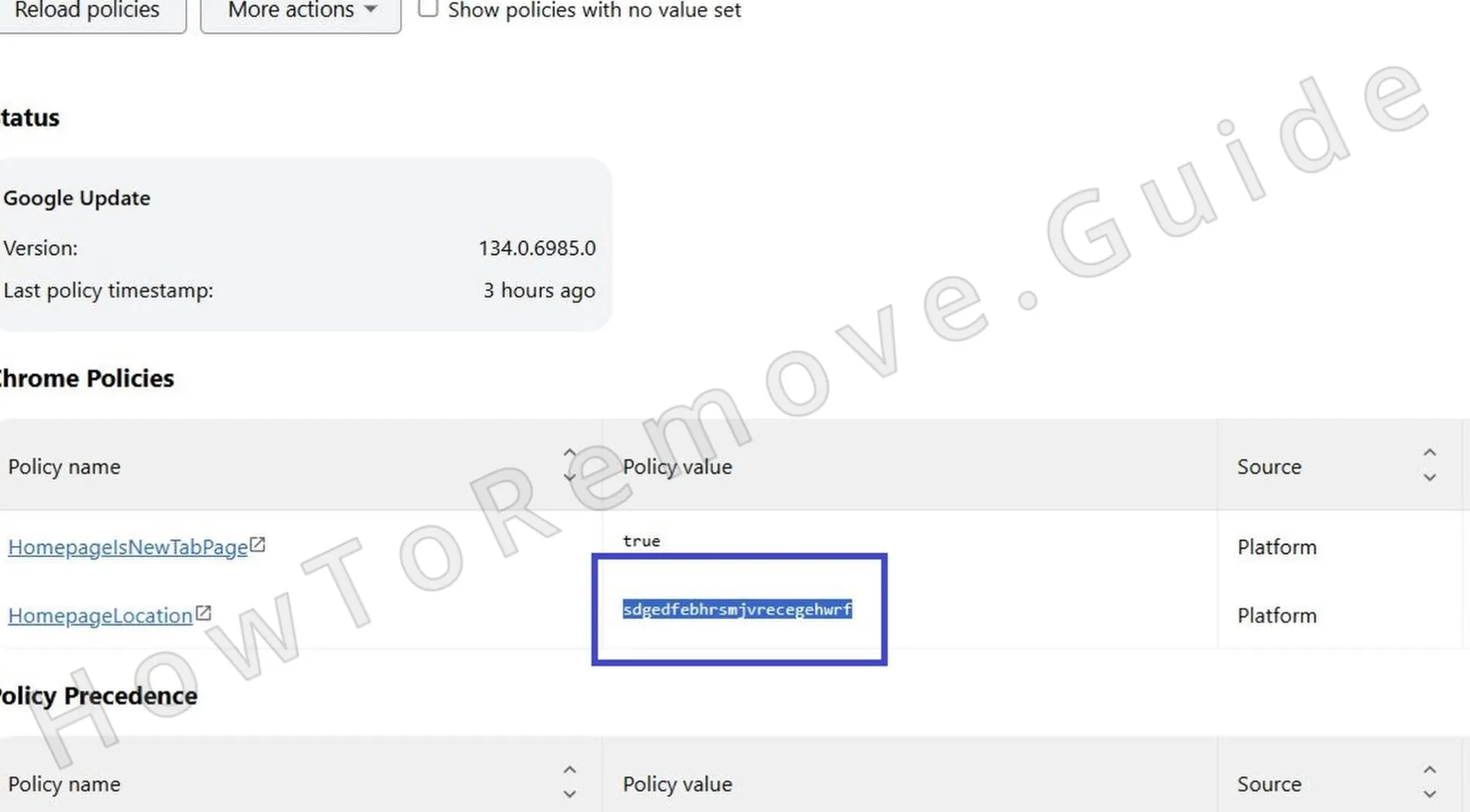 To investigate, enter one of these into your browser’s address bar, depending on your browser:
► Chrome: chrome://policy
► Edge: edge://policy
Running this displays all active directives affecting your browser, allowing you to identify any unauthorized tweaks. - 1.2If you notice anything odd—like a peculiar string of characters in the Value column—write it down for future reference. Noting these details is essential for locating and erasing harmful restrictions connected to the problem.
- 1.3While there, return to the Extensions page and enable Developer Mode by toggling its switch, located in the top-right corner. This reveals additional details about each add-on, including its unique ID, helping you flag any that look questionable.
Record the IDs of any extensions that seem unfamiliar or odd for later investigation. - 1.4If barriers prevent you from reaching the Extensions page, try this alternative method to manually clear out extensions. Open your file explorer and navigate to this directory:
C:\Users[Your Username]\AppData\Local\Google\Chrome\User Data\Default\Extensions - 1.5
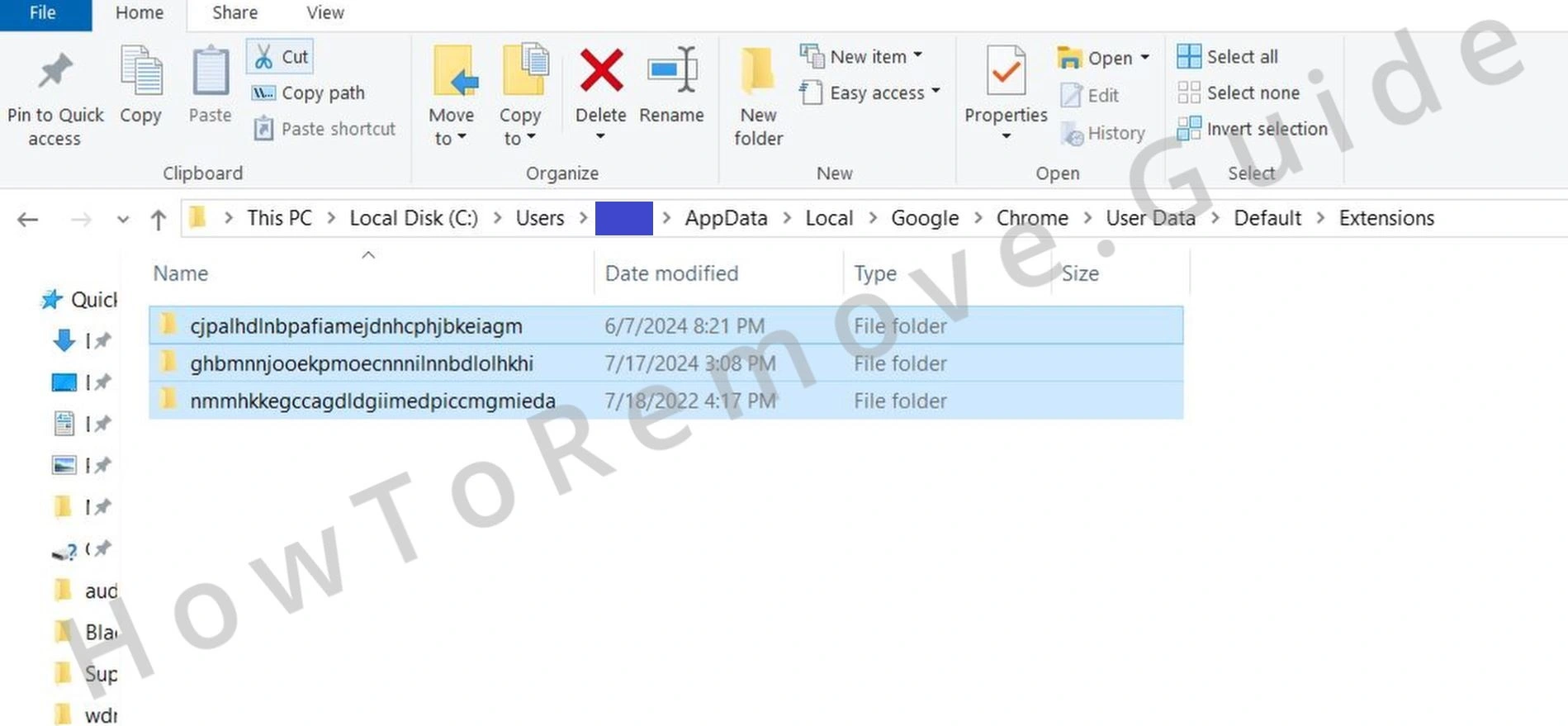 Erase everything within this folder to eliminate all installed extensions, ensuring no dangerous ones remain on your device. This action is vital for uprooting any hidden or persistent threats causing issues.
 - 1.6
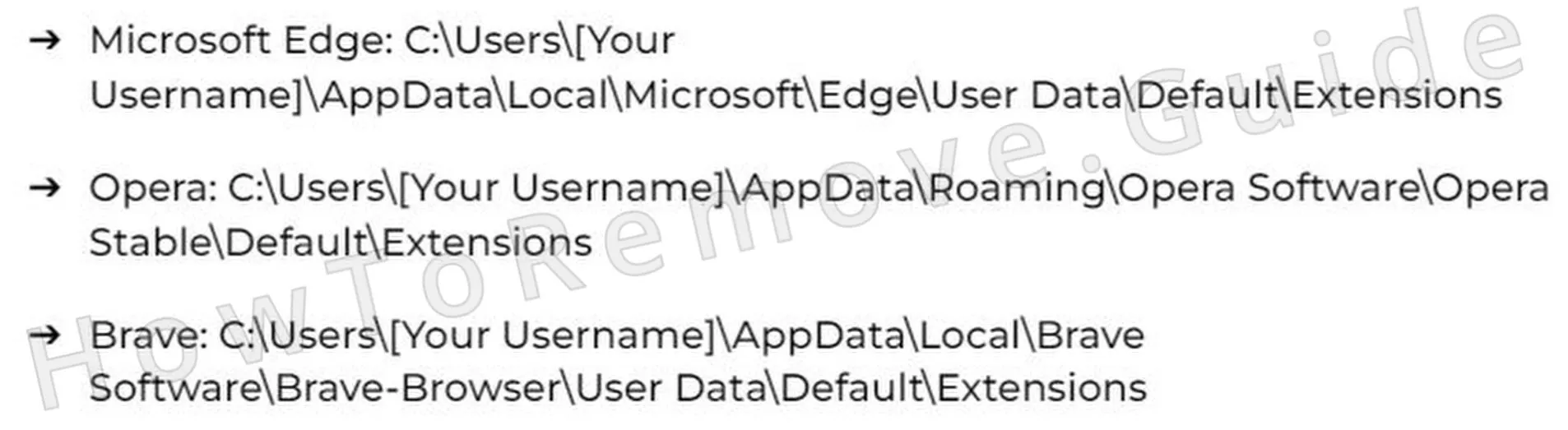 For Edge or other Chromium-based browsers, extension files are stored in similar locations, though the exact path may vary slightly. Each browser keeps its extension data in a specific directory, so locate the correct one for your setup.
 - 1.7Afterward, revisit the Extensions page and jot down the IDs of any remaining suspicious items. Basically, you need to repeat step 3 from this section.
Video walkthrough for this step:
Get Rid of WebGuard Policies
You’ve now collected the data needed to locate and delete items in your system registry that are linked to the hijacker. Be careful with this step as you are supposed to delete only entries related to WebGuard and nothing else. If you think you can’ handle this step, consider using the anti-malware tool posted on this page to do it for you.
2. How to Delete WebGuard Policies Through the Registry
- 2.1Press Win + R, type “regedit”, and hit Enter to open the Registry Editor, a powerful tool for adjusting system settings. Proceed with caution—errors here might destabilize your device, so remain focused.
- 2.2Use the Find function (Edit > Find) to search for the restriction values or extension IDs you noted earlier within the registry. If you find a match, remove it immediately to halt further interference. Continue searching until no related entries remain, eliminating all traces of rogue directives.
- 2.3
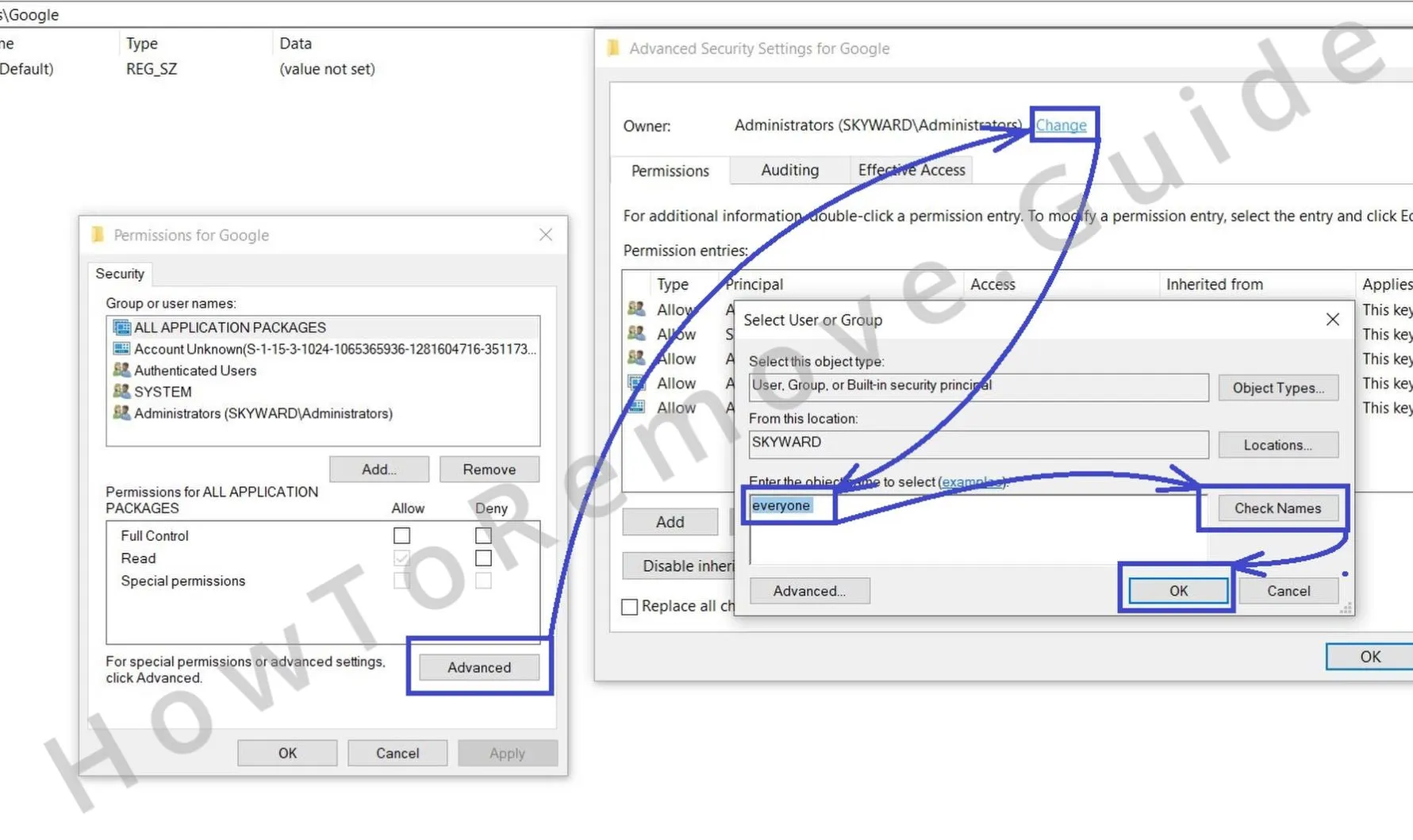 If certain registry entries won’t delete due to restricted access, modify their permissions with these steps:
► Right-click the entry and select Permissions to adjust its settings.
► Go to Advanced options, click Change, and alter the permissions.
► Type “Everyone”, press Check Names, then OK to grant full control over that item. - 2.4
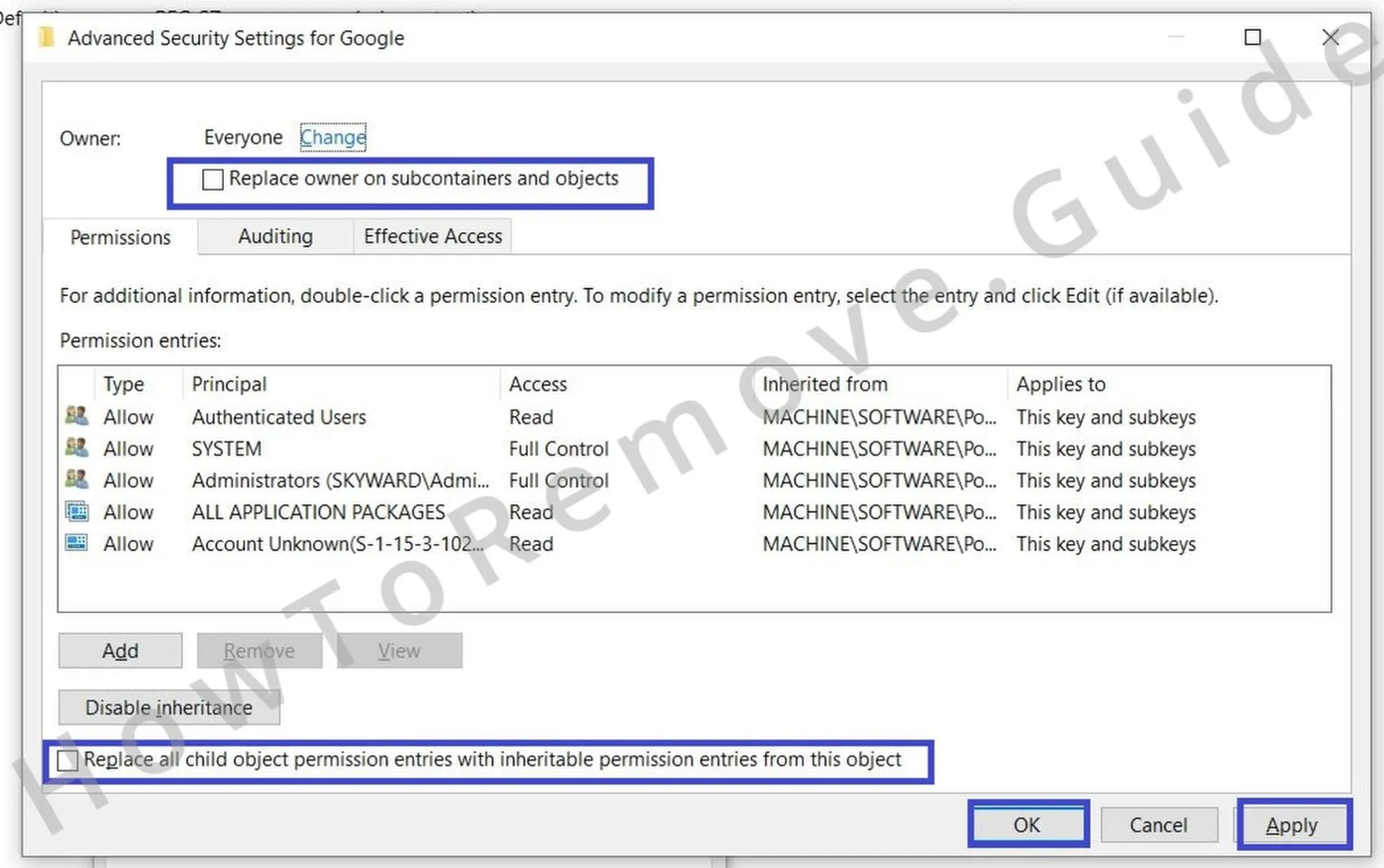 In the previous screen, check both “Replace…” options, then click Apply and OK to confirm your changes. You should now be able to delete the resistant registry entry, purging even the most stubborn remnants from your system.
This grants you the authority to remove the unwanted key.
This gives you the access needed to delete the rogue key.
Video walkthrough for this step:
Alternative Tools to Delete WebGuard Policies
Check if the “Managed by your organization” message still appears. If it’s gone, proceed; if it lingers, stay calm. Multiple methods exist to expel these rogue directives. Remain steady and explore other routes to fully break WebGuard’s hold on your browser.
3. Other Ways to Get Rid of WebGuard Policies
- 3.1
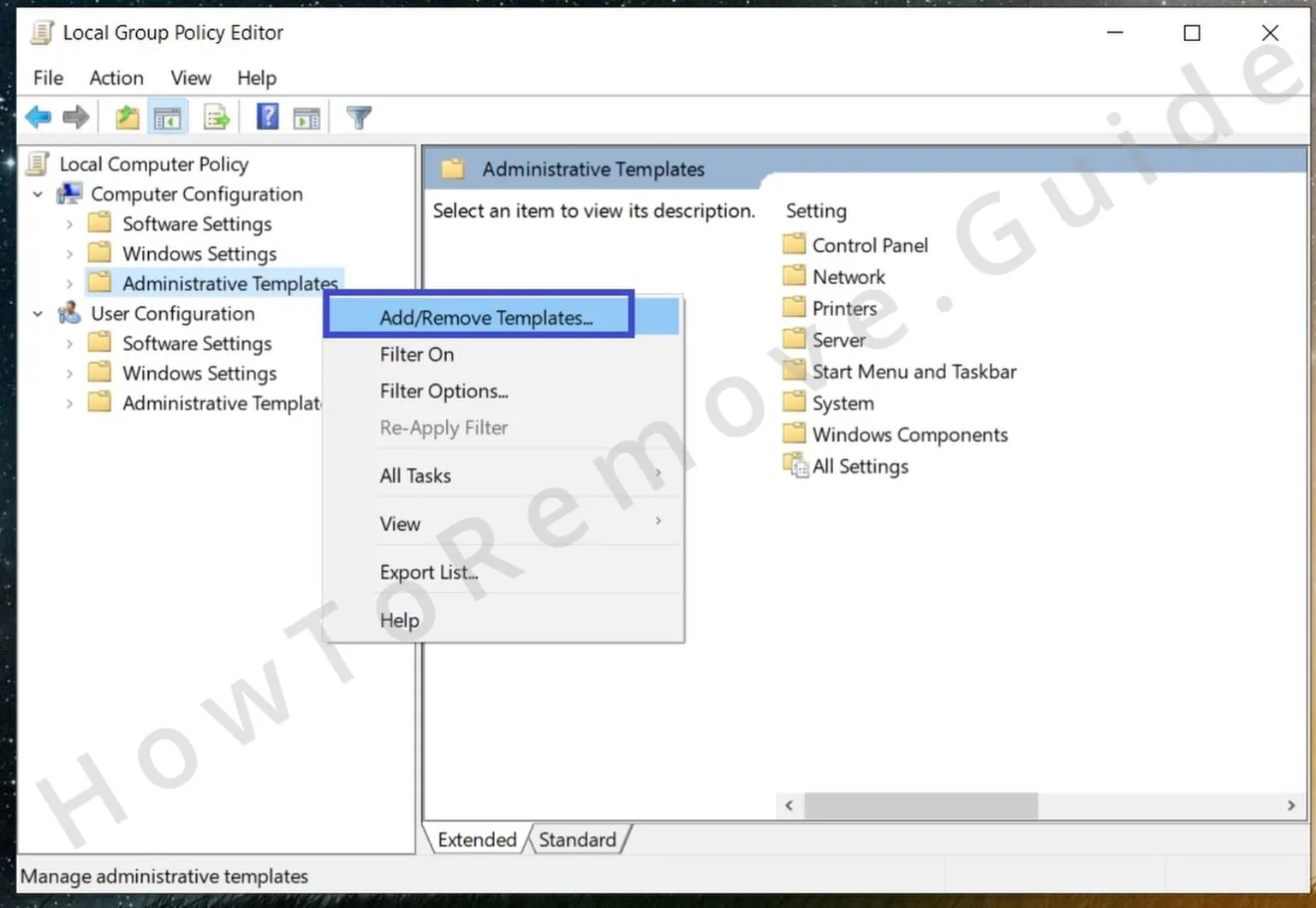 Open the Start menu, search for “Edit Group Policy”, and launch the Group Policy Editor, a tool for managing system-wide directives. Navigate to Administrative Templates to review and tweak policies affecting your configuration.
 - 3.2
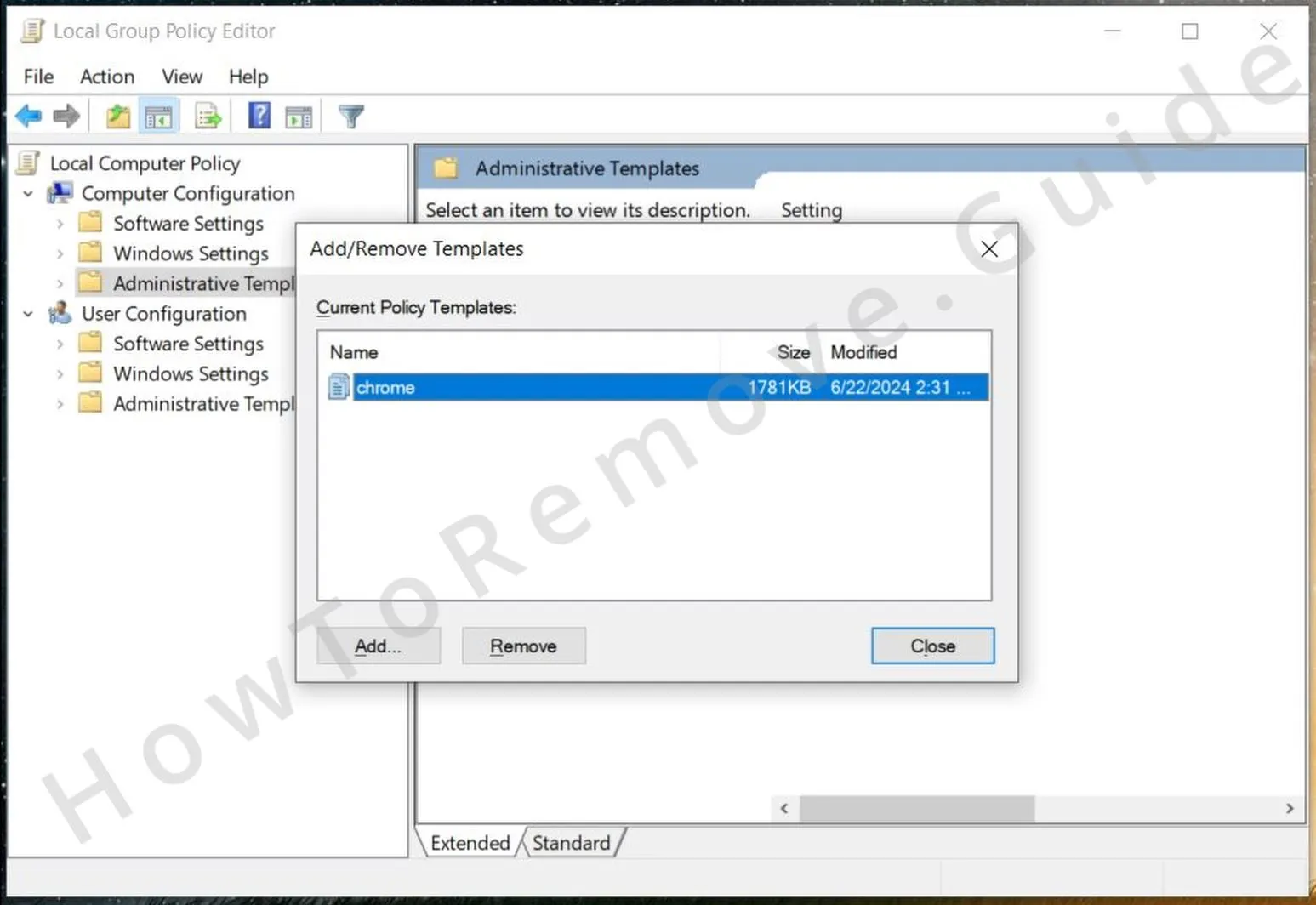 Right-click Administrative Templates, choose the Add/Remove option, and clear out the entire policy list that appears. Ensure nothing remains—every entry must be removed to dismantle any rules imposed by the hijacker on your system.
 - 3.3For Chrome users, a free utility called the Chrome Policy Remover can handle rogue directives set by hijackers. Here’s how to use it:
► Download the tool from its official source and save it to your device.
► Run it with administrative privileges to give it full authority.
► Allow it to automatically clear all Chrome directives, simplifying the cleanup. - 3.4If Windows displays a security warning when launching the tool, don’t worry—it’s safe and verified. Click “More Info” > “Run Anyway” to bypass the alert and let the tool complete its task without interruption.
Video walkthrough for this step:
Manual Group Policy Removal
Automatic Group Policy Removal
Uninstall WebGuard From Chrome, Edge, and Other Browsers
The rogue WebGuard directives should now be eradicated, restoring your command over browser settings. Double-check everything thoroughly to ensure complete removal, as missing even one detail could let the hijacker return. Stay vigilant to prevent reinfection and maintain a secure browsing environment.
4. How to Remove WebGuard From Your Browser
- 4.1Return to the Extensions page and perform a final review of all listed add-ons. Remove anything that appears strange or unrecognized to ensure no harmful extensions remain in your browser.
- 4.2
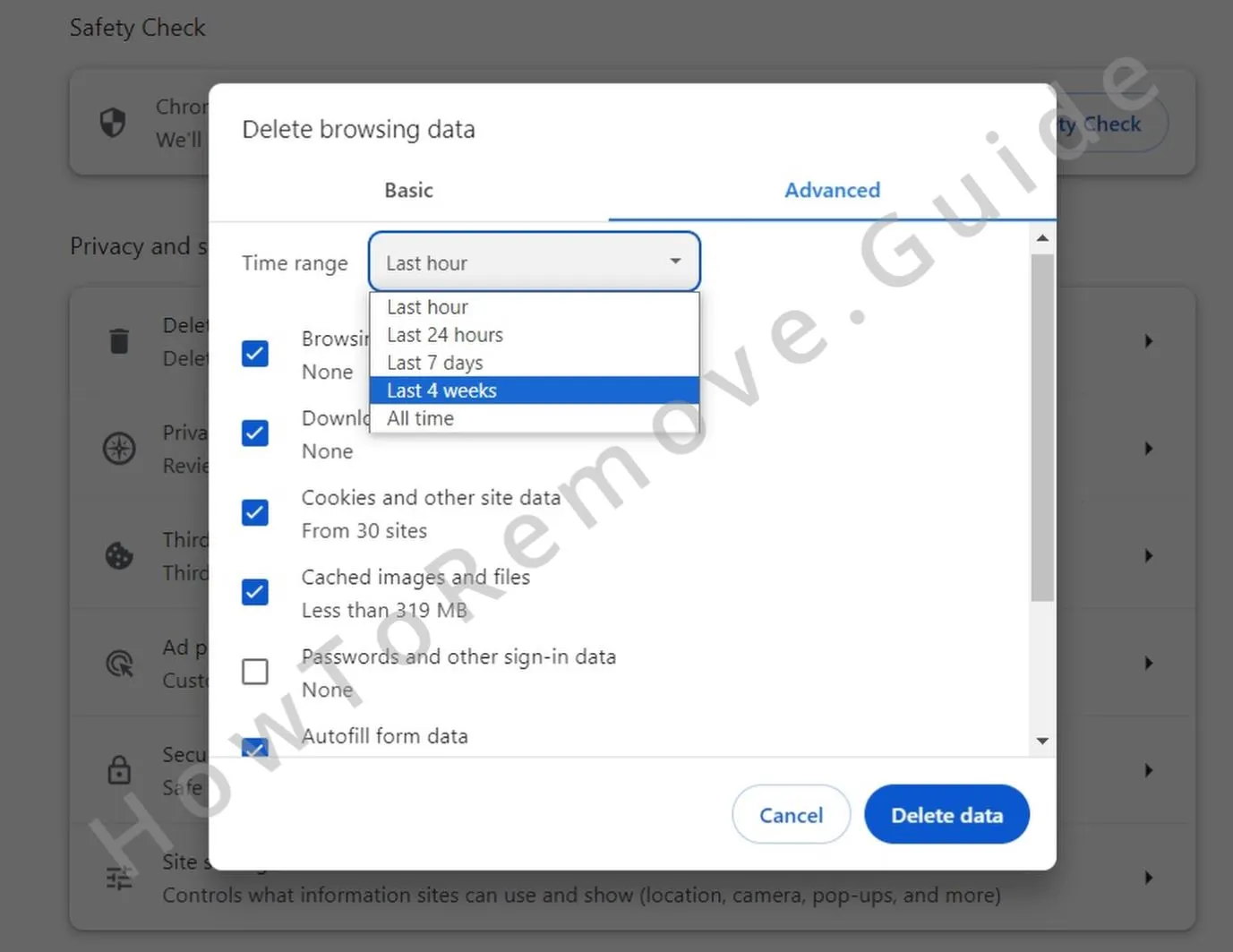 Go to Clear Browsing Data, select “All Time” as the time range, and erase everything except your saved passwords. This wipes out stored data—like cached content and cookies—that the hijacker could use to its advantage.
 - 4.3
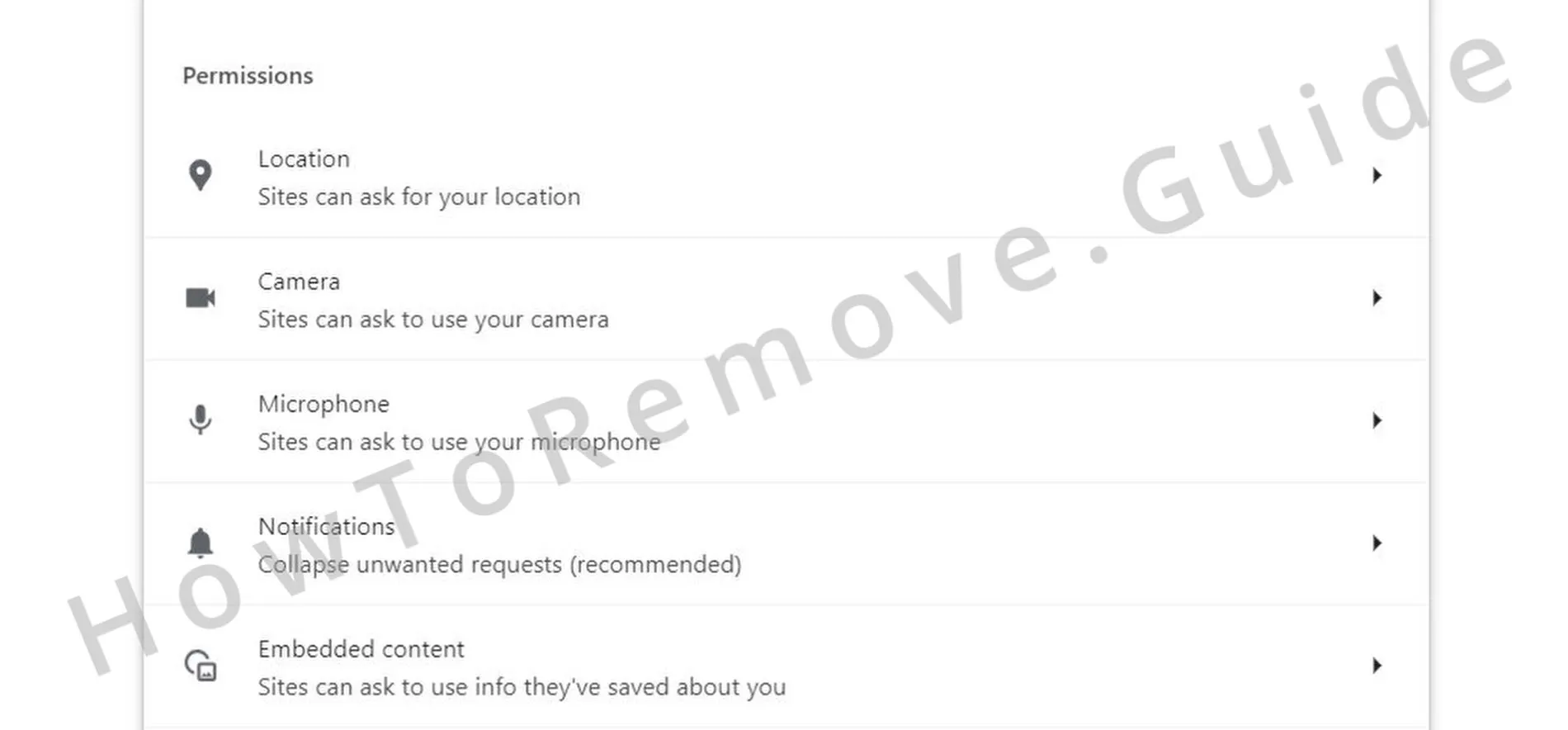 Enter your Site Settings and carefully reassess each permission category to ensure no unauthorized websites retain access to your device’s functions. This prevents malicious sites from re-establishing control and preserves your privacy.
 - 4.4
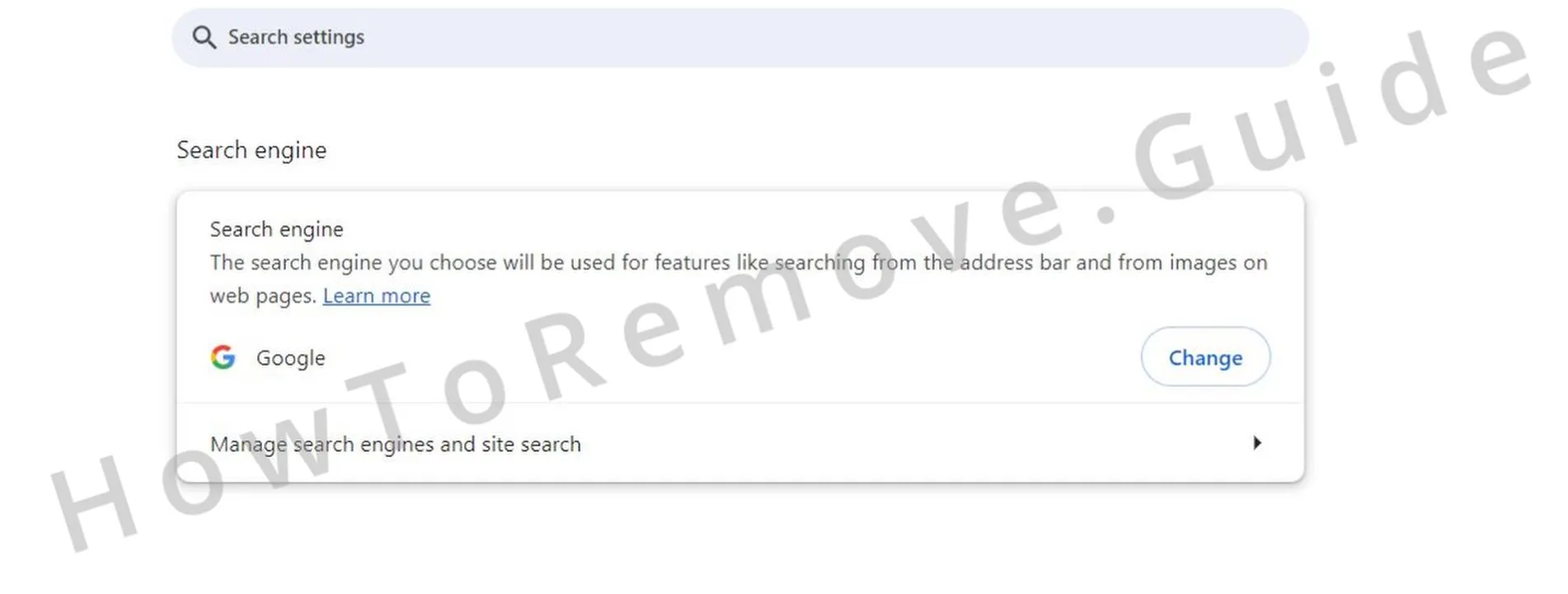 Navigate to Manage Search Engines and eliminate any unknown entries the hijacker may have added. Set your default search provider back to a trusted option, ensuring your searches aren’t diverted to dubious destinations.
 - 4.5Navigate to Manage Search Engines and eliminate any unknown entries the hijacker may have added. Set your default search provider back to a trusted option, ensuring your searches aren’t diverted to dubious destinations.
Video walkthrough for this step:
Chrome
Microsoft Edge
Mozilla Firefox
