

Alright, let me be blunt: if you downloaded a new Windows Roblox executor named Xeno and notice unusual activity on your system, shut down whatever you’re doing and pay attention because this is a virus. It’s a Trojan, and from what I’ve seen, it’s designed to dig in hard. Users on multiple security forums flagged it after noticing strange behavior like delayed startups and clipboard hijacks (meaning it copies what you copy). Xeno virus pretends to be something else in the processes, usually legitimate, a tool update or some vague system utility – but once it’s in, it modifies system settings, drops helper files all over, and sets scheduled tasks so it relaunches even after you think it’s gone. This isn’t one of those “wait and see” infections. If Xeno virus is on your machine, you need to act fast. I’ve put together the steps to get rid of it – scroll down and start now.
We tested that SpyHunter successfully removes Xeno* and we recommend using it. It will block Xeno from reinstalling itself and it will make sure your device is clean from any malware.
 Try Free For 7 Days*
Buy now15% OFF if you buy straight without trial.
 OFFER
OFFERXeno Removal Guide
Alright, before you go off trying advanced stuff, try this one thing – uninstall Xeno. I know, I know, it barely ever works, but if it does? You’re golden. It takes like five minutes. Worst case, you wasted a couple clicks. Best case, you dodge hours of headache. Just don’t skip this part.
Quick Steps to Remove Xeno
- 1.1Click on the Start Menu and then select Settings (the gear-shaped icon). This area lets you modify core system preferences and manage installed applications.
- 1.2Once you’re in Settings, go to the Apps category. Here, you’ll see a list of all programs installed on your PC, sortable by name, size, or date of installation.
- 1.3Change the sort setting to Installation date to bring recent additions to the top. This makes it easier to notice unfamiliar or potentially dangerous programs like Xeno.
- 1.4If you find Xeno or another application you don’t recall installing, select it and click Uninstall. Follow the prompts on your screen to remove the software completely.
- 1.5After the uninstall finishes, navigate to C:\Users\YourUsername\AppData\Local\Programs. Review the contents for any remnants related to Xeno that may not have been removed.
- 1.6If a folder connected to Xeno still exists, delete it manually. Then restart your computer to finalize the cleanup and ensure the app doesn’t reinitialize.
Now restart your PC to see if the rogue app is gone from it. In many cases, it will still be there, but this is perfectly normal. It just means you’ll have to resort to the more advanced steps we’ve prepared next.
SUMMARY:
How to Fully Get Rid of Xeno
So here’s the weird part – Xeno might already be running on your system right now while you’re reading this. Creepy? A little. But also kinda helpful. Because if it’s active, that’s your shot to spot where it’s hiding. That’s when you catch it slipping before it buries itself even deeper in your system.
1. Preparing for the Xeno Removal
- 1.1
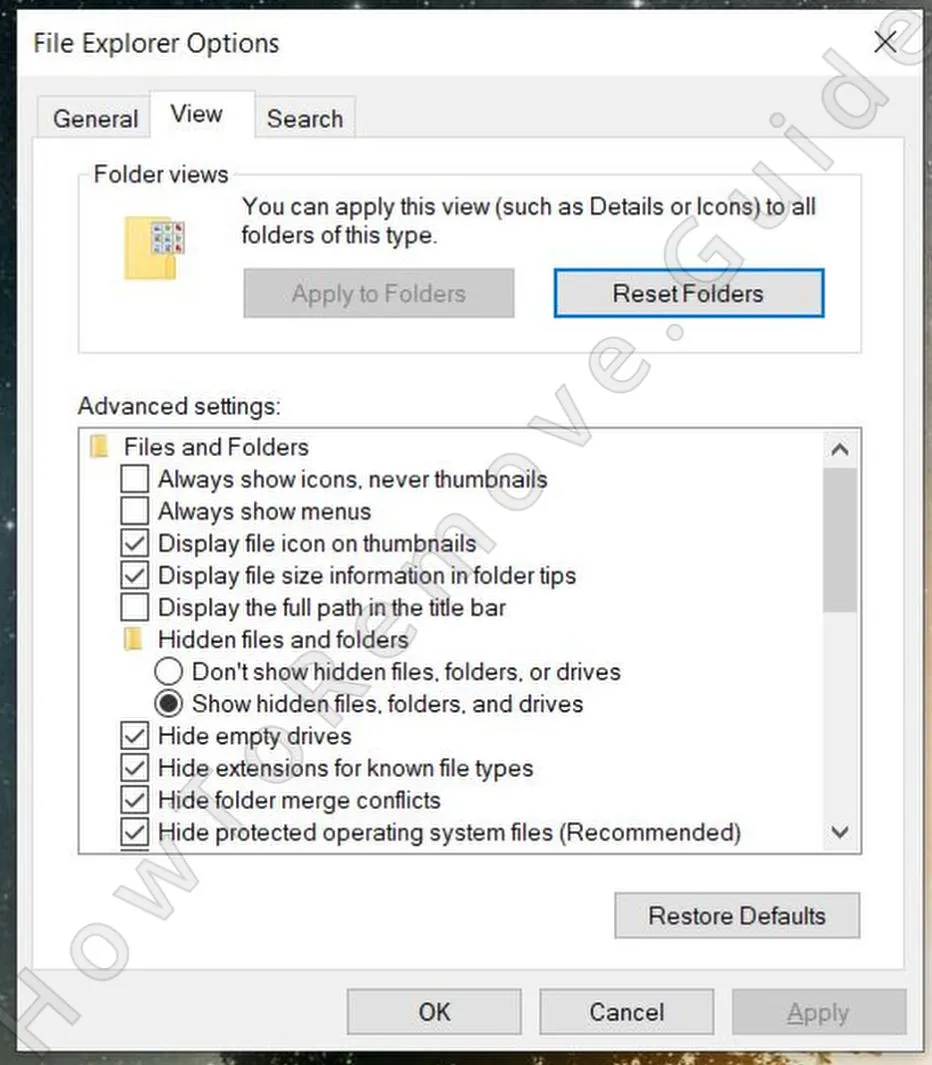 Type Folder Options into the search bar on the Start Menu, then select the matching result. Switch to the View tab and enable Show hidden files, folders, and drives so that concealed malware files are visible.
 - 1.2Install LockHunter, a dependable utility for force-deleting files that are normally locked by Windows. Although we usually keep these guides manual, in this scenario, LockHunter is very helpful in dealing with persistent malicious items.
We understand if you don’t want to use third-party software and we generally try to keep our guides entirely “hands-on”. However, in this case, you may need this app to eliminate some malware files which is an essential part of the removal process.
This program doesn’t ask for payments, show ads, or require registration. You can set it up in just a couple of minutes.
Remove Xeno Processes From the Task Manager
Think you’re done after killing the process? Not even close. Xeno doesn’t just pack up and leave – it drops files, folders, and all kinds of junk all over your system. Hidden too. Skip this part, and it just boots itself back up like nothing happened. You’ve got to really clean house to stop it.
2. How to Delete Xeno Processes in the Task Manager
- 2.1Open Task Manager using the shortcut Ctrl + Shift + Esc. This utility provides a snapshot of currently running processes and their resource usage.
- 2.2If you see a simplified version of Task Manager, click More Details in the lower-left corner to view full process listings and detailed information.
- 2.3
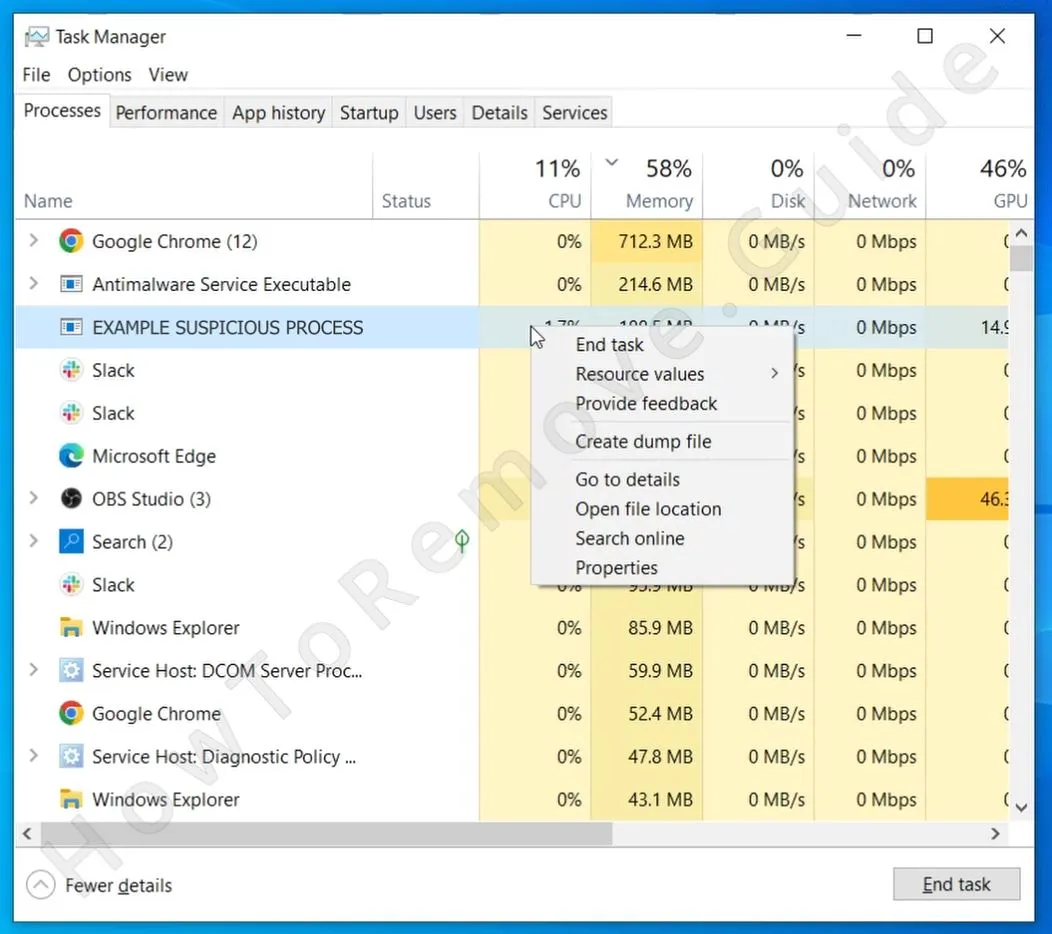 Sort the process list by CPU or Memory usage. Look for entries that seem unfamiliar or are using an abnormal amount of system resources – these could be linked to Xeno.
Note: Most malware won’t label themselves clearly, so don’t expect to find a process actually named “Xeno.”
- 2.4Right-click on any suspicious process and select Open file location. This will take you to the location of the executable file and help you determine if it’s situated somewhere abnormal.
- 2.5Try to delete the folder containing the executable. If Windows blocks the action, use LockHunter, select What’s locking this file?, and proceed with deletion via the tool.
- 2.6Go back to Task Manager, right-click on the same process, and choose End Task to stop it from running.
Delete Xeno Virus Files
Almost nobody checks Task Scheduler, which blows my mind, because that’s where Xeno sets its trap. It schedules a comeback – you delete it, restart, and boom, it’s back. If you don’t dig in and wipe out those sneaky scheduled tasks, you’re basically rolling out a red carpet for it to return.
3. How to Get Rid of Xeno Files
- 3.1Check these Startup folders for suspicious entries:
C:\ProgramData\Microsoft\Windows\Start Menu\Programs\Startup
C:\Users\YourUsername\AppData\Roaming\Microsoft\Windows\Start Menu\Programs\Startup
Remove anything that doesn’t belong or appears related to Xeno. - 3.2Inside each Startup directory, delete every file except desktop.ini (a valid system file). Use LockHunter if needed to remove locked items.
- 3.3Navigate to C:\Program Files and C:\Program Files (x86). Investigate both directories for strange or newly created folders linked to Xeno, and delete them.
- 3.4Also inspect these locations manually:
C:\Users\YourUsername\AppData\Local\
C:\Users\YourUsername\AppData\Local\Programs
C:\Users\YourUsername\AppData\Roaming\Microsoft\Windows\Start Menu\Programs - 3.5
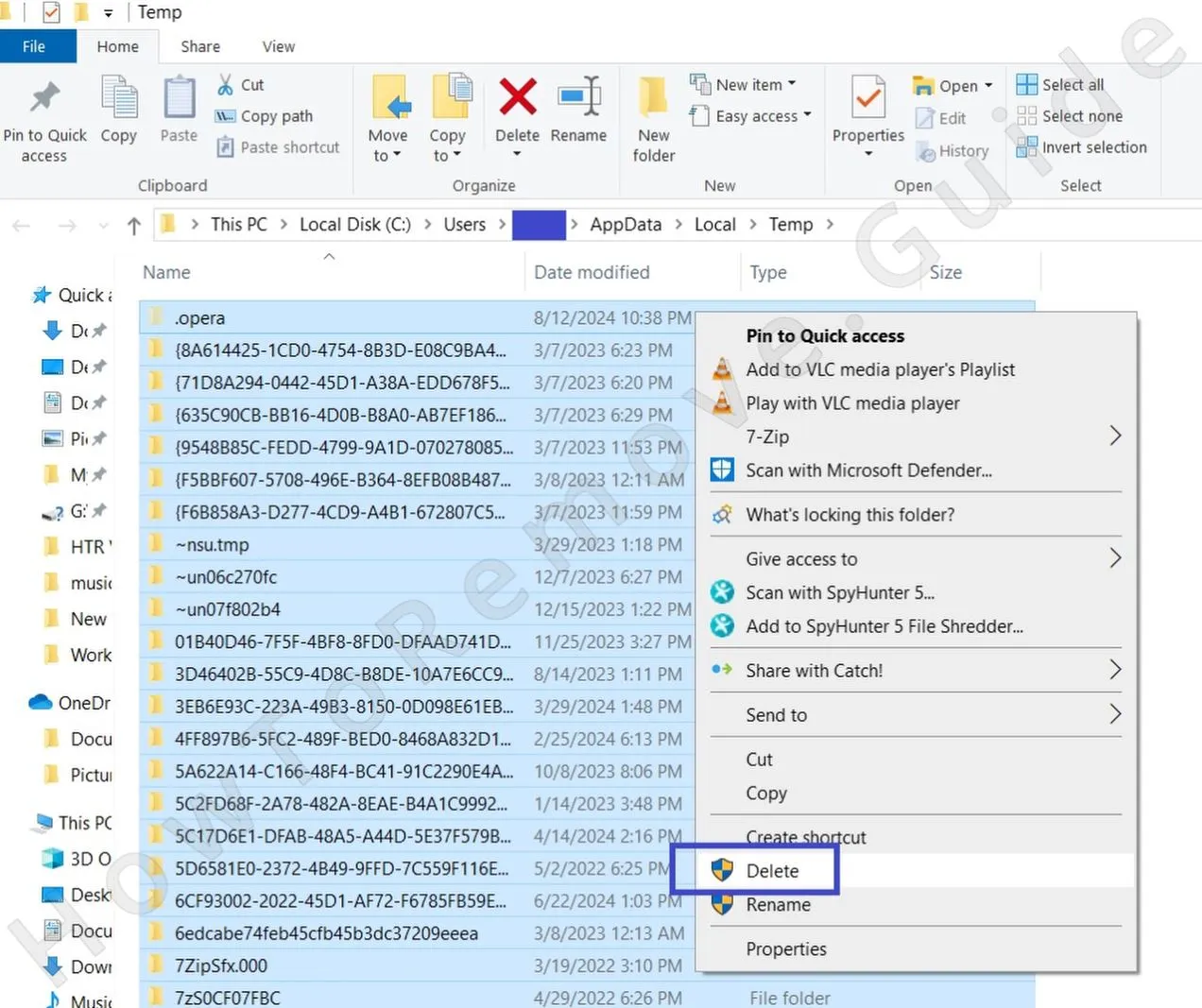 Go to C:\Users\YourUsername\AppData\Local\Temp, press Ctrl + A to highlight all files, and delete them. Don’t forget to empty your Recycle Bin afterward.
Get Rid of Xeno Scheduled Tasks
Now we’re getting into the Registry – and yeah, this part’s a minefield. Xeno loves the Registry. It’s messy, most people never look there, and that’s exactly why it hides there. Be careful, though. Don’t just start deleting folders. You’re only after the sketchy stuff. If Xeno’s still around, odds are it’s here.
4. Eliminate Xeno Scheduled Tasks
- 4.1
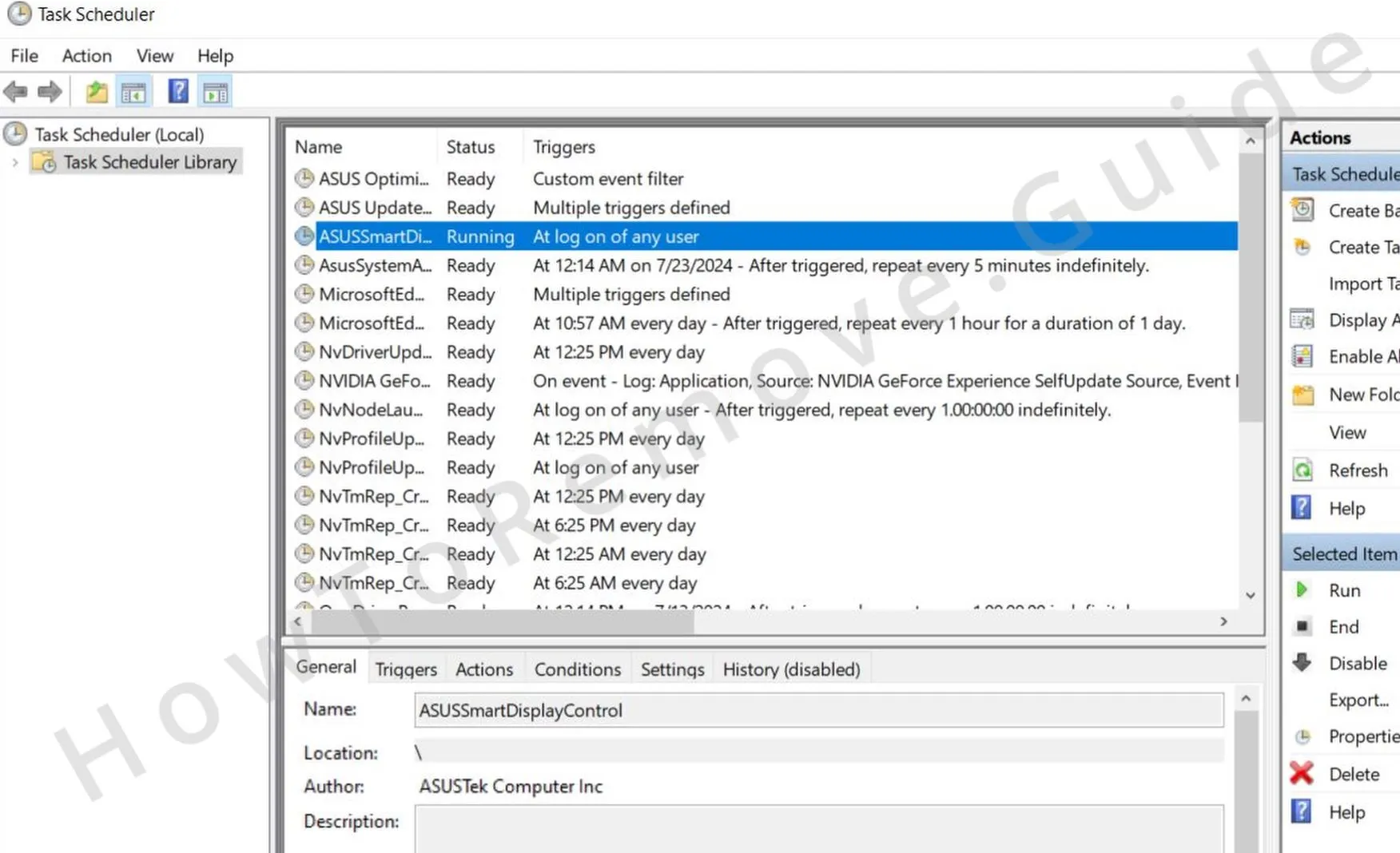 Type Task Scheduler in the Start Menu search bar, and launch the app. Expand the Task Scheduler Library to view all scheduled jobs.
 - 4.2Double-click any task to examine its Properties. Open the Actions tab to see what file or command the task is set to run and when.
- 4.3Keep an eye out for anything pointing to directories like AppData or Roaming, especially if it doesn’t relate to software you knowingly installed.
- 4.4When you find such a task, copy the full path from the Actions section and delete the task inside Task Scheduler.
- 4.5Navigate to the file location you just copied and remove the malicious script or program.
- 4.6Repeat this process for any other task that looks out of place or runs from suspicious paths.
Uninstall the Xeno Malware App Through the Windows Registry
Look, I’m not saying it’ll work, but try uninstalling Xeno the normal way first. Seriously. It probably won’t do anything, but on the off chance it does? You just saved yourself a full day of deep cleaning. Low effort, low risk. Worth the shot before going full hacker mode on your machine.
5. Remove Xeno Through the Registry
- 5.1Press Win + R, type regedit, and press Enter to launch the Registry Editor. This tool allows access to system-level settings and application configurations.
- 5.2Use Ctrl + F to search for the name of the application you previously uninstalled. You may uncover registry keys that weren’t removed.
- 5.3If a result appears, select the folder in the left panel and delete it. Continue searching until no related entries remain.
- 5.4Repeat the same search with names of any suspicious applications you removed earlier during Task Manager cleanup.
- 5.5Also search specifically for Xeno. It might not yield results, but skipping this could leave remnants behind.
- 5.6Manually inspect these locations in the Registry:
HKEY_CURRENT_USER\Software\Microsoft\Windows\CurrentVersion\Run
HKEY_CURRENT_USER\Software\Microsoft\Windows\CurrentVersion\RunOnce
HKEY_CURRENT_USER\Software\Microsoft\Windows\CurrentVersion\Policies\Explorer\Run
HKEY_LOCAL_MACHINE\Software\Microsoft\Windows\CurrentVersion\Run
HKEY_LOCAL_MACHINE\Software\Microsoft\Windows\CurrentVersion\RunOnce
HKEY_LOCAL_MACHINE\Software\Microsoft\Windows\CurrentVersion\Policies\Explorer\Run
HKEY_LOCAL_MACHINE\Software\Microsoft\Windows\CurrentVersion\RunServices
HKEY_LOCAL_MACHINE\Software\Microsoft\Windows\CurrentVersion\RunServicesOnce
HKEY_LOCAL_MACHINE\Software\Microsoft\Windows\CurrentVersion\RunOnce\Setup
HKEY_LOCAL_MACHINE\SYSTEM\CurrentControlSet\Services - 5.7Within each of the above paths, look in the right-hand pane for any entry tied to Xeno or unknown software. Be cautious – delete individual values only, not the whole folder, to prevent system damage.
Once the Registry cleanup is complete, reboot your system. If everything works normally and Xeno doesn’t show signs of life, you’ve successfully eliminated it. If it returns or your system behaves oddly, turn to a trusted malware removal tool to finish the job.
