

If your system has ever suddenly started spawning bouncing windows that scream “you are an idiot” at you, chances are you’ve had a run-in with the infamous You Are An Idiot Virus , also called YAAI or Offiz. This piece of malware spread through its own website back in the day, luring in unsuspecting users with what looked like a joke, only to lock their machines into chaos. The attack went like this: once you landed on the site, a flashing message with three smiley faces would appear, then the browser window itself began bouncing around. Try to close it? Six new windows would spring up, also bouncing. Hit Alt+F4 in desperation? More taunts: “You are an idiot!”. Eventually the sheer storm of pop-ups froze the computer. The only way out was a hard reboot or killing the process in Task Manager. Harmless prank or hostile pest? YAAI’s notoriety comes from being a little of both.
We tested that SpyHunter successfully removes YAAI* and we recommend using it. It will block YAAI from reinstalling itself and it will make sure your device is clean from any malware.
 Try Free For 7 Days*
Buy now15% OFF if you buy straight without trial.
 OFFER
OFFERYAAI Virus Removal Guide
Starting with a standard uninstall often removes low-level components and clarifies what remains. Try removing YAAI first using Windows’ built-in tools before moving on to deeper cleanup. This keeps risk low, establishes a change history, and makes later checks easier to validate. If the symptoms persist after reboot, you will still have reduced clutter and simplified investigation.
Quick Steps to Remove YAAI
- 1.1Prefer the supported route first: open the Start menu, launch Settings (gear icon), and prepare to manage installed software, including YAAI. Centralizing the initial action here lets you reverse changes cleanly and review app details without touching advanced areas.
- 1.2With Settings open, go into Apps. This panel lists installed programs and lets you rearrange them for quicker inspection. If the list populates slowly, give it a moment so every entry is visible before you decide what to remove.
- 1.3Correlate timing with symptoms by sorting the view via Installation date. Recent entries rise to the top, revealing items that may have arrived alongside the browser issues. Date sorting also prevents overlooking new additions hidden among long-standing software.
- 1.4Scan for unfamiliar titles and items you do not recall installing. Highlight the suspicious program, click Uninstall, and approve any prompts. If administrative approval is requested, confirm so the removal can complete and unregister associated services properly.
- 1.5After the uninstaller exits, open File Explorer and browse to C:\Users\YourUsername\AppData\Local\Programs. Investigate folders that match the removed name or look newly created. Leftover helpers such as updaters can maintain persistence even when the primary program is gone.
- 1.6If remnants are present, right-click the related directory and choose Delete, then empty the Recycle Bin. Restart Windows to release file locks and refresh startup entries.
If the problem returns, continue with the deeper removal sections to address persistence mechanisms.
SUMMARY:
How to Fully Get Rid of YAAI Virus
If a component continues to run, that activity leaves traces you can follow, such as open handles and new timestamps. Use that behavior to map out persistence and remove it in a controlled sequence. Proceed carefully, record paths you encounter, and avoid deleting items you cannot positively identify related to YAAI.
1. Preparing for the YAAI Removal
- 1.1
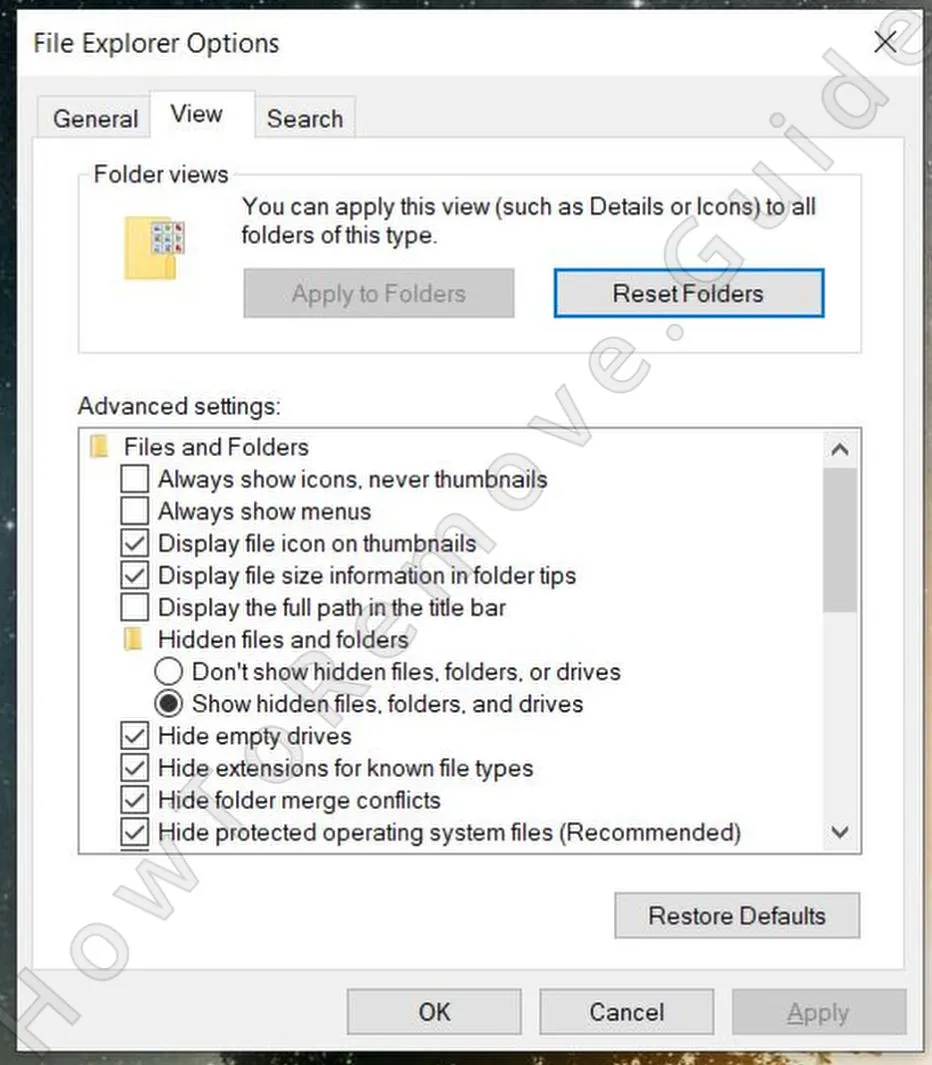 To avoid missing concealed content used by YAAI, open the Start menu, search Folder Options, switch to View, enable Show hidden files, folders, and drives, then click Apply. Hidden directories like AppData frequently contain loaders, scripts, and logs worth reviewing.
 - 1.2When Windows refuses to delete an in-use file, do not guess. Install LockHunter so you can identify locking processes and remove stubborn folders safely. Keep it ready for later tasks where services, scheduled jobs, or hidden processes interfere with deletion.
We understand if you don’t want to use third-party software and we generally try to keep our guides entirely “hands-on”. However, in this case, you may need this app to eliminate some malware files which is an essential part of the removal process.
But don’t worry, LockHunter won’t ask for money, doesn’t have ads, and doesn’t even require a registration. You can download and install it in about two minutes.
Remove YAAI Virus Processes From the Task Manager
Active processes can block changes or recreate deleted files after each reboot. Addressing them early prevents rollbacks and clarifies which binaries are still executing. Move deliberately, validate publishers where possible, and be wary of similarly named items that are unrelated to YAAI.
2. How to Delete YAAI Processes in the Task Manager
- 2.1Start with visibility into what is running now: press Ctrl+Shift+Esc to open Task Manager and review applications and background services for entries tied to YAAI. This view exposes resource usage and offers shortcuts to investigate files.
- 2.2If you see the compact interface, click More details in the lower-left corner. The expanded layout adds Processes, Startup apps, Details, and more, enabling you to pivot between high-level usage and per-process specifics.
- 2.3
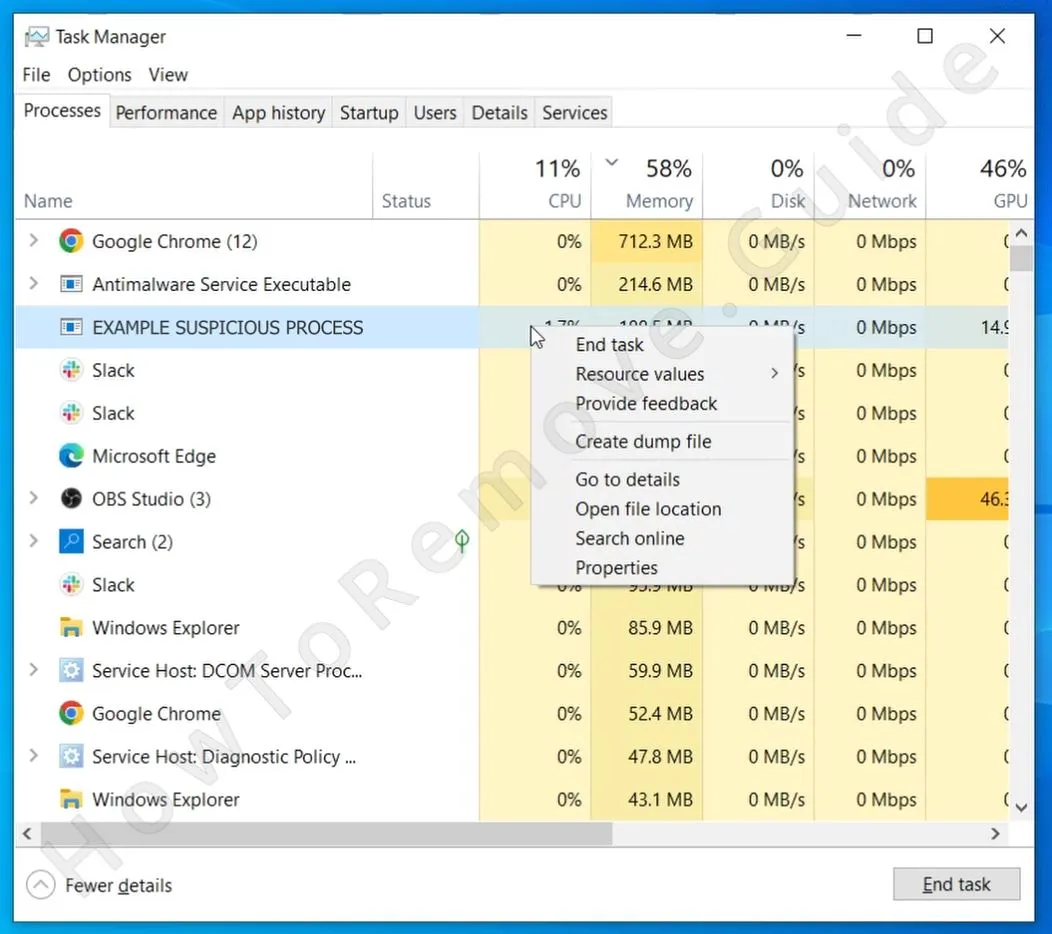 Which rows deserve attention first? Sort the list by CPU or Memory using the column headers. Unexpected spikes from unknown names are prime candidates.
Note: Don’t expect to find a rogue process named “YAAI“. Most forms of malware will hide their processes under innocent-looking names.
- 2.4Upon spotting something questionable, right-click it and choose Open file location. Location context helps: binaries executing from AppData or oddly named folders under user paths are more suspect than signed files within C:\Program Files.
- 2.5From that folder window, try deleting the entire parent directory. If Windows reports the file is in use, run LockHunter and select What’s locking this file? to release it, then remove the directory. Clearing the folder eliminates sidecar DLLs and auxiliary loaders at once.
- 2.6Return to Task Manager, select the same entry, and click End task. Stopping it prevents immediate relaunch while you clean. If it respawns, note the name and time; a scheduled task or service likely reinstates it, which you will tackle shortly.
Delete YAAI Virus Files
Startup folders, program directories, and temporary locations are common relaunch points. Clearing them stops auto-starts and reduces noise in subsequent steps. Work methodically, confirm what you remove, and retain only desktop.ini where applicable to avoid breaking folder view settings while targeting YAAI leftovers.
3. How to Get Rid of YAAI Files
- 3.1Check logon startup first to disable easy relaunches connected to YAAI. In File Explorer, open C:\ProgramData\Microsoft\Windows\Start Menu\Programs\Startup and C:\Users\YourUsername\AppData\Roaming\Microsoft\Windows\Start Menu\Programs\Startup. Inspect shortcuts, batch files, and scripts for suspicious targets and note unusual names.
- 3.2Remove all contents from those two Startup folders except desktop.ini. That system file is safe and should remain. If deletion fails with an in-use error, unlock the item using LockHunter and retry to ensure nothing is skipped.
- 3.3Next, review primary installation paths: C:\Program Files and C:\Program Files (x86). Sort by Date modified to surface recent changes, validate unfamiliar vendor names, and delete directories that clearly do not belong to legitimate software you recognize.
- 3.4Continue with C:\Users\YourUsername\AppData\Local\Programs and C:\Users\YourUsername\AppData\Roaming\Microsoft\Windows\Start Menu\Programs. Remove folders or links that appear out of place, especially those aligned with the timeframe when the browser hijacking began.
- 3.5
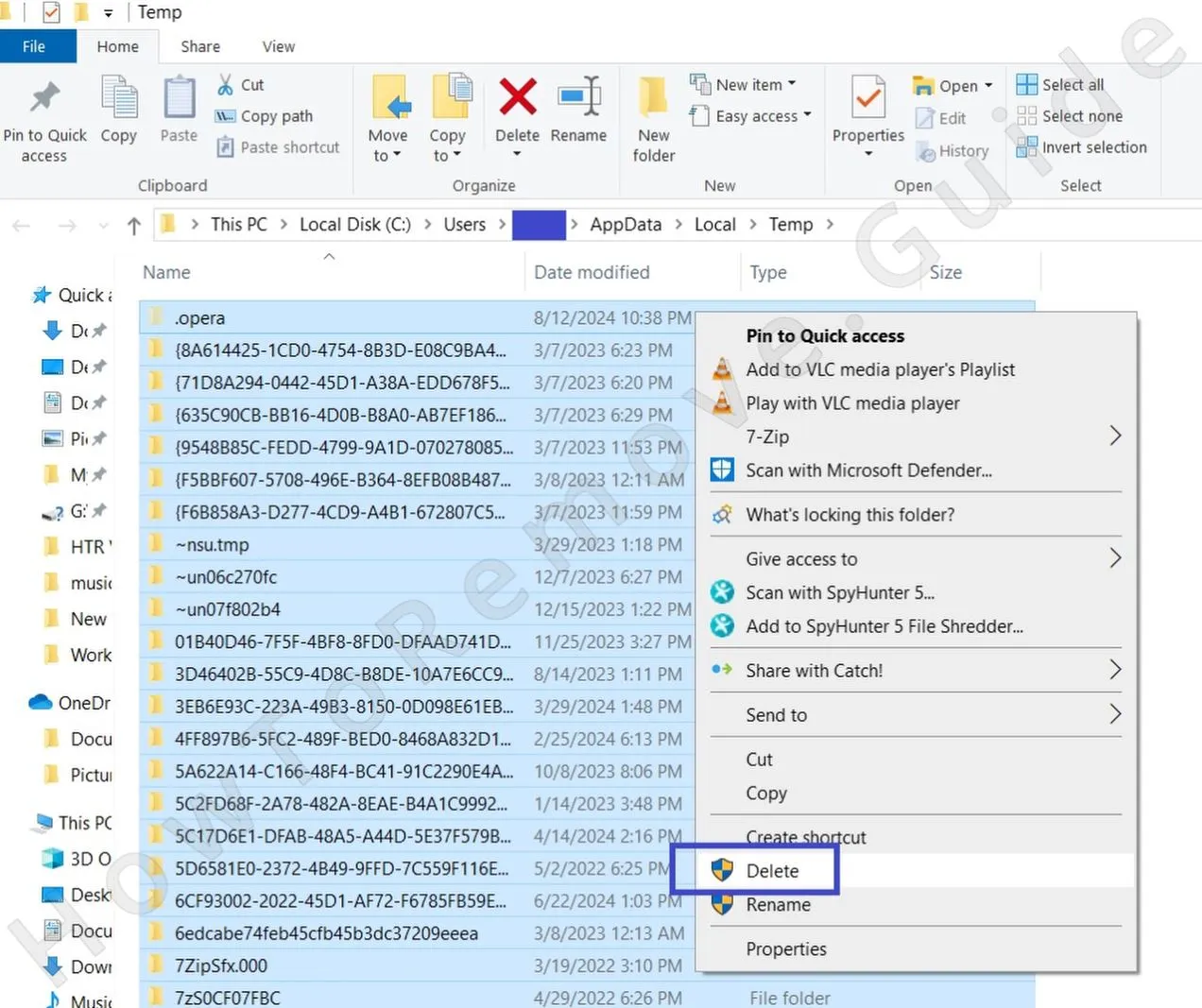 Finish by clearing cached debris. Open C:\Users\YourUsername\AppData\Local\Temp, press Ctrl+A to select everything, and tap Delete. Flushing temporary files disrupts downloaded payloads, self-extractors, and scripts that might re-create components after a logon.
Get Rid of YAAI Scheduled Tasks
Automated jobs can restart unwanted components on a timer, at logon, or when the system idles. Deleting the wrong task can disrupt maintenance, so analyze each entry’s action and path before removal. The goal is to neutralize jobs that clearly point to items linked with YAAI, not to disable benign tasks.
4. Eliminate YAAI Scheduled Tasks
- 4.1
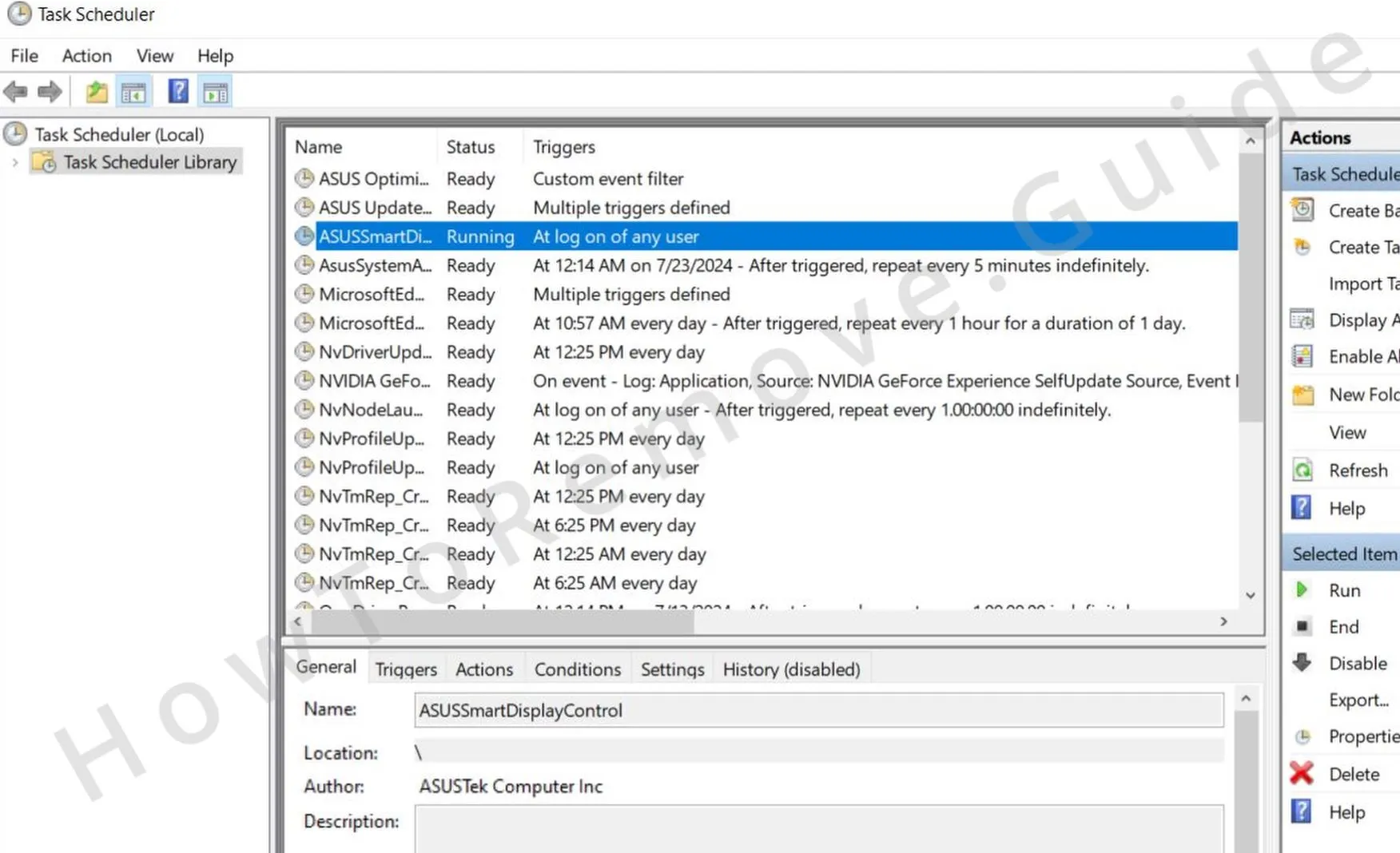 Open the Start menu, type Task Scheduler, press Enter, and expand Task Scheduler Library to review jobs that might resurrect YAAI. This is the central catalog for system and third-party scheduled actions.
 - 4.2Examine tasks individually. In each task’s properties, open the Actions tab to view the Program/script and any parameters, then review Triggers to learn when it runs. Understanding both pieces clarifies intent and risk.
- 4.3Give priority to entries launching executables from AppData, Roaming, or temporary directories. Legitimate suites seldom store primary binaries there. Unsigned scripts with recent timestamps in those paths are strong candidates for removal.
- 4.4When you identify a suspicious task, copy the full path shown under Program/script so you can remove the payload afterward. Then delete the task from Task Scheduler Library and confirm, preventing the job from running again.
- 4.5Use File Explorer to navigate to the recorded location and delete the referenced executable or script. If Windows denies deletion, unlock the file and remove its parent directory with LockHunter to eradicate companion modules.
- 4.6Repeat this process across unfamiliar tasks until none remain that point to questionable locations. Thoroughness matters here; leaving a single malicious trigger can bring the problem back after your next reboot.
Uninstall the YAAI Malware App Through the Windows Registry
Registry keys often store startup hooks and service registrations that survive basic uninstallers. Edits should be precise and verified. Search, confirm what a value references, and then remove only items that conclusively relate to YAAI or the executables you already identified as malicious or unwanted.
5. Remove YAAI Through the Registry
- 5.1Access the editor carefully: press Win+R, type regedit, and hit Enter to open Registry Editor and locate autoruns that may keep YAAI alive. Work slowly and verify each change before committing to deletion.
- 5.2Press Ctrl+F and search for the original program’s exact name as it appeared earlier. The search crawls keys, values, and data; allow it to finish, as larger hives can take time to enumerate fully.
- 5.3When a match appears, select its parent key in the left pane. After confirming it truly refers to the unwanted program, right-click and choose Delete. Tap F3 to continue searching until no further matches are found.
- 5.4Run additional searches for any other suspicious app names you removed, plus process names you noted in Task Manager. Threats frequently scatter identifiers across multiple keys to resist single-pass cleanup.
- 5.5Perform one final search for the explicit string you’re targeting to catch obscure entries under lesser-known locations. Even one lingering Run value can silently reinstate components on the next logon.
- 5.6Manually review these common startup and service paths, deleting only entries tied to identified malicious or unknown binaries: HKCU\Software\Microsoft\Windows\CurrentVersion\Run, HKCU\Software\Microsoft\Windows\CurrentVersion\RunOnce, HKCU\Software\Microsoft\Windows\CurrentVersion\Policies\Explorer\Run, HKLM\Software\Microsoft\Windows\CurrentVersion\Run, HKLM\Software\Microsoft\Windows\CurrentVersion\RunOnce, HKLM\Software\Microsoft\Windows\CurrentVersion\Policies\Explorer\Run, HKEY_LOCAL_MACHINE\Software\Microsoft\Windows\CurrentVersion\RunServices, HKEY_LOCAL_MACHINE\Software\Microsoft\Windows\CurrentVersion\RunServicesOnce, HKEY_LOCAL_MACHINE\Software\Microsoft\Windows\CurrentVersion\RunOnce\Setup, HKEY_LOCAL_MACHINE\SYSTEM\CurrentControlSet\services. Confirm each deletion choice before proceeding.
Restart the computer after completing these steps. Continue observing the browser and startup behavior over several sign-ins. If redirects, pop-ups, and unexpected background processes do not return, the persistence chain is broken and the system is likely clear of the underlying issue.
