

Many cryptoexchange sites like Sovenex can look legitimate while doing none of the things a real crypto service actually does. In other words, what you are looking at here is a well-established scam model where the “platform” is mostly set dressing. It serves a convincing dashboard and a story about easy gains that lead down a path that ends with your funds leaving your wallet for good.
Schemes like Sovenex, thrive on small decisions that feel harmless in isolation but quickly add up without you realizing. A quick sign-up here, a code there, and suddenly the interface shows a balance that seems real (and juicy) enough to chase. That is, until the first withdrawal attempt turns into deposit demands, delays, and then silence and lost money.
Scams of Sovenex.com‘s type are known to steal personal data and passwords. Install SpyHunter Pro to scan for risks, remove any dangerous trackers, and enable real-time protection.

Try Free For 7 Days*
Buy now15% OFF if you buy straight without trial.
 OFFER
OFFERThe way this scam works perfectly fits the tried and tested fake-exchange pattern, where the site somehow convinces you that you can claim a hefty amount of crypto, but only if you first transfer a small deposit. If you take the bait and make that transfer, the scam is successful and you’ve lost some of your money that you are never getting back.
To stay safe from Sovenex – and clones like Zdo.cc or Nonspace.top – lean on the practical habits that will be explained and explored in the next paragraphs. Even if Sovenex didn’t fool you, these scams are everywhere so being informed is highly beneficial for your virtual privacy and safety.
IMPORTANT! READ BEFORE PROCEEDING!
If you already interacted with Sovenex – clicked links, created an account, connected a wallet, or sent crypto – assume the situation can escalate unless you cut off access immediately. Don’t send extra “activation” payments, don’t bargain with support, and don’t reply to anyone promising a paid “recovery.” Focus on containment.
- Move remaining assets to a fresh wallet you control (new seed phrase) and treat any wallet used with Sovenex as unsafe.
- Change passwords and enable app-based 2FA for email first, then exchanges and any account tied to your crypto activity.
- Preserve evidence: save URLs, screenshots, promo details, chat logs, wallet addresses, and transaction hashes while you still can.
- Notify the sending platform if you used an exchange: share the transaction hash and destination address and ask them to flag related activity.
- Report promptly to the relevant cybercrime channel and the platform that served the promotion; quick reporting helps limit copycat harm.
How We Know Sovenex is a Scam
Suspicion isn’t a vibe; it’s a pattern match. When multiple familiar signals show up together – fake rewards, pay-to-withdraw gates, and evasive support – the most reasonable conclusion is that Sovenex is built to take deposits, not process withdrawals.
Promo-code mirage
Typing a code and instantly “receiving” a big crypto balance is theater, not finance. That number lives in a web interface, not in assets you actually control, and it’s designed to tempt you into the next step.
Unlock-deposit demand
Any site that asks you to send crypto to “enable” or “verify” withdrawals is using an advance-fee tactic. Real services don’t require a separate transfer just to let you access your own money.
Deepfake endorsements
Short viral clips that look like public-figure endorsements can be AI-generated. The point is to borrow credibility and compress your decision time before skepticism has a chance to speak up.
No on-chain TXIDs
If the “payout” exists only as a status message and never produces verifiable transaction data, you’re staring at a costume. A working withdrawal system leaves evidence you can independently verify.
Bogus licensing & compliance
Badges and “compliance” language are cheap decoration when the operator can’t be reliably identified. Verifiable platforms can be checked through official registries and credible records – not just claims on a landing page.
Clone-site churn
Sites in this scam family often burn a domain once complaints pile up and then reappear with the same layout under a new name. That repeatable template behavior is a major warning sign.

How the Sovenex Scam Deception Funnel Works
Knowing the steps is a defense mechanism. This scam design works by making each choice feel small – until the moment you approve an irreversible transfer and the site begins manufacturing excuses instead of processing a payout.
The usual flow is predictable: attention-grabbing bait, fast registration, a dashboard that displays a tempting balance, and then a withdrawal attempt that triggers a “verification” payment request. After that, delays appear, extra costs get invented, and the operator stops responding while a clone waits on a new domain.
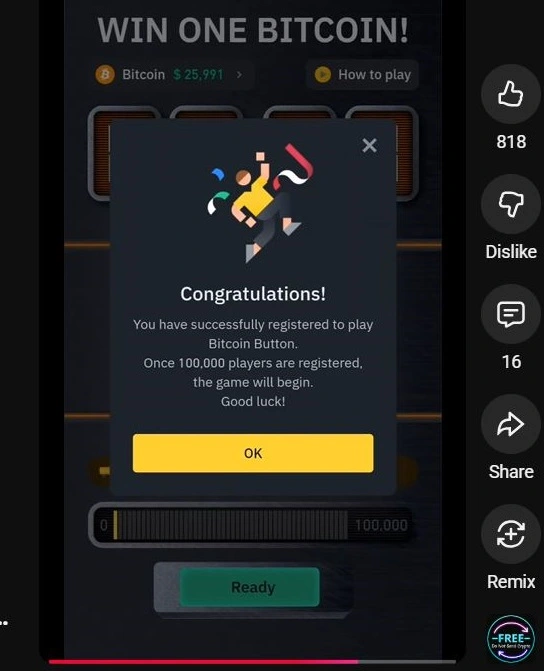
Promo hooks and influencer codes
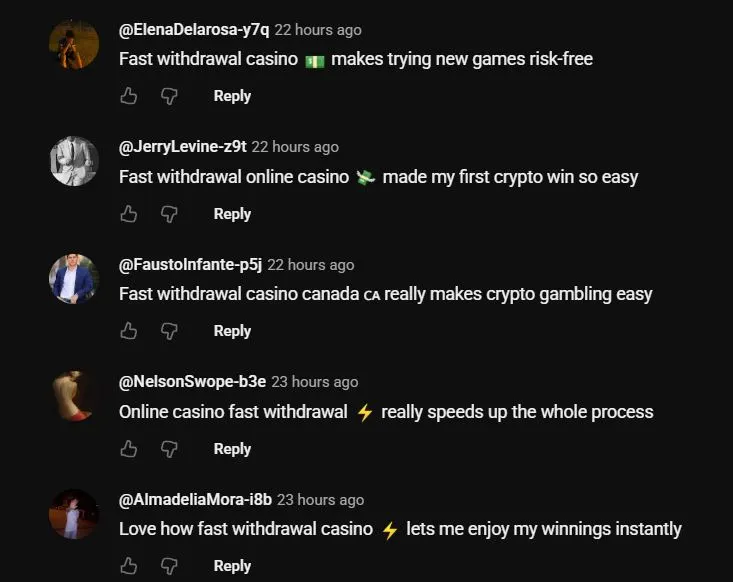
The bait is usually a fast-moving clip or ad that leans on hype and urgency, nudging you to register before you think. In practice, the goal is to funnel you into a site that can display tempting numbers without ever proving they’re real.
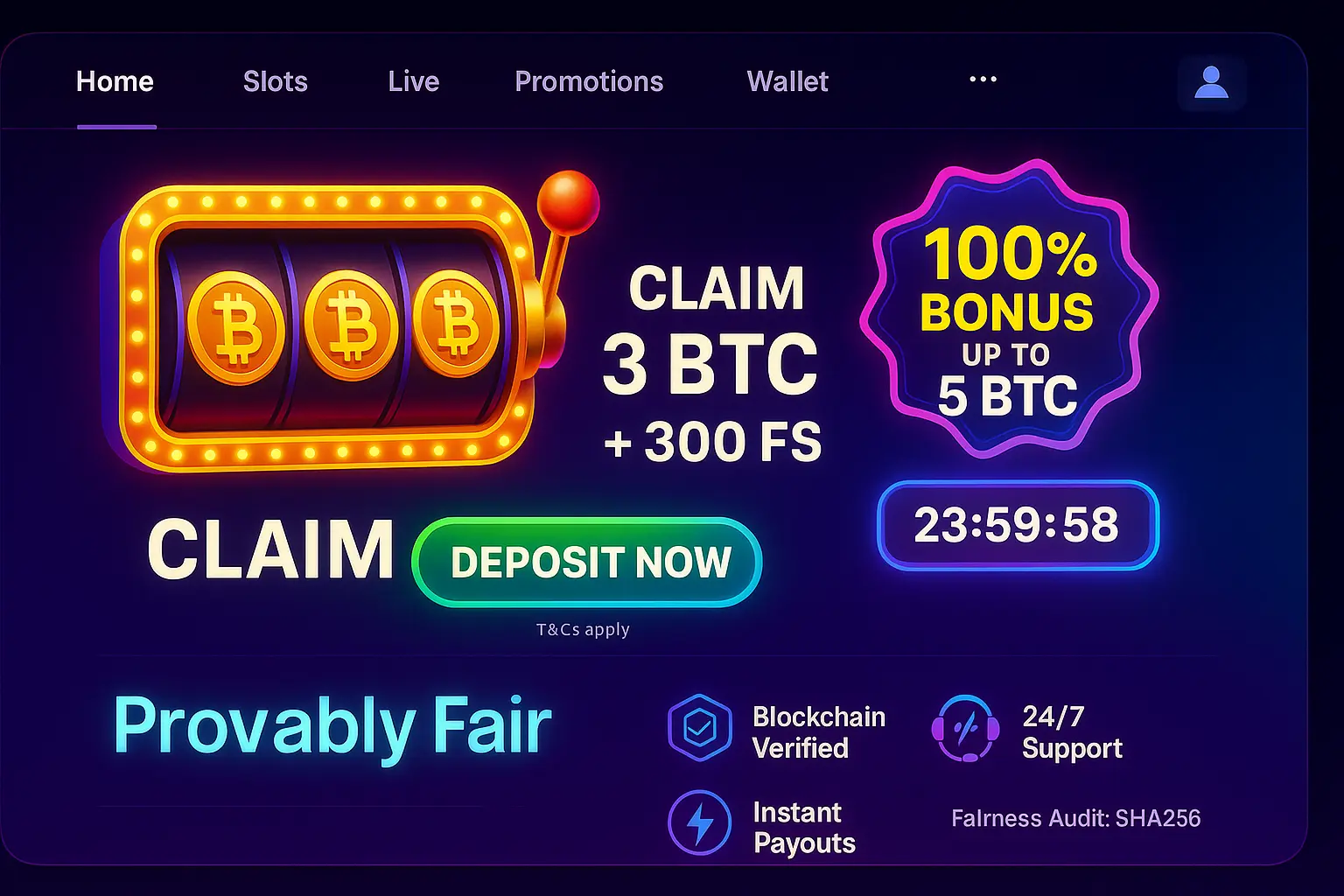
Casino skin and bonus theater
The page is built to resemble a real service: clean panels, charts, and “activity” that make the fiction feel tangible. The trick is that a polished interface can exist without a legitimate company or working withdrawal pipeline behind it.
Inflated balances, then the gate
The moment you try to withdraw, the script flips. A new “rule” appears – send a small amount to activate or confirm – and the scam relies on sunk cost to make that payment feel reasonable.
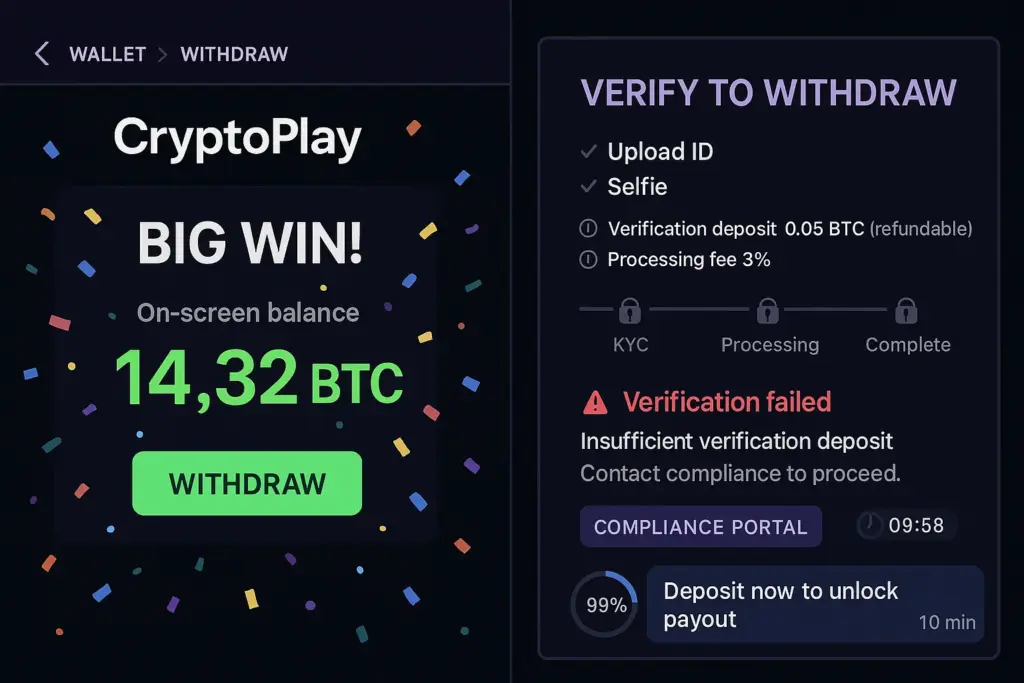
Fee-gates and KYC harvest
After the first payment, some sites add layers of “fees” and compliance-sounding obstacles that never resolve. The logic is simple: if you’ve paid once, you might pay again to avoid admitting the first loss was final.

Stalling, rebrands, and “recovery” bait
Once you push for a withdrawal, communication often turns into delays and vague promises, then silence. After the domain changes, a second wave can appear as “helpers” offering paid recovery, which is frequently just another trap.
Staying safe from crypto scams like Sovenex
Staying safe is mostly about repeatable rules that remove temptation. If you build habits around verification, slower decisions, and compartmentalized wallets, most Sovenex-style scams fail before they get close to your funds.
Never pay to withdraw
A demand for an “unlock” transfer is the fingerprint of this scam type. If a site requires you to send crypto before it “releases” funds, treat it as a trap and stop immediately.
Verify endorsements at the source
Treat celebrity-style promos as hostile by default. Deepfakes exist to shortcut your skepticism, so confirmation must come from official channels, not viral clips.
Navigate with your own bookmarks
Use bookmarks for known services and avoid clicking promoted links. Many fake platforms are delivered through ads and DMs specifically to bypass careful URL checking.
Check regulator registers & warnings
When a site claims it is registered or licensed, confirmation must come from official sources. If the real-world footprint is thin or unverifiable, don’t send funds.
Segregate risk with burner wallets
Keep serious holdings isolated and interact with unknown sites only through a low-balance wallet. Compartmentalization turns a disaster into a contained incident.
Harden accounts with 2FA & hygiene
Strengthen the accounts that could be used to reset everything else. Start with email, enable app-based 2FA, and review active sessions so a single compromised login doesn’t cascade.
Revoke approvals & migrate
If a wallet touched Sovenex, assume the safest move is to revoke any standing permissions and migrate remaining assets to a fresh address. It’s not paranoia; it’s damage control.
Protect identity & slow down
Build a deliberate pause into anything that feels urgent or unusually generous. Many scams are optimized for speed, and even a short delay can be enough to spot that the “bonus” is only a number on a screen.
Where to report Sovenex-style crypto scams (by country)
Evidence matters because it turns a bad story into actionable data. Save the site details and transaction hashes, alert the platform you used to send funds if relevant, and file a report through the appropriate channel. Avoid anyone who asks for payment to “recover” your crypto.
Click here to report the scam in your country
| Stop the bleeding | Preserve evidence | Harden access | Don’t pay again |
| Assume it’s fake until proven real | Save URLs and screenshots | Lock down email first | Ignore paid “recovery” offers |
| Slow down before sending funds | Record transaction hashes | Enable app-based 2FA | |
| Use bookmarks for real services | Keep the domain details | Review active sessions | Don’t chase invented fees |
| Separate wallets by risk | Document messages and ads | ||
| Don’t trust promos that credit crypto | Save wallet addresses | Change reused passwords | |
| On-screen balances can be fiction | Store proof of deposits | ||
| Pay-to-withdraw is a scam fingerprint | Capture the login page | Remove risky permissions | |
| Don’t negotiate with fake support | Keep timestamps of actions | ||
| Contain exposure immediately | Archive chat transcripts | Secure your accounts | Stop sending money |
| Act quickly after a mistake | Save promotion sources | Silence is the goal | |
| Assume cloning after a takedown | Keep withdrawal errors | Rotate passwords | Don’t pay “activation” |
| Report promptly with evidence | Preserve destination address | Harden exchange access | Don’t pay “taxes” |
| Beware urgency and scarcity | Save screenshots of balances | ||
| Fake authority is common | Record where you saw it | Enable 2FA everywhere | |
| Stay skeptical of easy gains | Keep device details | ||
| Don’t trust viral endorsements | Save the landing page | Secure recovery methods | |
| Pause 24 hours if pressured | Save support replies | ||
| Verify claims in registries | Keep promo details | Use strong passwords | |
| Don’t click ads for exchanges | Save transaction IDs | ||
| Use burner wallet for unknown sites | Collect hashes and addresses | Revoke approvals | |
| Assume irreversibility of transfers | Keep proof of deposits | ||
| Don’t chase sunk costs | Document communications | Secure email accounts | Ignore “recovery” pitches |
| Protect identity if exposed | Preserve any KYC prompts | Stop paying new fees | |
| Stay calm under pressure | Save ad/video links | Update passwords | |
| Check URLs carefully | Capture domain changes | ||
| Don’t trust bonuses on signup | Keep wallet details | Enable 2FA | |
| Watch for clones after reports | Save the scam flow | Do not respond | |
| Be deliberate with transfers | Preserve transaction hashes | Secure exchanges | |
| Assume manipulation is intentional | Keep proof of claims | ||
| Trust verification over vibes | Save URLs | Lock accounts | |
| Report the domain where possible | Keep screenshots | ||
| Check warning lists when unsure | Record addresses | Secure 2FA | |
| Don’t send “activation” deposits | Document the funnel | ||
| Expect stalling after payment | Save error screens | Review sessions | |
| Ignore urgency and countdowns | Keep proof | ||
| Keep holdings isolated from browsing | Capture the domain | Harden passwords | |
| Assume deepfakes are possible | Save the promotion | ||
| Don’t treat fame as proof | Keep account details | Enable 2FA | |
| Verify before trust | Document transfers | ||
| Use evidence when reporting | Save hashes | Secure email | |
| Don’t pay again to “unlock” | Keep screenshots | ||
| Contain exposure quickly | Save URLs | Harden accounts | |
| Report promptly if funds moved | Keep TX hashes | Stop paying fees | |
| Stay skeptical of “guarantees” | Capture the flow | Secure access | |
| Don’t chase what’s gone | Preserve evidence | ||
| Watch for second-wave scams | Save destination address | Enable 2FA | |
| Don’t trust paid “helpers” | Document claims | ||
| Use bookmarks to avoid clones | Save URLs | Secure email first | |
| Report the scam with hashes | Preserve evidence | ||
| Act quickly after sending | Save transaction hashes | Secure accounts | |
| Verify licensing in registries | Document the funnel | ||
| Report phishing and lookalikes | Save screenshots | Enable 2FA | |
| Stay calm and methodical | Keep evidence | ||
| Don’t engage with scammers | Preserve proof | Secure email | |
| Use official channels for reporting | Save hashes | ||
| Report internet crime quickly | Document transfers | Harden accounts | |
| Report fraud with evidence | Save URLs | ||
| Watch for copycat domains | Keep screenshots | Enable 2FA | |
| Preserve evidence for investigators | Record addresses |
Prevention is cheaper than cleanup. Stick to rules like “never pay to withdraw,” keep your main holdings isolated, and treat urgency as a red flag so the next Sovenex-style clone doesn’t get a second chance.
