

Fake toll text messages have become one of the most common types of scams, with new ones popping up every other week and tricking thousands of users all over the world. One particular toll scam that’s been around for over a month and still seems to rope in more and more victims is the so-called Txtag scam.
Scams of Txtag Scam‘s type are known to steal personal data and passwords. Install SpyHunter Pro to scan for risks, remove any dangerous trackers, and enable real-time protection.

Try Free For 7 Days*
Buy now15% OFF if you buy straight without trial.
 OFFER
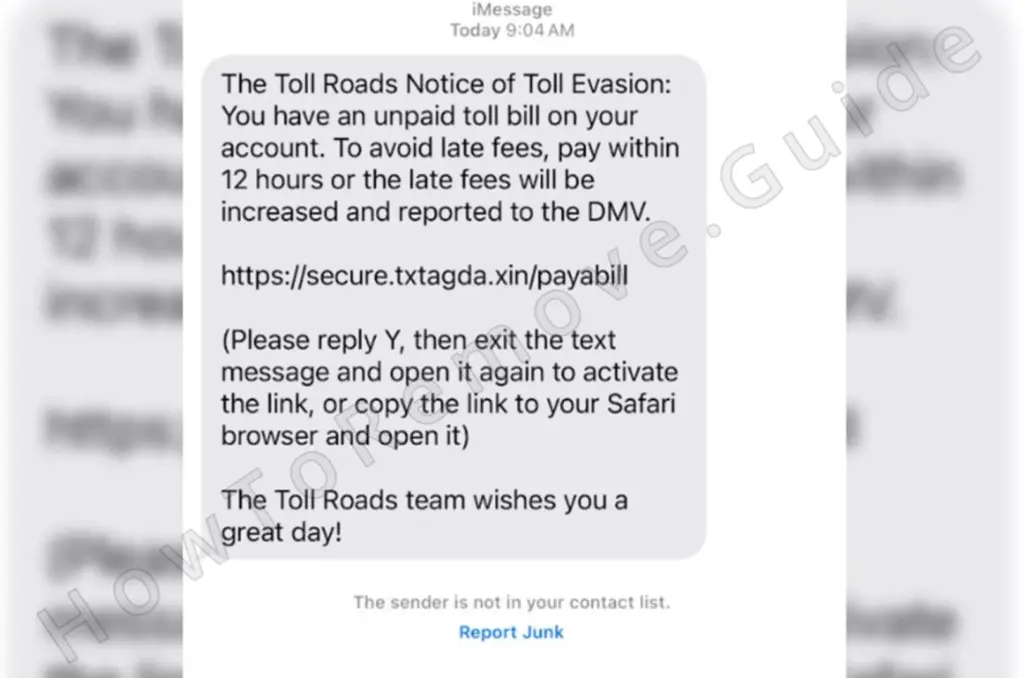
OFFERLike other schemes of its type, including the SFCU scam and the Wisconsin DMV Scam, the Txtag scam works on the simple premise of sending you a text message that appears official and claims you owe a small toll that must be paid soon if you don’t want to be charged a significantly larger late fee. If you already got such a message, don’t respond or interact with anything included in it – this is a blatant scam, and the next article will tell you all you need to know about it.
How the Txtag Scam Works
The way it works is pretty simple, but the way it feels is what gets people. You get a message. Maybe it says something about an “unpaid toll” or an “overdue balance.” It might warn you that you’ll be fined if you don’t take care of it soon. And of course, there’s a link. A very official-looking one.
Now this is where people usually freeze. They think, “Wait, did I miss a payment? I did drive through Houston last month…” And bam – just like that, they’re clicking the link, entering personal info, maybe even handing over their credit card number.
But here’s the deal. That link? It doesn’t go to TxTag. It doesn’t go to TxDOT. It goes to a scam site. One designed to steal your information and maybe even your money.
Real People Are Getting Hit by This
We’re not talking hypotheticals here. One person named Garet Allen from Tyler said he got hit with this scam multiple times. Different versions, different wording, but always the same goal – to make him click, panic, and pay.
And it’s not just him. Since April 2024, complaints started piling in. By September, it was bad enough that TxDOT began actively working to get fake websites taken down. And yeah, good on them, but the scammers aren’t exactly going away quietly.
As of now? Over 4,000 reports have been filed with the Better Business Bureau. That’s not small. And those are just the people who realized it was a scam and knew to report it.
What to Do if You’ve Clicked the Txtag Scam Link
Okay, let’s say you fell for it. You clicked. Maybe you entered some info. Maybe you even paid. What now?
Here’s what you do – and do it fast:
- Call your bank or credit card company. Like, immediately. Tell them what happened. Lock the card, stop any charges, and get a replacement if needed.
- Change your passwords. Any login details you entered? Update them. And while you’re at it, change any accounts that use the same password. Seriously.
- Turn on two-factor authentication (2FA). It adds an extra layer. Even if someone has your password, they still need that extra code to get in.
- Scan your device. If you clicked a link or downloaded something, there’s a chance your phone or computer picked up malware. Run a full antivirus scan. Better safe than sorry.
Lastly, don’t forget to report the scam. Don’t just shrug it off – report it. Forward the message to 7726 (SPAM), file a report with the FTC at ReportFraud, and drop a complaint at ic3.gov (that’s the FBI’s Internet Crime Complaint Center).
How the Txtag Scammers Trick You
Let’s talk about how they do it, because it’s clever. Not new – just clever.
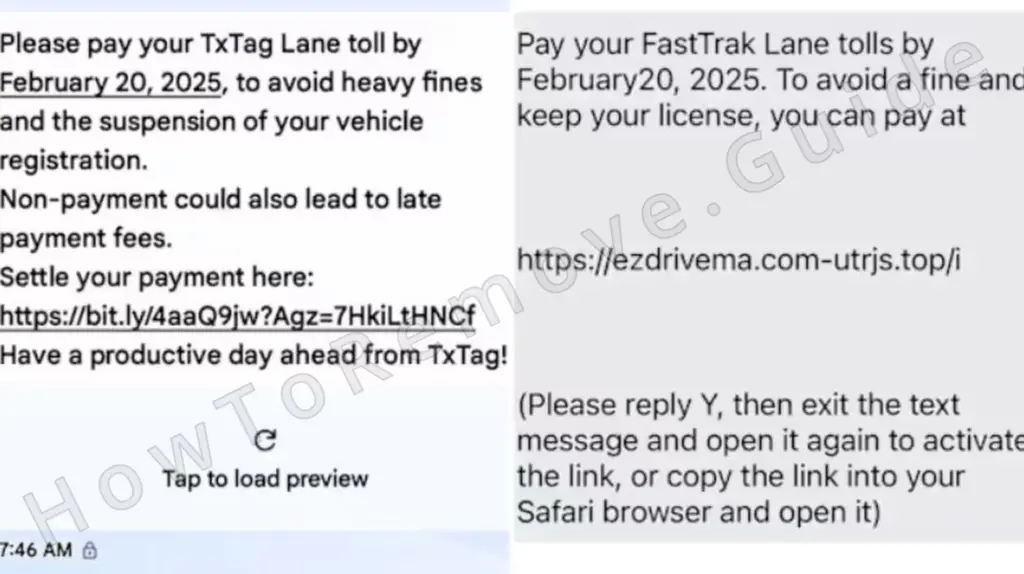
First off, they make it feel urgent. They’re betting on that little jolt of anxiety. “You owe money. You’ll be fined. Click here now.” It’s not just about urgency though – it’s about disruption. They want to knock you off balance, get you to act before you think.
Second, they make it look official. Some of these scam sites have fake company certificates. Some even list physical addresses that, when you look them up, turn out to be random residential houses. One site even had a so-called “white paper” – just two pages long and full of broken English. Red flag city.
Then there’s caller ID spoofing. That means the number the message comes from might look like it’s from TxTag. Or maybe even your bank. That’s because scammers can make it appear that way – it’s not hard. So yeah, seeing a familiar name pop up doesn’t mean it’s safe.
And get this – sometimes they don’t even ask for money at first. They might try to build trust, get you comfortable, then hit you with the “you owe” message once they think you’re hooked. Classic bait-and-switch.
Txtag Scam Red Flags
So how do you avoid this in the future? Glad you asked.
- Here are some classic red flags you’ll want to remember:
- Out-of-the-blue messages about money you owe – especially if they show up by text.
- Messages with spelling or grammar mistakes.
- Links to websites that aren’t the official toll service domain.
- Urgent or threatening language. Real agencies don’t operate like that.
- Requests for personal info or payment. If it’s really TxTag or TxDOT, they won’t ask you to verify your info or pay via random text.
Also worth noting: TxDOT has said they don’t send payment reminders via text or email. They send letters. And if you really do owe money, you’ll find it on your account after logging in – the real way – not from a mystery message.
Still Not Sure? Here’s What to Do
If you think you might owe something but aren’t sure, don’t guess – just go straight to the source. Go to the TxTag website yourself. Or if your toll charges were after November 9, 2024, and you were driving in Austin or Houston, check with HCTRA instead. You can go to hctra.org or call 281-875-EASY (3279).
Don’t use any links or numbers from the message you got. Don’t call back. Don’t reply. Just go directly to the official site or use a verified number.
And one more thing – if you’re in a place like Laredo, which doesn’t even have toll roads, and you get a message about toll charges? That’s your sign right there. Something’s off.
The Bottom Line
This scam is smart. It preys on that everyday stress we all have – bills, deadlines, trying to keep up. It’s not flashy. It’s not complicated. It’s just timing, pressure, and trust – and the scammers know exactly how to push those buttons.
So next time you get one of these messages? Don’t panic. Don’t click. Just stop, breathe, and remember: if it smells like a scam, it probably is.
And if you’ve already dealt with one of these messages – report it. Talk about it. Warn your family. The more people know, the harder it is for these scams to work.
Because yeah, maybe you didn’t fall for it. But someone else might. And now, thanks to you, they won’t.
