

On some days, Chrome acts like it has a mind of its own. On a personal Windows PC, it keeps launching new tabs – always the same destination: CrossPilot (crosspilot.io). The odd part? The same Google account, extensions, and settings are synced to a work machine, where the behavior never appears. Standard triage hasn’t helped. Recent software installs were reviewed and trimmed. Chrome is set to open the New Tab page at startup. A handful of extensions were disabled as a test, and the problem resurfaced later. Cache and cookies were cleared, and the browser restarted repeatedly. Still, the phantom tabs persist – only on the personal PC. That discrepancy points to a local trigger: an unwanted extension, a hijacked setting, or something planted outside Chrome’s sync, such as a scheduled task or altered shortcut. This article walks through diagnostics to trace the culprit and stop the CrossPilot pop-ups.
The good news is that removing CrossPilot pop up, like Premier Opinion, doesn’t have to be complicated. Although manual removal can be tricky, I’ve put together a simple guide to help you get rid of it step by step. If you’re looking for a quicker fix, you can rely on a professional tool like SpyHunter 5 to safely and effectively remove the adware, restoring your system’s security and peace of mind.
We tested that SpyHunter successfully removes CrossPilot Pop Up* and we recommend using it. It will block CrossPilot Pop Up from reinstalling itself and it will make sure your device is clean from any malware.
 Try Free For 7 Days*
Buy now15% OFF if you buy straight without trial.
 OFFER
OFFERFast Fixes to Remove CrossPilot Pop Ups Today
If CrossPilot keeps poping up you have malware, and depending on your luck, it can either be a quick fix or an absolute nightmare. Some people manage to remove it easily, while others find themselves in a mess. If the simple steps don’t work, you’re in for a real headache. Try the easy fixes first – if CrossPilot stays, brace yourself.
1. Quick Steps to Remove CrossPilot
- 1.1Click on the Start Menu, type Apps & Features, and press Enter on your keyboard. This will bring up a detailed list of all applications that are currently installed on your computer, making it easier to locate and remove unwanted software.
- 1.2To quickly identify the malware, sort the list by installation date. Since malicious programs often install themselves without user permission, they will typically appear as one of the most recent additions on the list, alongside any legitimate software you may have installed recently
- 1.3Take a careful look through the list of installed programs. Do you notice anything unfamiliar or suspicious? Look out for apps with strange names, generic icons, or descriptions that don’t make sense. If you see something you don’t remember installing, make a note of it and prepare to remove it.
- 1.4If you come across a program that appears sketchy, unfamiliar, or unnecessary, select it and click Uninstall. If a confirmation prompt appears, follow the instructions carefully. If the program asks you to restart your computer, decline for now – you should complete additional removal steps first.
- 1.5Open File Explorer, navigate to C:\Program Files and C:\Program Files (x86), and search for any leftover files from the program you just removed. Some malware tries to reinstall itself by leaving behind extra components, so manually deleting any remaining files linked to the app is crucial to preventing a future reinstallation attempt.
Once these steps are complete, restart your computer and check whether CrossPilot has been removed. If it is still present, move on to the more advanced removal techniques in the next section.
SUMMARY:
Important: Read Before Proceeding!
If the basic removal steps were unsuccessful, you will need to perform a more detailed manual cleanup. However, before proceeding, it is important to unhide hidden system files and ensure that you have the necessary permissions to delete protected files. Skipping these steps may prevent you from successfully removing CrossPilot.
Prep Your System for Safe CrossPilot Removal
If the fast fixes fail, get ready for some manual work. CrossPilot hides itself by locking important system files, so you can’t delete them right away. To even stand a chance, you have to unhide files and get permission to remove the locked ones. Skip this step, and you’re just wasting time – CrossPilot isn’t leaving.
1. CrossPilot Removal Preparatory Steps
- 1.1
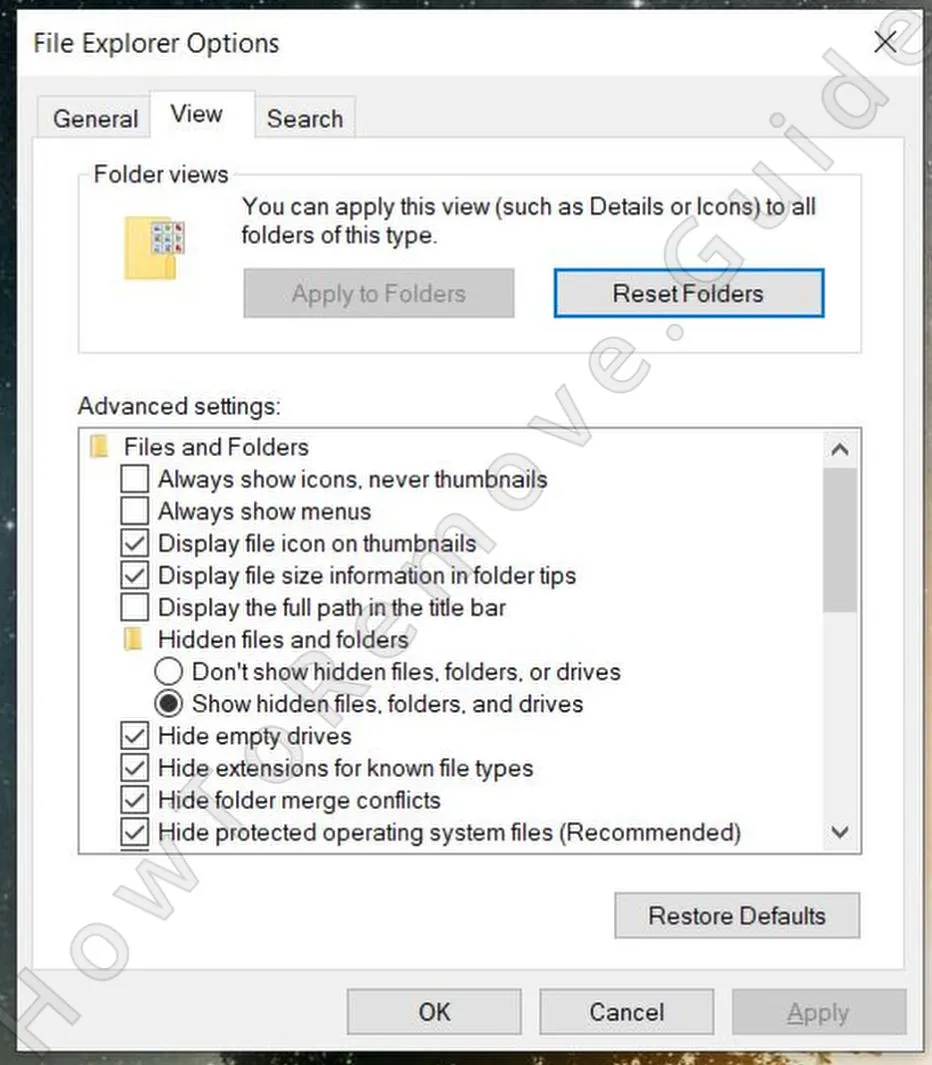 To make hidden files visible, open File Explorer and click on the View tab at the top. Then, select Options (or Folder Options, depending on your Windows version). In the new window, switch to the View tab again, then find and enable the setting for “Show hidden files, folders, and drives.” Click Apply, then OK to confirm your changes. This will allow you to locate files that CrossPilot may be hiding from plain view.
 - 1.2Some malware protects itself by locking important files, making them difficult to delete manually. To work around this, download and install LockHunter, a free tool designed to force-remove files that refuse to be deleted. This program will be essential later in the process when dealing with stubborn remnants of the CrossPilot malware.
I know that some users prefer not to install any third-party apps when troubleshooting, but in this case, LockHunter is non-negotiable. Besides, as I mentioned, it’s totally free.
Find and Delete Hidden CrossPilot Files
CrossPilot isn’t going to vanish without a fight. It tucks its files into deep system folders where most people never look. Your job? Find those hidden files, dig them out, and delete them. If you ignore this step, CrossPilot will be right back, acting like nothing happened. Be thorough – or get ready for round two.
2. How to Delete CrossPilot Files
- 2.1Open File Explorer and go to the following locations one by one:
C:\Users\YourUsername\AppData\Roaming
C:\ProgramData\Microsoft\Windows\Start Menu\Programs\Startup
C:\Users\YourUsername\AppData\Roaming\Microsoft\Windows\Start Menu\Programs\Startup
Carefully examine the contents of each folder. Look for unusual filenames, strange icons, or files with no clear purpose. If anything seems out of place or suspicious, delete it immediately to prevent the malware from reactivating itself later. - 2.2
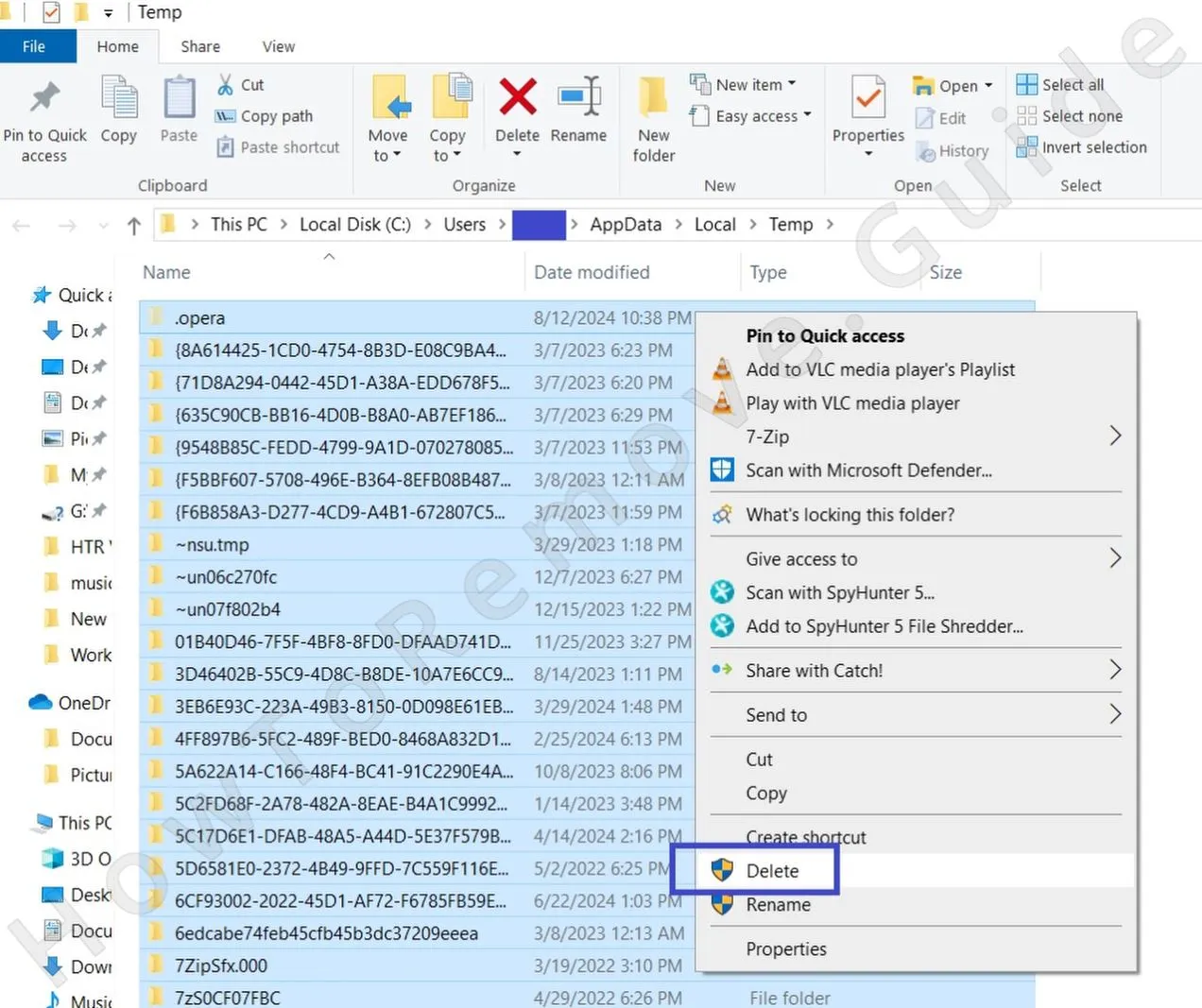 Now, clear your Temp folder, a common hiding spot for malware components:
Open File Explorer and navigate to C:\Users\YourUsername\AppData\Local\Temp
Press Ctrl + A to select all files and folders inside
Press Delete on your keyboard to remove them permanently
This folder contains only temporary files, so deleting them will not affect the normal functionality of your system. However, it will eliminate any malware traces hiding there. - 2.3Next, navigate to C:\Program Files and C:\Program Files (x86), as these are the default locations where most software installs itself. While most files here belong to legitimate programs, malware can disguise itself among them. If you find anything that looks out of place, search for its name online. If it turns out to be malicious, delete it immediately.
- 2.4If you try to delete a file and receive an error stating that it is in use by another process, right-click the file and select “What’s locking it?” from the context menu. In the new window that appears, click the Delete option to forcefully remove it using LockHunter.
Clear Scheduled Tasks Created by CrossPilot
You can’t just hit “Uninstall” and expect CrossPilot to be gone. It’s way too sneaky for that. It plants files all over your system, making sure it can revive itself whenever it wants. You have to track them down and wipe them out. If you don’t, CrossPilot isn’t really gone – it’s just waiting to strike.
3. How to Remove CrossPilot Entries From the Task Scheduler
- 3.1
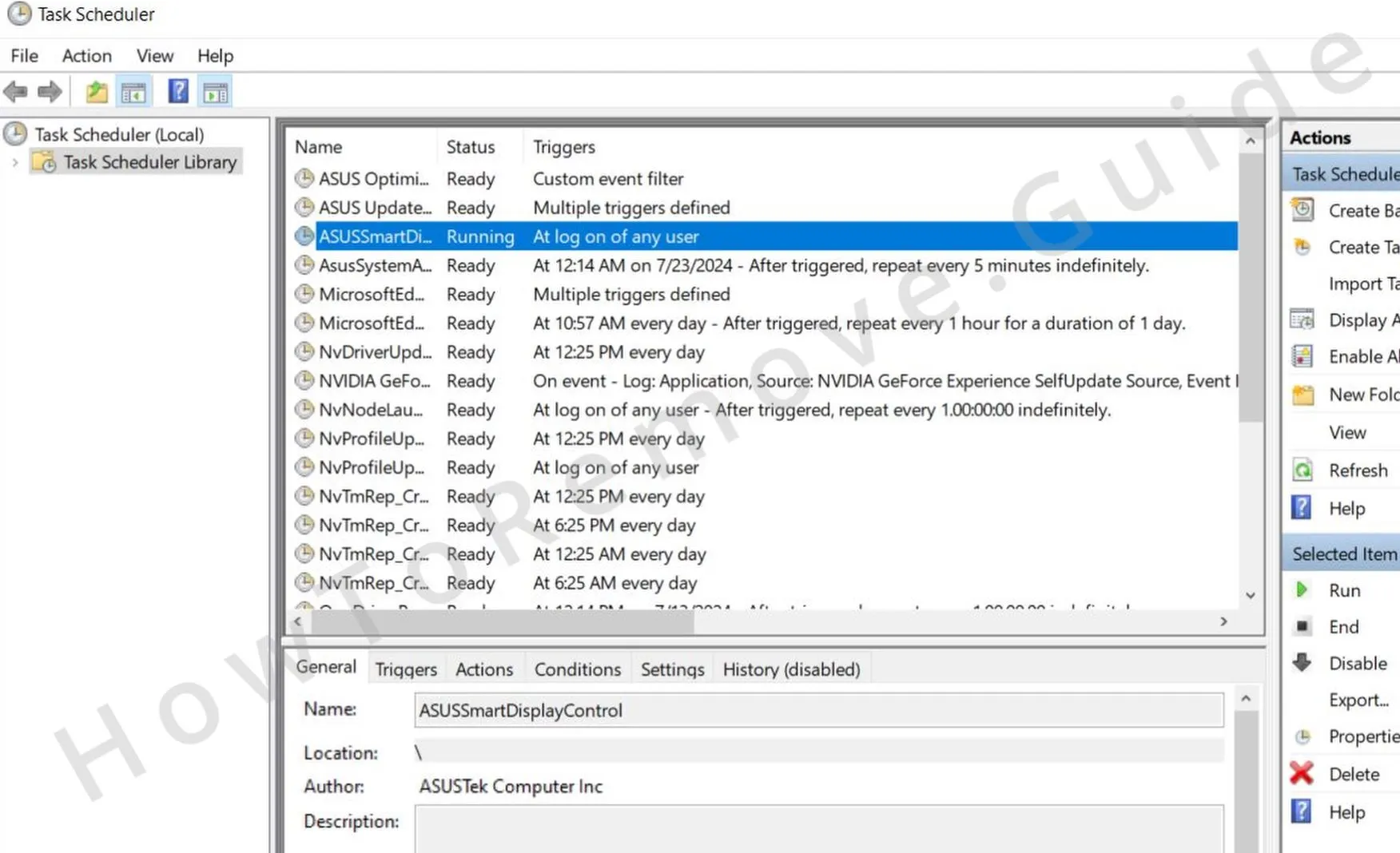 Press Windows + S, type Task Scheduler, and press Enter. Once the application opens, navigate to the Task Scheduler Library in the left-hand panel.
 - 3.2Review all scheduled tasks and check the Actions tab for any that are executing a suspicious script or .exe file. If you find anything unusual, write down the file location and then delete the task from the scheduler.
- 3.3After deleting the task, go to the file location you wrote down and manually remove the corresponding malicious file. This ensures that the task cannot restart the malware later.
Remove Registry Values Referencing CrossPilot Safely
CrossPilot messes with the Windows Registry to make sure it sticks around. That means you have to go in and remove every single trace. But be careful – one wrong move in the registry can seriously mess up your system. Not sure what you’re doing? Use a tool instead. If you don’t clean it up, CrossPilot stays.
4. How to Remove CrossPilot Items From the Registry
- 4.1Press Windows + R, type regedit, and press Enter to open the Registry Editor. When prompted, grant Administrator permissions to make changes.
- 4.2Use the search function (Ctrl + F) to look for entries related to CrossPilot. When you Press Ctrl + F, type CrossPilot, and initiate a search. If you find any registry entries associated with the malware, delete them. Keep searching until all traces of CrossPilot have been removed from the registry.
- 4.3
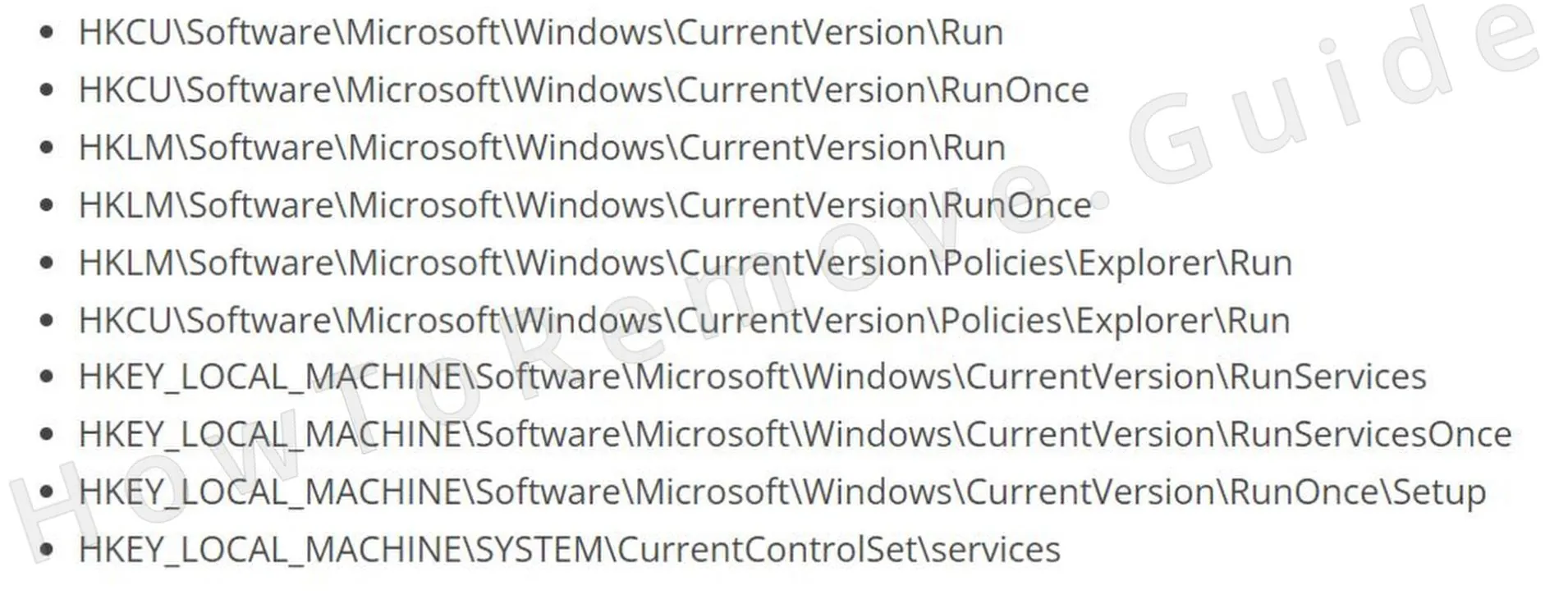 Manually navigate to the following registry locations and inspect them for malicious entries:
 - 4.4If you find any registry values referencing CrossPilot, delete only the values in the right panel – do not remove the registry keys on the left panel, as they may be used by the system.
Remove Rogue Browser Policies Enforced by CrossPilot
If your browser suddenly says “Managed by your organization”, congratulations – CrossPilot has hijacked your settings. It locks down your homepage and search engine so you can’t change them. To fix this, you’ll have to dive into policy settings and remove the restrictions manually. Until you do, CrossPilot is the one in control – not you.
5. How to Remove Rogue CrossPilot Policies
- 5.1
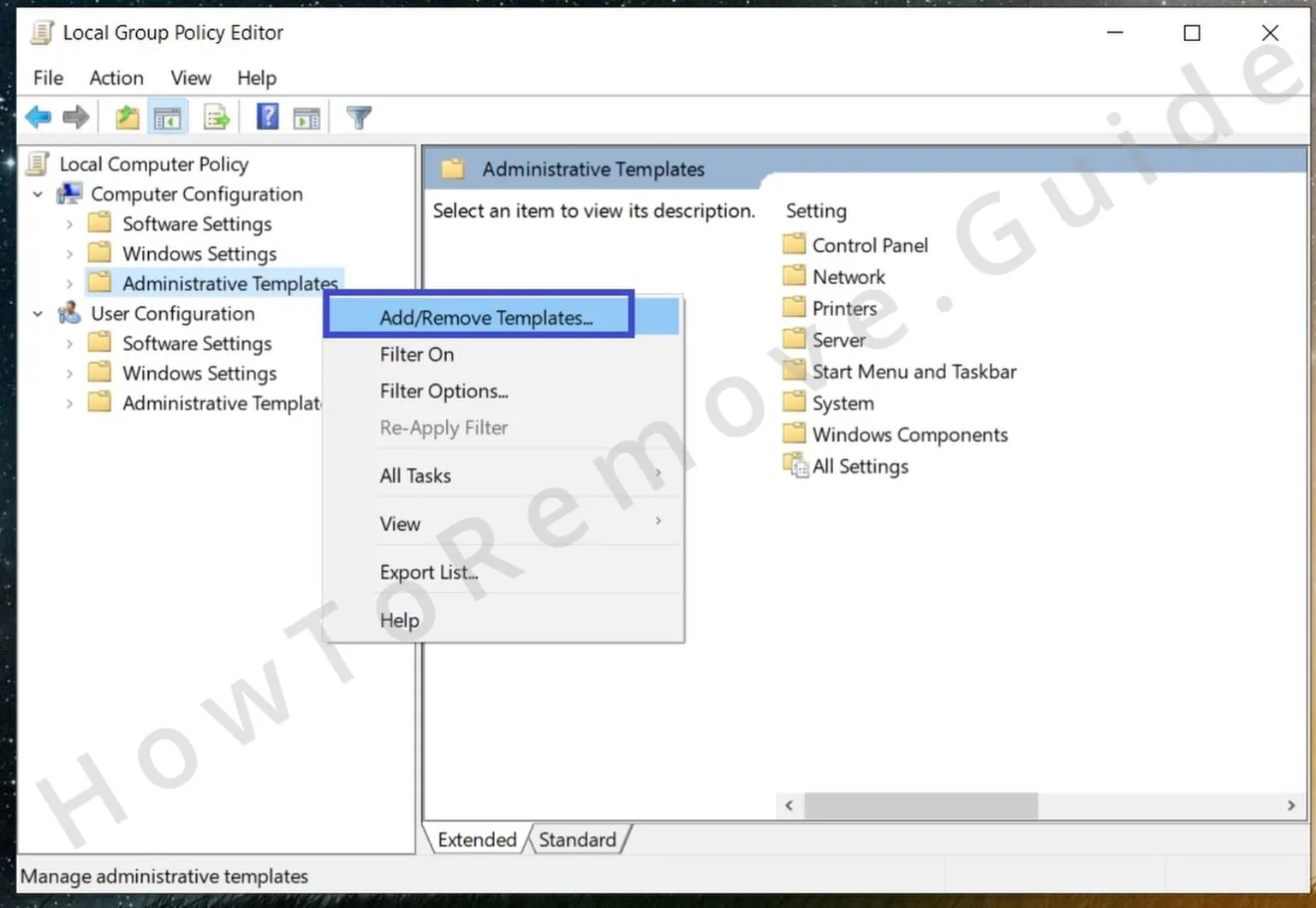 Open the Start Menu, type Edit Group Policy, and click the first result. Once inside, go to Computer Configuration > Administrative Templates in the left-hand panel.
 - 5.2
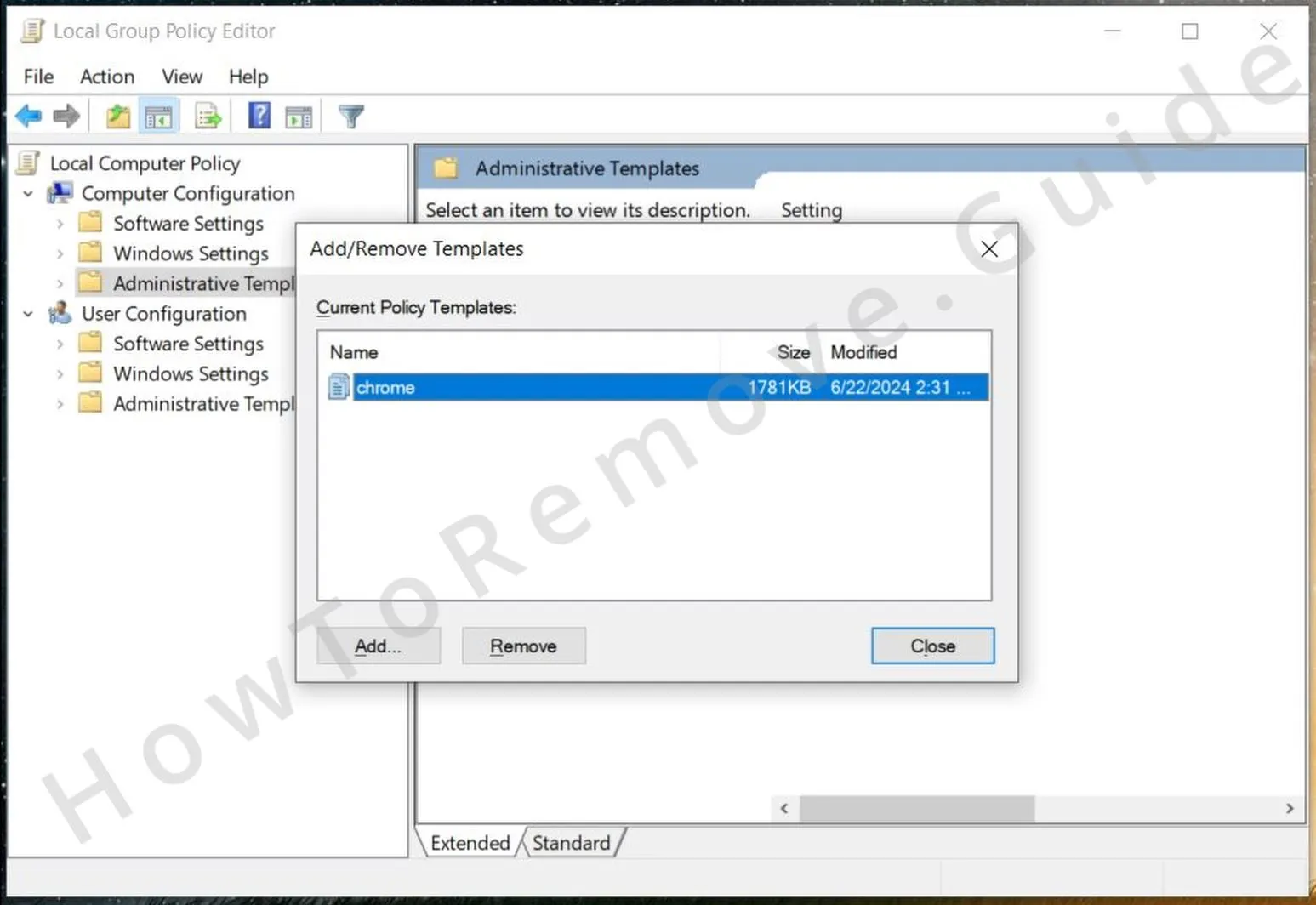 Right-click on Administrative Templates, select Add/Remove, and delete all listed items. This ensures that no unwanted policies remain active on your system.
 - 5.3If you use Google Chrome, download the Chrome Policy Remover tool and run it as Administrator. This tool will automatically remove any browser policies enforced by CrossPilot.
- 5.4If Windows gives a security warning about running the tool, click “More Info” > “Run Anyway.” The tool is completely safe to use.
Reset Browsers and Extensions to Evict CrossPilot
Kicking CrossPilot’s policies out of your browser isn’t enough. It changed settings behind your back, and if you don’t undo that, it still has influence. You have to check everything – remove bad permissions, reset options, and take back control. Otherwise, CrossPilot is just lurking in the background, waiting to slip back in unnoticed.
6. How to Remove CrossPilot From Your Browser
- 6.1Navigate to your browser’s Extensions page and remove any extensions you don’t recognize.
- 6.2
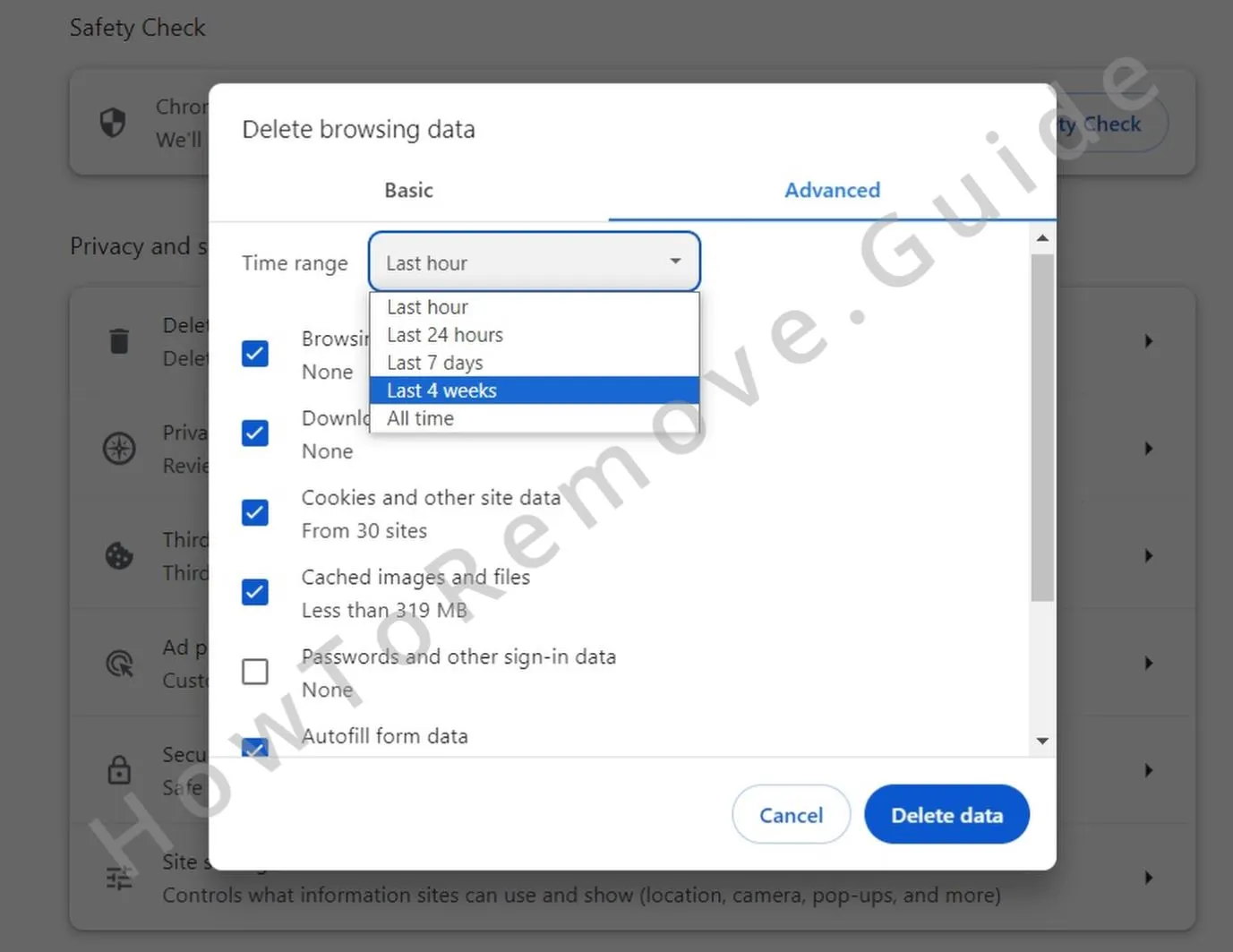 Go to Privacy and Security settings, select All Time, and clear your browsing data (except for saved passwords).
 - 6.3
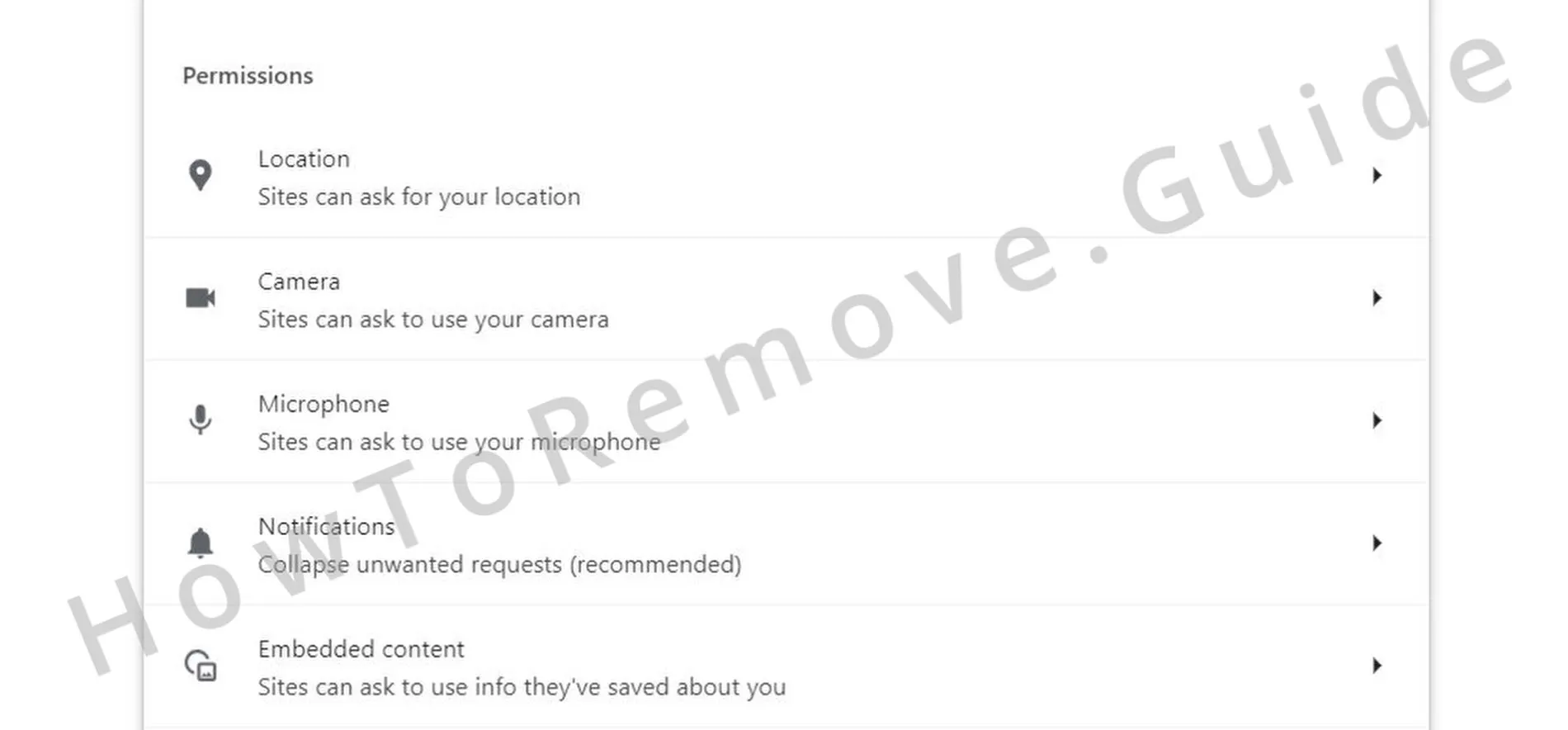 Review Site Settings and revoke any suspicious permissions granted to unknown websites.
 - 6.4
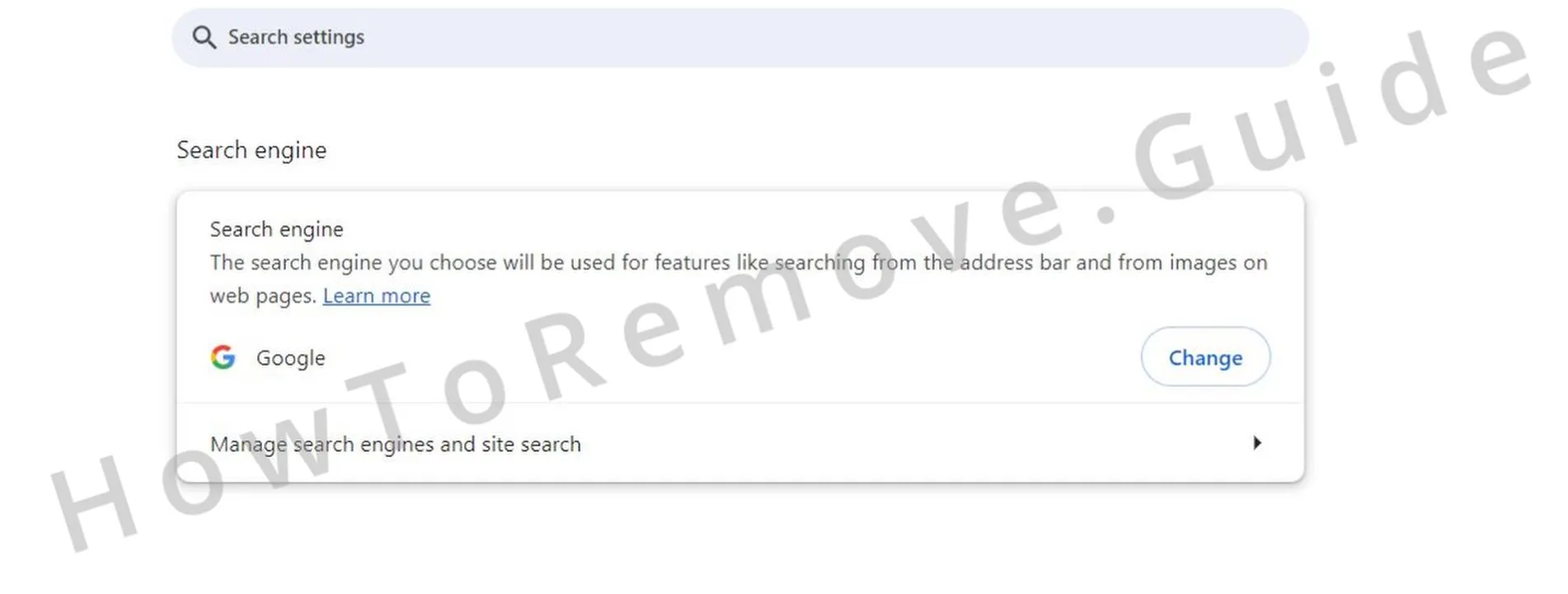 Check your default search engine settings and change them back to a trusted search engine if CrossPilot modified them. Remove any unfamiliar URLs.
 - 6.5Review both the On Startup and Appearance settings to ensure there are no unfamiliar homepages or startup URLs listed.
By following each step carefully, you can fully eliminate CrossPilot from your system. If the malware remains, repeat any necessary steps or seek additional assistance.
