

If you’ve won some money on a site called Wasewin142.to and it’s now asking you for a deposit before it lets you claim your winnings, I strongly recommend that you read this article first, before doing anything stupid.
This site is, beyond any doubt, a scam and there are all sorts of red flags that point to that. First, you probably gambled with “free” house credit that was generously provided to you upon signing up. Free money isn’t a thing and neither are your supposed “winnings”.
Second is the withdrawal fine print. When a casino says you must “verify,” “activate,” or pay a “transfer deposit” before withdrawing, that’s just them trying to steal your money and then ghost you.
Scams like Wasewin142.to are known to steal personal data and passwords. Install SpyHunter Pro to scan for risks, remove dangerous trackers, and enable real-time protection.
 OFFER
OFFER*Source of claim SH can remove it. Trial w/Credit card; image is for illustration; full terms.
Third is the transparency, or rather the lack thereof. Legit operators list a company name, license info, a real support phone number, and a physical address; Wasewin142 typically offers none of that, just vague chat replies and slippery policies.
Fourth, there’s no verifiable credibility; it’s all just cardboard fluff – generic testimonials, recycled screenshots, flashy design hiding thin substance, and a domain that looks freshly minted.
We could go on and on about why this and other sites like it (Wasewin.cc, Xslots.cc, etc.) are scams, but what’s more important now is to take precautions in case you’ve already registered or deposited anything. Aside from your money, your personal data could also be at stake here, so you must act quickly and apply the security tips you’ll find below.
IMPORTANT! READ BEFORE PROCEEDING!
If you have already interacted with Wasewin142, cut the cord – no more payments, no more “verification,” and no screen-sharing. Shift to damage control: secure accounts, isolate wallets, and preserve proof. Here are five emergency steps we strongly recommend you take right now:
- Lock down logins immediately by rotating email/exchange passwords and turning on 2FA; close any other active sessions.
- Move remaining funds to safety by transferring assets to a new wallet you control and keeping the old one quarantined.
- Disconnect and review permissions by removing wallet connections and revoking token approvals you don’t recognize.
- If you uploaded ID documents, watch for identity misuse and place fraud alerts or a credit freeze where available.
- Preserve evidence and report fast by saving TxIDs, addresses, chats, and screenshots; contact any involved exchange and file reports with local cybercrime channels.
How We Know Wasewin142 is a Scam
Patterns matter more than polish. When a site behaves like it’s optimizing for deposits while inventing obstacles at withdrawal, that’s not “bad service” – that’s the business model. The signals below match the common exit-blocking scam playbook used by many lookalike crypto casino fronts.
Cashout paywalls
Fees, “bonds,” or top-ups appear only after you request a withdrawal, and compliance doesn’t end the demands.
KYC at the finish line
Identity uploads are postponed until you try to withdraw, turning “verification” into a data collection moment.
Uncheckable fairness claims
“Provably fair” language is used as decoration even when there’s no clear way to validate outcomes with public proofs.
Persuasive support scripts
Support sounds helpful while pushing delays, extra steps, or risky “assistance” like screen-sharing to keep you engaged.
Vague ownership details
Operator identity stays slippery – generic terms, missing accountability, and paperwork that looks copied rather than established.
Clone-domain churn
Fresh, privacy-masked domains and rapid rebrands are common; public lookups like who.is can expose the churn.
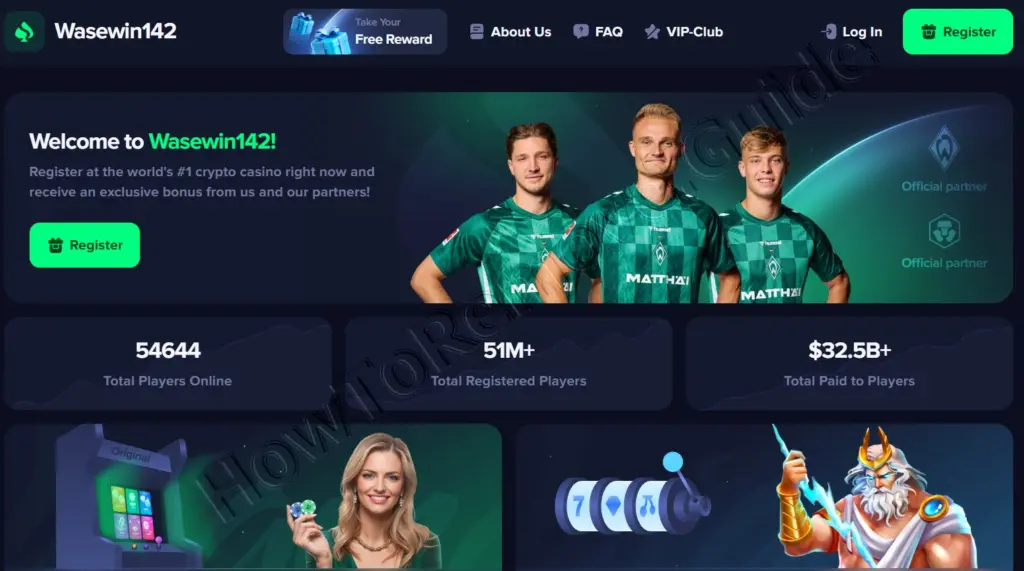

How the Wasewin142 Scam Deception Funnel Works
Think of Wasewin142 as a sales system wearing a casino skin: it’s tuned to maximize deposits and minimize exits. The steps repeat across many clone sites, so learning the sequence helps you recognize what’s happening before you get pulled deeper into “just one more requirement.”
First comes the hook, then the trust-building, then the exit block – after that, the operator stalls until you give up or the domain changes.
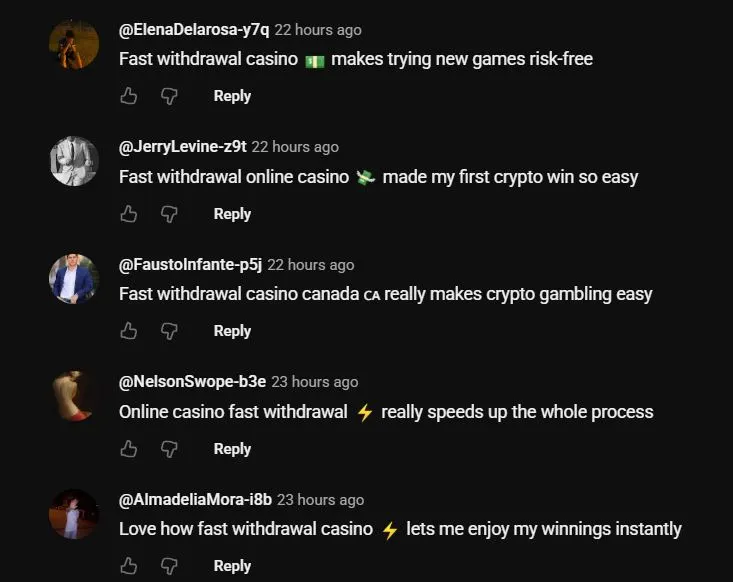
Promo hooks and influencer codes
Promo codes land via ads, comments, and DMs, often framed like a giveaway that “activates” special access and nudges quick deposits.
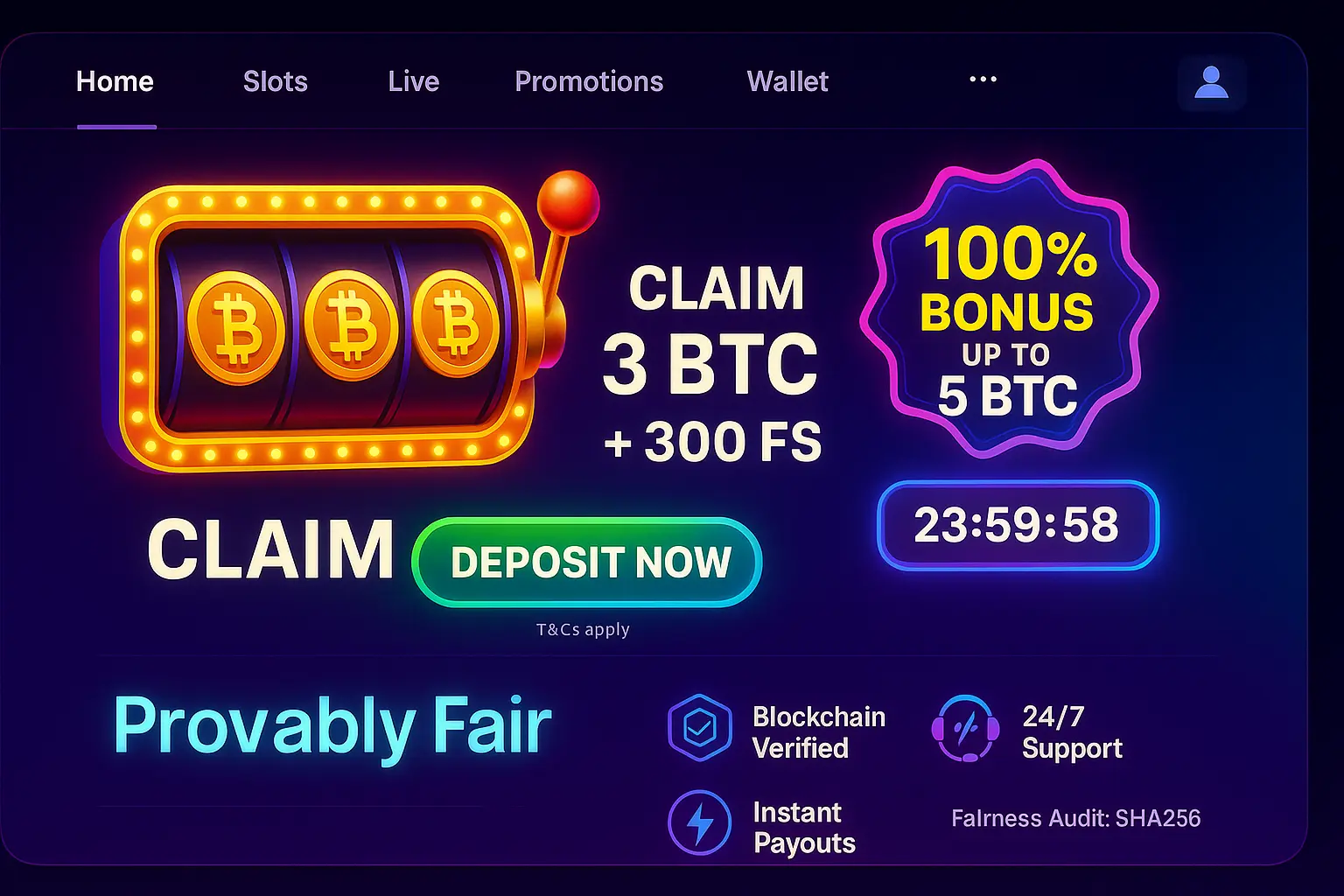
Casino skin and bonus theater
A slick front page, “fairness” buzzwords, and huge on-screen bonuses are used to substitute presentation for real, verifiable operator credibility.
Inflated balances, then the gate
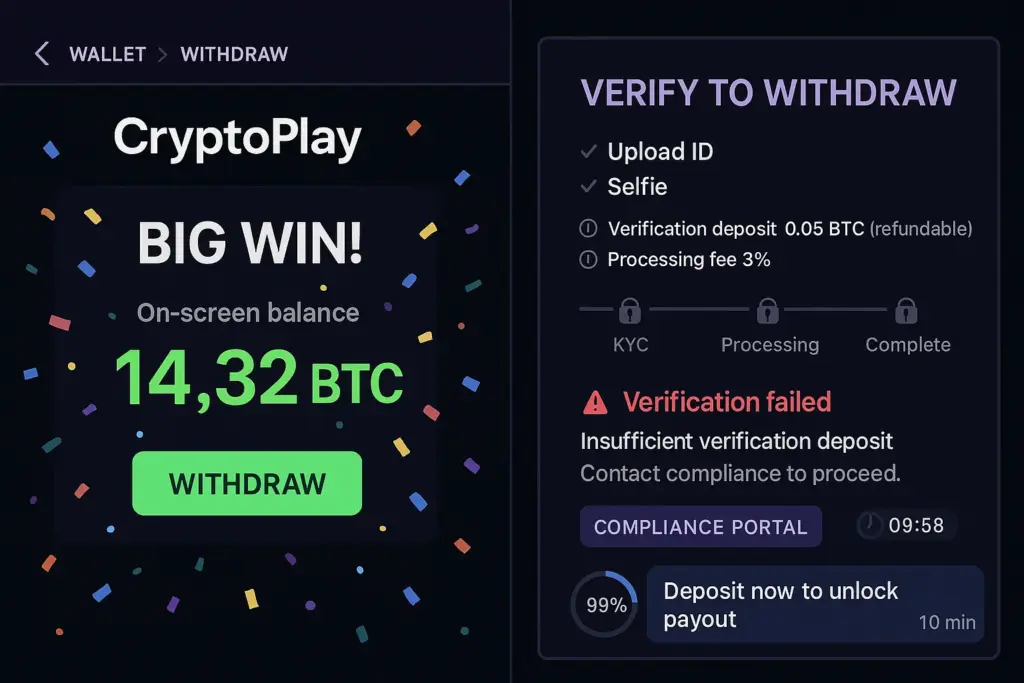
After a few rounds, the balance can jump quickly, and the site may claim you must reach a minimum threshold or “complete steps” before withdrawals are allowed.
Fee-gates and KYC harvest
Once you click withdraw, you can be hit with a “required” extra transfer and a sudden request for documents, turning the cashout attempt into a money-and-data extraction moment.

Stalling, rebrands, and “recovery” bait
Eventually the replies drift into “manual review” and endless delays, and the site may vanish or redirect while a near-identical clone pops up under a new domain.
Staying safe from crypto casino scams like Wasewin142
Defense is mostly boring hygiene applied consistently. The goal is to verify operators outside their own website, limit wallet exposure, and refuse any “extra payment” logic at withdrawal. Treat every unknown crypto casino as untrusted until it proves otherwise in ways you can check.
Verify license status in official registers
Regulators list operators and license status; check the legal entity and domain there instead of trusting a logo pasted on a webpage.
Check domain age and history
WHOIS dates and registrant patterns can reveal “newborn” domains and frequent rebrands, which is common for clone-style scam casinos.
Reject withdrawal fees and “unlock” deposits
Any demand to send extra crypto to release a balance is the central trap; compliance typically leads to another “required” step.
Prefer venues with recourse
Pick venues with transparent ownership, clear dispute paths, and straightforward withdrawal rules; crypto-only fronts optimize irreversibility.
Limit wallet exposure
Use a sacrificial wallet and separate email for experiments, keep long-term funds elsewhere, and review approvals regularly so one bad site can’t spill into everything.
Validate “provably fair” claims
If “provably fair” is real, the site should explain exactly how to verify outcomes using public seeds/hashes; if it can’t, treat it as advertising.
Document and report rapidly
Save transaction hashes and wallet addresses, export chats, and report quickly; if funds touched an exchange, contacting it early may help – no promises, but delay never improves odds.
Build a deliberate slow-down reflex
Sleep on it: a short pause is often enough to notice missing licensing, hidden ownership, and exit conditions that only appear after you try to withdraw.
Useful Resources for Scam Reporting and Prevention (By Country)
The directory below lists official reporting channels. Pair any report with your evidence bundle (TxIDs, addresses, screenshots, chats) so investigators can connect your case to other complaints and infrastructure behind similar clone domains.
Click here to report the scam in your country
| Country / Agency | URL | Category / Use-case | Phone/Email |
| Australia – Crime Stoppers | https://www.crimestoppers.com.au | Anonymous tips about crime | 1800 333 000 |
| Australia – National Anti-Scam Center (Scamwatch) | https://www.scamwatch.gov.au/report-a-scam | General scams; phishing; texts/emails | |
| Australia – Police Assistance Line (non-emergency) | https://www.police.gov.au | Local police report | 131 444 |
| Australia – ReportCyber (ACSC) | https://www.cyber.gov.au/report | Cybercrime (hacks, fraud, extortion) | |
| Canada – Canadian Anti-Fraud Center (CAFC) | https://www.antifraudcentre-centreantifraude.ca/report-signalez-eng.htm | General scams incl. phone/text/email | |
| France – DGCCRF (SignalConso) | https://signal.conso.gouv.fr | Consumer scams/deceptive practices | |
| France – PHAROS – Internet-Signalement | https://www.internet-signalement.gouv.fr | Online content & cybercrime reports | |
| Germany – Bundeskriminalamt / Local Police | https://www.polizei.de/Polizei/DE/Home/home_node.html | Report online fraud | |
| Germany – Weißer Ring – Victim Support | https://weisser-ring.de | Victim support | 116 006 |
| India – DoT Helpline (Sanchar Saathi) | https://sancharsaathi.gov.in | Fraudulent telecom/SIM related | 155260 |
| India – National Consumer Helpline | https://consumerhelpline.gov.in | Consumer scams | 1800-11-4000 / 1915 |
| India – National Cyber Crime Reporting Portal | https://cybercrime.gov.in | Cybercrime incl. online fraud | 1930 |
| Japan – Consumer Affairs Agency (CAA) | https://www.caa.go.jp/policies/policy/consumer_policy/caution/cybercrime/ | Consumer scams | |
| Japan – National Police Agency – Cybercrime | https://www.npa.go.jp/bureau/cyber/ | Cybercrime reporting | |
| Mexico – Guardia Nacional (National Guard) | https://www.gob.mx/gn | Cybercrime reporting | |
| Mexico – Instituto Federal de Telecomunicaciones (IFT) | https://www.ift.org.mx | Telecom/online services scams | |
| Mexico – PROFECO | https://www.gob.mx/profeco | Consumer fraud & ecommerce | |
| Netherlands – AFM – Report investment fraud | https://www.afm.nl/en/consumenten/themas/beleggen/misleiding-misbruik | Investment/crypto | |
| Netherlands – Fraudehelpdesk | https://www.fraudehelpdesk.nl/melden | General scams (incl. phishing/SMS) | 088-7867372 |
| Netherlands – Politie – Meldpunt Internetoplichting | https://www.politie.nl/themas/internetoplichting.html | Online shopping fraud | |
| New Zealand – CERT NZ | https://www.cert.govt.nz/individuals/report-an-issue/ | Phishing, identity scams | |
| New Zealand – Department of Internal Affairs – Spam | https://www.dia.govt.nz/Spam-Contact-Us | Email/SMS spam | [email protected] |
| New Zealand – IDCARE | https://www.idcare.org | Victim support (identity compromise) | 0800 121 068 |
| New Zealand – Netsafe – Report | https://www.netsafe.org.nz/report/ | Online harms & scams | |
| New Zealand – New Zealand Police (non-emergency) | https://www.police.govt.nz/use-105 | Report fraud/online crime | 105 |
| Nigeria – Economic & Financial Crimes Commission (EFCC) | https://www.efcc.gov.ng | Financial scams incl. crypto/investment | [email protected] |
| Nigeria – Nigeria Police Special Fraud Unit (SFU) | https://www.specialfraudunit.org.ng | Serious fraud | Voice/SMS: 0708 227 6895; WhatsApp: 0812 760 9914 |
| Poland – CERT Polska (CERT.PL) | https://cert.pl/en/report/ | Cyber incidents & phishing | |
| Poland – Dyzurnet.pl | https://dyzurnet.pl | Illegal online content (esp. child protection) | |
| Poland – Polish Police (Policja) | https://www.policja.pl | Report scams to police | |
| Singapore – Anti-Scam Centre / Anti-Scam Helpline | https://www.scamalert.sg | General scams; texts; calls | 1800-722-6688 |
| Singapore – Monetary Authority of Singapore (MAS) | https://www.mas.gov.sg/investor-alert-list | Investment/crypto checks | |
| Singapore – Singapore Police Force | https://www.police.gov.sg/iwitness | Police report (cybercrime) | |
| South Africa – Cybersecurity Hub (CSIRT) | https://www.cybersecurityhub.gov.za | Cyber incidents incl. scams | |
| South Africa – South African Fraud Prevention Service (SAFPS) | https://www.safps.org.za | Identity fraud support | 011-867-2234 |
| South Africa – South African Police Service (SAPS) | https://www.saps.gov.za | Police report (cybercrime unit) | |
| South Korea – Korea Communications Commission (KCC) | https://www.kcc.go.kr | Telecom-related fraud | |
| South Korea – Korea Internet & Security Agency (KISA) | https://www.kisa.or.kr | Phishing, online harms | |
| South Korea – Korean National Police Agency – Cyber Bureau | https://ecrm.cyber.go.kr | Cybercrime reporting | |
| Spain – INCIBE – Oficina de Seguridad del Internauta (OSI) | https://www.osi.es/es/reporte | Cybersecurity & online fraud | |
| Spain – Policía Nacional / Guardia Civil | https://www.policia.es | Report scams to police | |
| Sweden – Crime Victim Authority (Brottsoffermyndigheten) | https://www.brottsoffermyndigheten.se | Victim support & compensation | 090–70 82 00 |
| Sweden – Polisen (Swedish Police) | https://polisen.se | Report fraud/cybercrime | 114 14 (non-emergency); 112 (emergency) |
| Sweden – Swedish Consumer Agency (Konsumentverket) | https://www.konsumentverket.se | Unfair business practices | |
| United Arab Emirates – Abu Dhabi Police – Aman Service | https://www.adpolice.gov.ae | Cybercrime tips/reporting | SMS 2828; 800 2626 |
| United Arab Emirates – Dubai Police – eCrime | https://www.dubaipolice.gov.ae | Cybercrime reporting | 04 606 1600 |
| United Arab Emirates – Ministry of Interior – Cyber Crime Dept. | https://www.moi.gov.ae | Cybercrime incl. online scams | |
| United Arab Emirates – Telecommunications Regulatory Authority (TRA) / TDRA | https://www.tra.gov.ae | Telecom-related scams/phishing | |
| United Kingdom – Action Fraud (NFIB) | https://www.actionfraud.police.uk | General scams & cybercrime (non-emergency) | 0300 123 2040 |
| United Kingdom – Citizens Advice Consumer Service | https://www.citizensadvice.org.uk/consumer/get-more-help/if-you-need-more-help-about-a-consumer-issue/ | Consumer problems & scam guidance | 0808 223 1133 |
| United Kingdom – Financial Conduct Authority (FCA) | https://www.fca.org.uk/consumers/report-scam-us | Investment/crypto & financial services | |
| United Kingdom – National Cyber Security Centre (NCSC) | https://www.ncsc.gov.uk/collection/phishing-scams | Phishing emails & suspicious websites | |
| United Kingdom – Stop Scams UK ‘159’ | https://stopscamsuk.org.uk/159 | Banking APP fraud (direct to your bank) | 159 |
| United States – AARP Fraud Watch Network Helpline | https://www.aarp.org/money/scams-fraud/ | Victim support | 833-372-8311 |
| United States – Better Business Bureau – Scam Tracker | https://www.bbb.org/scamtracker | Business/marketplace scams | |
| United States – FBI Internet Crime Complaint Center (IC3) | https://www.ic3.gov | Internet crime incl. investment/crypto | |
| United States – Federal Trade Commission – ReportFraud | https://reportfraud.ftc.gov | General scams, phishing, texts/emails | 1-877-382-4357 |
| United States – National Center for Disaster Fraud | https://www.justice.gov/disaster-fraud | Disaster-related scams | (866) 720-5721 |
| United States – SEC Tips & Complaints | https://www.sec.gov/tcr | Investment & securities/crypto-asset offerings |
