

If your system has started throwing scary “Norton” or “McAfee” alerts (even though you never installed them), or if every online search suddenly detours to shady pages, don’t be too quick to panic and assume that your system is under a serious malware attack.
As scary as these symptoms seem, they are most often caused by something like Threatcleaner.info – a browser hijacker that primarily seeks to generate ad revenue.
Hijackers like it, and others like Nextgeeker.com and Kb-ribaki.org can sneak in through bundled installers, sketchy extensions, or by tricking you into clicking “Allow” on a fake CAPTCHA to grant notification permissions.
We tested that SpyHunter successfully removes Threatcleaner.info* and we recommend using it. It will block Threatcleaner.info from reinstalling itself and it will make sure your device is clean from any malware.
 Try Free For 7 Days*
Buy now15% OFF if you buy straight without trial.
 OFFER
OFFERIt’s really easy to get a hijacker attached to your browser, and once it’s in, it can change your homepage, enforce a new search engine, lock settings as “managed by your organization,” and spam you with pop-ups that can appear even when the browser is closed.
None of this is particularly dangerous on its own, but the real issue is that there’s zero control over what content the hijacker promotes, so you can easily be exposed to scams, phishing sites, and actual harmful malware.
For this reason, we strongly recommend deleting Threatcleaner.info from your PC by following the guide below or, better yet, by using SpyHunter 5 – a professional anti-malware tool attached here.
Threatcleaner.info Removal – Step-by-Step Guide
Use the steps in order and avoid jumping around, because one small change can reveal what caused the problem. This walkthrough is meant to stop Threatcleaner.info pop-ups, reduce repeat notifications, and put common defaults back in place – startup pages, search settings, and site permissions – without erasing browser preferences you still rely on.
Quick Actions to Stop Pop-ups and Notifications related to Threatcleaner.info
- 1.1Open your browser’s Extensions page and look for add-ons you never installed – especially anything connected to Threatcleaner.info (forpietist.com).
- 1.2Remove anything you didn’t choose. If an extension’s name, publisher, or permissions look out of place, uninstall it.
- 1.3Then open Privacy and Security settings and review Site Permissions. This controls which sites can send notifications or trigger pop-ups, and hijackers often misuse those approvals.
- 1.4Revoke permission for any sites you don’t recognize. After cleaning the list, restart your computer and open the browser again.
Sometimes that quick pass is enough to stop the alerts and return things to normal. If redirects continue, options reappear after reboot, or you still see “Managed by your organization,” keep going with the deeper cleanup because policy-based changes can survive a basic reset.
SUMMARY:
| Threat name | Threatcleaner.info |
| Category | Browser hijacker |
| Scanner |
We tested that SpyHunter successfully removes Threatcleaner.info* and we recommend downloading it. Manual removal may take hours, it can harm your system if you re not careful, and Threatcleaner.info may reinstall itself at the end if you don't delete its core files. |
How to Remove Threatcleaner.info in Windows
When a browser shows “Managed by your organization,” Windows policies are forcing certain settings behind the scenes, so a normal reset can leave the lock in place. The steps below help you find the exact entries that reapply changes after you fix them, which is why Threatcleaner.info can seem to return after a restart.
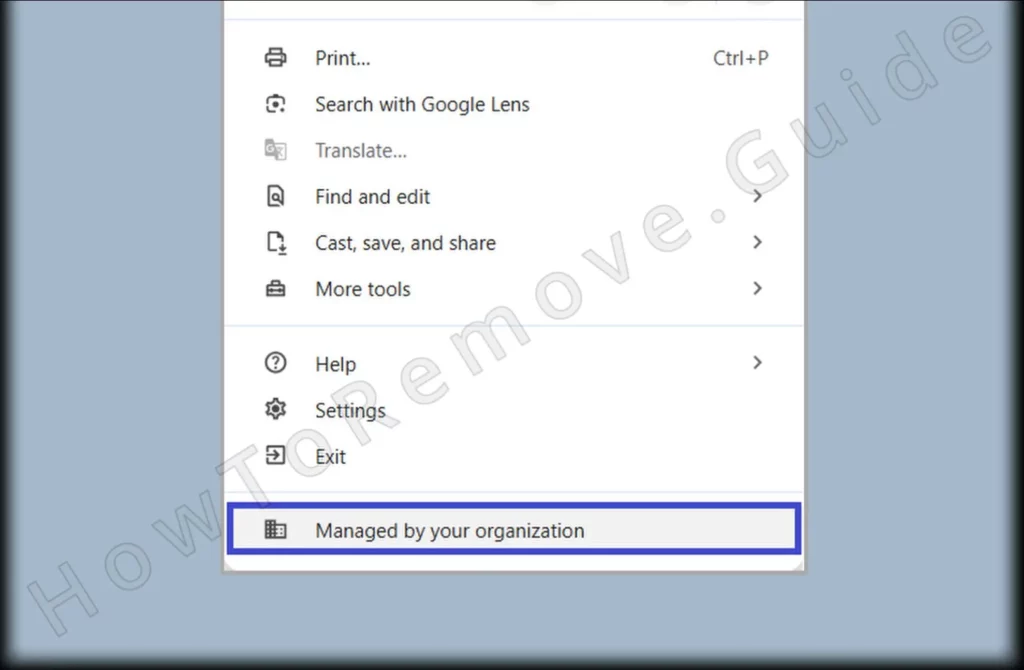
1. Find Threatcleaner.info Forced Browser Policy Settings
-
1.1
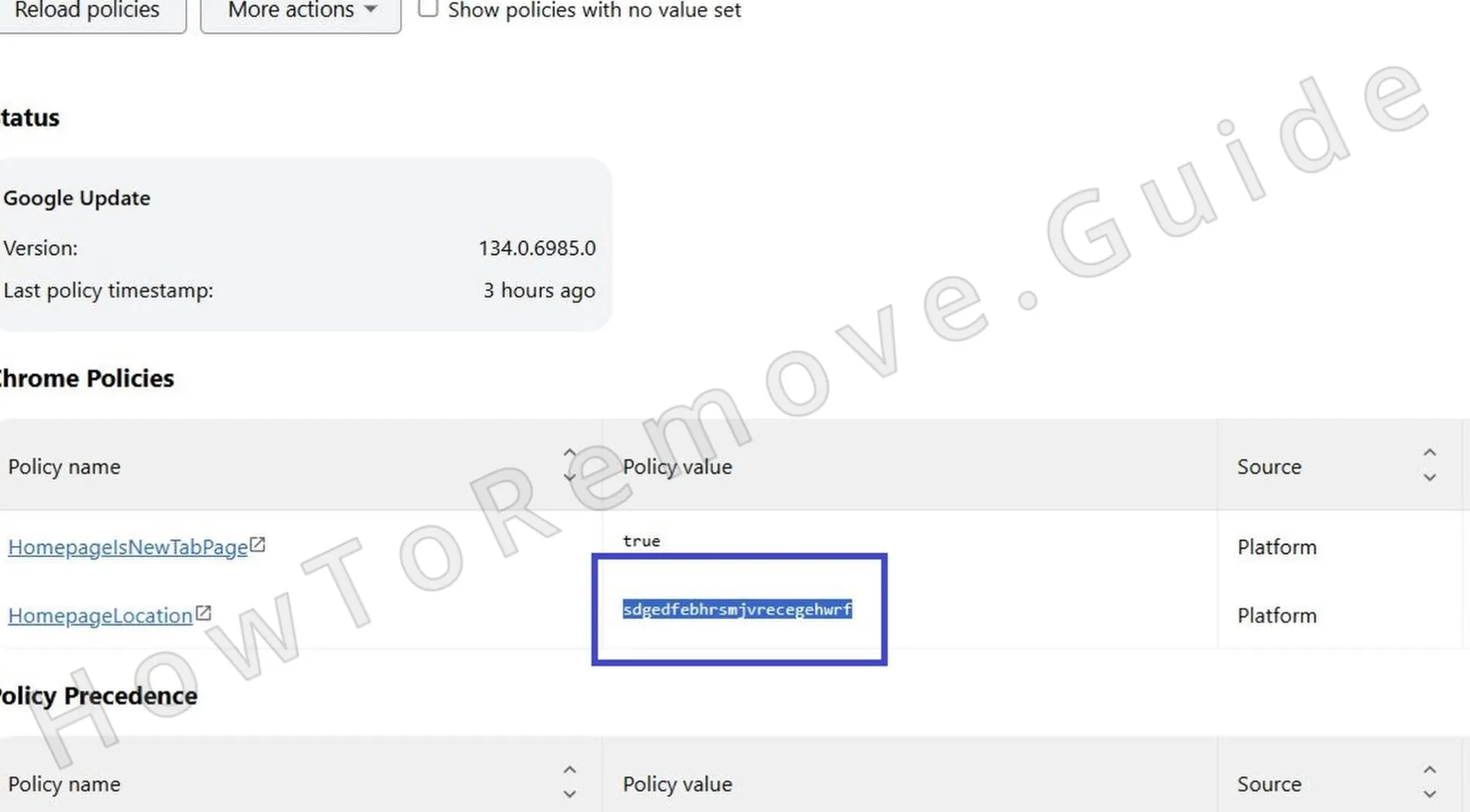 To see whether Threatcleaner.info set policy rules, type
chrome://policyin Chrome’s address bar. In another Chromium-based browser, replace “chrome” with that browser’s name. - 1.2A list of enforced policies will appear. Pay attention to entries with random strings or odd letter patterns in the Value column, and copy those values for later searches.
- 1.3Go back to the Extensions page for another clue. Turn on Developer Mode, copy the IDs of anything suspicious, and keep them with the policy values you saved.
- 1.4If the Extensions page won’t open, remove extensions manually instead. Open File Explorer and go to:
C:\Users[Your Username]\AppData\Local\Google\Chrome\User Data\Default\Extensions - 1.5
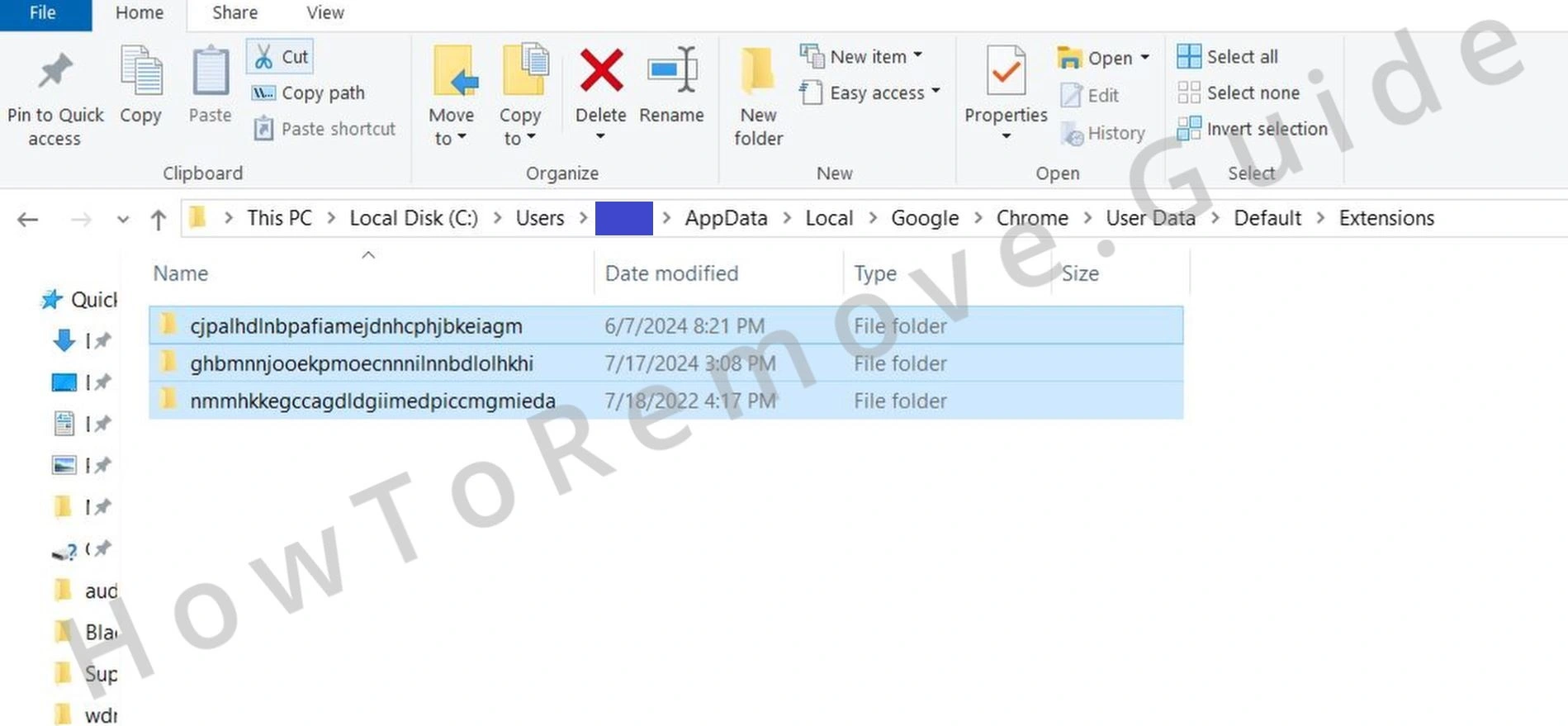 Delete everything inside this folder to wipe all installed extensions, including ones that return after removal. This can clear leftover pieces that keep forcing unwanted settings.
 - 1.6
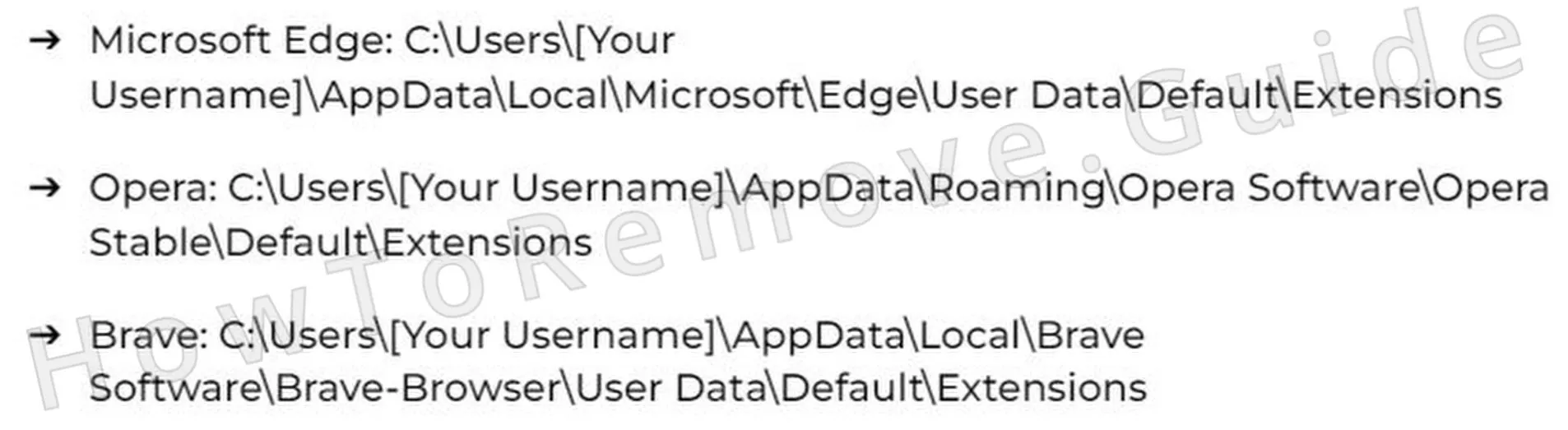 Other browsers store extensions in comparable folders:
 - 1.7When you’re done, return to your browser’s Extensions Manager page.
We tested that SpyHunter successfully removes Threatcleaner.info* and we recommend using it. It will block Threatcleaner.info from reinstalling itself and it will make sure your device is clean from any malware.
Try Free For 7 Days*
Buy now15% OFF if you buy straight without trial.
Clear Threatcleaner.info Policy Locks in Windows
Some “locked” browser controls are written into the Windows Registry, and careless edits can affect Windows or installed software. Only remove entries that clearly match the values you recorded earlier, and avoid deleting unrelated branches. This step targets the policy hooks that can restore settings after a reset, which is why Threatcleaner.info often persists.
2. Remove Threatcleaner.info Registry-Enforced Browser Policies
-
2.1To remove policy entries linked to Threatcleaner.info, open the Registry Editor by typing
regeditin the Start Menu and pressing Enter. - 2.2In the editor, use Edit > Find to search for the suspicious values you saved earlier. Delete matching entries carefully, then repeat the search until nothing is found. That loop matters – one remaining value can restore the policy.
- 2.3
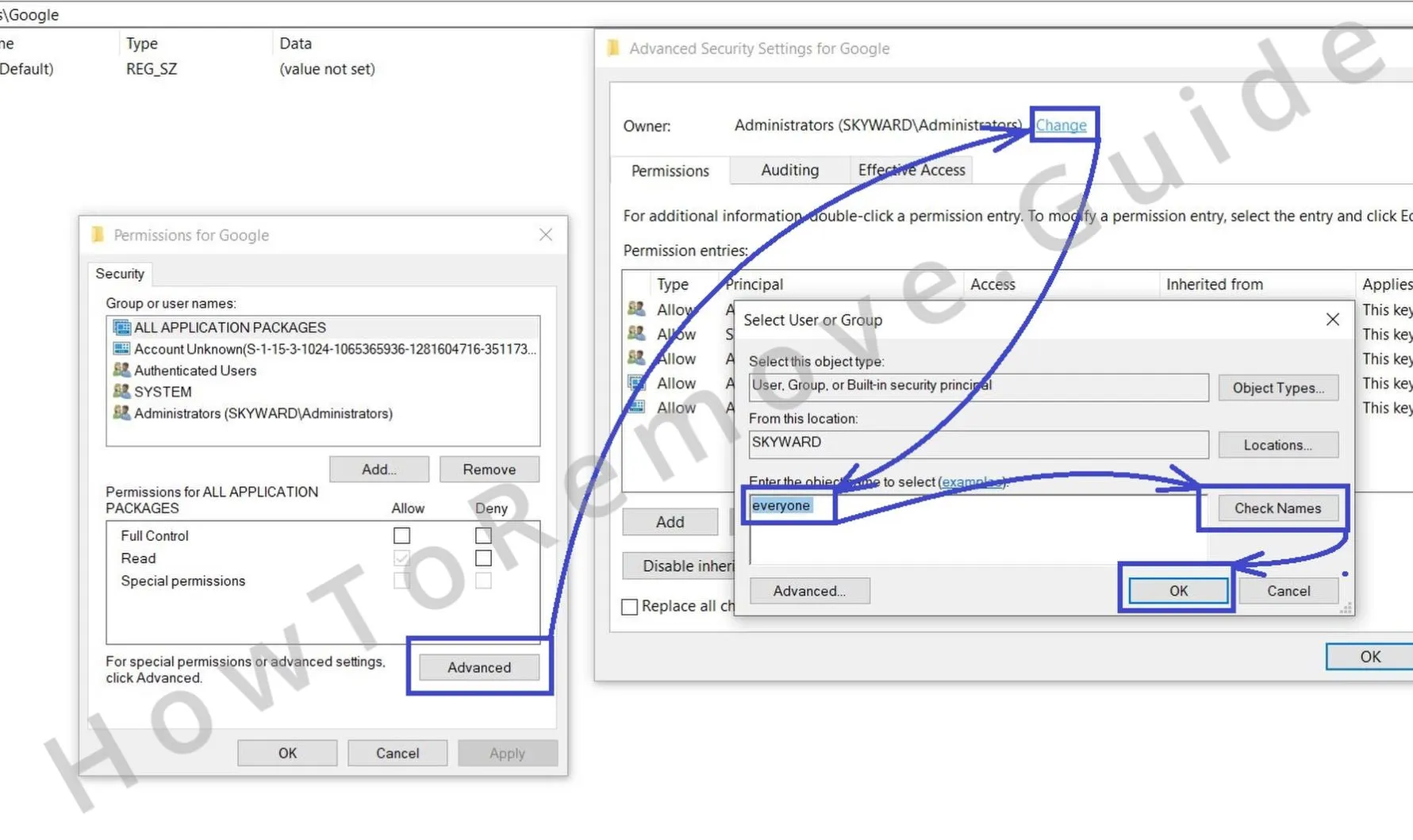 If a key won’t delete, change its permissions first. Right-click the key, choose Permissions > Advanced > Change, then grant access to “everyone.”
 - 2.4
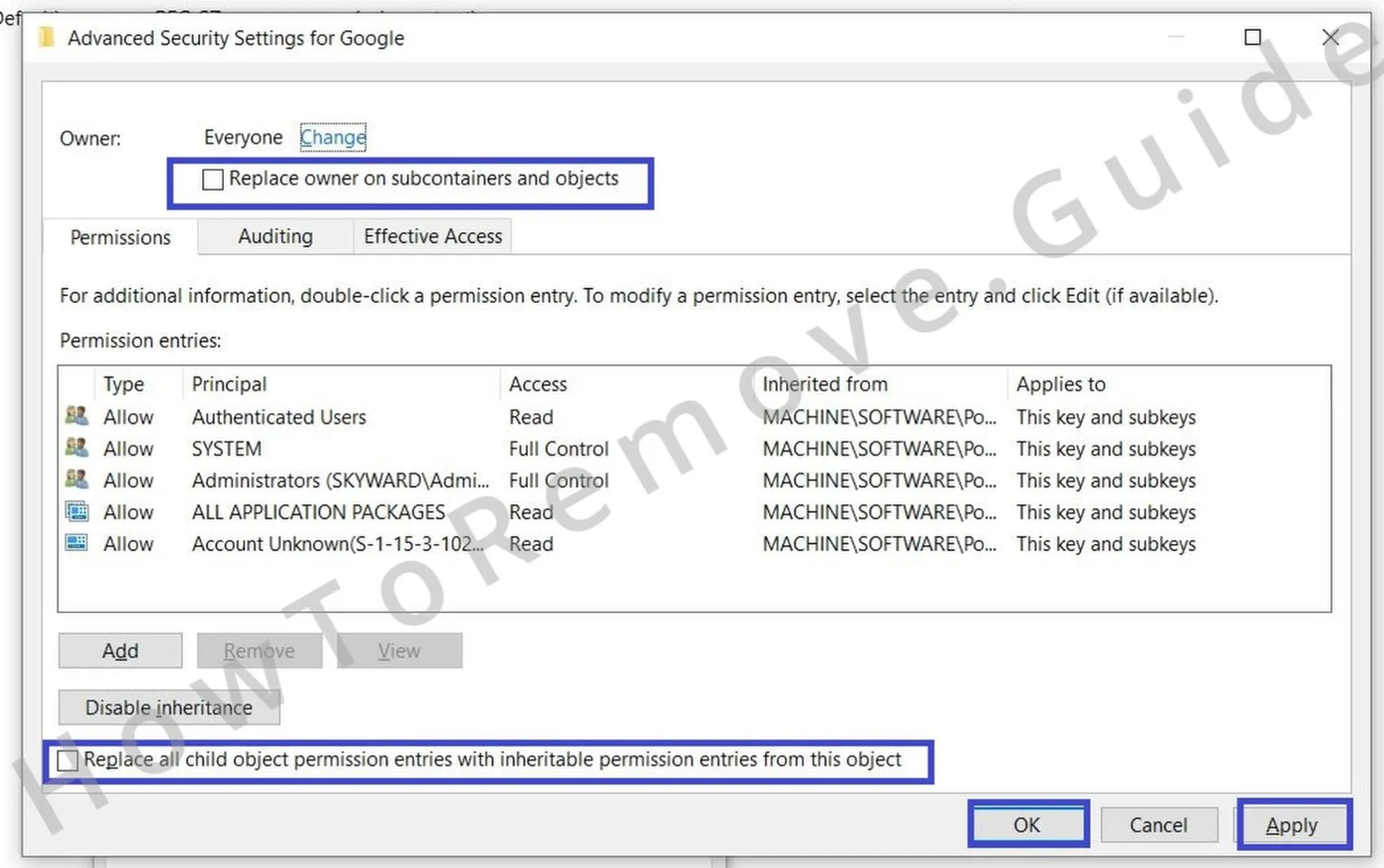 Back in the previous window, tick both “Replace…” options, then select Apply and OK.
That change should give you the access needed to delete the stubborn registry key.
Other Options for Removing Threatcleaner.info Browser Policies
If the same settings keep snapping back after a restart, another policy source may be restoring them in the background. The options below help clear those leftovers so the browser stops acting “managed” and your fixes actually stick. Keep Forpietist.com in mind while checking so you don’t miss the original trigger.
3. Additional Ways to Clear Threatcleaner.info Browser Policies
- 3.1
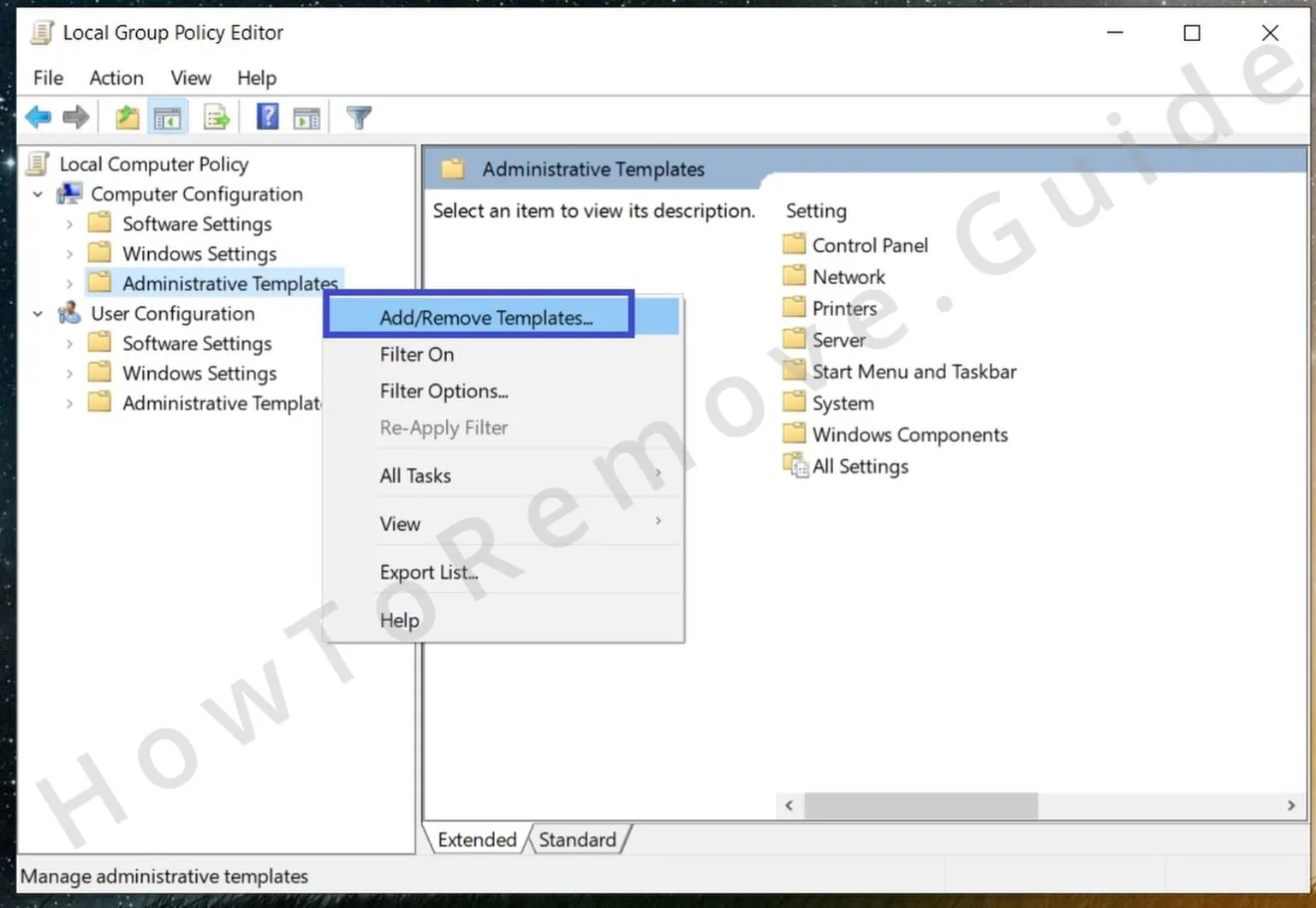 If policy changes keep coming back, open the Group Policy Editor, a built-in tool for system rules that can affect browsers. Search your Start Menu for “edit group policy”, open it, then go to Administrative Templates to check for entries tied to Forpietist.com.
 - 3.2
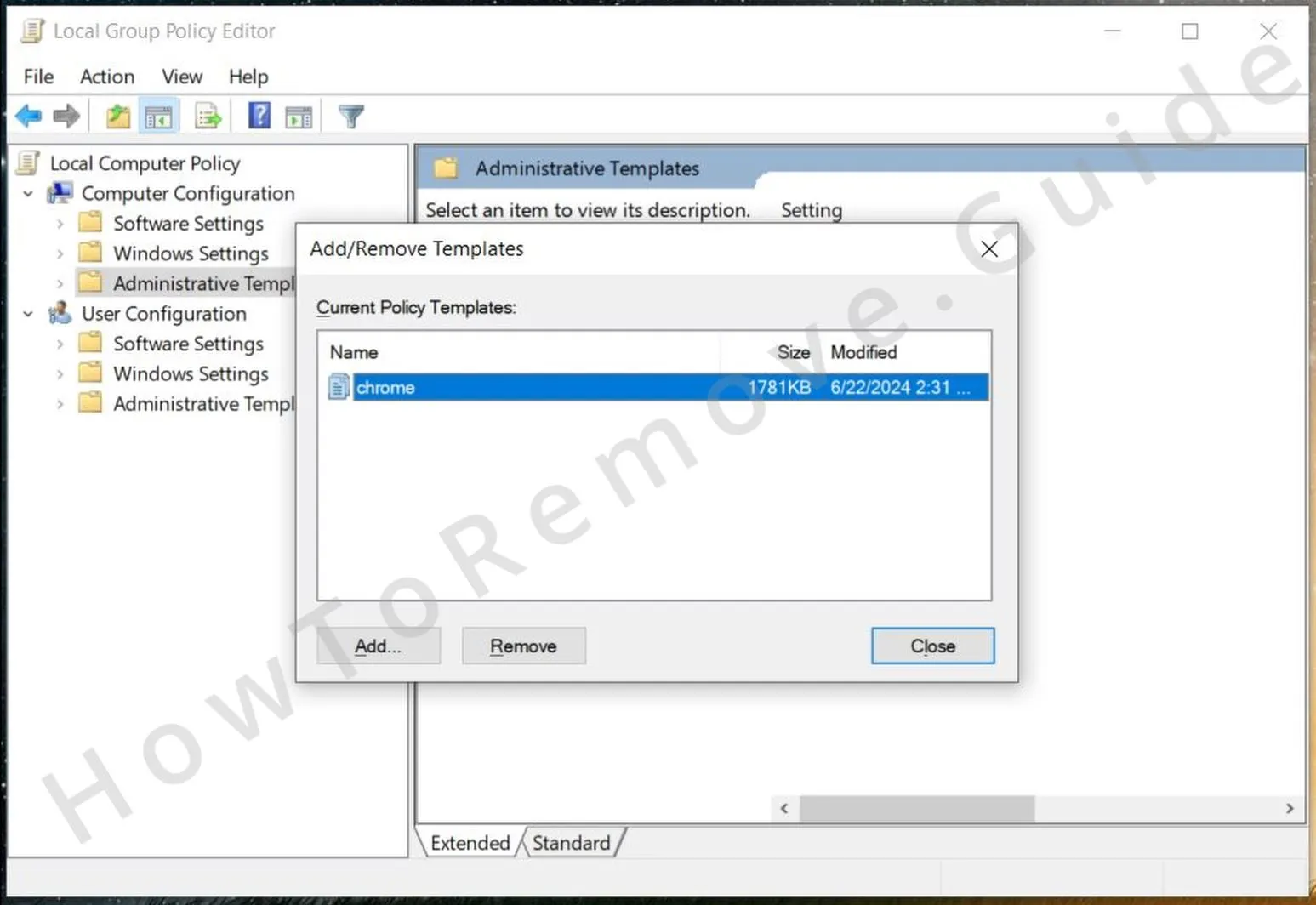 Right-click Administrative Templates and choose Add/Remove Templates. In the next window, remove any templates listed there.
 - 3.3Chrome users can also use Chrome Policy Remover. Download it from the linked page.
- 3.4After it downloads, run it as administrator. If Windows shows a warning, choose More Info > Run Anyway, then let the tool finish.
Remove Threatcleaner.info Changes From Chrome, Edge, and Other Browsers
Browser profiles and sync can reapply changed settings after you switch profiles or sign back in, even when the issue seemed fixed. Review defaults and permissions in every profile you use so the same pop-ups don’t return later. Do these checks per browser and profile after removing Forpietist.com so startup pages, search options, and site permissions stay stable.
4. Restore Browser Settings and Remove Threatcleaner.info Unwanted Changes
- 4.1First, uninstall any extensions linked to Forpietist.com from your browser. At this point, the Remove option should be available.
- 4.2
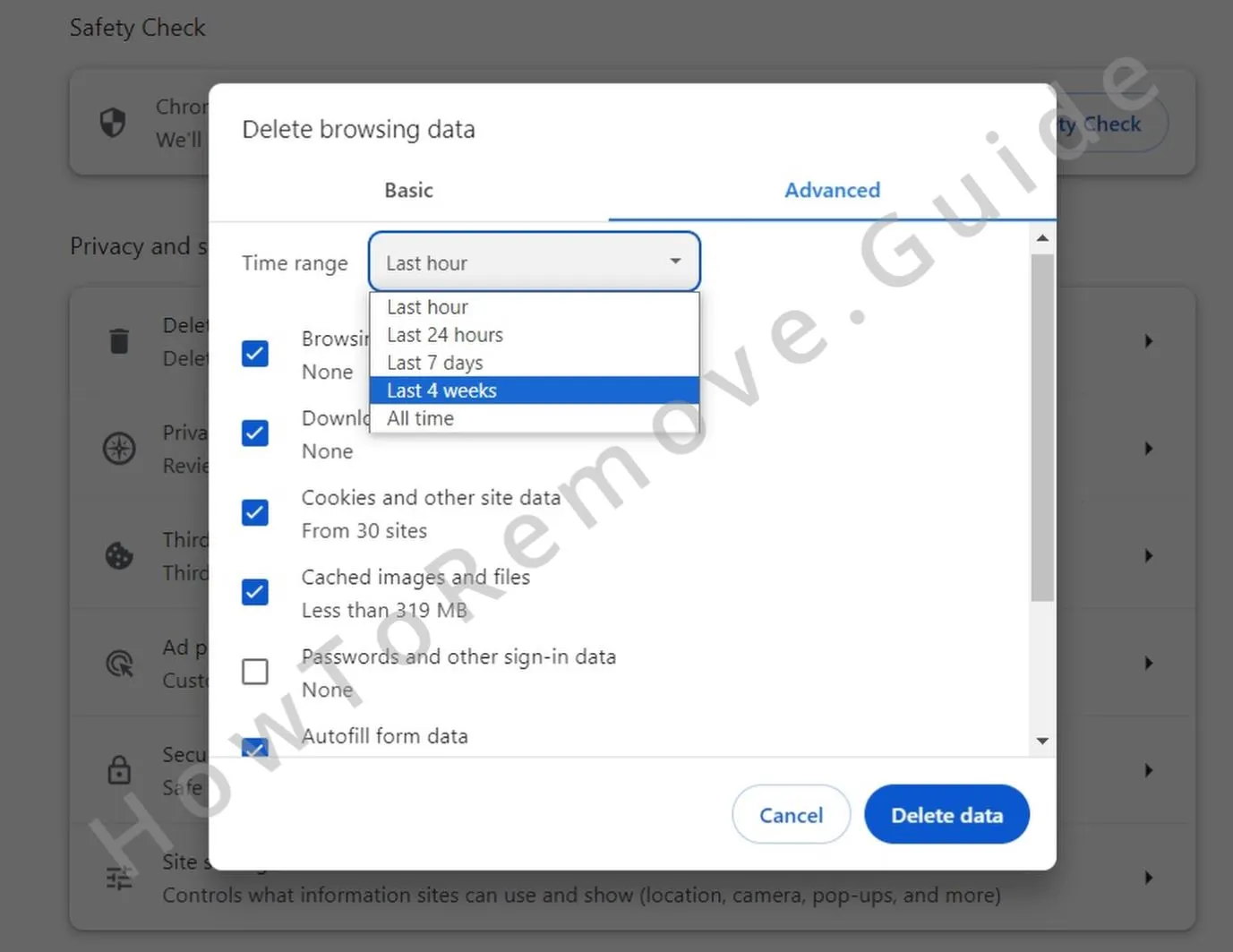 Next, clear your browsing data. Cookies and cached files can keep traces of the unwanted behavior. When clearing data, choose the “All Time” range so nothing is left behind.
 - 4.3
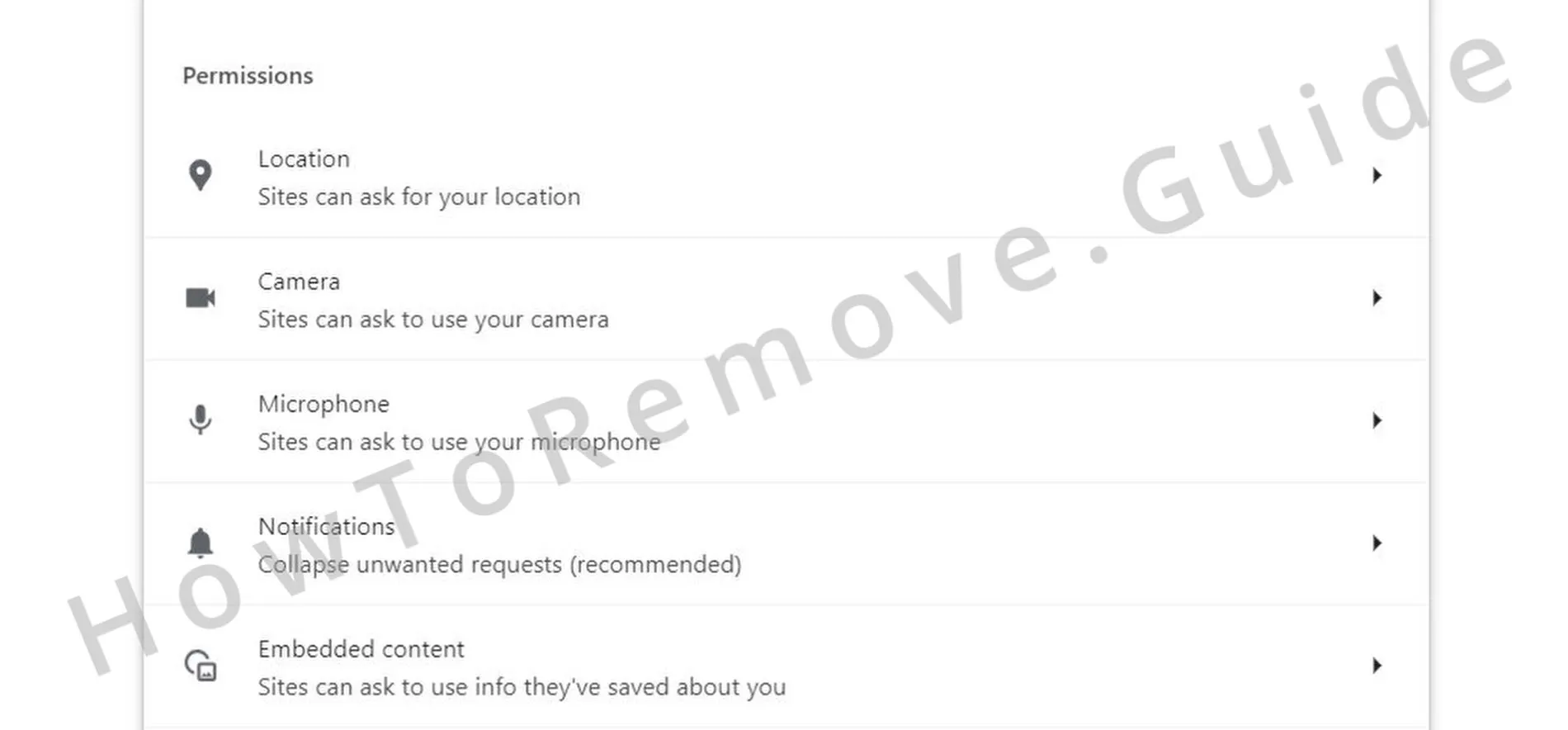 After that, open Privacy and Security and review Site Permissions. Make sure no unknown sites still have permission for notifications or redirects.
 - 4.4
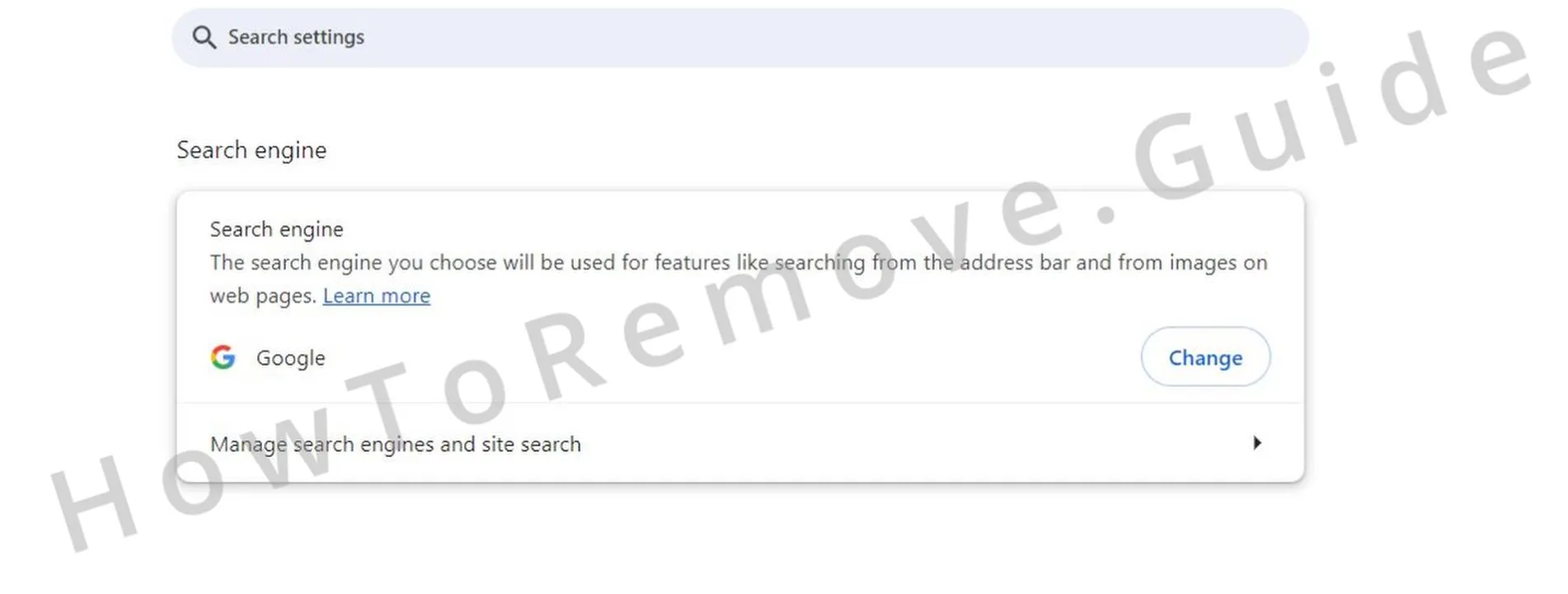 Check your search engine settings too. If an unfamiliar provider is selected, switch back to a normal option like Google or Bing.
 - 4.5Finally, review the On Startup and Appearance sections for unknown URLs and remove them. When you finish, the browser should open normally again.
