

STATUS_STACK_BUFFER_OVERRUN or Aw,Snap! is a Windows crash warning that appears when a program stops itself after detecting a serious internal error. Although the name sounds highly technical, many users encounter it in ordinary situations, such as Chrome, Edge, Brave, or another app closing while loading videos or media-heavy pages.
In many cases, this message does not automatically mean the computer is infected. It can happen because of a damaged browser profile, a faulty update, graphics-related instability, extension conflicts, or compatibility settings that no longer fit the current version of the program.
That said, repeated crashes should not be ignored, especially when they affect several unrelated apps or begin after installing unknown software. A bad browser extension, adware component, or other unwanted program can interfere with normal app behavior and make these errors appear more often.
We tested that SpyHunter successfully removes STATUS_STACK_BUFFER_OVERRUN* and we recommend using it. It will block STATUS_STACK_BUFFER_OVERRUN from reinstalling itself and it will make sure your device is clean from any malware.
 Try Free For 7 Days*
Buy now15% OFF if you buy straight without trial.
 OFFER
OFFERThis guide explains what the error means, what warning signs to look for, and how to respond safely. If the manual cleanup process feels difficult, using a trusted antivirus tool such as SpyHunter 5 can help detect and remove malware, adware, and unwanted programs.
STATUS_STACK_BUFFER_OVERRUN Removal Tutorial
Follow the quick section first. It addresses the most common browser-level changes connected with STATUS_STACK_BUFFER_OVERRUN and may restore normal behavior without deeper work. If the same settings come back or the browser remains locked, move on to the full removal guide.
Quick Manual Removal for STATUS_STACK_BUFFER_OVERRUN – Try This First
- 1.1Start by going to the Extensions of your browser and looking for sketchy, unfamiliar names.
- 1.2If you see something unfamiliar it’s best to get rid of it. Trust your instincts here. If something feels off, delete it.
- 1.3Next, head over to Privacy and Security settings and focus on Site Permissions. This area controls who gets to show pop-ups or send you notifications, and rogue sites thrive on these permissions.
- 1.4Revoke access for any sites you don’t recognize or trust. Once you’ve tidied up these settings, restart your computer and reopen your browser.
A successful quick pass should leave the browser stable after reopening it. If STATUS_STACK_BUFFER_OVERRUN continues to alter search, startup, or permission settings, the issue probably extends beyond the visible browser menu and needs the manual policy steps.
SUMMARY:
| Name | STATUS_STACK_BUFFER_OVERRUN |
| Type | Browser Hijacker |
| Detection Tool |
Some threats reinstall themselves if you don’t delete their core files. We recommend downloading SpyHunter to remove harmful programs for you. This may save you hours and ensure you don’t harm your system by deleting the wrong files. |
How to Remove the STATUS_STACK_BUFFER_OVERRUN Virus
The full process starts with SpyHunter 5 because it may remove the components behind STATUS_STACK_BUFFER_OVERRUN before you edit policy or Registry data yourself. Although this step is optional, it is strongly recommended because it can simplify the rest of the cleanup or make it unnecessary.
Fastest Removal Option: Use SpyHunter 5
- 1.1Click here to download and install the anti-malware tool on your PC.
- 1.2
 Start SpyHunter 5, click the Buy button and choose between starting your 7-days free trial or directly purchasing the tool.
If you choose to buy SpyHunter 5 now, you can use our discount code, “HTRG15“, for 15% off.
- 1.3
 Once you activate SpyHunter, click Start Scan Now, select the Full Scan option, and let the tool do its job.
 - 1.4
 Once the scan completes (it could take a while, so have patience), you’ll see all malware and other undesirables listed.
Click Next to review the detections and then click Next again to delete all rogue items.
After SpyHunter 5 completes removal, check whether STATUS_STACK_BUFFER_OVERRUN still affects the browser. If redirects, changed settings, or locked menus remain, continue with the manual steps below and work through them in order.
Get Rid of STATUS_STACK_BUFFER_OVERRUN Policies: Phase 1
The manual cleanup begins by identifying the policy and extension data that may be keeping STATUS_STACK_BUFFER_OVERRUN active. These details help connect what you see in the browser with the entries you will later search for in Windows, so record them accurately.
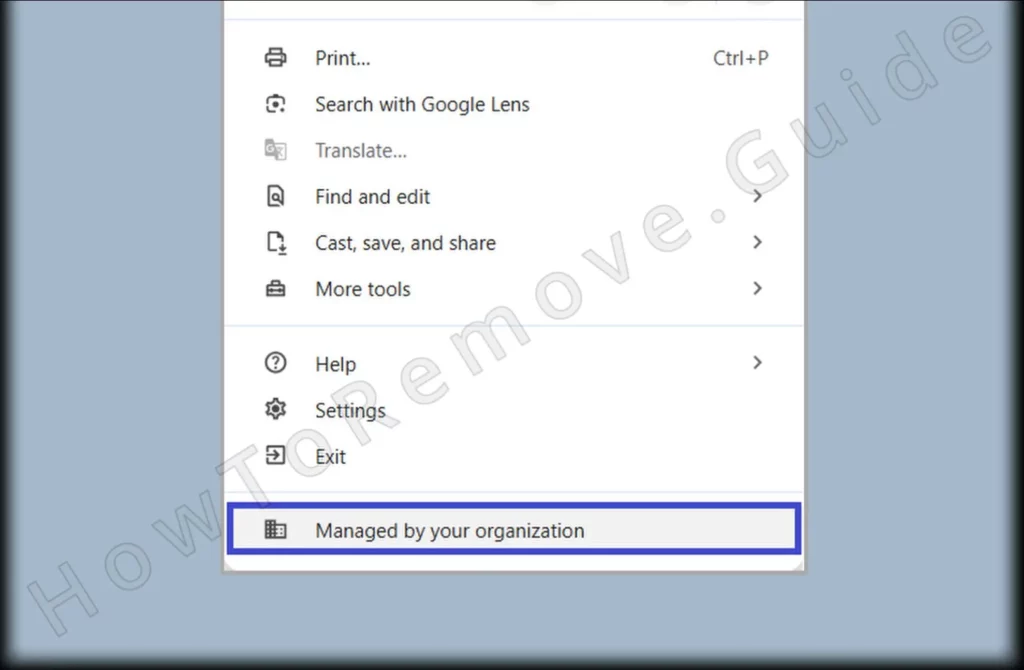
1. Identify the STATUS_STACK_BUFFER_OVERRUN Policies
-
1.1
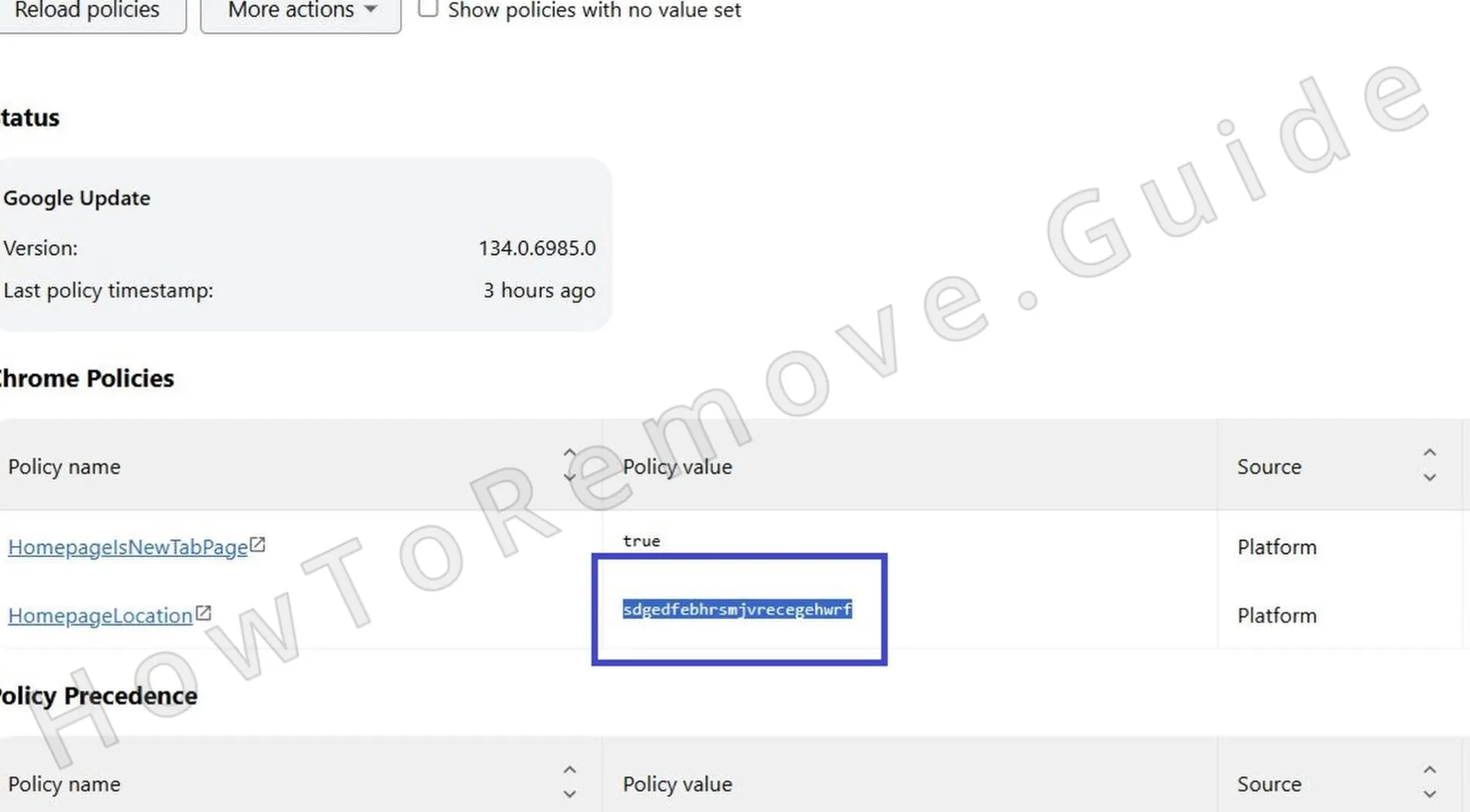 To confirm the presence of rogue policies, type
chrome://policyinto Chrome’s address bar. If you’re using another Chromium-based browser, just swap out “chrome” for the browser’s name. - 1.2You’ll find a list of active policies here. Anything that looks like random gibberish or strings of letters in the Value column should catch your eye. Jot these down because you’ll need them in a bit.
- 1.3While you’re at it, revisit the Extensions page to gather some more info about the hijacker policy. Turn on Developer Mode, copy the IDs of all suspicious or unwanted extensions installed by the hijacker, and save them next to the rogue policy values.
- 1.4If barriers prevent you from reaching the Extensions page, try this alternative method to manually clear out extensions. Open your file explorer and navigate to this directory:
C:\Users[Your Username]\AppData\Local\Google\Chrome\User Data\Default\Extensions - 1.5
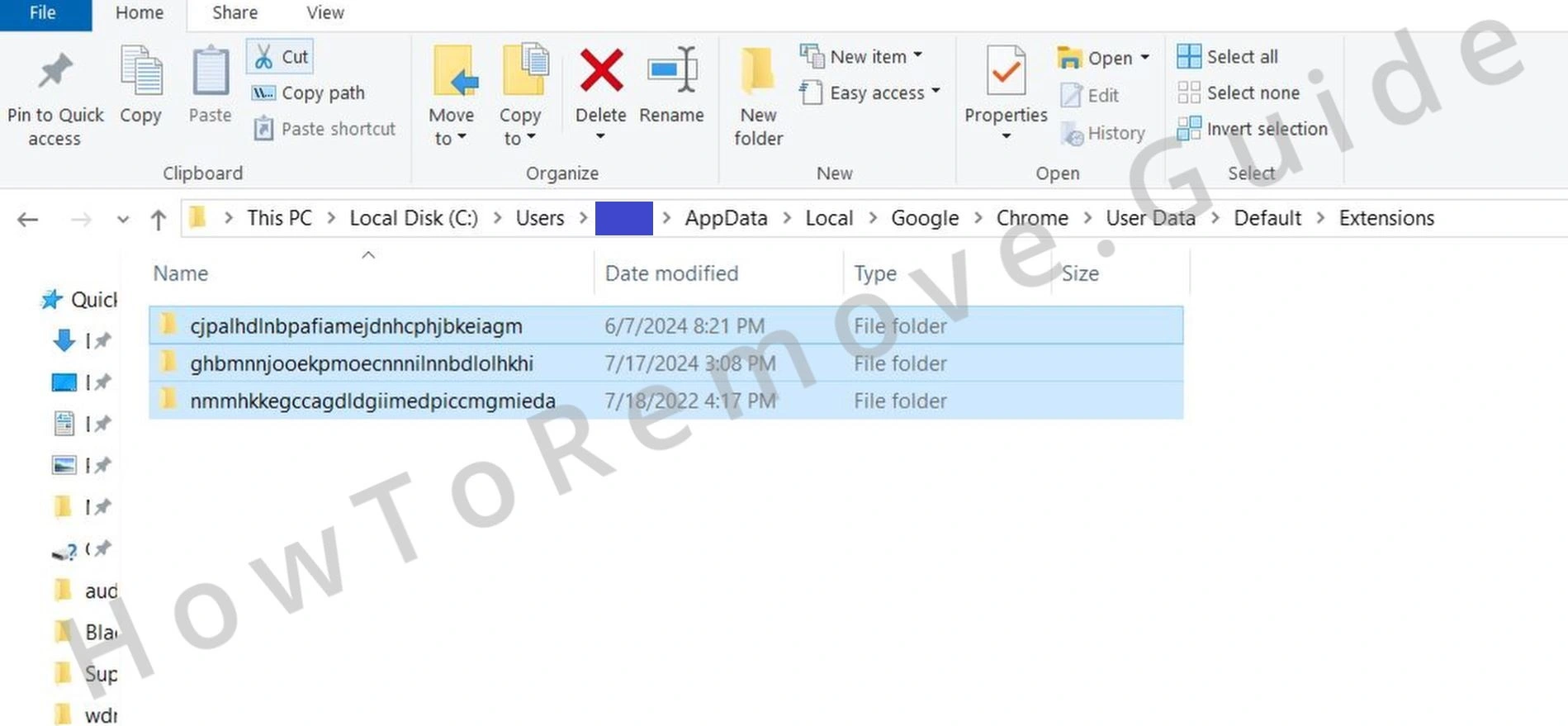 Erase everything within this folder to eliminate all installed extensions, ensuring no dangerous ones remain on your device. This action is vital for uprooting any hidden or persistent threats causing issues.
 - 1.6
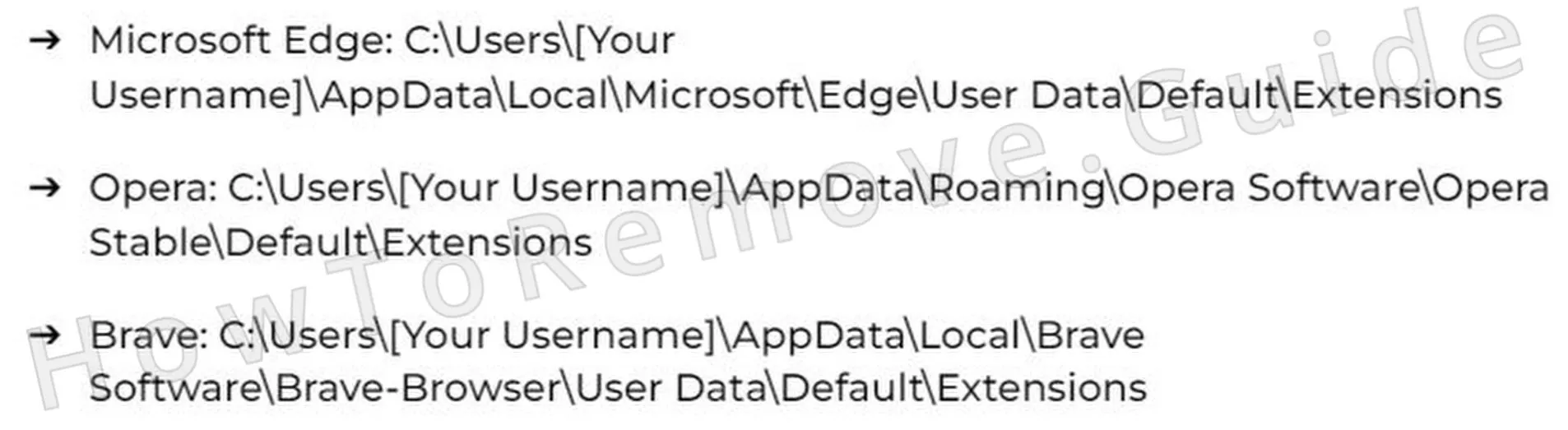 Other browsers have equivalent directories:
 - 1.7Now you can go back to the Extensions Manager page in your browser.
Get Rid of STATUS_STACK_BUFFER_OVERRUN Policies: Phase 2
In the Registry step, search for the policy values associated with STATUS_STACK_BUFFER_OVERRUN and remove only matching entries. Be precise, because the Registry is a sensitive Windows database. If you are unsure what to delete, use SpyHunter 5 rather than experimenting.
2. How to Delete STATUS_STACK_BUFFER_OVERRUN Policies Through the Registry
-
2.1To access the Registry Editor, simply type
regeditinto the Start Menu and hit Enter. - 2.2Once inside, use the Edit > Find option to search for the rogue values you noted earlier. Carefully delete each entry. Repeat this process a few times to ensure nothing gets missed. It’s like weeding a garden – you don’t want to leave any roots behind.
- 2.3
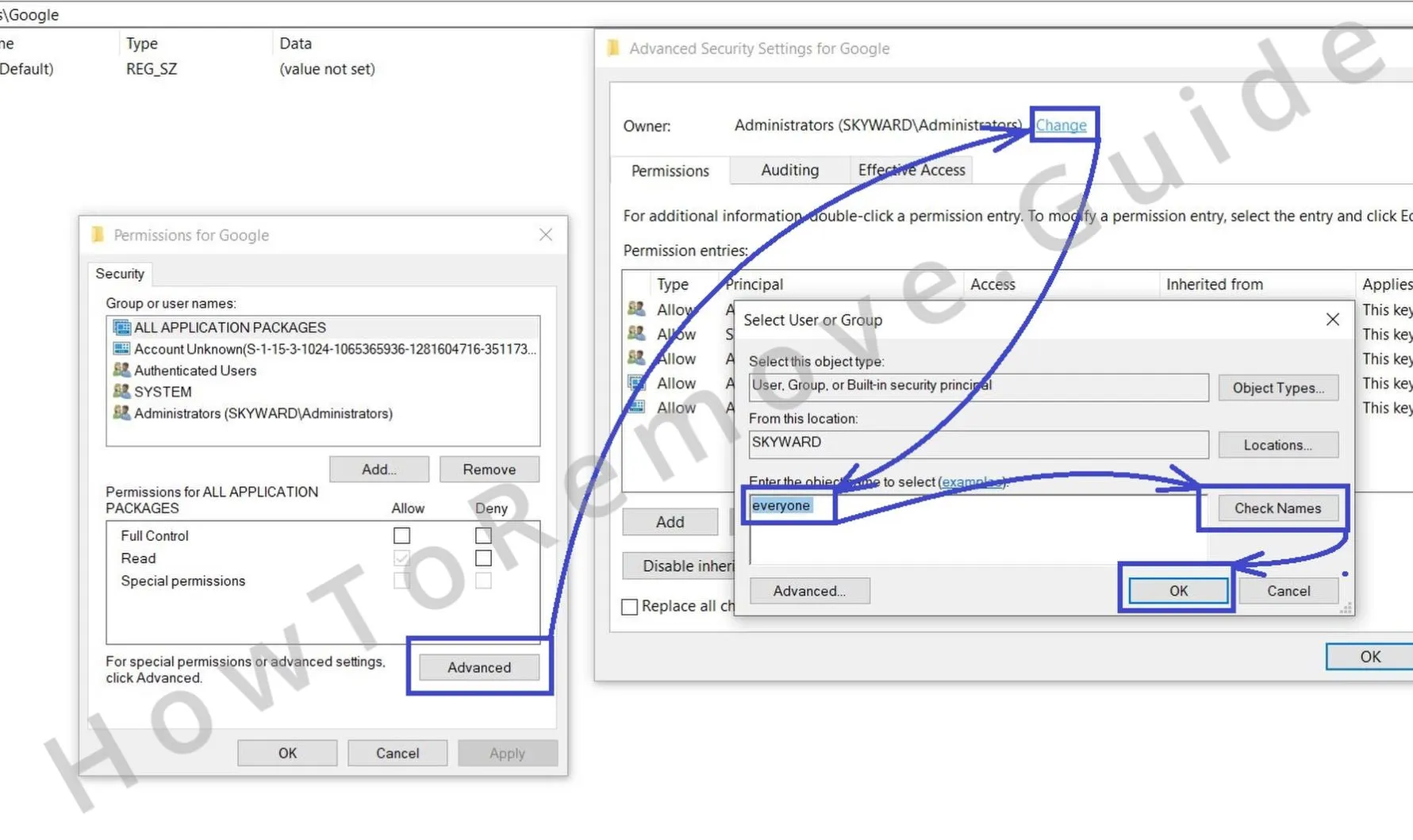 If you come across entries that refuse to budge, you can adjust permissions. Right-click the problematic key, select Permissions > Advanced > Change, and grant access to “everyone.”
 - 2.4
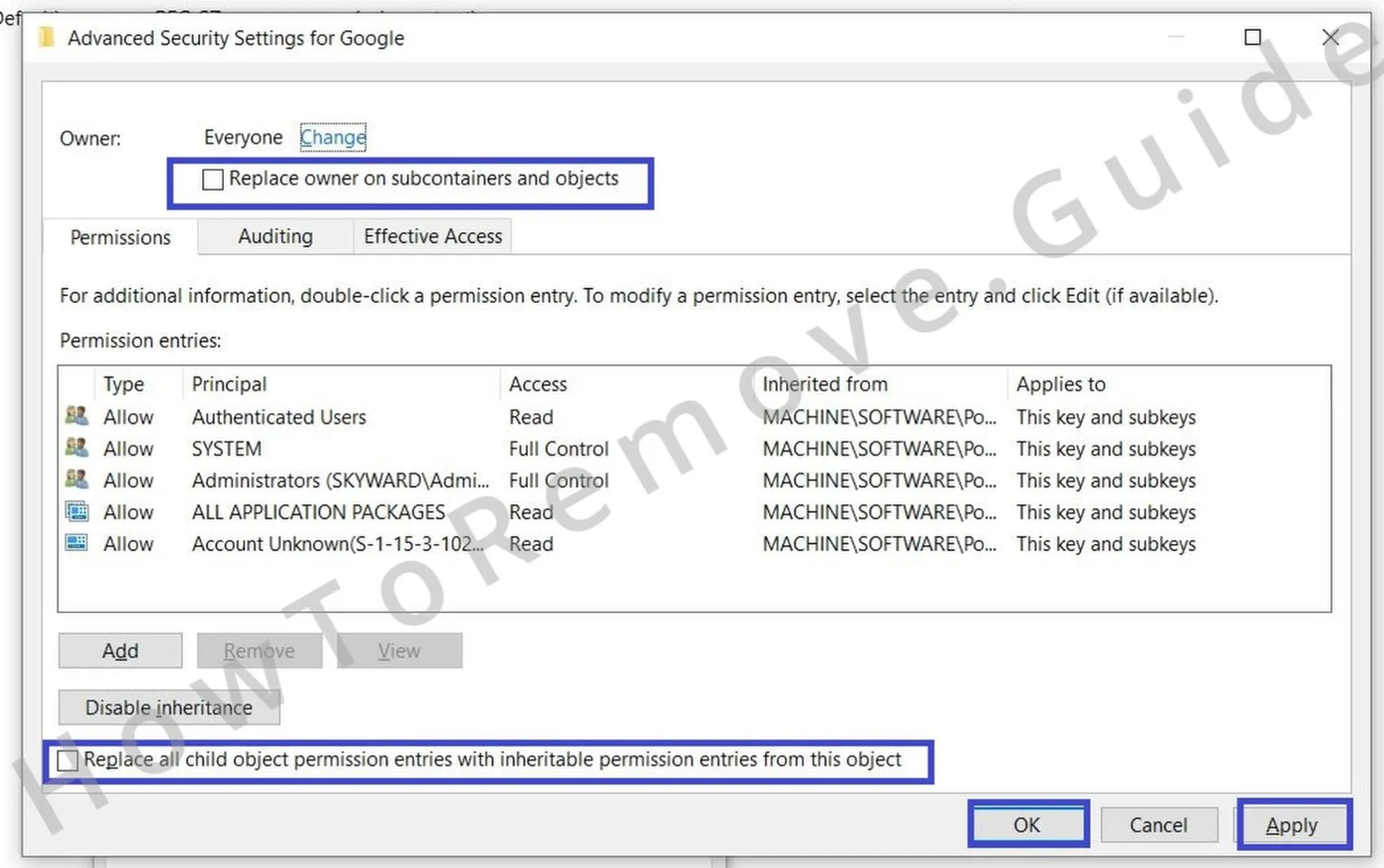 Check both “Replace…” options in the previous window, then click Apply and OK.
The key should now accept deletion after the access settings have been changed.
Alternative Tools to Delete STATUS_STACK_BUFFER_OVERRUN Policies
If policy settings remain after the Registry work, check the extra policy tools in this section for items tied to STATUS_STACK_BUFFER_OVERRUN. Removing these leftovers is important before browser cleanup, because active policies can undo normal setting changes.
3. Other Ways to Get Rid of STATUS_STACK_BUFFER_OVERRUN Policies
- 3.1
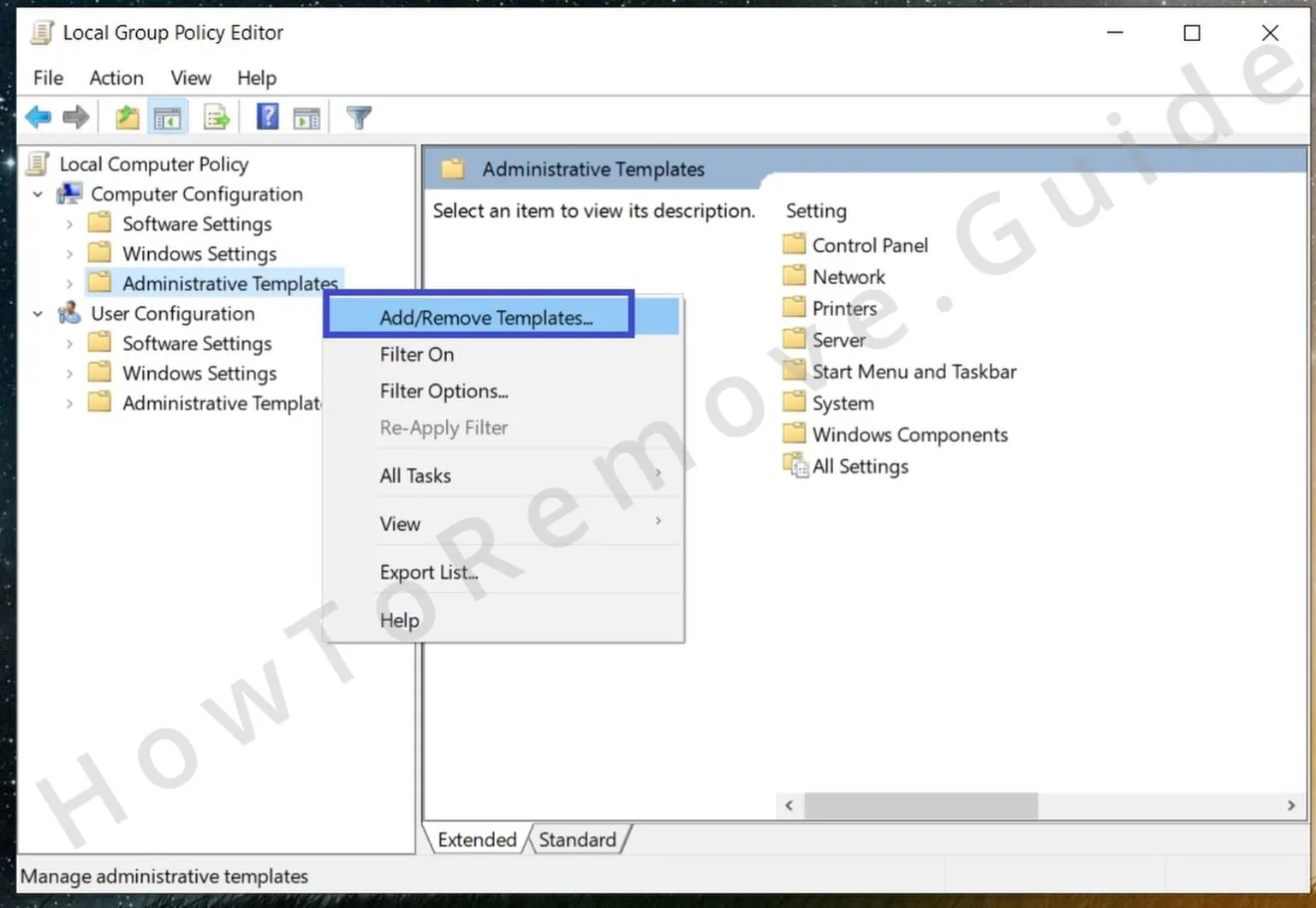 One alternative you can try is the Group Policy Editor, a built-in utility for managing system policies. Search for “edit group policy” in your Start Menu to get started. Then navigate to Administrative Templates.
 - 3.2
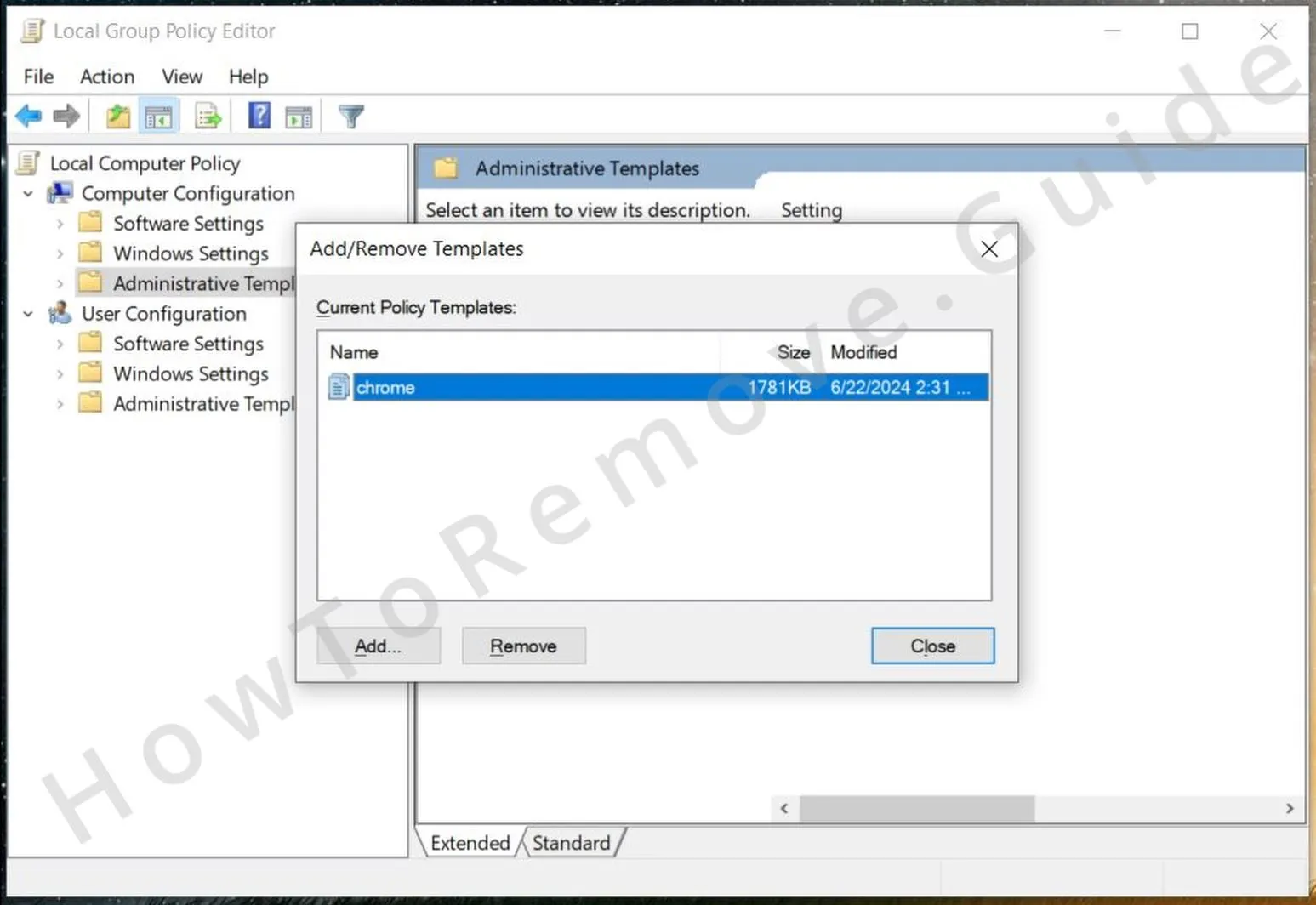 Right-click Administrative Templates, and select Add/Remove Templates. Then simply remove any entries in the next window.
 - 3.3Another excellent option for Chrome users is the Chrome Policy Remover. You just need to download it from the provided link.
- 3.4After downloading it, run it as an administrator. If Windows throws up a warning, don’t worry – select More Info > Run Anyway, and let the tool do its job.
Uninstall STATUS_STACK_BUFFER_OVERRUN From Chrome, Edge, and Other Browsers
The browser cleanup comes last because it depends on removing the policy restrictions first. Delete unwanted extensions, review permissions, and reset search, startup, and appearance settings that STATUS_STACK_BUFFER_OVERRUN changed. After this, close and reopen the browser to confirm the result.
4. How to Remove STATUS_STACK_BUFFER_OVERRUN From Your Browser
- 4.1Start by deleting any hijacker-related extensions from your browser. You should be able to easily do that now.
- 4.2
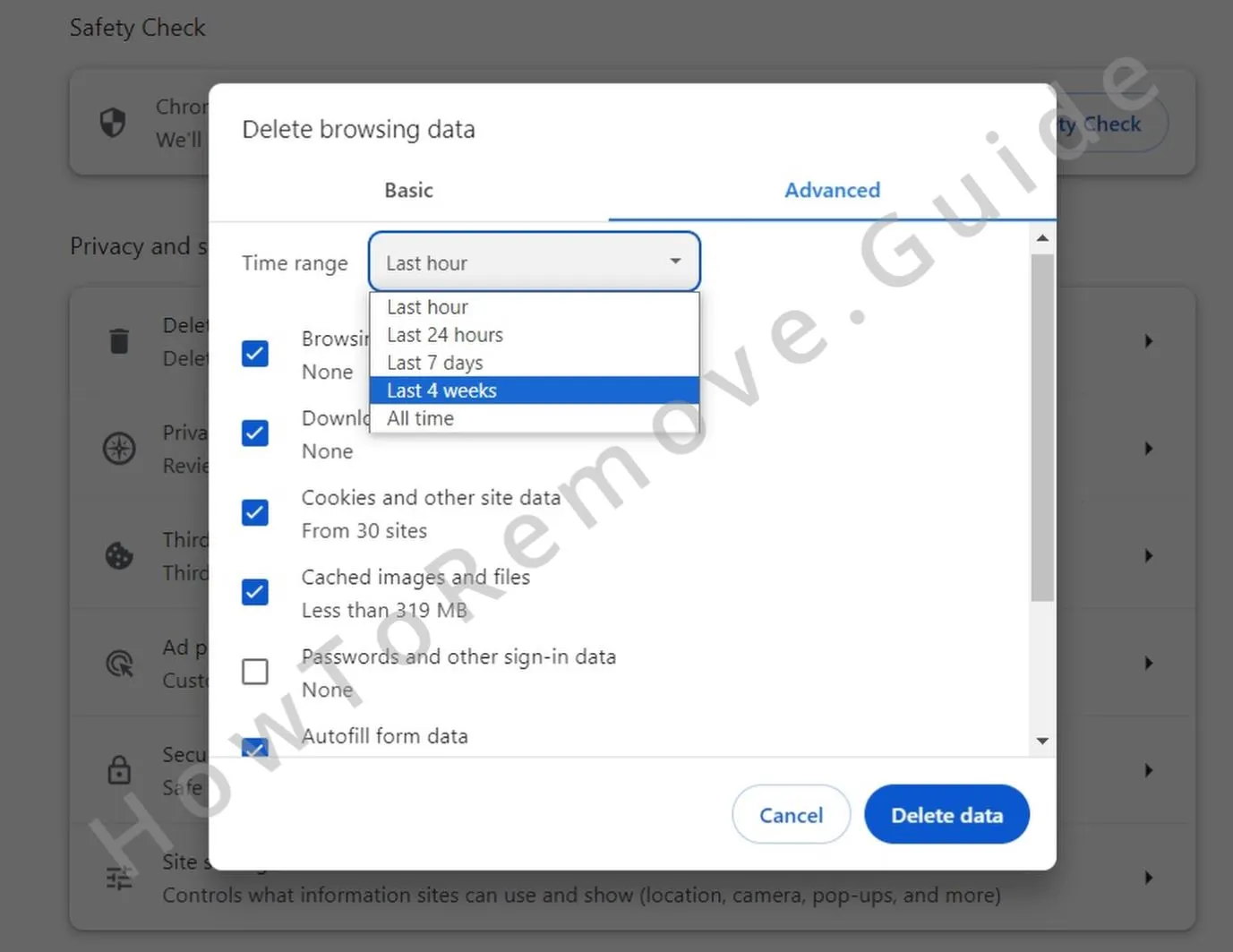 Then, clear your browsing data. Cached files and cookies often harbor traces of malicious activity. When clearing data, choose the “All Time” range to ensure nothing lingers.
 - 4.3
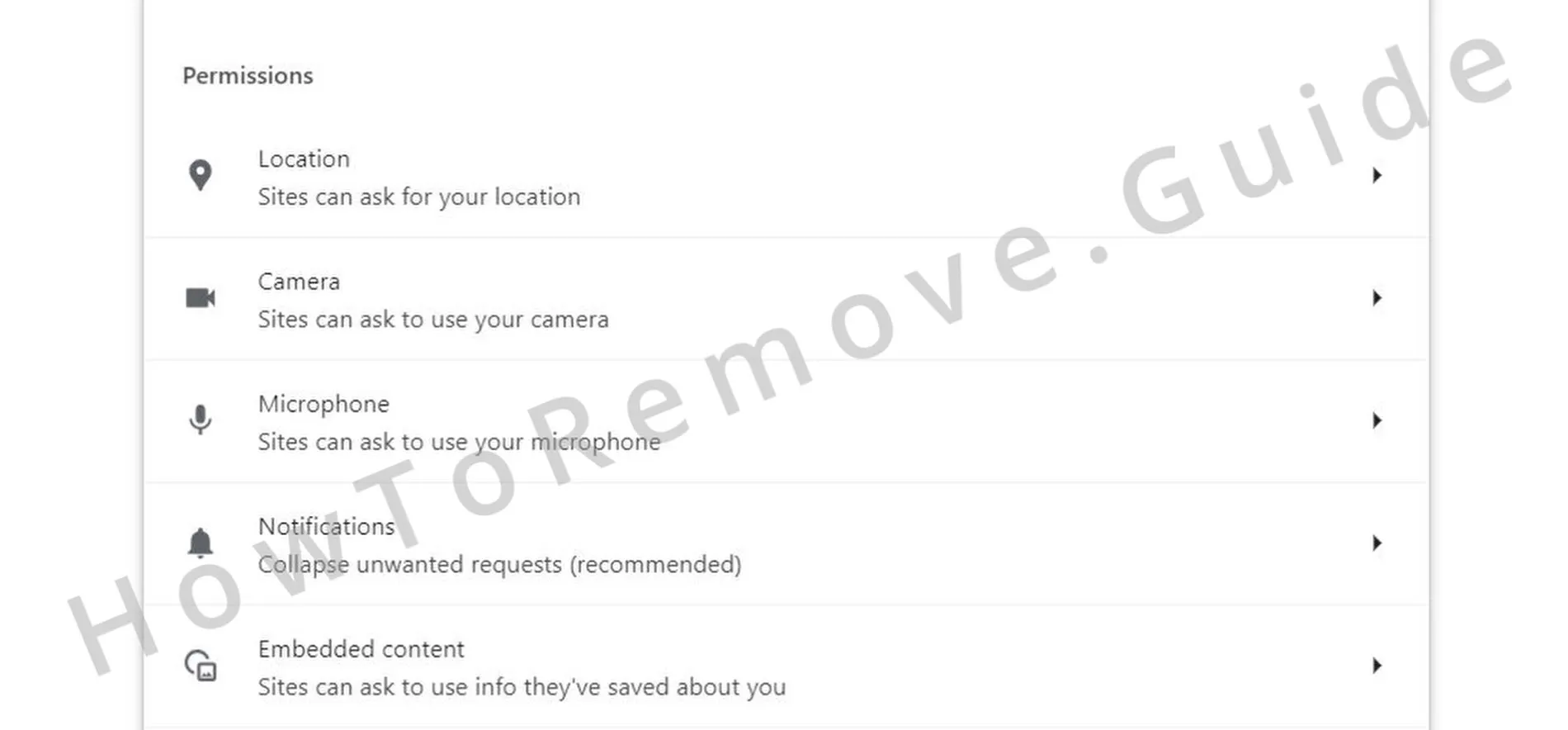 Next, head back to Privacy and Security settings, focusing on Site Permissions. Double-check that no shady sites have managed to hold onto permissions for notifications or redirects.
 - 4.4
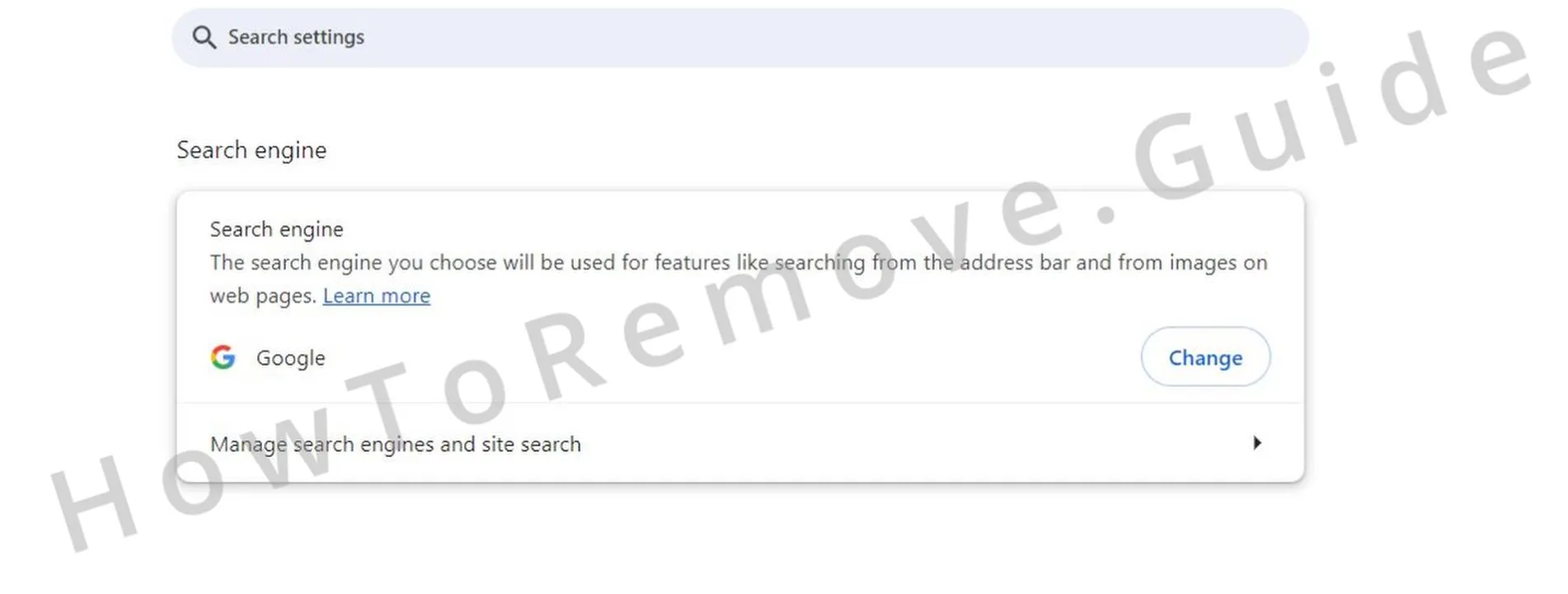 Don’t forget your browser’s search engine settings. Replace any unfamiliar providers with a trusted option like Google or Bing.
 - 4.5Finally, check the On Startup and Appearance tabs for rogue URLs and delete them. By the time you’re done, your browser should be as good as new.
