

You probably discovered Gusewin256 through a TikTok clip, an Instagram reel, or another type of AI-slop type of content, which should already be a major red flag. Any site, especially a crypto casino one, promoted this way exists with the sole purpose of scamming inexperienced and naive users.
Gusewin256 is no exception. It is designed to look modern and trustworthy, and its promise of a fat startup bonus is the main hook it uses to rope people in. But even if it seems like you are winning these early spins while gambling with house credit, the truth is that it’s all just empty numbers that don’t mean anything.
Scams of Gusewin256.pro‘s type are known to steal personal data and passwords. Install SpyHunter Pro to scan for risks, remove any dangerous trackers, and enable real-time protection.

Try Free For 7 Days*
Buy now15% OFF if you buy straight without trial.
 OFFER
OFFERThe gist of the scam becomes apparent when you try to withdraw, and it asks you for a “small deposit” to verify yourself. By that point, it should be pretty obvious that they are just trying to steal from you, but since you are just thinking about the “winnings” you are about to claim, you may be willing to lower your guard and go through with the deposit transfer.
Never do that! That’s how you get scammed and, worse yet, that’s how the scammers gain access to your wallet or banking account.
If you already made the mistake of agreeing to the deposit transfer or have shared any sensitive data on a site like Gusewin256, Hotexplay, Winnita, or anything similar, you must act quickly and apply the next tips to mitigate further damage to your digital assets.
IMPORTANT! READ BEFORE PROCEEDING!
If you already interacted with Gusewin256, treat it like a live security incident, not a customer-service misunderstanding. Stop sending funds, stop negotiating, and stop using any links they provide. Secure what you still control, preserve evidence while it is available, and move fast before the operators rotate domains or wipe messages. The immediate goal is containment, not trying to recover losses by trusting the same people again:
- Change email, exchange, and password-manager credentials, then enable strong 2FA on every account tied to money, identity, or recovery.
- Revoke any wallet approvals tied to the site and move any remaining assets to a fresh wallet created from a new seed phrase.
- If a seed phrase, private key, or backup code was shared, assume total wallet compromise and rebuild from a clean device immediately.
- If you uploaded ID documents, selfies, or proof of address, place a fraud alert or credit freeze where available and watch for identity misuse.
- Save hashes, screenshots, chats, and wallet addresses then file reports with the exchange you used and the relevant fraud or cybercrime authorities before the domain disappears.
Why We Consider Gusewin256 Fraudulent
Taken together, the indicators around Gusewin256 align with a familiar crypto-casino abuse pattern: fake balances on the front end, escalating demands on the back end, and no trustworthy accountability in between. Any single clue might be debated; the combined pattern is much harder to excuse.
Cash-out only after another payment
Legitimate venues do not require a brand-new transfer just to release money already shown in your account. A release fee, activation deposit, or wallet-validation payment is one of the clearest signs that the displayed balance is not truly yours.
Oversized bonuses exist to lower suspicion
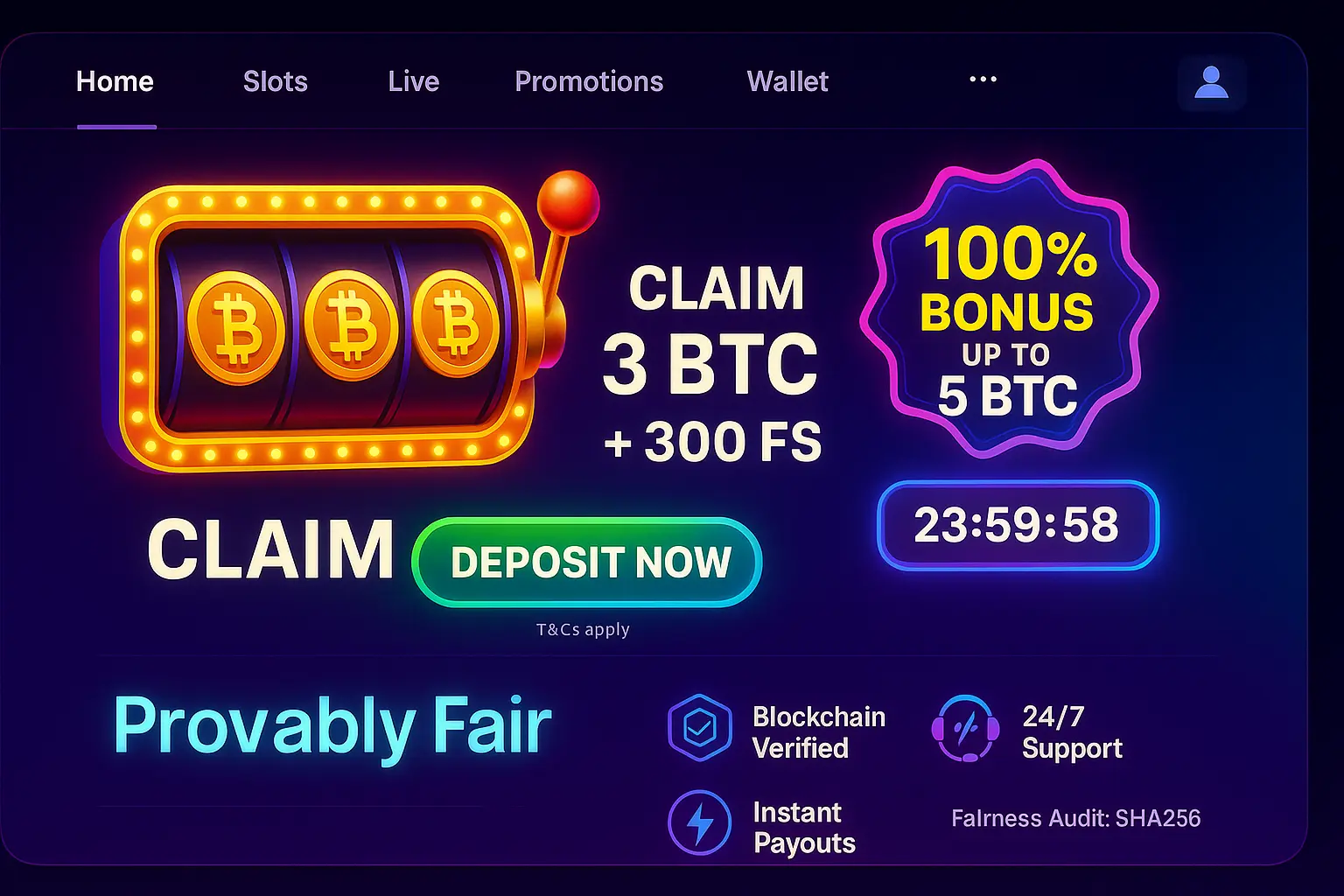
A huge starting bonus is not generosity here; it is a shortcut to trust. Once the victim sees a large balance, even a smaller follow-up payment can feel rational because the promised payout seems much bigger than the risk.
Young domains and quick brand turnover
These operations frequently burn one brand and relaunch under another. When complaints accumulate, the public-facing domain changes while the same design, promises, and withdrawal script continue elsewhere.
Scripted popularity signals
Manufactured chatter and inflated player counts can make a cloned gambling page look active, trusted, and already vetted by other people.
Support talks in loops, not solutions
Instead of resolving the withdrawal, support conversations keep circling back to unlocking, verification, or upgraded status. Each reply extends the process and normalizes another demand instead of producing a real payout.
Borrowed credibility instead of evidence
The first contact often happens off-site through copied testimonials, bot comments, paid posts, or bogus influencer codes. The aim is to bypass skepticism and make Gusewin256 feel popular before you have verified anything that matters.
Ownership details stay vague for a reason
Behind the branding, operator details often remain vague, incomplete, or hard to verify. Even basic checks with WHOIS tools can reveal how little durable history sits behind the page.
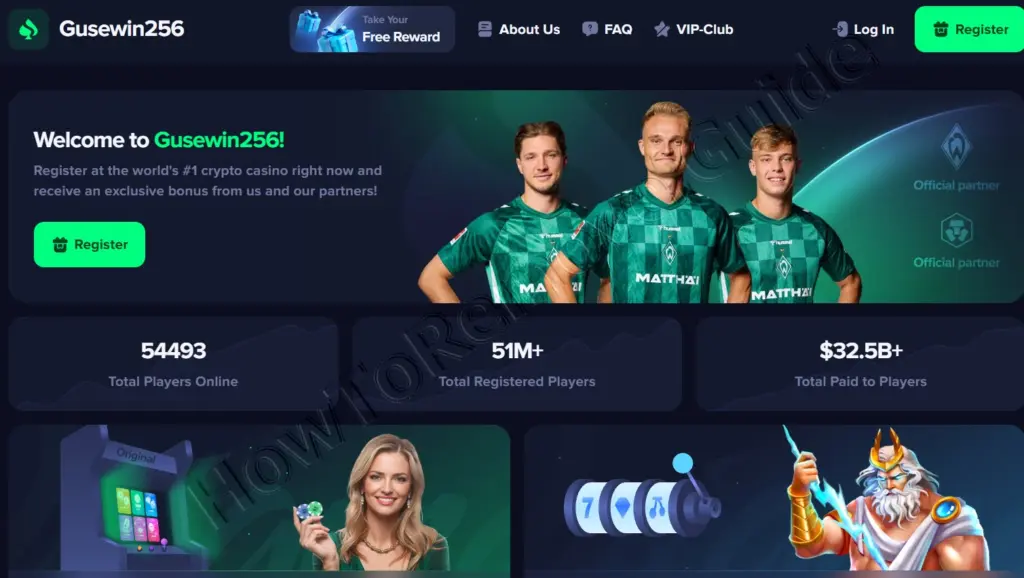

How Gusewin256 Pulls People Deeper In
Seeing the sequence clearly matters because these operations are less random than they feel. Once you recognize the rhythm – lure, win, delay, demand – you can interrupt it before emotion turns a suspicious page into a costly commitment.
Mapping the sequence also helps when you report the incident. What looks chaotic from the victim’s side is usually a recycled script wearing a different name, which is why small details like wallet addresses, messages, and timing can become useful evidence later.
Promo hooks and influencer codes
On social platforms, victims are often funneled in through ads, comment spam, or fake influencer posts that frame Zexbet.gl as a hot new casino.
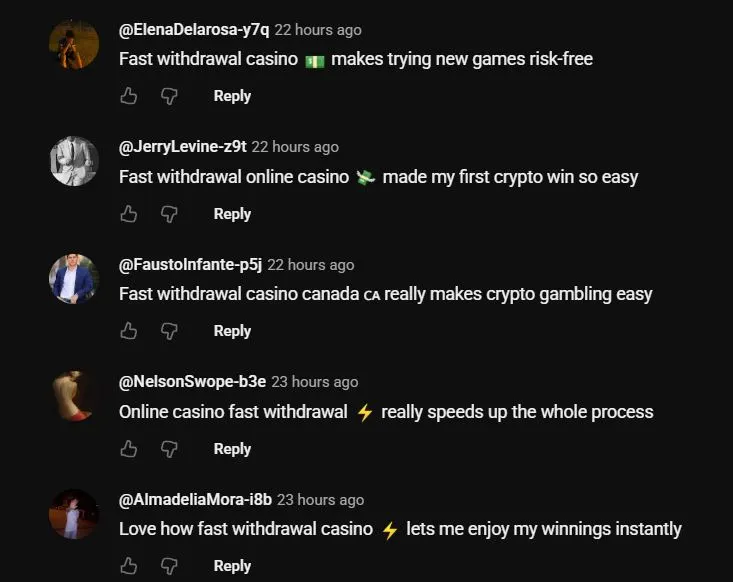
Casino skin and bonus theater
After you land, the interface is polished and the onboarding feels normal, which lowers your guard and makes the next click easier.
Inflated balances, then the gate
Once you play, the games frequently “treat you well” early, creating the sense that you’ve found a rare edge.
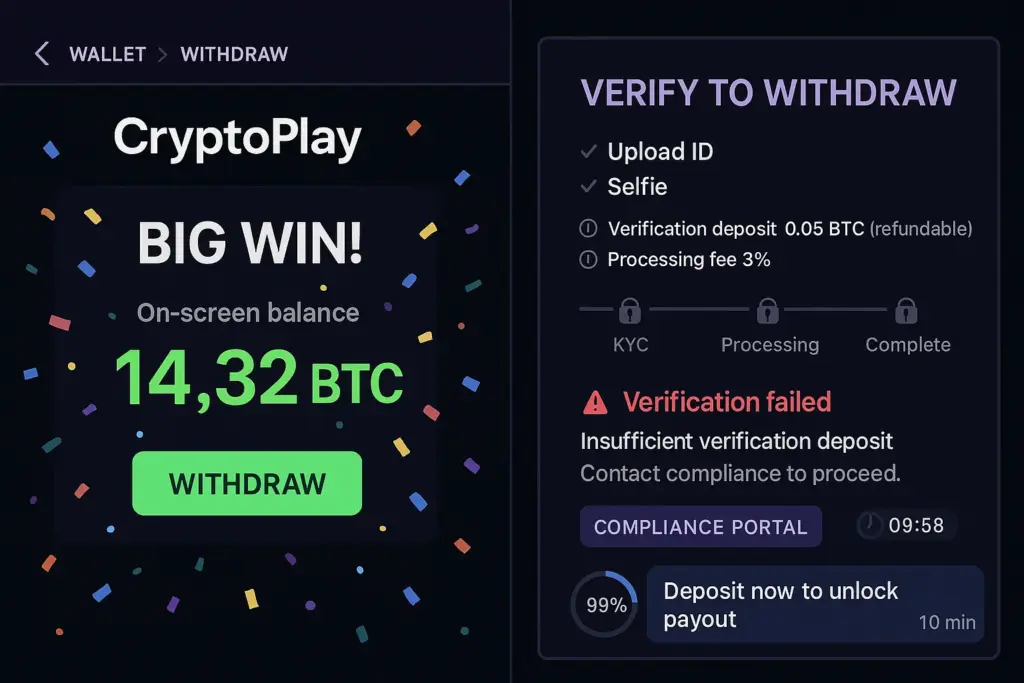
Fee-gates and KYC harvest
When you try to withdraw, support switches to compliance talk and introduces a fee, a deposit, or a “VIP” gate as the new requirement.

Stalling, rebrands, and “recovery” bait
If you pay, sunk-cost pressure does the rest: the scam escalates with new hurdles until you stop, or until the domain quietly vanishes.
Ways to Stay Clear of Crypto Casino Traps Like Gusewin256
Protection rarely comes from one perfect tool. It comes from habits that reduce exposure, slow down impulse transfers, and make fake legitimacy easier to spot before you send funds or upload anything sensitive.
Verify license status in official registers
Look for a real operator with a license you can verify in an official registry, not just a logo pasted into a footer.
Check domain age and history
From the start, check domain age and ownership history; a brand-new domain with obscured details deserves maximum skepticism.
Reject withdrawal fees and “unlock” deposits
Make a personal rule that you never send money to receive money, and treat any pay-to-withdraw demand as an instant dealbreaker.
Prefer venues with recourse
Use compartmentalization by keeping a separate email and a low-value wallet for experiments, so one bad site can’t wreck everything.
Limit wallet exposure
Keep wallet permissions tight by disconnecting sites after use and refusing to sign opaque approval requests.
Validate “provably fair” claims
Verify promotions through official channels rather than reposts; bot-driven endorsements are cheap and common.
Document and report rapidly
File a report with your national cybercrime or financial fraud authority and save all proof before the domain disappears.
Build a deliberate slow-down reflex
Under stress, people make harsher errors, so taking a pause is not weakness; it’s an anti-scam technique.
Country-by-Country Reporting Options and Safety Resources
Before access disappears, gather screenshots of balances, fee notices, wallet addresses, chat logs, the domain name, and transaction hashes. Then contact the exchange or wallet service involved as quickly as possible, because early reporting can improve tracing, containment, or account-protection options.
Click here to report the scam in your country
| Country / Agency | URL | Category / Use-case | Phone/Email |
| Australia – Crime Stoppers | https://www.crimestoppers.com.au | Anonymous tips about crime | 1800 333 000 |
| Australia – National Anti-Scam Center (Scamwatch) | https://www.scamwatch.gov.au/report-a-scam | General scams; phishing; texts/emails | |
| Australia – Police Assistance Line (non-emergency) | https://www.police.gov.au | Local police report | 131 444 |
| Australia – ReportCyber (ACSC) | https://www.cyber.gov.au/report | Cybercrime (hacks, fraud, extortion) | |
| Canada – Canadian Anti-Fraud Center (CAFC) | https://www.antifraudcentre-centreantifraude.ca/report-signalez-eng.htm | General scams incl. phone/text/email | |
| France – DGCCRF (SignalConso) | https://signal.conso.gouv.fr | Consumer scams/deceptive practices | |
| France – PHAROS – Internet-Signalement | https://www.internet-signalement.gouv.fr | Online content & cybercrime reports | |
| Germany – Bundeskriminalamt / Local Police | https://www.polizei.de/Polizei/DE/Home/home_node.html | Report online fraud | |
| Germany – Weißer Ring – Victim Support | https://weisser-ring.de | Victim support | 116 006 |
| India – DoT Helpline (Sanchar Saathi) | https://sancharsaathi.gov.in | Fraudulent telecom/SIM related | 155260 |
| India – National Consumer Helpline | https://consumerhelpline.gov.in | Consumer scams | 1800-11-4000 / 1915 |
| India – National Cyber Crime Reporting Portal | https://cybercrime.gov.in | Cybercrime incl. online fraud | 1930 |
| Japan – Consumer Affairs Agency (CAA) | https://www.caa.go.jp/policies/policy/consumer_policy/caution/cybercrime/ | Consumer scams | |
| Japan – National Police Agency – Cybercrime | https://www.npa.go.jp/bureau/cyber/ | Cybercrime reporting | |
| Mexico – Guardia Nacional (National Guard) | https://www.gob.mx/gn | Cybercrime reporting | |
| Mexico – Instituto Federal de Telecomunicaciones (IFT) | https://www.ift.org.mx | Telecom/online services scams | |
| Mexico – PROFECO | https://www.gob.mx/profeco | Consumer fraud & ecommerce | |
| Netherlands – AFM – Report investment fraud | https://www.afm.nl/en/consumenten/themas/beleggen/misleiding-misbruik | Investment/crypto | |
| Netherlands – Fraudehelpdesk | https://www.fraudehelpdesk.nl/melden | General scams (incl. phishing/SMS) | 088-7867372 |
| Netherlands – Politie – Meldpunt Internetoplichting | https://www.politie.nl/themas/internetoplichting.html | Online shopping fraud | |
| New Zealand – CERT NZ | https://www.cert.govt.nz/individuals/report-an-issue/ | Phishing, identity scams | |
| New Zealand – Department of Internal Affairs – Spam | https://www.dia.govt.nz/Spam-Contact-Us | Email/SMS spam | [email protected] |
| New Zealand – IDCARE | https://www.idcare.org | Victim support (identity compromise) | 0800 121 068 |
| New Zealand – Netsafe – Report | https://www.netsafe.org.nz/report/ | Online harms & scams | |
| New Zealand – New Zealand Police (non-emergency) | https://www.police.govt.nz/use-105 | Report fraud/online crime | 105 |
| Nigeria – Economic & Financial Crimes Commission (EFCC) | https://www.efcc.gov.ng | Financial scams incl. crypto/investment | [email protected] |
| Nigeria – Nigeria Police Special Fraud Unit (SFU) | https://www.specialfraudunit.org.ng | Serious fraud | Voice/SMS: 0708 227 6895; WhatsApp: 0812 760 9914 |
| Poland – CERT Polska (CERT.PL) | https://cert.pl/en/report/ | Cyber incidents & phishing | |
| Poland – Dyzurnet.pl | https://dyzurnet.pl | Illegal online content (esp. child protection) | |
| Poland – Polish Police (Policja) | https://www.policja.pl | Report scams to police | |
| Singapore – Anti-Scam Centre / Anti-Scam Helpline | https://www.scamalert.sg | General scams; texts; calls | 1800-722-6688 |
| Singapore – Monetary Authority of Singapore (MAS) | https://www.mas.gov.sg/investor-alert-list | Investment/crypto checks | |
| Singapore – Singapore Police Force | https://www.police.gov.sg/iwitness | Police report (cybercrime) | |
| South Africa – Cybersecurity Hub (CSIRT) | https://www.cybersecurityhub.gov.za | Cyber incidents incl. scams | |
| South Africa – South African Fraud Prevention Service (SAFPS) | https://www.safps.org.za | Identity fraud support | 011-867-2234 |
| South Africa – South African Police Service (SAPS) | https://www.saps.gov.za | Police report (cybercrime unit) | |
| South Korea – Korea Communications Commission (KCC) | https://www.kcc.go.kr | Telecom-related fraud | |
| South Korea – Korea Internet & Security Agency (KISA) | https://www.kisa.or.kr | Phishing, online harms | |
| South Korea – Korean National Police Agency – Cyber Bureau | https://ecrm.cyber.go.kr | Cybercrime reporting | |
| Spain – INCIBE – Oficina de Seguridad del Internauta (OSI) | https://www.osi.es/es/reporte | Cybersecurity & online fraud | |
| Spain – Policía Nacional / Guardia Civil | https://www.policia.es | Report scams to police | |
| Sweden – Crime Victim Authority (Brottsoffermyndigheten) | https://www.brottsoffermyndigheten.se | Victim support & compensation | 090–70 82 00 |
| Sweden – Polisen (Swedish Police) | https://polisen.se | Report fraud/cybercrime | 114 14 (non-emergency); 112 (emergency) |
| Sweden – Swedish Consumer Agency (Konsumentverket) | https://www.konsumentverket.se | Unfair business practices | |
| United Arab Emirates – Abu Dhabi Police – Aman Service | https://www.adpolice.gov.ae | Cybercrime tips/reporting | SMS 2828; 800 2626 |
| United Arab Emirates – Dubai Police – eCrime | https://www.dubaipolice.gov.ae | Cybercrime reporting | 04 606 1600 |
| United Arab Emirates – Ministry of Interior – Cyber Crime Dept. | https://www.moi.gov.ae | Cybercrime incl. online scams | |
| United Arab Emirates – Telecommunications Regulatory Authority (TRA) / TDRA | https://www.tra.gov.ae | Telecom-related scams/phishing | |
| United Kingdom – Action Fraud (NFIB) | https://www.actionfraud.police.uk | General scams & cybercrime (non-emergency) | 0300 123 2040 |
| United Kingdom – Citizens Advice Consumer Service | https://www.citizensadvice.org.uk/consumer/get-more-help/if-you-need-more-help-about-a-consumer-issue/ | Consumer problems & scam guidance | 0808 223 1133 |
| United Kingdom – Financial Conduct Authority (FCA) | https://www.fca.org.uk/consumers/report-scam-us | Investment/crypto & financial services | |
| United Kingdom – National Cyber Security Centre (NCSC) | https://www.ncsc.gov.uk/collection/phishing-scams | Phishing emails & suspicious websites | |
| United Kingdom – Stop Scams UK ‘159’ | https://stopscamsuk.org.uk/159 | Banking APP fraud (direct to your bank) | 159 |
| United States – AARP Fraud Watch Network Helpline | https://www.aarp.org/money/scams-fraud/ | Victim support | 833-372-8311 |
| United States – Better Business Bureau – Scam Tracker | https://www.bbb.org/scamtracker | Business/marketplace scams | |
| United States – FBI Internet Crime Complaint Center (IC3) | https://www.ic3.gov | Internet crime incl. investment/crypto | |
| United States – Federal Trade Commission – ReportFraud | https://reportfraud.ftc.gov | General scams, phishing, texts/emails | 1-877-382-4357 |
| United States – National Center for Disaster Fraud | https://www.justice.gov/disaster-fraud | Disaster-related scams | (866) 720-5721 |
| United States – SEC Tips & Complaints | https://www.sec.gov/tcr | Investment & securities/crypto-asset offerings |
Crypto transfers are difficult to reverse, and that is exactly why schemes like Gusewin256 lean on them. The healthiest next step is usually containment, documentation, and reporting – not sending more money because someone promises to fix the original damage.
