

Lekowex does not need to look rough to be dangerous. From the front door, it can pass for an ordinary crypto casino, with clean pages and bright game screens doing just enough to make the place feel official. For me, that is the cover. A fake casino only has to look believable long enough for someone to start trusting the number inside the account.
The pattern around Lekowex and similar scams like Ugonex and Tezowin reads like that kind of setup. The free starting bonus and displayed wins do the early work, making value that was never really theirs feel alive on the screen. The pressure shows up at the withdrawal wall, where any demand for real crypto before release deserves to be treated as the scam itself, no matter whether the site calls it verification or a transfer fee.
Scams of Lekowex.com‘s type are known to steal personal data and passwords. Install SpyHunter Pro to scan for risks, remove any dangerous trackers, and enable real-time protection.

Try Free For 7 Days*
Buy now15% OFF if you buy straight without trial.
 OFFER
OFFERA legitimate platform should not need that move. If the basic business trail does not hold up, the fee request should carry more weight than the promotion around it. Catch the signs while the loss is still avoidable.
IMPORTANT! READ BEFORE PROCEEDING!
If you already sent funds or documents to Lekowex, assume the operators may try another approach soon and do not answer requests for a final fee, refund charge, or recovery deposit, no matter how official the message sounds.
Start with device safety: disconnect from suspicious pages, avoid downloading anything else, and scan with SpyHunter 5 or another trusted tool before accessing financial accounts.
Fastest Removal Option: Use SpyHunter 5
- 1.1Click here to download and install the anti-malware tool on your PC.
- 1.2
 Start SpyHunter 5, click the Buy button and choose between starting your 7-days free trial or directly purchasing the tool.
If you choose to buy SpyHunter 5 now, you can use our discount code, “HTRG15“, for 15% off.
- 1.3
 Once you activate SpyHunter, click Start Scan Now, select the Full Scan option, and let the tool do its job.
 - 1.4
 Once the scan completes (it could take a while, so have patience), you’ll see all malware and other undesirables listed.
Click Next to review the detections and then click Next again to delete all rogue items.
Once the device is clean enough to use, take these security actions immediately:
- Reset passwords and enable 2FA on your email, crypto exchanges, and wallets; terminate other active sessions.
- Notify any exchanges and services touched by the funds; provide TxIDs and ask that accounts/addresses be flagged per policy.
- Migrate assets to fresh wallets with new seed phrases and revoke any existing token approvals on connected chains.
- If you uploaded ID documents, place credit/fraud alerts where available and monitor for identity-theft signals.
- Assemble an evidence bundle – wallet addresses, TxIDs, site URLs, chats, and screenshots – and file reports with police/IC3 and any involved platforms.
How We Know Lekowex is a Scam
Lekowex raises concern because its signals line up with a fee-extraction funnel rather than a licensed gambling business. The warning pattern is not one isolated oddity; it is a chain of unverifiable claims, staged confidence, crypto finality, and withdrawal barriers.
A payout becomes a negotiation
The moment a site tells users to pay before receiving a withdrawal, the relationship has changed. Processing fees, clearance deposits, and tax prepayments are common pretexts in advance-fee fraud.
The license story is not independently proven
Anyone can paste a regulator name or badge onto a page. The key test is whether the license number, operator name, and domain match official records without relying on links supplied by the casino.
The win pattern feels engineered
Unusually generous early returns are useful to scammers because they make victims feel they are protecting an existing prize. A number inside the dashboard is not proof of a real asset.
The payment route blocks normal leverage
Crypto deposits give the recipient settlement finality and global reach. When a site combines that with hidden ownership, users lose many of the pressure points that help resolve disputes.
The trust layer is theatrical
Busy chat widgets, bonus countdowns, five-star comments, and winner notifications can all be scripted. Verifiable reputation should come from sources outside the page, not from the page itself.
The footprint suggests rotation
Disposable scams often use new domains, privacy protection, and recycled layouts. Checking who.is, archives, and third-party warnings can show whether the operation has any stable record.
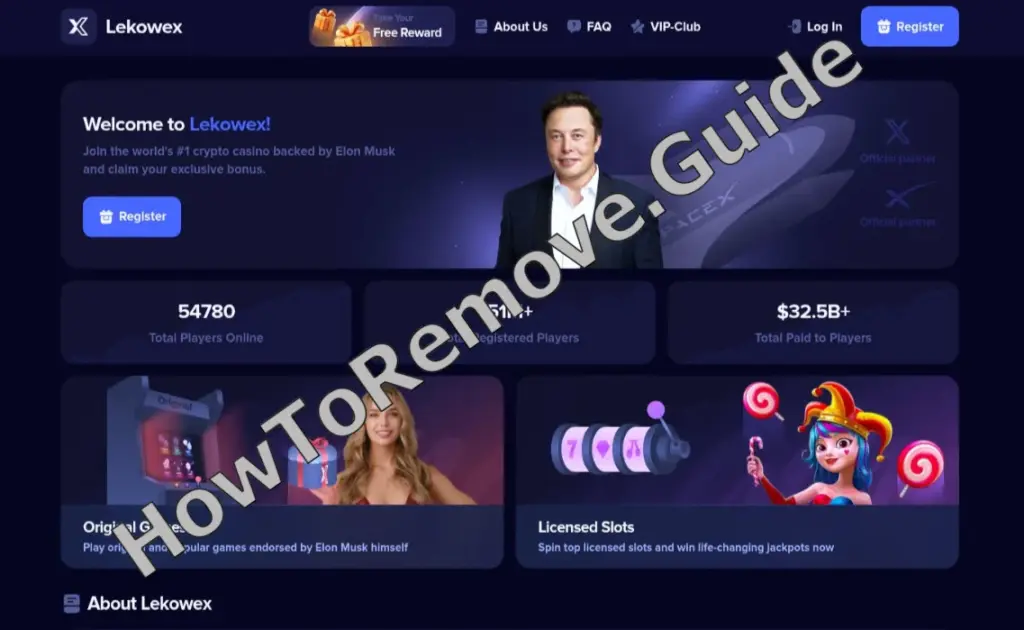

How the Lekowex Scam Deception Funnel Works
The deception path is not random. Each stage answers the victim’s last doubt while setting up the next payment request, which is why the process can feel persuasive even when the individual demands are suspicious.
The pattern usually begins with a promotional lure, moves into a convincing casino interface, grows a fake balance, blocks withdrawal with compliance language, and ends in delay, disappearance, or recovery bait.
The promotion creates a shortcut
Referral codes and social posts make the site feel discovered rather than advertised. That matters because people often trust a supposed tip more than a conventional ad.
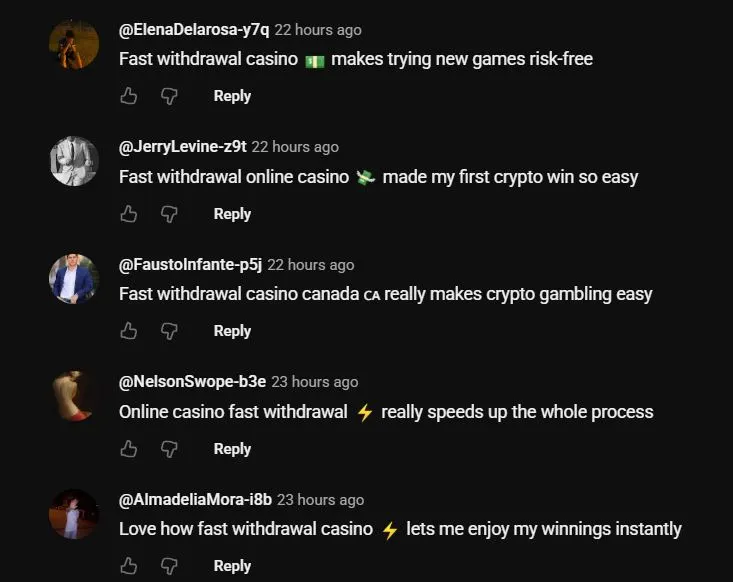
The page imitates legitimacy
Game menus, profile levels, bonus wallets, chat buttons, and policy pages create the look of a functioning platform. The appearance can be copied even when the business behind it is empty.
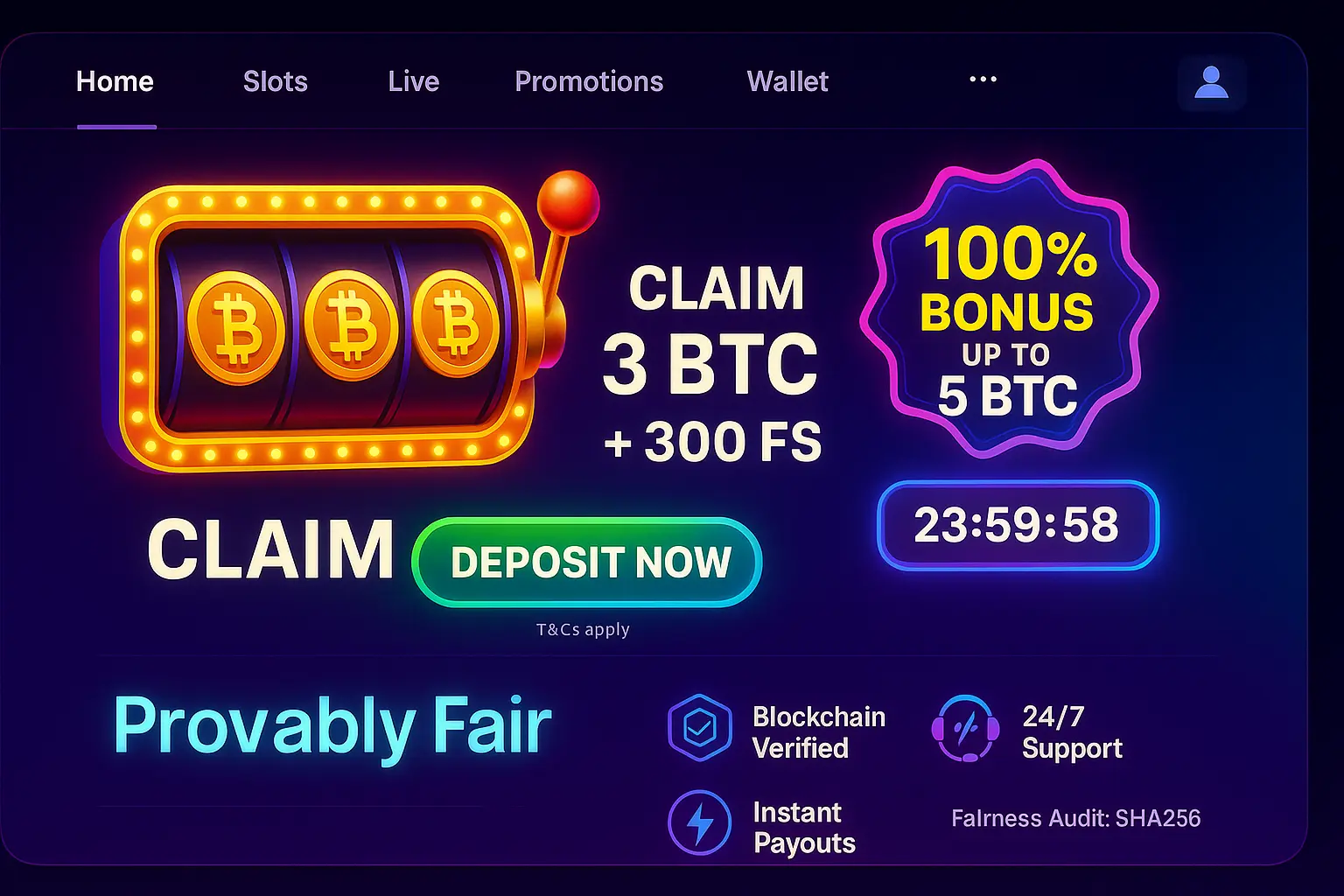
The dashboard manufactures commitment
A growing balance invites the user to think like a winner. Once that feeling takes hold, a requested fee can seem like the last barrier to money already earned.
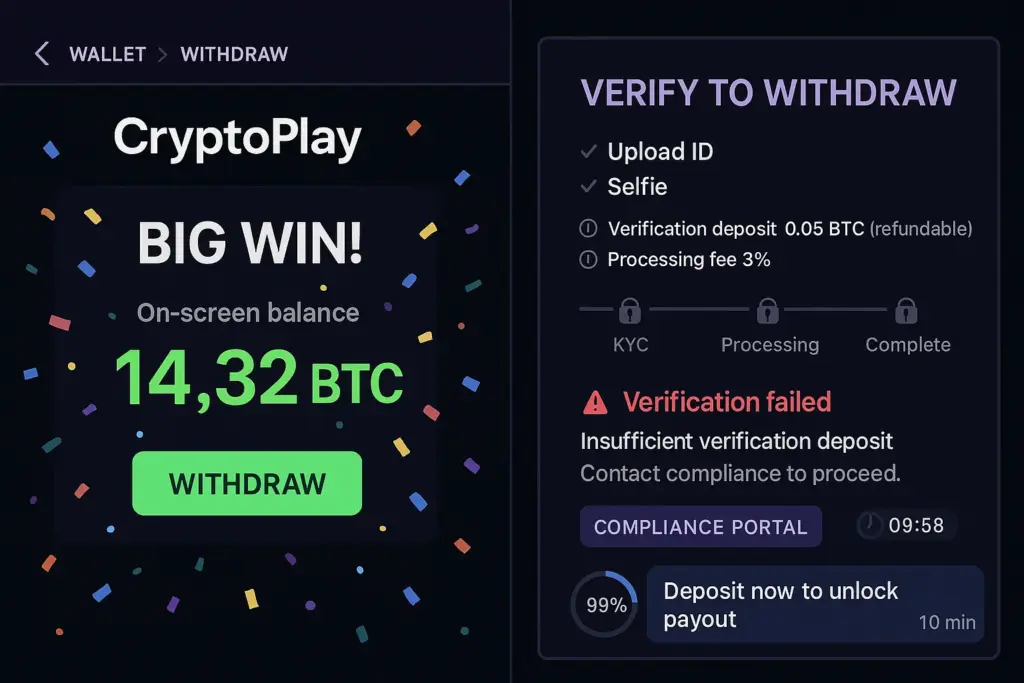
The compliance language extracts more
KYC, AML, tax, VIP, risk review, and wallet verification are used as flexible excuses. Each new condition keeps the user cooperating while the operator gathers crypto or documents.

The operators preserve optional exits
If pressure works, they ask again. If it fails, they stall, block accounts, rotate domains, or let a separate recovery persona contact the victim with another paid promise.
Staying safe from crypto casino scams like Lekowex
Future protection comes from treating every tempting crypto casino as untrusted until it proves otherwise through independent records. Do not let a bonus, a referral code, or a professional-looking dashboard replace basic due diligence.
Check the regulator directly
Use official regulator search tools and confirm that the operator, domain, and license status match. Do not rely on screenshots, footer badges, or links embedded by the casino.
Inspect the website history
Registration age, archived pages, ownership transparency, and outside mentions help reveal whether a brand is established or recently assembled for a campaign.
Stop at any advance-fee demand
Withdrawal-related fees that must be paid separately are a major danger sign. A platform that truly owes money should not require another deposit before honoring the balance.
Prefer accountable payment options
Services that support recognized payment routes and publish dispute procedures provide more leverage than anonymous wallets and one-way deposits.
Keep high-value wallets isolated
Create boundaries between everyday spending, gambling, trading, and long-term storage. Unknown sites should never touch wallets that contain meaningful funds.
Verify technical claims
If a site says results are provably fair, the proof should be testable with clear data. Marketing copy without reproducible checks is not a security guarantee.
Document suspicious behavior early
Take screenshots when a fee appears, when support changes its story, and when wallet addresses are shown. Those records can disappear when domains rotate.
Expect recovery scams afterward
People who lost funds are often contacted by fake investigators or blockchain experts. Any recovery helper demanding an advance payment should be treated as another threat.
Useful Resources for Scam Reporting and Prevention (By Country)
When reporting, include the domain, wallet addresses, transaction hashes, screenshots, usernames, support messages, and any KYC requests. Clear documentation helps legitimate investigators more than emotional messages or incomplete summaries.
Check reporting options for your location
| Country / Agency | URL | Category / Use-case | Phone/Email |
| Australia – Crime Stoppers | https://www.crimestoppers.com.au | Anonymous tips about crime | 1800 333 000 |
| Australia – National Anti-Scam Center (Scamwatch) | https://www.scamwatch.gov.au/report-a-scam | General scams; phishing; texts/emails | |
| Australia – Police Assistance Line (non-emergency) | https://www.police.gov.au | Local police report | 131 444 |
| Australia – ReportCyber (ACSC) | https://www.cyber.gov.au/report | Cybercrime (hacks, fraud, extortion) | |
| Canada – Canadian Anti-Fraud Center (CAFC) | https://www.antifraudcentre-centreantifraude.ca/report-signalez-eng.htm | General scams incl. phone/text/email | |
| France – DGCCRF (SignalConso) | https://signal.conso.gouv.fr | Consumer scams/deceptive practices | |
| France – PHAROS – Internet-Signalement | https://www.internet-signalement.gouv.fr | Online content & cybercrime reports | |
| Germany – Bundeskriminalamt / Local Police | https://www.polizei.de/Polizei/DE/Home/home_node.html | Report online fraud | |
| Germany – Weißer Ring – Victim Support | https://weisser-ring.de | Victim support | 116 006 |
| India – DoT Helpline (Sanchar Saathi) | https://sancharsaathi.gov.in | Fraudulent telecom/SIM related | 155260 |
| India – National Consumer Helpline | https://consumerhelpline.gov.in | Consumer scams | 1800-11-4000 / 1915 |
| India – National Cyber Crime Reporting Portal | https://cybercrime.gov.in | Cybercrime incl. online fraud | 1930 |
| Japan – Consumer Affairs Agency (CAA) | https://www.caa.go.jp/policies/policy/consumer_policy/caution/cybercrime/ | Consumer scams | |
| Japan – National Police Agency – Cybercrime | https://www.npa.go.jp/bureau/cyber/ | Cybercrime reporting | |
| Mexico – Guardia Nacional (National Guard) | https://www.gob.mx/gn | Cybercrime reporting | |
| Mexico – Instituto Federal de Telecomunicaciones (IFT) | https://www.ift.org.mx | Telecom/online services scams | |
| Mexico – PROFECO | https://www.gob.mx/profeco | Consumer fraud & ecommerce | |
| Netherlands – AFM – Report investment fraud | https://www.afm.nl/en/consumenten/themas/beleggen/misleiding-misbruik | Investment/crypto | |
| Netherlands – Fraudehelpdesk | https://www.fraudehelpdesk.nl/melden | General scams (incl. phishing/SMS) | 088-7867372 |
| Netherlands – Politie – Meldpunt Internetoplichting | https://www.politie.nl/themas/internetoplichting.html | Online shopping fraud | |
| New Zealand – CERT NZ | https://www.cert.govt.nz/individuals/report-an-issue/ | Phishing, identity scams | |
| New Zealand – Department of Internal Affairs – Spam | https://www.dia.govt.nz/Spam-Contact-Us | Email/SMS spam | [email protected] |
| New Zealand – IDCARE | https://www.idcare.org | Victim support (identity compromise) | 0800 121 068 |
| New Zealand – Netsafe – Report | https://www.netsafe.org.nz/report/ | Online harms & scams | |
| New Zealand – New Zealand Police (non-emergency) | https://www.police.govt.nz/use-105 | Report fraud/online crime | 105 |
| Nigeria – Economic & Financial Crimes Commission (EFCC) | https://www.efcc.gov.ng | Financial scams incl. crypto/investment | [email protected] |
| Nigeria – Nigeria Police Special Fraud Unit (SFU) | https://www.specialfraudunit.org.ng | Serious fraud | Voice/SMS: 0708 227 6895; WhatsApp: 0812 760 9914 |
| Poland – CERT Polska (CERT.PL) | https://cert.pl/en/report/ | Cyber incidents & phishing | |
| Poland – Dyzurnet.pl | https://dyzurnet.pl | Illegal online content (esp. child protection) | |
| Poland – Polish Police (Policja) | https://www.policja.pl | Report scams to police | |
| Singapore – Anti-Scam Centre / Anti-Scam Helpline | https://www.scamalert.sg | General scams; texts; calls | 1800-722-6688 |
| Singapore – Monetary Authority of Singapore (MAS) | https://www.mas.gov.sg/investor-alert-list | Investment/crypto checks | |
| Singapore – Singapore Police Force | https://www.police.gov.sg/iwitness | Police report (cybercrime) | |
| South Africa – Cybersecurity Hub (CSIRT) | https://www.cybersecurityhub.gov.za | Cyber incidents incl. scams | |
| South Africa – South African Fraud Prevention Service (SAFPS) | https://www.safps.org.za | Identity fraud support | 011-867-2234 |
| South Africa – South African Police Service (SAPS) | https://www.saps.gov.za | Police report (cybercrime unit) | |
| South Korea – Korea Communications Commission (KCC) | https://www.kcc.go.kr | Telecom-related fraud | |
| South Korea – Korea Internet & Security Agency (KISA) | https://www.kisa.or.kr | Phishing, online harms | |
| South Korea – Korean National Police Agency – Cyber Bureau | https://ecrm.cyber.go.kr | Cybercrime reporting | |
| Spain – INCIBE – Oficina de Seguridad del Internauta (OSI) | https://www.osi.es/es/reporte | Cybersecurity & online fraud | |
| Spain – Policía Nacional / Guardia Civil | https://www.policia.es | Report scams to police | |
| Sweden – Crime Victim Authority (Brottsoffermyndigheten) | https://www.brottsoffermyndigheten.se | Victim support & compensation | 090–70 82 00 |
| Sweden – Polisen (Swedish Police) | https://polisen.se | Report fraud/cybercrime | 114 14 (non-emergency); 112 (emergency) |
| Sweden – Swedish Consumer Agency (Konsumentverket) | https://www.konsumentverket.se | Unfair business practices | |
| United Arab Emirates – Abu Dhabi Police – Aman Service | https://www.adpolice.gov.ae | Cybercrime tips/reporting | SMS 2828; 800 2626 |
| United Arab Emirates – Dubai Police – eCrime | https://www.dubaipolice.gov.ae | Cybercrime reporting | 04 606 1600 |
| United Arab Emirates – Ministry of Interior – Cyber Crime Dept. | https://www.moi.gov.ae | Cybercrime incl. online scams | |
| United Arab Emirates – Telecommunications Regulatory Authority (TRA) / TDRA | https://www.tra.gov.ae | Telecom-related scams/phishing | |
| United Kingdom – Action Fraud (NFIB) | https://www.actionfraud.police.uk | General scams & cybercrime (non-emergency) | 0300 123 2040 |
| United Kingdom – Citizens Advice Consumer Service | https://www.citizensadvice.org.uk/consumer/get-more-help/if-you-need-more-help-about-a-consumer-issue/ | Consumer problems & scam guidance | 0808 223 1133 |
| United Kingdom – Financial Conduct Authority (FCA) | https://www.fca.org.uk/consumers/report-scam-us | Investment/crypto & financial services | |
| United Kingdom – National Cyber Security Centre (NCSC) | https://www.ncsc.gov.uk/collection/phishing-scams | Phishing emails & suspicious websites | |
| United Kingdom – Stop Scams UK ‘159’ | https://stopscamsuk.org.uk/159 | Banking APP fraud (direct to your bank) | 159 |
| United States – AARP Fraud Watch Network Helpline | https://www.aarp.org/money/scams-fraud/ | Victim support | 833-372-8311 |
| United States – Better Business Bureau – Scam Tracker | https://www.bbb.org/scamtracker | Business/marketplace scams | |
| United States – FBI Internet Crime Complaint Center (IC3) | https://www.ic3.gov | Internet crime incl. investment/crypto | |
| United States – Federal Trade Commission – ReportFraud | https://reportfraud.ftc.gov | General scams, phishing, texts/emails | 1-877-382-4357 |
| United States – National Center for Disaster Fraud | https://www.justice.gov/disaster-fraud | Disaster-related scams | (866) 720-5721 |
| United States – SEC Tips & Complaints | https://www.sec.gov/tcr | Investment & securities/crypto-asset offerings |
The practical response to Lekowex is containment: stop paying, stop uploading documents, secure every connected account, move untouched assets to fresh wallets, and record the incident while the evidence is still available. The displayed casino balance should not guide your decisions; verified control of funds should.
