

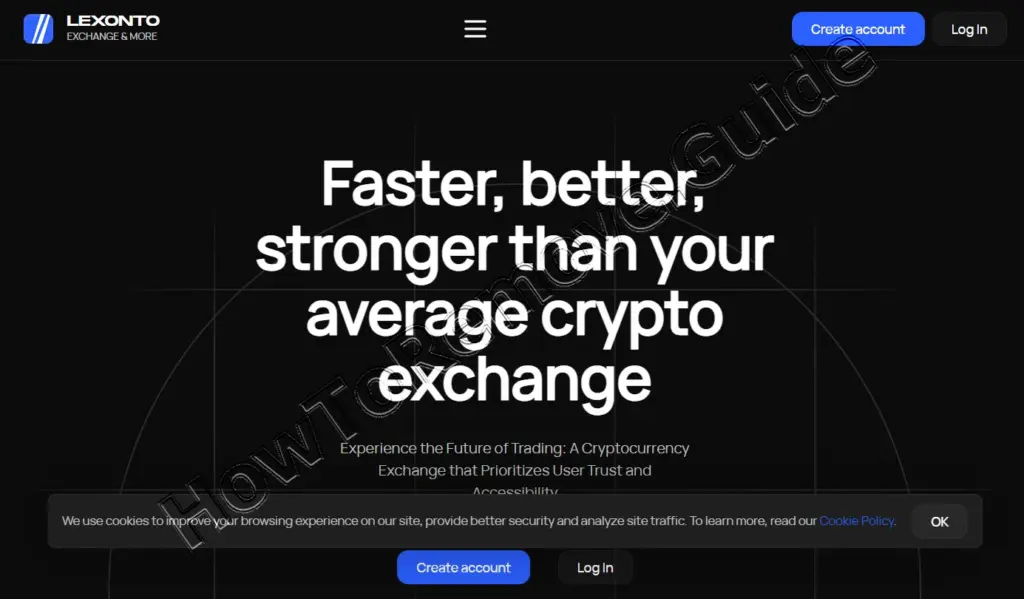
In case you are wondering if Lexonto is a legitimate site or yet another cryptocurrency scam designed to steal your money, you’ve done the right thing by coming to this post.
Indeed, the site is just a recycled crypto-fraud machine wearing the mask of a crypto trading platform that targets inexperienced users who do not yet have the intuition or knowledge to recognize a scam when they see one.
Scams of Lexonto.com‘s type are known to steal personal data and passwords. Install SpyHunter Pro to scan for risks, remove any dangerous trackers, and enable real-time protection.

Try Free For 7 Days*
Buy now15% OFF if you buy straight without trial.
 OFFER
OFFERLexonto borrows the familiar “clone-exchange” template that keeps resurfacing under new domains, always promising quick crypto gains at minimal risk. The site mimics real exchanges with clean dashboards, fancy graphs, and a supposed verification window that never actually finishes, because the point isn’t to process your funds but to make them vanish.
Should you make the mistake of depositing any of your real-life money, Lexonto devours it like a black hole, and you never see it back. Then, after enough users have been scammed, the site simply disappears, then rebrands itself, and pops up under a new name and domain to continue luring in new victims.
To stay safe from Lexonto – and clones like Sovenex or Zdo.cc – use the information present in this post. Here, you’ll learn how these operations lure and trick their victims, what immediate steps reduce damage, and which long-term habits make you dramatically harder to deceive.
IMPORTANT! READ BEFORE PROCEEDING!
If you already interacted with Lexonto – signed up, connected a wallet, or sent funds – act now to contain exposure. Don’t send “unlock” payments, ignore unsolicited “recovery agents,” and focus on securing wallets, hardening accounts, and preserving evidence so the damage doesn’t spread.
- Move remaining assets to a brand-new wallet (new seed) and revoke any risky token approvals tied to the incident.
- Change passwords and enable app-based 2FA on email, exchanges, and password manager; prune unused API keys and sessions.
- Preserve evidence: screenshots, URLs, videos/ads, wallet addresses, TXIDs, and chat logs for formal reports.
- Notify the sending platform (your exchange or wallet) with TXIDs and the destination address to flag flows if they surface.
- Report promptly to your national cybercrime unit and the platform where you saw the promotion; fast reporting improves outcomes.
How We Know Lexonto is a Scam
Evidence piles up fast when you look closely. Independent warning signs converge: the same tricks investigators see across clone “exchanges” show up here in lockstep, leading to the same inevitable outcome-no withdrawals, only excuses.
Promo-code mirage
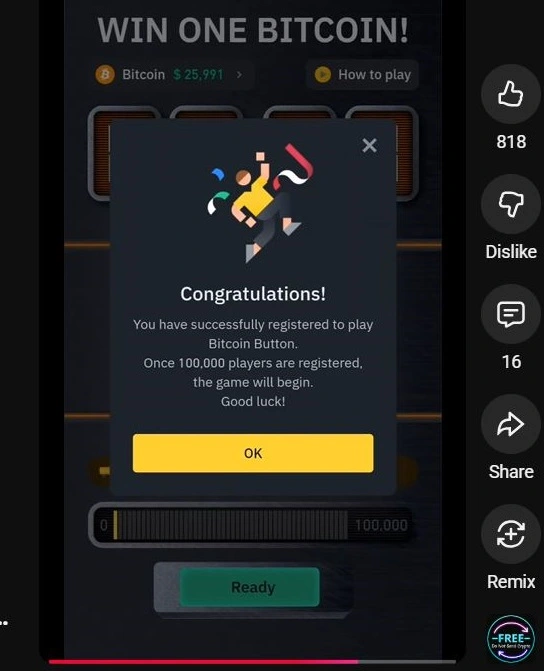
Registering and typing a code conjures a generous on-screen balance that never existed on-chain. The UI is designed to simulate success and push you toward an “unlock” payment.
Unlock-deposit demand
Any venue that requires a crypto prepayment to “activate” or “verify” before withdrawing is running an advance-fee play. Legit operators do not gate your funds behind deposits.
Deepfake endorsements
Celebrity cameos and “founder” videos can be AI-generated. This borrowed authority is a decoy to lower your skepticism just long enough to extract money.
No on-chain TXIDs
When supposed payouts come without verifiable transaction IDs, you’re looking at dashboard cosplay, not a functioning withdrawal pipeline.
Bogus licensing & compliance
Badges, invented license numbers, and counterfeit “certificates” are wall art. Real authorizations can be checked directly in regulator databases and warning lists.
Clone-site churn
As complaints accumulate, the domain is burned and a twin reappears with the same layout and script. Serial reincarnation is a hallmark of this fraud model.
How the Lexonto Scam Deception Funnel Works
Understanding the choreography reduces the spell’s power. Each beat manufactures credibility, compresses decision time, and keeps you paying until the site evaporates and rebrands.
Here’s the recurring sequence: eye-catching bait, frictionless sign-up, a fabricated balance with rising “profits,” a small “activation” deposit, then a staircase of invented fees-ending in silence and a new domain.
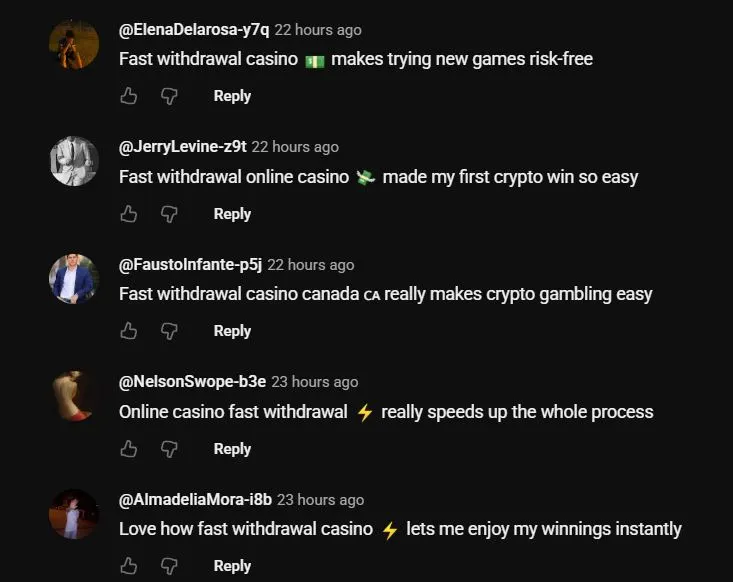
Promo hooks and influencer codes
Glossy video ads, seeded comments, and DMs push “limited” bonuses and influencer codes to spark urgency and usher you into the funnel.
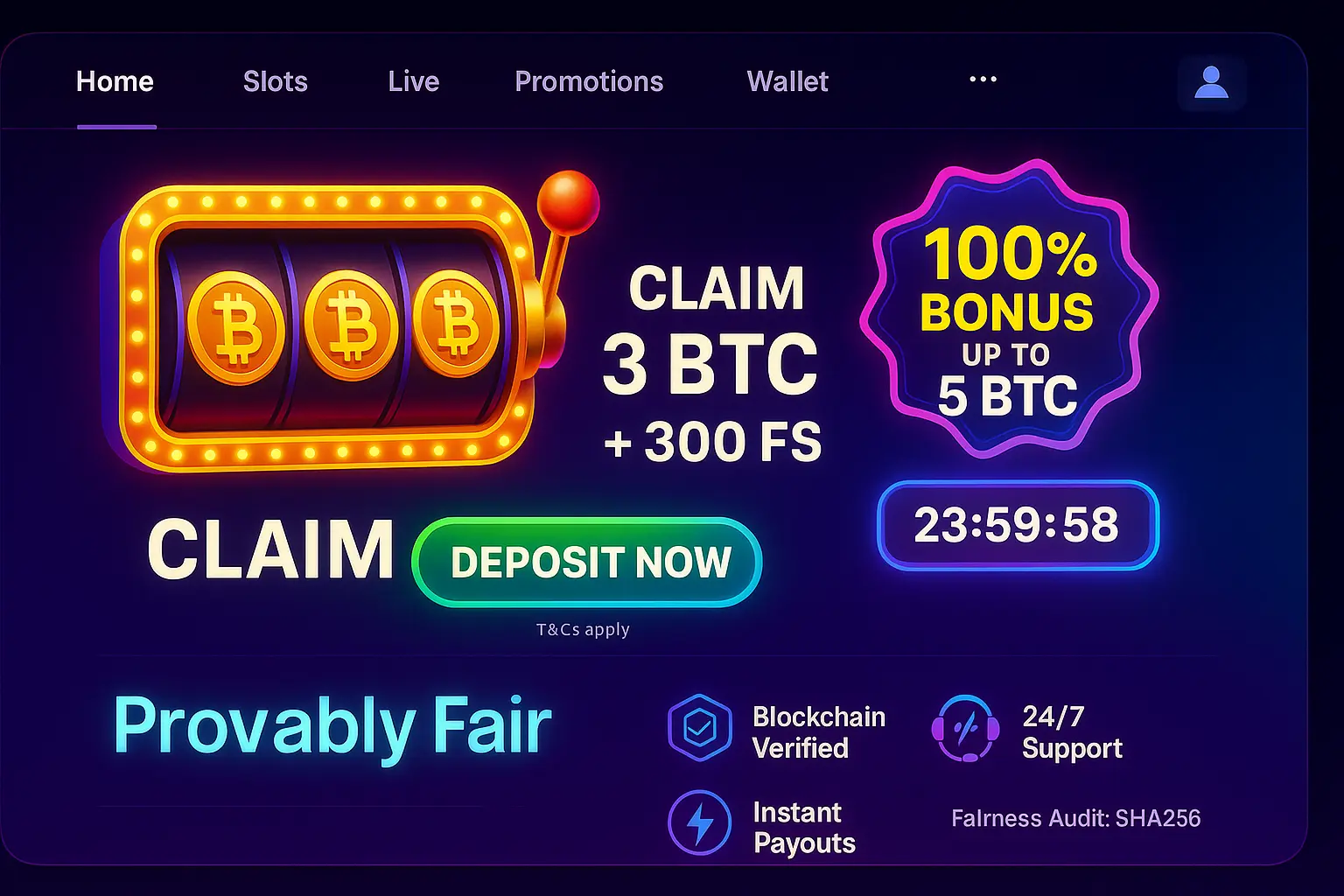
Casino skin and bonus theater
A polished landing page imitates legitimate platforms, flashes jumbo “bonuses,” and claims fairness to create the illusion of credibility before any on-chain proof exists.
Inflated balances, then the gate
Early “wins” swell a fabricated dashboard balance, then withdrawal triggers KYC hurdles and a so-called verification deposit or processing fee.
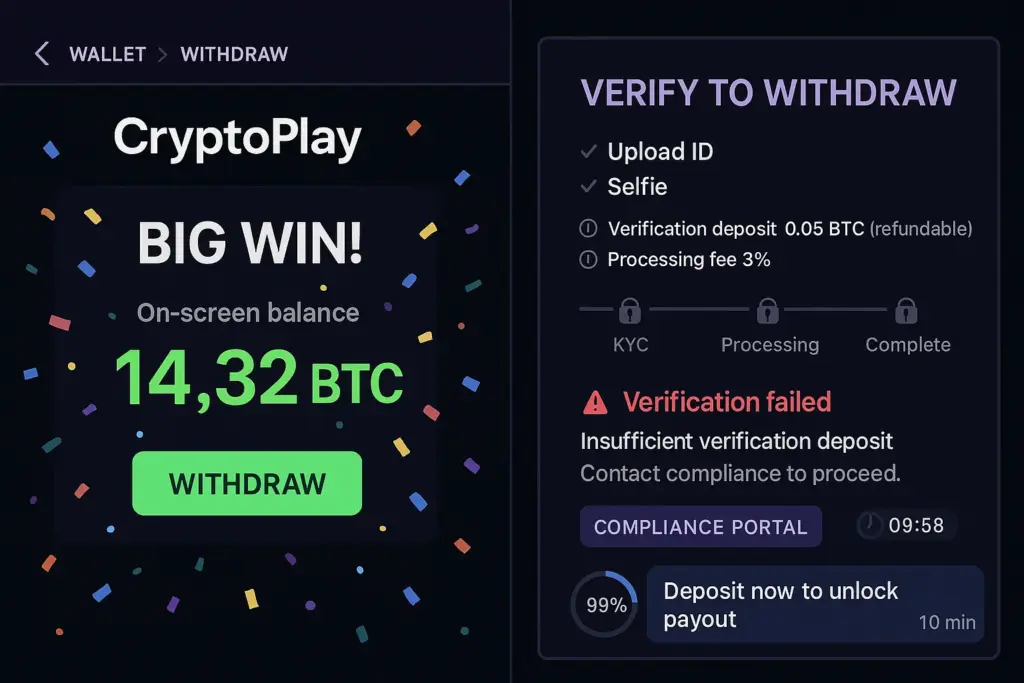
Fee-gates and KYC harvest
Each step adds a pretext-VIP upgrades, AML checks, “taxes”-while siphoning more crypto and, in many cases, harvesting high-value identity documents.

Stalling, rebrands, and “recovery” bait
Support feigns empathy while introducing fresh hurdles; then the site ghosts and relaunches on a new domain. Soon after, a “recovery agent” appears to sell the encore scam.
Staying safe from crypto scams like Lexonto
Resilience isn’t mystical; it’s a handful of routines repeated consistently. Wrap these habits around your accounts and wallets and most Lexonto-style scams bounce off long before they cost you money or peace of mind.
Never pay to withdraw
Legitimate venues deduct fees transparently or from proceeds. “Activation,” “limit-lift,” or “tax prepayment” is a classic advance-fee red flag.
Verify endorsements at the source
Treat viral celebrity videos as counterfeit until confirmed on official sites or accounts. Borrowed authority is engineered to drop your guard.
Navigate with your own bookmarks
Ads, promoted links, and cold DMs are prime ingress to Lexonto-style sites. Reach exchanges and tools via your own verified bookmarks.
Check regulator registers & warnings
If a venue claims authorization, confirm it in official registries and warning lists. Mismatches are decisive evidence of fraud.
Segregate risk with burner wallets
Keep core holdings on hardware or offline. Interact with unknown platforms only via a low-balance wallet you can abandon without pain.
Harden accounts with 2FA & hygiene
Rotate strong passwords, enable app-based 2FA (avoid SMS), prune unused API keys, and review active sessions across email and exchanges.
Revoke approvals & migrate
If you connected a Web3 wallet to Lexonto, use trusted tools to revoke token approvals and move assets to a fresh address. Approvals are standing permissions.
Protect identity & slow down
If you uploaded documents to a fake KYC portal, monitor for misuse and consider a credit freeze where available. Build a pause-then-verify habit for anything urgent or unusually generous.
Where to report Lexonto-style crypto scams (by country)
Reporting reduces further harm. Preserve screenshots, URLs, wallet addresses, and TXIDs, then file with your national cybercrime unit. If funds left from an exchange, open a support ticket with TXIDs and the destination address. Do not engage private “recovery agents” who demand payment.
Click here to report the scam in your country
| Country / Agency | URL | Category / Use-case | Phone/Email |
| Australia – Crime Stoppers | https://www.crimestoppers.com.au | Anonymous tips about crime | 1800 333 000 |
| Australia – National Anti-Scam Center (Scamwatch) | https://www.scamwatch.gov.au/report-a-scam | General scams; phishing; texts/emails | |
| Australia – Police Assistance Line (non-emergency) | https://www.police.gov.au | Local police report | 131 444 |
| Australia – ReportCyber (ACSC) | https://www.cyber.gov.au/report | Cybercrime (hacks, fraud, extortion) | |
| Canada – Canadian Anti-Fraud Center (CAFC) | https://www.antifraudcentre-centreantifraude.ca/report-signalez-eng.htm | General scams incl. phone/text/email | |
| France – DGCCRF (SignalConso) | https://signal.conso.gouv.fr | Consumer scams/deceptive practices | |
| France – PHAROS – Internet-Signalement | https://www.internet-signalement.gouv.fr | Online content & cybercrime reports | |
| Germany – Bundeskriminalamt / Local Police | https://www.polizei.de/Polizei/DE/Home/home_node.html | Report online fraud | |
| Germany – Weißer Ring – Victim Support | https://weisser-ring.de | Victim support | 116 006 |
| India – DoT Helpline (Sanchar Saathi) | https://sancharsaathi.gov.in | Fraudulent telecom/SIM related | 155260 |
| India – National Consumer Helpline | https://consumerhelpline.gov.in | Consumer scams | 1800-11-4000 / 1915 |
| India – National Cyber Crime Reporting Portal | https://cybercrime.gov.in | Cybercrime incl. online fraud | 1930 |
| Japan – Consumer Affairs Agency (CAA) | https://www.caa.go.jp/policies/policy/consumer_policy/caution/cybercrime/ | Consumer scams | |
| Japan – National Police Agency – Cybercrime | https://www.npa.go.jp/bureau/cyber/ | Cybercrime reporting | |
| Mexico – Guardia Nacional (National Guard) | https://www.gob.mx/gn | Cybercrime reporting | |
| Mexico – Instituto Federal de Telecomunicaciones (IFT) | https://www.ift.org.mx | Telecom/online services scams | |
| Mexico – PROFECO | https://www.gob.mx/profeco | Consumer fraud & ecommerce | |
| Netherlands – AFM – Report investment fraud | https://www.afm.nl/en/consumenten/themas/beleggen/misleiding-misbruik | Investment/crypto | |
| Netherlands – Fraudehelpdesk | https://www.fraudehelpdesk.nl/melden | General scams (incl. phishing/SMS) | 088-7867372 |
| Netherlands – Politie – Meldpunt Internetoplichting | https://www.politie.nl/themas/internetoplichting.html | Online shopping fraud | |
| New Zealand – CERT NZ | https://www.cert.govt.nz/individuals/report-an-issue/ | Phishing, identity scams | |
| New Zealand – Department of Internal Affairs – Spam | https://www.dia.govt.nz/Spam-Contact-Us | Email/SMS spam | [email protected] |
| New Zealand – IDCARE | https://www.idcare.org | Victim support (identity compromise) | 0800 121 068 |
| New Zealand – Netsafe – Report | https://www.netsafe.org.nz/report/ | Online harms & scams | |
| New Zealand – New Zealand Police (non-emergency) | https://www.police.govt.nz/use-105 | Report fraud/online crime | 105 |
| Nigeria – Economic & Financial Crimes Commission (EFCC) | https://www.efcc.gov.ng | Financial scams incl. crypto/investment | [email protected] |
| Nigeria – Nigeria Police Special Fraud Unit (SFU) | https://www.specialfraudunit.org.ng | Serious fraud | Voice/SMS: 0708 227 6895; WhatsApp: 0812 760 9914 |
| Poland – CERT Polska (CERT.PL) | https://cert.pl/en/report/ | Cyber incidents & phishing | |
| Poland – Dyzurnet.pl | https://dyzurnet.pl | Illegal online content (esp. child protection) | |
| Poland – Polish Police (Policja) | https://www.policja.pl | Report scams to police | |
| Singapore – Anti-Scam Centre / Anti-Scam Helpline | https://www.scamalert.sg | General scams; texts; calls | 1800-722-6688 |
| Singapore – Monetary Authority of Singapore (MAS) | https://www.mas.gov.sg/investor-alert-list | Investment/crypto checks | |
| Singapore – Singapore Police Force | https://www.police.gov.sg/iwitness | Police report (cybercrime) | |
| South Africa – Cybersecurity Hub (CSIRT) | https://www.cybersecurityhub.gov.za | Cyber incidents incl. scams | |
| South Africa – South African Fraud Prevention Service (SAFPS) | https://www.safps.org.za | Identity fraud support | 011-867-2234 |
| South Africa – South African Police Service (SAPS) | https://www.saps.gov.za | Police report (cybercrime unit) | |
| South Korea – Korea Communications Commission (KCC) | https://www.kcc.go.kr | Telecom-related fraud | |
| South Korea – Korea Internet & Security Agency (KISA) | https://www.kisa.or.kr | Phishing, online harms | |
| South Korea – Korean National Police Agency – Cyber Bureau | https://ecrm.cyber.go.kr | Cybercrime reporting | |
| Spain – INCIBE – Oficina de Seguridad del Internauta (OSI) | https://www.osi.es/es/reporte | Cybersecurity & online fraud | |
| Spain – Policía Nacional / Guardia Civil | https://www.policia.es | Report scams to police | |
| Sweden – Crime Victim Authority (Brottsoffermyndigheten) | https://www.brottsoffermyndigheten.se | Victim support & compensation | 090–70 82 00 |
| Sweden – Polisen (Swedish Police) | https://polisen.se | Report fraud/cybercrime | 114 14 (non-emergency); 112 (emergency) |
| Sweden – Swedish Consumer Agency (Konsumentverket) | https://www.konsumentverket.se | Unfair business practices | |
| United Arab Emirates – Abu Dhabi Police – Aman Service | https://www.adpolice.gov.ae | Cybercrime tips/reporting | SMS 2828; 800 2626 |
| United Arab Emirates – Dubai Police – eCrime | https://www.dubaipolice.gov.ae | Cybercrime reporting | 04 606 1600 |
| United Arab Emirates – Ministry of Interior – Cyber Crime Dept. | https://www.moi.gov.ae | Cybercrime incl. online scams | |
| United Arab Emirates – Telecommunications Regulatory Authority (TRA) / TDRA | https://www.tra.gov.ae | Telecom-related scams/phishing | |
| United Kingdom – Action Fraud (NFIB) | https://www.actionfraud.police.uk | General scams & cybercrime (non-emergency) | 0300 123 2040 |
| United Kingdom – Citizens Advice Consumer Service | https://www.citizensadvice.org.uk/consumer/get-more-help/if-you-need-more-help-about-a-consumer-issue/ | Consumer problems & scam guidance | 0808 223 1133 |
| United Kingdom – Financial Conduct Authority (FCA) | https://www.fca.org.uk/consumers/report-scam-us | Investment/crypto & financial services | |
| United Kingdom – National Cyber Security Centre (NCSC) | https://www.ncsc.gov.uk/collection/phishing-scams | Phishing emails & suspicious websites | |
| United Kingdom – Stop Scams UK ‘159’ | https://stopscamsuk.org.uk/159 | Banking APP fraud (direct to your bank) | 159 |
| United States – AARP Fraud Watch Network Helpline | https://www.aarp.org/money/scams-fraud/ | Victim support | 833-372-8311 |
| United States – Better Business Bureau – Scam Tracker | https://www.bbb.org/scamtracker | Business/marketplace scams | |
| United States – FBI Internet Crime Complaint Center (IC3) | https://www.ic3.gov | Internet crime incl. investment/crypto | |
| United States – Federal Trade Commission – ReportFraud | https://reportfraud.ftc.gov | General scams, phishing, texts/emails | 1-877-382-4357 |
| United States – National Center for Disaster Fraud | https://www.justice.gov/disaster-fraud | Disaster-related scams | (866) 720-5721 |
| United States – SEC Tips & Complaints | https://www.sec.gov/tcr | Investment & securities/crypto-asset offerings |
Prevention costs less than recovery. Stay skeptical of “guaranteed” profits, report swiftly, and harden your accounts so the next clone bounces off instead of cashing in.
