

If your system recently started throwing up alarming pop-ups from “Norton”, “McAfee”, or another popular AV (whether you have it installed or not), shouting about infections and expiring subscriptions, you’d better read this article. It’s about a browser hijacker called Antiinject.info, which is likely to be the reason behind these unusual disturbances.
The simplest way to confirm that you are indeed dealing with this hijacker and not an actual virus is to check the source of the warning (small text under the big, alarming letters). If it points to Antiinject.info or another similar hijacker like Mobility Search or Iadispatcher, you’re not infected; your browser is hijacked.
So what’s the goal of this hijacker if it’s not a virus? Antiinject.info aims to gain permission in the browser through fake CAPTCHAs that trick you into clicking “Allow”. Then the hijacker goes on to overrun your searches, swap your homepage, and pump redirects to cousins like Mightytechy or Review4.in.
The goal is simple: to pressure you and scare you into tapping a link, downloading junk, or typing card details on a phishing page. The “alerts,” the countdowns, the tidy dashboard numbers – stage props. Do not click anything it serves. Instead, try SpyHunter 5 to quickly rid yourself of this annoyance or, if you prefer a more hands-on approach, check out the detailed guide I’ve prepared for you on this page.
We tested that SpyHunter successfully removes Antiinject.info* and we recommend using it. It will block Antiinject.info from reinstalling itself and it will make sure your device is clean from any malware.
 Try Free For 7 Days*
Buy now15% OFF if you buy straight without trial.
 OFFER
OFFERAntiinject.info Removal Tutorial
Most people try to fix everything in one frantic sweep and end up undoing useful clues. Slowing down prevents compounding mistakes and makes each change measurable. Tackle the obvious symptoms first, then move inward. That steady pace matters because Antiinject.info often hides behind normal-looking settings, and rushed clicking tends to preserve it rather than remove it.
Quick Steps to Remove Antiinject.info
- 1.1Before changing anything else, open your everyday browser and enter Settings to look for quick wins against Antiinject.info.
In Chrome, click the ⋮ menu at the top right.
In Firefox, use the ☰ menu in the same corner.
Navigate to Extensions or Add-ons. Scan the entire list. Anything you didn’t intentionally install or don’t recognize deserves attention, since imposters often borrow trustworthy-sounding names. - 1.2Not sure an add-on is clean? Check its name, icon, permissions, and description first, then act. Counterfeits frequently mimic real projects with tiny spelling changes. If doubt persists, press Remove. A quick web search of the exact name in quotes typically reveals warnings or user reports when it’s malicious.
- 1.3Because site permissions can quietly drive pop-ups and redirects, head to Privacy and security and open Site permissions – you might need to expand Advanced. Review which sites can use your microphone, camera, location, or notifications. Revoke privileges for any domain you don’t remember approving.
- 1.4Seeing unknown sites still listed? Purge them, then fully exit the browser and relaunch it so configuration files reload cleanly. That restart cements the policy changes and stops leftover scripts from holding on. Often these initial corrections are enough to break the hijacker’s grip.
Often, this quick fix is enough to restore order. But if Antiinject.info is still hanging around, it’s time to dig deeper.
SUMMARY:
| Name | Antiinject.info |
| Type | Browser Hijacker |
| Detection Tool |
Some threats reinstall themselves if you don’t delete their core files. We recommend downloading SpyHunter to remove harmful programs for you. This may save you hours and ensure you don’t harm your system by deleting the wrong files. |
How to Remove the Antiinject.info Virus
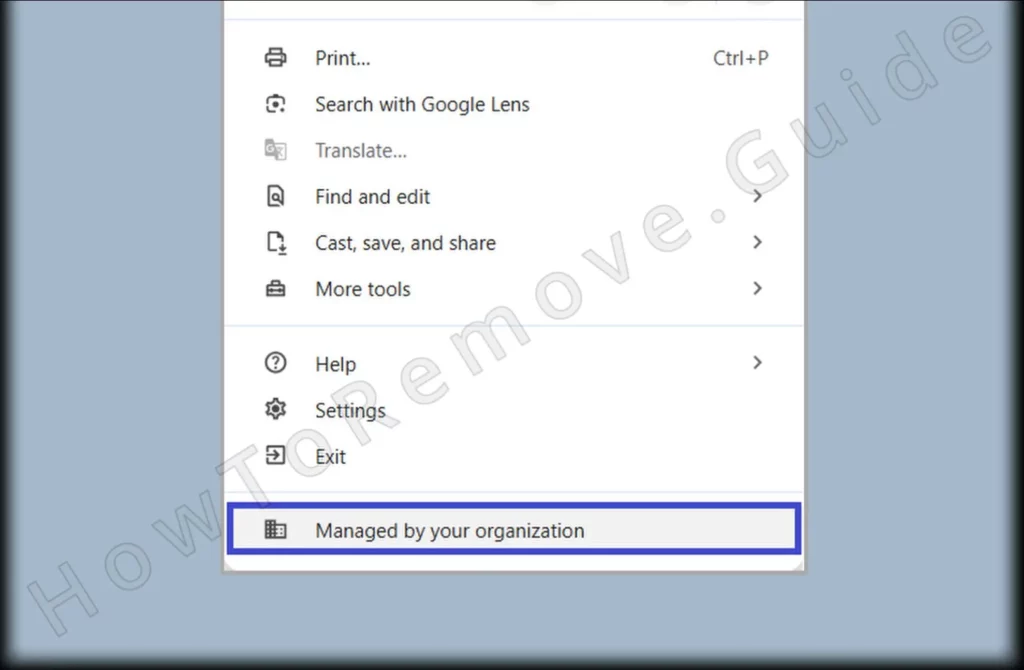
If your toolbar suddenly claims the browser is “Managed by your organization”, you’re dealing with settings enforced via policies, not a mere extension toggle. This shift matters because normal removal buttons stop working. Antiinject.info frequently sets a policy to keep reappearing. You’ll need to identify those policies and remove their sources methodically.
The “Managed by your organization” banner indicates a third-party policy is active in the browser. Antiinject.info often plants or modifies policy entries to lock its preferences and suppress your changes.
1. Identify the Antiinject.info Policies
- 1.1
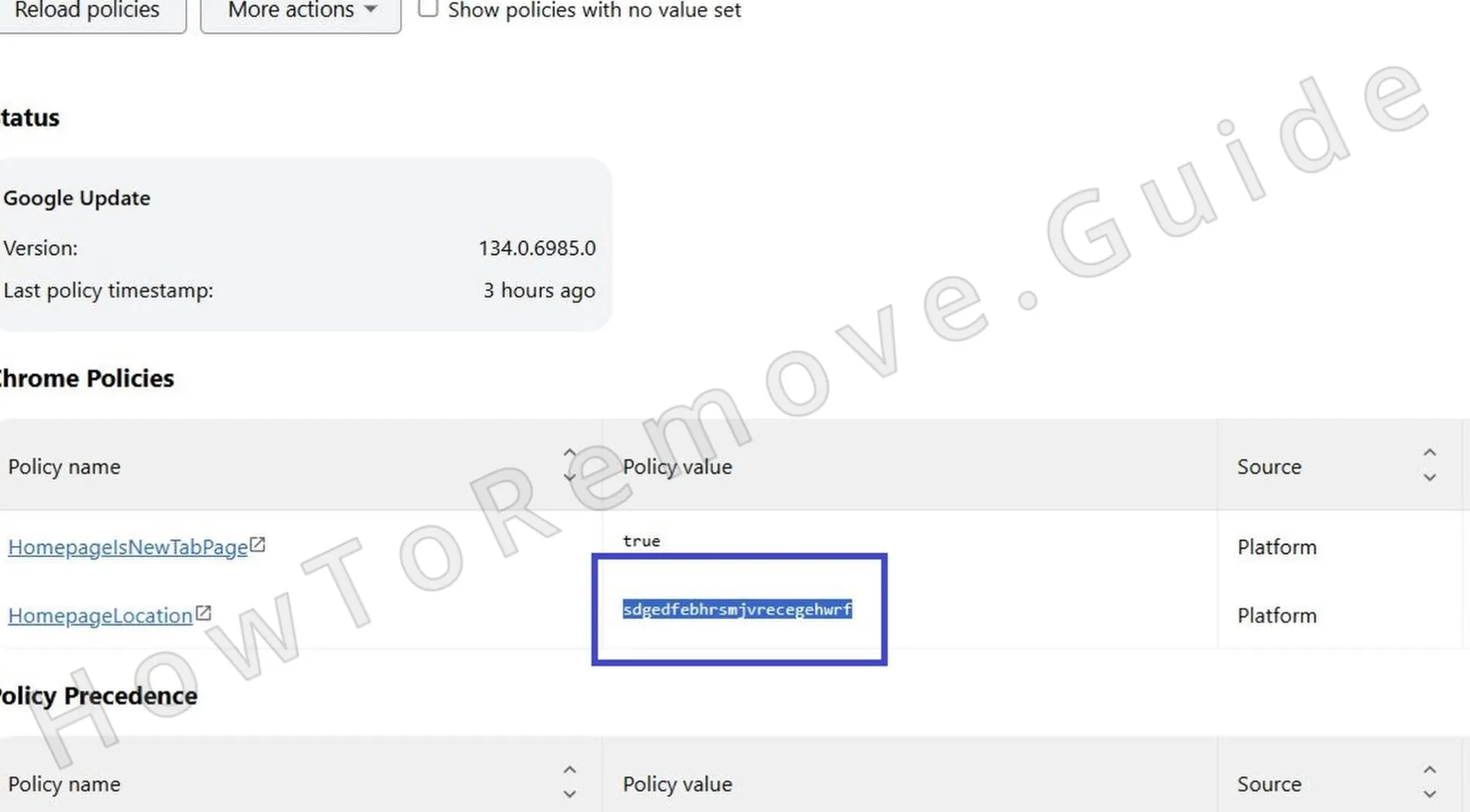 Start with visibility: are any policies actually present that reference Antiinject.info or unrelated features? In Chrome, open chrome://policy. In Edge, use edge://policy. Wait for the list to load completely, then read every entry and description. Flag items you don’t recognize or that don’t match how you use the browser.
 - 1.2Because vague wording often masks control, open each policy’s details and look for generic keys, odd URLs, or enforced preferences you never set. Take screenshots or write down names and values. Those notes will guide what to remove in the file system or registry so you target the right components later.
- 1.3When extensions are a suspect, go to Extensions and enable Developer mode (toggle at the top right). That reveals extension IDs and sometimes the Install location path. Record the IDs you don’t trust – the folder names in disk storage typically match these IDs, which helps you find the underlying files.
- 1.4Blocked from reaching the Extensions page by a policy or redirect? Treat that as confirmation and bypass the UI. Use File Explorer directly; it lets you inspect and delete files without loading the hostile browser interface.
- 1.5
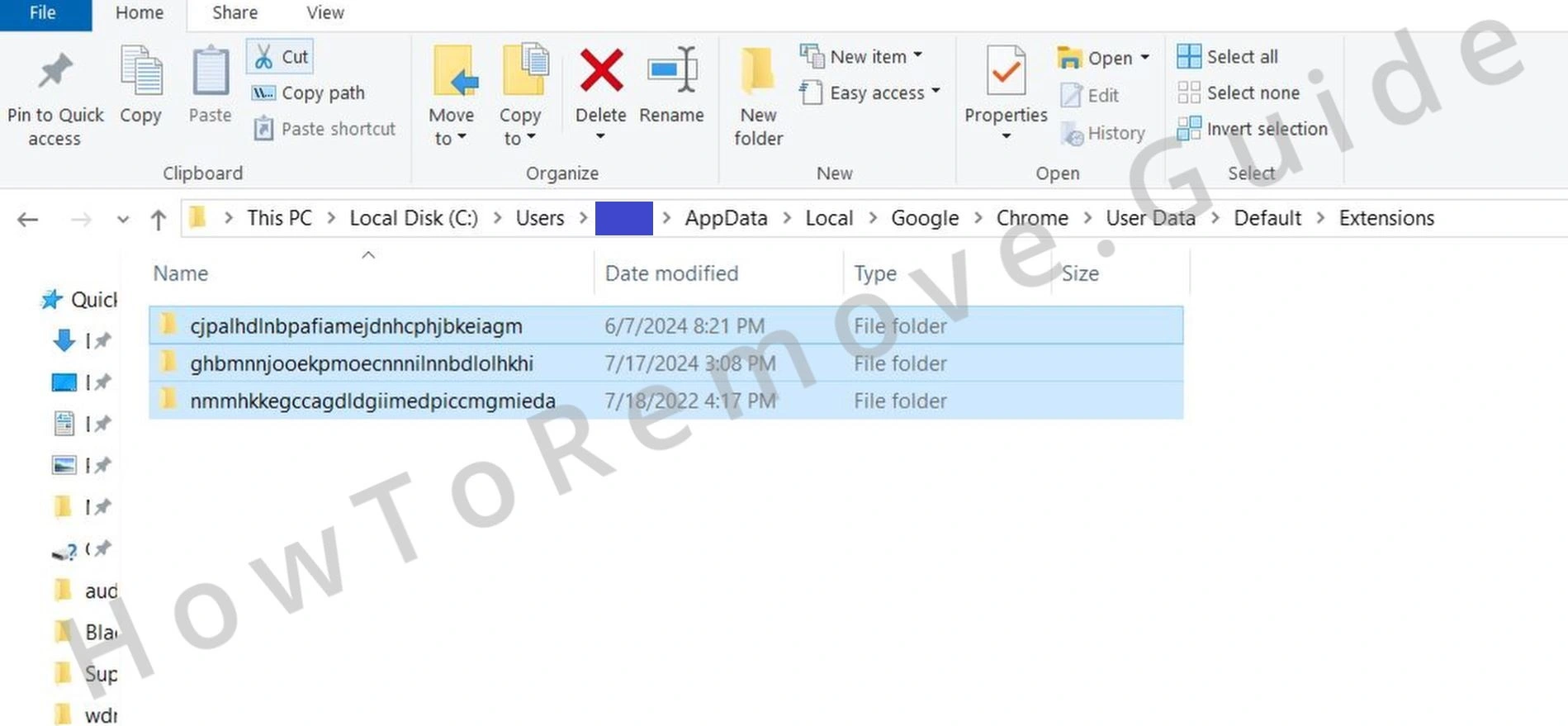 Open File Explorer and go to:
C:\Users<Your Username>\AppData\Local\Google\Chrome\User Data\Default\Extensions
Each subfolder corresponds to an extension ID. Compare these with the IDs you recorded. Only after confirming a match with the suspicious one should you delete its folder. When in doubt, back up the folder elsewhere before removing it. - 1.6
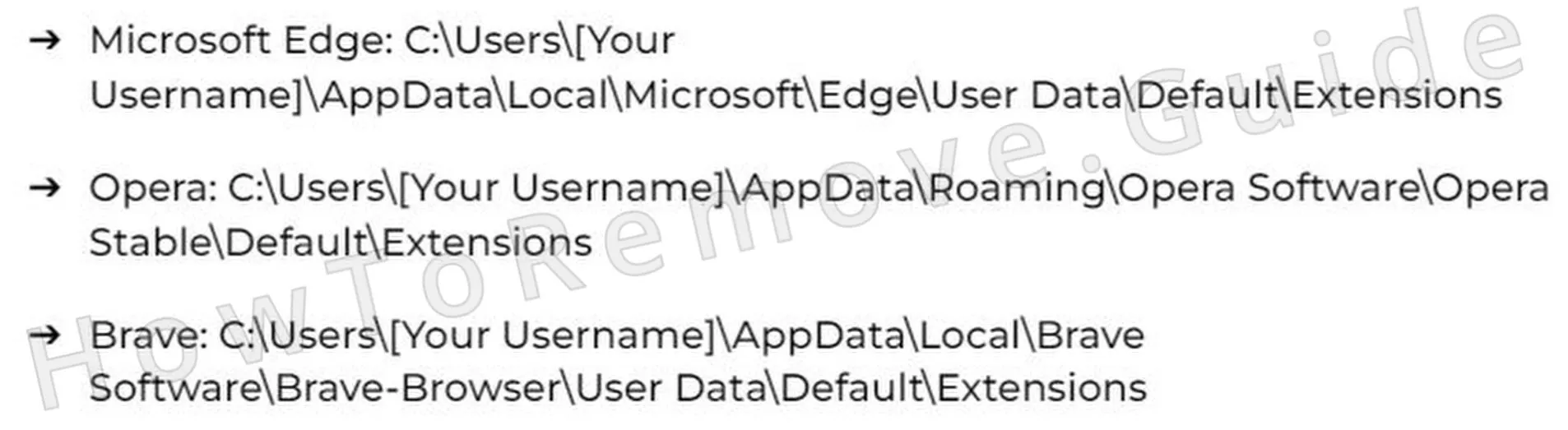 Using Brave, Opera, or another Chromium-based browser as well? Repeat this same inspection in that browser’s AppData extensions directory and remove any matching rogue folders. Multiple browsers can re-seed one another via sync or shared installers.
 - 1.7Return to Extensions still in Developer mode and confirm the bad add-on no longer appears. If it returns after a moment, look for leftover files or turn off account sync temporarily to stop it from re-installing from the cloud. Persistence usually means a policy or scheduled task is still present.
Get Rid of Antiinject.info Policies
If policy entries landed in the Windows Registry, manual edits become risky. Mistakes here can cause system instability or boot issues. Proceed carefully, back up first, and take the time to verify each change. Antiinject.info thrives on users skipping safety steps, so slow, deliberate edits keep you safe and effective.
2. How to Delete Antiinject.info Policies Through the Registry
- 2.1Before deleting anything, launch Registry Editor safely and create a backup so Antiinject.info-related changes can be reversed if needed. Press Windows + R, type regedit, and press Enter. In File → Export, save the entire registry to a secure location with a clear filename and date.
- 2.2Which keys should go? Use Ctrl + F or Edit → Find to search for the suspicious extension ID or policy name you recorded. Delete each precise match you find, then press F3 to continue finding the next one. Keep searching until there are no further hits anywhere in the registry hives.
- 2.3
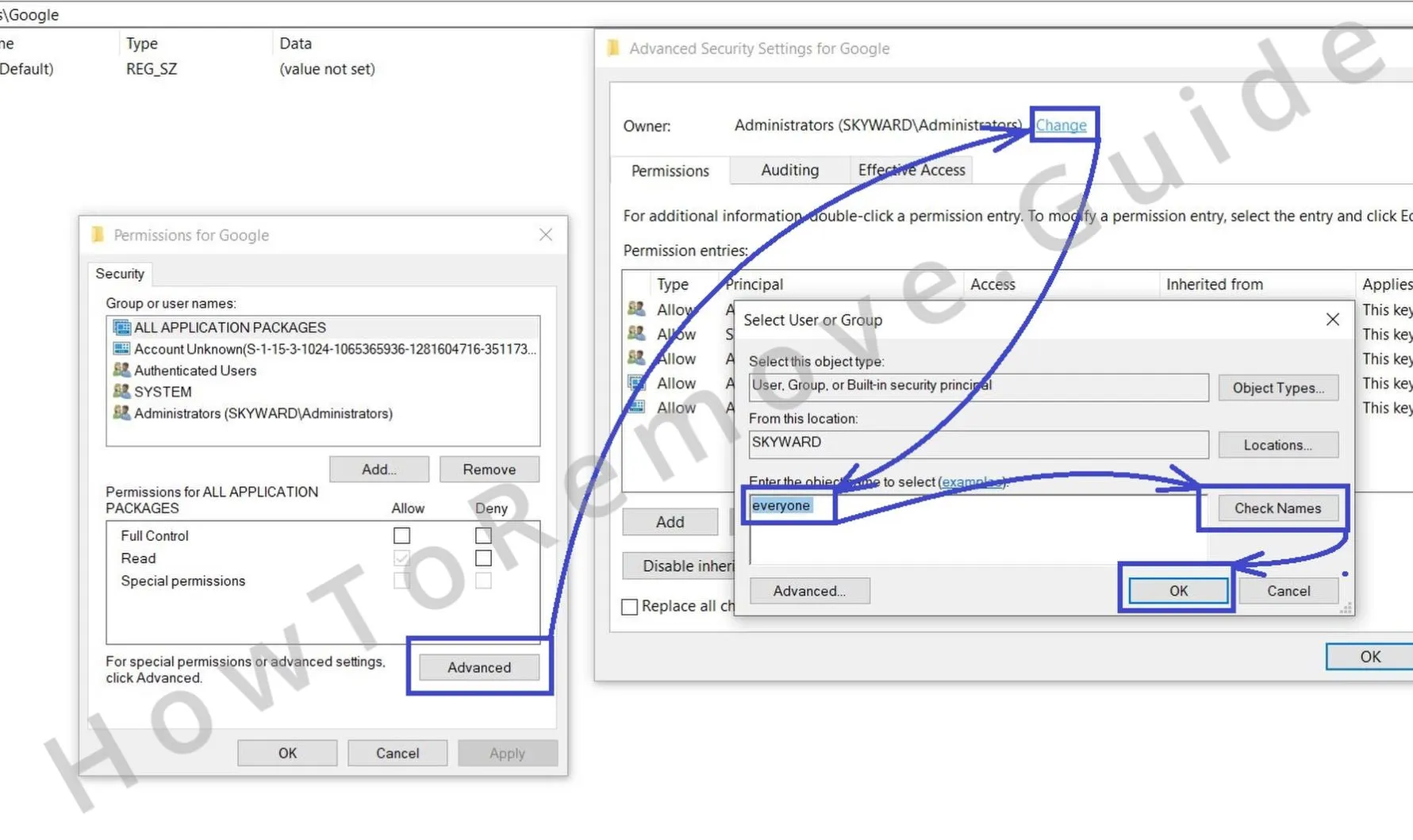 Blocked by access errors when removing a key? Right-click the key, choose Permissions, then Advanced. Click Change next to Owner, type Everyone, click Check Names, and press OK. That ownership change grants you control so you can alter inherited permissions and remove the entry.
 - 2.4
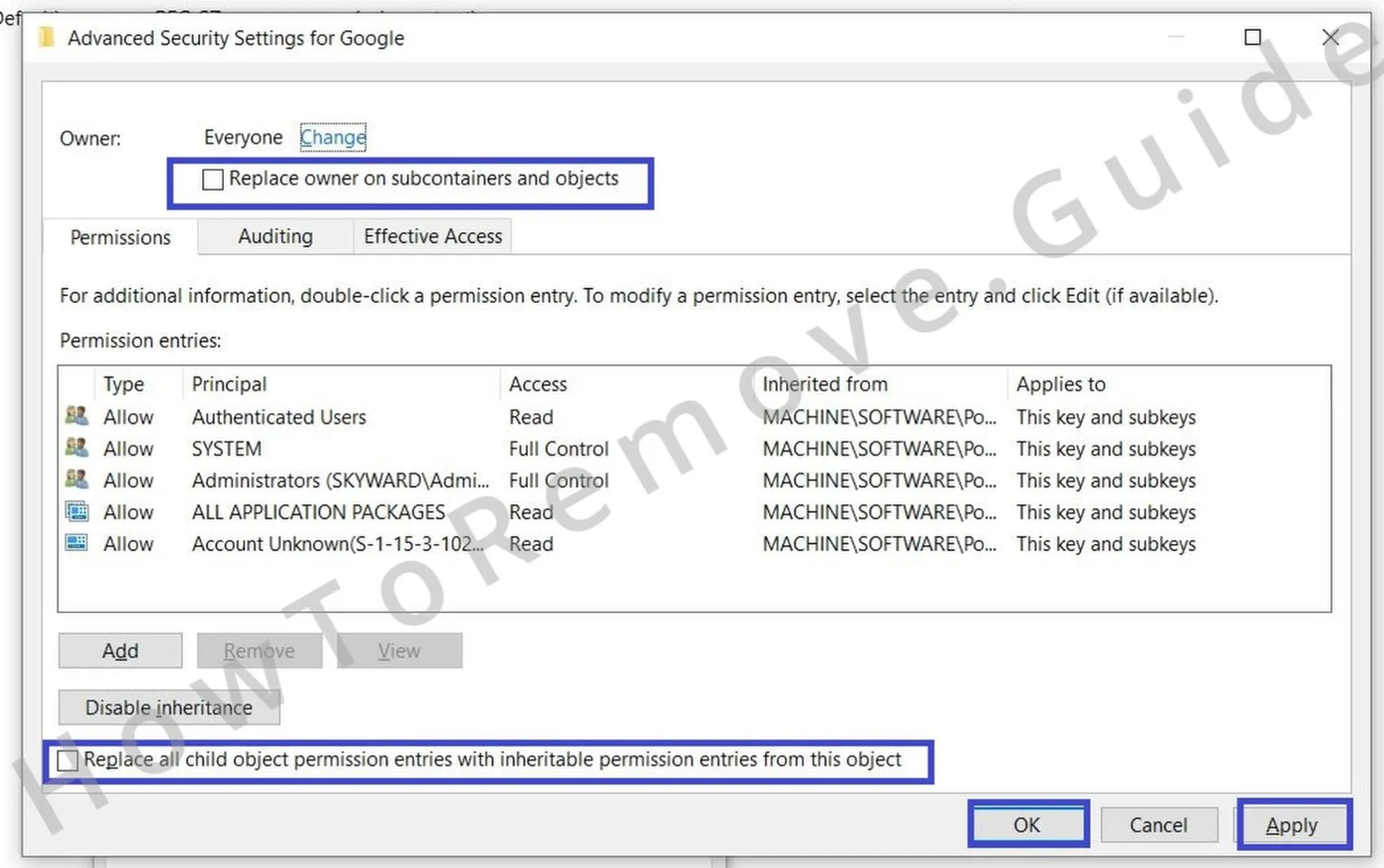 To propagate control downwards, enable both checkboxes:
– Replace owner on subcontainers and objects
– Replace all child permission entries with inheritable permissions from this object. Click Apply, then OK. Delete the stubborn key, reboot the PC, and reopen the browser to check whether the “Managed by your organization” notice is gone.
You now hold sufficient rights to clean up the rogue registry branch without residual child keys keeping the policy alive.
Alternative Tools to Delete Antiinject.info Policies
Sometimes a registry edit and folder cleanup still leave the browser locked down. That doesn’t necessarily mean a mistake; layered policies can be applied by local templates or helper utilities. Stay patient and systematic. Antiinject.info often survives until every policy source – templates, files, and services – has been cleared.
3. Other Ways to Get Rid of Antiinject.info Policies
- 3.1
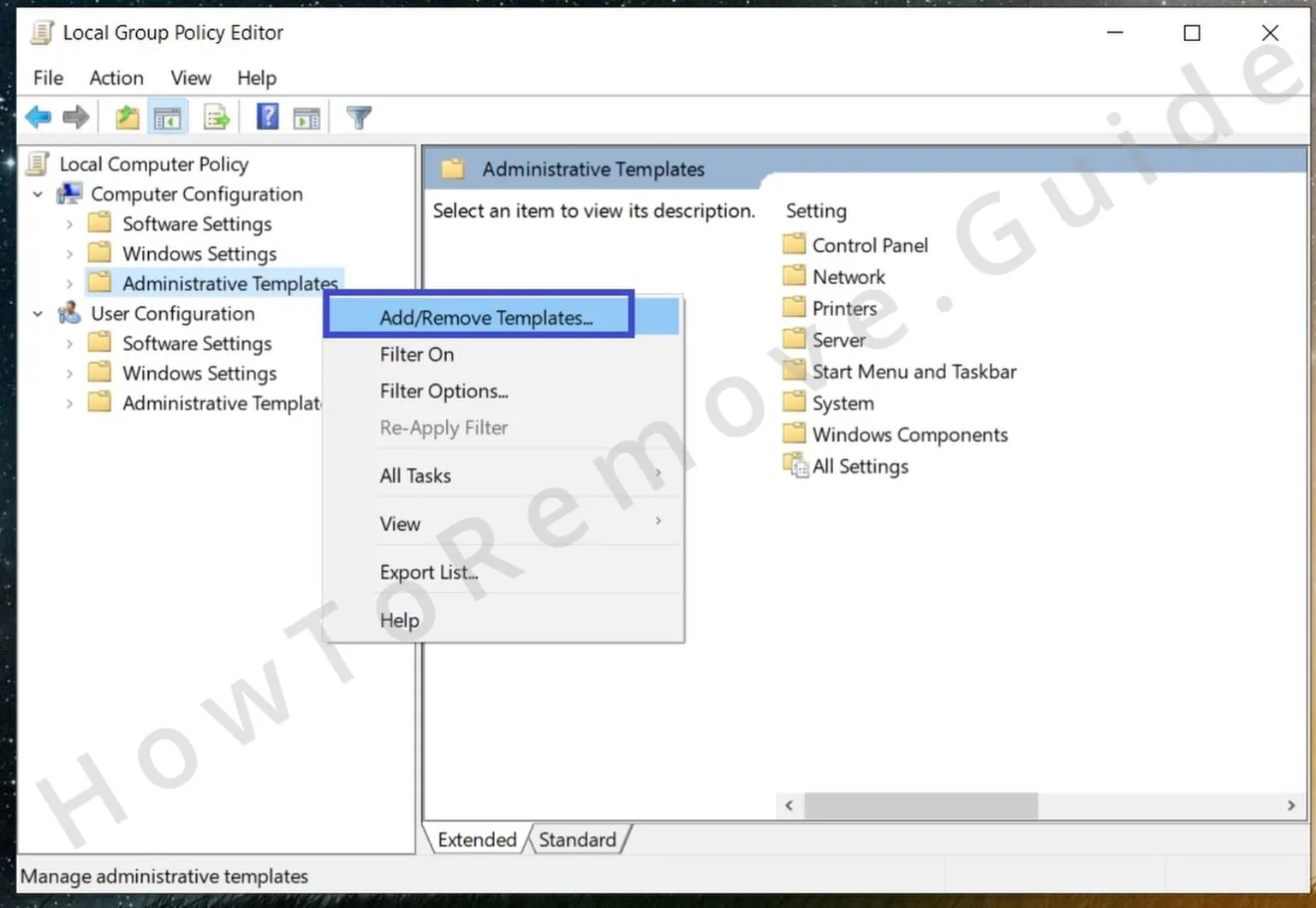 When local policy files are suspected, use the Windows editor to review what’s enforced for your account with Antiinject.info in mind. Press Windows + S, search for Edit group policy, and press Enter. In the left pane, expand Administrative Templates to see configured settings affecting the browser.
 - 3.2
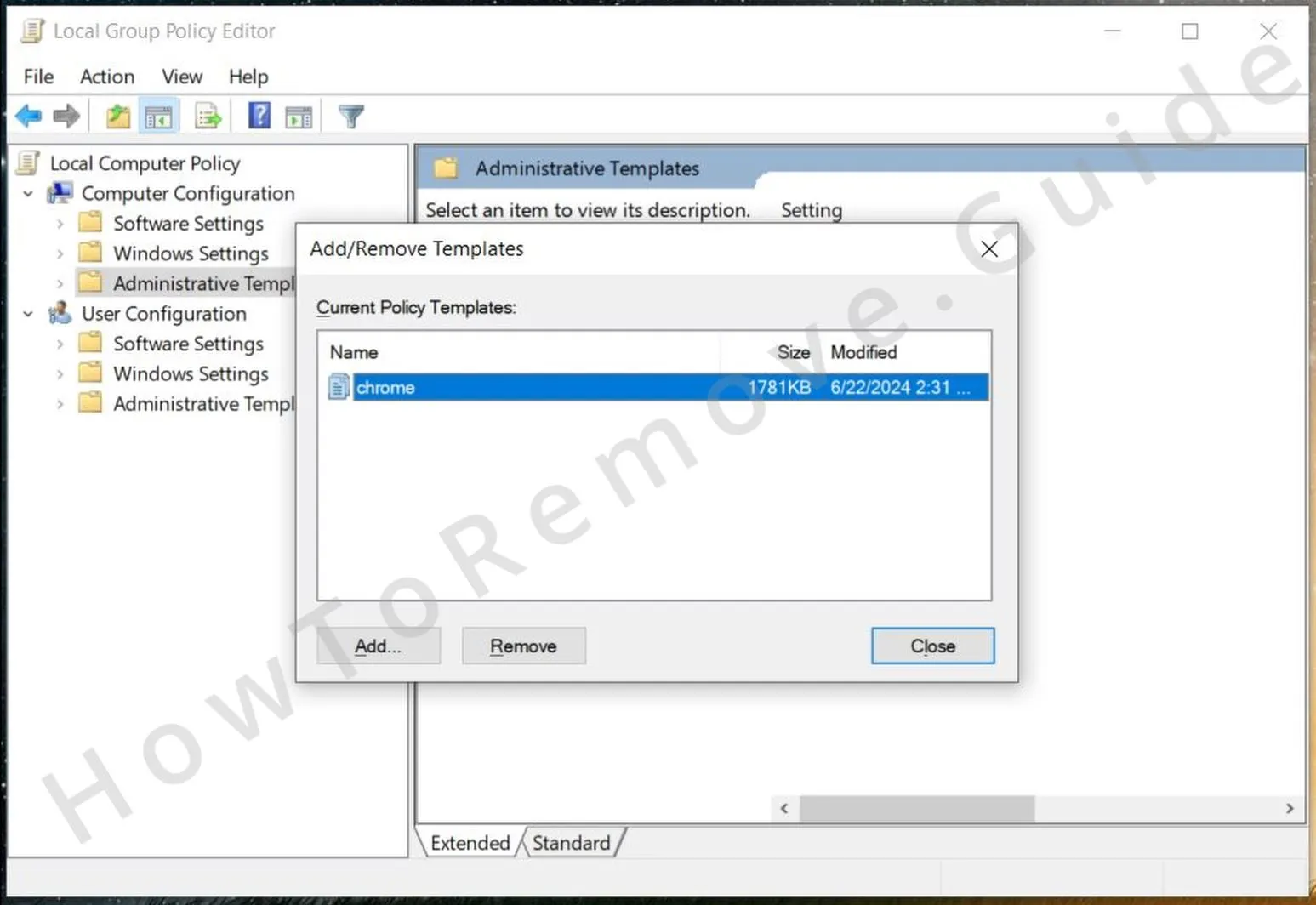 Do unexpected templates appear? Right-click Administrative Templates and choose Add/Remove Templates. Remove any template you don’t recognize or didn’t install yourself. Malicious templates sometimes add browser policy keys that reapply restrictions after you delete them elsewhere.
 - 3.3For Chrome, a reputable Chrome Policy Remover utility can surface hidden or deprecated entries. Download a trusted tool, then right-click it and choose Run as administrator so it can enumerate system-wide locations. Utilities that only read user scope may miss machine policies.
- 3.4If SmartScreen or security software warns, select More info → Run anyway only when you’re certain of the source. After cleanup, restart the computer. Recheck the Registry and Group Policy Editor to verify that the policy entries no longer repopulate and that the browser no longer shows the managed banner.
Uninstall Antiinject.info From Chrome, Edge, and Other Browsers
Even after a policy cleanup, sync data or cached settings can quietly restore unwanted behavior. The last mile is confirming that search, startup pages, and permissions are your own choices again. Check each area carefully. Antiinject.info frequently lingers through harmless-looking defaults like notifications and startup URLs.
4. How to Remove Antiinject.info From Your Browser
- 4.1Are unwanted add-ons reappearing after restarts because sync is restoring them along with Antiinject.info traces? Reopen your browser’s Extensions or Add-ons list. Remove any suspicious entry again and consider turning off account sync temporarily until the machine is fully clean.
- 4.2
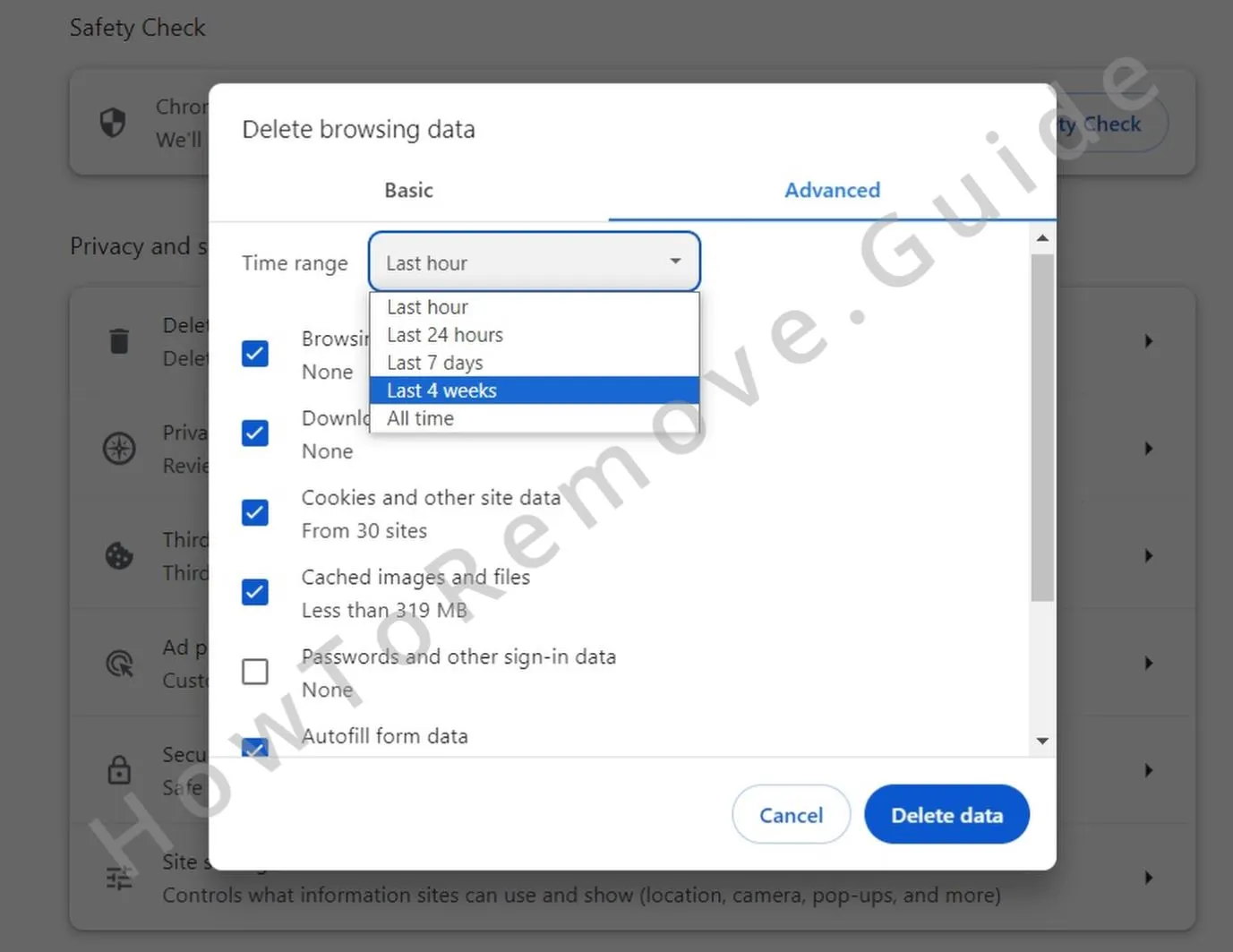 For stubborn site behavior, clear the browser’s stored data so cached scripts can’t reload. Open Clear browsing data, choose All time, leave Saved passwords unchecked, and delete cookies, cached images and files, and site data. This prevents remnants from resurrecting redirect rules.
 - 4.3
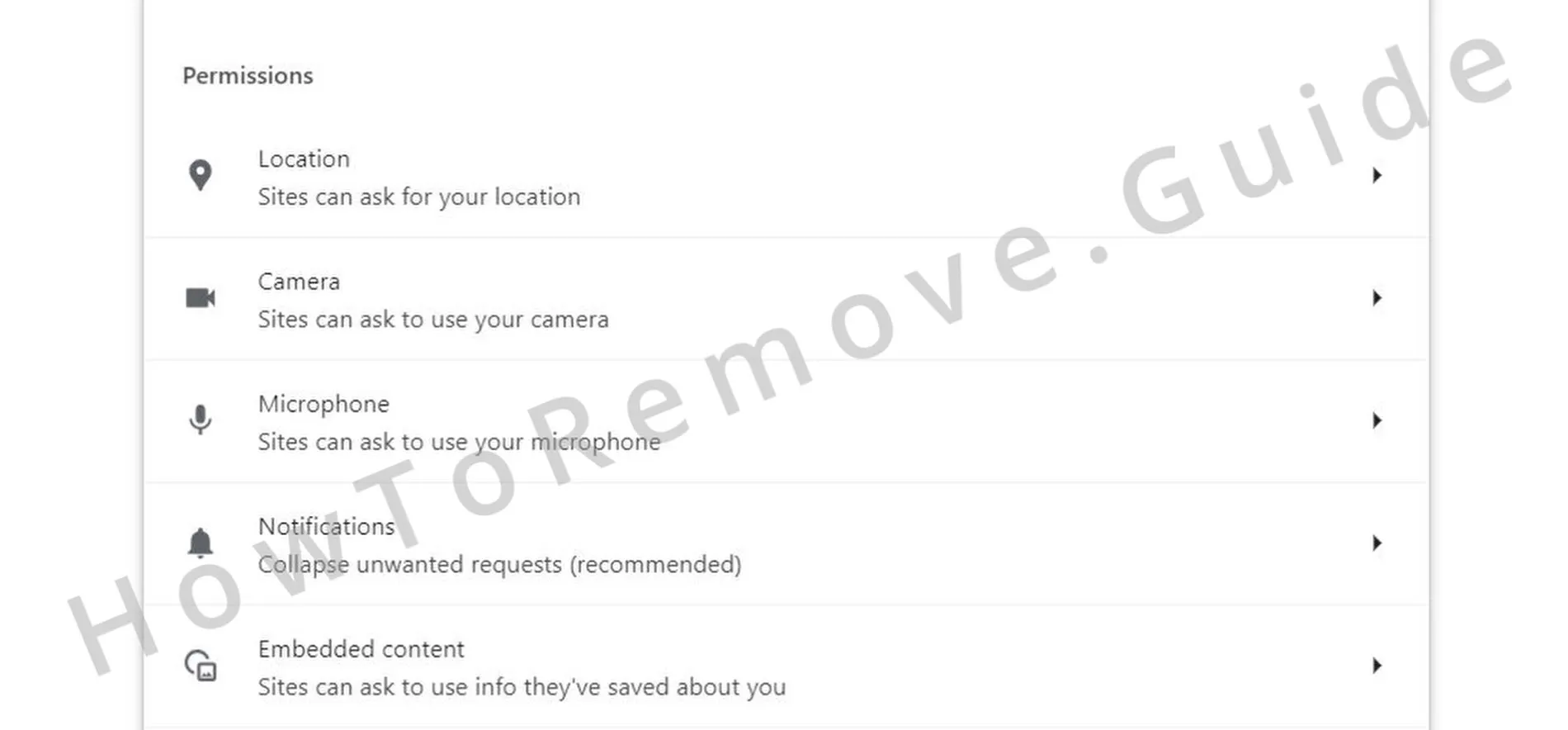 Next, audit live permissions. In Privacy and security → Site settings, remove camera, microphone, and notifications permissions for unfamiliar sites. Also scan Background sync and Pop-ups and redirects if available, since permissive toggles there can reintroduce intrusive prompts.
 - 4.4
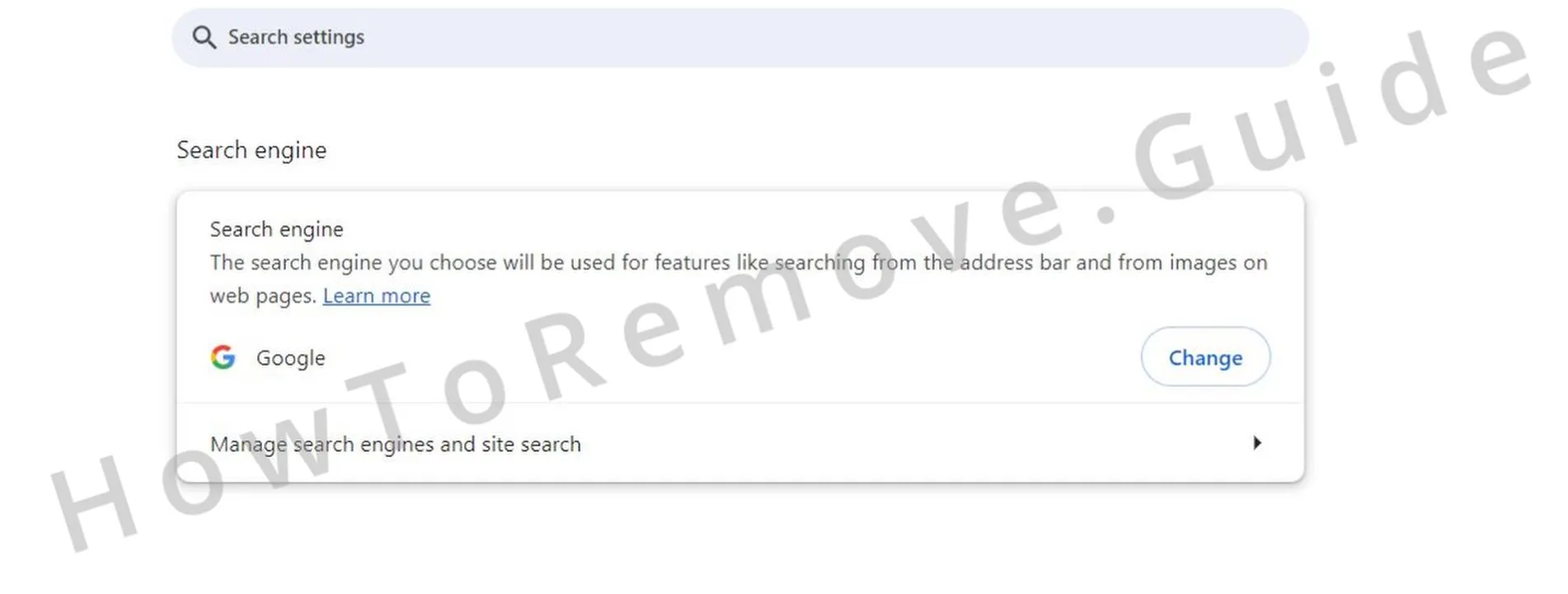 Hijacked search is a common tell. Go to Search engine settings → Manage search engines. Delete any engine you don’t recognize and set your preferred provider – Google, Bing, or DuckDuckGo – as Default. Confirm there’s no custom engine set to trigger on new tabs.
 - 4.5Finally, review startup behavior. In On startup or Appearance, remove any Startup pages or Home page you didn’t add. Set a reliable site or a New Tab page you trust. This blocks forced redirects at launch and helps ensure clean sessions going forward.
