

If a program called AppSuite PDF suddenly shows up and your browser starts acting weird – new homepage, sluggish tabs, surprise redirects – you’re likely staring at adware dressed as officeware.
The branding screams “productivity,” but the behavior is pure grift. Recent investigations tie AppSuite and its cousins (OneStart, “PDF Editor”) to a loader chain that quietly installs extra components, then keeps them alive with scheduled tasks named like system checks and GUID-named JavaScript stashed in your Temp folder. Behind the curtain, a bundled Node.js runtime kicks off those scripts to phone home to rotating command-and-control domains (think mka3e8[.]com, y2iax5[.]com, 5b7crp[.]com), fetch updates, and persist through reboots.
In mid-August 2025, that machinery began pushing a new stage: ManualFinder, fetched by MSHTA from portal.manualfinder[.]com and initially signed with certificates that looked legitimate – until they weren’t. Other builds hijack Chrome or Edge, swap your search engine with search-redirect[.]com, and probe for stored credentials or installed security tools.
None of this announces itself; the app may even seem helpful at first. That’s the trick. What poses as a PDF helper is a staged adware platform with room to grow nastier. Treat AppSuite as a foothold for abuse – not a utility – and plan on removing it, plus anything it dragged in.
We tested that SpyHunter successfully removes AppSuite* and we recommend using it. It will block AppSuite from reinstalling itself and it will make sure your device is clean from any malware.
 Try Free For 7 Days*
Buy now15% OFF if you buy straight without trial.
 OFFER
OFFERAppSuite Removal Tutorial
AppSuite is adware, and removal can range from simple to time-consuming. On some systems, uninstalling the program is enough. On others, you’ll need to deal with its loader behavior and persistence (scheduled tasks, GUID-named JavaScript, and a bundled Node.js runtime). Start with the quick steps; escalate only if AppSuite or its companions (OneStart, “PDF Editor,” ManualFinder) remain.
Quick Steps to Remove AppSuite
- 1.1Launch the Start Menu, input “Apps & Features” into the search bar, and press Enter to reveal a catalog of all programs installed on your system. This lets you spot and remove dubious entries. Make sure you’re logged in with admin privileges—without them, you might face barriers during the process. Full access guarantees an uninterrupted removal experience.
- 1.2Arrange the catalog by the date each program was added to simplify spotting unwanted software. Malware often appears as a recent addition, making this tactic effective for identifying oddities. Zero in on items installed when trouble first emerged. This sharpens your focus and accelerates the hunt.
- 1.3Scrutinize the list with care. Look for programs you don’t recognize, especially those with bizarre titles or plain icons. Mark anything odd for closer review. Be meticulous about entries lacking clear developer info. This diligence ensures no sneaky dangers slip past you.
- 1.4When you encounter a questionable entry, highlight it and click Uninstall. Malware can hide behind deceptive labels, so trust your instincts. Follow the on-screen directions, and if prompted, reboot your machine after the process finishes. Restarting clears out any lingering traces.
- 1.5Navigate to C:\Program Files and C:\Program Files (x86), find the folder tied to the program, and erase any leftover files by hand. Reboot your computer and verify whether AppSuite is gone for good. If it’s still there, don’t panic – more steps await. After restarting, keep an eye out for malware signs to confirm the system is clean.
Finally, power cycle your machine, use it briefly, and check for any remnants of the AppSuite pest. If it still pesters you, proceed to the tougher measures outlined below.
SUMMARY:
Important! Read Before Continuing
AppSuite is tenacious – it won’t vanish just by deleting a couple of files. Some of the more advanced actions explained next demand technical know-how, and if you’re uneasy diving in, it might feel daunting. In case any of the next steps seem too confusing to you, I recommend opting for SpyHunter 5 – a professional removal tool you’ll find here that offers a quick and risk-free solution to the AppSuite problem.
How to Remove the AppSuite Virus
If the quick steps fail, proceed with a manual cleanup. Show hidden items, enable file extensions, and make sure you have administrator rights to delete locked files. Stop related processes first (e.g., node.exe, wscript.exe, mshta.exe) so the adware can’t immediately restore itself. Skipping this preparation often results in an incomplete removal.
1. AppSuite Removal Preparatory Steps
- 1.1
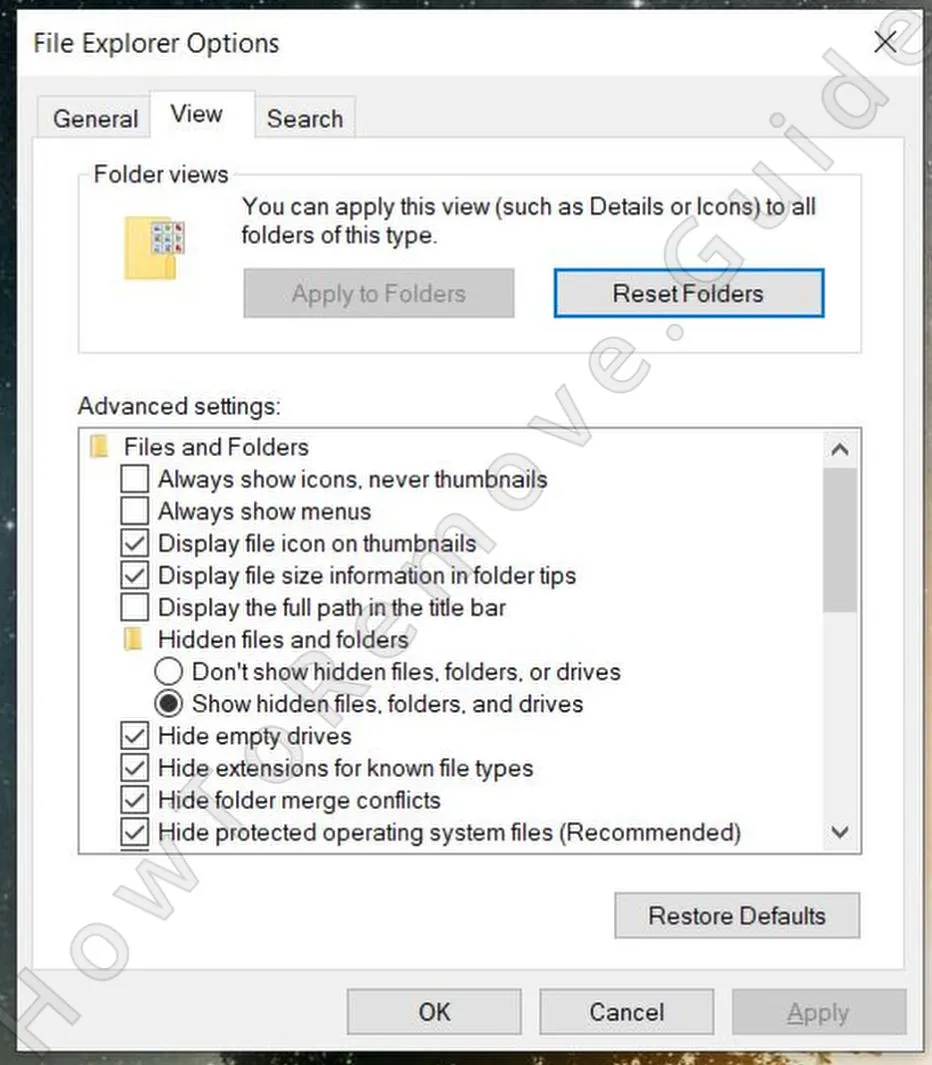 To uncover hidden items, open File Explorer, head to the View tab, and click Options (or Folder Options, depending on your Windows setup). In the pop-up, switch to the View section, then tick “Show hidden files, folders, and drives”. Hit Apply, then OK to lock in the adjustment. This exposes all cloaked malware components.
 - 1.2Certain malware secures vital files, blocking their removal. Counter this by grabbing LockHunter, a no-cost tool built to obliterate obstinate files. Set it up now – you’ll rely on it soon to tackle files that resist deletion. Though some shy away from extra software, LockHunter is critical here. It’s a straightforward, powerful fix for spotting and erasing locked items.
I know that some users prefer not to install any third-party apps when troubleshooting, but in this case, LockHunter is non-negotiable. Besides, as I mentioned, it’s totally free.
Delete the AppSuite Virus Files
AppSuite places working files in predictable locations. Check %LOCALAPPDATA%\Temp\ for GUID-named scripts like {UUID}or.js, %APPDATA%\NodeJs\ or %LOCALAPPDATA%\Programs\nodejs\ for node.exe, and any folders named AppSuite, OneStart, “PDF Editor,” or ManualFinder. Remove these remnants carefully; leaving them behind allows the loader to reactivate on next boot.
2. How to Delete AppSuite Files
- 2.1Start File Explorer and visit these paths:
– C:\Users\YourUsername\AppData\Roaming
– C:\ProgramData\Microsoft\Windows\Start Menu\Programs\Startup
– C:\Users\YourUsername\AppData\Roaming\Microsoft\Windows\Start Menu\Programs\Startup
Inspect the contents closely. If you see files with peculiar names, odd icons, or strange formats, wipe them out. - 2.2
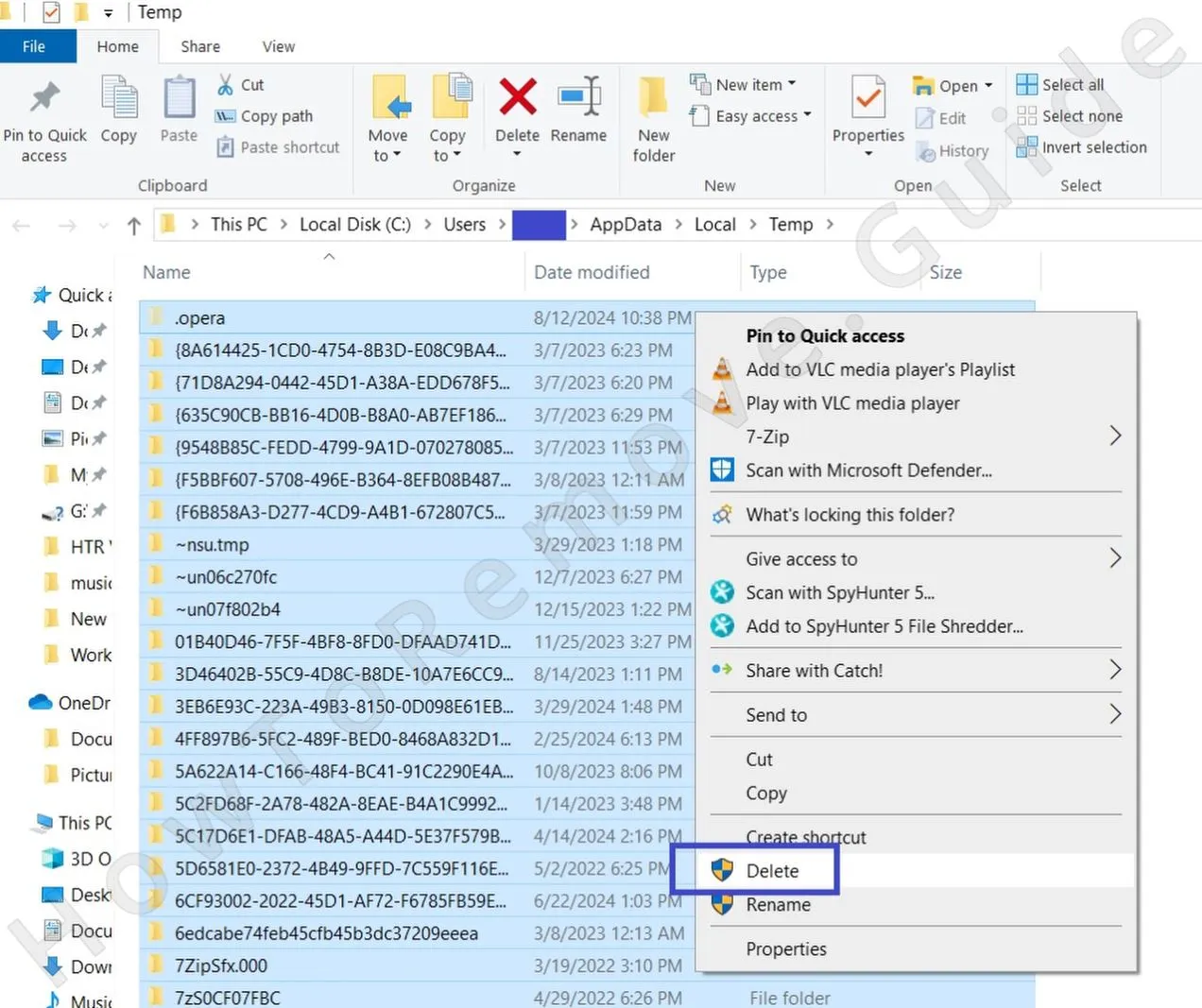 Purge the Temp folder to ditch residual junk:
– Go to C:\Users\YourUsername\AppData\Local\Temp
– Tap Ctrl + A to grab all items
– Press Delete
Wiping this area won’t hurt your setup – it’s just temporary storage. Malware often lurks here, so clearing it squashes risks and might boost performance. - 2.3Move to C:\Program Files and C:\Program Files (x86). Most contents here are legit, but malware can blend in. If something looks unfamiliar, look it up online. Once confirmed as harmful, trash it right away.
- 2.4For files that won’t budge, right-click them, pick “What’s locking it?” and hit Delete in the dialog that pops up. LockHunter will pinpoint and stop whatever’s holding them, ensuring even the toughest files get axed.
Remove AppSuite Malware Tasks From the Task Scheduler
Uninstalling the visible program is not sufficient. AppSuite persistence commonly relies on scheduled tasks with names resembling system health checks (for example, sys_component_health_{GUID}) that call node.exe to run the Temp-based script. Delete those tasks and any WScript/MSHTA-based startup entries. If they remain, the adware will reinstall components silently.
3. How to Remove AppSuite Entries From the Task Scheduler
- 3.1
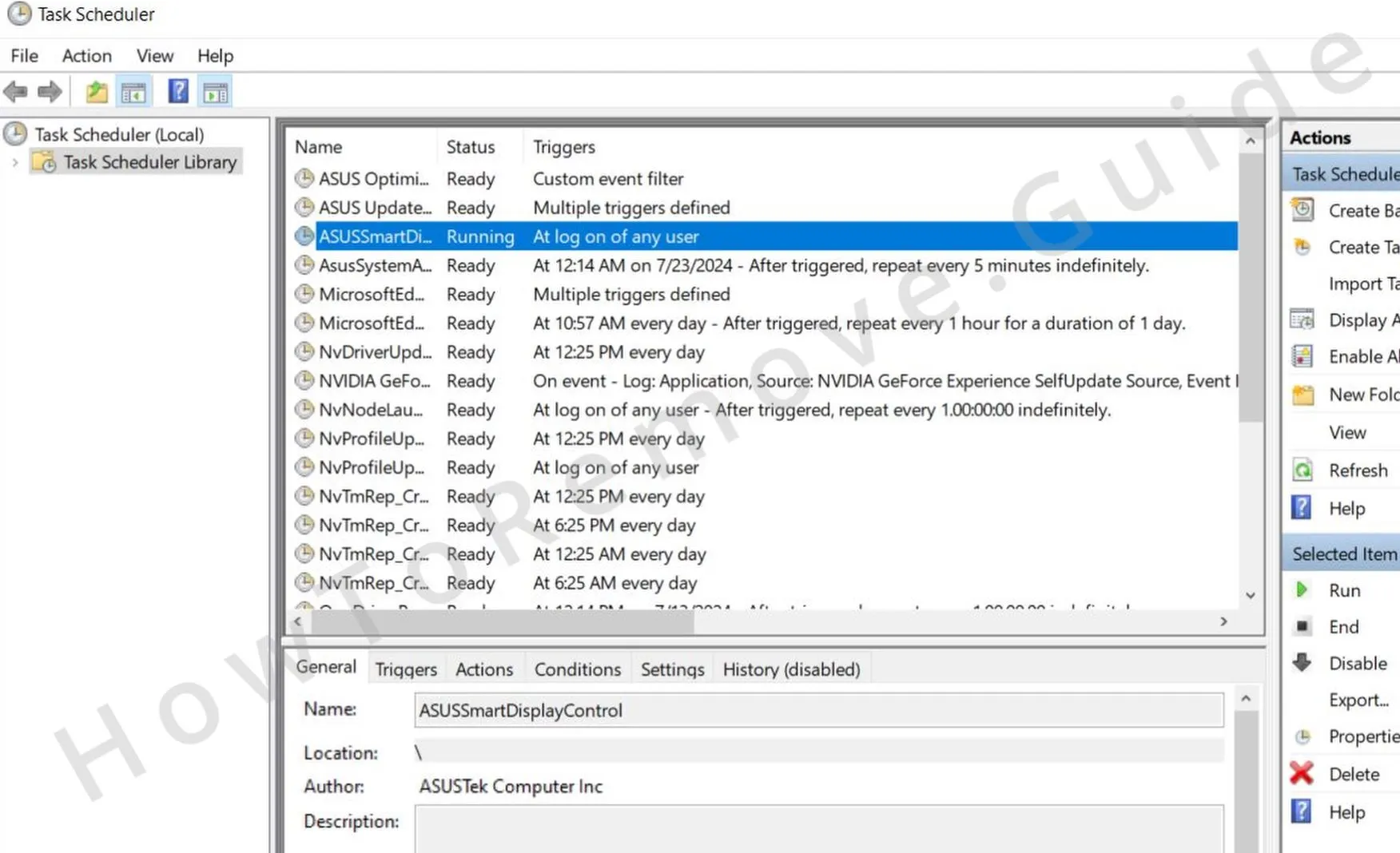 From the Start Menu, type Task Scheduler, hit Enter, and open it. Head to the Task Scheduler Library to examine tasks potentially tied to the malware. Many nasty programs set up automatic jobs that trigger periodically, reinstalling or reviving themselves post-removal. Seek out strange or new tasks, especially those added when issues began.
 - 3.2Review each task meticulously. Under the Actions tab, check what each job does. If one launches a dubious .exe or odd script, jot down its file path before erasing the task. Some malware silently restarts at boot or runs hidden commands. Nixing these tasks stops it from sneaking back.
- 3.3With the file location recorded, go there and wipe the linked file entirely. If it’s locked and resists, use LockHunter to force it out. Deleting both the task and its executable prevents the malware from springing back later.
Get Rid of AppSuite Through the System Registry
AppSuite may modify the Windows Registry to maintain control, including Run keys and browser policy keys. Edit the registry only if you’re comfortable and have a backup. Otherwise, use a reputable anti-malware tool to handle it safely. If you proceed manually, remove entries that start Node/WScript/MSHTA at logon and policy keys that lock browser settings.
4. How to Remove AppSuite Items From the Registry
- 4.1From the Start Menu, type regedit, and launch it as Administrator to take charge of the Windows Registry Editor. Admin rights are vital for tweaking core settings. Without them, some malware entries might stay untouchable.
- 4.2Hit Ctrl + F, type AppSuite, and press Enter to hunt for related registry entries. When one shows up, remove it. Keep searching until no traces remain. Take care—zapping unrelated keys might glitch apps or the system. If unsure about an entry, verify it online before cutting it out.
- 4.3
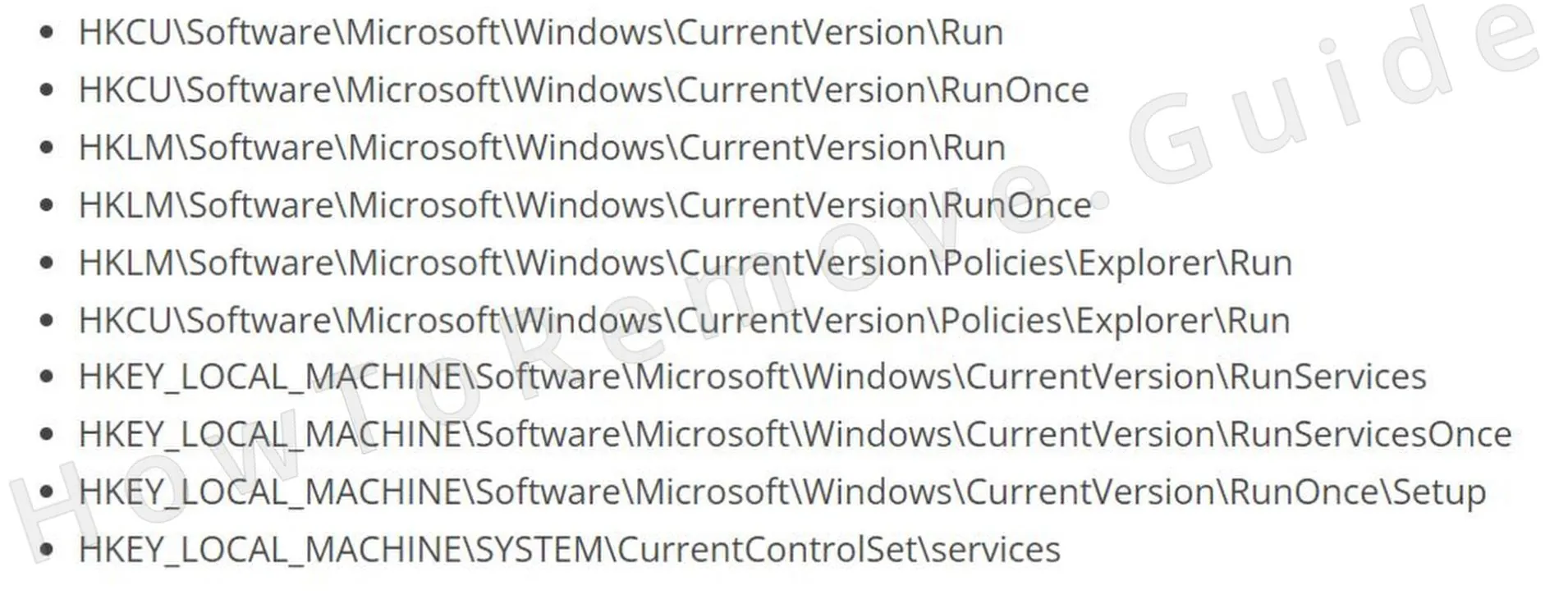 Manually explore these critical registry spots, where malware often nests deeply. Look for suspicious items, especially those tied to AppSuite. If you spot a match, delete it fast to root out the infection fully. Some keys are subtle, so double-check before acting.
 - 4.4If one of these registry sections holds values linked to AppSuite, erase just those values in the right-hand panel. Don’t touch whole sections on the left – doing so could strip vital system settings. Targeting only malware-specific values cleans the infection without collateral damage.
Remove AppSuite Browser Policies
If Chrome or Edge shows “Managed by your organization,” that is part of the hijack. Clear the browser policy settings that enforce a custom homepage or search engine (commonly redirecting through search-redirect[.]com). Until these policies are removed, changing settings in the browser will not stick.
5. How to Remove Rogue AppSuite Policies
- 5.1
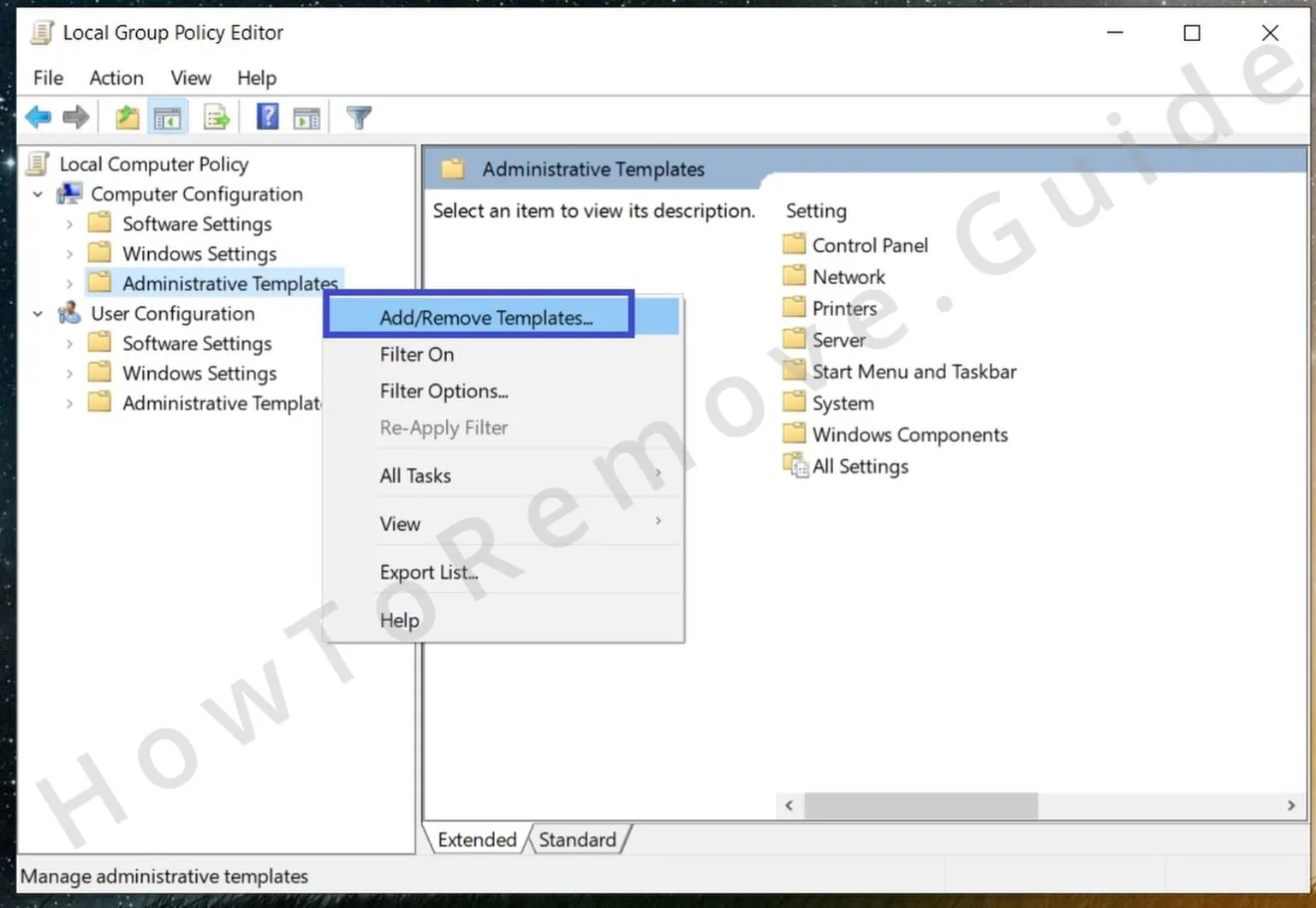 Via the Start Menu, search for Edit Group Policy and open it. Go to:
– Computer Configuration > Administrative Templates
Here, you can inspect and tweak system policies the malware may have twisted. AppSuite often locks browser options like your homepage or search engine. Clearing these restores your control.
- 5.2
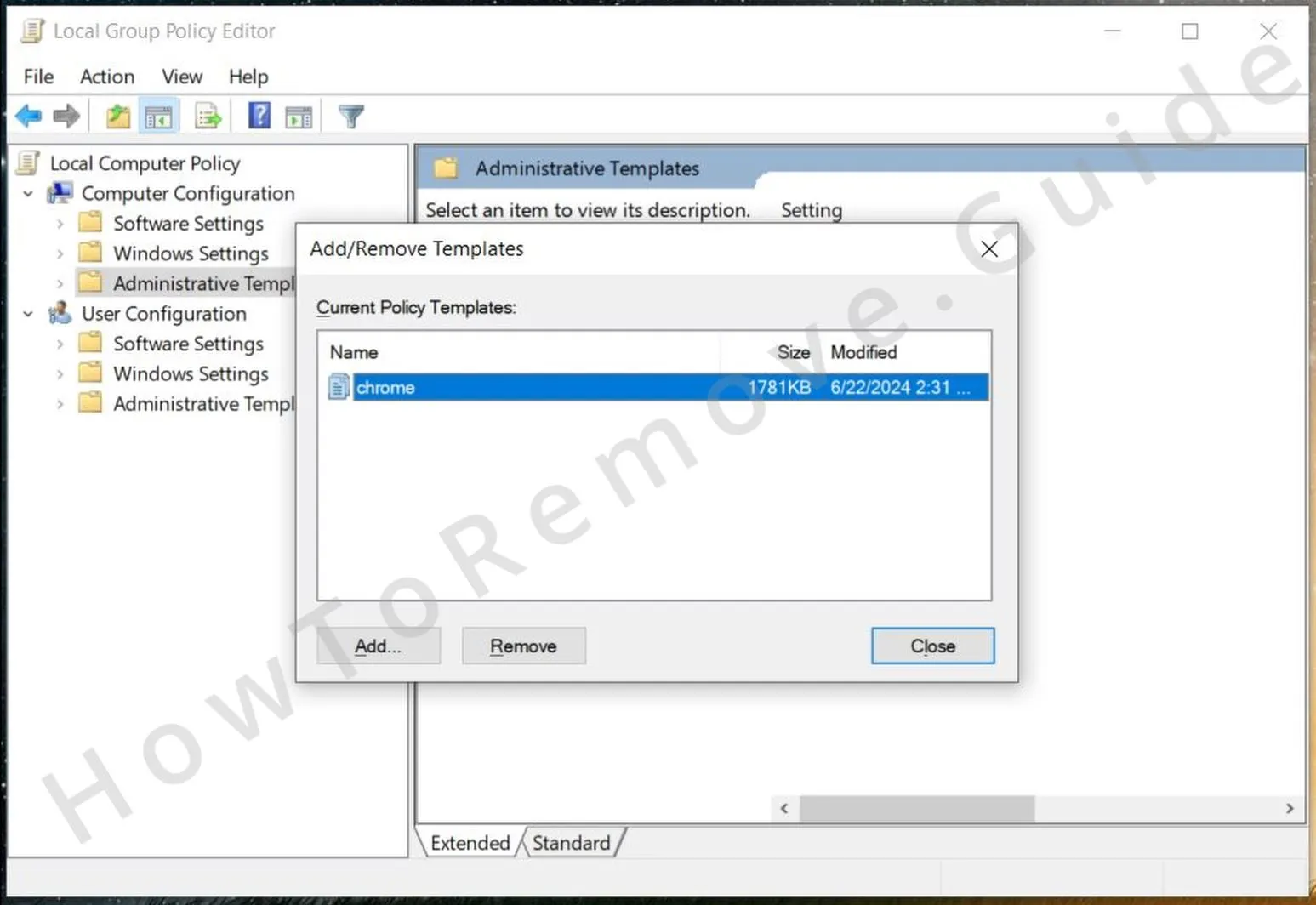 Right-click Administrative Templates, select Add/Remove, and ditch any policies that look odd or unplaced. Only keep ones you or your setup intentionally added. Malware exploits these to freeze browser settings. Scrapping extras ensures it can’t dictate your preferences.
 - 5.3Chrome users can grab the free Chrome Policy Remover tool. Launch it with admin rights to wipe all malware-altered policy settings automatically. It’s built to nix rogue policies blocking browser tweaks, resetting Chrome to its standard state without lingering limits.
- 5.4If Windows flags a security alert when starting the Chrome Policy Remover, click “More Info” and “Run Anyway”. It’s safe, and bypassing the warning lets it work. This ensures all stubborn browser policies from the malware vanish, handing you back full reins.
Uninstall AppSuite From Your Browser
Removing policies is only step one. Restore your browser defaults: check homepage, search engine, new-tab behavior, and shortcut targets; remove any unwanted extensions; and consider a full browser reset. Reboot and recheck scheduled tasks to confirm nothing has been recreated. If credentials may have been accessed, change important passwords after cleanup.
6. How to Remove AppSuite From Your Browser
- 6.1Open your browser’s Extensions menu and sift through all add-ons manually. Watch for unknowns, especially those with no reviews, vague titles, or fuzzy details. Nasty extensions might pose as handy tools but fuel pop-ups, redirects, or hijacks. Dump anything fishy to kill potential malware links.
- 6.2
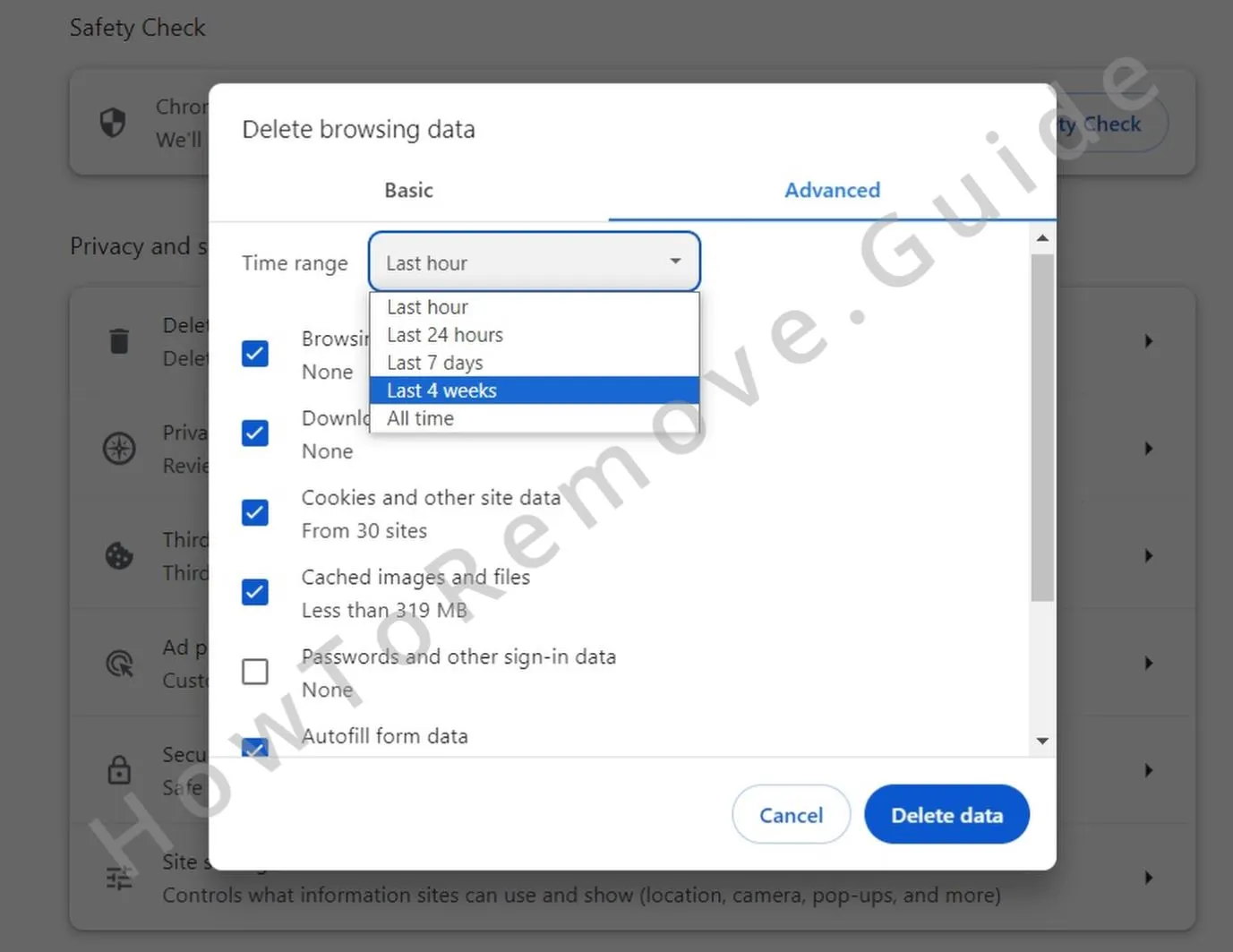 Wipe your browsing data to erase the malware’s fingerprints. Head to Privacy and Security settings, pick All Time, and clear everything but passwords. This ditches cached scripts and cookies the malware might exploit to track you or reinfect. Clearing site data blocks malicious code from old pages.
 - 6.3
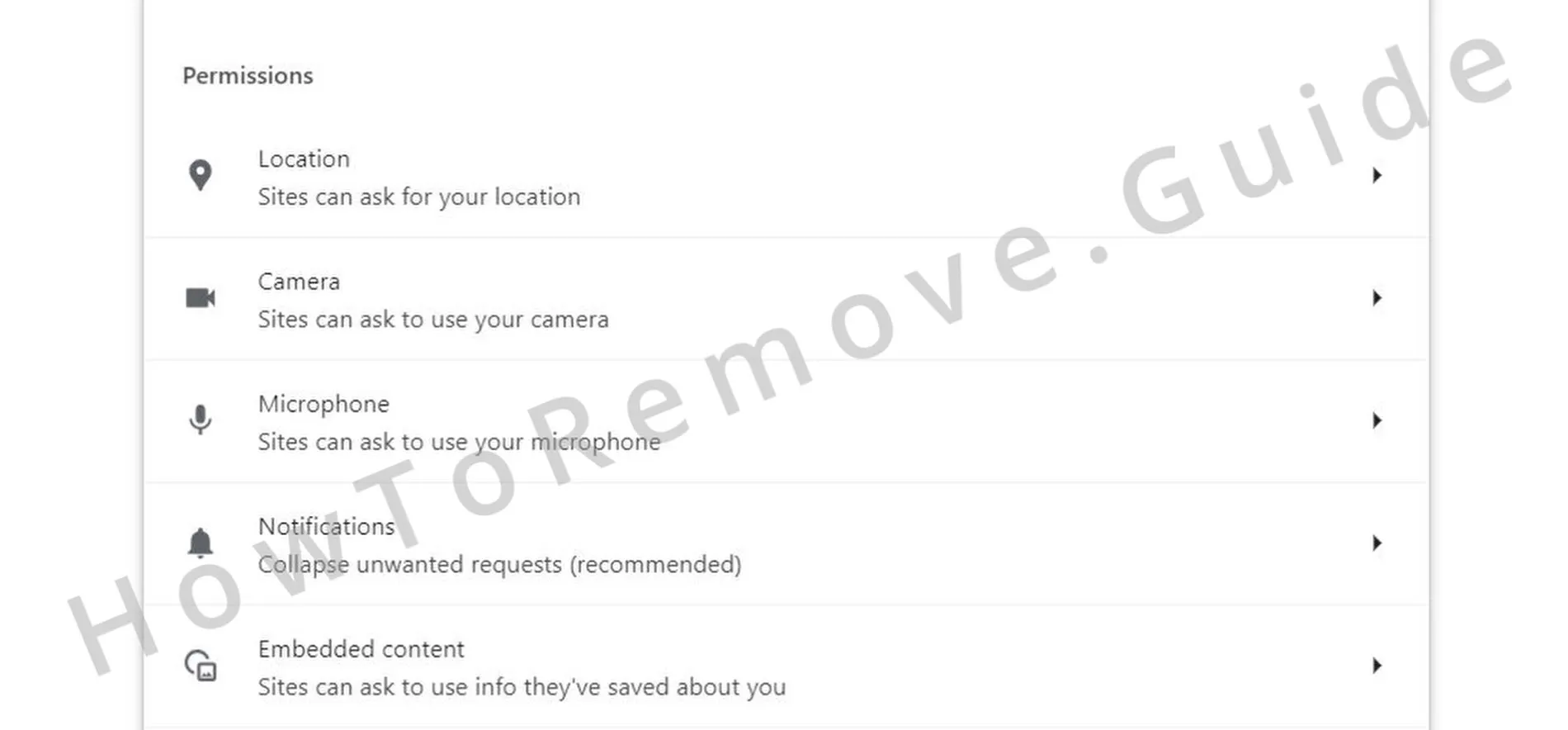 Dive into Site Settings and scan for permissions the malware sneaked in. Some threats con you into granting excess rights – like notifications or mic access. Revoke anything odd or unneeded. Limiting access to trusted sites shields your privacy and browser.
 - 6.4
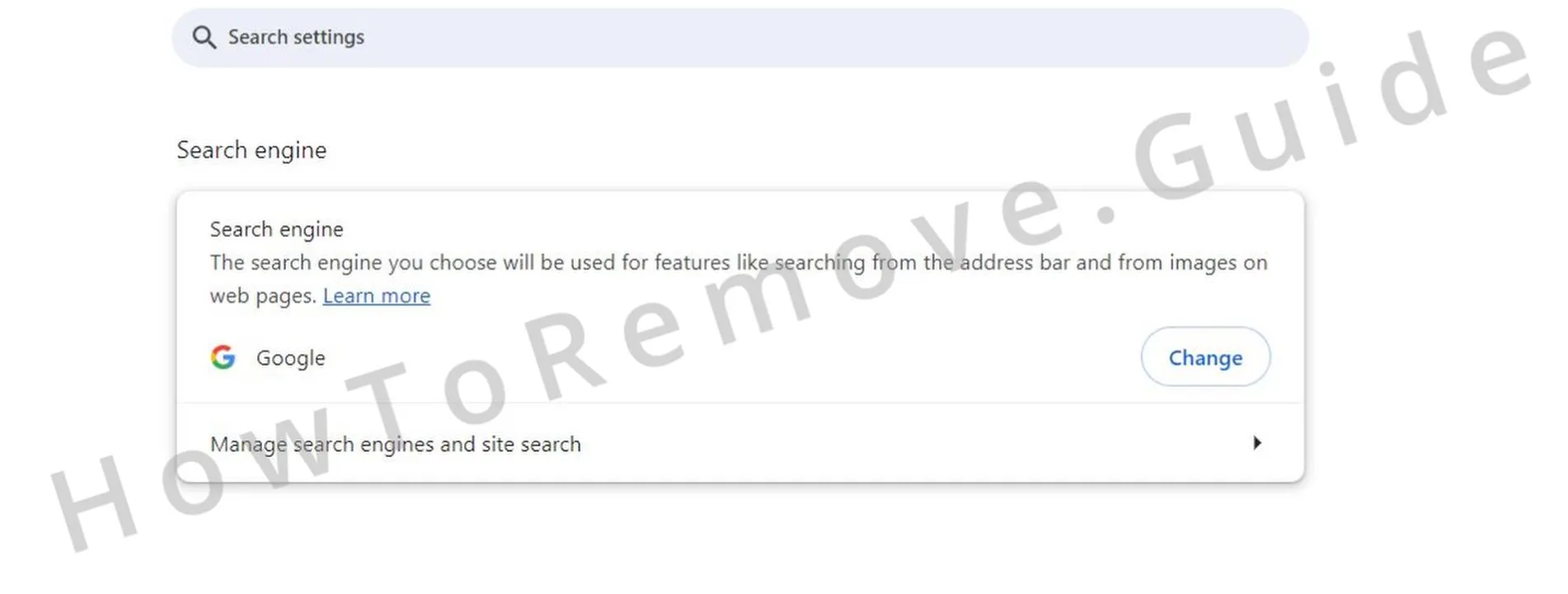 Peek at your Search Engine Settings to confirm your default hasn’t been swapped. Malware often shifts this to funnel searches through sketchy, ad-laden sites. If an unknown engine appears, delete it and pick a reliable one like Google, Bing, or DuckDuckGo. This keeps searches safe and redirect-free.
 - 6.5Check On Startup and Appearance settings to strip out unfamiliar URLs from your homepage or new tabs. Malware might set browsers to load shady sites on launch for profit. If something weird is listed, remove it and choose a trusted page. This ensures a clean, secure start every time.
