

If you’ve been seeing constant pop-ups or scary warnings that come from antivirus programs you don’t even have on your PC, then I am pretty sure you’ve got a hijacker like Finesearcher.com embedded in your browser. Don’t panic – this isn’t some devastating virus that will shred your files or steal your data. It’s still not something you want hanging around, but the danger level is manageable as long as you are careful.
I’ve seen hijackers like Finesearcher.com many times before – Searchcalm.com, Abobus.co.in, and other similar ones are all examples of the same annoying template. Their whole job is to mess with your browsing experience and earn revenue from ads, clicks, and downloads of sketchy apps.
The hijacker can slip in by bundling itself with free downloads, or it can trick you with fake CAPTCHA prompts that look completely normal until – bam – you’ve given it permission to flood you with ads and reroutes.
So don’t get fooled: any intrusive pop-ups and redirects that appear on your screen – no matter how urgent or intimidating they may seem – aren’t genuine alerts. They’re just bait meant to get you to click, install junk, or hand over personal details. The clear solution here is to remove Finesearcher.com and take back control of your browser which is what we’re gonna do next.
We tested that SpyHunter successfully removes Finesearcher.com* and we recommend using it. It will block Finesearcher.com from reinstalling itself and it will make sure your device is clean from any malware.
 Try Free For 7 Days*
Buy now15% OFF if you buy straight without trial.
 OFFER
OFFERFinesearcher.com Removal Tutorial
Rushing usually makes things worse. Move in measured steps so each change is traceable and reversible. Start with simple checks, then progress to deeper cleanup. That approach matters because Finesearcher.com often blends into ordinary browser options, and hurried clicks tend to lock its settings in place instead of clearing them.
Quick Steps to Remove Finesearcher.com
- 1.1Begin with the fastest wins: open your everyday browser and enter Settings to hunt for entries related to Extensions or Add-ons that might reference Finesearcher.com. In Chrome, use the ⋮ menu at the top right; in Firefox, open the ☰ menu. Navigate to Extensions/Add-ons, review everything there, and focus on items you don’t recall installing.
- 1.2Unsure whether a particular add-on is trustworthy? Check its name, icon, permissions, and description first, then decide. Lookalikes often use near-identical names with tiny spelling changes. When uncertainty remains, choose Remove. Searching the exact add-on name in quotes usually surfaces user reports or security warnings that confirm your decision.
- 1.3Pop-ups and redirects often depend on site privileges, so head to Privacy and security and open Site permissions – expand Advanced if needed. Examine access to microphone, camera, location, and notifications, including less obvious categories like clipboard or automatic downloads if available. Revoke permissions for domains you don’t recognize or remember approving.
- 1.4Still seeing odd sites or behaviors? Remove the unknown entries, then fully exit the browser and start it again so configuration files reload cleanly. That restart helps apply policy changes and clears cached scripts that try to persist. Many hijacks loosen their grip after this cycle, especially when extension entries and site permissions have been corrected.
Often, these quick corrections stabilize the browser. If the problem continues, keep going with the policy checks and system cleanup below.
SUMMARY:
| Name | Finesearcher.com |
| Type | Browser Hijacker |
| Detection Tool |
Some threats reinstall themselves if you don’t delete their core files. We recommend downloading SpyHunter to remove harmful programs for you. This may save you hours and ensure you don’t harm your system by deleting the wrong files. |
How to Remove the Finesearcher.com Virus
A browser banner stating “Managed by your organization” signals that policy rules are enforcing settings. When that banner appears, normal extension toggles and preference buttons may be ignored, since changes are overridden by policy on launch. If this started recently or coincided with a new program, expect a configuration layer rather than a simple add-on.
The presence of that banner means an administrative policy is active and may be blocking your edits. Finesearcher.com commonly sets or modifies policy entries to pin itself in place, hiding its preferences and restoring them after restarts. The remedy is to find those policies, record their details, and remove their sources in a careful sequence.
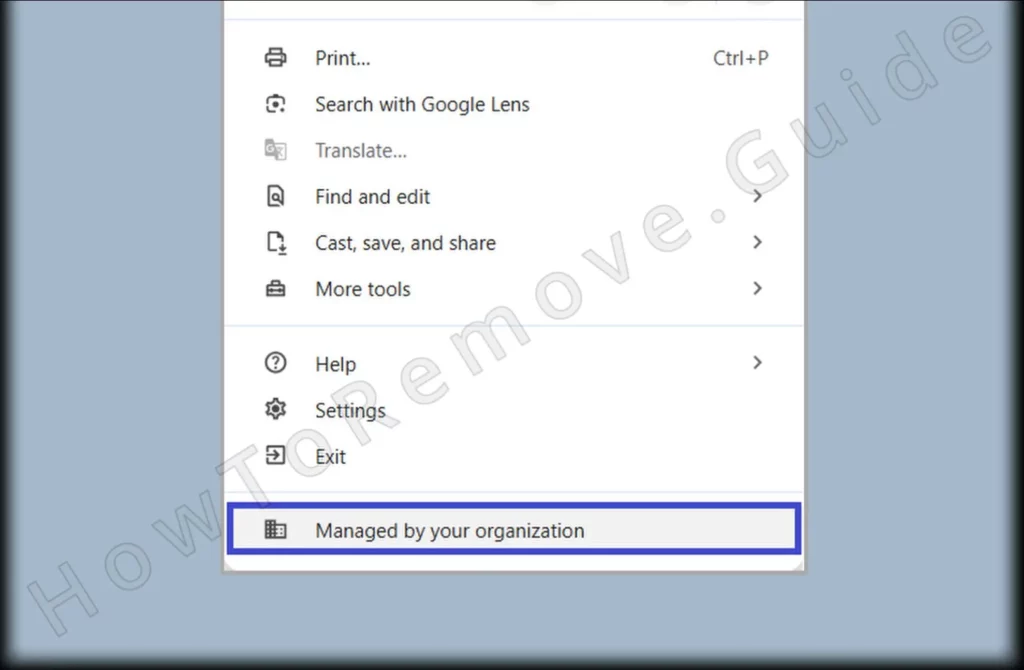
party policy in the browser.
1. Identify the Finesearcher.com Policies
- 1.1
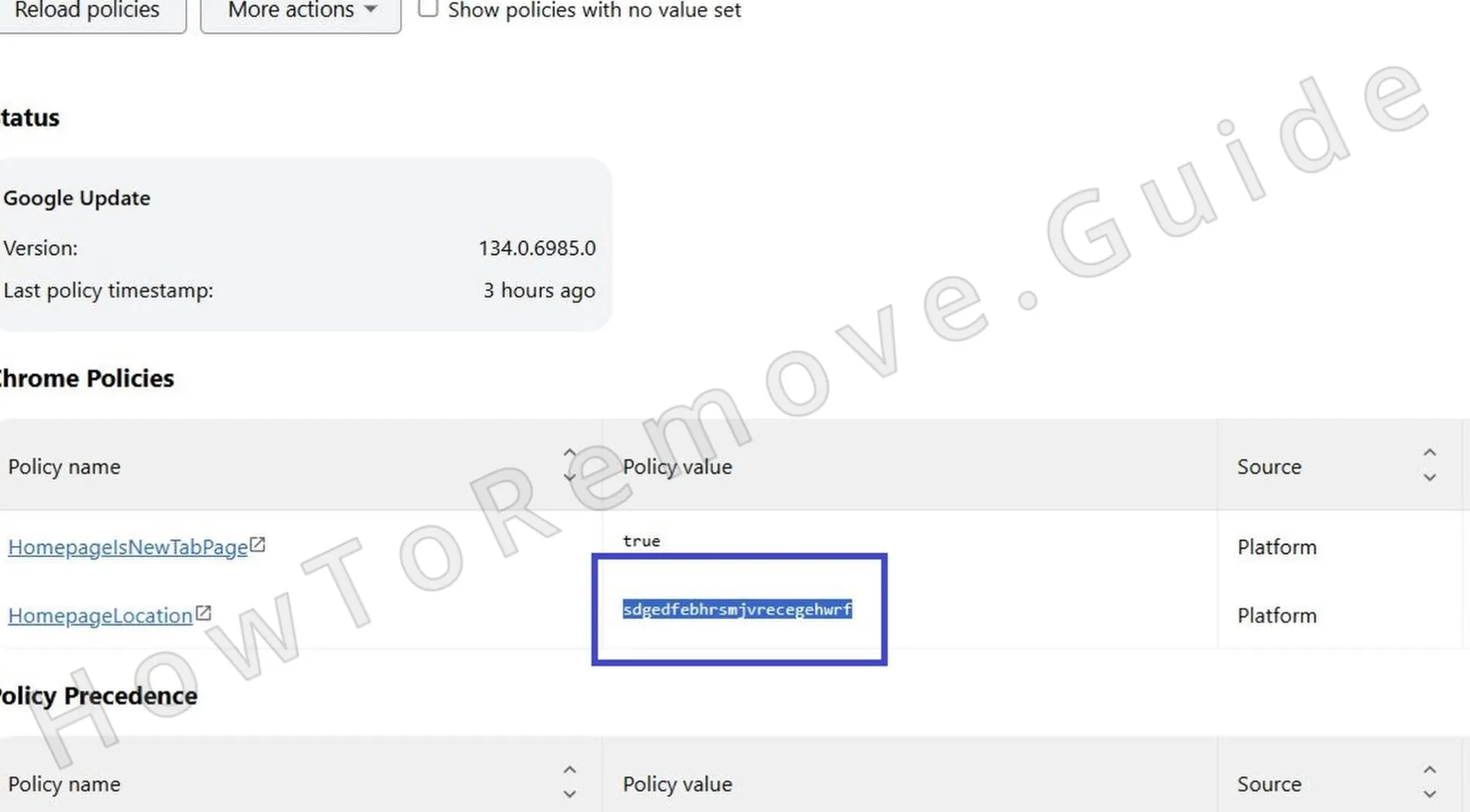 Confirmation comes first: are any browser policies actually present mentioning settings you didn’t choose or entries that look unrelated to your workflow but could reference Finesearcher.com? In Chrome, open chrome://policy; in Edge, open edge://policy. Let the list fully populate, then read each policy and description, flagging anything unfamiliar or oddly worded.
 - 1.2Why scrutinize details? Vague policy names often conceal control over homepages, search engines, or extension installs. Open each entry to view its keys, any URLs, or forced preferences you never configured. Write down names and values or take screenshots. These notes guide precise cleanup later in the file system or registry without guesswork.
- 1.3When extensions look suspicious, open Extensions and enable Developer mode using the toggle in the top right. Developer mode exposes the extension ID and sometimes the Install location path. Record any IDs that appear untrusted. On disk, folders typically match these IDs, which is invaluable for locating the underlying files.
- 1.4Locked out of the Extensions page by a redirect or policy block? Treat that as confirmation that something is enforcing settings and bypass the browser UI. Use File Explorer to inspect and handle files directly, avoiding whatever code is hijacking the browser’s internal pages.
- 1.5
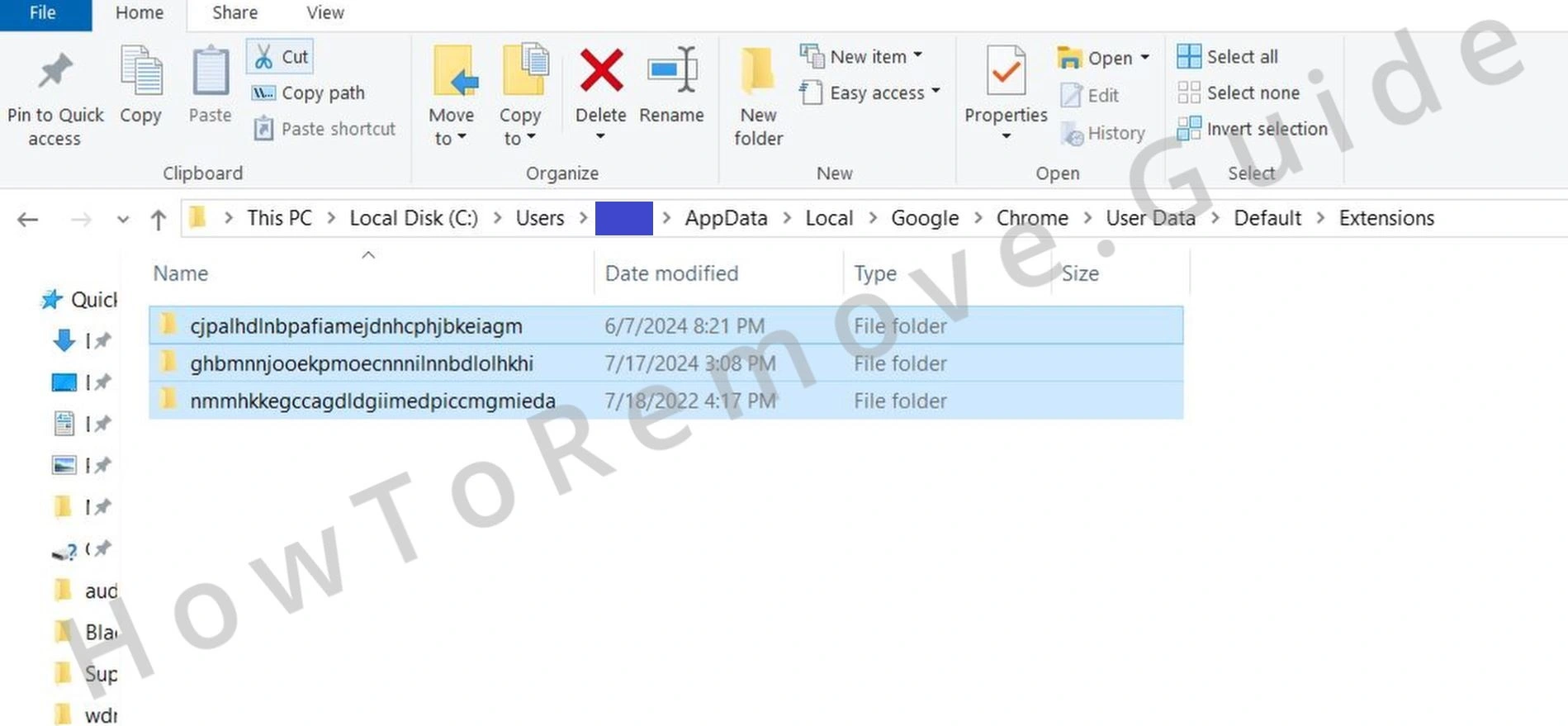 Open File Explorer and navigate to: C:\Users<Your Username>\AppData\Local\Google\Chrome\User Data\Default\Extensions. Each subfolder name corresponds to an extension’s ID. Compare them against the IDs you recorded earlier, then remove only the folder that precisely matches the suspicious one. If you’re unsure, copy the folder elsewhere as a backup before deleting.
 - 1.6
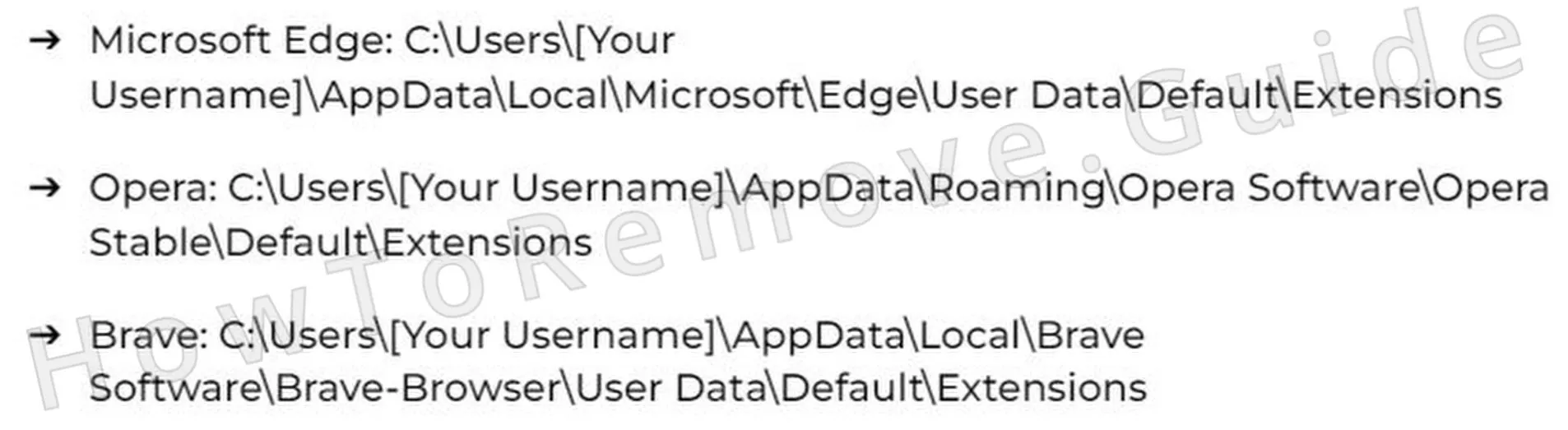 Using other Chromium-based browsers as well, such as Brave or Opera? Repeat the same inspection in their respective AppData extensions directories and delete matching rogue folders there too. Cross-browser sync and shared installers can silently re-seed an extension you thought you had removed.
 - 1.7Return to Extensions while still in Developer mode and confirm the bad entry no longer appears. If it reappears shortly afterward, temporarily disable account sync to prevent cloud reinstallation and look for leftover policy files or scheduled tasks. Persistence after deletion usually means a policy or service is still active.
Get Rid of
Get Rid of Finesearcher.com Policies
Editing the Windows Registry demands care. Wrong changes can cause instability or startup problems, which is avoidable with a clean backup and patient verification at each step. Proceed slowly and document what you remove. Finesearcher.com relies on hurried edits and missed branches to keep policies alive, so diligence is protective here.
2. How to Delete Finesearcher.com Policies Through the Registry
- 2.1Safety comes first: before removing anything, open Registry Editor and create a full backup so changes tied to Finesearcher.com can be reversed if necessary. Press Windows + R, type regedit, and press Enter. In File → Export, save the entire registry to a safe location with a clear filename and the current date.
- 2.2Which keys are targets? Use Ctrl + F or Edit → Find to search for the suspicious extension ID or specific policy name you recorded. Delete each exact match you find, then press F3 to continue the search. Keep going until no additional hits appear in any hive across the registry.
- 2.3
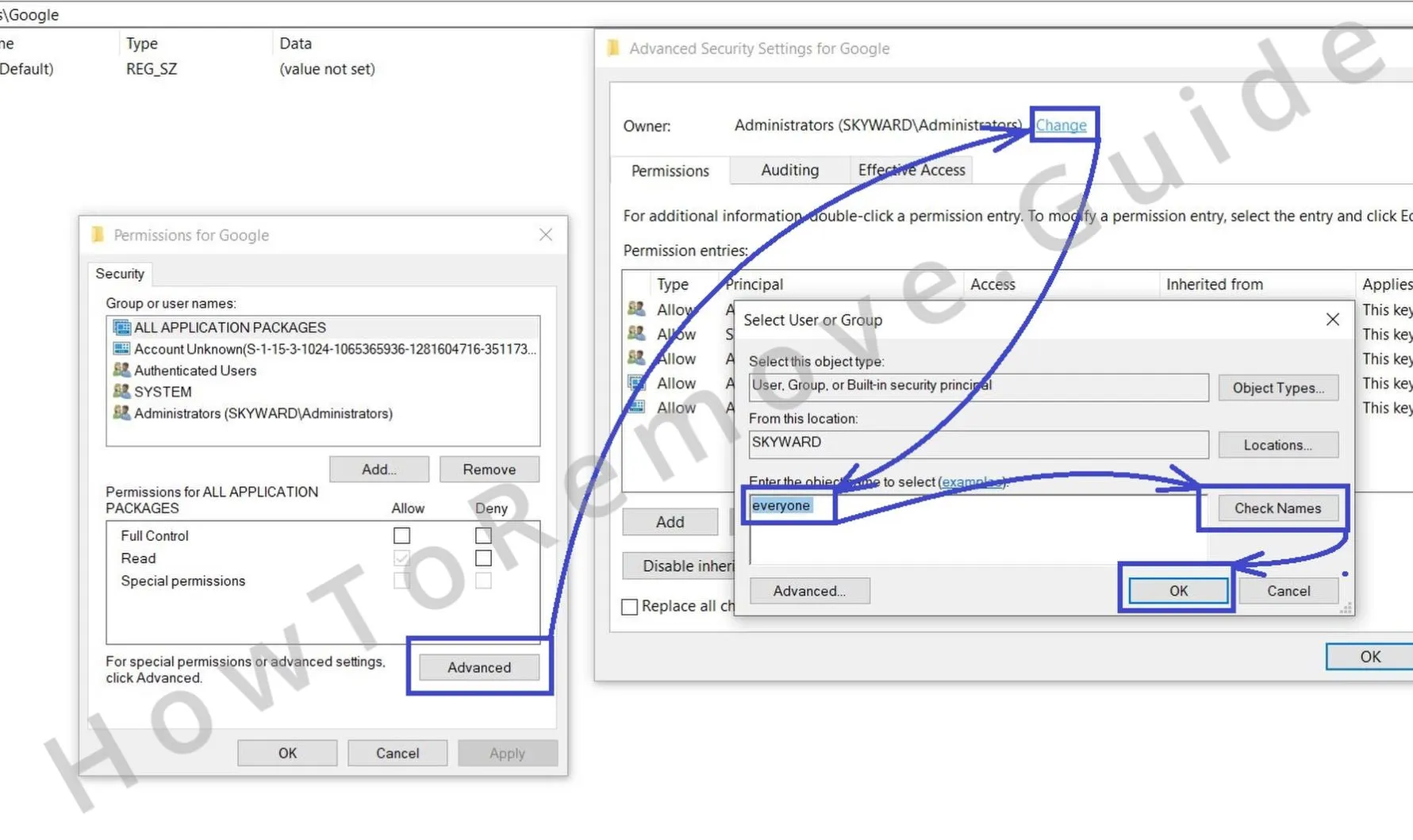 Hit an access-denied message while deleting a key? Right-click the key, choose Permissions, then Advanced. Click Change next to Owner, type Everyone, select Check Names, and confirm with OK. With ownership set, you can adjust inherited permissions and remove entries that were previously protected from modification.
 - 2.4
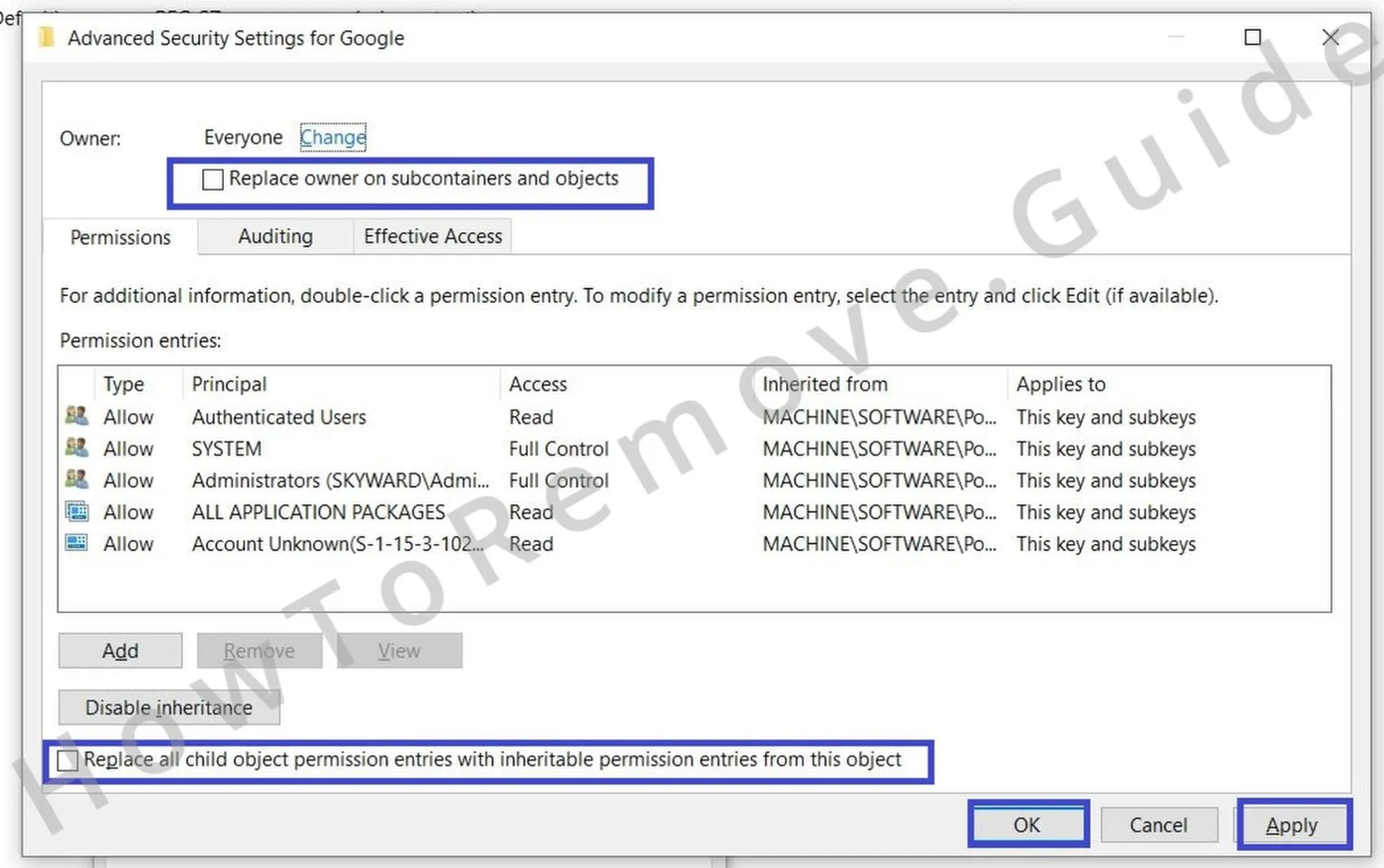 To push control down the tree, enable both options: Replace owner on subcontainers and objects and Replace all child permission entries with inheritable permissions from this object. Apply the changes, click OK, delete the stubborn key, then reboot. After restart, open the browser and confirm the “Managed by your organization” notice no longer appears.
This gives you the access needed to delete the rogue key.
Alternative Tools to Delete Finesearcher.com Policies
Sometimes policy entries persist because local templates or helper utilities reapply them. That doesn’t always mean you missed a registry key; it can mean another configuration source is layered on top. Stay systematic and verify each policy source until the browser stops reporting external management.
3. Other Ways to Get Rid of Finesearcher.com Policies
- 3.1
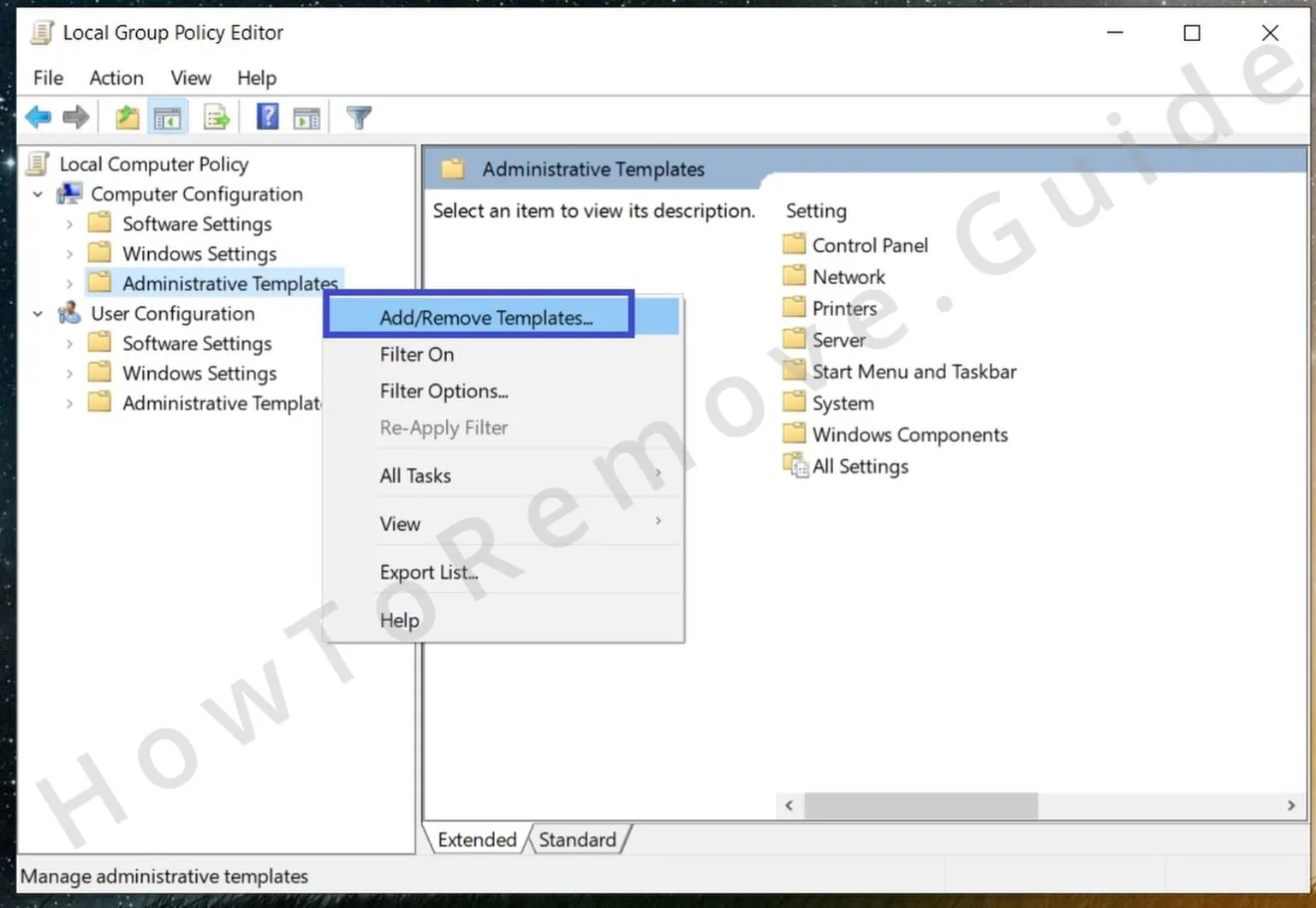 When local administrative templates are suspected, confirm what’s enforced for your account with Finesearcher.com in mind. Press Windows + S, search Edit group policy, and press Enter. In the left pane, expand Administrative Templates and review configured settings that affect the browser’s behavior, including startup pages and extension handling.
 - 3.2
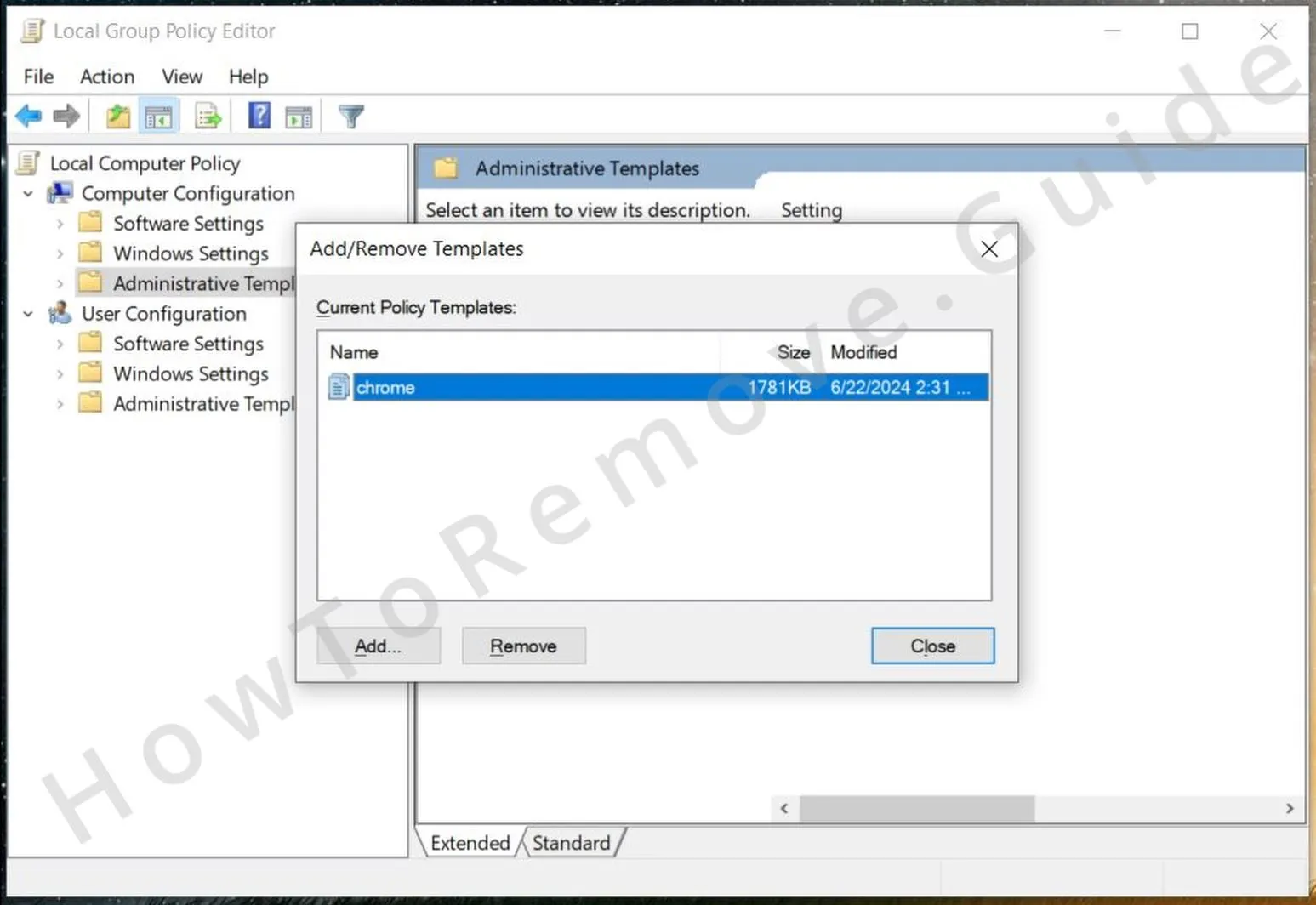 Notice templates you didn’t install or that don’t belong? Right-click Administrative Templates and choose Add/Remove Templates. Remove any template that’s unfamiliar. Malicious templates can create browser policy keys that silently rebuild restrictions right after you delete them elsewhere.
 - 3.3For Chrome, a reputable Chrome Policy Remover utility can reveal hidden or deprecated entries that normal views don’t show. Run the tool as an administrator by right-clicking it and choosing Run as administrator so it can enumerate both user and machine scopes. Tools limited to user scope alone often miss machine policies.
- 3.4Security prompts from SmartScreen or your antivirus may appear; select More info → Run anyway only if you trust the source. After using cleanup tools, restart the system. Recheck the Registry and Group Policy Editor to ensure entries aren’t repopulating and verify the browser no longer displays the managed banner.
Uninstall Finesearcher.com From Chrome, Edge, and Other Browsers
Even after clearing policies, cached data and synchronized settings can restore unwanted behavior. The final pass verifies your search engine, startup pages, and live permissions to ensure they reflect your choices. Move deliberately through each area so nothing sneaks back through sync or site data.
4. How to Remove Finesearcher.com From Your Browser
- 4.1If unwanted add-ons keep returning after restarts, consider whether sync is reinstalling them along with traces of Finesearcher.com. Open Extensions/Add-ons again, remove suspicious entries once more, and temporarily disable account sync on all devices until this machine is fully clean. Re-enable sync only after stability is confirmed across sessions.
- 4.2
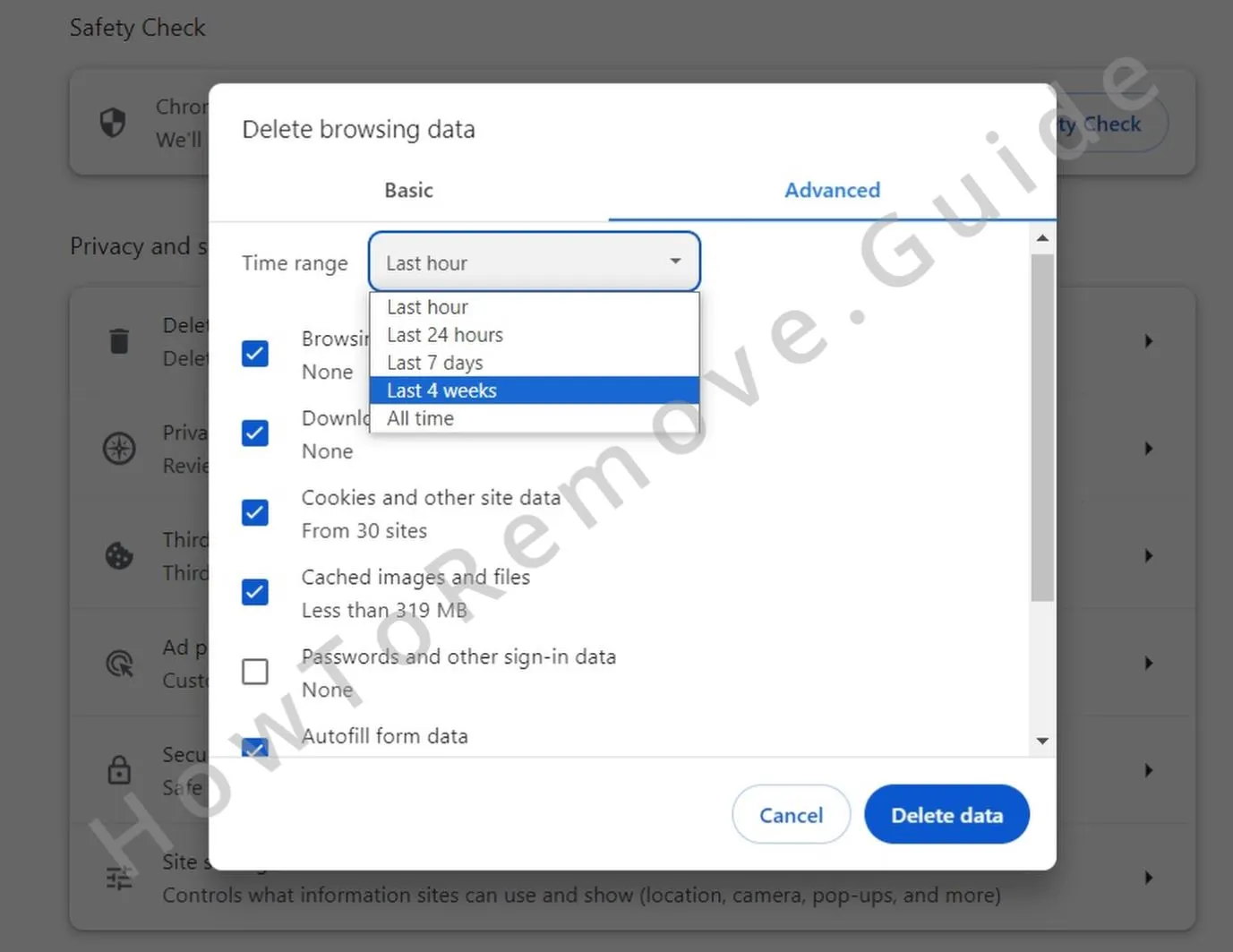 For persistent redirects, clear stored data so cached scripts can’t reload. Open Clear browsing data, select All time, leave Saved passwords unchecked, and remove cookies, cached images and files, and site data. This reduces the chance that local storage resurrects redirect rules or notification prompts you already removed.
 - 4.3
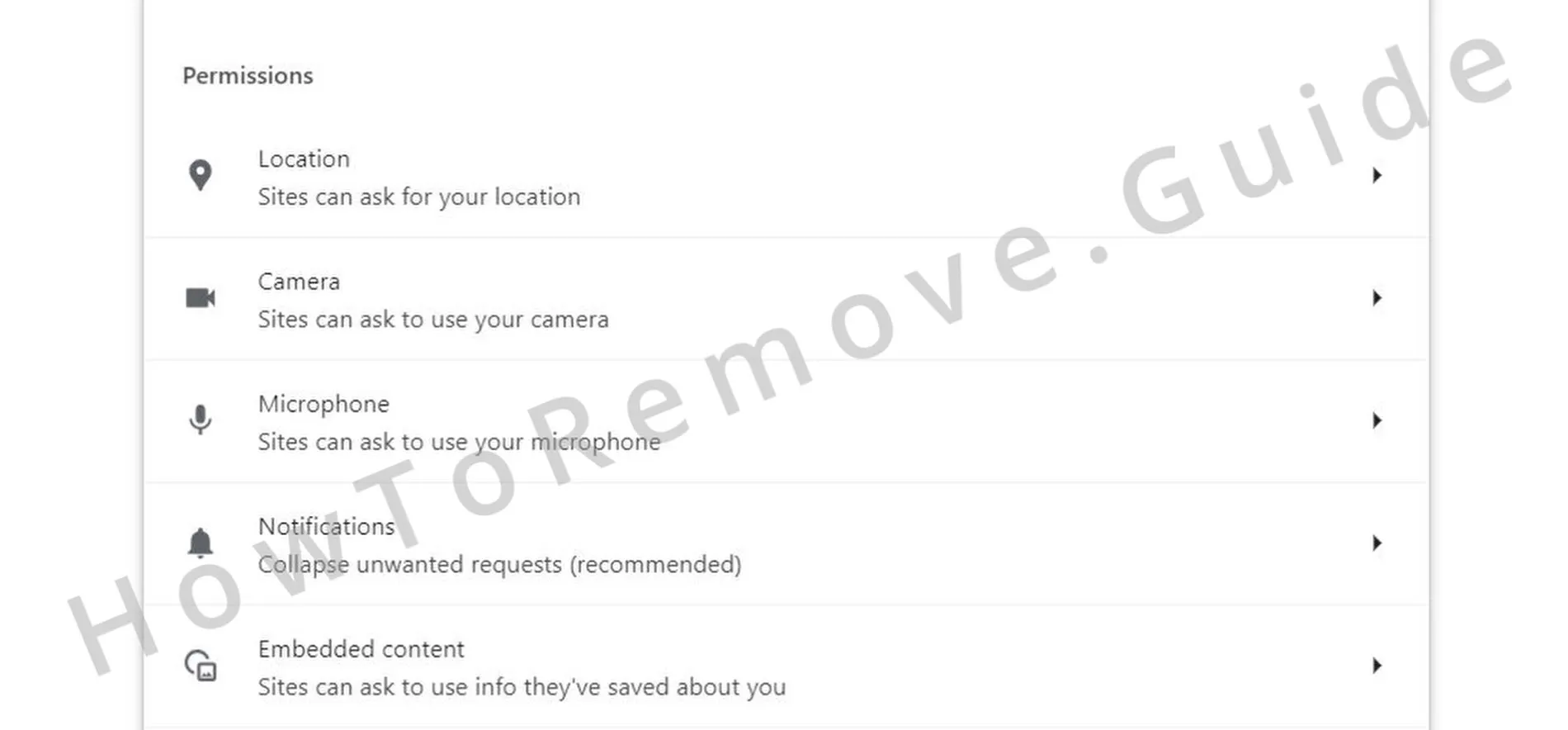 Next, audit live permissions carefully. In Privacy and security → Site settings, remove camera, microphone, and notifications permissions for unfamiliar sites. Also review Background sync, Pop-ups and redirects, and Automatic downloads if present. Tightening these areas prevents intrusive prompts and background events from restoring unwanted behaviors.
 - 4.4
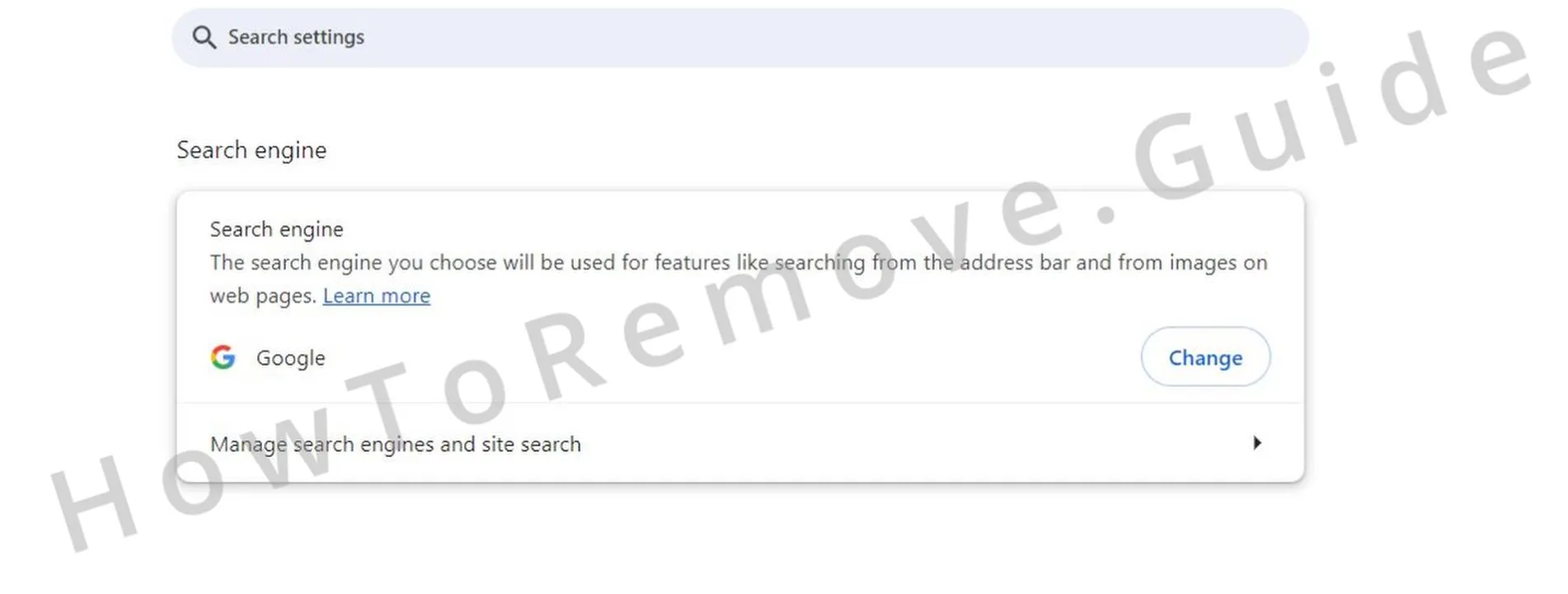 Search hijacks are a frequent sign. Go to Search engine settings → Manage search engines. Delete engines you don’t recognize and set your preferred provider – Google, Bing, or DuckDuckGo – as Default. Confirm there isn’t a custom engine assigned to new tabs or keywords that silently redirect queries.
 - 4.5Lastly, confirm startup behavior. In On startup or Appearance, remove any Startup pages or Home page entries you did not add, and choose a trusted site or a New Tab page. Locking down startup prevents forced redirects at launch and helps keep sessions clean going forward.
A careful, stepwise cleanup like this not only removes the immediate disruption but also hardens the browser against re-insertion by scheduled tasks, stale sync data, or stray policy files that might be lingering in the background.
