

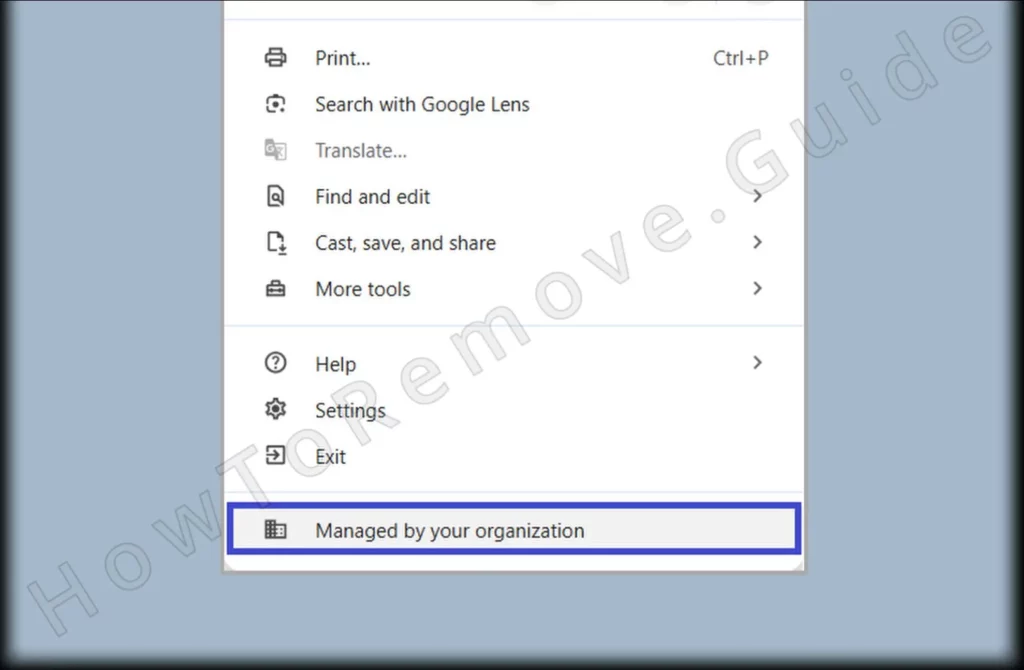
If the homepage, default search engine, or something else in your browser has changed without your informed permission, the usual cause of this is a browser hijacker like My-smart-house1.com. Another very typical giveaway sign that you are dealing with a hijacker is a “Managed by your organization” message in your browser, even though you’re on your personal device
This type of software (or sometimes it’s just a rogue site) isn’t a full-blown virus, but it does override key settings in your browser and limit your control over them. Many users report constant redirects, push notifications, and pop-ups promoting shady services. You could even get fake malware alerts that look convincing and try to sell you some sketchy “security” app.
While nothing My-smart-house1.com does will directly damage your system, it can absolutely expose you to phishing pages, unwanted software installs, and fraud attempts, so don’t ignore it. The only way to stop these intrusions, similar to Health-smooth-eu2.com, is to remove the hijacker completely.
I suggest following the steps below to rid your browser of the hijacker, but if you find the manual process too lengthy or techy, there’s a quicker (and safer) option in the form of SpyHunter 5, which can also be found on this page.
We tested that SpyHunter successfully removes My-smart-house1.com* and we recommend using it. It will block My-smart-house1.com from reinstalling itself and it will make sure your device is clean from any malware.
 Try Free For 7 Days*
Buy now15% OFF if you buy straight without trial.
 OFFER
OFFERMy-smart-house1.com Removal Guide (Step-by-Step)
Approach the cleanup slowly: apply one change at a time, check how the browser behaves, and keep brief notes so everything can be undone if required. Following a measured routine helps remove My-smart-house1.com, cut down repeated pop-ups and redirects, and reduces the risk of turning problematic options back on later.
Fast Steps to Undo My-smart-house1.com Browser Changes
- 1.1Open Settings in your main browser profile so you can undo changes created by My-smart-house1.com.
In Chrome, click the ⋮ menu in the upper-right; in Firefox, open the ≡ menu.
Go to Extensions or Add-ons, scan through each item, and mark any name you don’t recognize. - 1.2Check each extension carefully: confirm its name, icon, requested permissions, and full description.
Imitators often copy popular add-ons, so click Remove when the details look wrong or incomplete.
If you’re uncertain, search the exact “extension name” in your browser to compare developer info and user feedback. - 1.3Open Privacy and security and then Site permissions.
Look at which sites can use your microphone, camera, location, and notifications.
Turn off entries you don’t remember approving and keep a short list so you can restore any that turn out to be legitimate. - 1.4Delete any site entries under Site permissions that have access you never meant to grant.
This stops repeated notification prompts, intrusive alerts, and redirects that run as the browser starts.
When you’re done, restart the browser to apply the changes and verify they stay in place.
If pop-ups and unwanted redirects no longer appear at this stage, you can usually stop here. If they persist, something outside the browser is probably enforcing rules in the background, so continue with the next sections to find and remove those remaining components cautiously.
SUMMARY:
| Name | My-smart-house1.com |
| Type | Browser Hijacker |
| Detection Tool |
Some threats reinstall themselves if you don’t delete their core files. We recommend downloading SpyHunter to remove harmful programs for you. This may save you hours and ensure you don’t harm your system by deleting the wrong files. |
How to Remove the My-smart-house1.com Virus from Your Browser
If the browser displays the message “Managed by your organization”, that usually means a policy file is locking in certain options that normal resets cannot change. The following steps show how to remove that control so My-smart-house1.com cannot reapply its own preferences; proceed gradually, confirm each adjustment, and record what you changed to review after restarting Windows.
1. Locate My-smart-house1.com Policies Currently Controlling the Browser
- 1.1
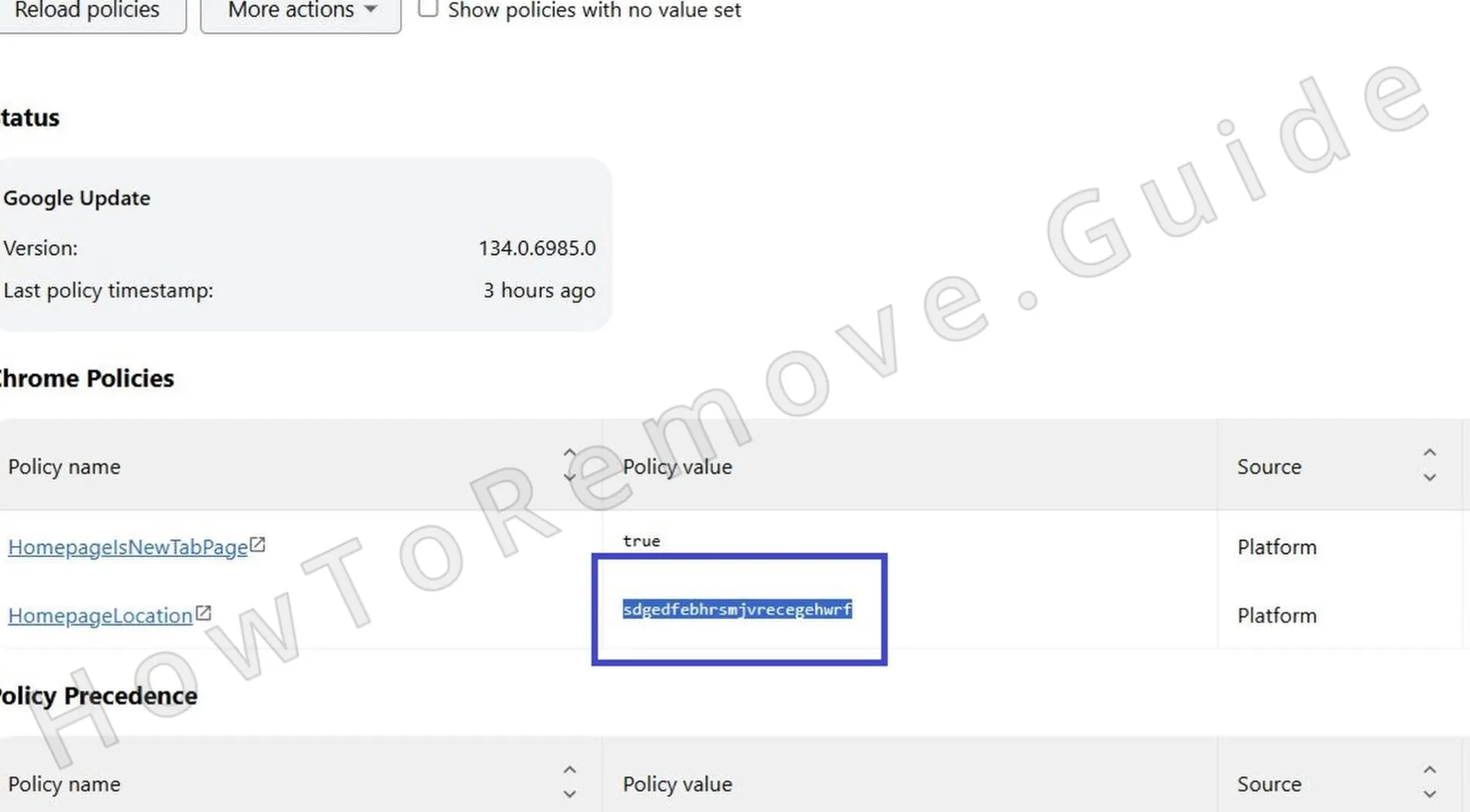 Open your browser’s policy page so you can see entries that might be linked to My-smart-house1.com.
In Chrome, go to chrome://policy.
In Edge, open edge://policy.
Let the list populate, review any unfamiliar items, and use Reload policies to refresh or export the configuration for later reference. - 1.2Review each policy entry and watch for strange identifiers or meaningless-looking strings.
Note any suspicious items so you can match them to files and folders in later steps.
Record the policy Name and Value exactly, since these often correspond to locations that must be deleted. - 1.3Open the browser’s Extensions page and switch on Developer mode using the toggle in the upper-right corner.
Developer mode displays each add-on’s extension ID and install path, which you can target manually.
Copy every suspicious ID to a text file so you can match it with folders later. - 1.4If the Extensions page refuses to load or closes immediately, open File Explorer instead.
Working with the browser files directly avoids user-interface problems.
Enable View > Show > Hidden items so the relevant AppData profile folders become visible. - 1.5
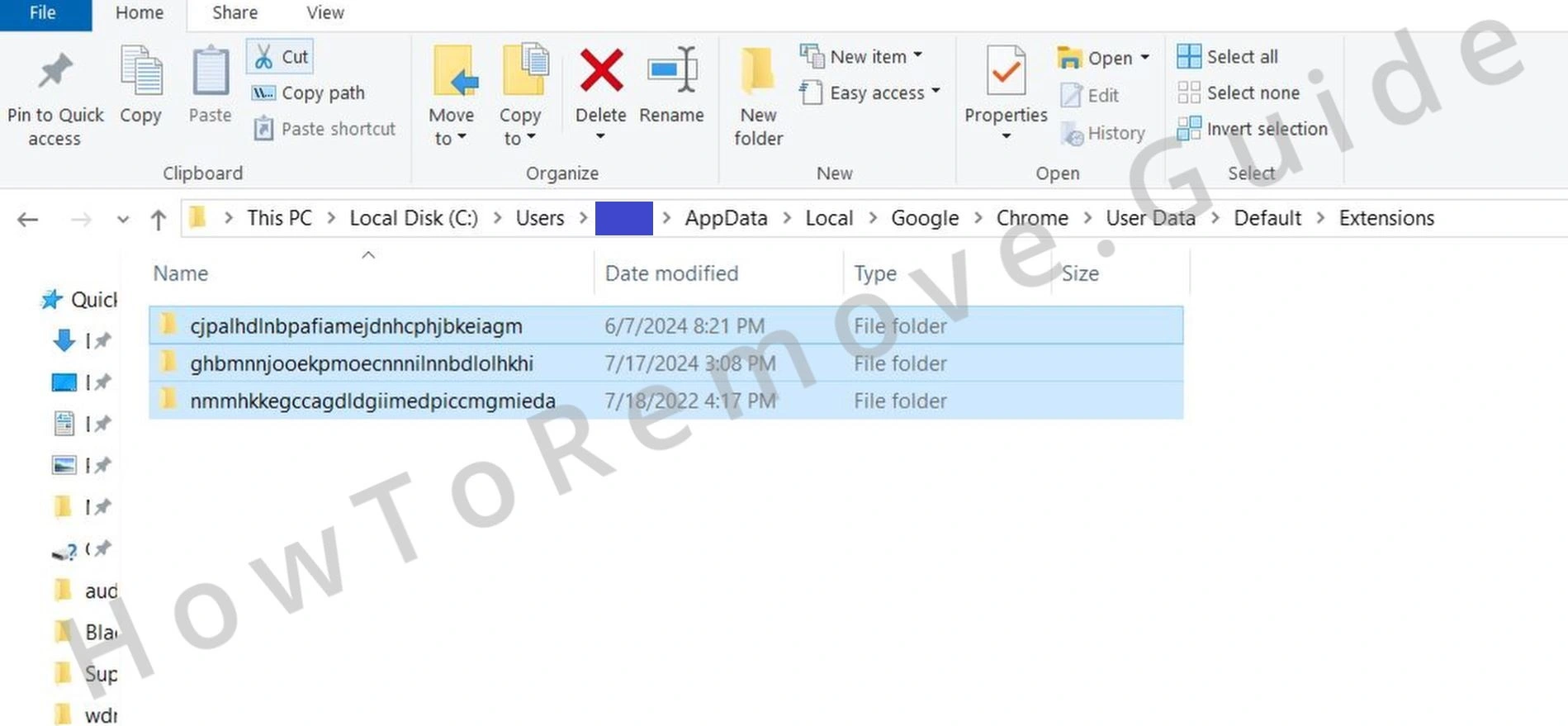 Use File Explorer to open:
C:\Users[Your Username]\AppData\Local\Google\Chrome\User Data\Default\Extensions
Each folder name here is an extension ID. Match these IDs against your notes to find the unwanted add-on, avoid removing folders that belong to trusted extensions, and create a quick desktop backup copy before deleting anything. - 1.6
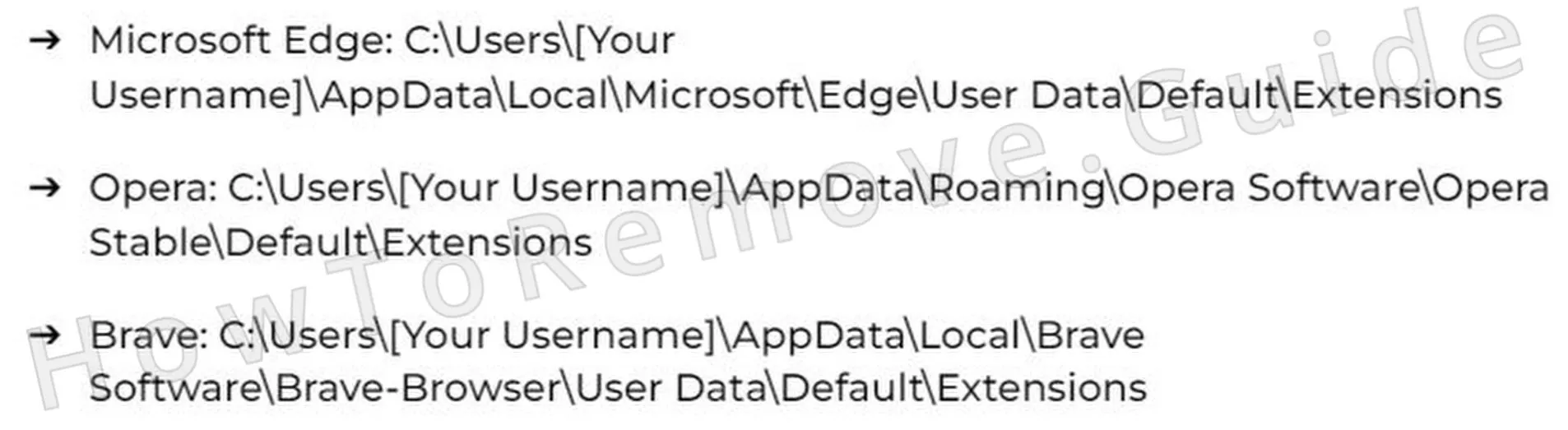 If you use another Chromium-based browser such as Brave or Opera, its extensions are stored in a similar path inside AppData.
Always confirm both the extension ID and the folder location before deleting anything linked to the unwanted add-on.
Open the browser’s About page to verify it is fully closed so those files can be removed. - 1.7After deleting the suspect folder, open Extensions again with Developer mode still turned on.
Make sure the extension entry has disappeared; if it is still listed, repeat the removal and search for leftover files that may recreate it.
Click Update in Developer mode to refresh the list and reveal any silent reinstalls.
Get Rid of My-smart-house1.com Policies
Some of the policies influencing your browser are stored in the Windows Registry, where careless edits can affect stability or startup behavior. Concentrate strictly on entries that match what you recorded for My-smart-house1.com and avoid broad changes unless you fully understand the implications, so Windows remains stable while you strip away the enforcement rules that survive normal browser resets.
2. Remove My-smart-house1.com Policy Entries from the Registry
- 2.1Press Win + R, type regedit, and hit Enter to open Registry Editor and start clearing policy entries linked to My-smart-house1.com.
Before changing anything, go to File > Export to create a safety backup of the registry.
Select All under Export range and store the file in Documents or another easy-to-find folder. - 2.2Use Ctrl + F or Edit > Find to search for the policy names or extension IDs you wrote down earlier.
Choose Find Next and delete only the exact matches inside keys that clearly relate to the browser.
Press F3 repeatedly to continue the search until no more results appear in the HKCU and HKLM hives. - 2.3
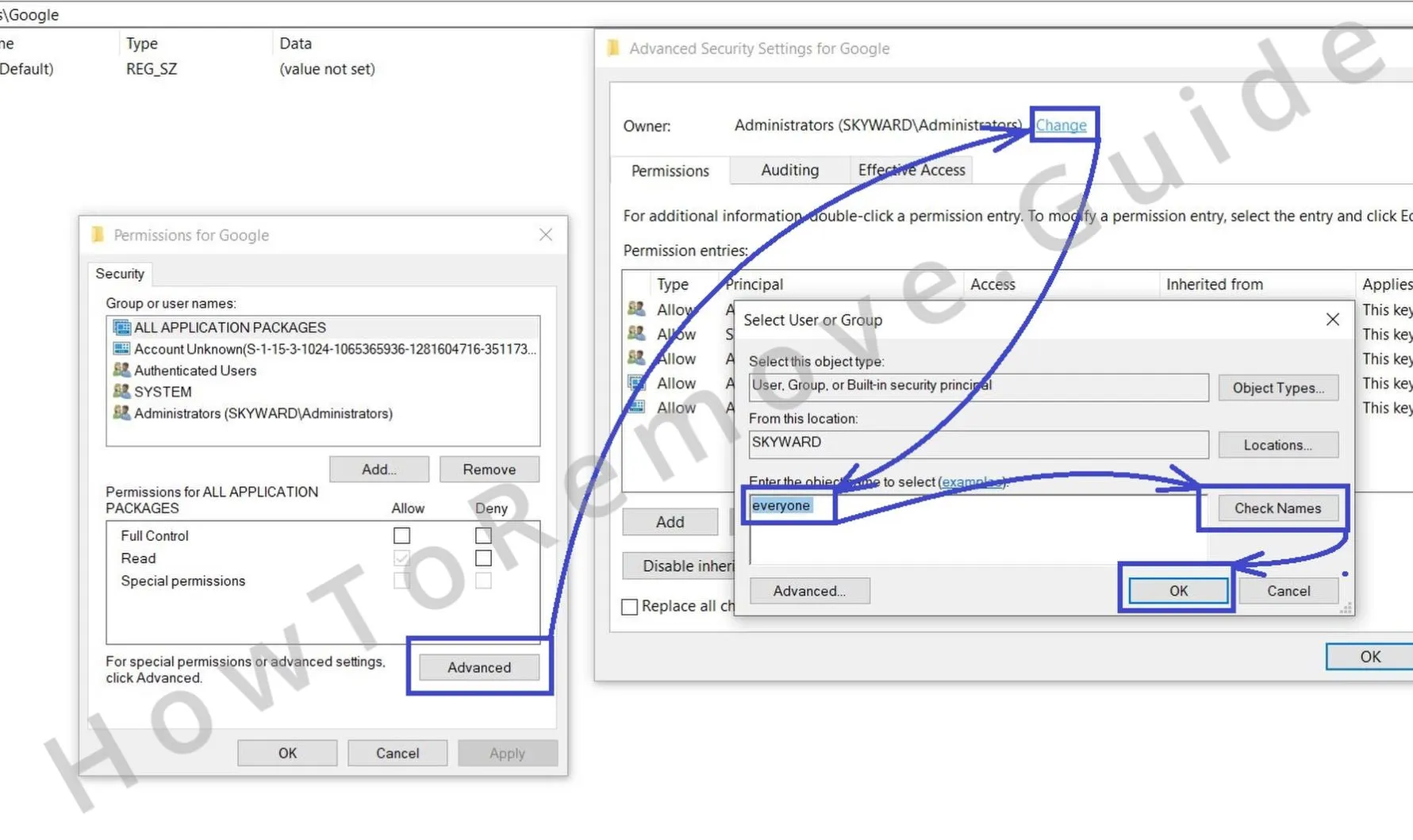 If a key refuses to delete, right-click it and choose Permissions, then select Advanced.
In the Owner field, click Change, enter Everyone, click Check Names, and confirm with OK.
Give Full Control to both Administrators and Users so you can remove the key along with its subkeys. - 2.4
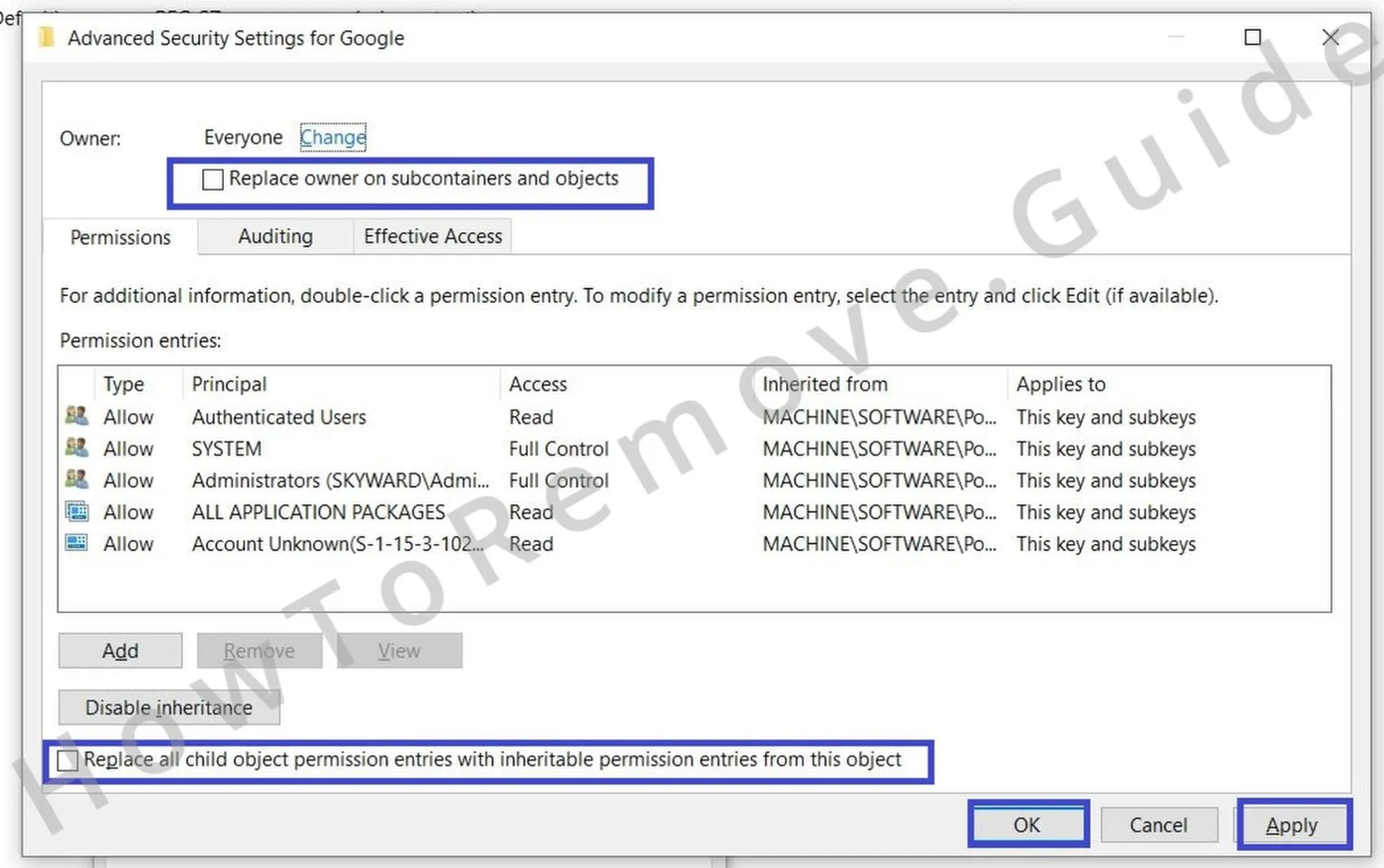 After you become the owner, enable Replace owner on subcontainers and objects and Replace all child object permission entries.
Click Apply and then OK, reboot Windows, and see whether Managed by your organization still shows in the browser.
If the banner is gone, open regedit again and rerun your searches to confirm no related policy values remain.
After you correct ownership and permission settings, the remaining stubborn registry keys can usually be deleted without errors. This lowers the chance that policy data is restored at the next startup and helps prevent the browser from silently loading enforced settings again.
Alternative Utilities to Clear My-smart-house1.com Enforced Policies
On some machines a leftover service, helper process, or scheduled task keeps pushing the same restrictions back after cleanup. Use focused policy tools and consoles to erase the last traces connected to My-smart-house1.com while avoiding broad system changes, especially if the managed banner or forced settings return after you reboot.
3. Alternative Utilities to Clear My-smart-house1.com Enforced Policies
- 3.1
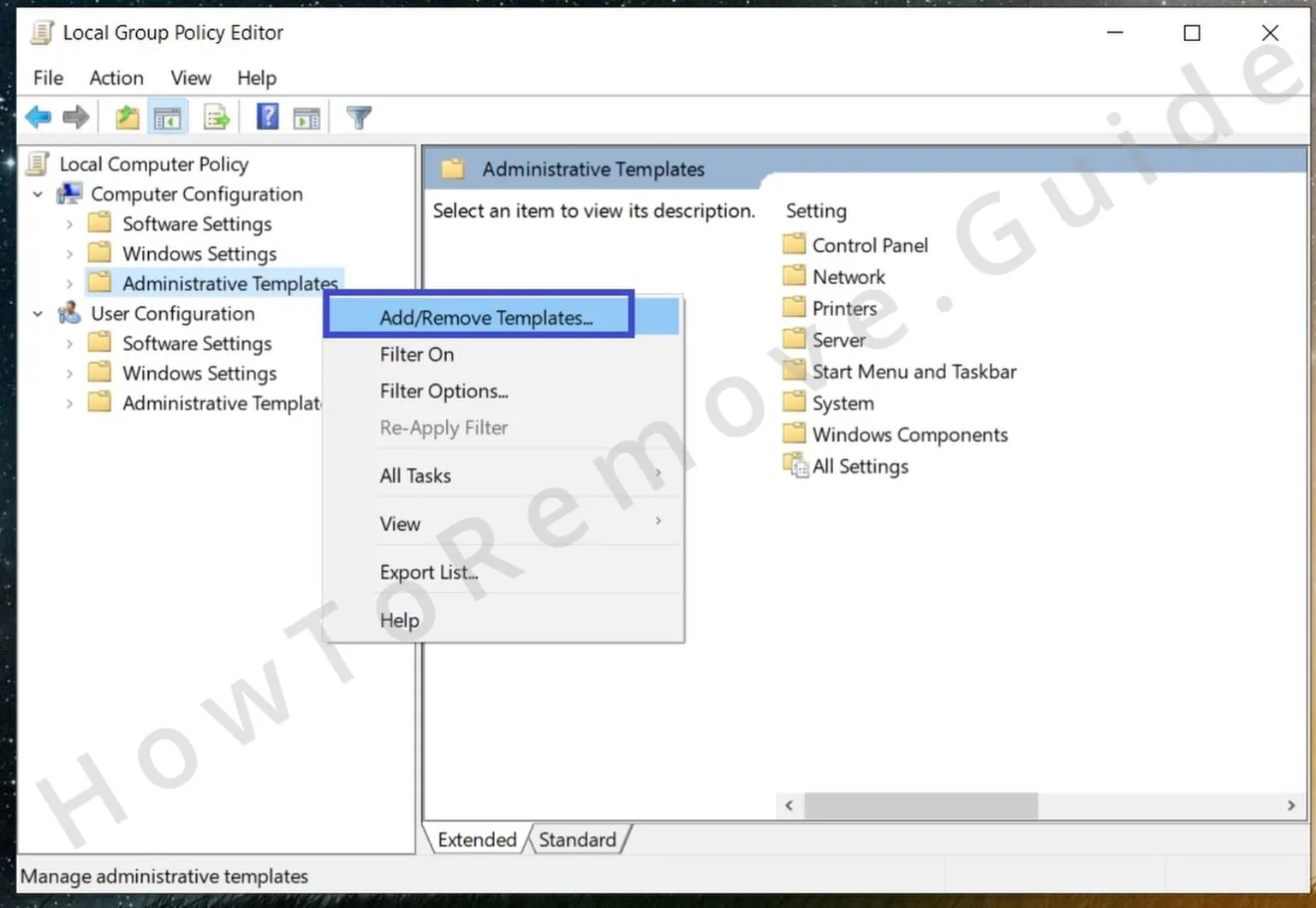 Launch Group Policy Editor using Win + S, then search for Edit Group Policy to locate rules that might lock settings for My-smart-house1.com.
In the left tree, expand Administrative Templates, where many browser-related policies are stored.
Check both Computer Configuration and User Configuration so you see rules that apply to the device and to the active user. - 3.2
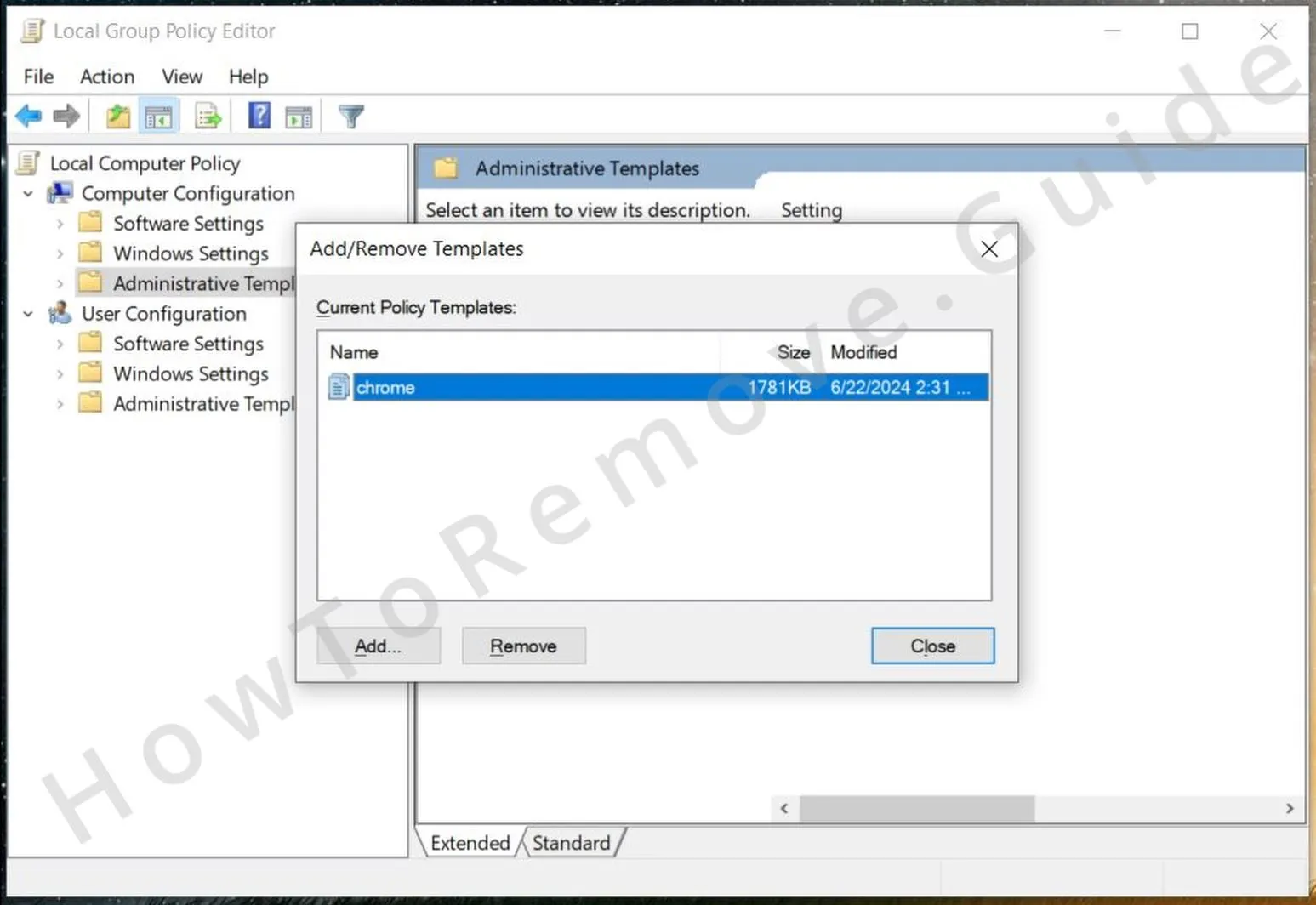 Right-click Administrative Templates and choose Add/Remove Templates.
Remove templates you never installed to roll back unwanted browser or system restrictions.
Then browse under Windows Components for Microsoft Edge or Google Chrome and set suspicious entries to Not Configured. - 3.3For Chrome, the standalone Chrome Policy Remover can scan for and delete hidden policy files.
Get it from a trusted source, then right-click the program file and select Run as administrator so it has enough rights.
Afterward open chrome://policy and click Reload policies to verify that only expected entries remain. - 3.4If security software or Windows Defender flags the utility, choose More info and then Run anyway only when you are confident about the download source.
When the tool finishes, restart the computer and review Group Policy Editor and Registry Editor once more to confirm policies were removed.
Open Task Scheduler under Task Scheduler Library and delete tasks that clearly exist only to restore the same browser settings.
Uninstall My-smart-house1.com from Chrome, Edge, and Other Browsers
Browser sync, stored profiles, and cached files can silently bring back unwanted pages after sign-in or a restart. Make sure your adjustments survive new sessions so My-smart-house1.com does not return, and double-check defaults, permissions, and extensions for every browser profile that uses the same account.
4. Clean Up Browser Changes Left by My-smart-house1.com
- 4.1Open your browser’s Extensions or Add-ons page again and look for entries that might be tied to My-smart-house1.com.
If an item keeps coming back or looks out of place, click Remove, since sync or a script may be reinstalling it.
Go directly to chrome://extensions or the comparable page so custom themes cannot hide anything. - 4.2
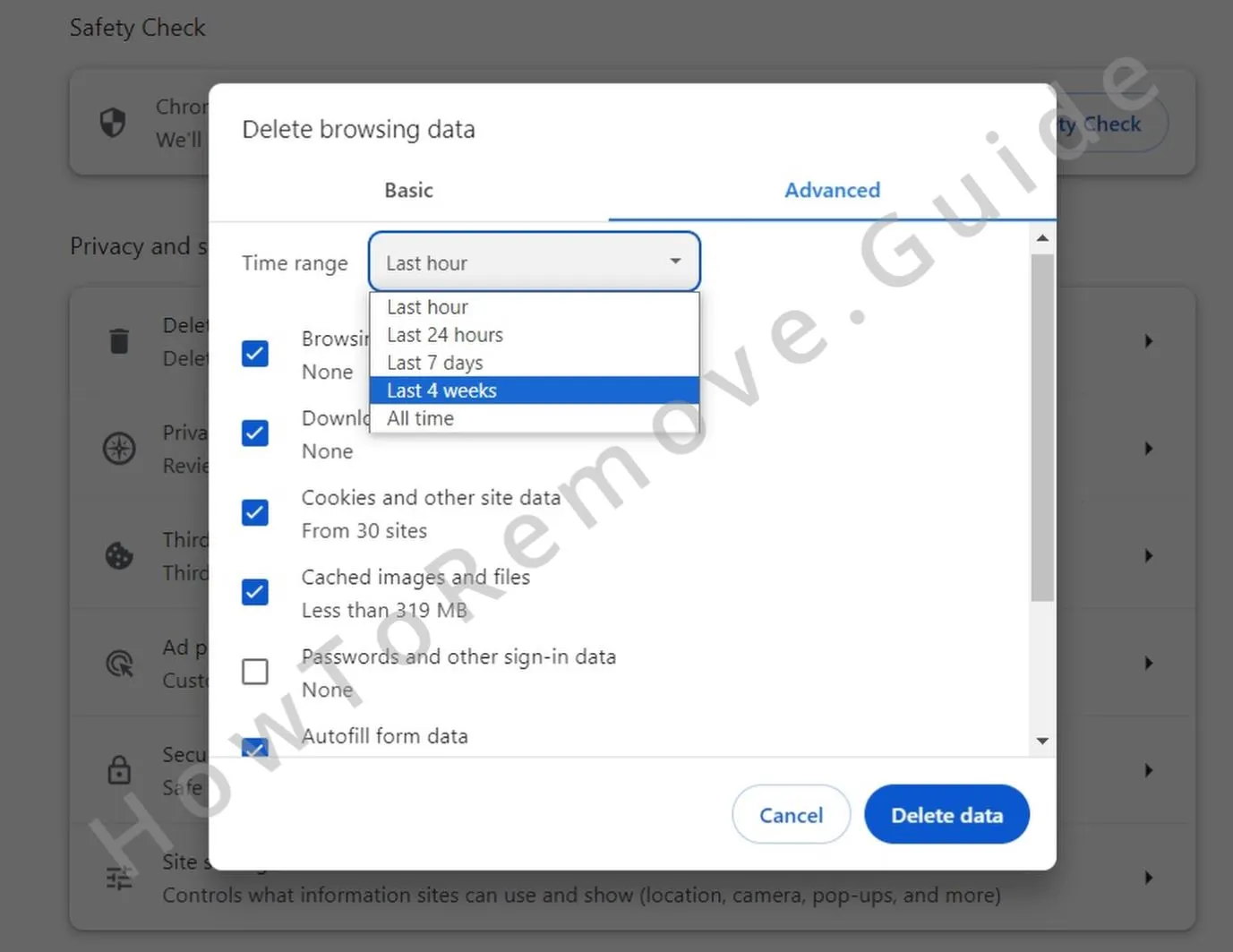 Open Clear browsing data from Settings.
Set Time range to All time and select everything except Saved passwords, then choose Clear data.
Repeat this for each browser profile and, if unwanted pop-ups return quickly, enable Clear data on exit. - 4.3
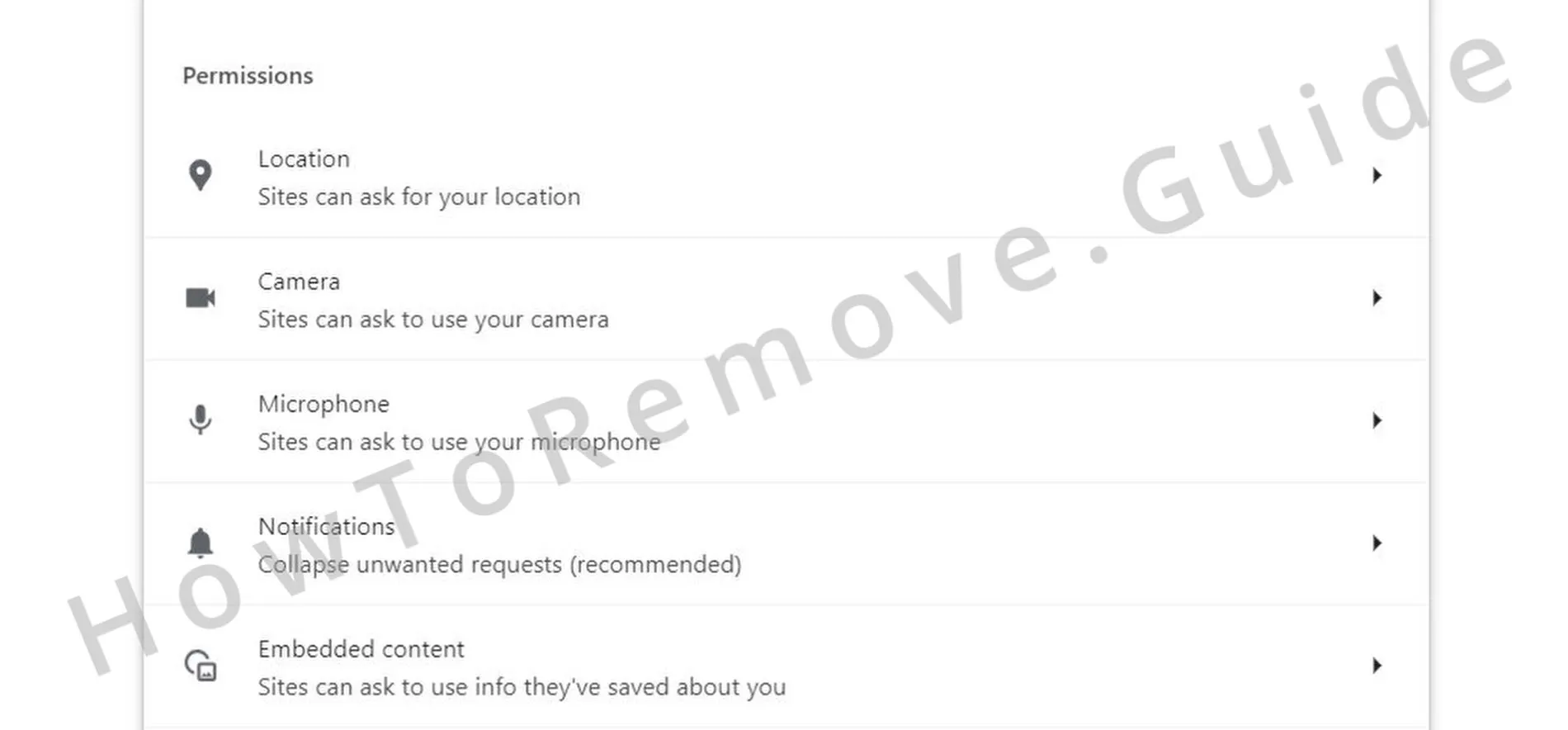 Go to Privacy and Security > Site settings.
Review permissions for camera, microphone, and notifications, then Delete or Block sites you never meant to allow.
Open View permissions and data stored across sites to remove problematic origins in one pass. - 4.4
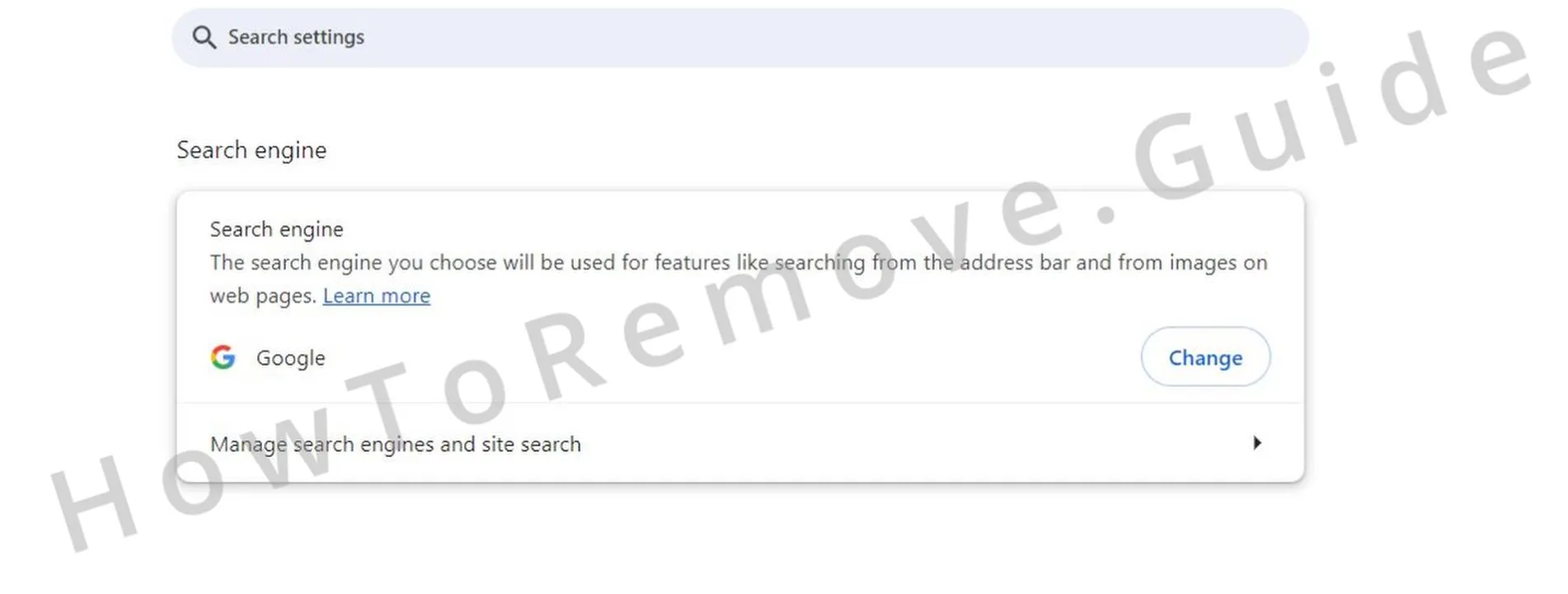 Open Search engine settings and select Manage search engines.
Delete unknown search providers and make sure the default is Google, Bing, or DuckDuckGo.
Also check On-device search shortcuts or Site search for custom entries that reroute searches. - 4.5Review On startup and appearance options.
Remove unfamiliar URLs used as your homepage or new tab page so no custom site loads automatically.
Turn off unwanted themes and restore the Default theme to eliminate theme-based scripts that might inject content.
To tighten security afterward, enable 2FA on important accounts, keep browser and extension auto-update enabled, and export bookmarks before using a full Reset settings option if similar symptoms appear again.
