

Omnidol (or Omnipresent Intelligence) is a browser hijacker that forces its way into Chrome or Edge and replaces your search engine without permission.
Victims of this annoyance typically notice that their default search engine has been switched to “Omnidol,” the search results look unfamiliar or “sketchy,” and attempts to restore normal browser settings fail most of the time. For most users, simply clearing cookies, deleting certificates, or reinstalling extensions doesn’t make it disappear.
This post gives more insight into what Omnidol is and, more importantly, how to completely remove it from your system.
What is Omnidol Search Engine? Is Omnidol a Virus?
Not exactly. Omnidol is better described as a browser hijacker; a type of potentially unwanted program (PUP) that’s still potentially harmful, but not the same as a self-replicating virus. It doesn’t spread from one computer to another on its own, but it seizes control of key browser settings once installed and can be an entry point for real viruses.
Reports suggest that it sneaks in through deceptive pop-ups or fake updates, most notably a fraudulent Chrome “update” notification that installs Omnidol’s components.
Once you let it inside your browser, it enforces its own “Omnidol – Omnipresent Intelligence” search engine and blocks any attempt to change that preference.
This hijacker is particularly stubborn because it manipulates administrative privileges and modifies the registry in ways that make removal difficult. Even safe mode or manual registry editing often fail to clear it, as it embeds control policies that make the browser appear to be managed by an external organization.
That’s one of the main reasons we recommend SpyHunter 5 as a quick removal option in case the manual steps shown below don’t work for you.
How dangerous is Omnidol?
Omnidol itself isn’t a Trojan, ransomware, or data-destroying threat, but it’s also not harmless. It can expose users to unreliable search results, malicious advertisements, and potential phishing pages by redirecting all web traffic through its own engine.
Also, hijackers like Omnidol, Mightytechy, and Web Bear Search virus are often used as gateways for larger attacks, tracking online user behavior, injecting unwanted code, or opening backdoors for more severe infections. They erode user control, compromise privacy, and undermine trust in the system’s own defenses – more than enough reason to see it removed deleted.
We tested that SpyHunter successfully removes Omnidol* and we recommend using it. It will block Omnidol from reinstalling itself and it will make sure your device is clean from any malware.
 Try Free For 7 Days*
Buy now15% OFF if you buy straight without trial.
 OFFER
OFFEROmnidol Removal Tutorial
Approach Omnidol calmly and systematically. Change one browser setting at a time and check whether “Omnidol – Omnipresent Intelligence” disappears. The hijacker often conceals itself behind policies that mimic normal preferences, so rushing through resets can leave its hooks in place. Move from browser settings inward to the system itself.
Quick actions to remove Omnidol
- 1.1Open your daily browser and go to Settings. In Chrome use the ⋮ menu; in Firefox use the ☰ menu. Visit Extensions or Add-ons and review everything, paying special attention to entries that appeared recently or alongside Omnidol.
- 1.2Decide whether each add-on is legitimate by checking its name, icon, permissions, and description. Look for look-alike names that differ by a single character. If unsure after inspection, click Remove. Searching the exact name in quotes often reveals copycat alerts or abuse reports.
- 1.3Site privileges can drive pop-ups and redirects. Open Privacy and security → Site permissions (expand Advanced if shown). Audit access to microphone, camera, location, and notifications, plus automatic downloads where available. Remove permissions for sites you don’t recognize or no longer need.
- 1.4After cleaning extensions and permissions, fully close the browser and reopen it to reload configuration files. The restart cements policy changes and clears cached scripts that may try to persist. Many cases improve here when both extensions and site permissions are corrected together.
If the browser now behaves normally, you can stop. If symptoms continue, proceed to policy checks, because Omnidol often fixes its preferences using browser management features that silently undo manual changes after each restart.
SUMMARY:
| Name | Omnidol |
| Type | Browser Hijacker |
| Detection Tool |
Some threats reinstall themselves if you don’t delete their core files. We recommend downloading SpyHunter to remove harmful programs for you. This may save you hours and ensure you don’t harm your system by deleting the wrong files. |
How to Remove the Omnidol Virus
When “Managed by your organization” appears, Omnidol has embedded policies that override browser preferences. You may reset a search engine or homepage only to see it revert at launch. Identify and note each administrative rule before removing it. Careful deletion prevents those Omnidol policies from reinstating themselves after reboot.
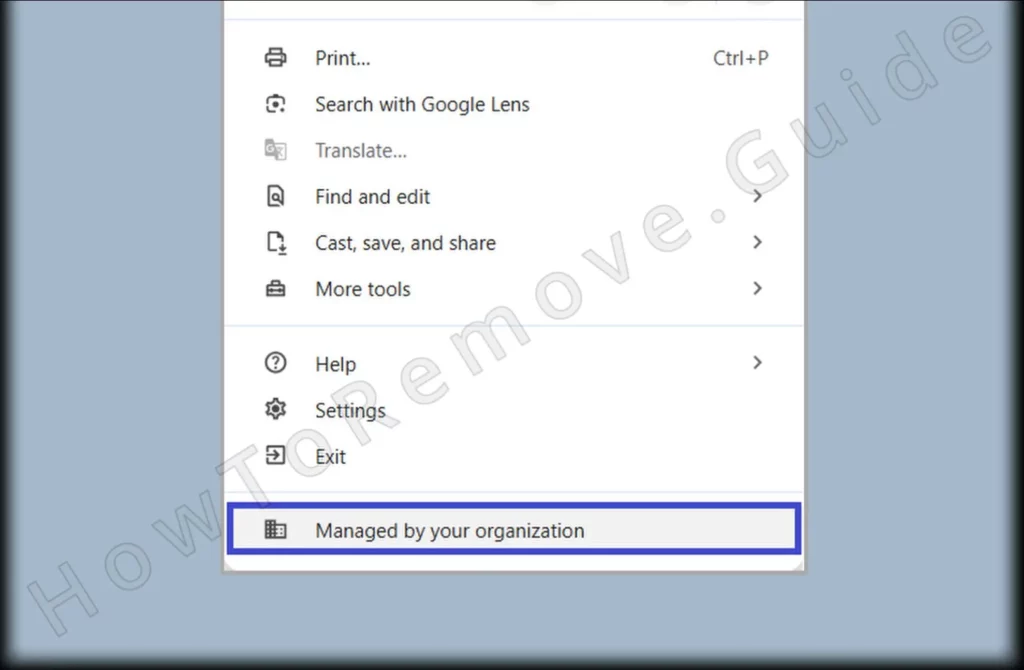
1. Locate the Omnidol Policies
- 1.1
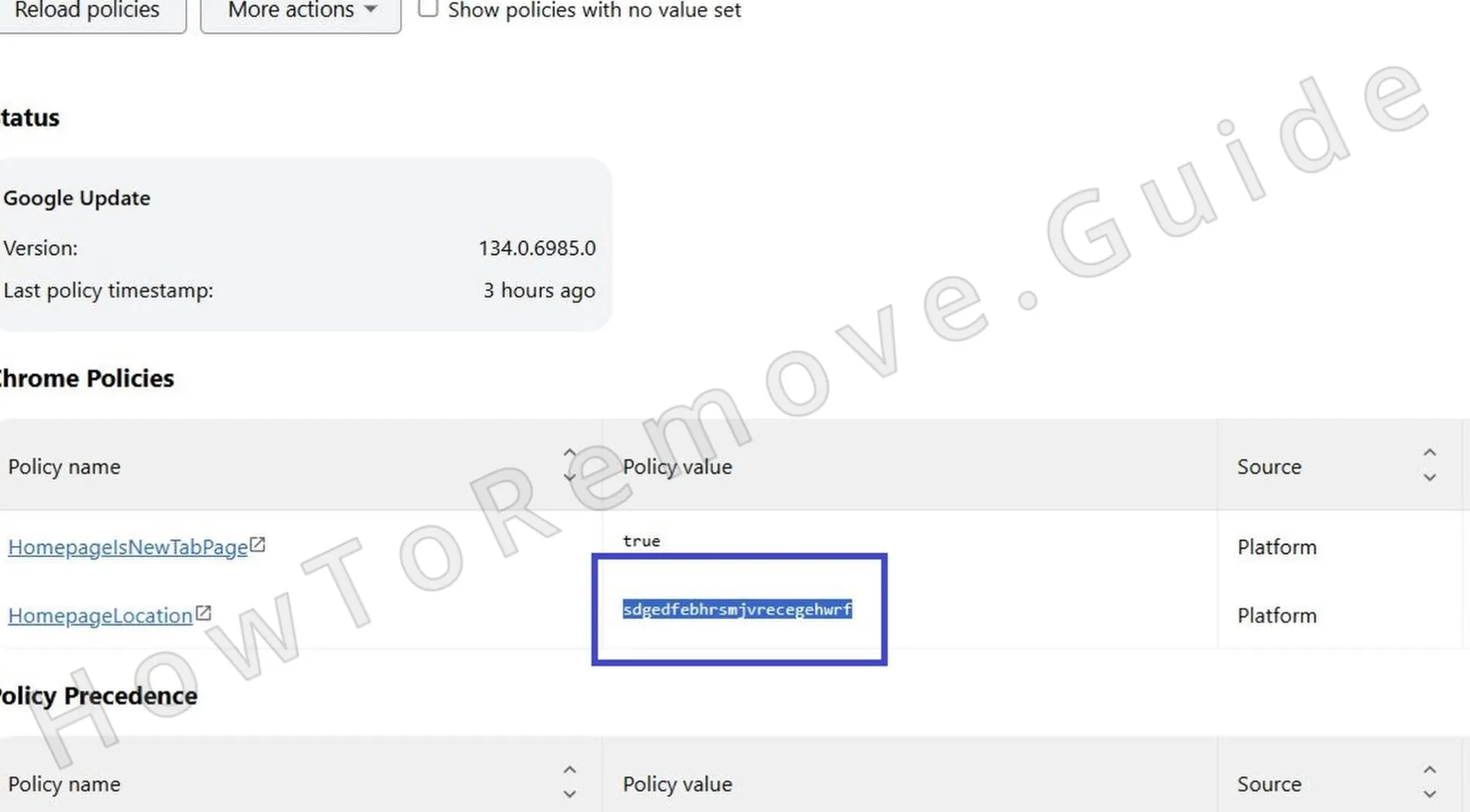 Start by opening the policy viewer to list entries that might reference Omnidol or force unrelated changes. In Chrome, visit chrome://policy; in Edge, open edge://policy. Wait for population, read the descriptions, and flag anything that doesn’t fit your normal setup.
 - 1.2Mild wording can hide strict controls. Expand each item and examine keys, URLs, and enforced preferences you never set. Take clear notes or screenshots of names and values; they’ll point you to specific files or registry branches later and avoid broad deletions.
- 1.3If extensions seem involved, open Extensions and toggle Developer mode (upper right). This reveals extension IDs and sometimes an Install location. Copy any IDs you don’t trust. On disk, extension folders usually match these IDs, making them easy to locate.
- 1.4Blocked from viewing Extensions by policy or a redirect? Treat that as confirmation and bypass the browser UI. Use File Explorer to inspect and handle files directly so the hostile interface cannot interfere.
- 1.5
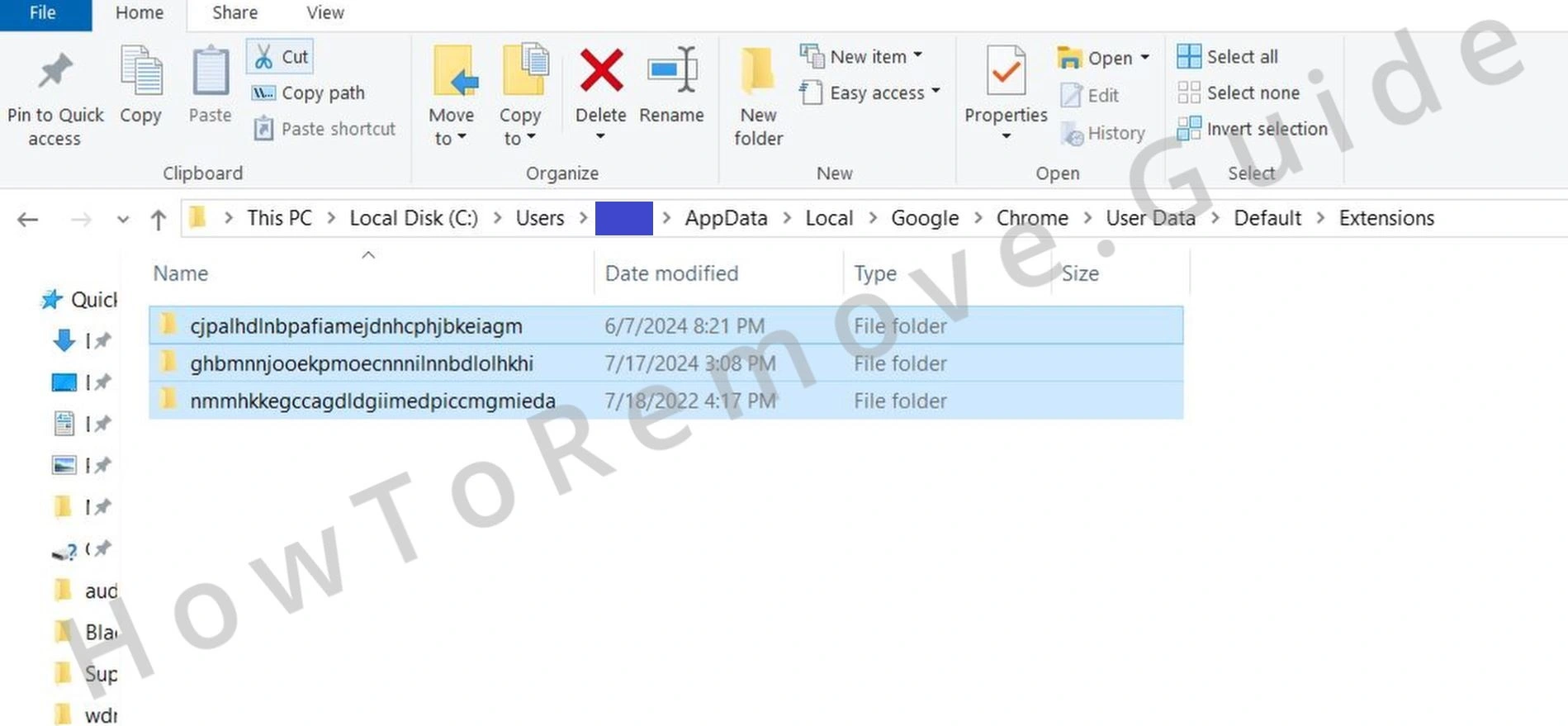 Open File Explorer and go to C:\Users<Your Username>\AppData\Local\Google\Chrome\User Data\Default\Extensions. Each subfolder matches an extension ID. Compare with your list and remove only the folder that exactly matches the suspicious entry. If uncertain, copy it elsewhere before deletion so you can restore it.
 - 1.6
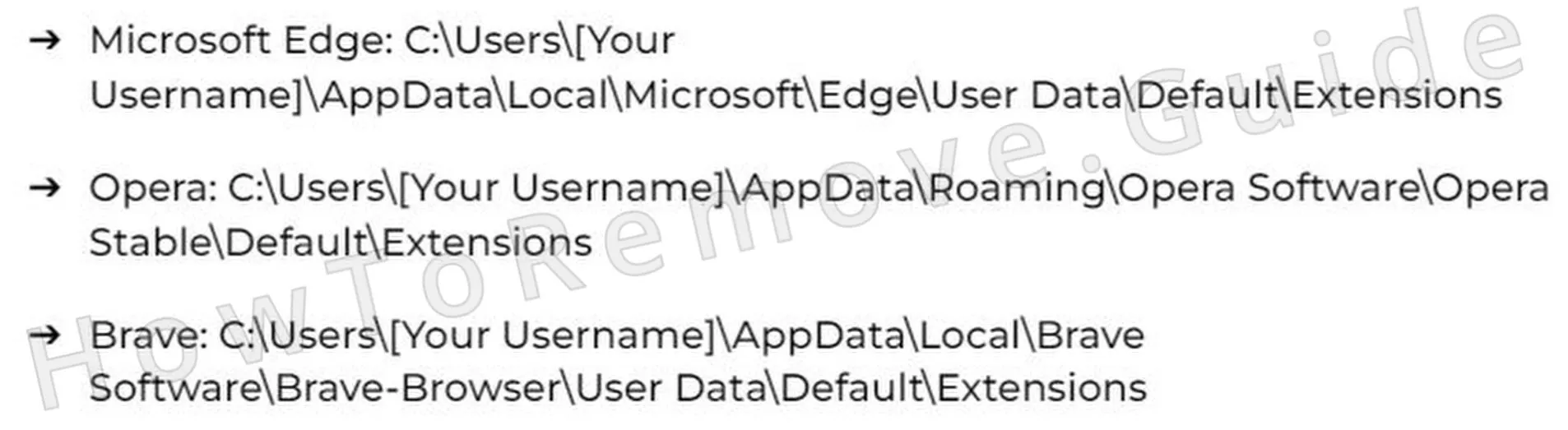 If you also use Brave, Opera, or other Chromium-based browsers, repeat this check in their AppData extension folders. Remove matching rogue IDs there too. Cross-browser sync and bundled installers can silently reinstall components you already removed in Chrome.
 - 1.7Return to Extensions with Developer mode still on and verify the unwanted entry is gone. If it reappears, pause account sync to stop cloud reinstalls and look for lingering policy files or scheduled tasks; recurrence means something is reapplying the configuration.
Get Rid of Omnidol Policies
Proceed with precision inside the Windows Registry. Back up everything, verify every entry, and confirm it’s tied to Omnidol’s hijacking before deletion. This ensures system stability while erasing the persistent registry hooks that keep Chrome or Edge locked to Omnidol’s fake “Omnipresent Intelligence” search engine between sessions.
2. Remove Omnidol Policies via the Registry
- 2.1Before making changes, open Registry Editor and export a backup so alterations linked to Omnidol can be reversed. Press Windows + R, type regedit, press Enter, then use File → Export, select All, and save it with a date-stamped name.
- 2.2Target exact keys next. Use Ctrl + F or Edit → Find to search for the suspicious extension ID or policy name you recorded. Delete each precise match, then press F3 to find the next one. Continue until there are no more hits in any hive.
- 2.3
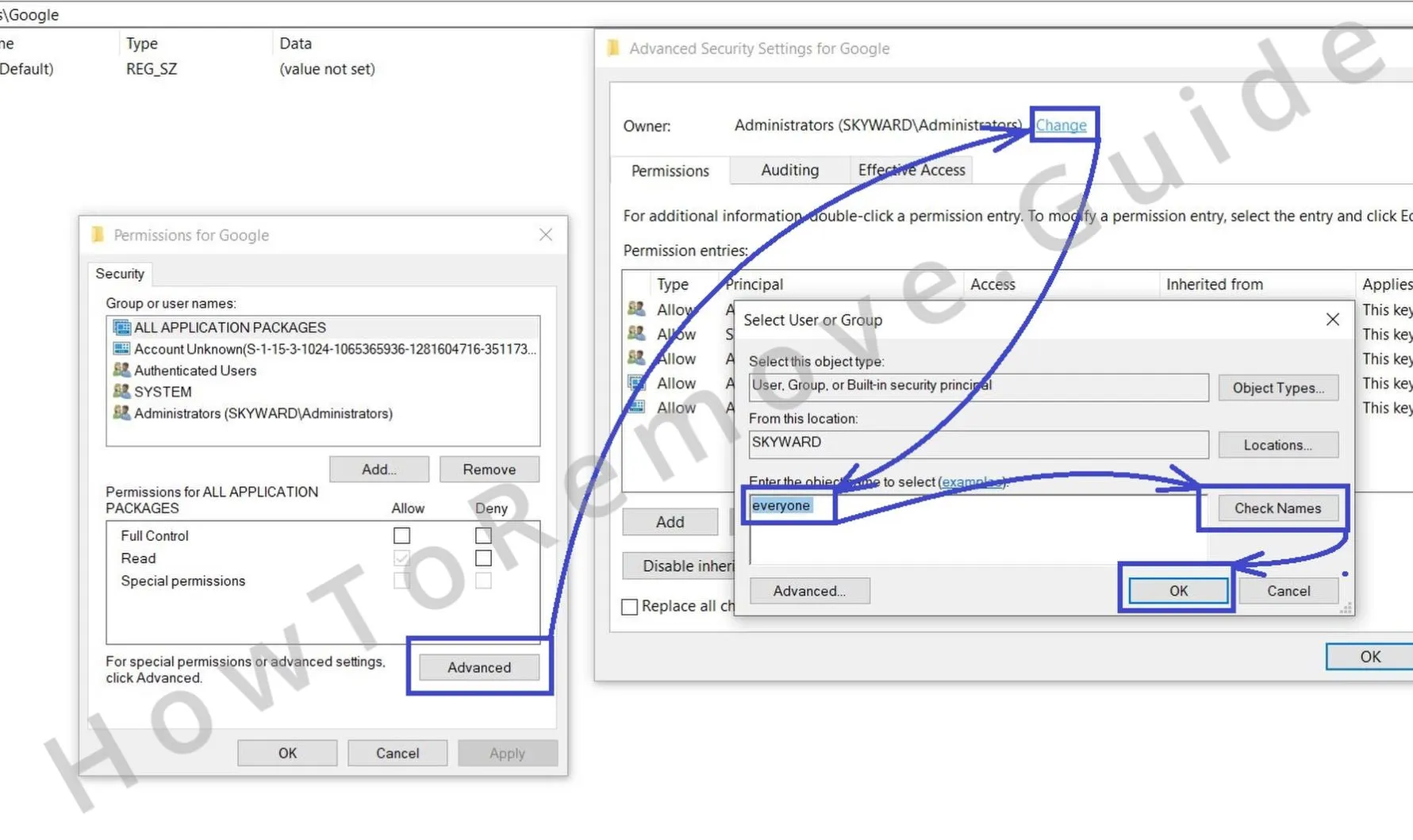 If deletion is denied, right-click the key, choose Permissions → Advanced, then click Change next to Owner. Enter Everyone, select Check Names, and press OK. With ownership corrected, adjust inherited permissions so the key and its values can be removed.
 - 2.4
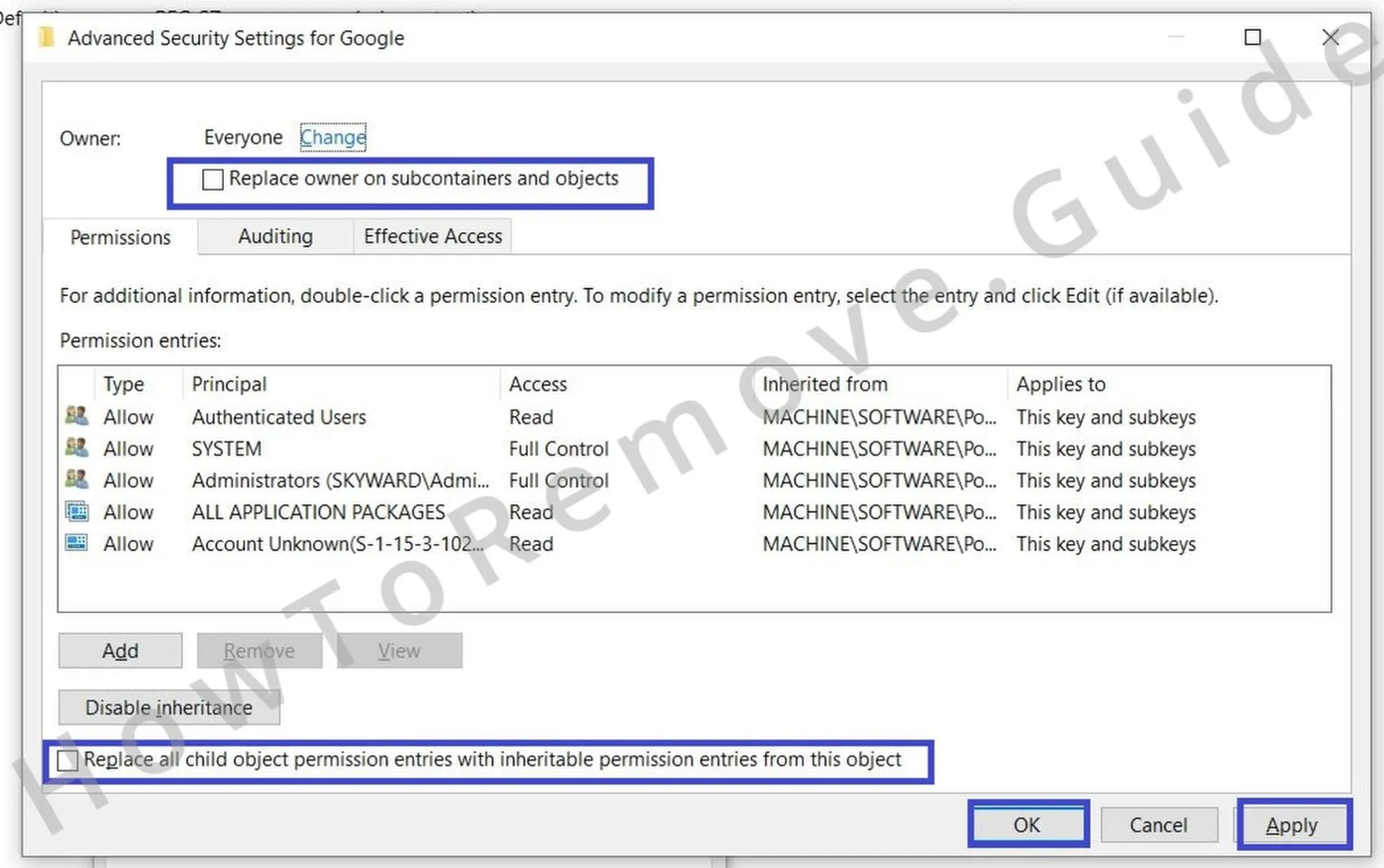 Ensure control cascades to children: enable Replace owner on subcontainers and objects and Replace all child permission entries with inheritable permissions from this object. Click Apply, then OK. Delete the stubborn key, reboot Windows, and reopen the browser to confirm the banner is gone.
Alternative Tools to Delete Omnidol Policies
Sometimes Omnidol’s restrictions reappear even after registry edits because helper utilities or hidden configuration files rewrite them. These local templates can silently restore browser control policies on login. Track down and disable each layer capable of enforcing those settings so Omnidol’s influence can’t regenerate itself.
3. Other Ways to Get Rid of Omnidol Policies
- 3.1
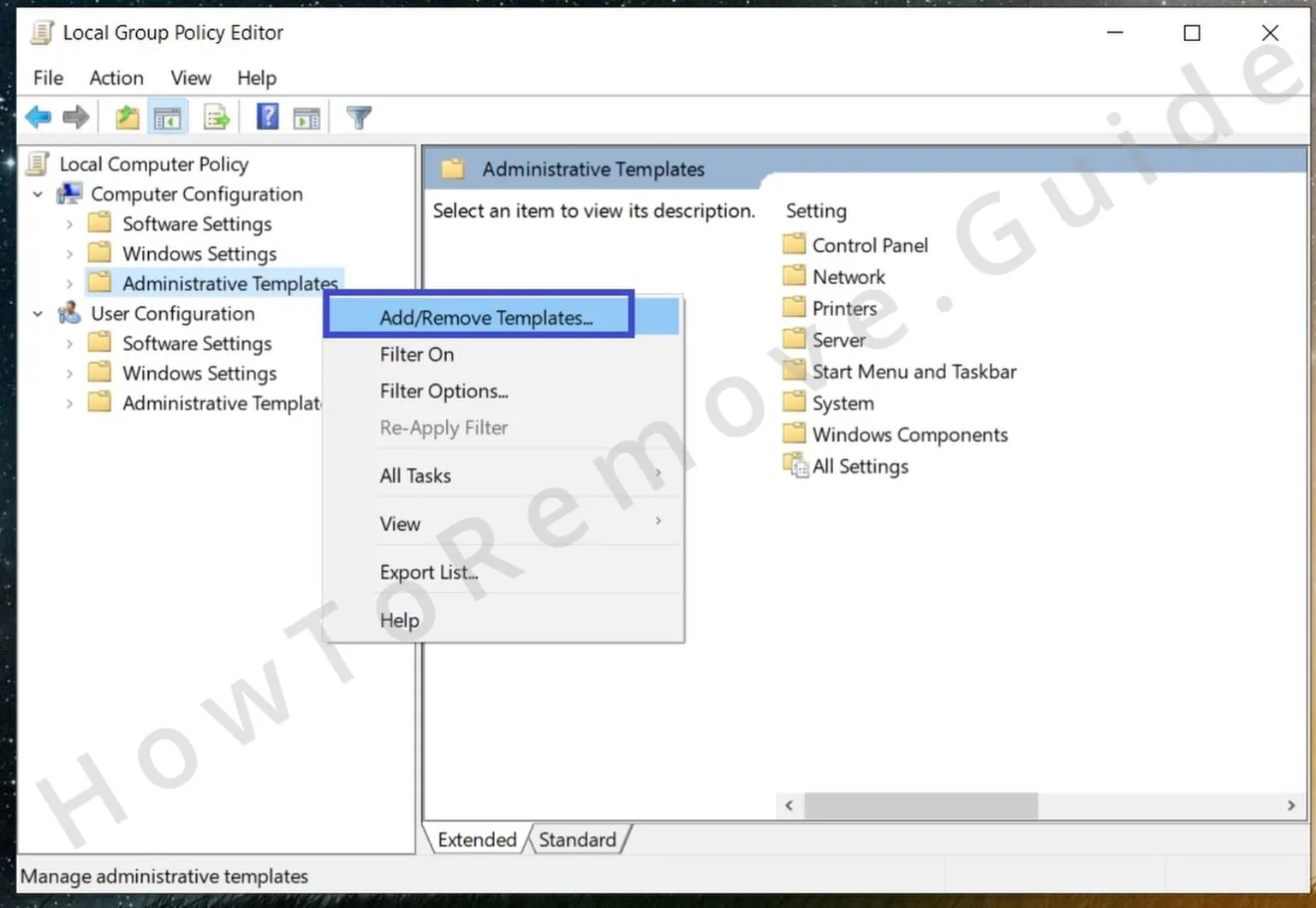 Check local administrative templates for anything related to Omnidol. Press Windows + S, type Edit group policy, and press Enter. Expand Administrative Templates and review configured items for homepage, startup URLs, extension installs, and default search.
 - 3.2
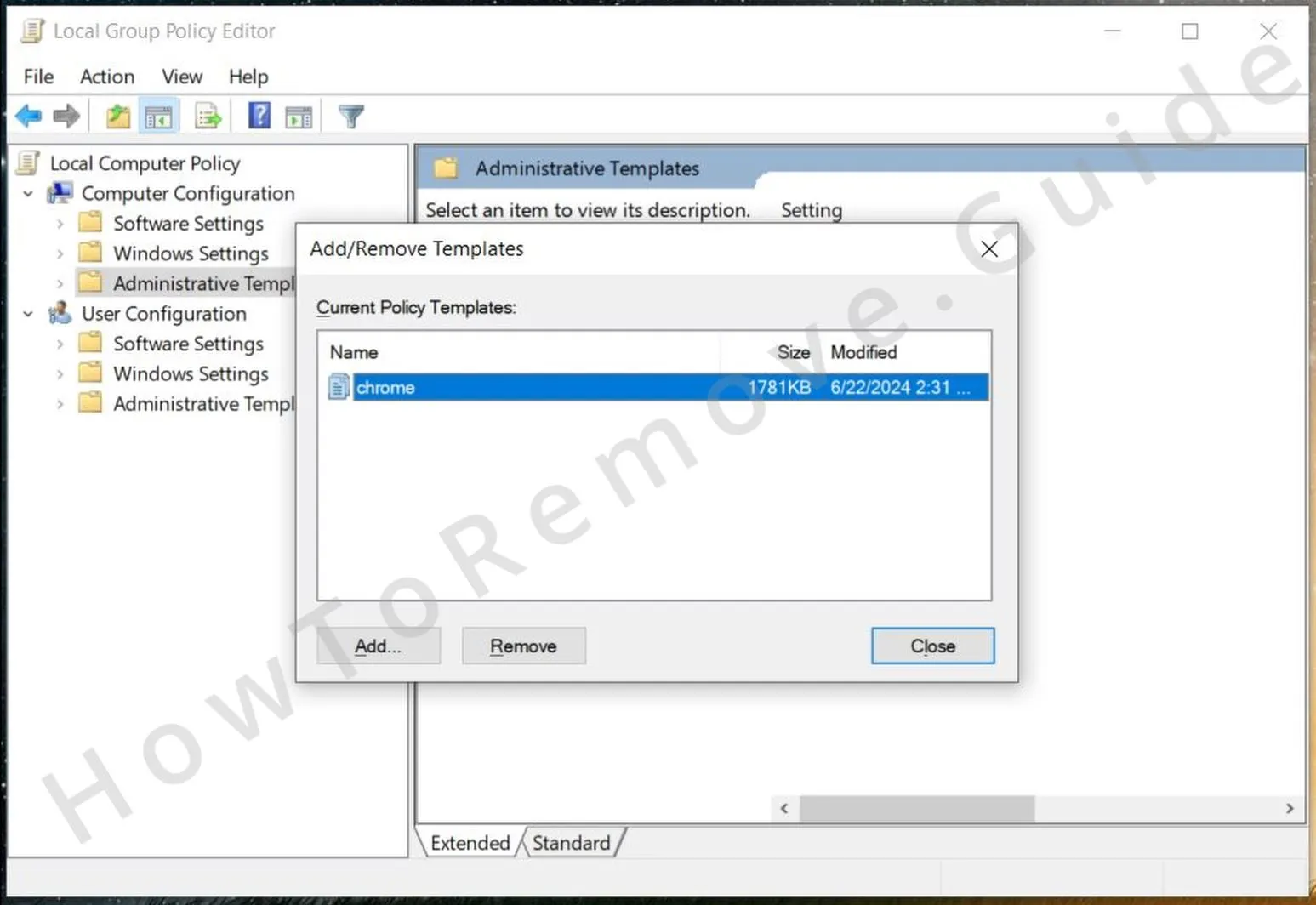 If you see templates you don’t recognize, right-click Administrative Templates and choose Add/Remove Templates. Remove the unfamiliar ones. Malicious templates can recreate policy keys you already deleted, making the browser look “locked” after a registry cleanup.
 - 3.3For Chrome, a reputable utility like the Chrome Policy Remover can surface hidden or deprecated entries not shown in standard views. Right-click and Run as administrator so it can enumerate both user and machine scopes.
- 3.4If Windows SmartScreen or your AV warns, choose More info → Run anyway only if you trust the source. After cleanup, restart Windows and recheck both the Registry and Group Policy Editor to confirm entries don’t repopulate and the browser no longer shows the management banner.
Uninstall Omnidol From Chrome, Edge, and Other Browsers
Once the policies are gone, finish the cleanup. Omnidol can still persist through cached profiles or synced preferences. Review your extensions, clear browser data, and reset your homepage and search settings so your browser reflects genuine defaults – not the hijacked state Omnidol imposed.
4. How to Remove Omnidol From Your Browser
- 4.1If add-ons keep coming back, consider whether account sync is reinstalling them. Open Extensions/Add-ons, remove the suspicious entries again, and temporarily turn off sync on all devices. When the machine stays clean through several restarts, re-enable sync.
- 4.2
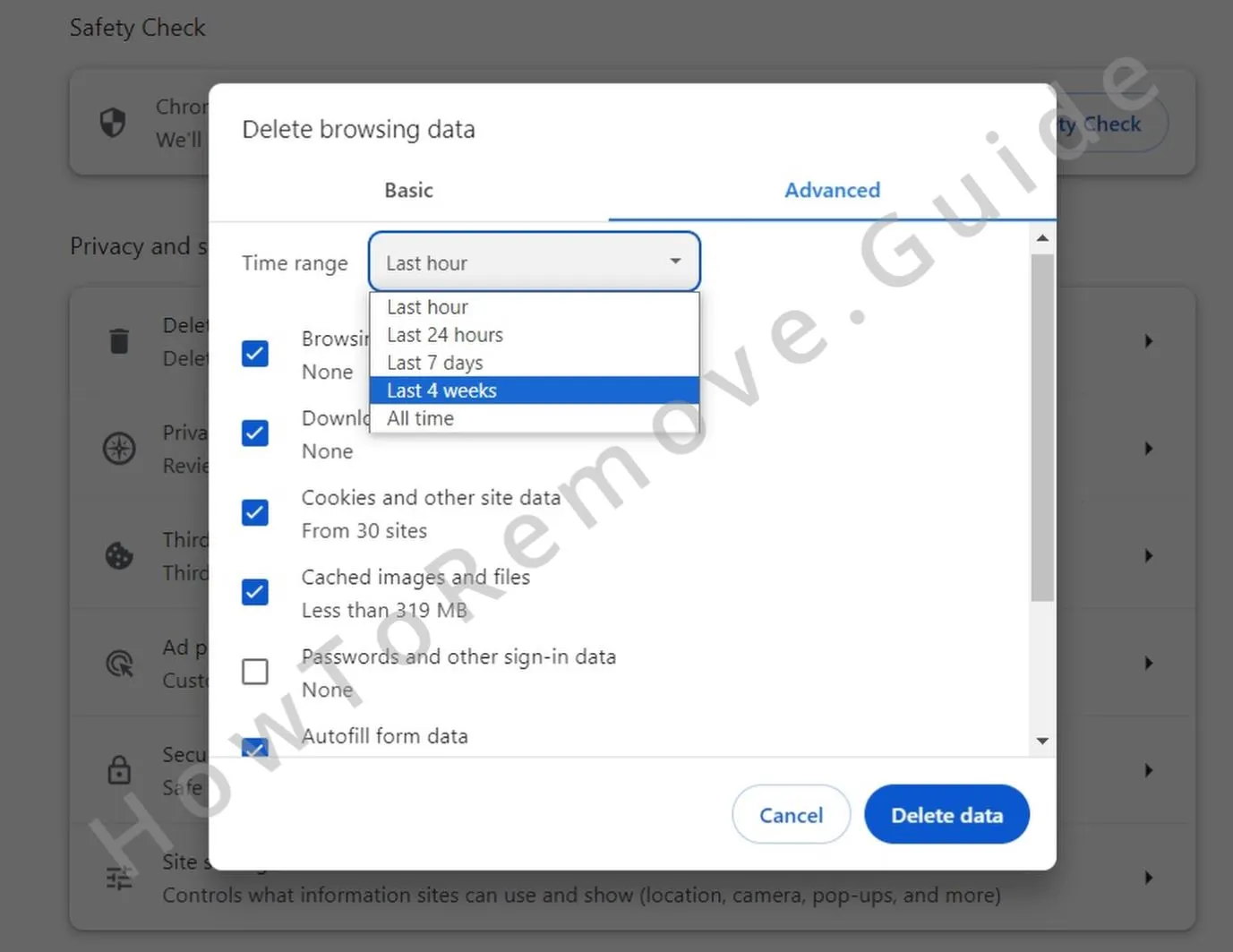 Stop redirects by flushing stored data. Open Clear browsing data, choose All time, leave Saved passwords unchecked, and delete cookies, cached images and files, and site data (this also clears service worker caches).
 - 4.3
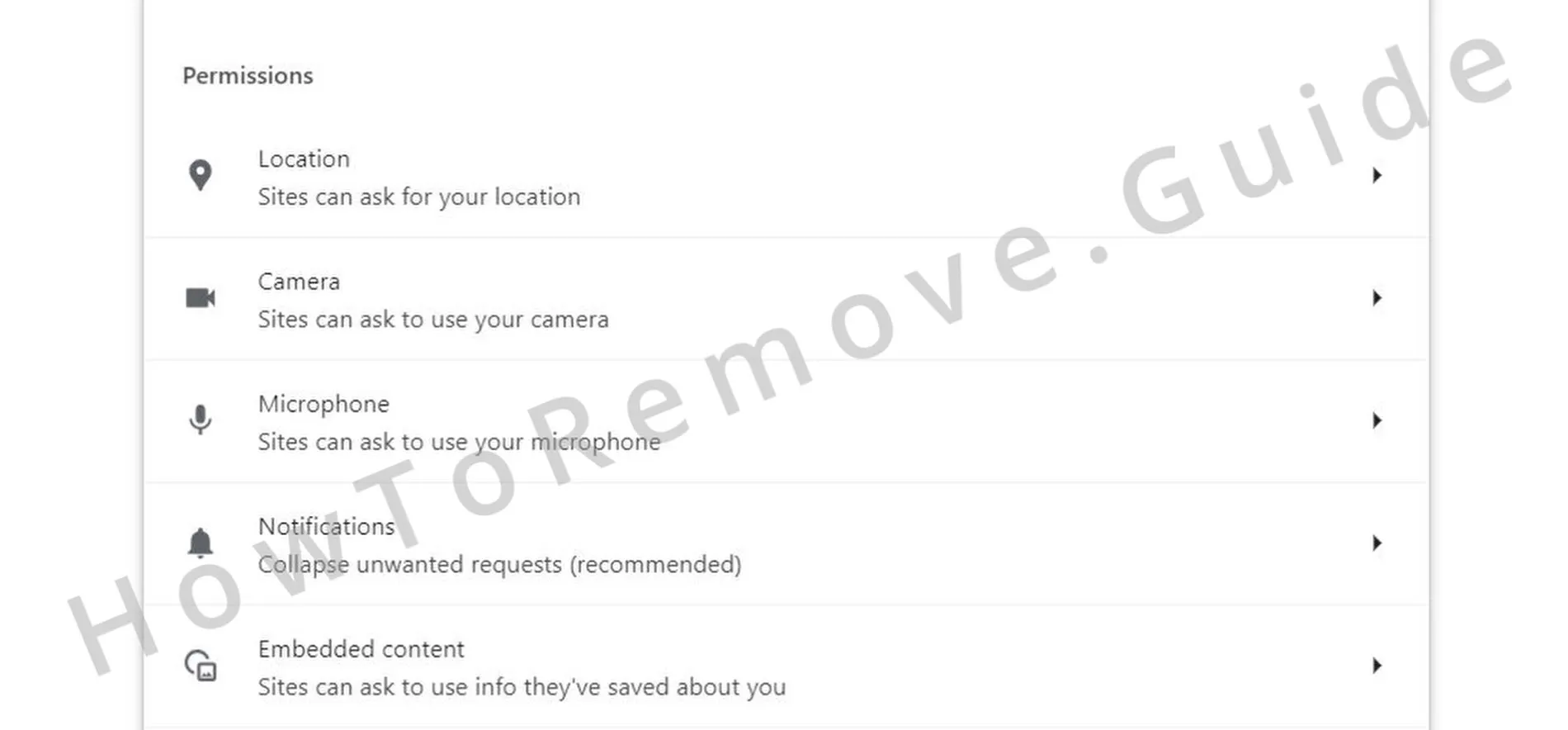 Audit live permissions. Go to Privacy and security → Site settings and revoke camera, microphone, and notifications for unfamiliar domains. Also review Background sync, Pop-ups and redirects, and Automatic downloads.
 - 4.4
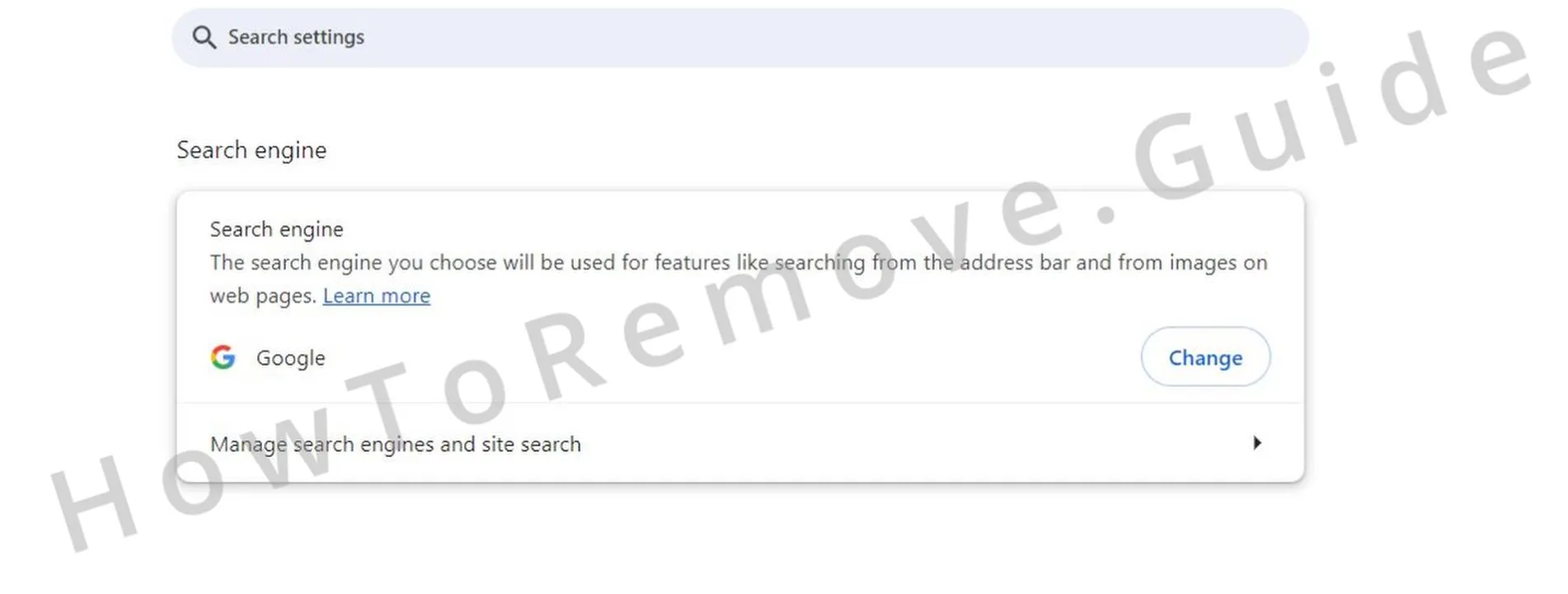 Restore search control. Open Search engine settings → Manage search engines, remove unknown providers, and set Google, Bing, or DuckDuckGo as Default. Check for custom keywords or new-tab rules that redirect queries.
 - 4.5Lock down startup behavior. In On startup or Appearance, remove any Startup pages or Home page entries you didn’t add and choose a trusted site or New Tab to prevent launch-time redirects.
Finishing these checks reduces the chance of silent reinstallation via sync, scheduled tasks, or leftover files. Keep your notes – they make troubleshooting quicker if symptoms reappear later.
How to Avoid Omnidol Virus in the Future
Most users already know to steer clear of shady websites, pirated downloads, or random email attachments. But Omnidol – Omnipresent Intelligence – didn’t spread through the usual dark corners of the web. It posed as a legitimate Chrome update, hijacked browsers, and locked system settings under fake “organization management.” That’s a reminder that malware doesn’t always come from the places we expect – it can masquerade as something trustworthy. Here are several important steps that can help you avoid Omnidol and similar hijackers in the future:
- Disable Automatic Downloads
Go to your browser’s Settings > Downloads and toggle on the option that makes it ask where to save each file before downloading. This extra step stops stealth installers disguised as “updates” from automatically running on your system. If a fake Chrome update pops up again, you’ll have a chance to cancel it before it does damage. - Use Enhanced Security in Your Browser
Modern browsers offer built-in protection against hijackers like Omnidol but often keep those defenses off by default. In Chrome, open Privacy and Security > Security and enable “Enhanced protection” and “Always use secure connections.” These features block known malicious domains – useful since Omnidol’s infrastructure was reported to hide behind Cloudflare and unknown U.S. IPs. - Install an Ad-Blocker
A good ad-blocker filters rogue pop-ups and redirects, reducing the risk of interacting with fake update banners or suspicious search tools. It also warns you about potentially dangerous pages before they load.
Simple precautions like these close the door on hijackers before they ever touch your browser.
