

Did your browser homepage suddenly change on its own? Or did your search engine become locked, with a “managed by your organization” message preventing you from restoring your old one? If you’re encountering this and other similar annoyances in your browser or outside of it, you’re probably dealing with a hijacker called Partque.co.in.
Partque.co.in is a sneaky component that doesn’t smash files or act like a ransomware attack and instead silently takes over key browser settings so you can’t restore them to their defaults. The end goal for Partque.co.in, similar to Abobus.co.in, here is to force its redirects and ads on you and then try to spin you around with constant pop-ups, which most of the time imitate Norton, AVG or McAfee.
Many users waste hours thinking it’s a Windows glitch, a mysterious IT policy, or even an actual virus infection. In reality, it’s just a hijacker that’s pulling the strings. Yet, make no mistake – while Partque.co.in might seem like “just” an annoyance, the sites it promotes can be outright dangerous. So stick with me, because the next steps will show you exactly how to remove it. Or you can also use SpyHunter 5 for a quick and hands-free removal.
We tested that SpyHunter successfully removes Partque.co.in* and we recommend using it. It will block Partque.co.in from reinstalling itself and it will make sure your device is clean from any malware.
 Try Free For 7 Days*
Buy now15% OFF if you buy straight without trial.
 OFFER
OFFERPartque.co.in Removal Tutorial
Starting cleanly is smarter than starting fast. Changing many things at once helps nothing if the root cause remains, and it can make diagnosing harder. Treat the browser as the only surface you touch first. Make one change, verify the result, then proceed. Hijackers thrive on rash fixes, so keep actions deliberate while you track what improves or worsens Partque.co.in.
Quick Steps to Remove Partque.co.in
- 1.1Begin with control, not guesswork: open your everyday browser and go straight to Settings. In Chrome, select the ⋮ menu at the top right; in Firefox, open the ☰ menu. Navigate to Extensions in Chrome or Add-ons in Firefox. Review the list there before changing anything, because Partque.co.in often rides in as a harmless-looking add-on.
- 1.2Is an add-on trustworthy? Check the name, icon, permissions, and description, then decide. Malicious items frequently imitate well-known publishers with tiny spelling or icon differences. If doubt remains, search the exact extension name in quotes to see credible reports. Remove anything that doesn’t check out using Remove.
- 1.3Tighten site-level access next. Open Privacy and security, then Site permissions – expand Advanced if needed. Inspect which domains can use your microphone, camera, location, or notifications. Delete entries you don’t recall approving. Resetting noisy categories like notifications to stricter defaults can prevent surprise prompts.
- 1.4Follow through so changes apply consistently. Clear suspicious sites from every permission list, then close the browser completely and relaunch it. This refresh prevents stale permission caches from re-enabling pop-ups or redirects. If symptoms vanish, you likely removed the active lever; if not, continue with deeper cleanup.
These actions often cut the hijacker’s control substantially. If symptoms persist, the unwanted settings may have been written as managed policies, which require the next procedures.
SUMMARY:
| Name | Partque.co.in |
| Type | Browser Hijacker |
| Detection Tool |
Some threats reinstall themselves if you don’t delete their core files. We recommend downloading SpyHunter to remove harmful programs for you. This may save you hours and ensure you don’t harm your system by deleting the wrong files. |
How to Remove the Partque.co.in Virus
When the browser shows “Managed by your organization”, policies are dictating settings. That usually means an extension or a local configuration pushed values outside normal preferences. Routine uninstallers rarely clear those keys. To undo the control safely, identify the policy entries, verify which extension IDs are involved, and then remove only what is relevant to Partque.co.in.
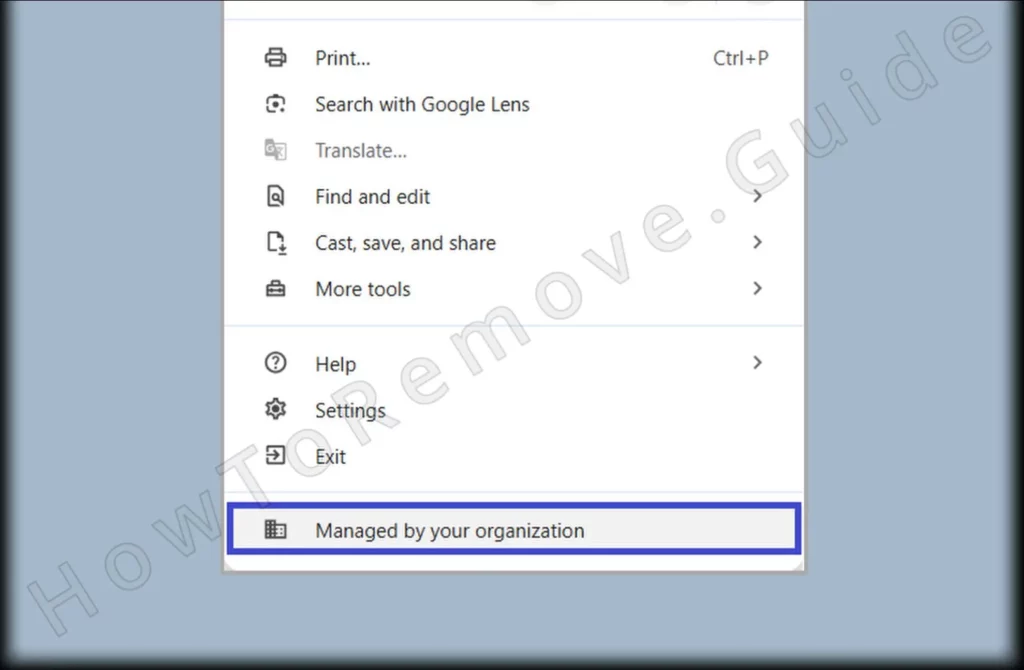
1. Identify the Partque.co.in Policies
- 1.1
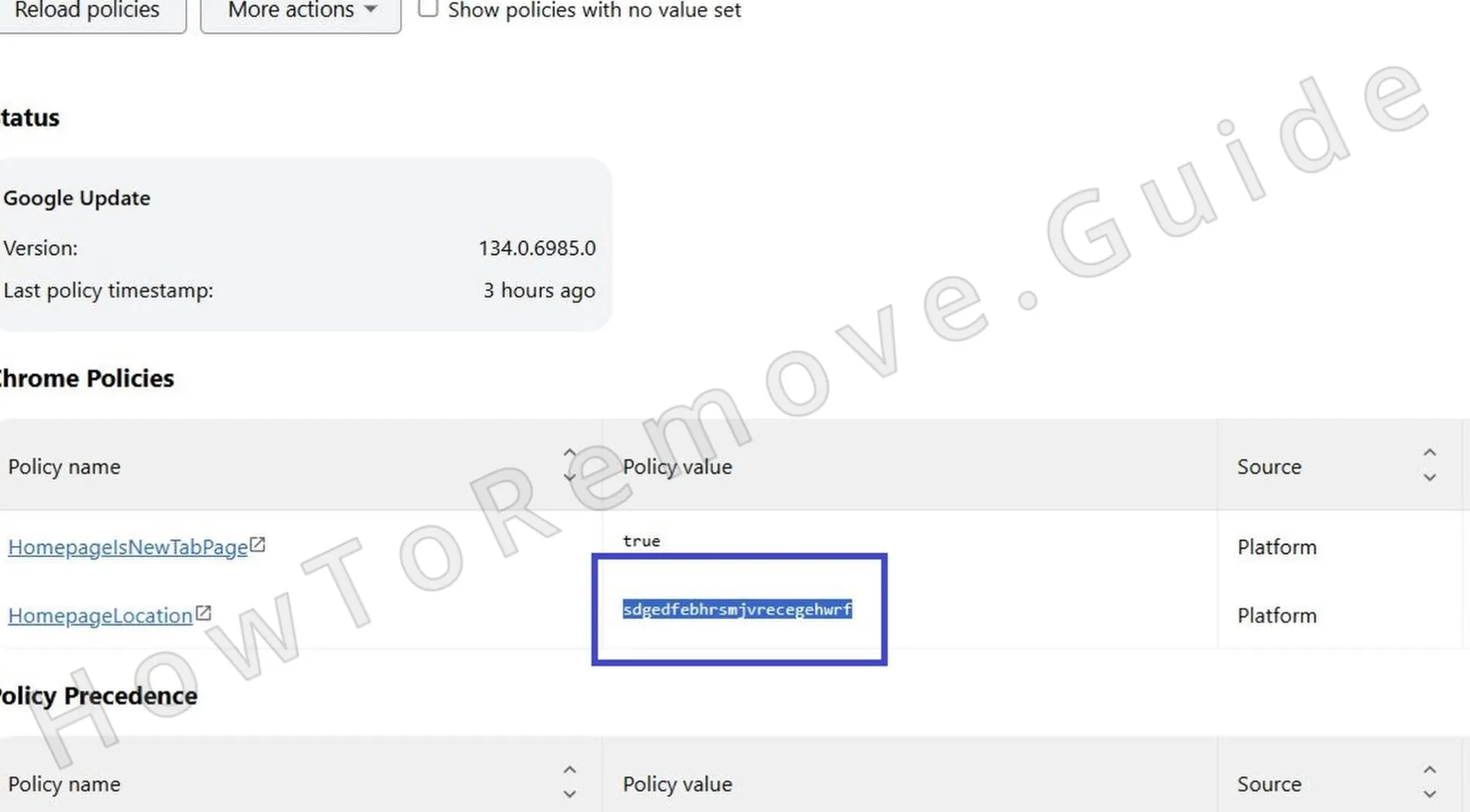 Cause, then action: if you suspect policy-based control, open the policy viewer first. In Chrome, type chrome://policy in the address bar; in Edge, use edge://policy. Let the list populate, then scan for unfamiliar names or items tied to extensions. This helps you target exactly what Partque.co.in modified.
 - 1.2Work entry by entry. Open each policy and read its value and scope, noting anything unrelated to your setup. Keep quick records – screenshots or a short text note with the policy name and value – so you can reverse mistakes and compare after cleanup.
- 1.3Correlate policies to extensions next. Go to the Extensions page and enable Developer mode (top right). Note each extension’s ID and any installation path shown. Matching a suspicious policy to a specific ID is key to confident removal.
- 1.4Blocked from the Extensions page or it crashes? Use the filesystem instead. Open File Explorer to examine extension folders directly, which avoids a hijacker interfering with the UI.
- 1.5
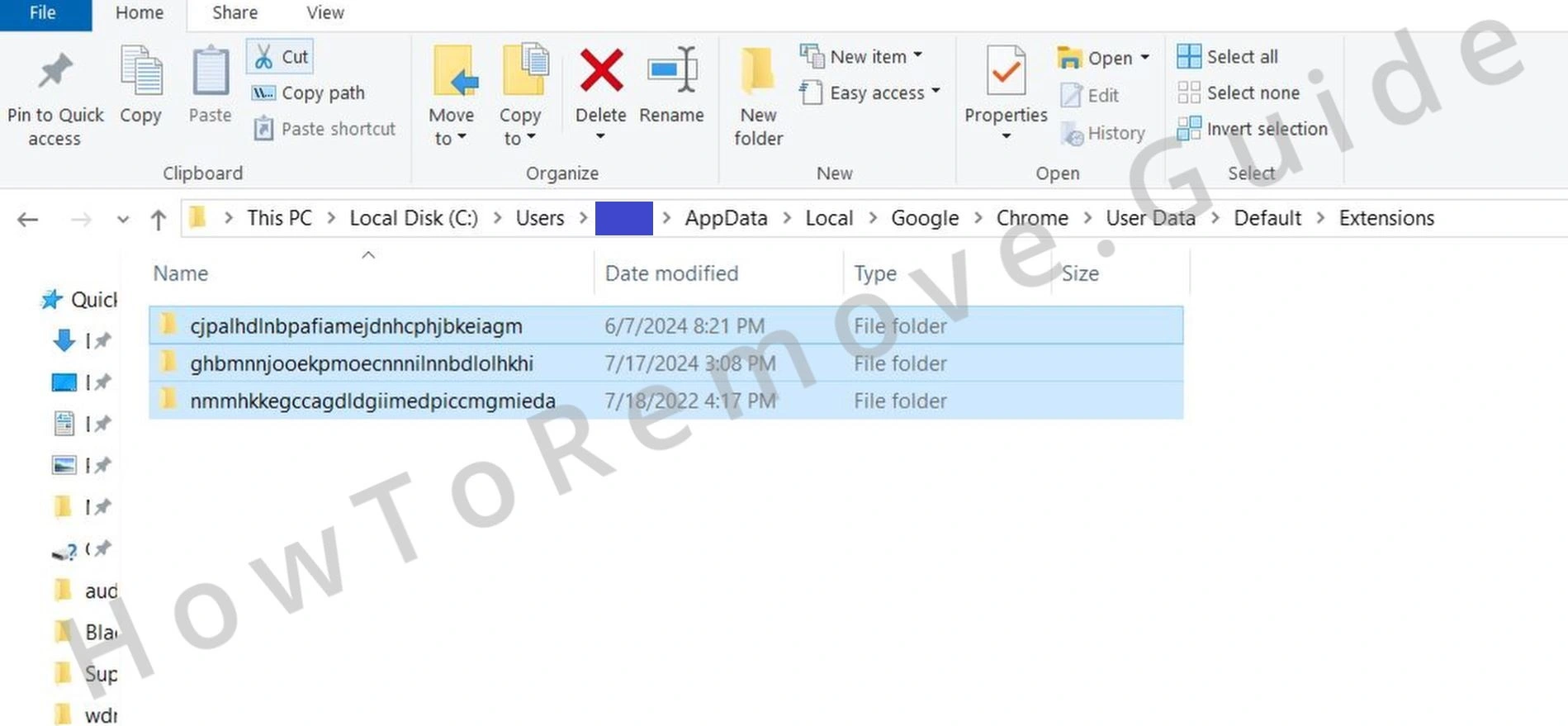 Check the Chrome extensions directory at C:\Users<Your Username>\AppData\Local\Google\Chrome\User Data\Default\Extensions. Each subfolder name equals an extension ID. Compare these to the IDs you wrote down. If a folder matches the one tied to the unwanted behavior, confirm it’s not required, then delete that entire folder. Ensure Chrome is closed first and View → Hidden items is enabled to see AppData.
 - 1.6
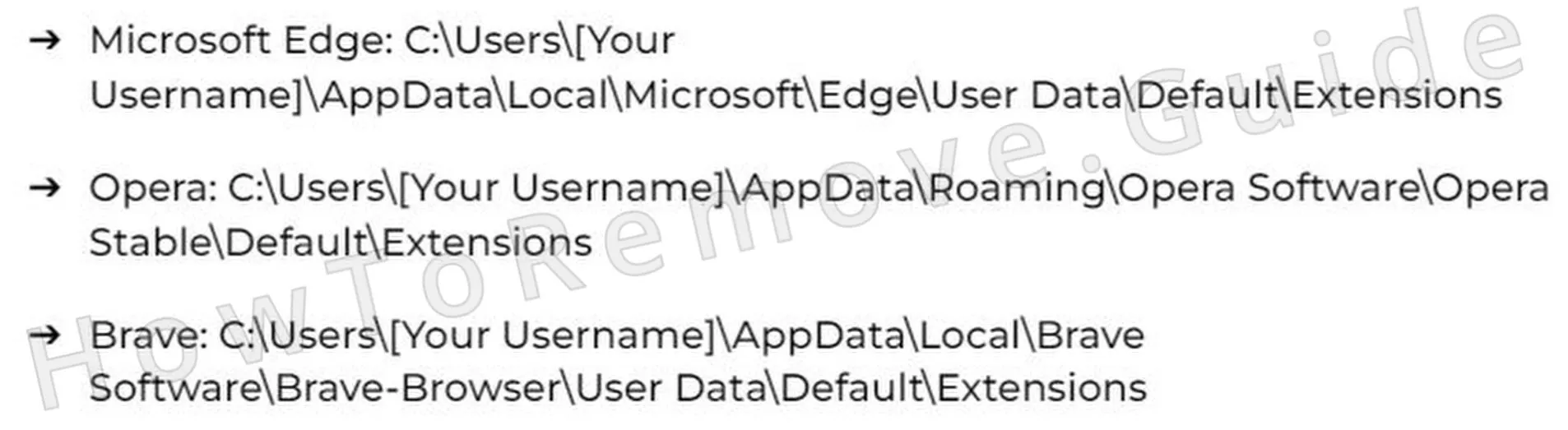 Using another Chromium-based browser? Repeat the inspection in its profile. Look under C:\Users<Your Username>\AppData\Local<Browser>\User Data\Default\Extensions for Brave, Opera, or similar. Remove folders you didn’t install intentionally or that map to the suspicious ID.
 - 1.7Return to the Extensions page with Developer mode on and check that the malicious entry is gone. If it returns, disable account syncing under Settings → Sync temporarily, re-delete the folder, and confirm there are no leftover files or alternate profiles reintroducing it.
Get Rid of Partque.co.in Policies
Registry changes drive policy-based lockouts, and the Registry is unforgiving. The safest approach is to back up first, locate specific keys, and only then alter access rights if Windows blocks deletion. Reckless edits can destabilize Windows, so move slowly and keep changes limited to entries you have matched to Partque.co.in.
2. How to Delete Partque.co.in Policies Through the Registry
- 2.1Backup, then act. Press Windows + R, type regedit, and press Enter to open Registry Editor. Before editing anything, create a full backup via File → Export and save it somewhere safe. With a backup in place, you can remove keys linked to Partque.co.in without fear of irreversible damage.
- 2.2Search precisely. Press Ctrl + F or use Edit → Find and enter the extension ID or the policy name you recorded. Delete each exact match that pertains to the browser policy. Use Find Next repeatedly until no further results remain. Pay special attention to paths like HKEY_LOCAL_MACHINE\SOFTWARE\Policies\Google\Chrome and HKEY_CURRENT_USER\SOFTWARE\Policies\Google\Chrome.
- 2.3
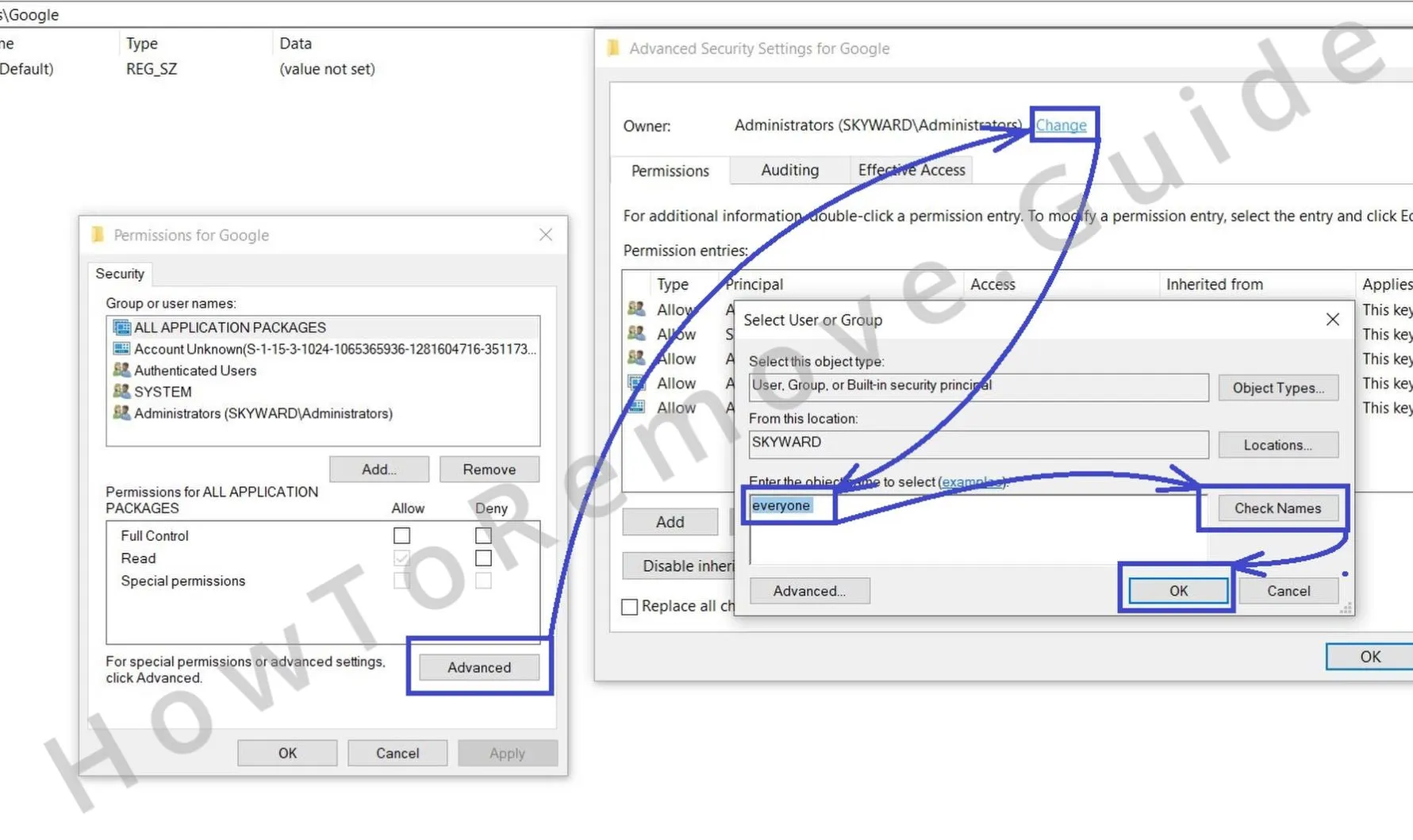 Hit a permissions wall? Right-click the target key, choose Permissions, then Advanced. Click Change next to Owner, type Everyone, select Check Names, and confirm with OK. This transfers ownership so you can modify the entry that previously resisted removal.
 - 2.4
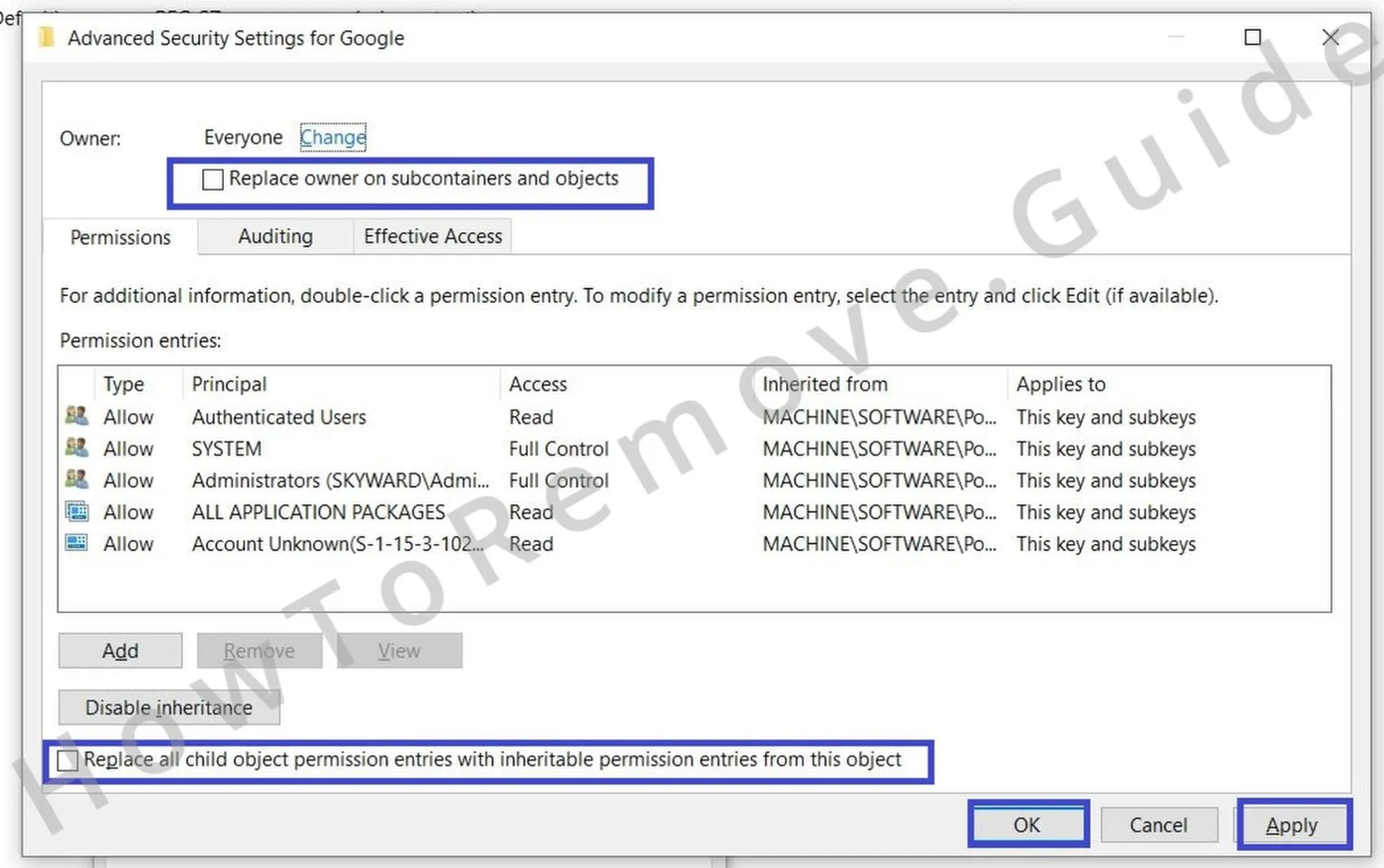 Adjust inheritance to clean subkeys in one pass. In the advanced permissions window, enable Replace owner on subcontainers and objects and Replace all child permission entries with inheritable permissions from this object. Click Apply, then OK. Delete the policy key, restart Windows, and open your browser to verify the “Managed by your organization” banner has disappeared.
This gives you the access needed to delete the rogue key.
Alternative Tools to Delete Partque.co.in Policies
Sometimes a policy is woven in via local templates or helper tools, and manual registry edits alone do not cover it. That is by design for persistence. Progress deliberately. Confirm each change, document what you do, and circle back to check that system and browser policy views both reflect the removal of Partque.co.in.
3. Other Ways to Get Rid of Partque.co.in Policies
- 3.1
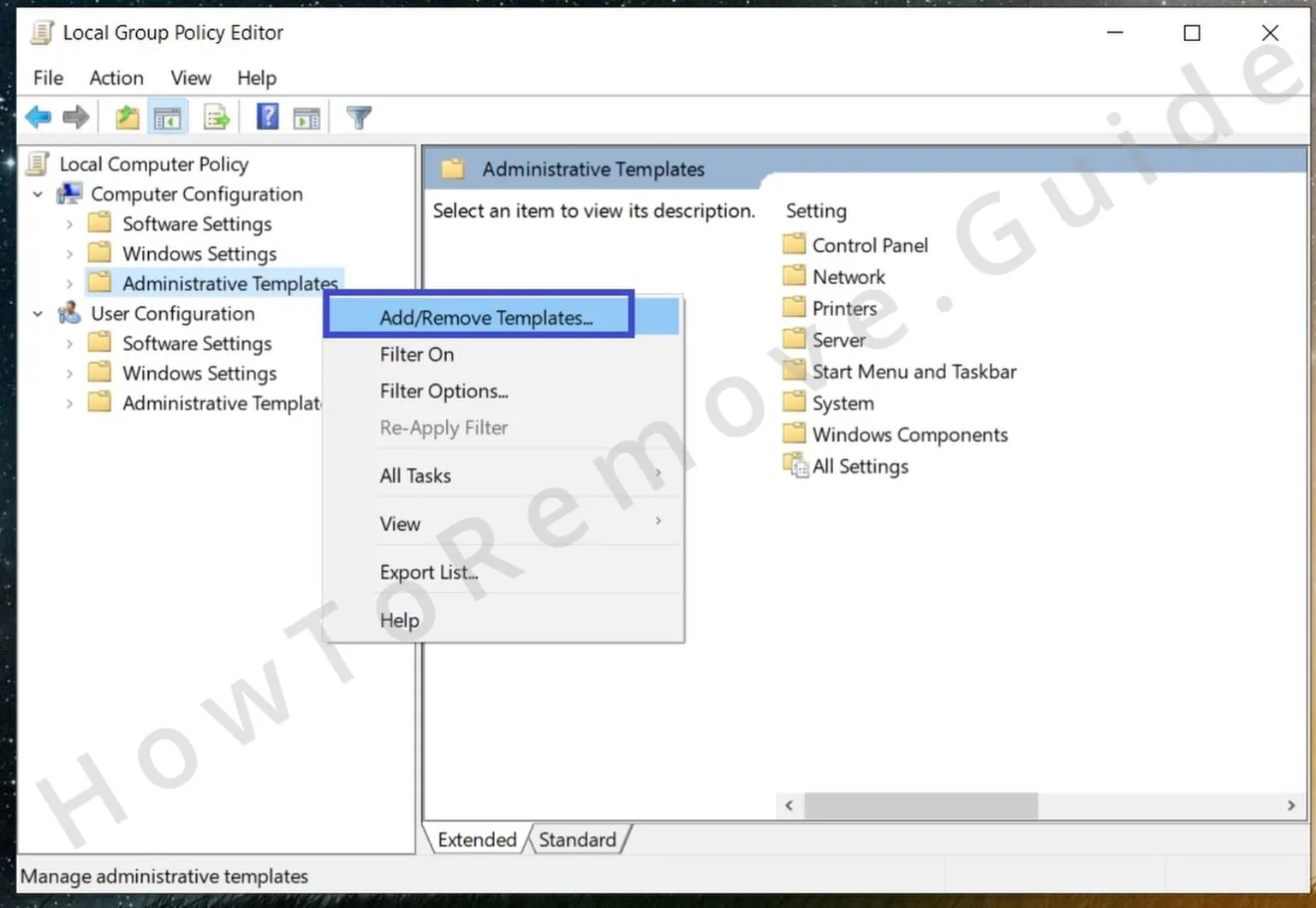 Start with Windows’ policy console to catch template-based settings tied to Partque.co.in. Press Windows + S, type Edit Group Policy, and open the Local Group Policy Editor. In the left pane, expand Administrative Templates to see loaded templates that can enforce browser rules.
 - 3.2
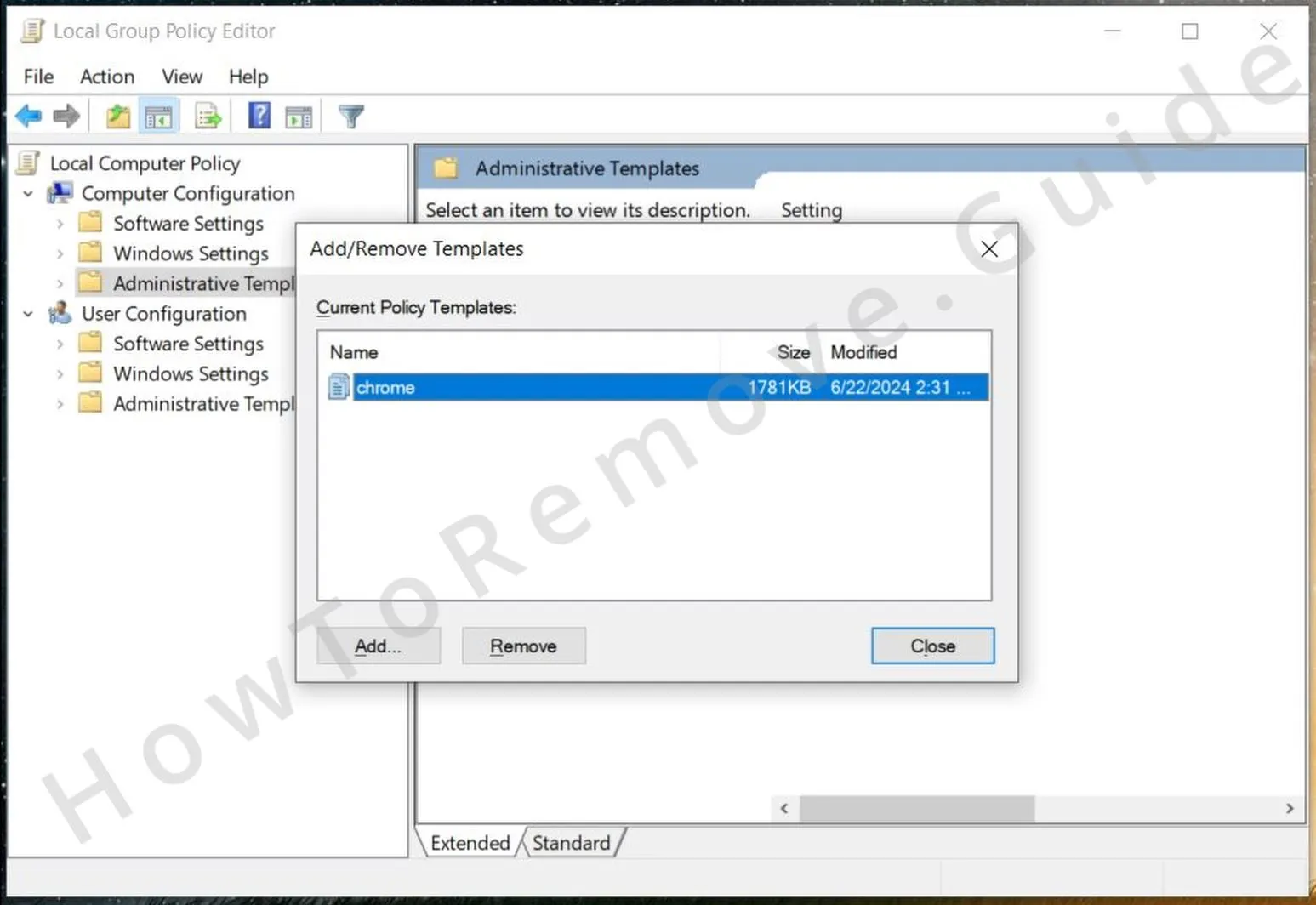 Housekeeping here matters. Right-click Administrative Templates, choose Add/Remove Templates, and remove entries you don’t recognize or didn’t install. Unknown templates can push unwanted Chrome or Edge policies that reappear after reboots.
 - 3.3For Chrome-specific policies, a vetted Chrome Policy Remover utility can reset browser policy keys. Save the tool locally, right-click it, and select Run as administrator so it has sufficient permissions to clear machine-level entries.
- 3.4Windows may prompt with More info → Run anyway under SmartScreen. Proceed only if you trust the source. After running the cleanup, restart the PC and re-check both Registry Editor and chrome://policy or edge://policy to confirm there are no leftover entries.
Uninstall Partque.co.in From Chrome, Edge, and Other Browsers
Even with policies gone, leftovers in profiles can revert settings unexpectedly. Cleaning those traces prevents redirects and pop-ups from returning. Move through extensions, site data, search providers, and startup pages carefully. Confirm each change sticks after a restart so Partque.co.in stays removed.
4. How to Remove Partque.co.in From Your Browser
- 4.1Re-validate the extension list first, because persistence often hides there with sync. Open the Extensions/Add-ons page, and if the unwanted item reappears, remove it again. Temporarily pause account sync under Settings → Sync to stop Partque.co.in from returning via cloud data.
- 4.2
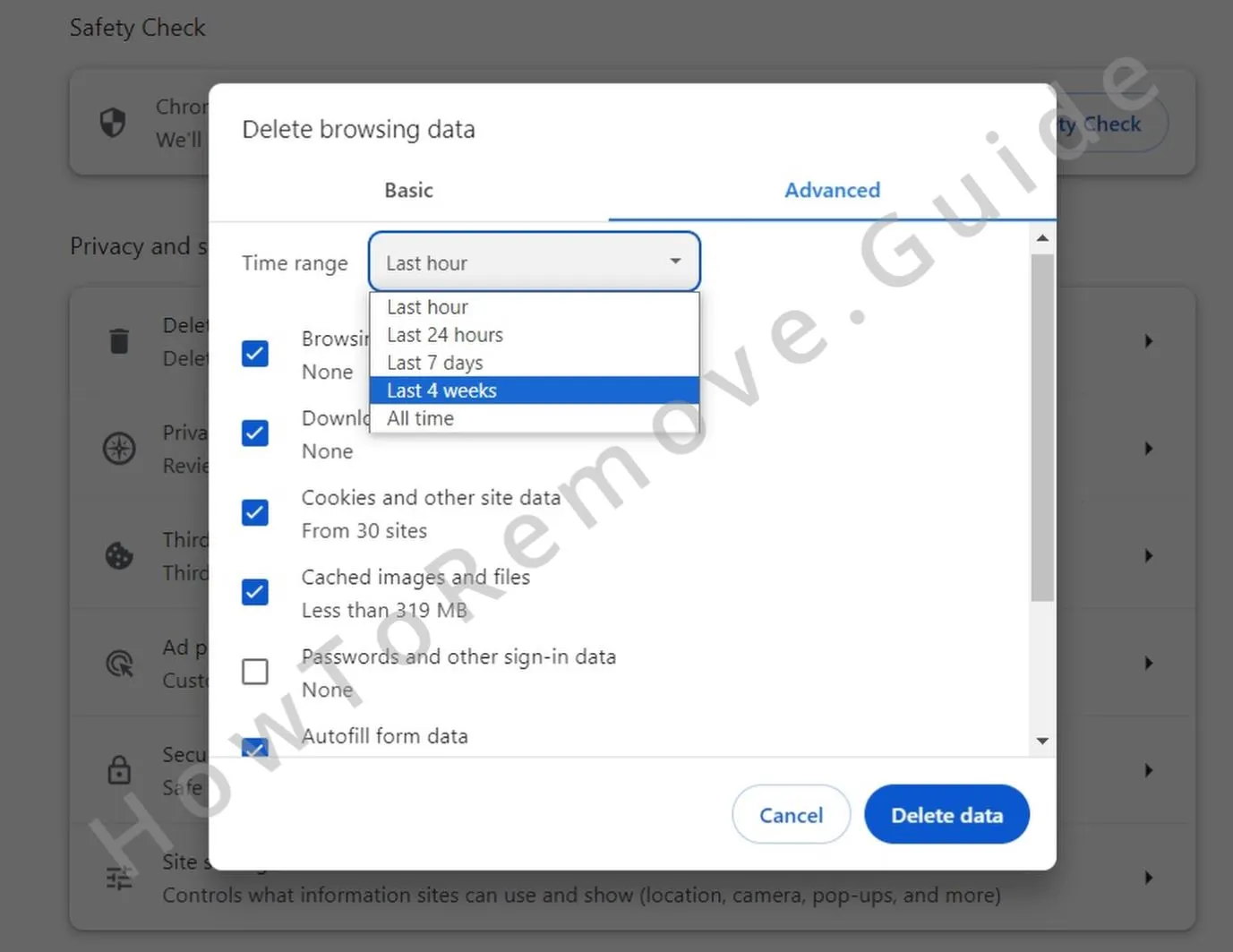 Next, sweep stored data that can resurrect bad behavior. Open Clear browsing data, set Time range to All time, deselect Saved passwords, and clear the rest – especially Cookies, Cached images and files, and Site data. This flushes stored redirects and notification tokens.
 - 4.3
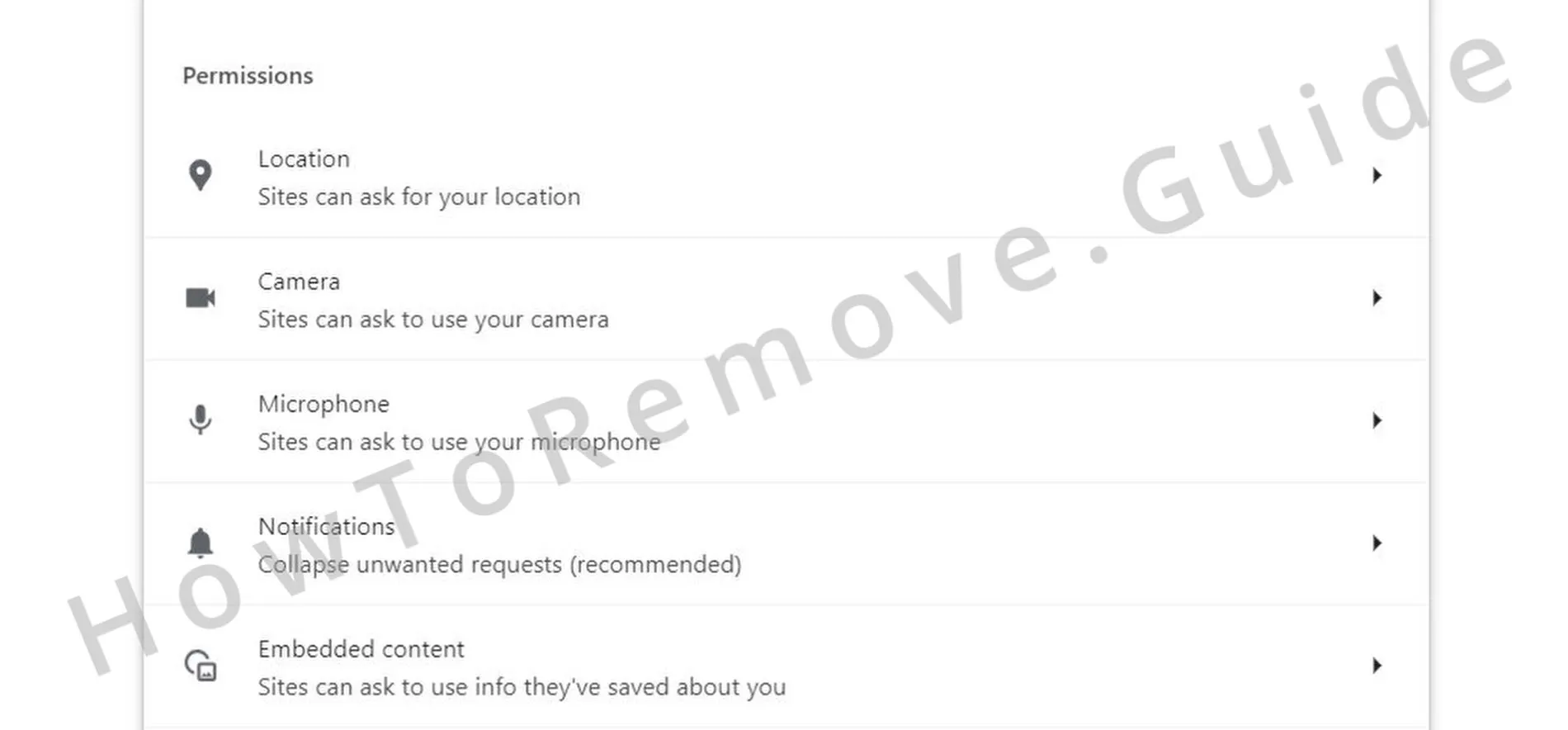 Harden per-site access. Under Privacy and security → Site settings, remove permissions for any domain you do not trust. Pay attention to Notifications, Pop-ups and redirects, Background sync, and Automatic downloads, as these are commonly leveraged by unwanted sites.
 - 4.4
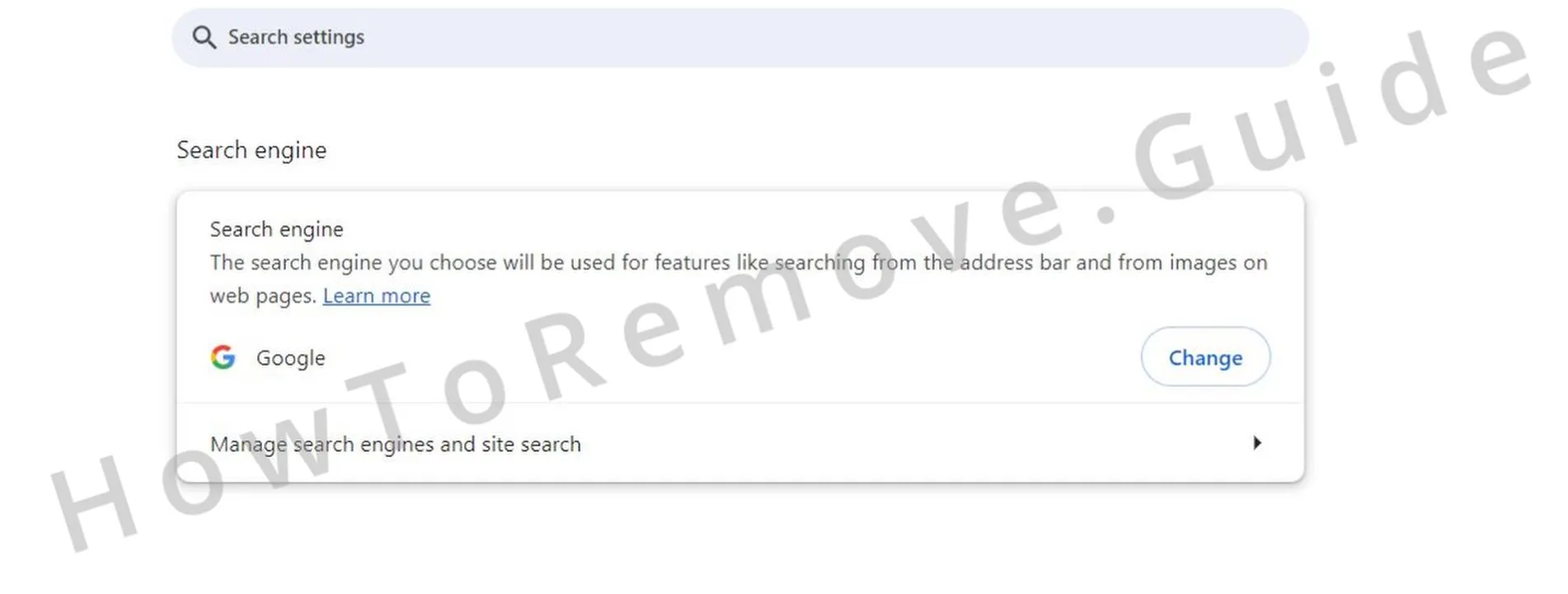 Restore clean search defaults. Open Search engine settings → Manage search engines. Remove unfamiliar providers and set a reputable option – Google, Bing, or DuckDuckGo – as the default. Check the On-device scope if your browser offers separate default types.
 - 4.5Lock down startup. In On startup or Appearance, delete any unknown startup pages and set a trusted homepage. If a page keeps returning, consider using Restore settings to their original defaults within the browser settings, then reapply your preferences.
If anything resurfaces, repeat the policy checks and confirm syncing remains disabled until you’re confident everything is clean. From there, consider enabling browser password protection and Windows’ Core isolation to harden the system against similar nuisances in the future.
