

The malicious software Rongronger.click exhibits behavior typical of this type of system problem. You notice that something in your web browser – most often Firefox – pops up automatically when you start your computer and redirects you more and more insistently to websites that you have no interest in whatsoever. You say to yourself, “But I haven’t done anything at the moment.” If it makes you feel any better, I have to tell you that this behavior occurs without any action on your part, and you have no control over whether it happens again.
You delete suspicious entries from the Windows registry, but the unwanted redirects return after every restart.This persistence of the virus completely disempowers you, but understanding how Rongronger.click works is the key to completely removing it and restoring your computer to normal behavior.
Is Rongronger.click a Virus?
If you’re wondering whether you’ve been infected with a virus, that’s not quite the right description for Rongronger.click, although the way it operates is just as destructive as a traditional computer virus. Instead of spreading independently between files or devices, it behaves more like a browser hijacker and phishing-related malware that embeds itself deep into system settings.
One of the signs of its presence is that rongronger.click forces browsers such as Google and Firefox to open automatically, redirecting users to phishing domains. The infection usually begins when the victim is tricked into using the Windows + R shortcut to execute a malicious command, giving the malware access to the startup configurations.
Since Rongronger.click recovers even after manual registry cleanup, it demonstrates persistence mechanisms that help it survive basic removal attempts – making it a serious nuisance if not eliminated properly.
How dangerous is Rongronger.click?
These tools aren’t high-grade implants; they’re confidence tricks wearing a browser mask. The longer they run, the more settings drift and the higher the chance of landing on risky pages. Removing Rongronger.click promptly limits that drift and shrinks the window for costly mistakes.
That’s why, even if it isn’t catastrophic,like other stealthy threats such as Searchcalm.com and Omnidol, Rongronger.click is worth removing quickly. Use the walkthrough below or the professional removal tool – SpyHunter 5 – to roll back the changes and return your browser to predictable behavior without relying on fragile toggle hunts.
We tested that SpyHunter successfully removes Rongronger.click* and we recommend using it. It will block Rongronger.click from reinstalling itself and it will make sure your device is clean from any malware.
 Try Free For 7 Days*
Buy now15% OFF if you buy straight without trial.
 OFFER
OFFERRongronger.click Removal Tutorial
Proceed step by step and document every change, because [Rongronger.click] embeds itself deeply in system and browser settings. Begin by checking Firefox’s startup behavior and redirect rules before altering the Registry. Moving too quickly can let [Rongronger.click] respawn at reboot; slow, deliberate action ensures lasting correction and clear results.
Quick Actions to Clear Rongronger.click
- 1.1Begin with fast inspections: open your primary browser, open Settings, then Extensions or Add-ons, and remove anything linked to Rongronger.click. In Chrome use the ⋮ menu; in Firefox use the ☰ menu. Pay attention to entries you don’t recall installing.
- 1.2If you’re unsure about an add-on, review its name, icon, permissions, and description. Imposters often change a single character. When in doubt, choose Remove. Searching the exact name in quotes can surface user discussions or vendor notices.
- 1.3Pop-ups and reroutes often rely on site privileges. Open Privacy and security → Site permissions and expand Advanced if available. Review access to microphone, camera, location, notifications, and items like clipboard or automatic downloads. Revoke anything unfamiliar.
- 1.4Still getting odd tabs or messages? Remove the unknown entries, fully close the browser, and open it again so configuration files reload cleanly. A restart applies policy changes and clears cached scripts trying to persist. Many hijacks weaken after this cycle, especially after fixing extensions and permissions.
These first fixes often steady the browser. If the issues remain, continue with policy checks and deeper cleanup steps below.
SUMMARY:
| Item | Rongronger.click |
| Category | Browser Hijacker |
| Detection Tool |
Some threats reinstall themselves if you don’t delete their core files. We recommend downloading SpyHunter to remove harmful programs for you. This may save you hours and ensure you don’t harm your system by deleting the wrong files. |
How to Remove the Rongronger.click Virus
If Google or Firefox opens on its own at startup, Rongronger.click likely set persistent launch commands or registry policies. These rules can override manual changes and restore redirects to rongronger.click after every restart. Identify which entries trigger the browser launch, record their effects, and remove them methodically so Rongronger.click can’t reapply them.
If you see “Managed by your organization”, policies are enforcing settings at startup. In that state, normal toggles may appear to work yet revert the next launch, because a policy restates them. If this began after installing software, Rongronger.click likely added a configuration layer rather than a simple extension.
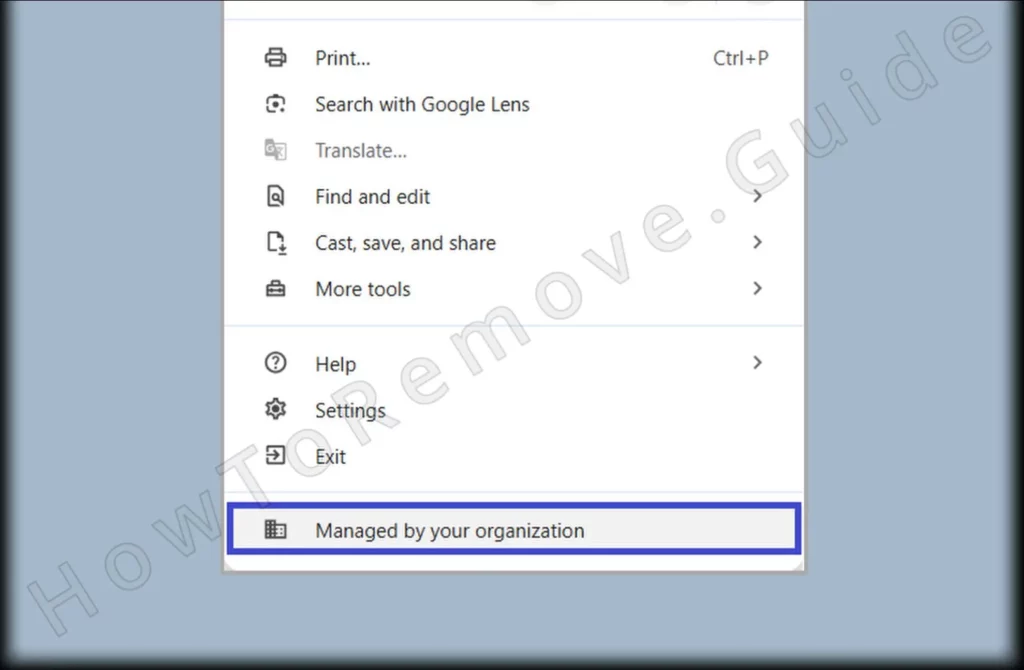
1. Find the Rongronger.click Policies
- 1.1
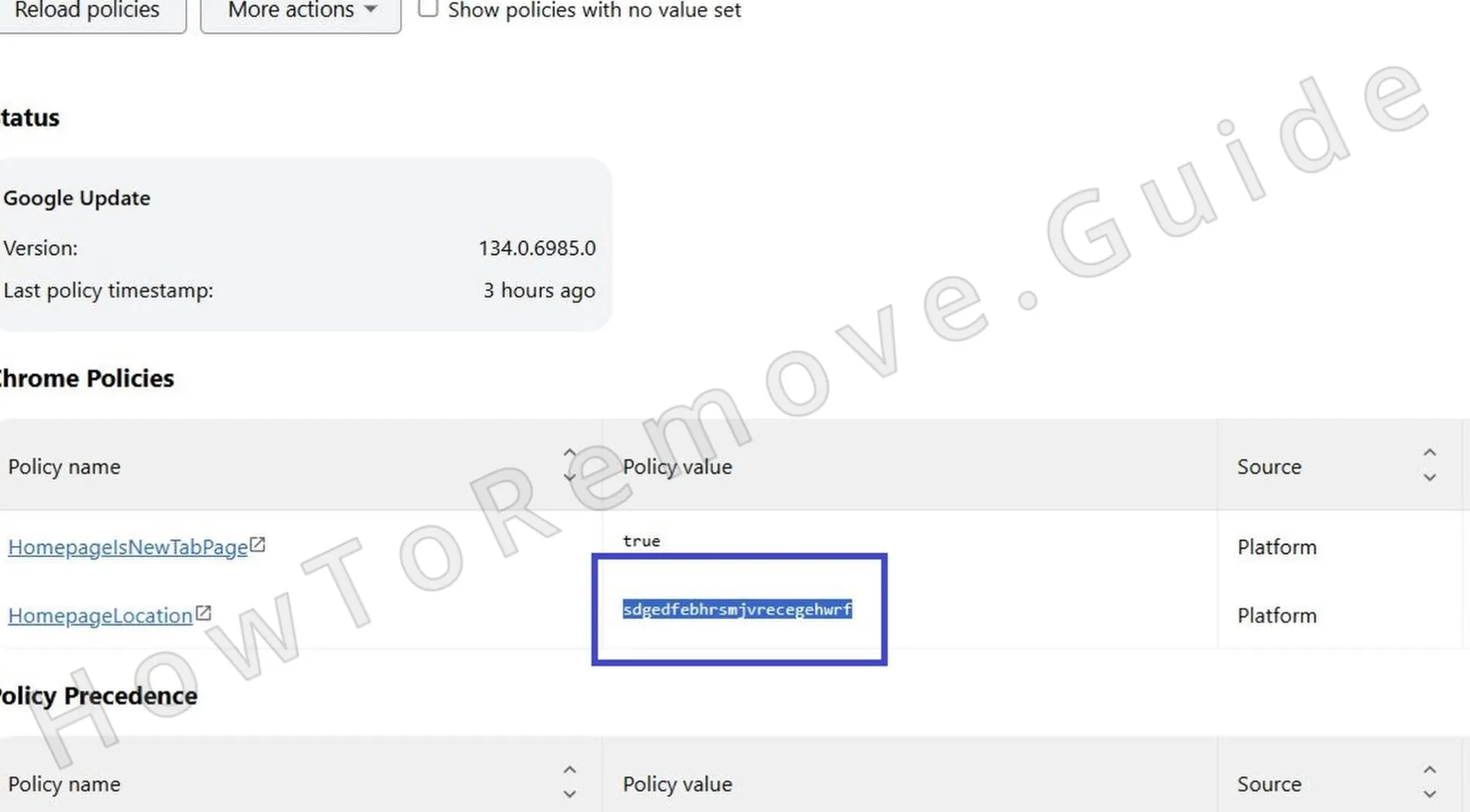 Confirm whether browser policies mention settings you didn’t choose. In Chrome open chrome://policy; in Edge open edge://policy. Wait for the list to load, then read each policy and description, flagging anything unfamiliar that could point to Rongronger.click.
 - 1.2Inspect closely: generic names can mask control of homepages, search engines, or forced extensions. Open each policy to view keys, any URLs, or preferences you never set. Record names and values or capture screenshots to guide precise cleanup.
- 1.3If an extension looks suspicious, open Extensions and enable Developer mode. This reveals the extension ID and sometimes the Install location. Note untrusted IDs. On disk, folders generally match these IDs, helping you find related files.
- 1.4Blocked from the Extensions page by redirects or a policy? That confirms something is enforcing settings – work outside the browser UI. Use File Explorer to review and handle files directly.
- 1.5
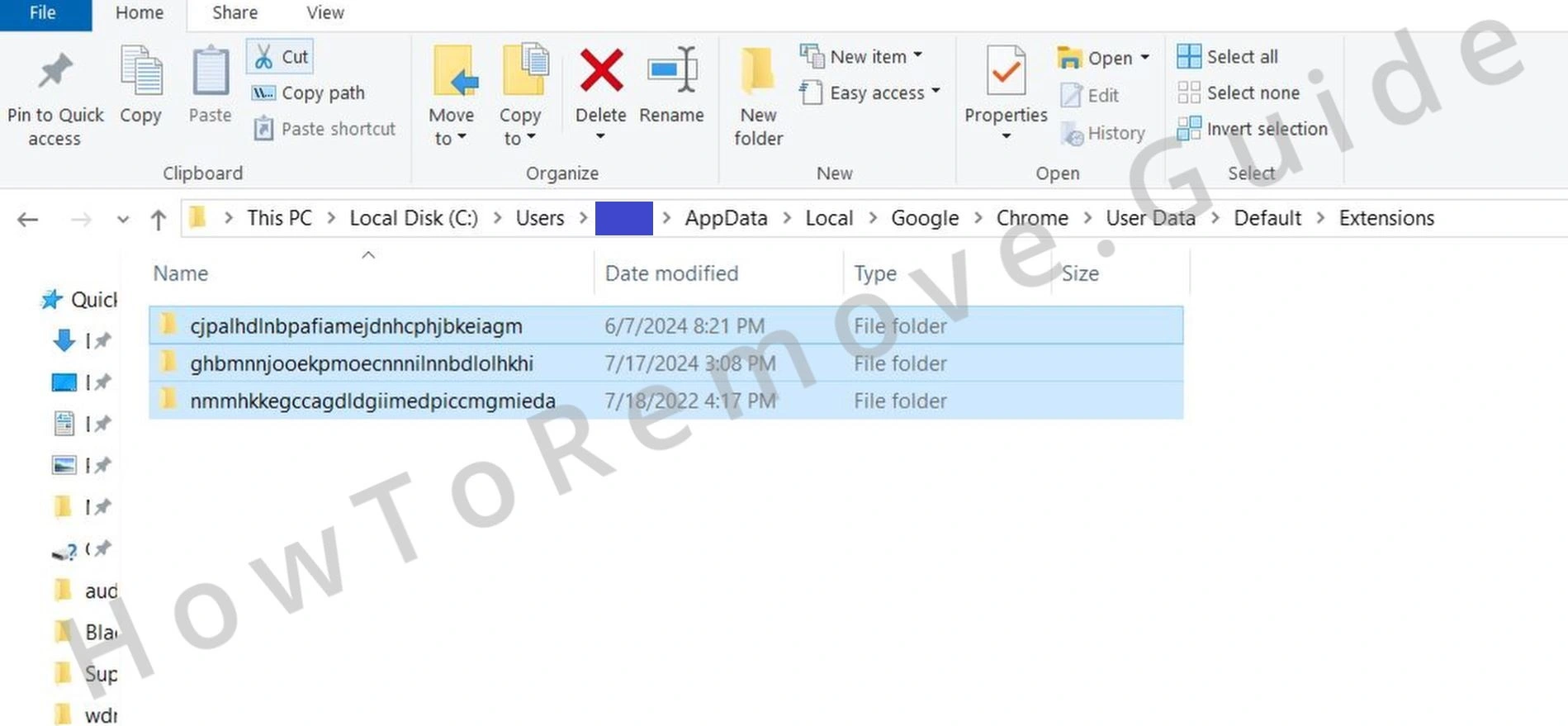 Open File Explorer and go to C:\Users
\AppData\Local\Google\Chrome\User Data\Default\Extensions . Each subfolder name is an extension ID. Compare with your list, then delete only the folder that exactly matches the suspicious ID. If uncertain, copy it elsewhere as a backup first. - 1.6
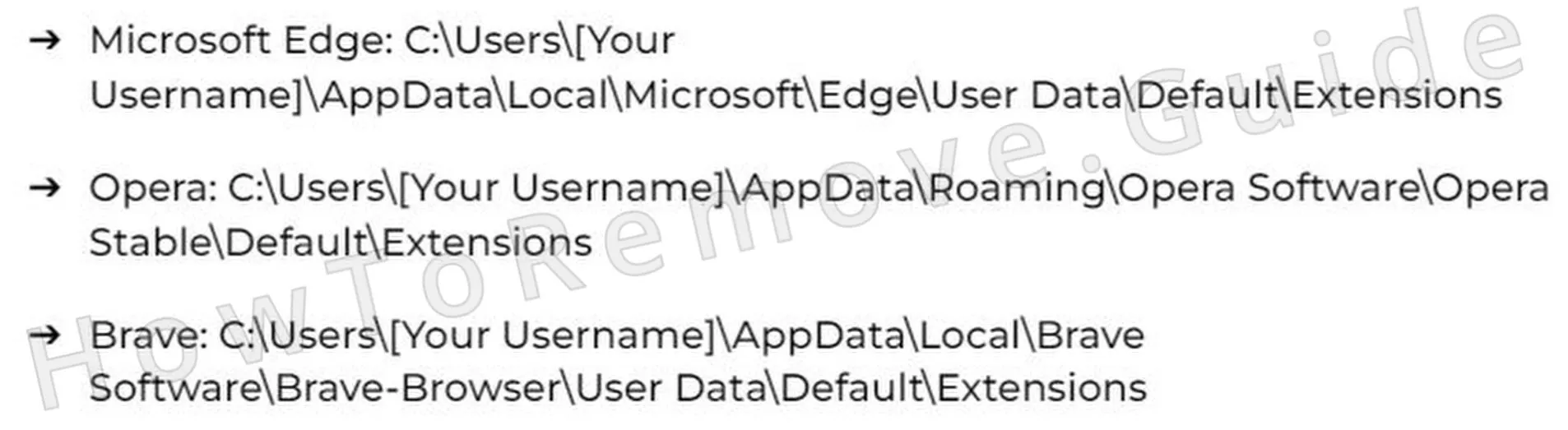 Using other Chromium-based browsers like Brave or Opera? Repeat the same check in their AppData extensions folders and delete matching rogue directories there as well. Cross-browser sync or shared installers can silently re-seed an extension you removed.
 - 1.7Return to Extensions with Developer mode still enabled and verify the bad entry is gone. If it reappears, temporarily disable account sync to block cloud reinstalls and search for leftover policy files or scheduled tasks. Persistence usually means a policy or service remains active.
Re-check again after a restart.
Get Rid of Rongronger.click Policies
When editing the Registry to counter Rongronger.click, precision is vital. This malware reinstates itself if even one startup entry remains. Back up your registry, confirm every deletion, and proceed slowly. Skipping a branch or rushing through cleanup may allow Rongronger.click to continue launching Firefox automatically with each system start.
2. Delete Rongronger.click Policies via the Registry
- 2.1Before removing anything, open Registry Editor and make a full backup so changes tied to Rongronger.click can be reversed. Press Windows + R, type regedit, and press Enter. In File → Export, save the entire registry with a clear name and today’s date.
- 2.2Which keys should go? Use Ctrl + F or Edit → Find to search for the suspicious extension ID or specific policy name you recorded. Delete exact matches, then press F3 to continue until no further hits appear in any hive.
- 2.3
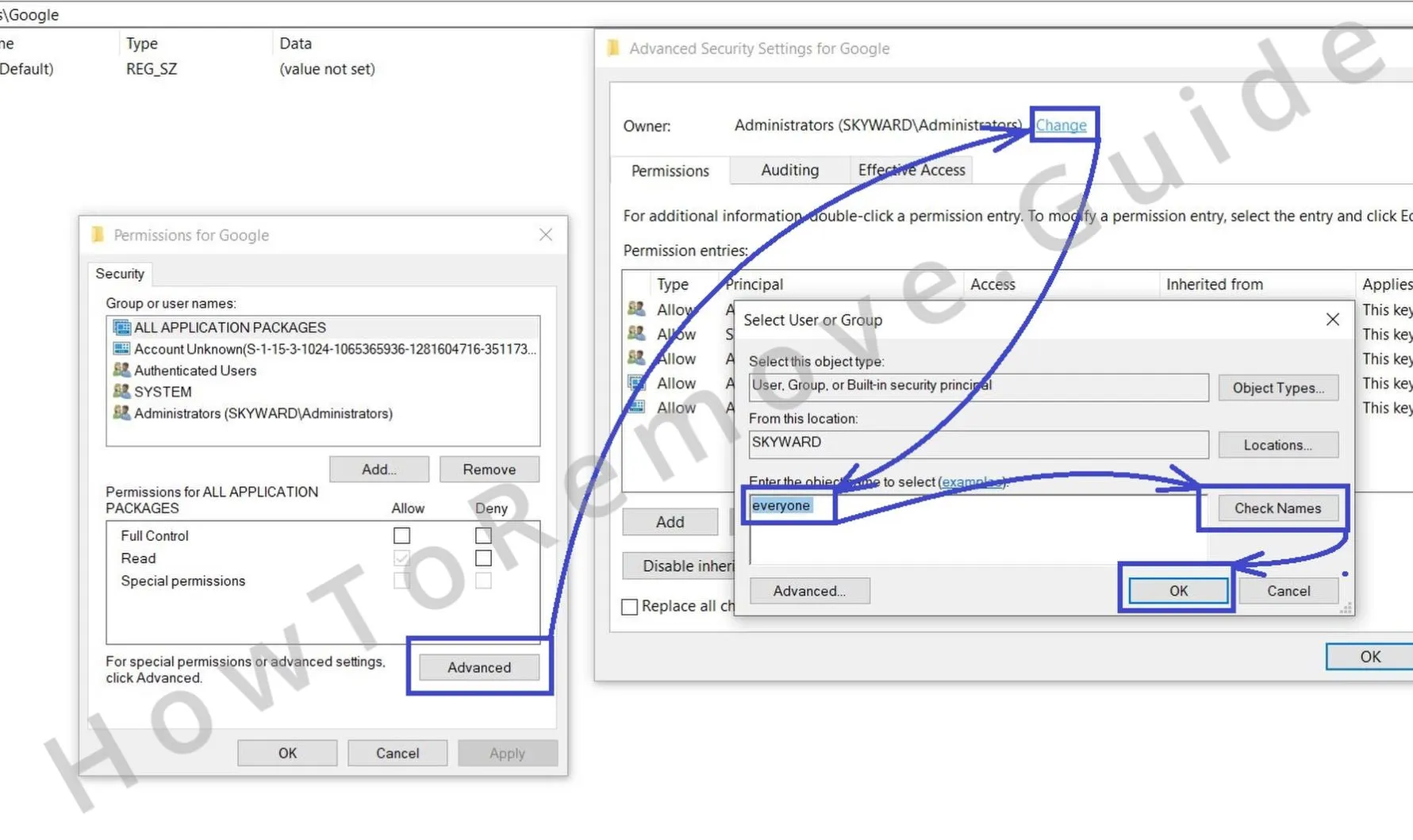 See access denied while deleting a key? Right-click the key, choose Permissions, then Advanced. Click Change next to Owner, type Everyone, select Check Names, and confirm with OK. With ownership set, adjust inherited permissions and remove protected entries.
 - 2.4
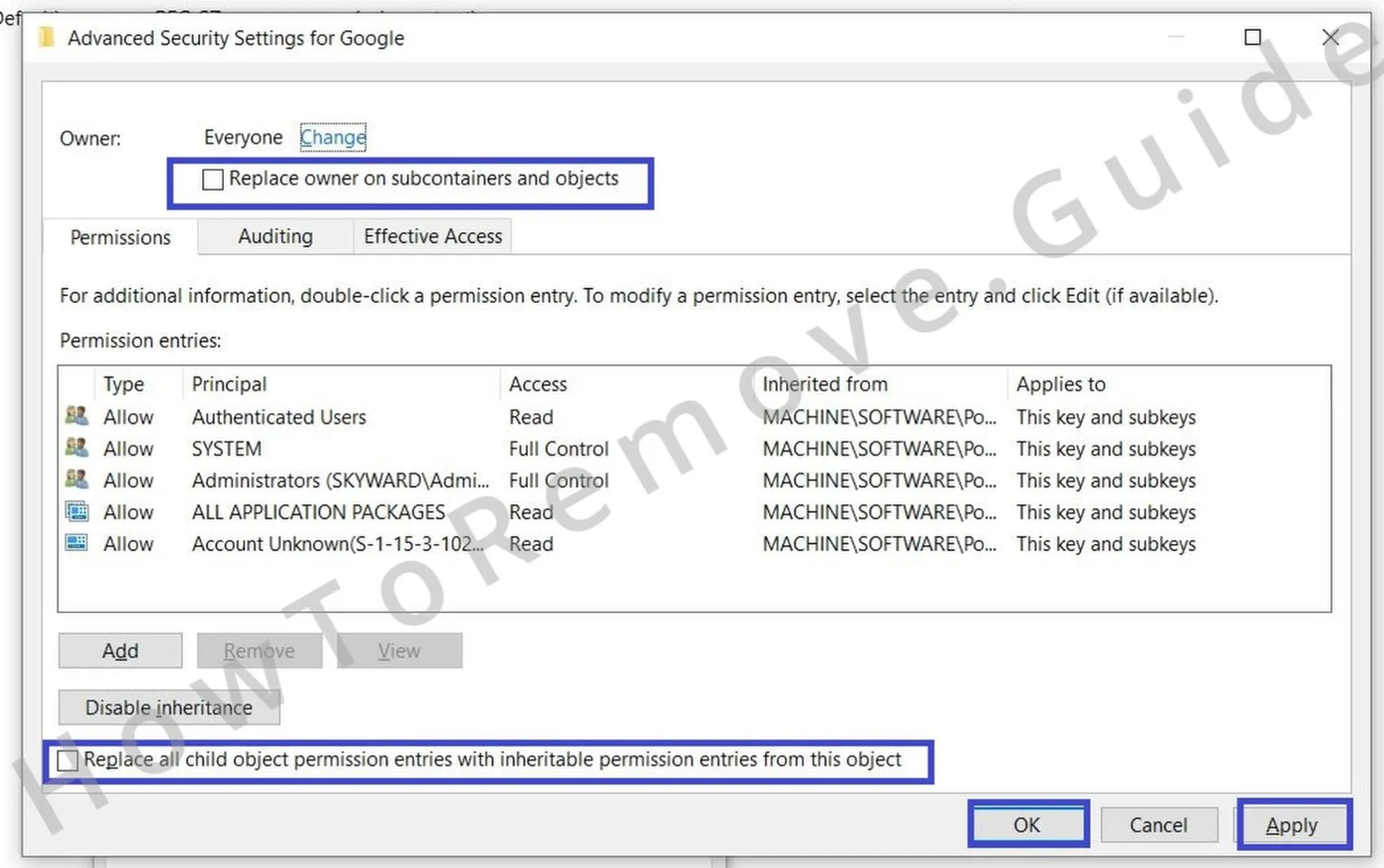 To push control down the tree, check both: Replace owner on subcontainers and objects and Replace all child permission entries with inheritable permissions from this object. Apply, click OK, delete the stubborn key, then reboot. After restart, open the browser and verify the “Managed by your organization” notice no longer appears.
This sequence grants the access needed to remove stubborn keys and finish the policy cleanup.
Alternative Tools to Delete Rongronger.click Policies
If rongronger.click still appears after manual edits, may use helper scripts or scheduled startup tasks to restore its rules. Don’t assume you missed a key – another component could be rewriting settings. Examine all startup triggers carefully until the browser stops launching and redirects no longer return.
3. Additional Methods to Remove Rongronger.click Policies
- 3.1
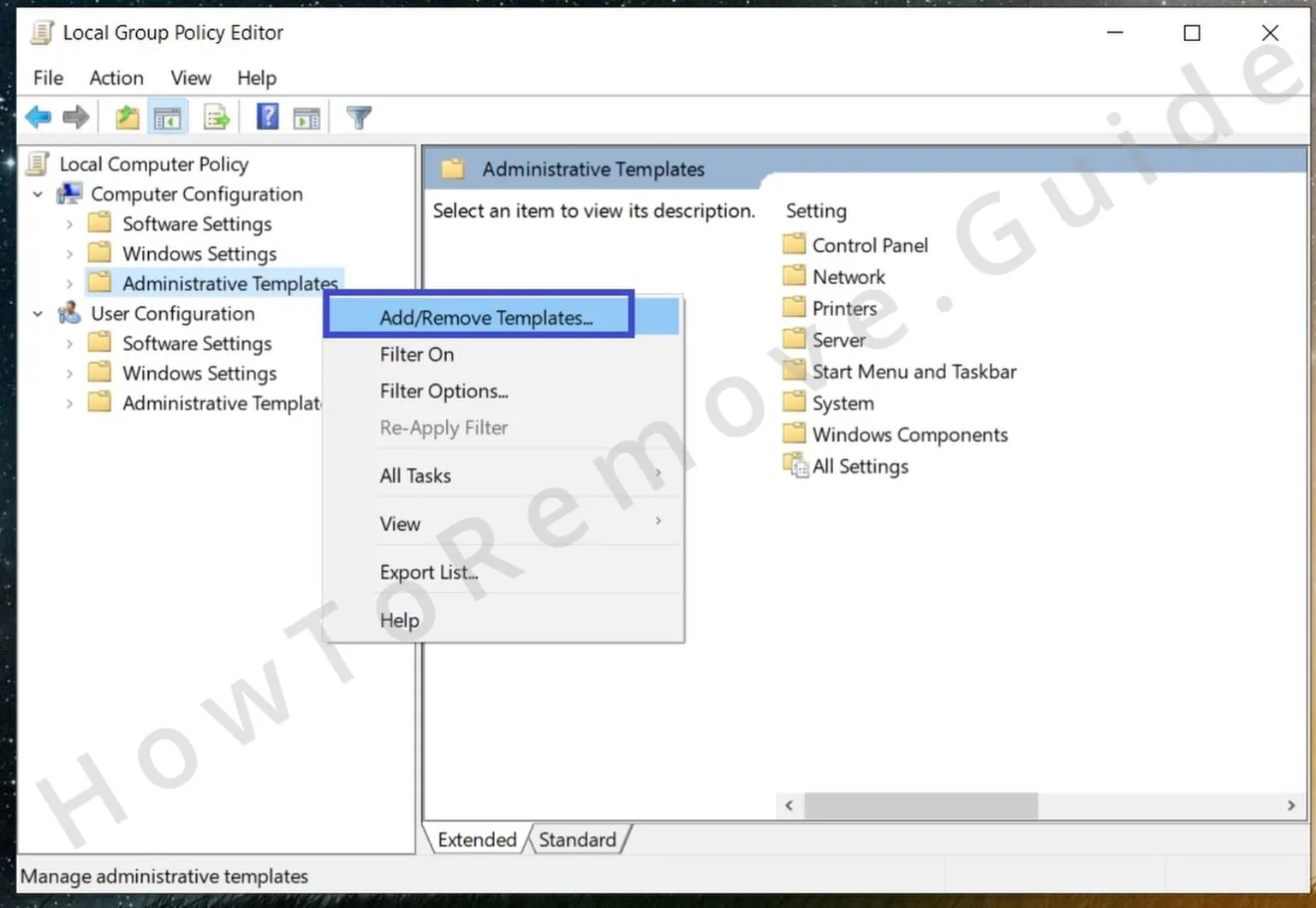 If local administrative templates may be involved, verify what’s being enforced with Rongronger.click in mind. Press Windows + S, search Edit group policy, and press Enter. In the left pane, expand Administrative Templates and review configured settings that influence browser startup pages, search, and extensions.
 - 3.2
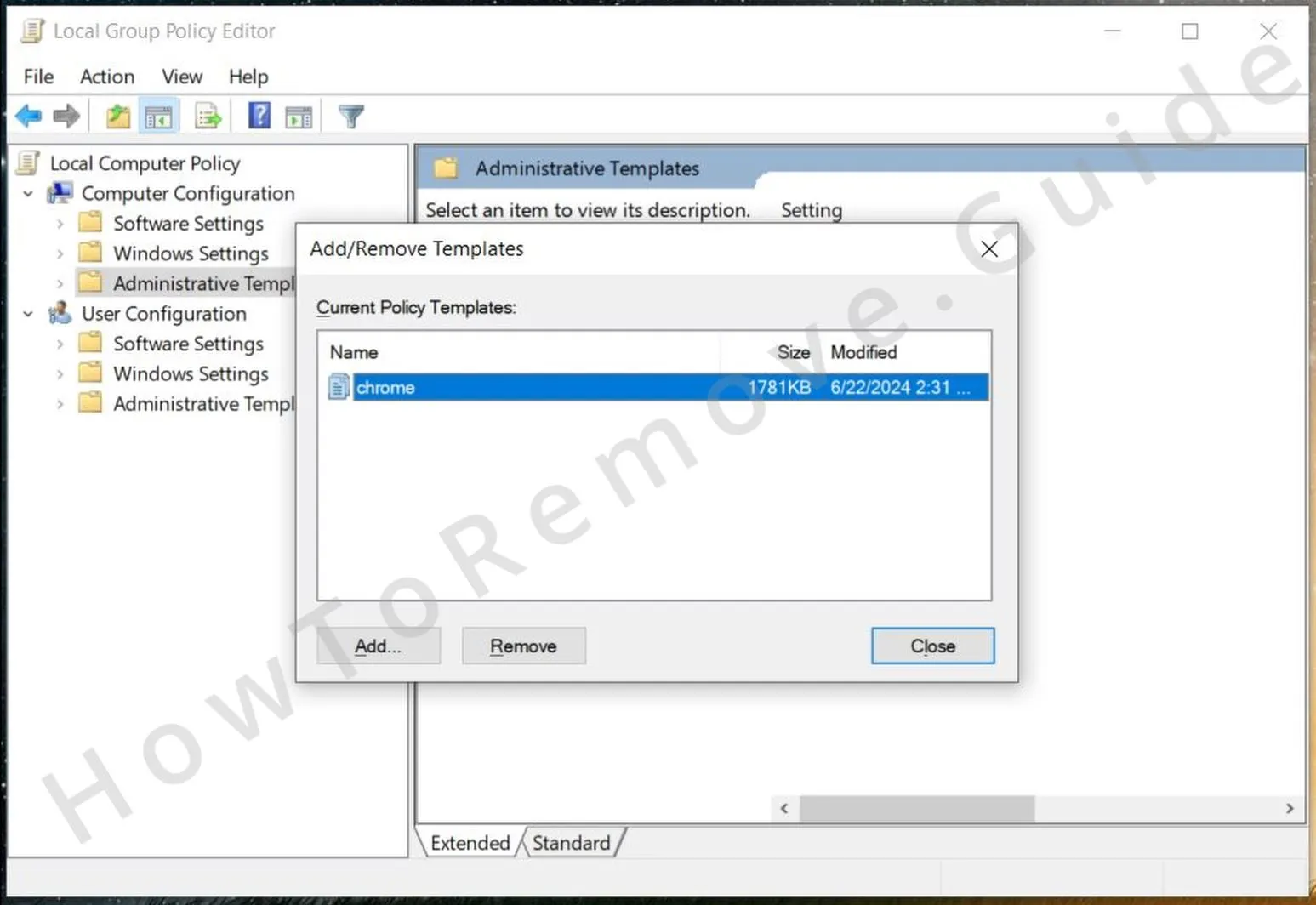 Find templates you didn’t add or that don’t belong? Right-click Administrative Templates and choose Add/Remove Templates. Remove unfamiliar templates. Malicious templates can create policy keys that quietly rebuild restrictions after you delete them elsewhere.
 - 3.3For Chrome, the Chrome Policy Remover utility can surface hidden or deprecated entries that standard views don’t show. Run it as an administrator so it can enumerate both user and machine scopes.
- 3.4Security prompts from SmartScreen or your antivirus may appear; choose More info → Run anyway only if you trust the source. When finished, restart the system. Recheck the Registry and Group Policy Editor to confirm entries aren’t repopulating and the browser no longer shows the managed banner.
Uninstall Rongronger.click From Chrome, Edge, and Other Browsers
After disabling policies, remove leftover browser data. Cached pages, sync settings, or site permissions can quietly reopen rongronger.click. Recheck default search engines, startup pages, and saved cookies to confirm nothing reverts. Ensuring browsers stay clean prevents Rongronger.click from reclaiming control through residual stored configurations.
4. Remove Rongronger.click From Your Browser (Final Checks)
- 4.1If add-ons return after restarts, consider whether sync is reinstalling them along with traces of Rongronger.click. Open Extensions/Add-ons, remove suspicious entries, and temporarily disable account sync on all devices until this machine is fully clean. Re-enable sync only after stability holds across sessions.
- 4.2
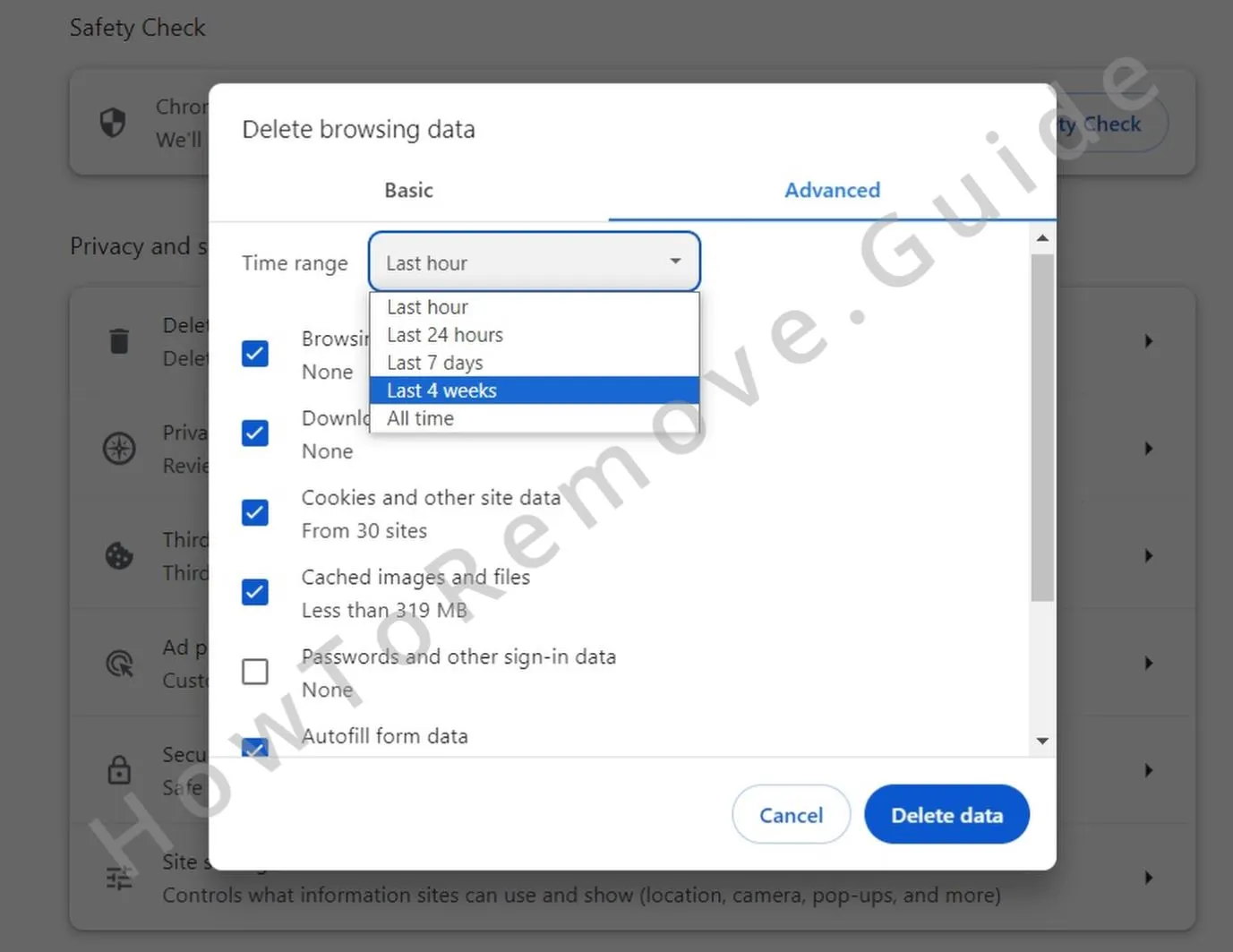 For persistent redirects, clear stored data so cached scripts can’t reload. Open Clear browsing data, choose All time, leave Saved passwords unchecked, and remove cookies, cached images and files, and site data.
 - 4.3
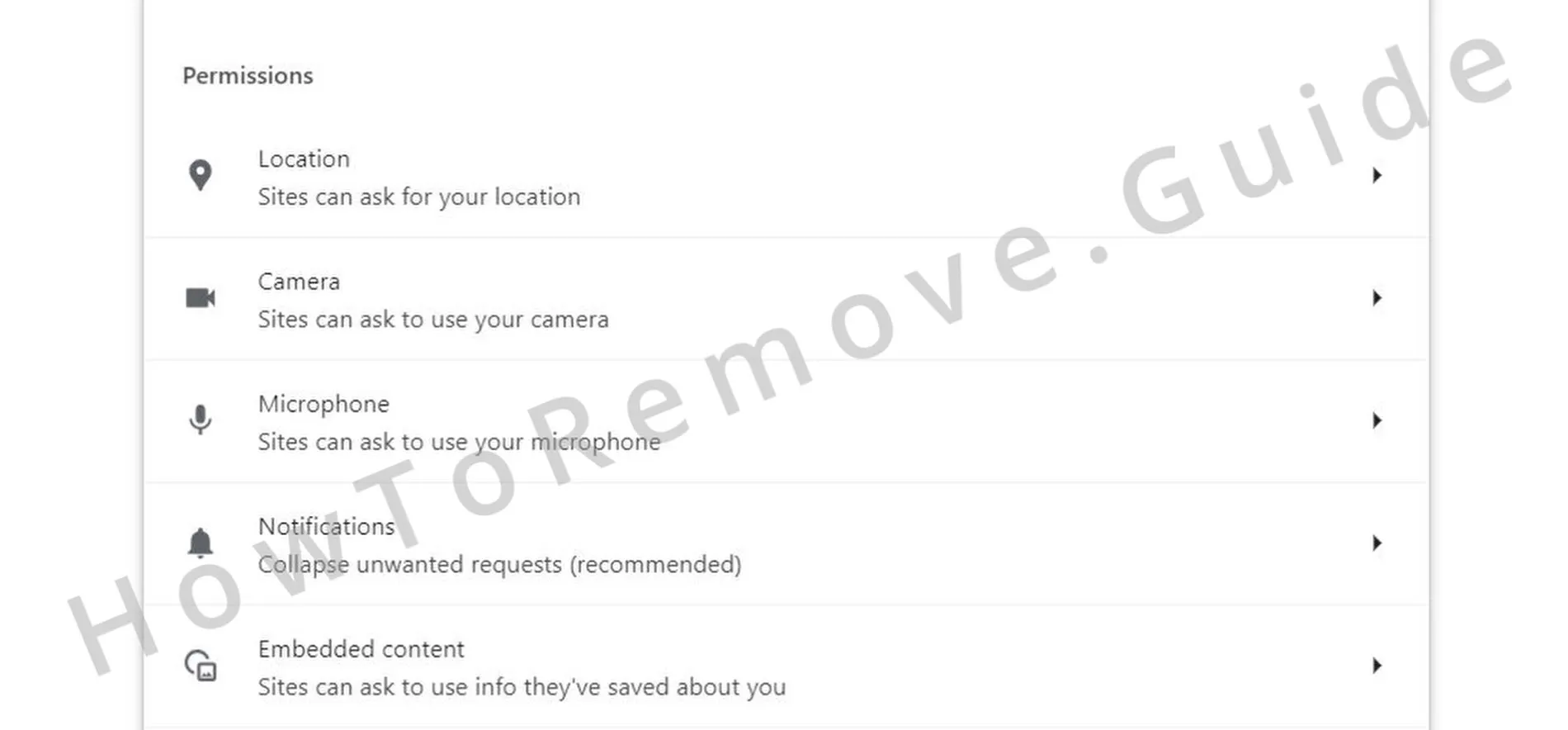 Next, audit live permissions. In Privacy and security → Site settings, remove camera, microphone, and notifications permissions for unfamiliar sites. Also review Background sync, Pop-ups and redirects, and Automatic downloads if available.
 - 4.4Open Search engine settings → Manage search engines. Delete engines you don’t recognize and set your preferred provider – Google, Bing, or DuckDuckGo – as Default.
- 4.5Finally, check startup behavior. In On startup or Appearance, remove any Startup pages or Home page entries you didn’t add, and choose a trusted site or a New Tab page.
A measured, stepwise cleanup not only restores normal browsing but also hardens the browser against reappearance from scheduled tasks, sync data, or leftover policy files.
