

Something like Search-redirect.com slides in unnoticed. It’s bundled in the installer, hidden behind “recommended” options, and if you aren’t careful, you basically give it a free pass into your browser. Once it’s in, Search-redirect.com doesn’t wait before it changes your homepage to a sketchy search engine, and starts tossing fake malware warnings your way. Sometimes it even locks key settings behind “managed by your organization” messages to stop you from removing it. That’s intentional. It wants you confused. Search-redirect.com, like Searcherone and Mobiletips.in, thrives on panic, hoping you’ll click some shady download link or buy fake antivirus software, which is categorically NOT real protection. You also need to check what you installed recently – Search-redirect.com rarely comes alone and there may be more malware on your PC.
We tested that SpyHunter successfully removes Search-redirect.com* and we recommend using it. It will block Search-redirect.com from reinstalling itself and it will make sure your device is clean from any malware.
 Try Free For 7 Days*
Buy now15% OFF if you buy straight without trial.
 OFFER
OFFERSearch-redirect.com Removal Tutorial
Okay so here’s the thing – scammers want you to panic. They’re counting on you to click too fast, skip steps, or mess up big time. But the truth is if you stay calm and take it slow you’re already ahead. Search-redirect.com wants you to overthink early and fall apart. Don’t. Just be steady, keep it simple, and move forward carefully. That’s how you stop it from spreading.
Quick Steps to Remove Search-redirect.com
- 1.1Launch the web browser you use most frequently, and open the Settings panel to begin.
In Chrome, click the three vertical dots in the upper-right corner of the interface.
In Firefox, tap the three stacked lines in that same upper-right region.
Once inside, locate and open the Extensions or Add-ons tab, typically listed under the sidebar or general configuration.
Take your time reviewing the full list of add-ons – anything you don’t recognize is worth investigating further. - 1.2Evaluate each extension with care. Check the title, icon, listed permissions, and description for authenticity.
Many malicious add-ons are designed to resemble trusted tools, tricking users into leaving them installed.
If an extension seems suspicious, unneeded, or recently appeared without your input, click Remove to delete it.
Not entirely sure? Paste the extension’s exact name into a search engine using quotation marks for targeted results.
This often brings up community reports or malware warnings, helping you decide if it’s part of Search-redirect.com. - 1.3Navigate to the Privacy and Security section within your browser’s Settings, and open Site Permissions.
You may find this option within Advanced Settings, depending on your browser version and interface layout.
A list of websites will appear, showing which have access to hardware like your camera, microphone, location, or can send notifications.
Go through every entry and remove permissions from any website you don’t explicitly remember authorizing. - 1.4If any site listed seems unfamiliar or its purpose is unclear, strip its access immediately without hesitation.
This action helps stop drive-by popups or unwanted redirect behavior that Search-redirect.com might use to take over tabs.
Once you’ve made all necessary changes, fully close your browser window and reopen it.
Restarting ensures that all permission adjustments are finalized and active, preventing Search-redirect.com from maintaining access.
Often, these first few steps are enough to disable the hijacker. If the issue remains, it means Search-redirect.com may be embedded deeper and will require more in-depth cleanup actions to fully remove.
Often, this quick fix is enough to restore order. But if Search-redirect.com is still hanging around, it’s time to dig deeper.
SUMMARY:
| Name | Search-redirect.com |
| Type | Browser Hijacker |
| Detection Tool |
Some threats reinstall themselves if you don’t delete their core files. We recommend downloading SpyHunter to remove harmful programs for you. This may save you hours and ensure you don’t harm your system by deleting the wrong files. |
How to Remove the Search-redirect.com Virus
Ever seen that “Managed by your organization” message pop up in your browser? Yeah, that’s not normal at all. It basically means Search-redirect.com has taken over control. And I’ll tell you right now – standard tools aren’t going to work anymore. If you ignore this, it only digs in deeper. Search-redirect.com is betting on you shrugging it off. The longer you wait, the stronger it gets. You’ve got to act fast and decisively before it locks everything down even harder.
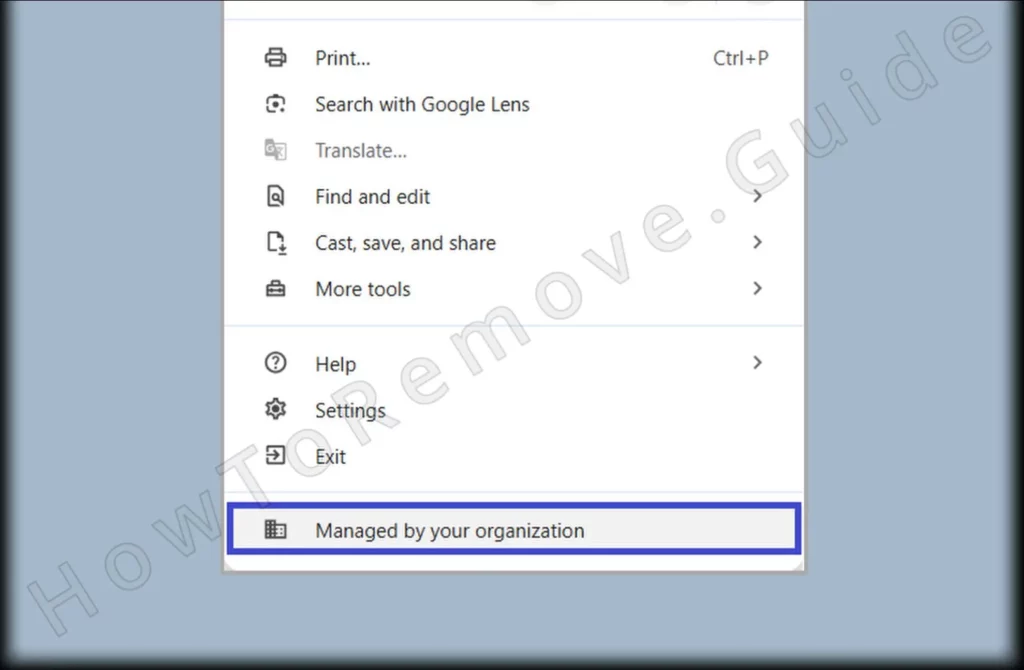
1. Identify the Search-redirect.com Policies
- 1.1
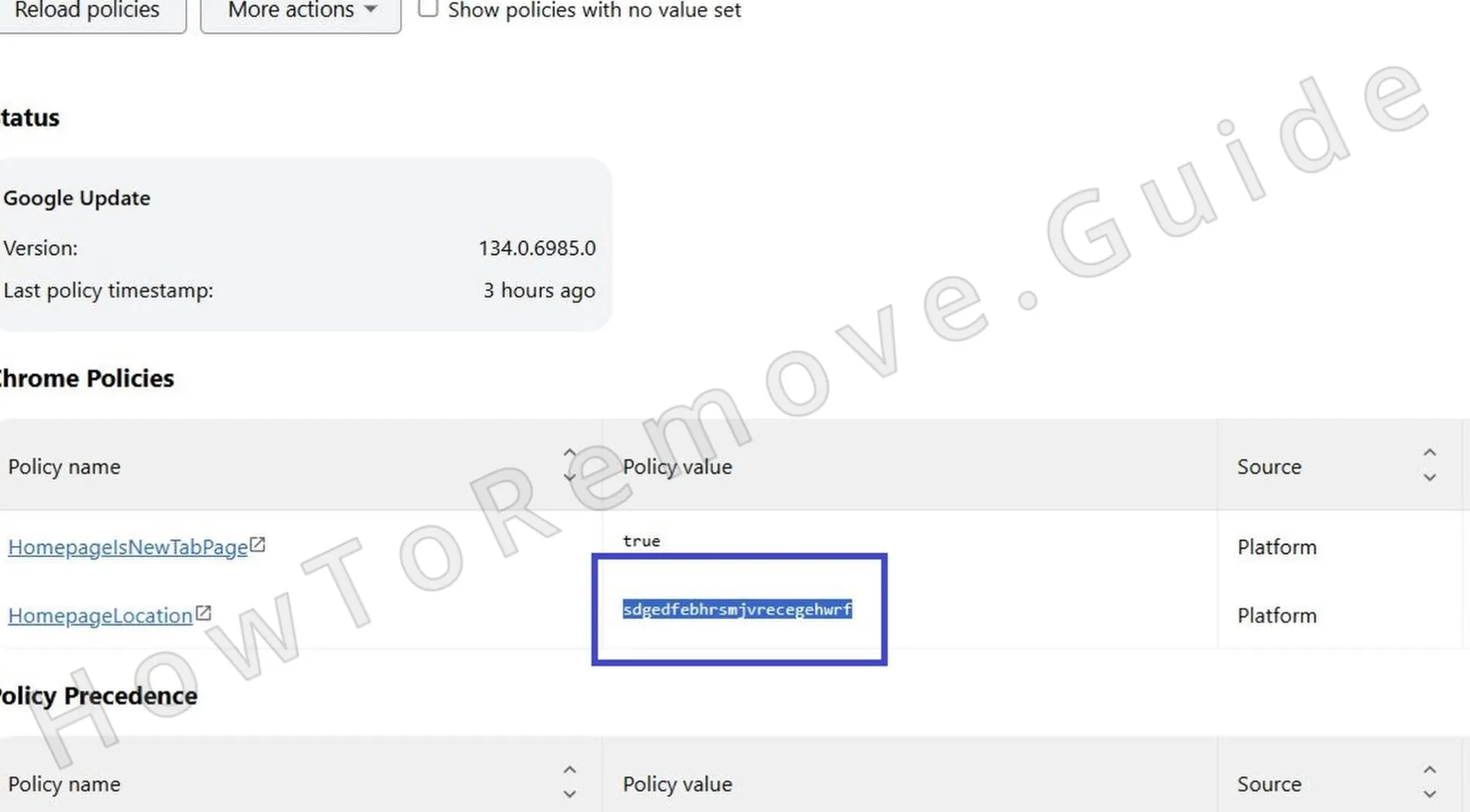 If you spot the “Managed by your organization” alert, it usually means a policy file is controlling browser behavior.
In Chrome, type chrome://policy into the address bar and press Enter.
In Edge, enter edge://policy and hit Enter as well.
Wait for the list to fully populate. Go through each policy carefully and flag any item you don’t recognize or trust.
Even small differences in naming or value formatting can signal that Search-redirect.com is hiding there. - 1.2Examine each listed policy one by one. You’re on the lookout for vague labels or suspicious parameters.
Search-redirect.com often masks itself using random characters or legitimate-sounding names to avoid suspicion.
Make a detailed record – either copy the names into a document or take clear screenshots of each suspect entry.
This will be essential for tracking and removing the associated files and registry keys later in the process. - 1.3Now, open the browser’s Extensions menu and switch on Developer Mode using the toggle in the top-right corner.
Turning on this mode exposes the technical information behind each installed extension, such as extension IDs and file paths.
These values help you accurately match up bad extensions in your file system when manually deleting them. - 1.4If the Extensions page refuses to load or you’re being redirected elsewhere, Search-redirect.com may be actively blocking it.
In that case, skip browser-level access and open File Explorer directly to track down the offending files yourself.
This ensures you’re not stuck if the malware tries to shut off the easy routes. - 1.5
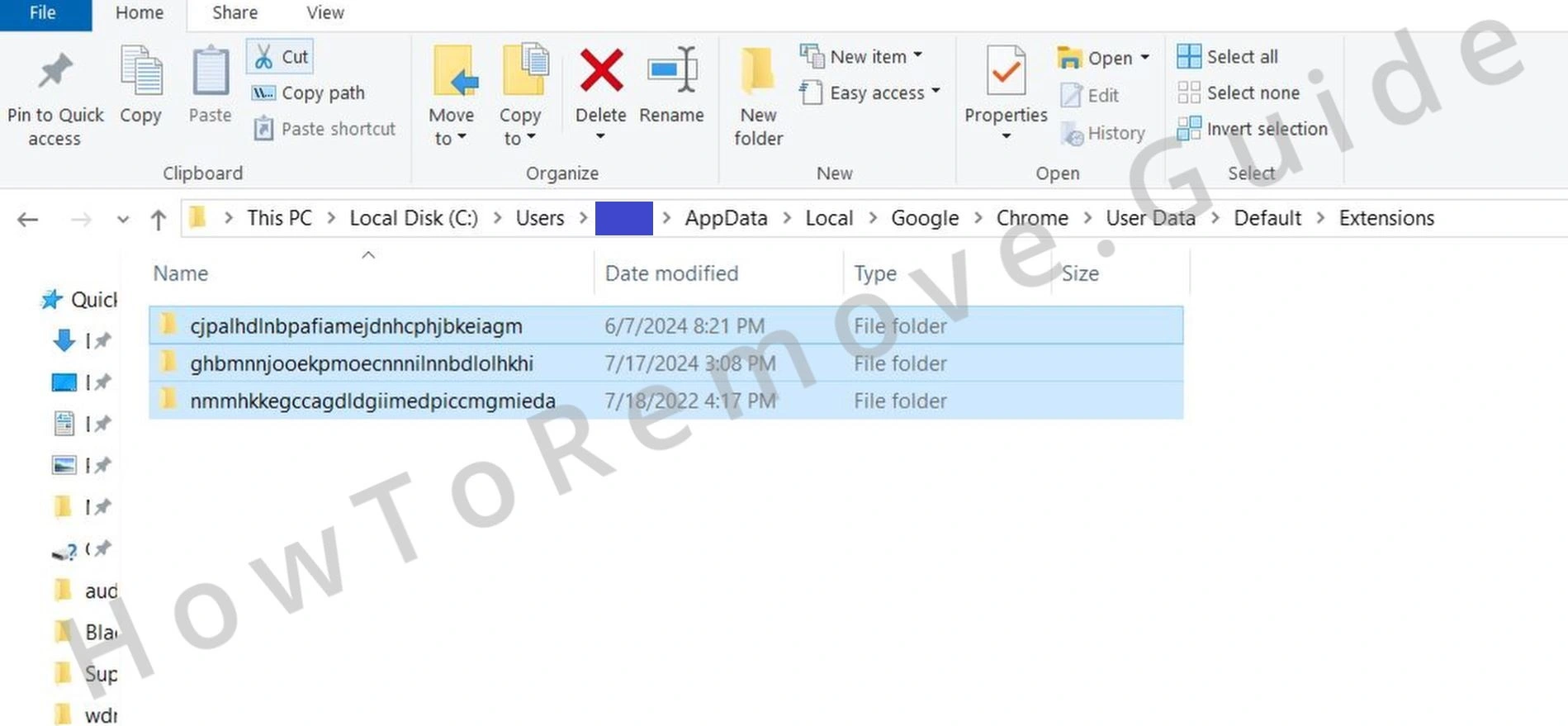 Within File Explorer, go to the folder:
C:\Users[Your Username]\AppData\Local\Google\Chrome\User Data\Default\Extensions
Each subfolder inside will be labeled with an alphanumeric string representing the extension ID.
Compare these to the ones you saved earlier from Developer Mode to find the folder linked to Search-redirect.com.
Once you confirm a match, delete that specific folder entirely – be careful not to remove valid ones. - 1.6
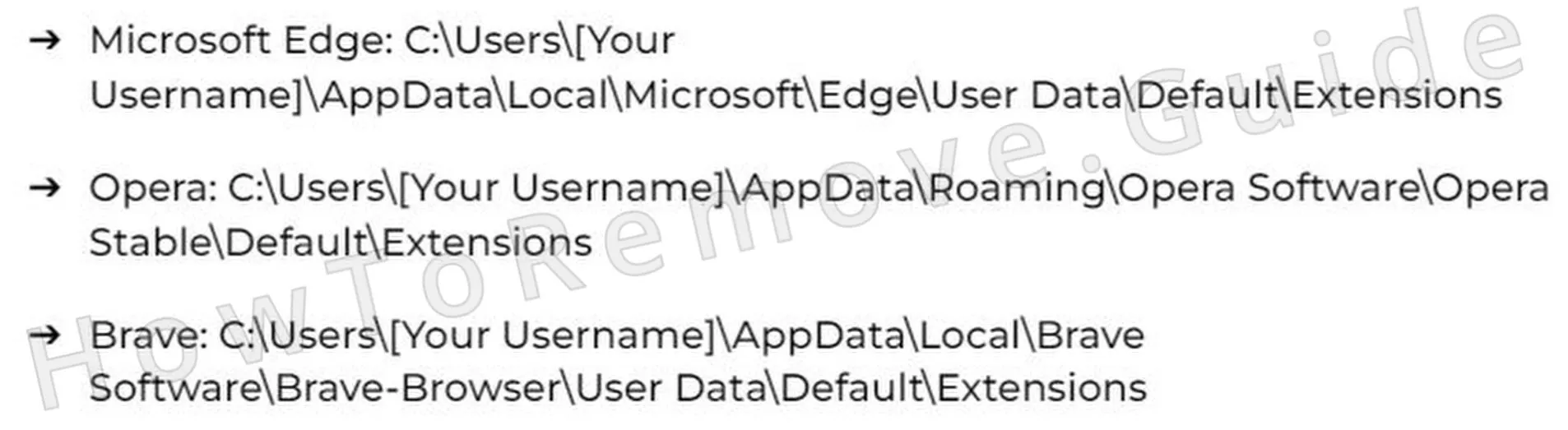 If you’re using Brave, Opera, or any Chromium-based alternative browser, the process is nearly identical.
You’ll need to locate that browser’s version of the AppData directory, then open its Extensions folder.
Repeat the extension ID matching procedure and remove the corresponding Search-redirect.com folder from the system. - 1.7Once you’ve removed the suspect extension folder from your system, return to the Extensions screen.
Ensure Developer Mode is still turned on, and check that the problematic extension is no longer visible.
If it still appears, remove it again manually and check whether any sync settings are pulling it back in.
Sometimes, browser syncing or remote profiles can cause a removed extension to reappear automatically.
Get Rid of Search-redirect.com Policies
So here’s where things get real serious – when Search-redirect.com makes it into your system registry. That’s a big red flag. One wrong move in there and you can trash your entire system. And believe me, guessing your way through registry edits? Not smart. You need an actual cleanup tool built for this. Winging it is basically asking for disaster. Be precise. The registry isn’t a place to mess around.
2. How to Delete Search-redirect.com Policies Through the Registry
- 2.1Press Win + R, type regedit, and hit Enter to open the Registry Editor utility.
Before doing anything else, go to File > Export and save a full backup of your current registry.
Choose a safe location and name it clearly – this backup lets you restore everything in case anything goes wrong later. - 2.2Use Ctrl + F or go to Edit > Find and paste in the extension ID or policy name you wrote down earlier.
Hit Find Next, and when a match appears, carefully delete that registry key.
Repeat the search process throughout all registry branches to catch every reference to Search-redirect.com.
Be sure to only remove entries that you’ve identified as part of the malware – deleting the wrong key can cause problems. - 2.3
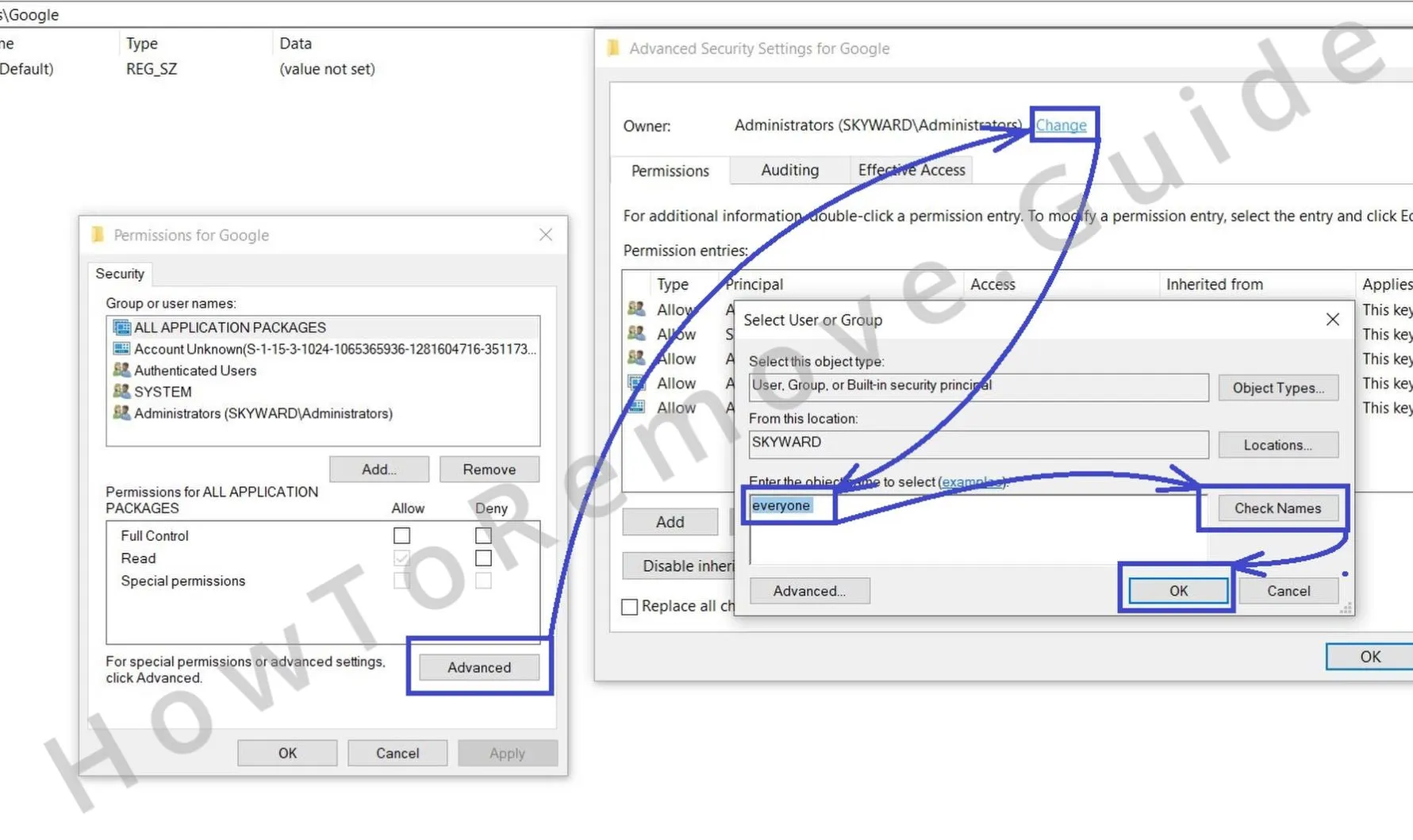 If you receive an error while trying to delete a key, right-click it and choose Permissions, then click Advanced.
Click the Change link beside the Owner field. Enter Everyone, hit Check Names, and confirm the entry.
This gives you full access so you can proceed with deletion even if the key was locked or protected previously. - 2.4
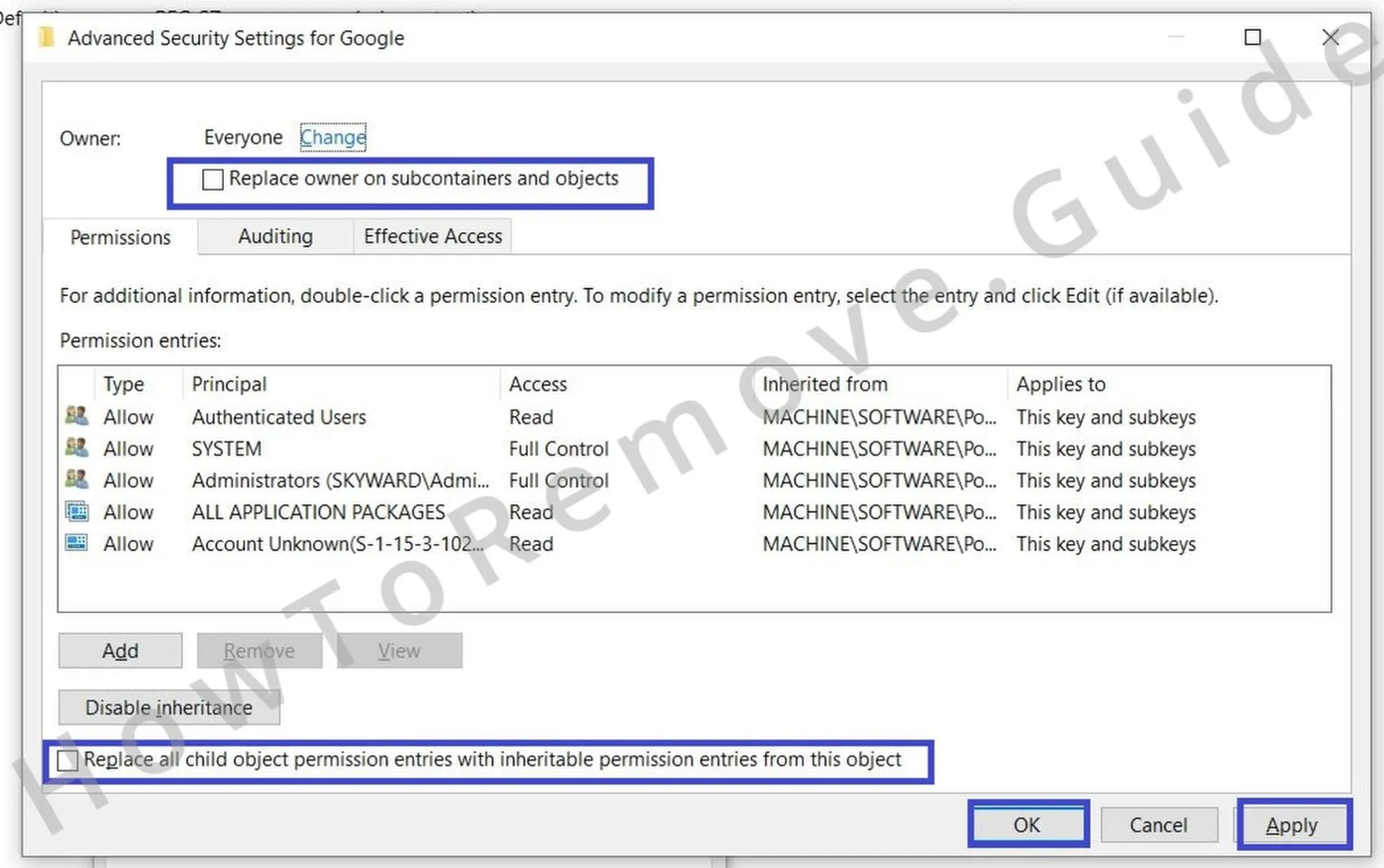 Still in the permissions window, check the boxes for:
Replace owner on subcontainers and objects
Replace all child object permission entries with inheritable permission entries from this object
Click Apply, then OK to confirm the changes.
Once done, delete the rogue key and restart your computer to finalize the removal.
After rebooting, reopen your browser to verify that the “Managed by your organization” warning has disappeared.
This gives you the access needed to delete the rogue key.
Alternative Tools to Delete Search-redirect.com Policies
Alright so you’ve done all the steps and Search-redirect.com is still hanging around? Yeah, that’s the point. It’s built to wear you down and make you question yourself. If you give up halfway, it wins. You need to keep going carefully and patiently. One tiny mistake and it stays. That’s the design. Stay sharp. The second you slack off, it’s game over.
3. Other Ways to Get Rid of Search-redirect.com Policies
- 3.1
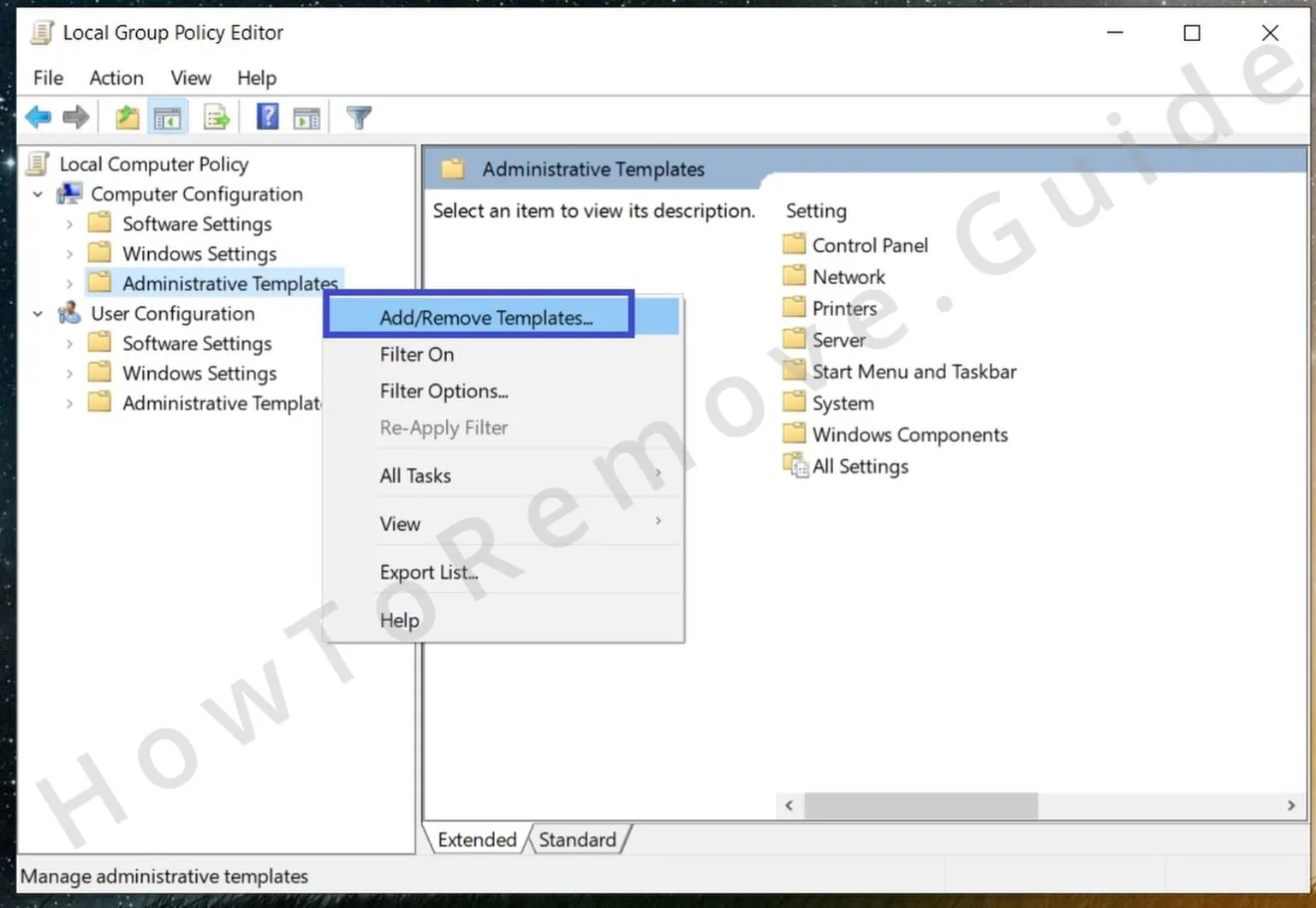 Press Win + S, type Edit Group Policy, and hit Enter to open the Group Policy Editor.
Once inside, expand the Administrative Templates section from the menu on the left-hand side of the window.
This is where Search-redirect.com may have altered deep system rules affecting browser control and security configurations.
Take your time navigating through each area under this section, noting anything unusual or recently added. - 3.2
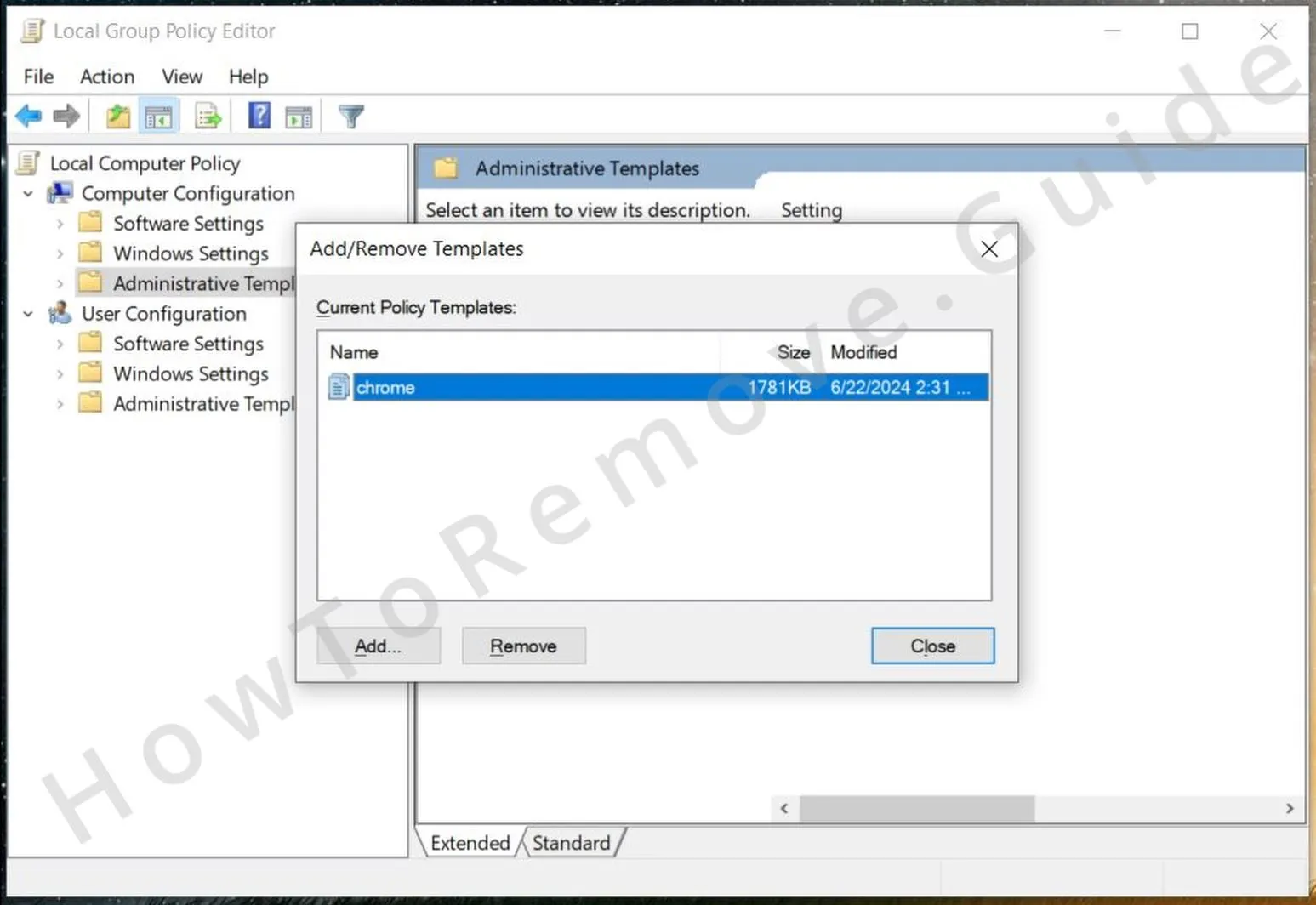 Right-click on Administrative Templates, then choose Add/Remove Templates from the options provided in the context menu.
Unless you specifically remember adding a custom template yourself, go ahead and remove any listed here.
This process can reverse hidden changes applied by Search-redirect.com that persist even after extensions are deleted.
After removal, double-check that nothing returns to this section after closing and reopening the editor. - 3.3If you’re using Chrome, you can try installing a specialized Chrome Policy Remover tool for deeper cleanups.
Only download one from a well-known, verified source to avoid introducing new malware to your system.
Once downloaded, right-click the tool and choose Run as administrator to ensure it has full permission access.
This elevation allows it to remove registry or policy files that normal apps can’t touch. - 3.4If your antivirus software flags the tool, click More Info, then choose Run Anyway – but only if you trust the source.
Let the tool complete its scan and clean-up process without interruption or multitasking on your system.
Once done, restart your computer to lock in the changes, and revisit both the Group Policy and Registry Editor.
You’re looking to confirm that all traces of Search-redirect.com are now fully removed and not regenerating on boot.
Uninstall Search-redirect.com From Chrome, Edge, and Other Browsers
So you think you’re done? Nope – not even close. Search-redirect.com lives for the little things you miss. One random folder, one tiny setting, and boom – it’s back like it never left. Most people mess up right here. Double-check everything. Then check it again. It wants you to relax so it can slide right back in. Don’t stop until there’s absolutely nothing shady left.
4. How to Remove Search-redirect.com From Your Browser
- 4.1Return to your browser’s Extensions or Add-ons section to verify the current state of your installed tools.
If something new appears that you didn’t install yourself – or an old one returns – remove it immediately.
Search-redirect.com can use syncing, cloud profiles, or scripts to reinstall itself silently in the background if left unchecked.
Disabling sync temporarily can help during this phase to stop automatic reinstallation from the cloud. - 4.2
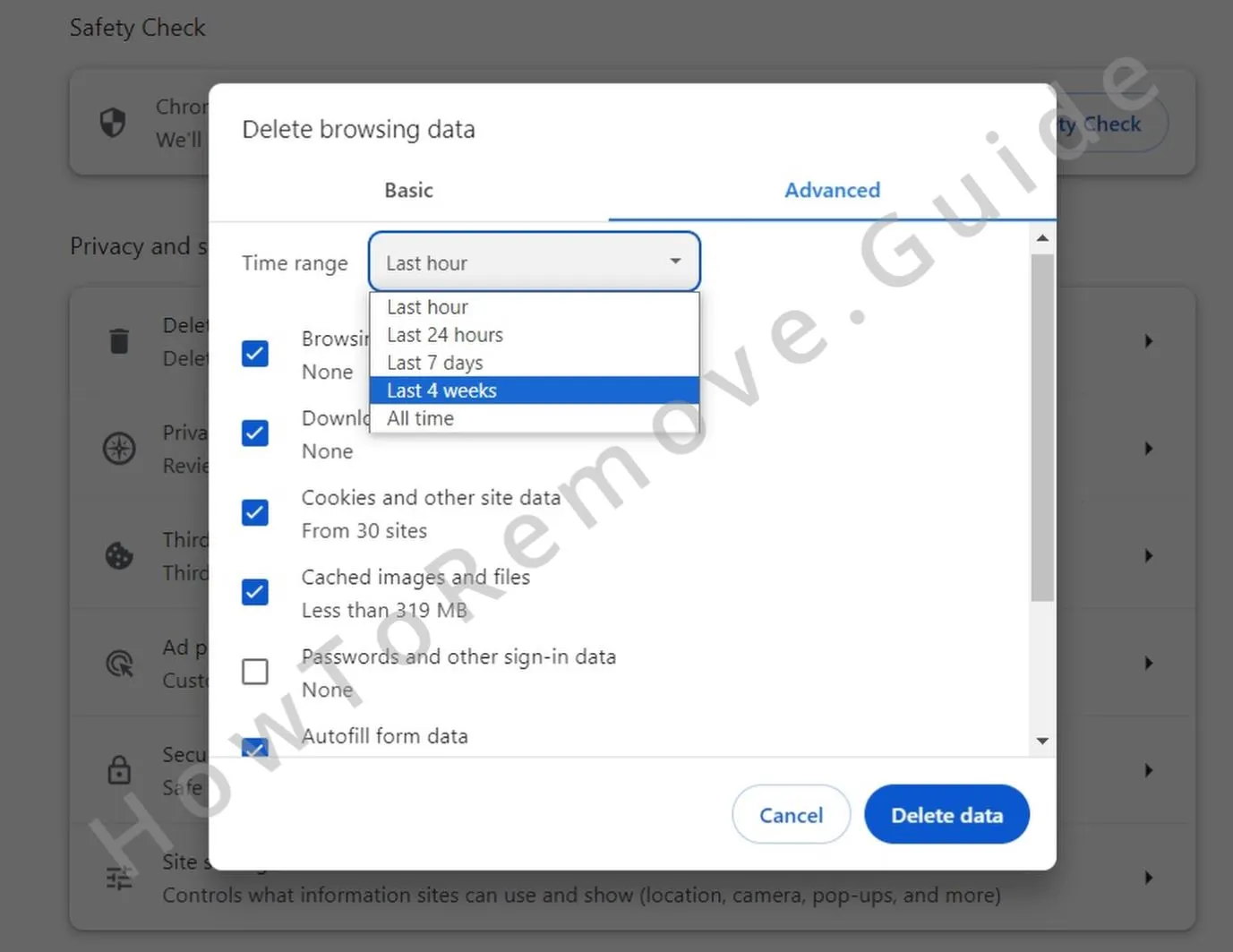 Access the Clear Browsing Data tool from within your browser’s Settings or Privacy and Security section.
Set the time range to All Time, then select every checkbox except Saved Passwords before clearing.
Click Clear Data to wipe out cookies, cached files, autofill suggestions, and other leftover junk Search-redirect.com may be using.
This clean slate removes stored sessions or scripts that can persist even after removing extensions. - 4.3
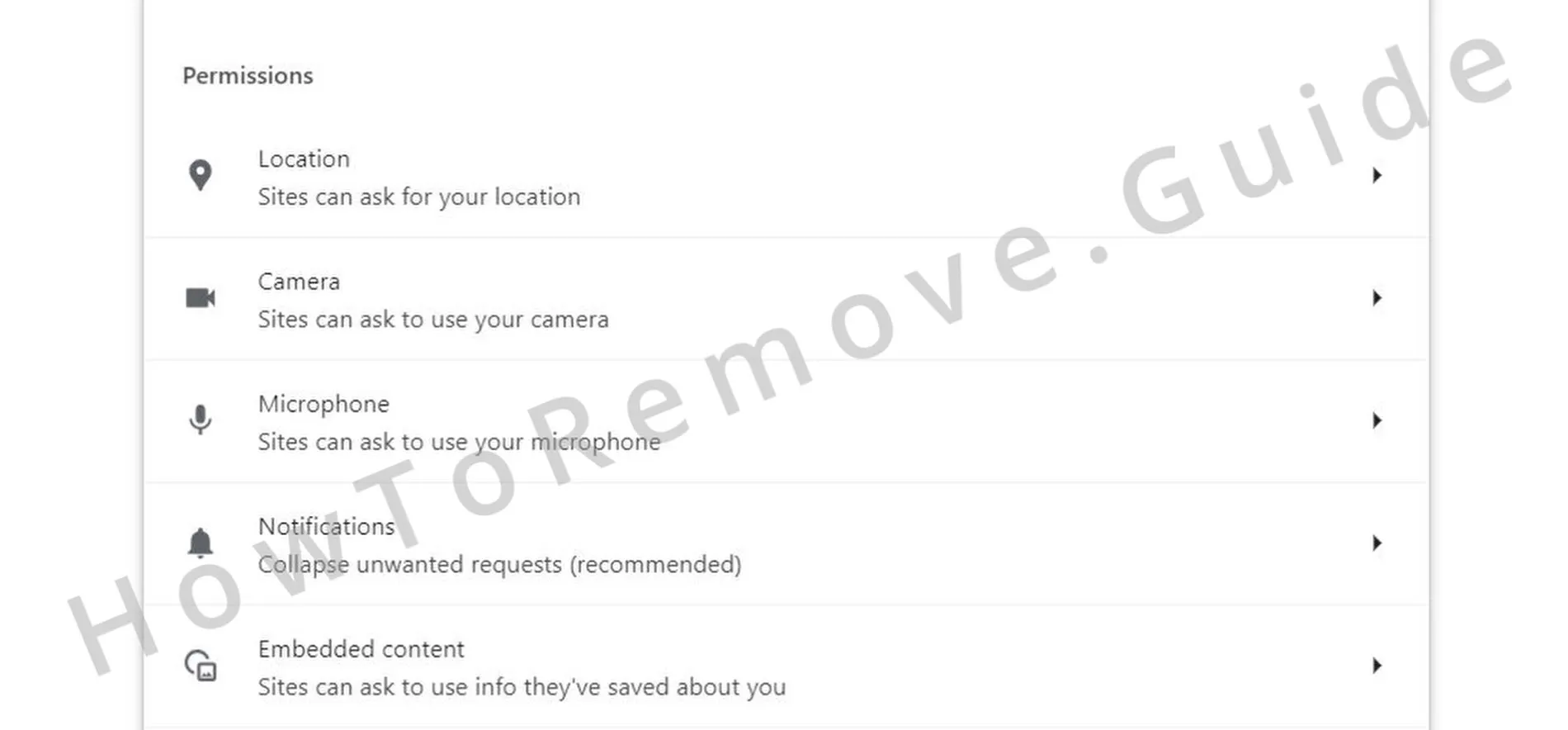 Navigate to the Privacy and Security tab again, then go into Site Settings under its options.
Scroll down to view the list of websites with permissions to use your camera, microphone, location, or notifications.
Remove access from any site that looks unfamiliar, suspicious, or unnecessary to your current browsing needs.
This helps prevent Search-redirect.com from using browser APIs to push pop-ups or trigger automated redirects. - 4.4
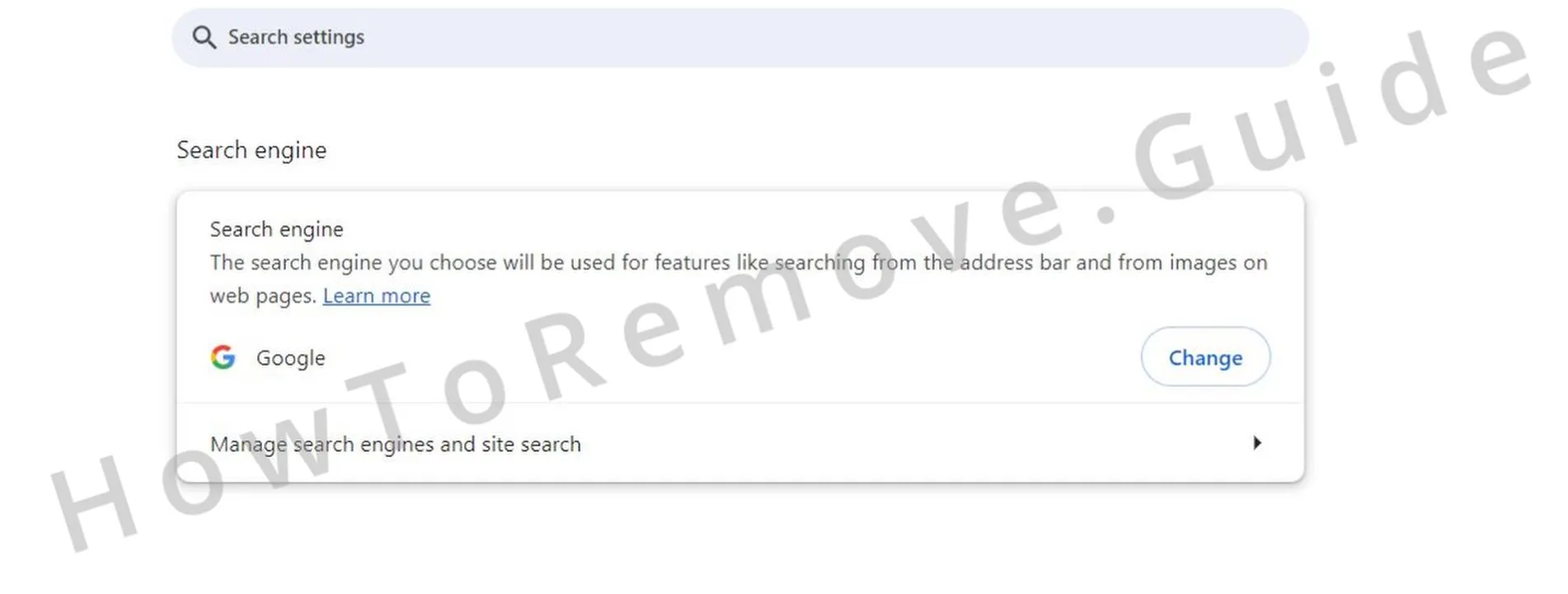 Next, head into the Search Engine Settings section under Manage Search Engines or a similarly named panel.
Look through the full list and delete any unknown search engines you did not manually configure.
Ensure that your default search provider is a trusted one like Google, Bing, or DuckDuckGo.
Unfamiliar engines may be tied to Search-redirect.com and redirect your queries to malicious or misleading websites. - 4.5Finally, go into the On Startup and Appearance sections of your browser’s Settings menu.
Check what URLs are set as your homepage or startup pages – anything unfamiliar should be removed immediately.
Replace them with a trusted site you visit often, such as a news page or your email provider.
This ensures Search-redirect.com doesn’t load automatically when the browser launches, hiding itself in startup behavior.
