

The typical definition of a browser hijacker is an unwanted software that changes browser settings without clear permission, and that floods the browser with annoying ads and page redirects. Looking at Touristcore.com, it seems to check pretty much all of these boxes (and some more), which is why we think it’s best to get rid of it if you’ve found it in your browser.
However, getting rid of such annoyances is often tricky, which is why we’ve prepared a detailed removal tutorial that you can find further down. Or, if you prefer a more streamlined and safer solution, check out SpyHunter 5, which has proven itself capable of dealing with hijackers, malware, spyware, and other sorts of rogue components.
We tested that SpyHunter successfully removes Touristcore.com* and we recommend using it. It will block Touristcore.com from reinstalling itself and it will make sure your device is clean from any malware.
 Try Free For 7 Days*
Buy now15% OFF if you buy straight without trial.
 OFFER
OFFERHijackers like Touristcore.com, Nextgeeker.com, or Markedoneofthe.com aren’t as dangerous as Trojans or Spyware, but they are definitely not something you want to keep on your system. The main risk is losing control over the browser and being pushed toward unreliable pages that could expose you to scams or automatic malware downloads. And the thing is, unless the hijacker is removed, the redirects, ads, and pop-ups simply won’t stop, no matter how many times you close them.
So our advice is to use the guide and/or the removal tool and clean your system now, before Touristcore.com gets you into trouble.
Touristcore.com Removal Guide
Start with the shorter checklist below, because it can fix the most common browser changes in just a few minutes. If Touristcore.com is still present after that, continue with the full walkthrough, which covers policy entries, extension traces, and the deeper cleanup steps used for stubborn cases.
Quick Checks to Remove Touristcore.com
- 1.1Open your browser’s Extensions page and check whether Touristcore.com added anything unfamiliar or suspicious.
- 1.2Remove any extension you do not recognize. Unexpected add-ons often cause the issue, so if something appeared without your clear approval, delete it.
- 1.3Then open Privacy and Security and check Site Permissions. This is where unwanted sites keep access to pop-ups, notifications, or similar browser features.
- 1.4Remove permissions for sites you do not trust. When you finish, restart the computer and open the browser again.
For many users, this shorter cleanup is enough. If Touristcore.com is still affecting the browser, move on to the detailed steps below.
SUMMARY:
| Name | Touristcore.com |
| Type | Browser Hijacker |
| Detection Tool |
Some threats reinstall themselves if you don’t delete their core files. We recommend downloading SpyHunter to remove harmful programs for you. This may save you hours and ensure you don’t harm your system by deleting the wrong files. |
How to Fully Remove Touristcore.com
The first part of the full guide is about gathering the policy data the hijacker leaves behind. You will need those values later when searching for and deleting the related system entries, so note everything carefully before continuing with the deeper cleanup of Touristcore.com in the next sections.
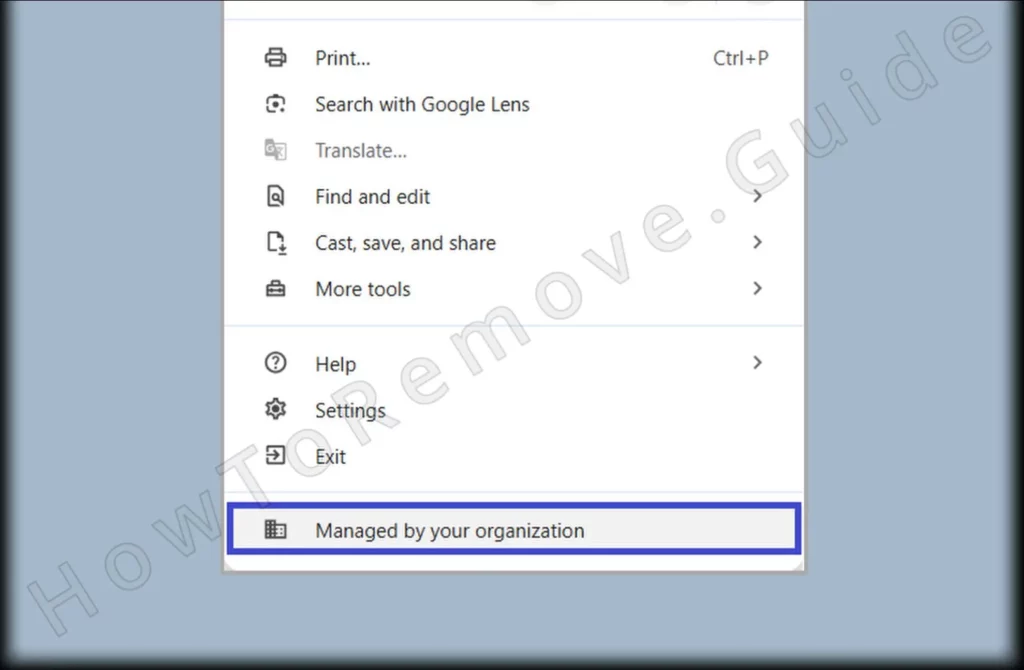
1. Find the Touristcore.com Policies
- 1.1
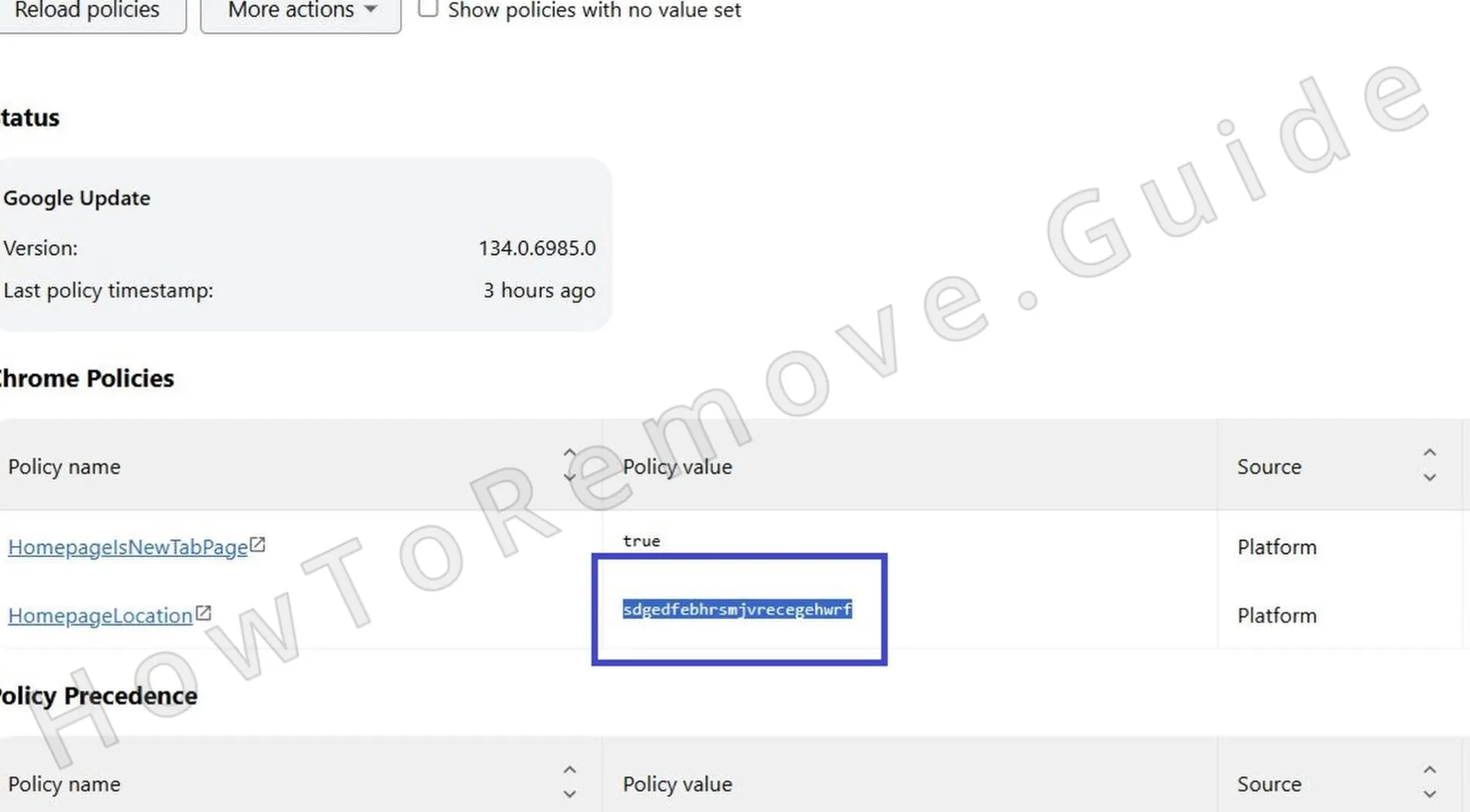 To verify that Touristcore.com placed rogue policies in the browser, type chrome://policy in Chrome’s address bar. In another Chromium-based browser, replace chrome with that browser’s name.
 - 1.2Review the active policies shown there. Pay close attention to entries whose Value field contains random characters or meaningless strings. Write those values down because you will need them later.
- 1.3Open the Extensions page too and collect more details connected to the hijacker policy. Turn on Developer Mode, copy the IDs of suspicious or unwanted extensions, and save them with the policy values.
- 1.4If the browser blocks the Extensions page, use this manual route instead. Open File Explorer and go to:
C:\Users[Your Username]\AppData\Local\Google\Chrome\User Data\Default\Extensions - 1.5
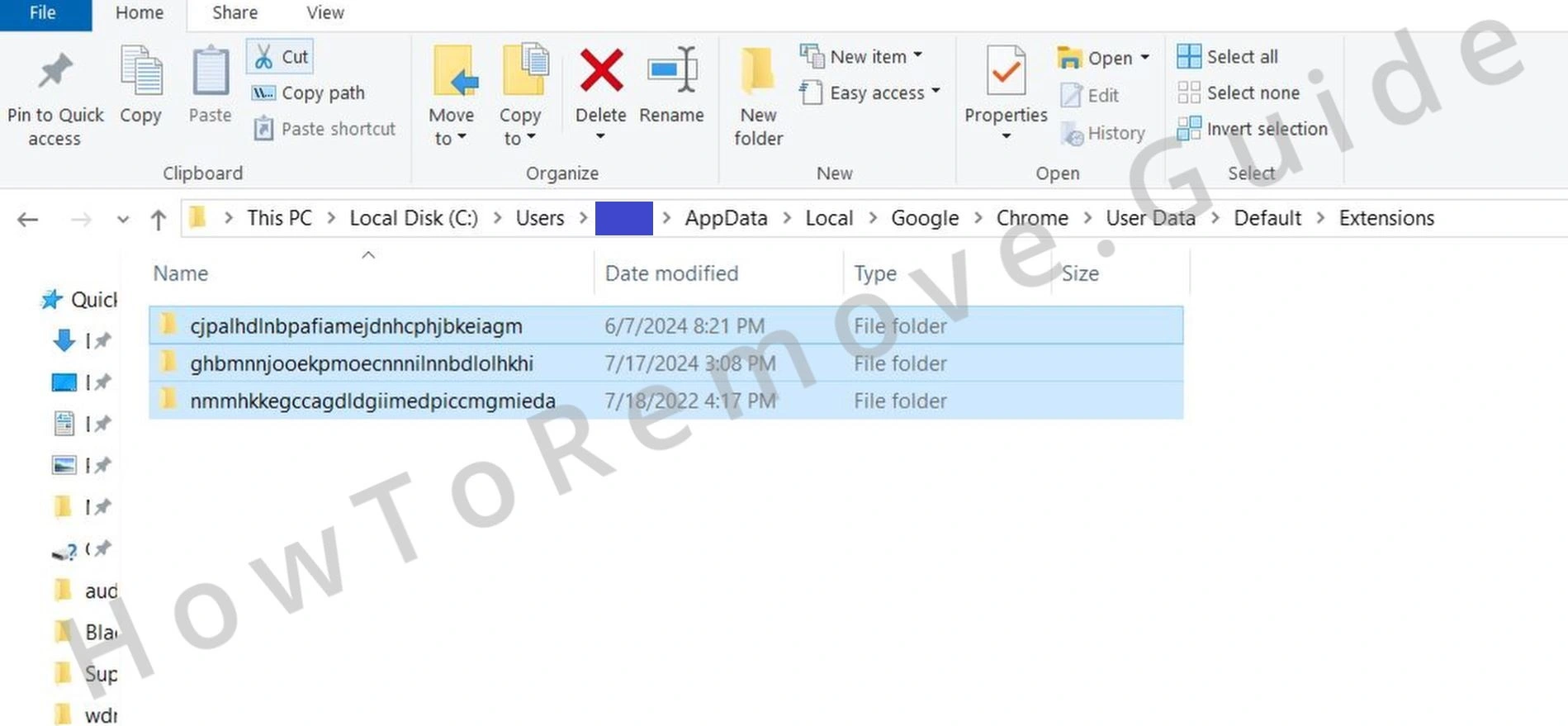 Delete everything in this folder to remove all installed extensions. This helps clear hidden or stubborn items that may be keeping the unwanted browser changes active.
 - 1.6
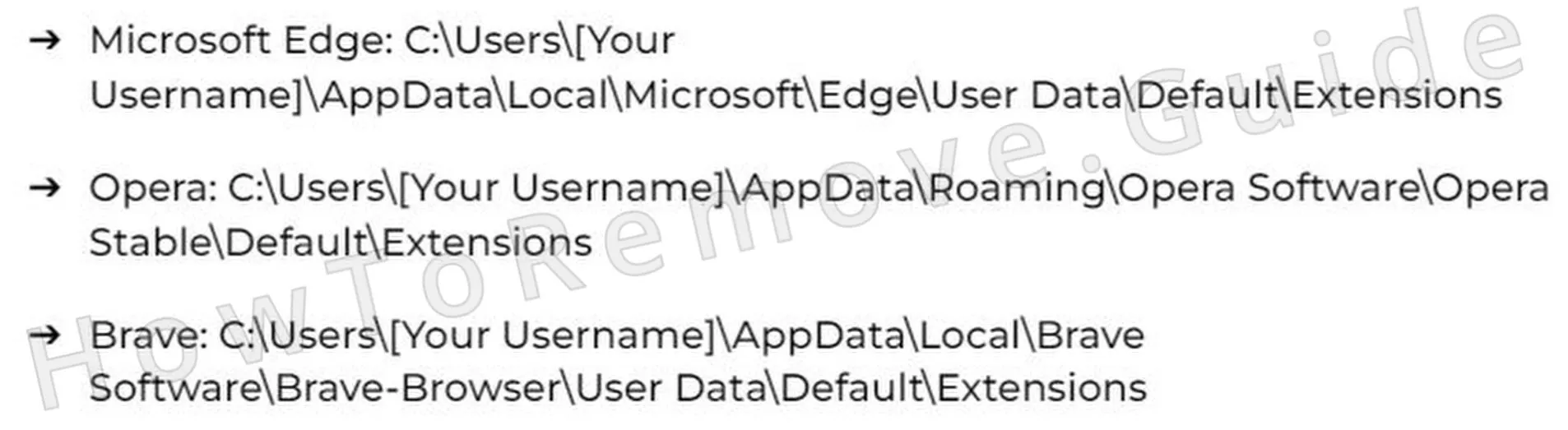 Other browsers use comparable extension folders:
 - 1.7After that, return to your browser’s Extensions Manager page.
Remove Touristcore.com Policies
This step uses the values you collected to locate related hijacker entries in the Registry. Because manual registry edits can damage Windows if the wrong key is removed, work carefully. If that feels too risky, the attached SpyHunter 5 tool is the safer automatic option for removing Touristcore.com.
2. Delete Touristcore.com Policies in the Registry
- 2.1To start removing Touristcore.com policy entries, open the Registry Editor by typing regedit in the Start Menu and pressing Enter.
- 2.2Once it opens, go to Edit > Find and search for the rogue values you saved earlier. Delete each matching entry carefully, then repeat the search several times so no related records remain.
- 2.3
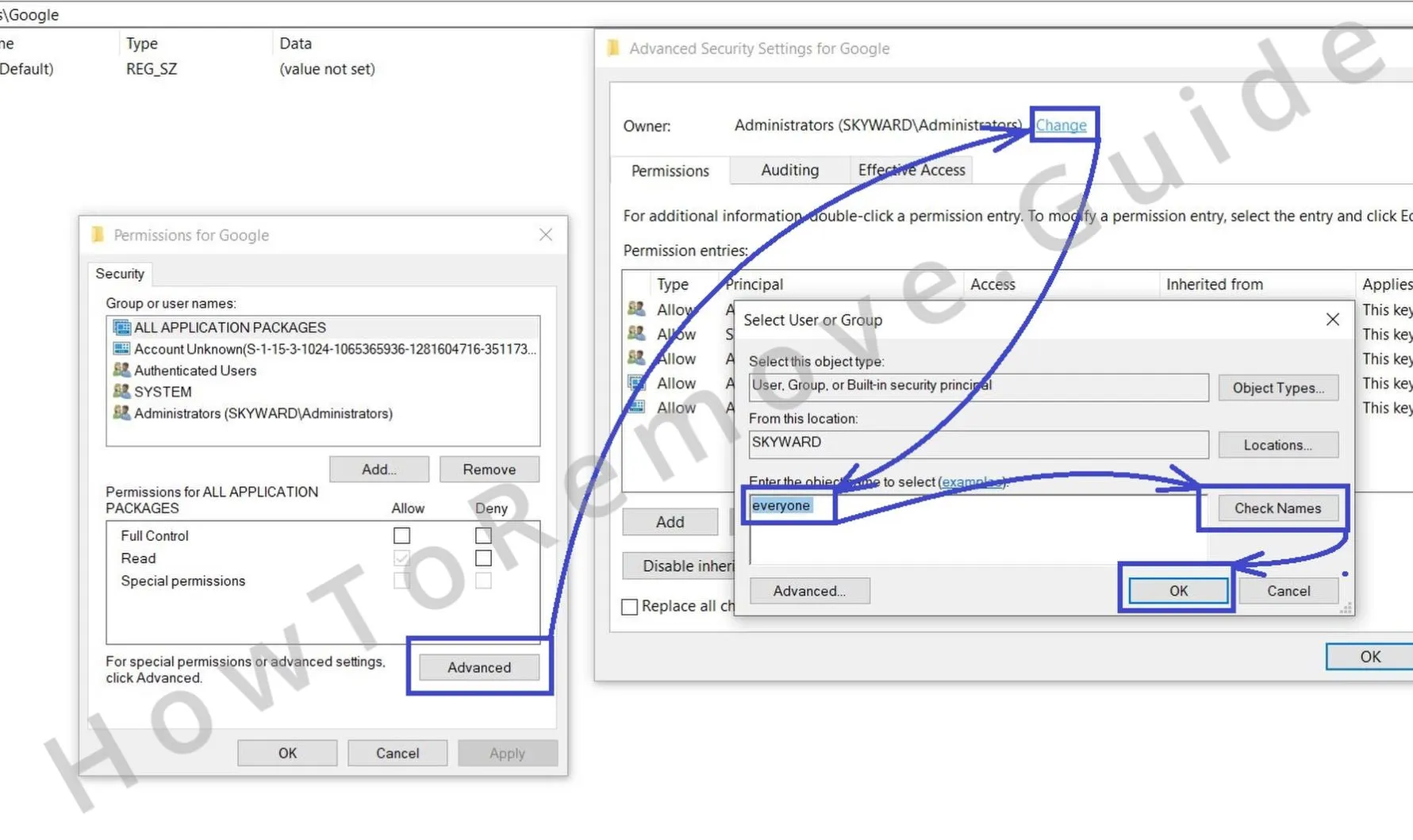 If a key will not delete, change its permissions. Right-click the blocked entry, choose Permissions > Advanced > Change, and give access to “everyone”.
 - 2.4
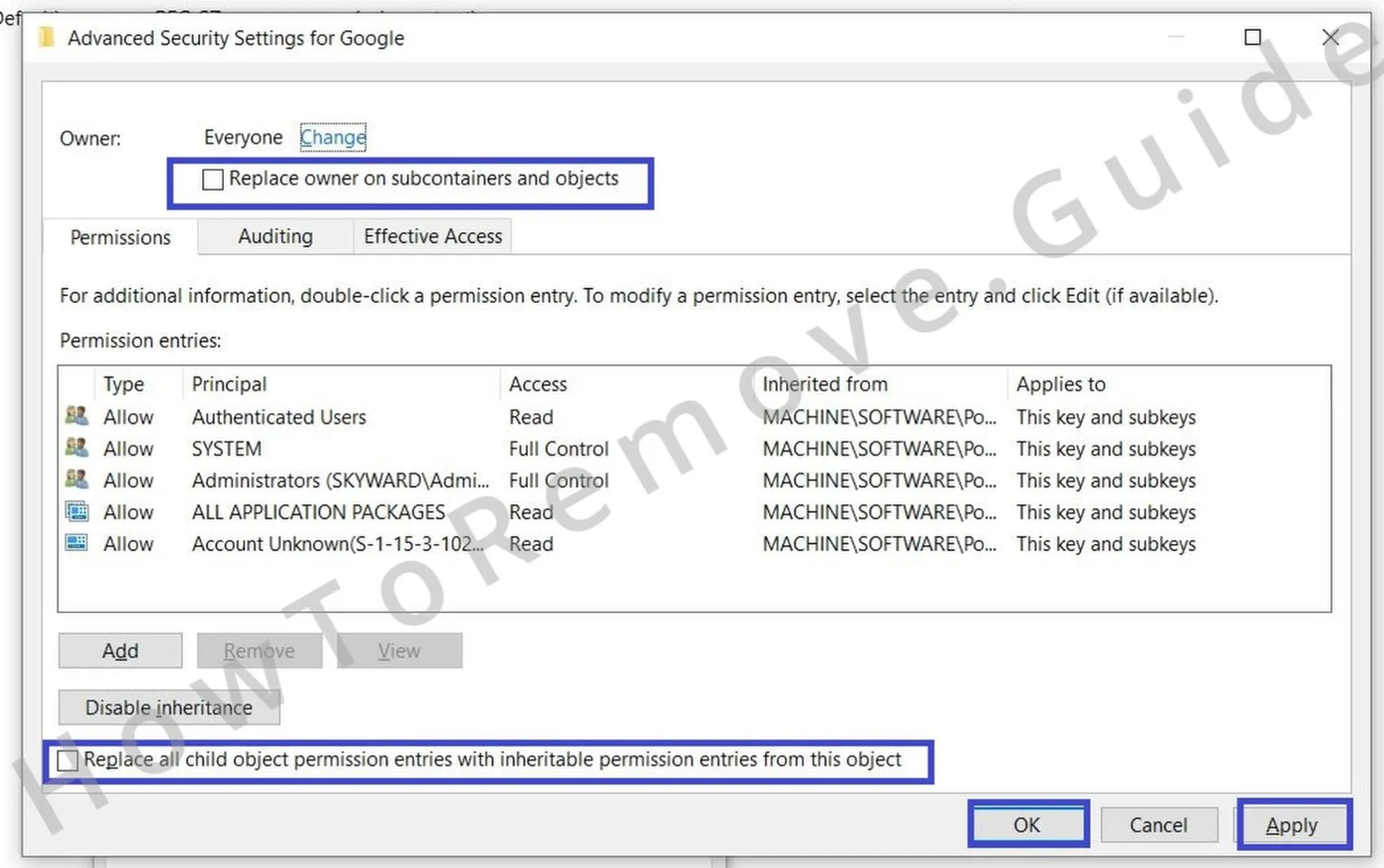 In the previous window, tick both Replace… options, then select Apply and OK.
That should give you the access needed to remove the rogue key.
Alternative Tools to Delete Touristcore.com Policies
If the registry cleanup does not remove every related entry, use the extra methods below. They can reveal leftover policy templates and restrictions that Touristcore.com may still be using. Even when the registry step seems successful, checking these alternatives is still recommended because stubborn policy traces can remain elsewhere.
3. Other Ways to Remove Touristcore.com Policies
- 3.1
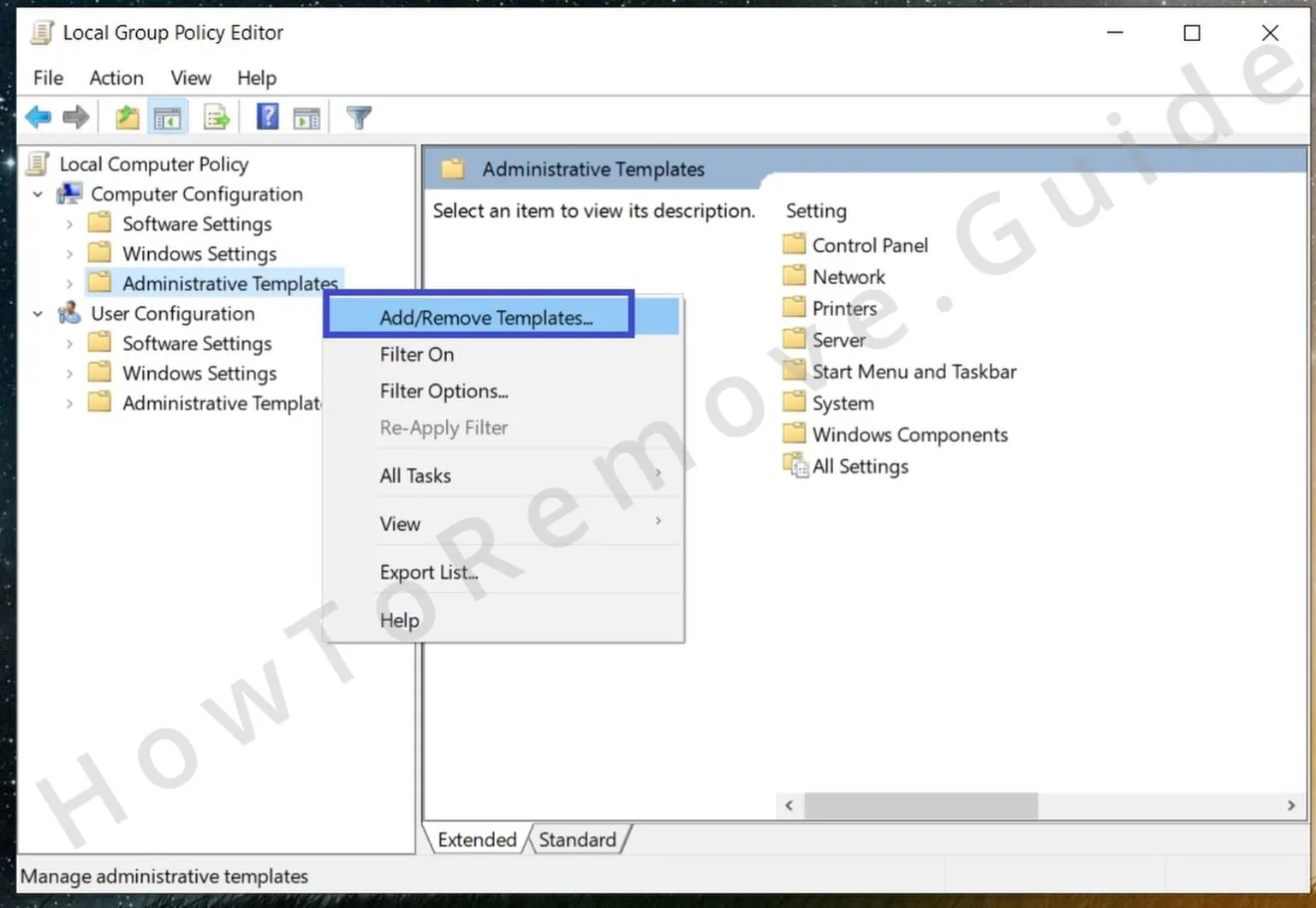 Another place to check for Touristcore.com policy leftovers is the Group Policy Editor, which manages local system policies. Search for “edit group policy” in the Start Menu, open it, and then go to Administrative Templates.
 - 3.2
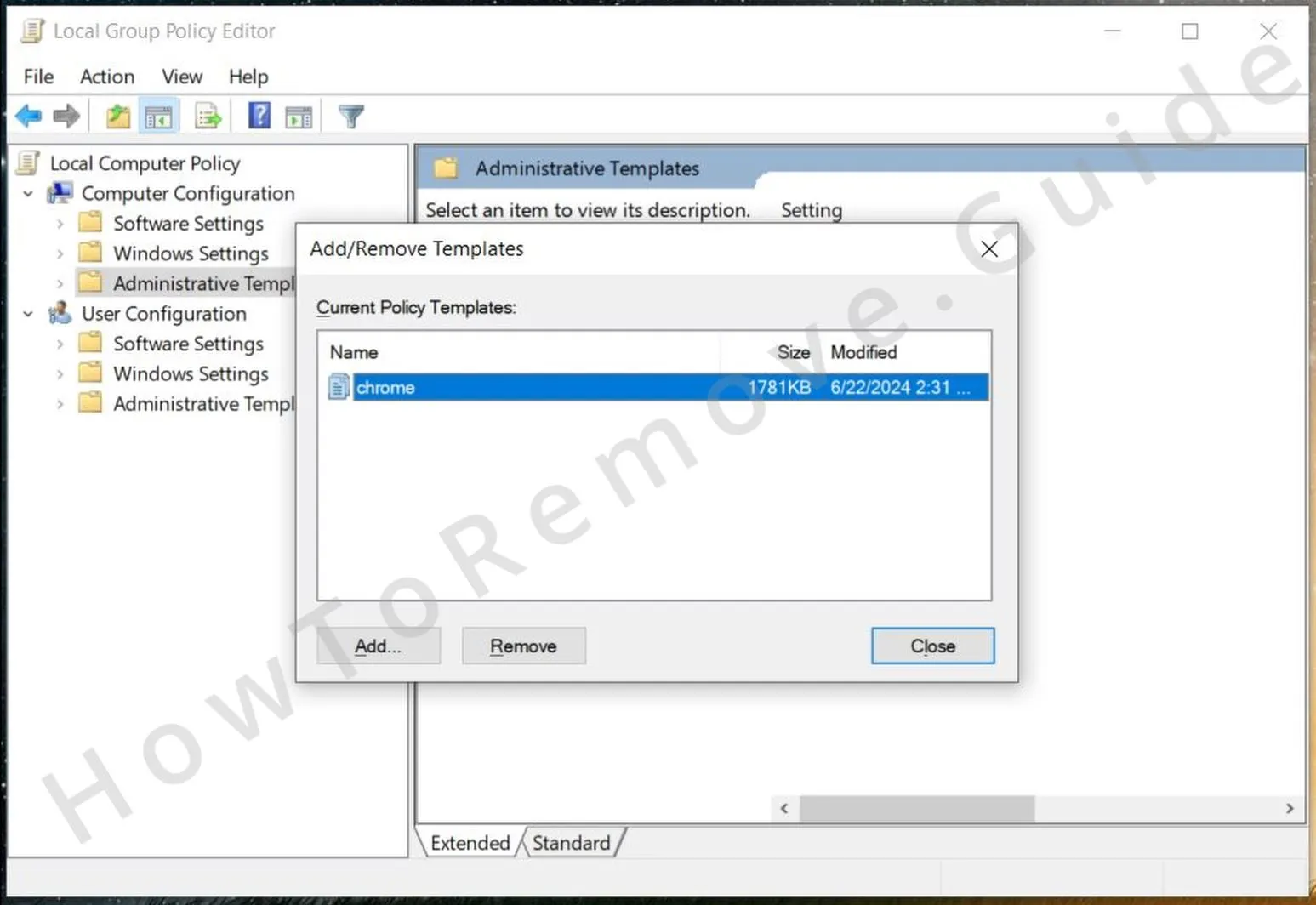 Right-click Administrative Templates and choose Add/Remove Templates. In the next window, remove any listed entries.
 - 3.3Another useful option for Chrome users is the Chrome Policy Remover. Download it from the link already provided.
- 3.4After the download finishes, run it as an administrator. If Windows displays a warning, click More Info > Run Anyway and let the tool complete its scan.
Uninstall Touristcore.com From Chrome, Edge, and Other Browsers
This final browser cleanup should be done only after the hijacker policies are removed, otherwise the unwanted settings may return. The steps below check the key browser areas that Touristcore.com commonly changes, so go through each one carefully before deciding the problem is gone.
4. How to Remove Touristcore.com From Your Browser
- 4.1Start by removing any remaining browser extensions connected to Touristcore.com. At this point, the browser should let you delete them without the earlier restrictions.
- 4.2
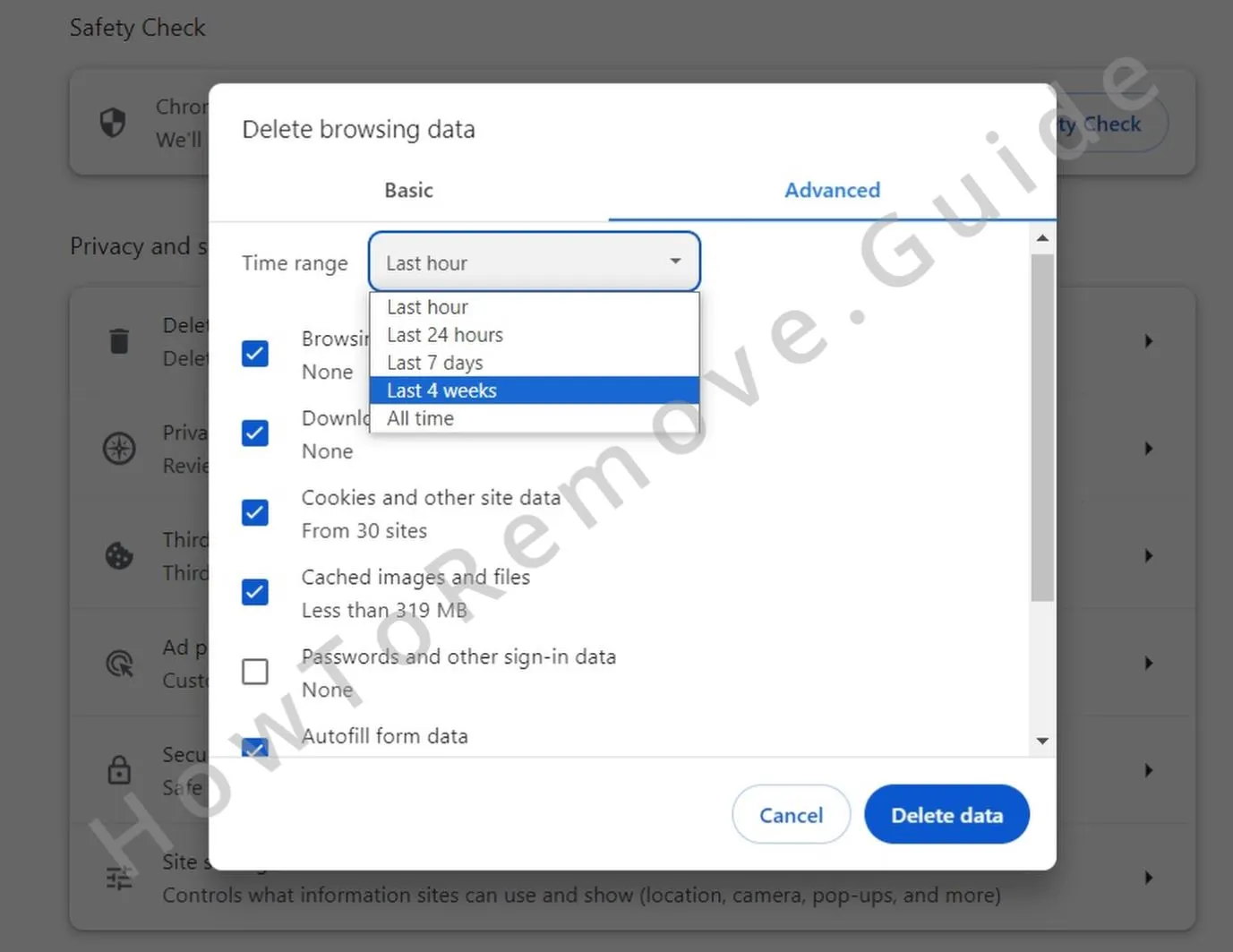 Then clear the browser’s stored data. Cached files and cookies often keep traces of unwanted activity, so select the All Time range when deleting the data.
 - 4.3
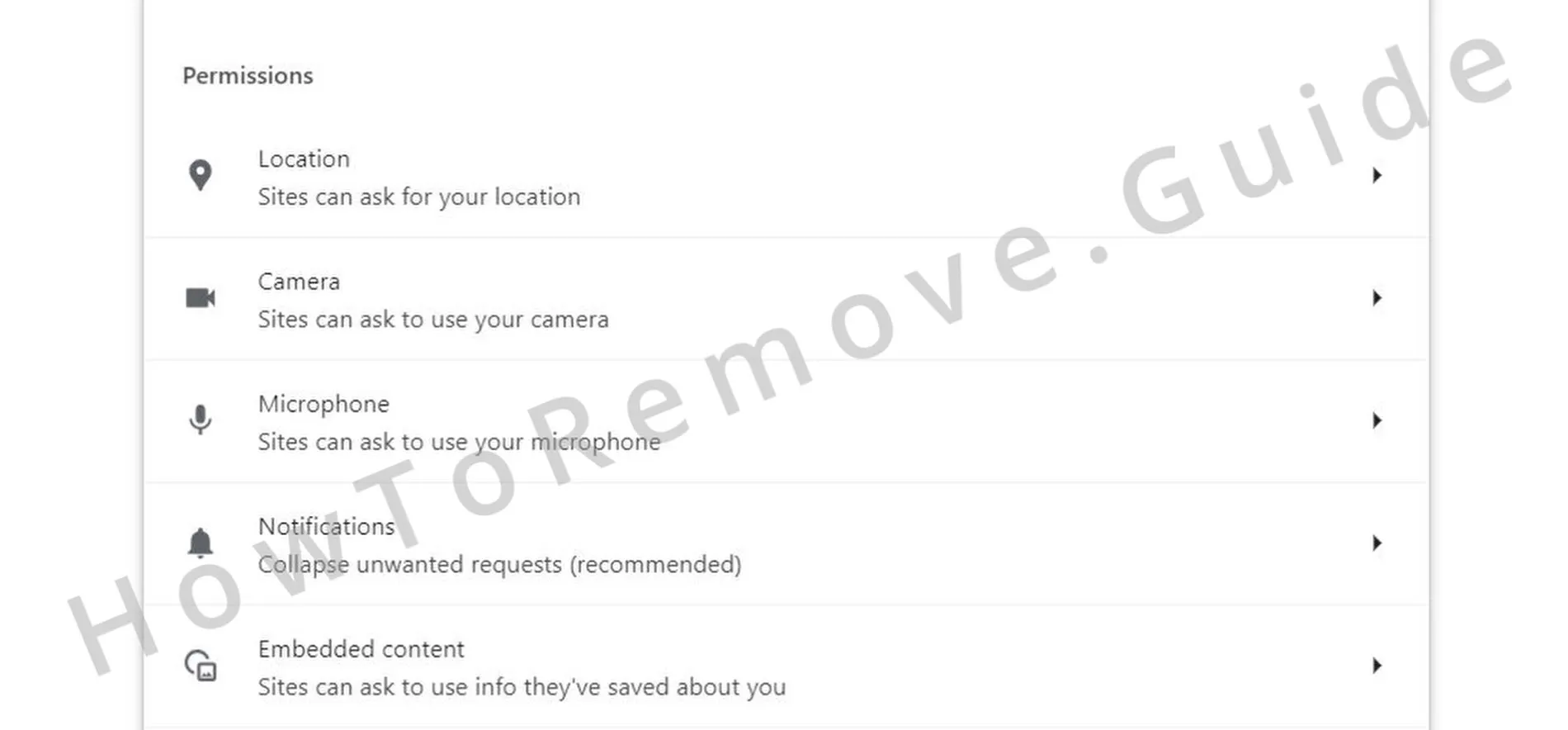 Next, return to Privacy and Security and focus on Site Permissions. Make sure no suspicious sites still have permission for notifications or redirects.
 - 4.4
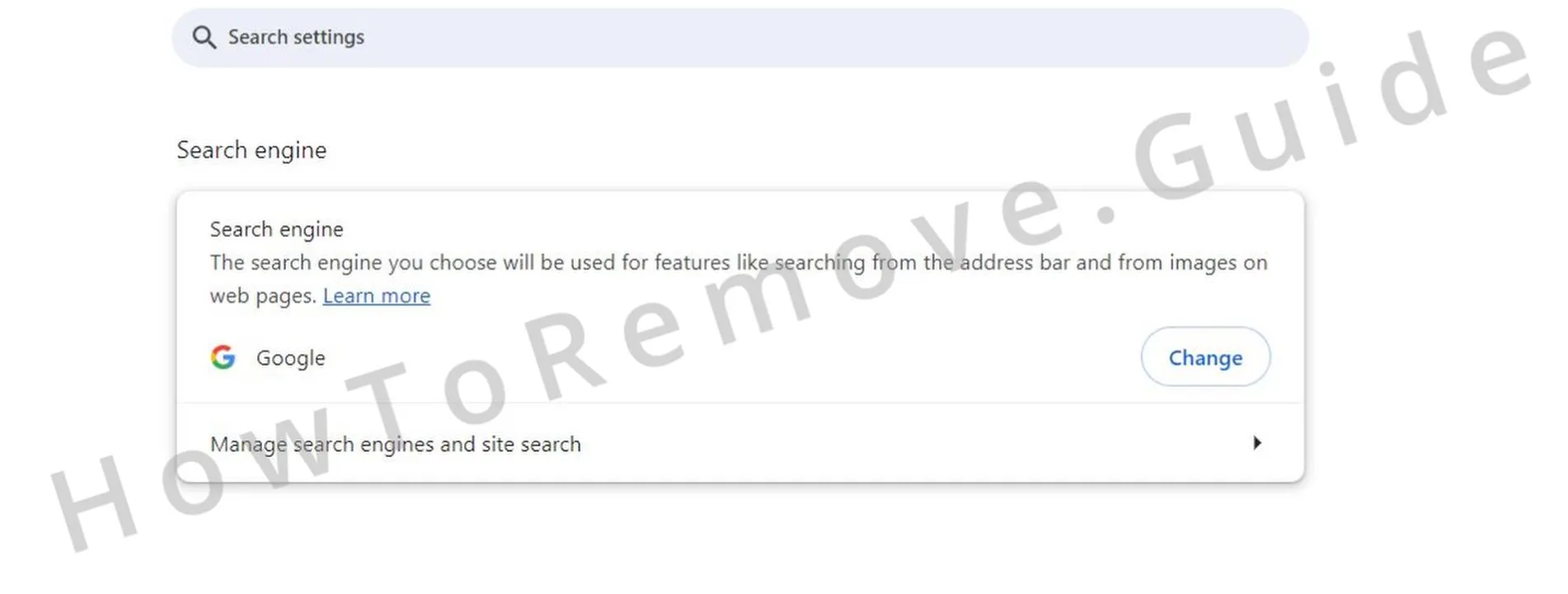 Do not skip the browser’s search engine settings. Replace any unknown provider with a familiar option such as Google or Bing.
 - 4.5Finally, inspect the On Startup and Appearance tabs for rogue URLs and remove them. When this is done, the browser should be back under your control.
