Seeing your browser suddenly jump to web.core.windows.net with a blaring “virus alert” is unsettling. Despite the Windows-y domain, this isn’t a Windows message or a computer infection – it’s a classic tech-support scam riding on Microsoft’s Azure hosting. Scammers use static pages on subdomains like 12345789.web.core.windows.net (and sometimes azurewebsites.net, Quoneroudle) to mimic system errors, lock the screen with full-page pop-ups, and push you to call a fake support number. These pages often arrive via third-party ads on otherwise legitimate sites, and they can even swap in Apple-style visuals when they detect an iPhone or Mac. The goal is simple: frighten you into phoning, paying, or granting remote access. If you get trapped, don’t dial and don’t panic – force-quit the browser, clear cookies and cache, and review site notifications in Chrome. While it isn’t malware, a quick scan with reputable security software can confirm nothing else hitched a ride. Next, we’ll show how to stop the redirects.
We tested that SpyHunter successfully removes Web.core.windows.net* and we recommend using it. It will block Web.core.windows.net from reinstalling itself and it will make sure your device is clean from any malware.
 Try Free For 7 Days*
Buy now15% OFF if you buy straight without trial.
Web.core.windows.net Removal Tutorial
Work methodically and keep changes reversible. Begin with simple checks, confirm outcomes, and only then move deeper. Focus on what you can directly observe inside the browser before touching system areas. This calm sequence shortens cleanup time for Web.core.windows.net and reduces mistakes, guiding you from quick extension reviews to stronger measures only when symptoms remain.
Quick Steps to Remove Web.core.windows.net
- 1.1Open your browser’s Settings to begin scrubbing traces of Web.core.windows.net.
In Chrome, click the ⋮ menu (top-right). In Firefox, click the ≡ menu.
Open Extensions or Add-ons from the sidebar and review every entry for anything unfamiliar. Add a brief note beside each suspect item to track actions later. - 1.2Audit each extension carefully by checking the name, icon, permissions, and full description.
Imitators often mimic trusted add-ons with near-identical titles or logos, so choose Remove if anything seems off.
Not sure? Search the exact “extension name” online to check user reports or warnings. Prefer official vendor sites when verifying authenticity under pressure. - 1.3Go to Privacy and Security in your browser settings, then open Site Permissions.
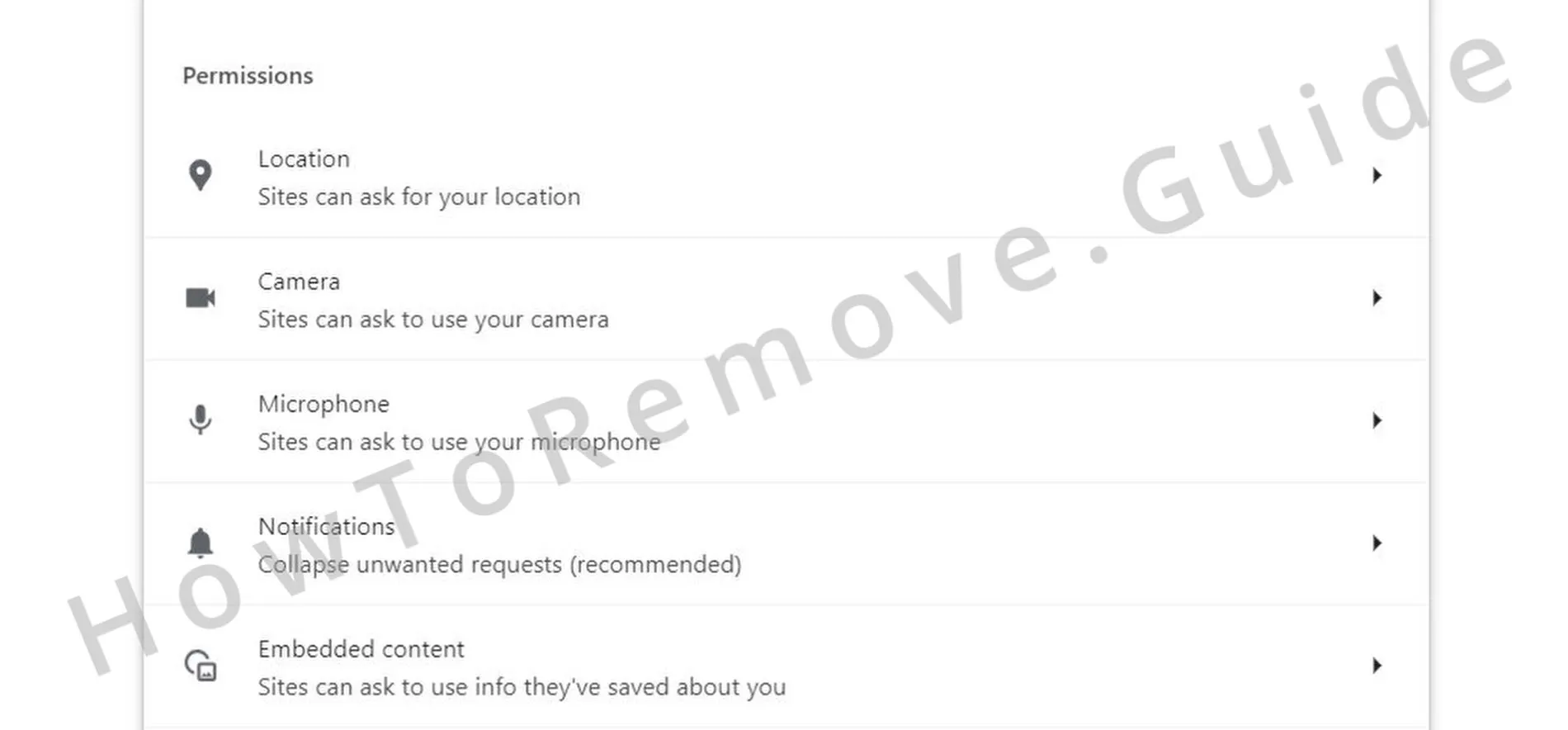
Check which sites can access your microphone, camera, location, or notifications.
Disable access for any domain you do not remember approving. Record revoked entries so you can restore legitimate permissions if needed. - 1.4Delete site entries that somehow received privileges you did not approve inside Site Permissions.
This cuts off unwanted prompts, alerts, and forced redirects that frequently reappear.
When finished, restart the browser so permission changes fully take effect. After reopening, quickly recheck permissions to confirm nothing silently reverted.
If these quick actions settle the symptoms, you can stop here. If pop-ups or redirects continue, remaining components likely sit outside the browser profile. Proceed in sequence until Web.core.windows.net is fully gone.
SUMMARY:
| Name | Web.core.windows.net |
| Type | Browser Hijacker |
| Detection Tool |
Some threats reinstall themselves if you don’t delete their core files. We recommend downloading SpyHunter to remove harmful programs for you. This may save you hours and ensure you don’t harm your system by deleting the wrong files. |
 OFFER
OFFERHow to Remove the Web.core.windows.net Virus
“Managed by your organization” means policy rules are enforcing settings at startup. Ordinary extension changes won’t override these constraints. Use the steps below to clear policy control so Web.core.windows.net can’t reapply changes. This targets enforcement layers that persist across restarts and sign-ins.
1. Identify the Web.core.windows.net Policies
- 1.1Open your browser’s policy page to locate traces of Web.core.windows.net.
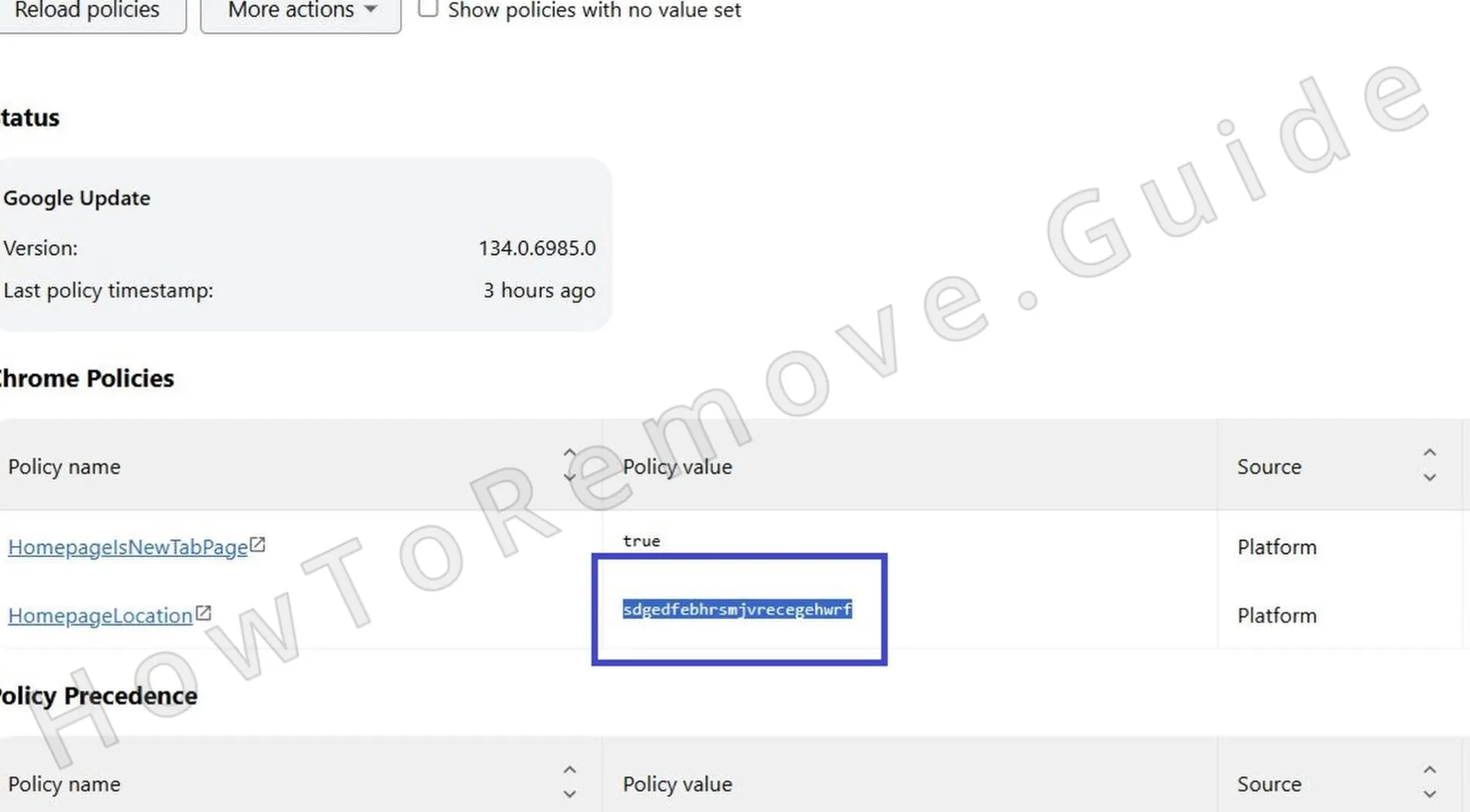
In Chrome: chrome://policy
In Edge: edge://policy
Wait for entries to load, then scan for anything unusual or out of context. Export the list using the page’s Reload policies button if available for comparison. - 1.2Inspect entries closely and watch for odd identifiers or random-looking strings.
Write down anything suspicious so you can match files and folders later.
Include the exact policy Name and Value fields because these clues map to storage paths reliably during cleanup. - 1.3Open your browser’s Extensions page and enable Developer mode using the top-right toggle.
This reveals extension IDs and install paths, which helps with manual removal.
Copy each suspicious ID into a text file so you can cross-reference directories without relying on memory. - 1.4If the Extensions page is blocked or broken, open File Explorer instead.
You can examine browser files directly and bypass interface restrictions imposed by the hijacker.
Use View > Show > Hidden items to ensure profile folders in AppData are visible during inspection. - 1.5Use File Explorer to open:
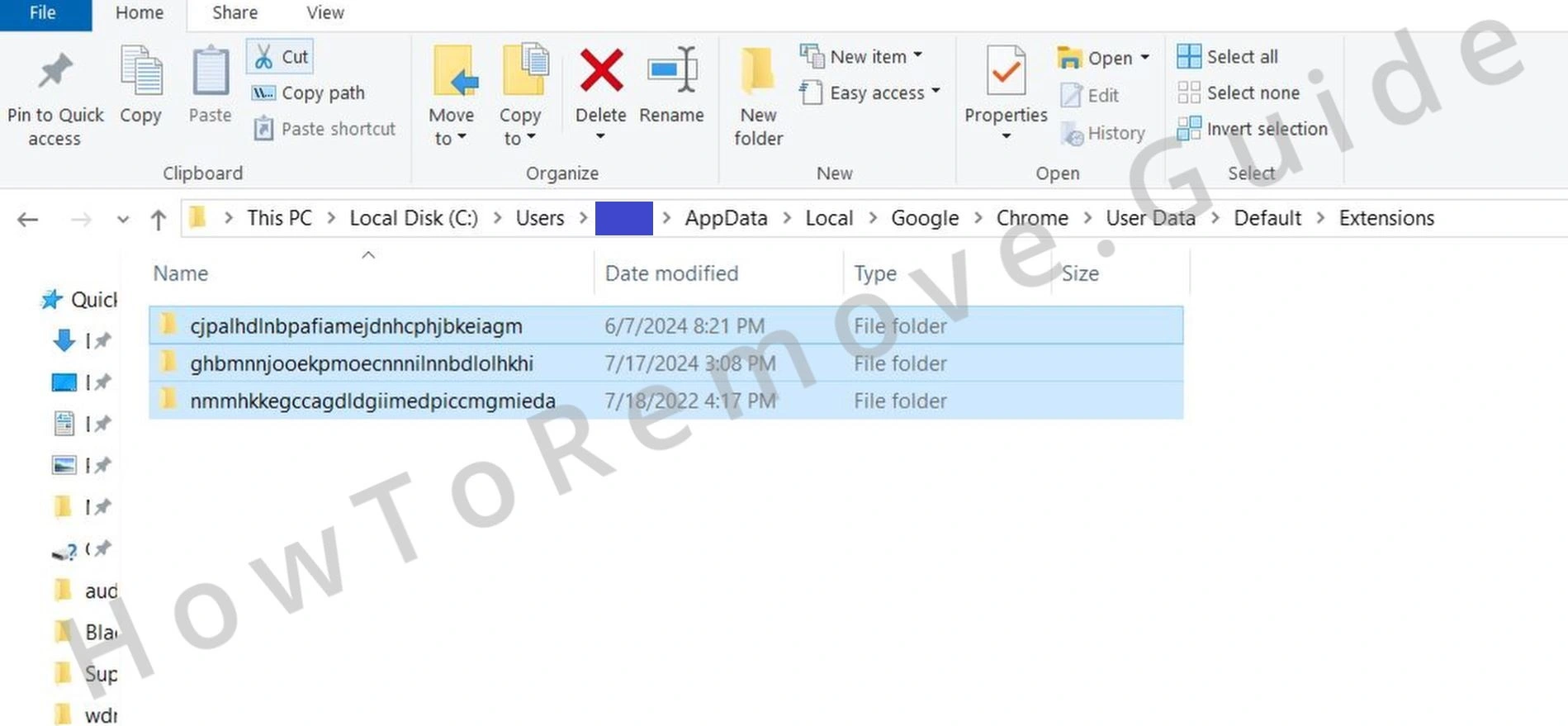
C:\Users[Your Username]\AppData\Local\Google\Chrome\User Data\Default\Extensions
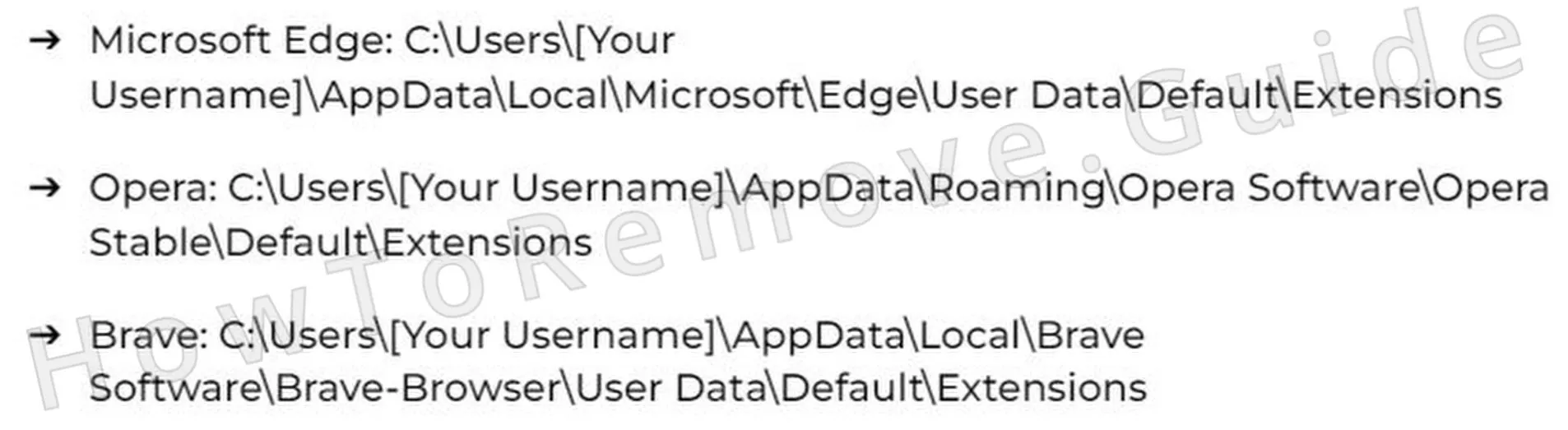
Each folder name is a unique extension ID. Compare IDs with your notes to pinpoint the unwanted add-on. Avoid deleting legitimate entries. Create a temporary desktop backup of any folder before permanent deletion to prevent accidental loss. - 1.6Using another Chromium-based browser like Brave or Opera? Its extensions live under a similar path in AppData.
Confirm the extension ID and location match before deleting any folder tied to the unwanted add-on.
Check the browser’s About page to verify it is closed completely so files unlock for removal. - 1.7After removing the suspicious folder, return to Extensions with Developer mode enabled.
Verify the item is gone. If it still appears, remove it again and ensure no leftover files can re-enable it.
Also click Update in Developer mode to force a refresh that exposes stealth reinstalls or hidden dependencies immediately.
Get Rid of Web.core.windows.net Policies
Some policy rules live in the Windows Registry and load early in the session. Editing keys incorrectly can harm stability, so avoid broad manual changes. Use the guided steps below to remove entries tied to Web.core.windows.net while keeping system behavior intact.
2. How to Delete Web.core.windows.net Policies Through the Registry
- 2.1Press Win + R, type regedit, and press Enter to open Registry Editor for removing Web.core.windows.net policy traces.
Before making changes, go to File > Export to create a backup you can restore if needed.
Choose All under Export range and save the file somewhere accessible like Documents for quick recovery. - 2.2Use Ctrl + F or Edit > Find and search for the policy names or extension IDs you recorded.
Choose Find Next and remove exact matches across all relevant registry areas.
Repeat F3 to continue searching until no additional occurrences remain across HKCU and HKLM hives. - 2.3If a registry key will not delete, right-click it and choose Permissions, then Advanced.
Under Owner, click Change, type Everyone, select Check Names, and confirm with OK.
Next, grant Full Control to Administrators and Users so the key and subkeys can be removed cleanly. - 2.4After taking ownership, enable Replace owner on subcontainers and objects and Replace all child object permission entries.
Click Apply, then OK. Reboot the system and check your browser to confirm the “Managed by your organization” message is gone.
Once verified, return to regedit and re-run searches to ensure no policy values quietly reappeared after restart.
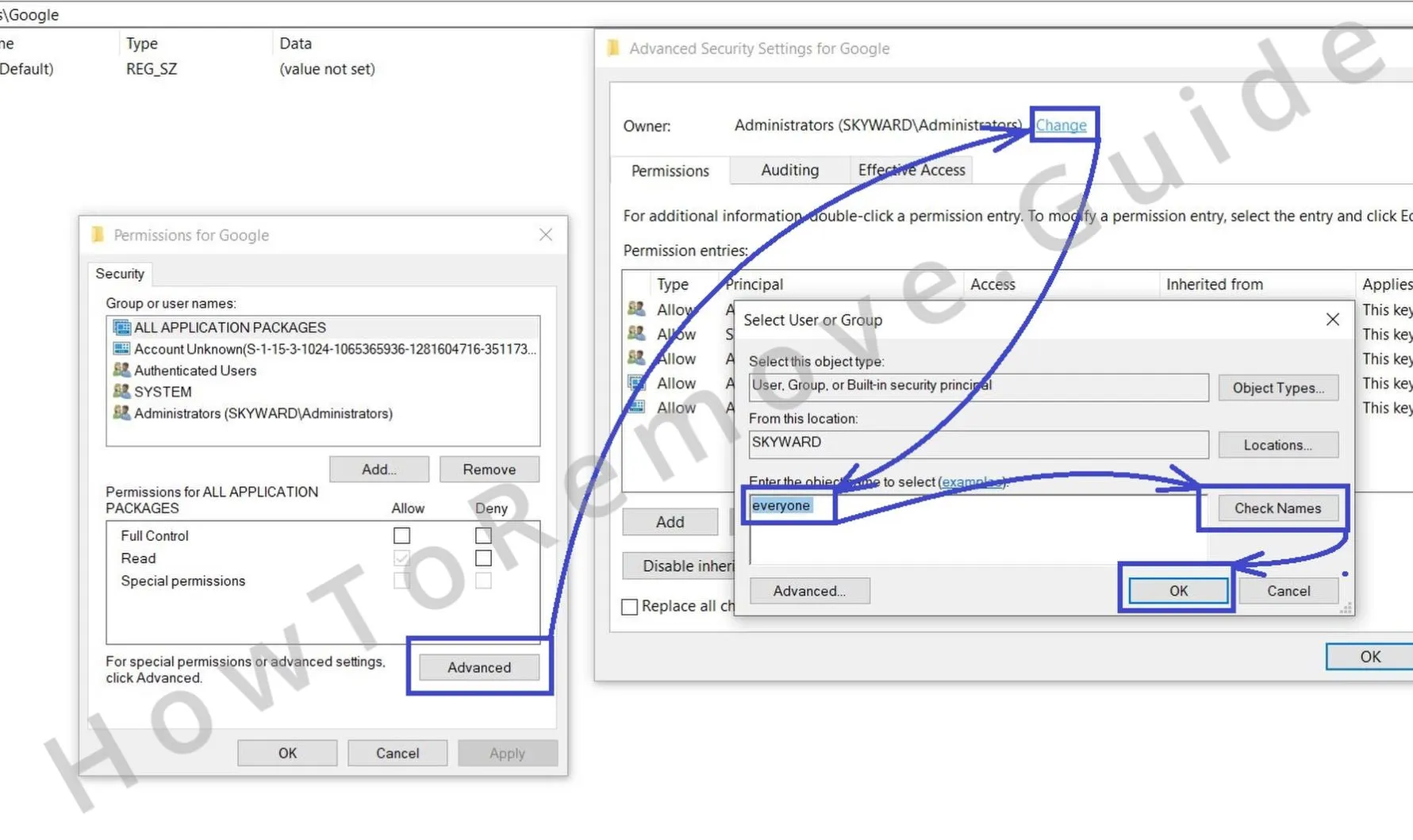
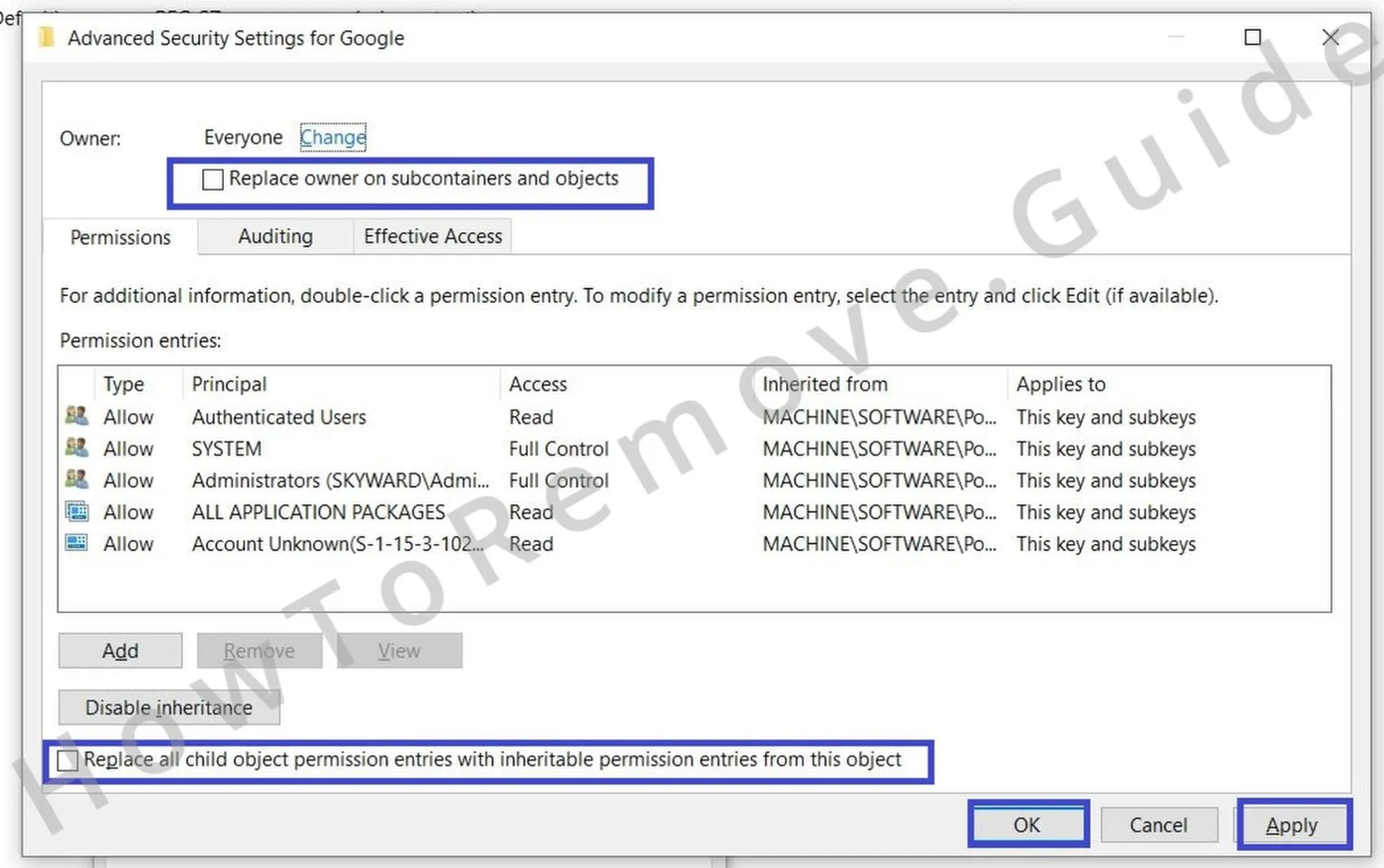
This ensures you have the rights required to remove any blocked key and prevent it from returning.
Alternative Tools to Delete Web.core.windows.net Policies
Manual checks can leave remnants that still apply rules in the background. These leftovers may continue enforcing settings at startup even after visible fixes. Use targeted utilities and local policy tools to clear policy files tied to Web.core.windows.net without broad edits, lowering the chance of instability while removing items that survive normal browser changes.
3. Other Ways to Get Rid of Web.core.windows.net Policies
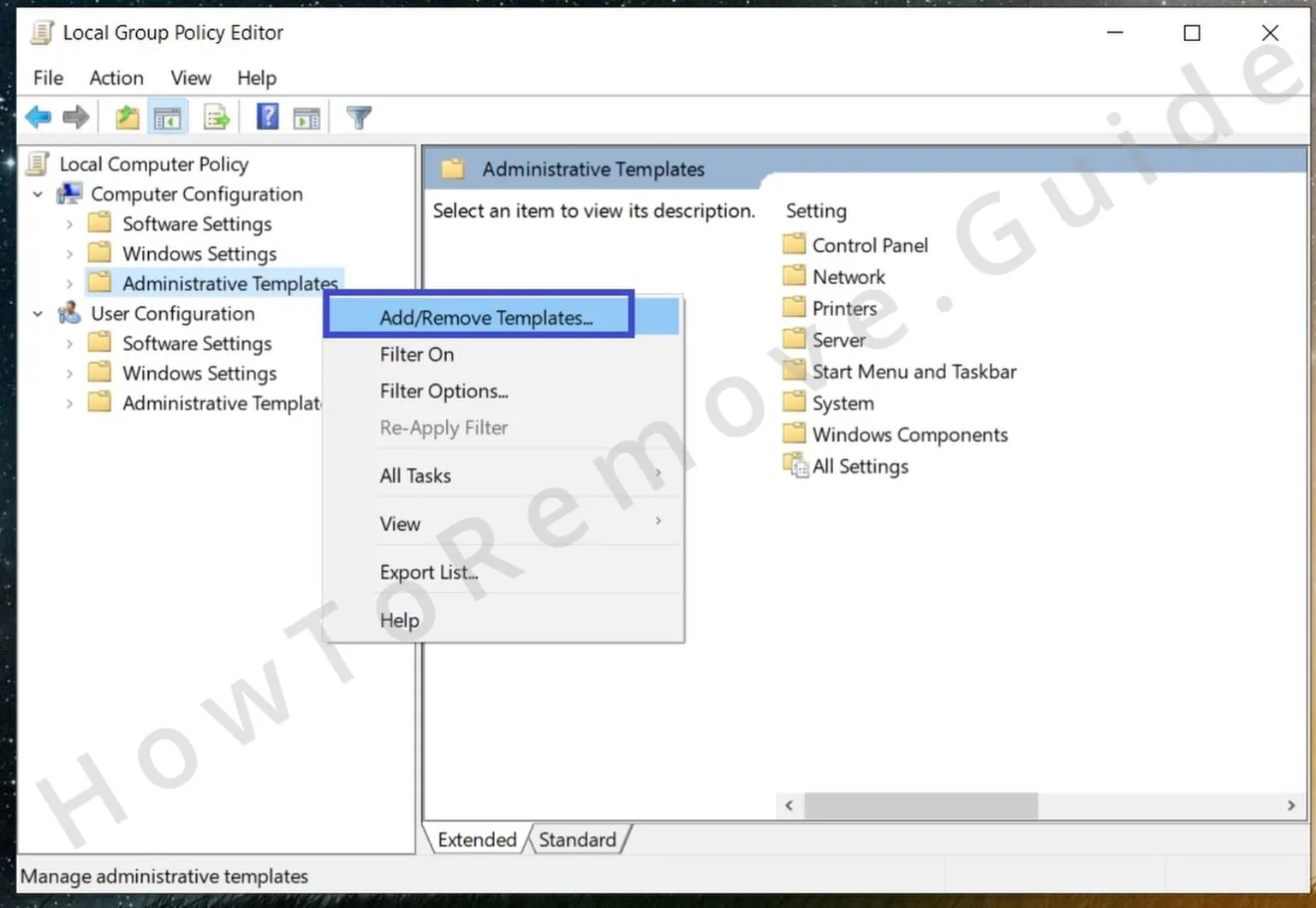
- 3.1Open Group Policy Editor with Win + S, search Edit Group Policy, and launch it to hunt for policies linked to Web.core.windows.net.
In the left pane, browse to Administrative Templates, where system-wide settings may have been altered.
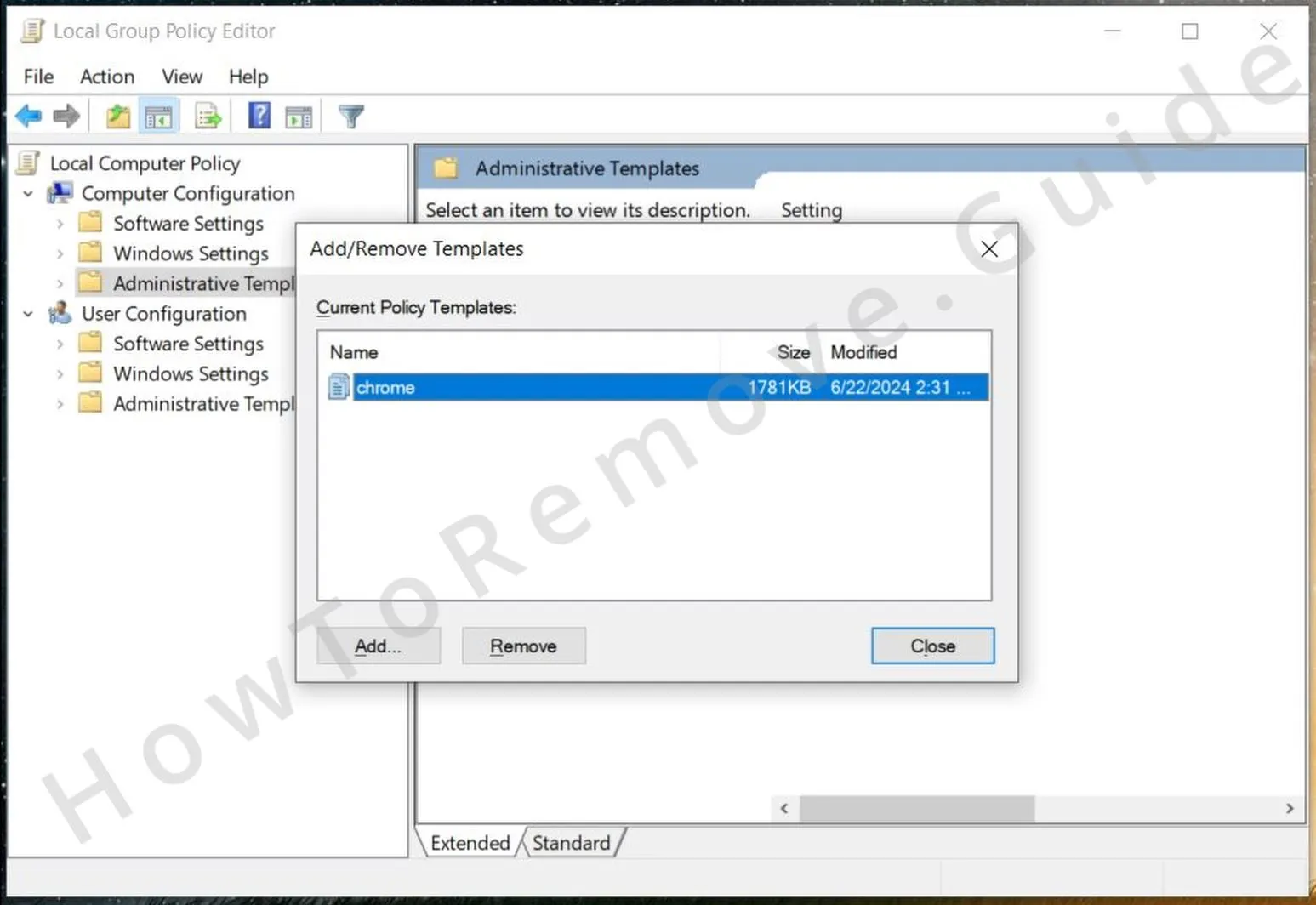
Expand both Computer Configuration and User Configuration so you check machine-wide and per-user scopes comprehensively. - 3.2Right-click Administrative Templates and choose Add/Remove Templates.
Remove items you did not add yourself to undo restrictions on your browser or system behavior.
Then review Policy states inside Windows Components for Microsoft Edge or Google Chrome and set undesired entries to Not Configured. - 3.3For Chrome, the standalone Chrome Policy Remover can detect and clear hidden policy files.
Download from a trusted source, then right-click the executable and choose Run as administrator so it has the access required to clean completely.
After running, open chrome://policy and click Reload policies to verify the list is empty or expected. - 3.4If your antivirus or Windows Defender flags the utility, choose More info and Run anyway only when the source is safe.
After it finishes, restart the computer and recheck Group Policy Editor and Registry Editor to confirm all traces are gone.
Also inspect Task Scheduler under Task Scheduler Library for stray jobs that could restore unwanted policies automatically.
Uninstall Web.core.windows.net From Chrome, Edge, and Other Browsers
After policy cleanup, verify that changes persist across reboots and account sync. Some profiles may silently restore settings from cloud data or secondary user folders. Revisit core browser pages to confirm default search, permissions, and startup pages are stable so Web.core.windows.net doesn’t reappear through sync or cached configuration fragments later on.
4. How to Remove Web.core.windows.net From Your Browser
- 4.1Open your browser’s Extensions or Add-ons page and scan again for items related to Web.core.windows.net.
If a shady extension reappears or any new ones look off, Remove them because sync or background scripts can reinstall components.
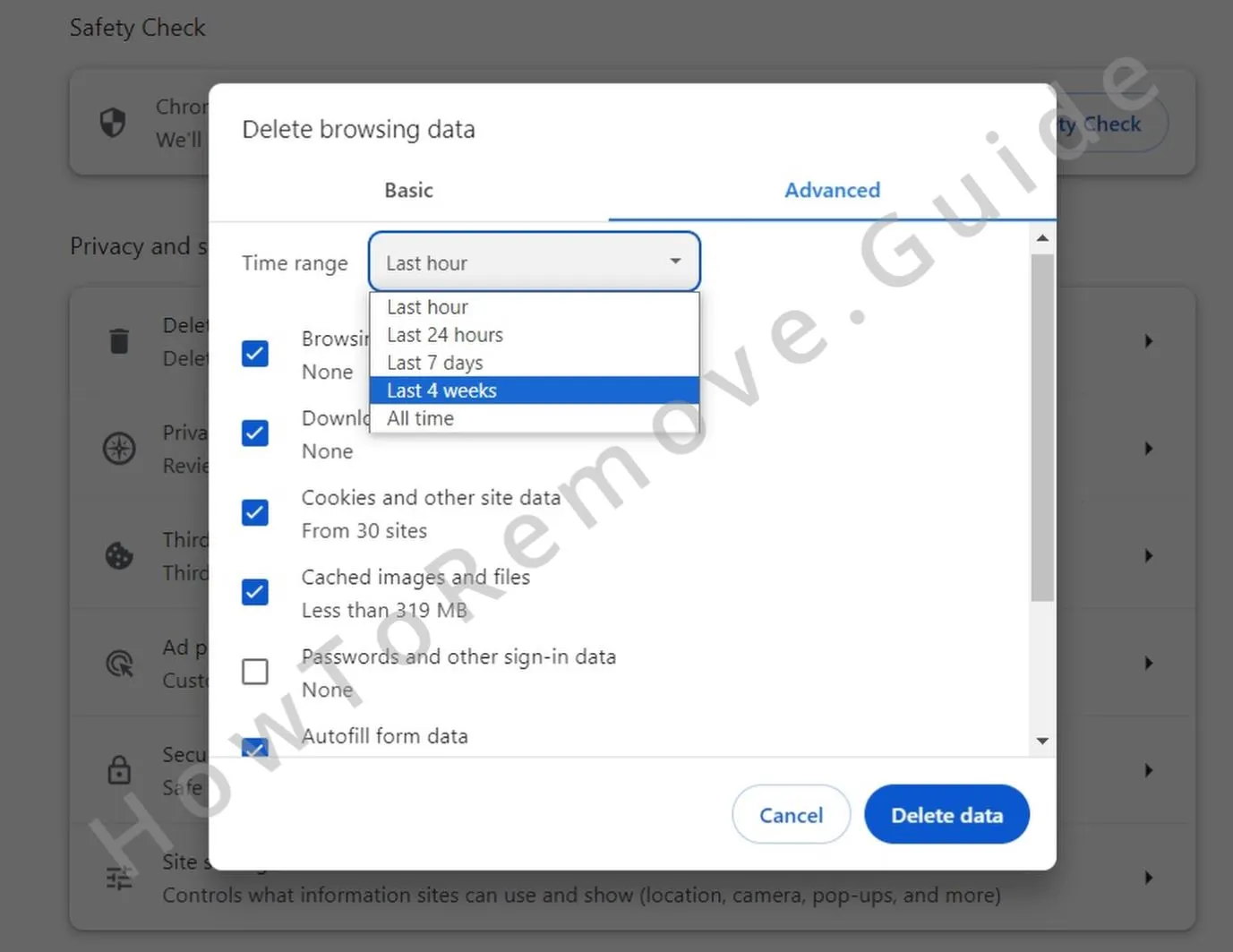
Also check chrome://extensions or the equivalent page directly to bypass theme pages that sometimes hide problem entries. - 4.2Open Clear browsing data from Settings. Set Time range to All time and select everything except Saved passwords.
Click Clear data to remove leftover cookies, cache, and fragments used for pop-ups or redirects.
Repeat for all installed profiles and, if applicable, use Clear data on exit to prevent quick reinfection attempts. - 4.3Navigate to Privacy and Security > Site settings.
Review permissions for camera, microphone, and notifications. Delete or Block any site you did not approve.
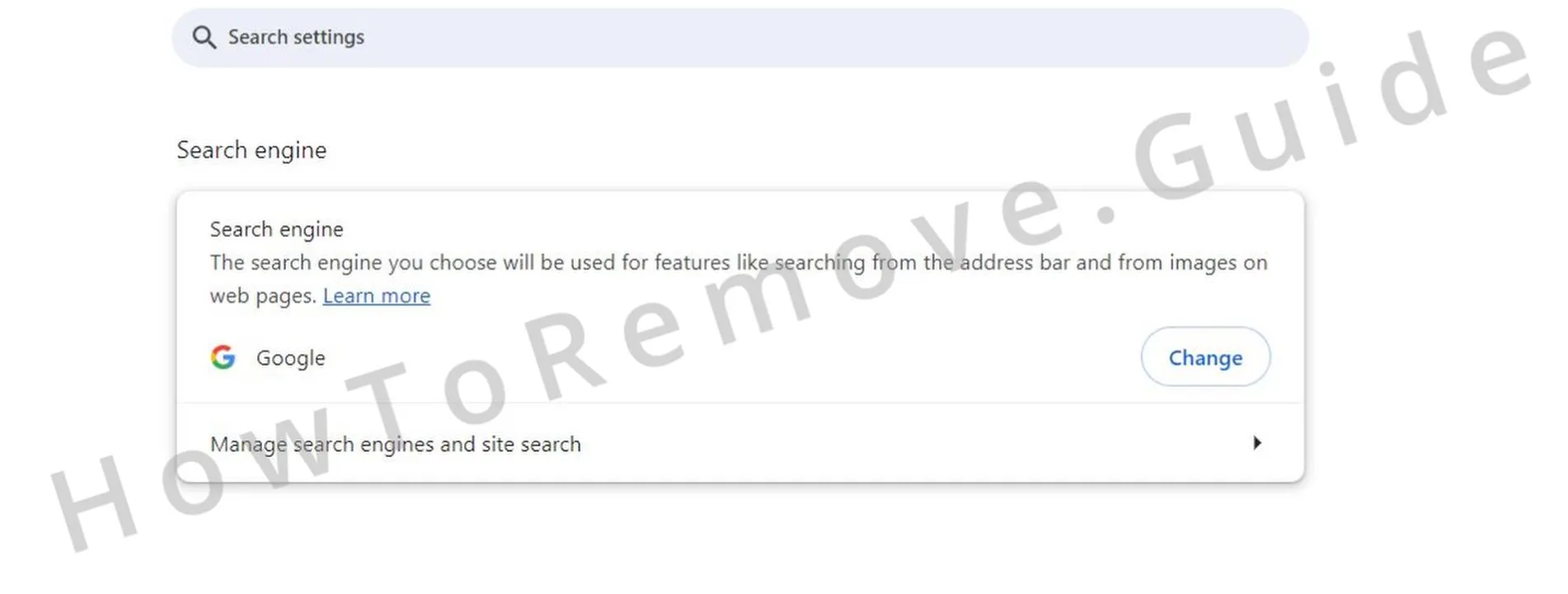
Scroll to View permissions and data stored across sites to bulk remove problematic origins efficiently. - 4.4Open Search engine settings and choose Manage search engines.
Remove unknown entries and ensure the default is a reputable provider like Google, Bing, or DuckDuckGo.
Also inspect On-device search shortcuts or Site search sections where hijackers often sneak persistent custom entries. - 4.5Check On startup and Appearance.
Remove unfamiliar URLs set as your homepage or new tab page so the hijacker cannot reassert itself via custom pages.
Finally, disable unwanted themes and reset Default theme to rule out theme-based script injections persisting between sessions.
Curious to harden things further? Consider enabling 2FA on accounts, keeping auto-update active for your browsers and extensions, and periodically exporting bookmarks before performing a full Reset settings if symptoms recur.