

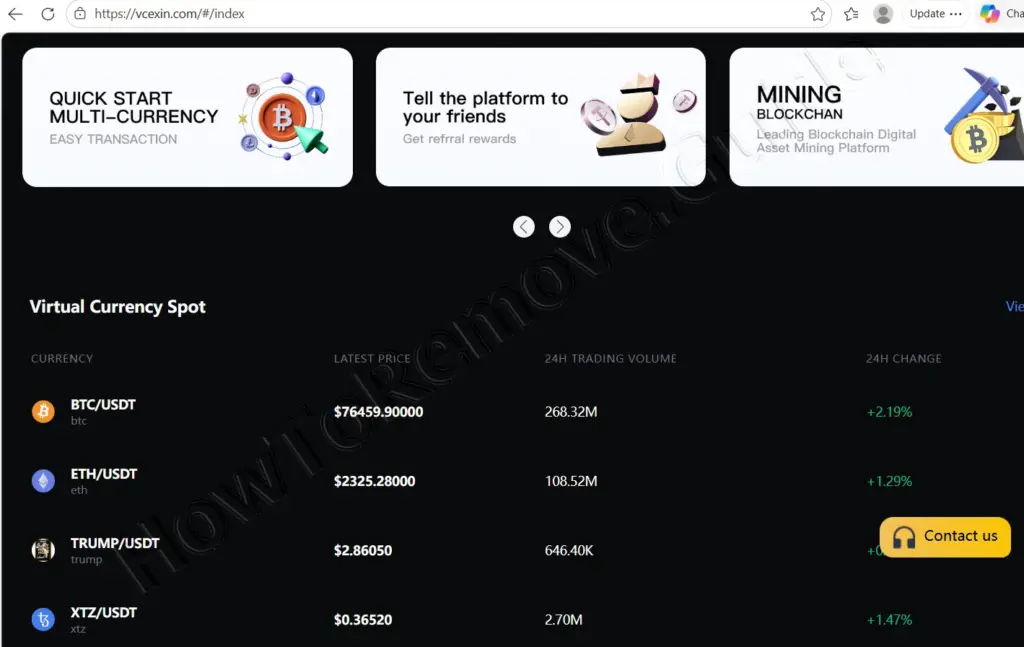
The newly emerged Vcexin.com site looks like a regular crypto trading platform, but I am here to warn you not to trust it or engage with it. Underneath its flashy exterior, you will find the same old tired scam scheme seen in other similar sites like Ymee.org or Dsj913.com .
Vcex funnels its victims through flashy promotions, AI-made celebrity clips, or social posts that aggressively try to convince viewers of how profitable and risk-free this platform is.
Then, once you sign up, you get a hefty amount of free bonus crypto to trade with. And once you start exchanging crypto, your overall balance always seems to climb. At that point, many users are convinced they are hitting it big.
Scams of VCEX‘s type are known to steal personal data and passwords. Install SpyHunter Pro to scan for risks, remove any dangerous trackers, and enable real-time protection.

Try Free For 7 Days*
Buy now15% OFF if you buy straight without trial.
 OFFER
OFFERThe truth, however, is much different. Vcex always asks you for deposits when you try to withdraw any crypto you’ve “won”, but those deposits are gone for good the moment they leave your pocket. Worse yet, registering on the site and connecting your wallet or banking account may grant the scammers direct access to them.
That is why engaging and interacting with this and other similar sites is a very bad idea and if you’ve already been scammed by Vcex, you should focus on damage control instead of on recovery of what’s already been lost.
Use this guide as a defensive checklist against Vcex and near-identical spin-offs. The points below break down the pressure tactics, fake account mechanics, and withdrawal tricks these sites rely on, then outline practical steps that help reduce damage now and lower your exposure later.
IMPORTANT! READ BEFORE PROCEEDING!
If you already engaged with Vcex — whether by opening an account, linking a wallet, uploading documents, or transferring coins — act as though the interaction exposed more than the visible loss. Stop sending anything else, isolate affected accounts, save all evidence, and harden related services before the operators or follow-on scammers can exploit what they learned.
- Move remaining assets to a fresh, clean wallet and revoke any suspicious token approvals linked to the scam touchpoint.
- Change passwords and enable app-based 2FA on email, exchanges, and chat accounts; review active sessions and delete unused API keys.
- Preserve evidence: screenshots, URLs, videos or ads, wallet addresses, TXIDs, and chat logs – keep everything for official reports.
- Notify the sending platform (your exchange or service) with TXIDs and the destination address so they can flag or freeze if possible.
- Report promptly to your national cybercrime unit (e.g., IC3 in the US, Action Fraud in the UK) and to the platform where you saw the promotion.
How We Know Vcex is a Scam
Several warning signs line up too neatly to dismiss. On their own, one oddity might be poor operations; together, they match the behavior pattern repeatedly documented across sham crypto venues that exist to collect deposits rather than process real withdrawals.
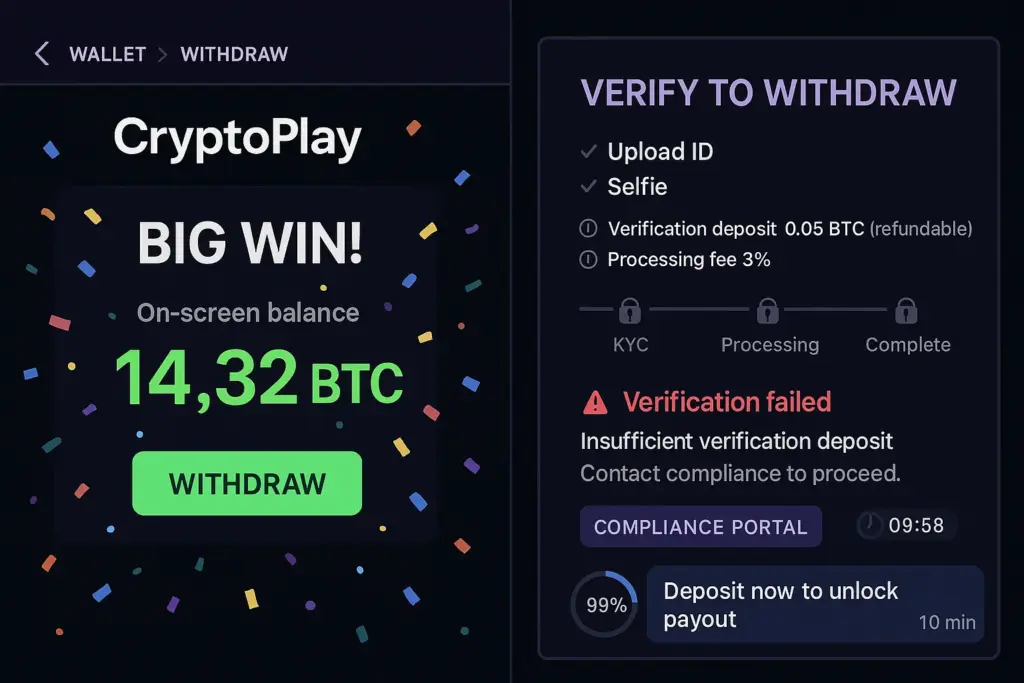
Scripted windfall screen
Instead of proving ownership of funds on-chain, Vcex relies on a dramatic dashboard number to create urgency and attachment. That sudden balance is meant to feel like money already won, even though it is only interface text.
Withdrawal-before-deposit nonsense
A legitimate service does not ask you to send crypto first so it can supposedly release crypto later. Requiring an activation payment, unlocking charge, or clearance transfer is classic advance-fee fraud repackaged for digital assets.
Borrowed fame and AI faces
Promotional videos tied to famous entrepreneurs, athletes, or creators are often fabricated or edited out of context. The goal is borrowed authority: make the lie feel familiar enough that skepticism arrives too late.
Payouts without proof
When support cannot provide a real transaction hash for an alleged withdrawal, that missing evidence says more than any excuse. Functioning platforms can show verifiable outbound transfers; imitation platforms dance around that request.
Paper-thin legal claims
Badges about regulation, AML compliance, or registration are easy to paste into a template. What matters is whether the business appears in an actual regulator register under a traceable corporate identity, which these sites often fail.
Disposable-domain pattern
Complaints tend to be followed by abrupt disappearance, then a near-copy under another address. That churn is typical of kit-built scam sites because rebuilding the shell is easier than handling withdrawals or public scrutiny.
How the Vcex Scam Deception Funnel Works
Seeing the sequence clearly strips away much of its force. Vcex does not depend on one perfect lie; it depends on stacking smaller manipulations so the victim keeps interpreting each new demand as the last step before release.
Most victims move through a familiar path: persuasive lure, painless registration, fake earnings, a modest required transfer, escalating compliance excuses, then silence. Once you recognize that rhythm, the supposed complexity of the platform starts to look staged rather than impressive.
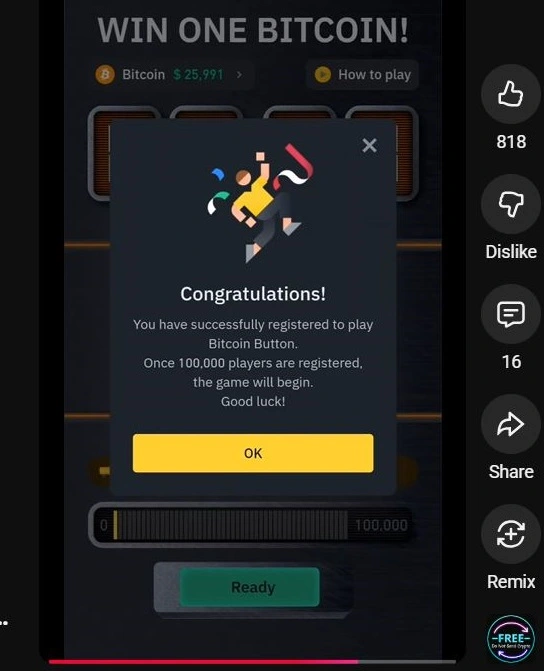
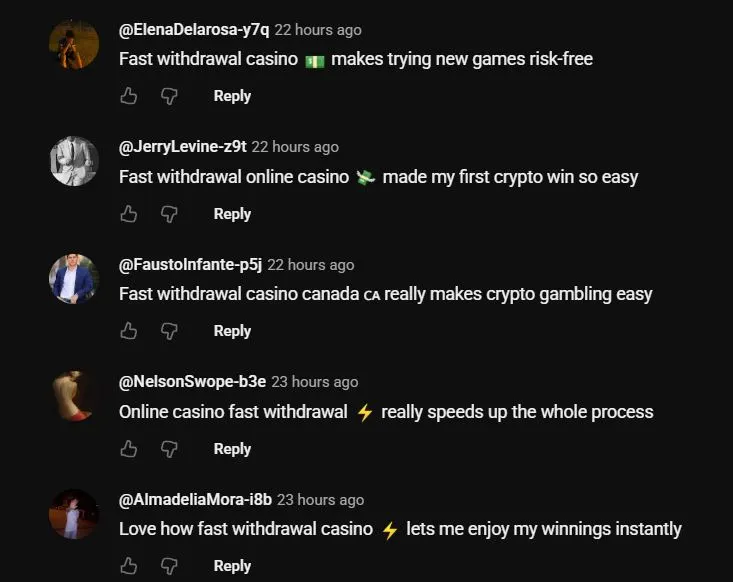
Bait posts, fake praise, promo bait
The first contact often comes through polished clips, ads, comment spam, or direct messages claiming a rare bonus. Testimonials and reply chains are there to simulate social proof and lower the instinct to verify independently.
Fast signup, polished dashboard
Registration is intentionally frictionless because the real friction is saved for the withdrawal stage. As soon as you enter a code or create an account, the site rewards you with a clean interface full of numbers meant to suggest credibility.

Counterfeit balance takes over
Once the user sees a large balance, attention shifts from verification to opportunity. The account appears active, earnings look plausible, and every visual cue is engineered to keep the victim focused on extracting the displayed amount.
More fees, more documents, more delay
The moment a withdrawal is requested, the site changes tone. Suddenly there is a network fee, a tax prepayment, an AML checkpoint, a wallet synchronization issue, or a request for ID images that creates both delay and extra exposure.

Exit, reboot, and secondary targeting
If the victim resists, support becomes vague, slower, or disappears entirely. Soon the domain may be abandoned, while the same operators or their partners return with a new brand or even a fake recovery offer aimed at the already harmed.
Staying safe from crypto scams like Vcex
Staying ahead of scams like Vcex does not require expert trading knowledge. What helps most is a set of repeatable habits that interrupt urgency, force independent verification, and limit the amount of value or personal data any one bad interaction can expose.
Treat pay-to-withdraw as a stop sign
Any request to send funds in order to unlock funds should end the conversation immediately. Genuine services disclose charges clearly and do not hold your balance hostage behind invented deposits or pre-clearance payments.
Confirm endorsements somewhere real
When a familiar face is used to sell a platform, check official channels rather than the clip itself. Deepfake tools and edited interviews make it cheap for scammers to manufacture the appearance of approval.
Reach exchanges your own way
Do not rely on sponsored search results, unsolicited messages, or links dropped in comments. Visiting platforms through your own saved bookmarks removes one of the easiest routes attackers use to steer people to copies.
Verify licenses in official records
If Vcex claims oversight, look for the regulator’s own database or public warning list. Fraud sites frequently display certification graphics that sound reassuring but collapse the moment you try to verify the entity behind them.
Use a sacrificial wallet
A separate low-balance wallet helps contain damage when testing unknown services. Your primary holdings should not be exposed to experimental signups, suspicious smart contracts, or sites whose ownership and reputation remain unclear.
Secure every related account
Email accounts, exchange logins, messaging apps, and cloud storage may all matter after a scam encounter. Strengthen passwords, enable app-based two-factor authentication, review active sessions, and remove stale keys or devices.
Undo wallet permissions quickly
If you connected a wallet or approved token access, assume that connection deserves review. Revoke unnecessary permissions with trusted tools and move remaining assets to a fresh wallet if anything about the interaction feels unsafe.
Guard personal documents and slow decisions
Anyone who uploaded ID documents or selfies to Vcex should watch for misuse beyond crypto theft. Depending on your jurisdiction, monitoring statements, placing alerts, or freezing credit may be worth considering while the risk is assessed.
Where to report Vcex-style crypto scams (by country)
Reporting will not guarantee recovery, but it improves the odds that warnings spread and linked wallets are flagged. Keep screenshots, URLs, transaction IDs, wallet addresses, chats, and copies of promotional material, then report both the site and the ad channel that pushed it.
Where to report Vcex safely
| Country / Agency | URL | Category / Use-case | Phone/Email |
| Australia – Crime Stoppers | https://www.crimestoppers.com.au | Anonymous tips about crime | 1800 333 000 |
| Australia – National Anti-Scam Center (Scamwatch) | https://www.scamwatch.gov.au/report-a-scam | General scams; phishing; texts/emails | |
| Australia – Police Assistance Line (non-emergency) | https://www.police.gov.au | Local police report | 131 444 |
| Australia – ReportCyber (ACSC) | https://www.cyber.gov.au/report | Cybercrime (hacks, fraud, extortion) | |
| Canada – Canadian Anti-Fraud Center (CAFC) | https://www.antifraudcentre-centreantifraude.ca/report-signalez-eng.htm | General scams incl. phone/text/email | |
| France – DGCCRF (SignalConso) | https://signal.conso.gouv.fr | Consumer scams/deceptive practices | |
| France – PHAROS – Internet-Signalement | https://www.internet-signalement.gouv.fr | Online content & cybercrime reports | |
| Germany – Bundeskriminalamt / Local Police | https://www.polizei.de/Polizei/DE/Home/home_node.html | Report online fraud | |
| Germany – Weißer Ring – Victim Support | https://weisser-ring.de | Victim support | 116 006 |
| India – DoT Helpline (Sanchar Saathi) | https://sancharsaathi.gov.in | Fraudulent telecom/SIM related | 155260 |
| India – National Consumer Helpline | https://consumerhelpline.gov.in | Consumer scams | 1800-11-4000 / 1915 |
| India – National Cyber Crime Reporting Portal | https://cybercrime.gov.in | Cybercrime incl. online fraud | 1930 |
| Japan – Consumer Affairs Agency (CAA) | https://www.caa.go.jp/policies/policy/consumer_policy/caution/cybercrime/ | Consumer scams | |
| Japan – National Police Agency – Cybercrime | https://www.npa.go.jp/bureau/cyber/ | Cybercrime reporting | |
| Mexico – Guardia Nacional (National Guard) | https://www.gob.mx/gn | Cybercrime reporting | |
| Mexico – Instituto Federal de Telecomunicaciones (IFT) | https://www.ift.org.mx | Telecom/online services scams | |
| Mexico – PROFECO | https://www.gob.mx/profeco | Consumer fraud & ecommerce | |
| Netherlands – AFM – Report investment fraud | https://www.afm.nl/en/consumenten/themas/beleggen/misleiding-misbruik | Investment/crypto | |
| Netherlands – Fraudehelpdesk | https://www.fraudehelpdesk.nl/melden | General scams (incl. phishing/SMS) | 088-7867372 |
| Netherlands – Politie – Meldpunt Internetoplichting | https://www.politie.nl/themas/internetoplichting.html | Online shopping fraud | |
| New Zealand – CERT NZ | https://www.cert.govt.nz/individuals/report-an-issue/ | Phishing, identity scams | |
| New Zealand – Department of Internal Affairs – Spam | https://www.dia.govt.nz/Spam-Contact-Us | Email/SMS spam | [email protected] |
| New Zealand – IDCARE | https://www.idcare.org | Victim support (identity compromise) | 0800 121 068 |
| New Zealand – Netsafe – Report | https://www.netsafe.org.nz/report/ | Online harms & scams | |
| New Zealand – New Zealand Police (non-emergency) | https://www.police.govt.nz/use-105 | Report fraud/online crime | 105 |
| Nigeria – Economic & Financial Crimes Commission (EFCC) | https://www.efcc.gov.ng | Financial scams incl. crypto/investment | [email protected] |
| Nigeria – Nigeria Police Special Fraud Unit (SFU) | https://www.specialfraudunit.org.ng | Serious fraud | Voice/SMS: 0708 227 6895; WhatsApp: 0812 760 9914 |
| Poland – CERT Polska (CERT.PL) | https://cert.pl/en/report/ | Cyber incidents & phishing | |
| Poland – Dyzurnet.pl | https://dyzurnet.pl | Illegal online content (esp. child protection) | |
| Poland – Polish Police (Policja) | https://www.policja.pl | Report scams to police | |
| Singapore – Anti-Scam Centre / Anti-Scam Helpline | https://www.scamalert.sg | General scams; texts; calls | 1800-722-6688 |
| Singapore – Monetary Authority of Singapore (MAS) | https://www.mas.gov.sg/investor-alert-list | Investment/crypto checks | |
| Singapore – Singapore Police Force | https://www.police.gov.sg/iwitness | Police report (cybercrime) | |
| South Africa – Cybersecurity Hub (CSIRT) | https://www.cybersecurityhub.gov.za | Cyber incidents incl. scams | |
| South Africa – South African Fraud Prevention Service (SAFPS) | https://www.safps.org.za | Identity fraud support | 011-867-2234 |
| South Africa – South African Police Service (SAPS) | https://www.saps.gov.za | Police report (cybercrime unit) | |
| South Korea – Korea Communications Commission (KCC) | https://www.kcc.go.kr | Telecom-related fraud | |
| South Korea – Korea Internet & Security Agency (KISA) | https://www.kisa.or.kr | Phishing, online harms | |
| South Korea – Korean National Police Agency – Cyber Bureau | https://ecrm.cyber.go.kr | Cybercrime reporting | |
| Spain – INCIBE – Oficina de Seguridad del Internauta (OSI) | https://www.osi.es/es/reporte | Cybersecurity & online fraud | |
| Spain – Policía Nacional / Guardia Civil | https://www.policia.es | Report scams to police | |
| Sweden – Crime Victim Authority (Brottsoffermyndigheten) | https://www.brottsoffermyndigheten.se | Victim support & compensation | 090–70 82 00 |
| Sweden – Polisen (Swedish Police) | https://polisen.se | Report fraud/cybercrime | 114 14 (non-emergency); 112 (emergency) |
| Sweden – Swedish Consumer Agency (Konsumentverket) | https://www.konsumentverket.se | Unfair business practices | |
| United Arab Emirates – Abu Dhabi Police – Aman Service | https://www.adpolice.gov.ae | Cybercrime tips/reporting | SMS 2828; 800 2626 |
| United Arab Emirates – Dubai Police – eCrime | https://www.dubaipolice.gov.ae | Cybercrime reporting | 04 606 1600 |
| United Arab Emirates – Ministry of Interior – Cyber Crime Dept. | https://www.moi.gov.ae | Cybercrime incl. online scams | |
| United Arab Emirates – Telecommunications Regulatory Authority (TRA) / TDRA | https://www.tra.gov.ae | Telecom-related scams/phishing | |
| United Kingdom – Action Fraud (NFIB) | https://www.actionfraud.police.uk | General scams & cybercrime (non-emergency) | 0300 123 2040 |
| United Kingdom – Citizens Advice Consumer Service | https://www.citizensadvice.org.uk/consumer/get-more-help/if-you-need-more-help-about-a-consumer-issue/ | Consumer problems & scam guidance | 0808 223 1133 |
| United Kingdom – Financial Conduct Authority (FCA) | https://www.fca.org.uk/consumers/report-scam-us | Investment/crypto & financial services | |
| United Kingdom – National Cyber Security Centre (NCSC) | https://www.ncsc.gov.uk/collection/phishing-scams | Phishing emails & suspicious websites | |
| United Kingdom – Stop Scams UK ‘159’ | https://stopscamsuk.org.uk/159 | Banking APP fraud (direct to your bank) | 159 |
| United States – AARP Fraud Watch Network Helpline | https://www.aarp.org/money/scams-fraud/ | Victim support | 833-372-8311 |
| United States – Better Business Bureau – Scam Tracker | https://www.bbb.org/scamtracker | Business/marketplace scams | |
| United States – FBI Internet Crime Complaint Center (IC3) | https://www.ic3.gov | Internet crime incl. investment/crypto | |
| United States – Federal Trade Commission – ReportFraud | https://reportfraud.ftc.gov | General scams, phishing, texts/emails | 1-877-382-4357 |
| United States – National Center for Disaster Fraud | https://www.justice.gov/disaster-fraud | Disaster-related scams | (866) 720-5721 |
| United States – SEC Tips & Complaints | https://www.sec.gov/tcr | Investment & securities/crypto-asset offerings |
